AI Systems Tested for Autonomous Aircraft Piloting in the US

Thumbnail Image

The information displayed in the AIM should not be reported as representing the official views of the OECD or of its member countries.

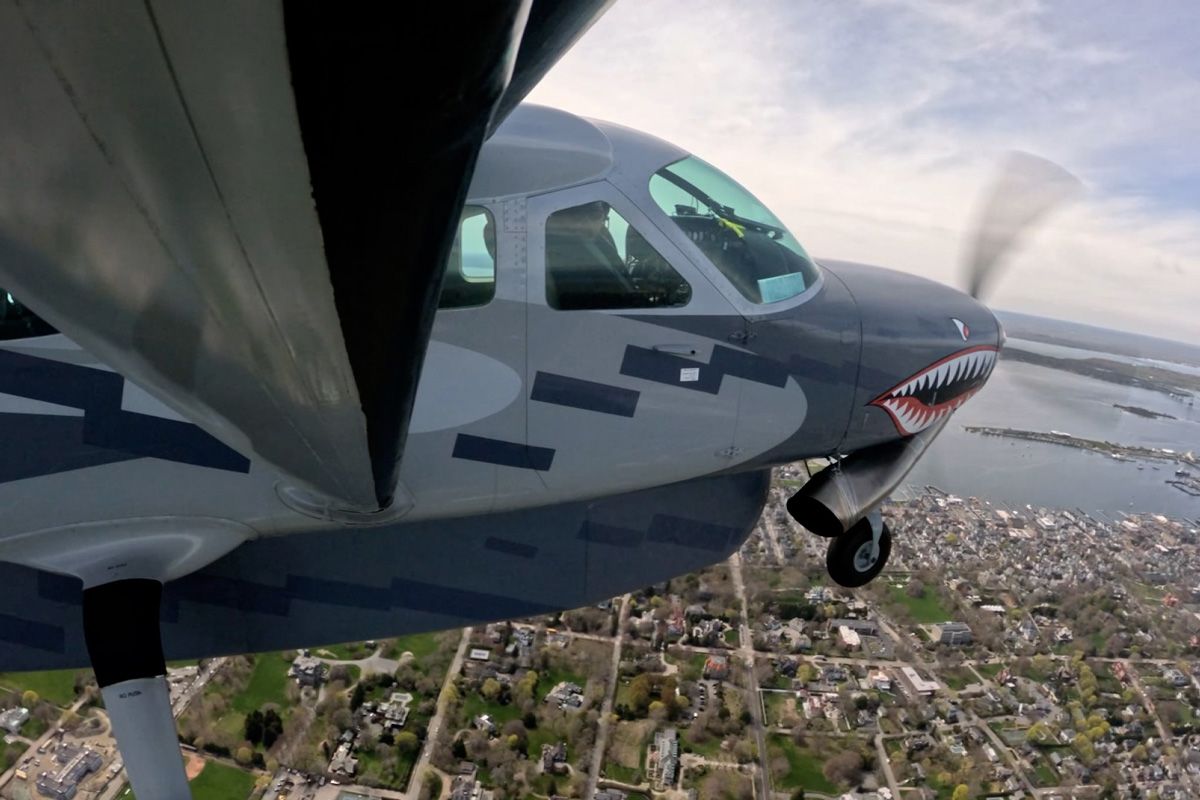
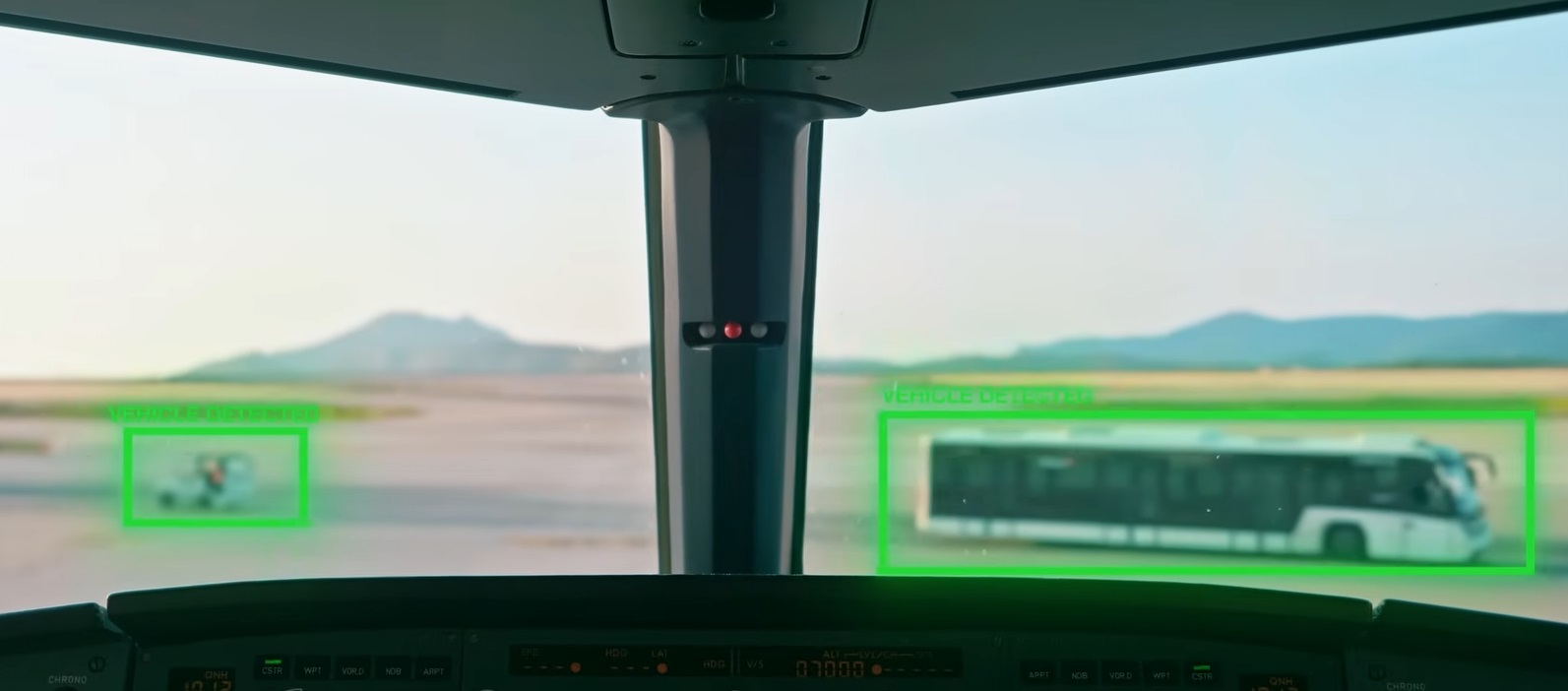
Aviation companies, notably Merlin Labs, are testing AI systems capable of autonomously piloting aircraft, interpreting air traffic instructions, and communicating with control towers. Demonstrations in Rhode Island showed AI controlling a Cessna Caravan without human intervention, raising potential safety concerns for future autonomous flight operations.[AI generated]

Why's our monitor labelling this an incident or hazard?

An AI system is explicitly involved as it autonomously pilots aircraft and communicates with control towers. The event stems from the use and development of this AI system. Although no incident or harm has yet occurred, the article discusses potential safety risks and labor concerns, indicating plausible future harms. Hence, this qualifies as an AI Hazard rather than an AI Incident or Complementary Information, since the tests are ongoing and no harm has materialized yet.[AI generated]
AI principles
SafetyRobustness & digital security

Industries
Mobility and autonomous vehicles

Affected stakeholders
ConsumersGeneral public

Harm types
Physical (injury)Physical (death)

Severity
AI hazard

Business function:
Research and development

AI system task:
Goal-driven organisationReasoning with knowledge structures/planning


Articles about this incident or hazard

Thumbnail Image

Se fac primele teste în care inteligența artificială conduce avioane. Oportunitate sau pericol pentru industrie

2026-05-25
Ziare.com
Why's our monitor labelling this an incident or hazard?
An AI system is explicitly involved as it autonomously pilots aircraft and communicates with control towers. The event stems from the use and development of this AI system. Although no incident or harm has yet occurred, the article discusses potential safety risks and labor concerns, indicating plausible future harms. Hence, this qualifies as an AI Hazard rather than an AI Incident or Complementary Information, since the tests are ongoing and no harm has materialized yet.
Thumbnail Image

AI-ul învață să piloteze avioane fără intervenție umană. Industria aeronautică intră într-o nouă eră

2026-05-25
Mediafax.ro
Why's our monitor labelling this an incident or hazard?
The AI system is explicitly involved in piloting an aircraft autonomously, which qualifies as an AI system under the definitions. However, the article only reports successful test flights and ongoing development without any harm or accident resulting from the AI's use. The concerns and warnings from pilots and experts indicate potential future risks, but no direct or indirect harm has materialized. Thus, the event fits the definition of an AI Hazard, as the AI system's use could plausibly lead to harm in the future, but no AI Incident has occurred yet.
Thumbnail Image

Avioanele viitorului prind contur: inteligența articifială învață să piloteze avioane și să comunice cu turnurile de control

2026-05-25
Gândul
Why's our monitor labelling this an incident or hazard?
The presence of AI systems is explicit, as the article details AI controlling aircraft functions and communication. However, the event is about testing and development with no reported incidents or accidents caused by AI. The article highlights potential future impacts and concerns, including safety and labor issues, but no direct or indirect harm has occurred yet. Thus, it fits the definition of an AI Hazard, as the AI system's use could plausibly lead to harm in the future, especially given the critical nature of aviation safety.
Thumbnail Image

AI-ul învață să piloteze avioane. Cum funcționează sistemul care poate gestiona întreg procesul de zbor

2026-05-25
Cotidianul RO
Why's our monitor labelling this an incident or hazard?
The event involves an AI system explicitly described as controlling an aircraft autonomously, including complex tasks like flight control and communication. However, the article does not report any injury, accident, or violation caused by the AI system. Instead, it focuses on the potential of AI to reduce human error and improve safety, while acknowledging ongoing challenges and concerns. Since no harm has occurred but the AI system's use could plausibly lead to incidents in the future, this fits the definition of an AI Hazard rather than an AI Incident or Complementary Information.
Thumbnail Image

Inteligența artificială începe să piloteze avioane. Industria aviatică testează viitorul zborurilor autonome - GAZETA de SUD

2026-05-25
GAZETA de SUD
Why's our monitor labelling this an incident or hazard?
The event involves the use of an AI system in aviation, specifically for autonomous flight control. However, the article does not report any realized harm or incidents caused by the AI system. Instead, it discusses ongoing development, testing, and potential future applications, along with industry and regulatory perspectives. Since no harm has occurred but there is a plausible risk and significant future impact potential, this qualifies as an AI Hazard. The AI system's involvement could plausibly lead to incidents if not properly managed, but currently, it is a demonstration and development phase without direct harm.
Thumbnail Image

Avioanele pilotate de AI nu mai sunt doar science-fiction. Primele teste arată cât de aproape este tehnologia

2026-05-25
Business24
Why's our monitor labelling this an incident or hazard?
The event involves AI systems controlling aircraft, which qualifies as AI system involvement. However, the article only reports on tests and potential future uses, with no actual harm or incidents reported. There is no indication of injury, disruption, rights violations, or other harms caused by these AI systems at this stage. The article also discusses regulatory and industry responses, which provide context but do not describe an incident or hazard. Therefore, this is best classified as Complementary Information, as it informs about AI developments and governance considerations without describing an AI Incident or AI Hazard.
Thumbnail Image

Inteligența artificială învață să piloteze avioane fără intervenție umană

2026-05-25
G4Media.ro
Why's our monitor labelling this an incident or hazard?
The event involves AI systems actively controlling aircraft, which is a clear AI system involvement. Although no incident or harm has been reported, the autonomous piloting capability could plausibly lead to harm such as accidents or safety risks if the AI malfunctions or is misused. Therefore, this qualifies as an AI Hazard due to the credible risk of future harm inherent in deploying AI for critical aviation control tasks. The article focuses on the development and testing phase and the potential implications, not on an actual incident or harm realized yet.
Thumbnail Image

AI-ul care pilotează avioane, testat deja în SUA

2026-05-25
Economedia.ro
Why's our monitor labelling this an incident or hazard?
The AI system is explicitly involved as it pilots aircraft autonomously and communicates with control towers, which fits the definition of an AI system. However, the article does not report any actual harm or incidents resulting from the AI's use; rather, it focuses on ongoing testing and potential future applications. The possibility of AI malfunction or misuse in aviation could plausibly lead to harm such as injury or disruption of critical infrastructure, but no such event has yet occurred. Therefore, this event qualifies as an AI Hazard, reflecting credible potential risks associated with AI piloting systems in aviation.
Thumbnail Image

AI is learning to fly airplanes -- and aviation is starting to embrace it

2026-05-24
CNN International
Why's our monitor labelling this an incident or hazard?
The event involves an AI system actively used in piloting an aircraft, which qualifies as AI system involvement. However, the article does not report any injury, accident, violation of rights, or other harm caused by the AI system. Instead, it discusses ongoing testing and potential benefits and risks. Since no harm has occurred but the AI system's use could plausibly lead to incidents in the future if not properly managed, this fits the definition of an AI Hazard rather than an AI Incident. It is not merely complementary information because the AI system's use in flight is central and involves potential safety risks. It is not unrelated because AI is clearly involved in a safety-critical application with plausible future harm.
Thumbnail Image

Can AI replace pilots? Experimental test sparks debate over future of pilots

2026-05-25
WION
Why's our monitor labelling this an incident or hazard?
The AI system is clearly involved as it autonomously executes piloting commands during the test flight, fulfilling the definition of an AI system. However, the article does not describe any direct or indirect harm caused by the AI system, nor does it suggest a credible risk of harm occurring imminently from this demonstration. The focus is on AI assisting human pilots rather than replacing them, and the technology is still experimental. Thus, the event does not meet the criteria for an AI Incident or AI Hazard. Instead, it provides complementary information about AI's evolving role in aviation and stakeholder views, which helps contextualize AI developments and responses in this sector.
Thumbnail Image

Could AI replace pilots? Aviation industry tests next generation flight technology

2026-05-25
The News International
Why's our monitor labelling this an incident or hazard?
The AI system is explicitly mentioned and involved in piloting tasks, so an AI system is present. However, the article does not report any injury, harm, violation of rights, disruption, or other harms caused by the AI system. It focuses on the potential and ongoing testing, with no incident or hazard materializing. The US Transportation Secretary emphasizes human control and the system's supportive role. Thus, this is a development and testing update without realized or imminent harm, fitting the category of Complementary Information rather than an Incident or Hazard.
Thumbnail Image

AI is learning to fly airplanes -- and aviation is starting to embrace it

2026-05-25
lunaticoutpost.com
Why's our monitor labelling this an incident or hazard?
The event involves the use of an AI system in piloting an aircraft, which is a clear AI system involvement. However, the article only describes a controlled test flight with no harm or malfunction reported. The AI system's use is experimental and intended to demonstrate capabilities, with a human pilot overseeing the operation. There is no direct or indirect harm caused by the AI system in this event, nor is there a specific credible risk of harm materializing immediately. Therefore, this event represents a plausible future risk scenario where AI could lead to harm if fully deployed without safeguards, but no harm has yet occurred. This fits the definition of an AI Hazard rather than an AI Incident or Complementary Information.
Thumbnail Image

AI is learning to fly airplanes -- and aviation is starting to embrace it

2026-05-24
Local3News.com
Why's our monitor labelling this an incident or hazard?
The event involves an AI system actively used in flight testing, but no harm or incident has occurred. The AI system's use is experimental and intended to support pilots, with safety and certification processes ongoing. The article highlights potential future benefits and challenges but does not report any realized harm or malfunction. Therefore, this is not an AI Incident. It also does not describe a plausible imminent harm or risk event, so it is not an AI Hazard. The article provides complementary information about AI development and testing in aviation, including regulatory and industry perspectives, which fits the definition of Complementary Information.
Thumbnail Image

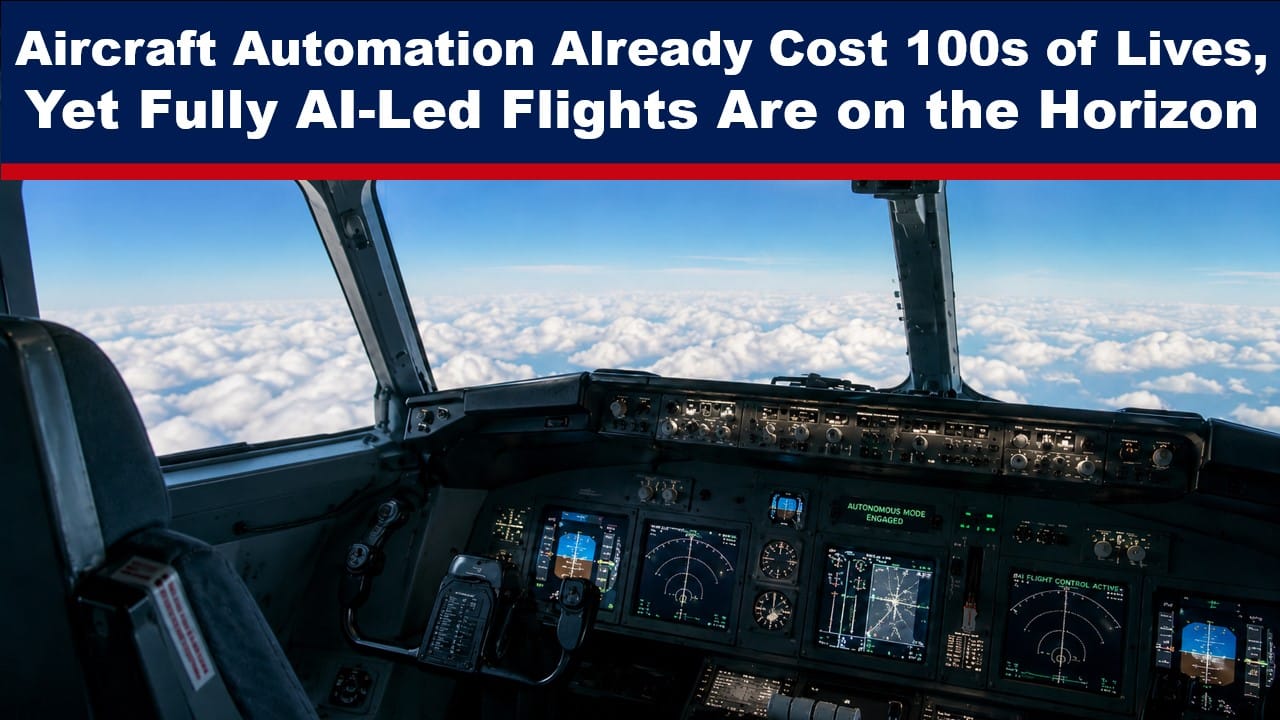
AI Is Learning to Fly Planes: What Could Possibly Go Wrong?

2026-05-26
The Expose - Home
Why's our monitor labelling this an incident or hazard?
The article explicitly mentions an AI system (Merlin Pilot) actively controlling an aircraft autonomously, which qualifies as an AI system. It discusses the system's development and use, including ongoing testing and certification efforts. Although the article references past automation-related accidents, these are not AI incidents themselves but serve as context for potential risks. The article does not report any actual harm or incident caused by the AI system in question but emphasizes the credible risk of future harm due to AI's complexity, unpredictability, and the high stakes of aviation safety. This fits the definition of an AI Hazard, where AI's development or use could plausibly lead to harm, but no harm has yet materialized. The article also includes broader governance and safety considerations, but its primary focus is on the potential risks and challenges of AI in aviation, not on responses or updates to past incidents, so it is not Complementary Information.