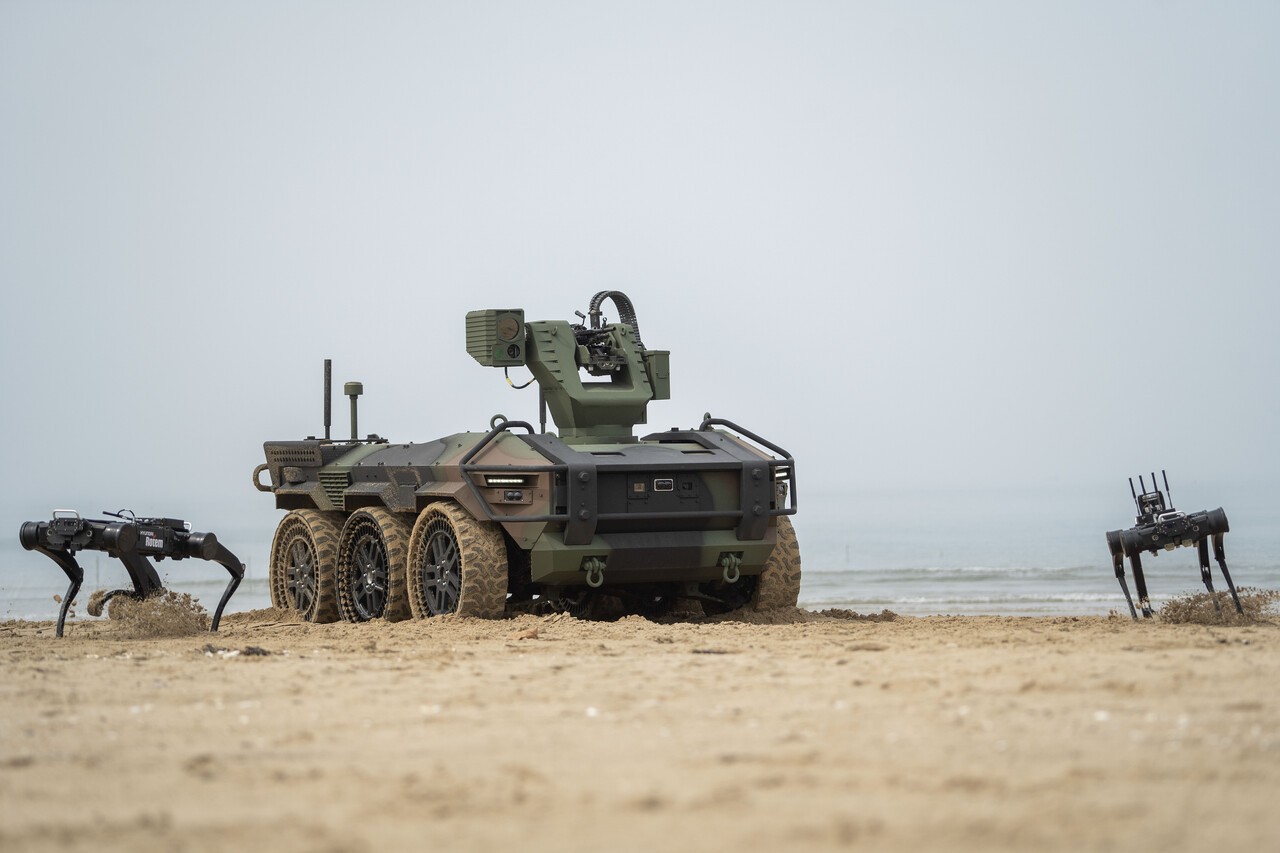
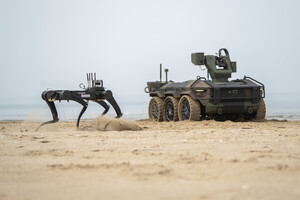
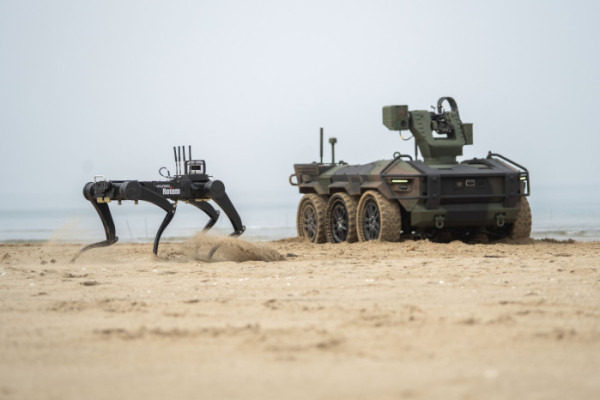
Hyundai Rotem Advances Military Unmanned Systems with AI Command Technology

Thumbnail Image

The information displayed in the AIM should not be reported as representing the official views of the OECD or of its member countries.

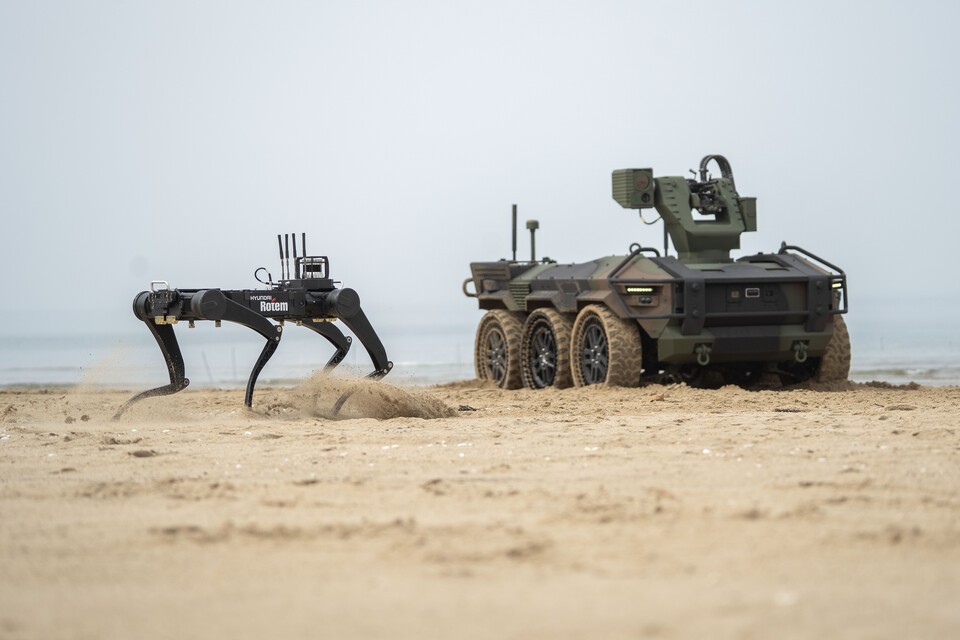
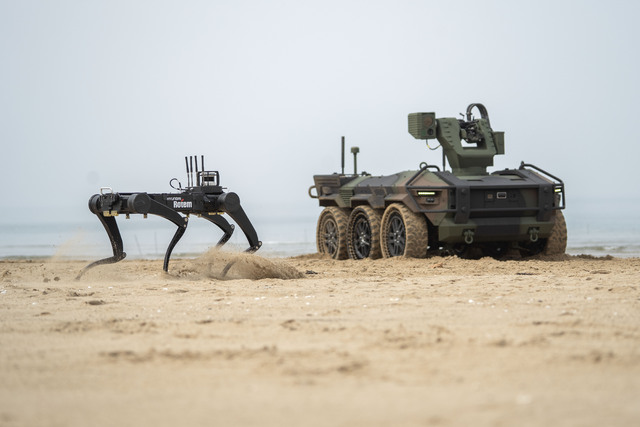
Hyundai Rotem has secured major government contracts in South Korea to develop AI-based command and control systems for military unmanned vehicles and robots. The projects include natural language command interfaces and digital twin simulators, aiming to enable integrated, autonomous operation of diverse unmanned platforms, raising future risks of AI-enabled military harm if misused.[AI generated]

Why's our monitor labelling this an incident or hazard?

The event involves the development and use of AI systems (natural language command-based control of unmanned robots) but only describes the award and planned R&D activities without any realized harm or malfunction. Since the AI systems are not yet deployed or causing harm, and the article focuses on the development phase, this fits the definition of an AI Hazard, as the technology could plausibly lead to harm in the future (e.g., military applications of autonomous robots). It is not an AI Incident because no harm has occurred, nor is it Complementary Information or Unrelated.[AI generated]
AI principles
SafetyDemocracy & human autonomy

Industries
Government, security, and defence

Severity
AI hazard

Business function:
Other

AI system task:
Interaction support/chatbotsGoal-driven organisation


Articles about this incident or hazard

Thumbnail Image

무인로봇 통합관제 시스템등 현대로템 국책과제 2건 수주 - 매일경제

2026-05-26
mk.co.kr
Why's our monitor labelling this an incident or hazard?
The event involves the development and use of AI systems (natural language command-based control of unmanned robots) but only describes the award and planned R&D activities without any realized harm or malfunction. Since the AI systems are not yet deployed or causing harm, and the article focuses on the development phase, this fits the definition of an AI Hazard, as the technology could plausibly lead to harm in the future (e.g., military applications of autonomous robots). It is not an AI Incident because no harm has occurred, nor is it Complementary Information or Unrelated.
Thumbnail Image

현대로템, 피지컬 AI 국책과제 수주···'로봇 전장' 선점 박차

2026-05-26
문화일보
Why's our monitor labelling this an incident or hazard?
The article explicitly involves AI systems (physical AI for unmanned robots, natural language command systems, edge AI) in military applications. No actual harm or incident is reported; rather, it focuses on the development and deployment of these AI systems. Given the nature of autonomous military robots and command systems, there is a plausible risk that these technologies could lead to harm in the future, such as injury, disruption, or violations of rights. Hence, this qualifies as an AI Hazard rather than an AI Incident or Complementary Information. It is not unrelated because AI systems are central to the described projects.
Thumbnail Image

현대로템, 무인로봇 국책과제 잇달아 수주..."피지컬AI 기술 고도화" - 경제 | 기사 - 더팩트

2026-05-26
더팩트
Why's our monitor labelling this an incident or hazard?
The event involves the development and use of AI systems (Physical AI for unmanned robots) with military applications, which plausibly could lead to harms such as injury, disruption, or violations of rights if deployed or misused. Since no actual harm or incident has occurred yet, but the potential for harm is credible given the nature of the AI systems and their intended use, this qualifies as an AI Hazard rather than an AI Incident. The article does not describe any realized harm or malfunction, nor does it focus on responses or updates to prior incidents, so it is not Complementary Information. It is clearly related to AI systems and their development, so it is not Unrelated.
Thumbnail Image

현대로템, 산업통상부 등 국책 과제 2건 수주..."군용 무인체계-피지컬 AI 기술 개발 속도"

2026-05-26
이코노뉴스
Why's our monitor labelling this an incident or hazard?
The article explicitly mentions AI systems under development for military unmanned systems, including natural language command interfaces and physical AI for robot control, which clearly involve AI system development and use. No actual harm or incident is reported; the projects are in R&D phases. However, the military application and autonomous capabilities imply a credible risk of future harm, such as injury, disruption, or rights violations, if these systems are deployed or misused. Thus, the event fits the definition of an AI Hazard rather than an AI Incident or Complementary Information. It is not unrelated because AI systems are central to the described projects.
Thumbnail Image

'무인화'로 미래 전장 바꾼다···한화·현대, 엔진·AI 기술 선점 박차 - 서울파이낸스

2026-05-26
서울파이낸스
Why's our monitor labelling this an incident or hazard?
The article explicitly mentions AI systems in the context of unmanned weapon systems and command/control software, indicating AI system involvement. However, it does not describe any actual harm, injury, rights violations, or disruptions caused by these AI systems. The content is about development and planned deployment, which could plausibly lead to future harms given the military context, but no incident or immediate hazard is reported. Therefore, this is best classified as an AI Hazard, reflecting the plausible future risk of harm from AI-enabled unmanned weapons and command systems under development.
Thumbnail Image

현대로템, 피지컬 AI 국책과제 수주...차세대 무인전장 기술 선점 나서

2026-05-26
디지털데일리
Why's our monitor labelling this an incident or hazard?
The article explicitly involves AI systems in the development and intended use of unmanned military robots and integrated AI command systems. However, it does not describe any actual harm, injury, rights violations, or disruptions caused by these AI systems. The focus is on research and development projects and future capabilities, not on incidents or malfunctions. Given the military context and AI-enabled autonomous systems, there is a credible potential for future harm, making this an AI Hazard rather than an AI Incident or Complementary Information. It is not unrelated because AI systems are central to the described projects.
Thumbnail Image

현대로템, 무인로봇 국책과제 연속 수주...'피지컬AI' 고도화 - 신아일보

2026-05-26
신아일보
Why's our monitor labelling this an incident or hazard?
The article explicitly mentions AI systems (physical AI, edge AI, natural language command control) being developed and integrated into unmanned military robots. However, it focuses on the award and description of R&D projects, their goals, and future plans, without any mention of harm, malfunction, or misuse. There is no direct or indirect harm reported, nor a plausible immediate risk of harm described. The article serves to inform about ongoing AI-related technological development and government-industry collaboration, which fits the definition of Complementary Information rather than an Incident or Hazard.
Thumbnail Image

현대로템, 피지컬AI 무인로봇 국책과제 잇단 수주 - 동행미디어 시대

2026-05-26
동행미디어 시대
Why's our monitor labelling this an incident or hazard?
The article explicitly mentions AI systems (physical AI, edge AI) integrated into unmanned robots for military and safety purposes. The event concerns the development and planned deployment of these AI systems, not any realized harm. Given the nature of autonomous military robots, there is a credible risk that their use or malfunction could lead to injury, disruption, or other harms in the future. Thus, it fits the definition of an AI Hazard, as the AI system's development could plausibly lead to an AI Incident. There is no indication of actual harm yet, so it is not an AI Incident. It is not merely complementary information because the focus is on the development and potential implications, not on responses or updates to past incidents. It is not unrelated because AI systems are central to the event.
Thumbnail Image

"말 통하는 군사로봇 키운다"...현대로템, 피지컬 AI 핵심과제 연속 수주

2026-05-26
매일일보
Why's our monitor labelling this an incident or hazard?
The article explicitly mentions AI systems (physical AI, natural language command control, edge AI) integrated into unmanned military robots. Although no harm or incident is reported, the development and deployment of such AI-enabled military robots inherently carry plausible risks of harm, including injury or disruption in military contexts. Since no actual harm has occurred yet, but the potential for harm is credible and foreseeable, this qualifies as an AI Hazard rather than an AI Incident or Complementary Information. It is not unrelated because the focus is on AI system development with potential for harm.
Thumbnail Image

현대로템, 무인로봇 국책과제 2건 수주

2026-05-26
뉴스핌
Why's our monitor labelling this an incident or hazard?
The event involves AI systems explicitly (AI-based unmanned robots with natural language command and edge AI capabilities). However, there is no indication of any harm or malfunction caused by these AI systems at this stage. The article describes the initiation of development projects and future capabilities, which could plausibly lead to AI-related impacts but does not report any actual incident or harm. Therefore, this is best classified as an AI Hazard, reflecting the plausible future risk associated with the deployment of AI-enabled unmanned robots, especially in military contexts.
Thumbnail Image

현대로템 피지컬AI 국책과제 2건 수주, 무인로봇 고도화에 속도

2026-05-26
비즈니스포스트
Why's our monitor labelling this an incident or hazard?
The projects involve AI systems for autonomous or semi-autonomous control and simulation of unmanned robots, which qualifies as AI system involvement. However, the article describes the development and intended use of these AI systems without any indication of realized harm or incidents. There is no mention of injury, rights violations, disruption, or other harms caused or occurring. The content focuses on research and development progress and future capabilities, implying potential but not actualized risks or harms. Therefore, this is best classified as Complementary Information, providing context and updates on AI system development and deployment without reporting an incident or hazard.
Thumbnail Image

현대로템, 피지컬AI 국책과제 2건 수주..."미래 전장 선점"

2026-05-26
와이드경제
Why's our monitor labelling this an incident or hazard?
The event involves the development and intended use of AI systems (physical AI for unmanned robots) in defense applications, which could plausibly lead to future harms if misused or malfunctioning in battlefield contexts. However, no actual harm, malfunction, or rights violation has occurred yet. Therefore, this qualifies as an AI Hazard due to the credible potential for future harm inherent in the deployment of AI-enabled unmanned military systems, but not an AI Incident or Complementary Information since no harm or response to harm is described.
Thumbnail Image

"말로 조종하는 로봇"...현대로템, 자연어 관제·가상시험 체계 개발 착수 - 월요신문

2026-05-26
월요신문
Why's our monitor labelling this an incident or hazard?
The article details the development and planned deployment of AI-enabled unmanned robotic systems for military and industrial use, involving natural language control and autonomous decision-making (edge AI). While these systems could plausibly lead to future harms if misused or malfunctioning (e.g., military autonomous robots), the article does not report any current harm, malfunction, or misuse. Therefore, it does not meet the criteria for an AI Incident or AI Hazard. It is not merely general AI news or product launch since it involves significant R&D projects with potential implications, but the main focus is on the development process and partnerships, making it Complementary Information that provides context on AI ecosystem evolution and governance in defense technology.
Thumbnail Image

조이스틱 대신 '돌격' 한마디⋯ 현대로템, '피지컬 AI'로 전장 배

2026-05-26
브릿지경제
Why's our monitor labelling this an incident or hazard?
The event involves AI systems explicitly (physical AI controlling unmanned military robots with edge AI capabilities). However, the article discusses ongoing R&D projects and plans for deployment without any mention of actual harm, injury, rights violations, or operational failures caused by these AI systems. Therefore, it does not meet the criteria for an AI Incident. Given the potential for these AI-enabled military systems to lead to harm in future battlefield scenarios, this qualifies as an AI Hazard, reflecting plausible future risks associated with the deployment of autonomous or semi-autonomous weapon systems.
Thumbnail Image

현대로템, 피지컬AI 무인로봇 국책과제 선정 - 전파신문

2026-05-26
jeonpa.co.kr
Why's our monitor labelling this an incident or hazard?
The article describes the development and planned deployment of AI systems for unmanned robots, including integrated control and simulation technologies. However, it does not mention any actual harm, malfunction, or misuse of these AI systems. There is no indication that these projects have caused or led to injury, rights violations, disruption, or other harms. The focus is on research and development efforts and future applications, which fits the definition of Complementary Information as it provides context and updates on AI ecosystem developments without reporting an incident or hazard.
Thumbnail Image

현대로템, 피지컬AI 기반 무인로봇 국책과제 2건 수주

2026-05-26
아이뉴스24
Why's our monitor labelling this an incident or hazard?
The article describes the development and planned use of AI-based unmanned robotic systems but does not report any realized harm or incidents caused by these AI systems. The projects are ongoing R&D efforts with potential future applications, but no direct or indirect harm has occurred yet. Therefore, this event represents a plausible future risk scenario related to AI-enabled unmanned systems but does not describe an incident or immediate hazard. It is primarily an update on AI development projects, which fits the category of Complementary Information as it provides context on AI advancements and their intended applications without reporting harm or imminent risk.
Thumbnail Image

현대로템, 피지컬AI 기반 무인로봇 국책 과제 수주

2026-05-26
아시아투데이
Why's our monitor labelling this an incident or hazard?
The event involves the development and planned use of AI systems in unmanned military robots, which qualifies as AI system involvement. However, since the article only reports on the awarding of R&D projects and plans for future AI integration without any realized harm or malfunction, it does not meet the criteria for an AI Incident. Given the military application and autonomous capabilities, there is a plausible risk of future harm, but the article does not describe any current or past harm. Therefore, the event is best classified as an AI Hazard, reflecting the credible potential for harm from these AI-enabled military systems in the future.
Thumbnail Image

자연어로 '다종 로봇' 지휘한다···현대로템, 국책 R&D 2건 수주

2026-05-26
이뉴스투데이
Why's our monitor labelling this an incident or hazard?
The article discusses the development and integration of AI systems for controlling multiple unmanned robots via natural language commands and simulation environments. While these AI systems have potential military applications and could plausibly lead to future risks, the article does not report any actual harm, malfunction, or misuse. Therefore, it does not meet the criteria for an AI Incident or AI Hazard. Instead, it provides complementary information about AI development and government-supported R&D efforts in Physical AI, which enhances understanding of the AI ecosystem and its future implications.
Thumbnail Image

현대로템, 피지컬AI 국책과제 잇단 수주..."로봇 전장 선점"

2026-05-26
아시아경제
Why's our monitor labelling this an incident or hazard?
The article clearly involves AI systems (physical AI, edge AI, natural language command control) in the development of unmanned military robots. The event concerns the development and use of AI systems with potential military applications, which could plausibly lead to harms such as injury, disruption, or violations of rights if deployed improperly or malfunctioning. Since no actual harm or incident is reported, but the potential for future harm exists due to the nature of the AI systems and their military use, this qualifies as an AI Hazard rather than an AI Incident or Complementary Information.
Thumbnail Image

현대로템, 피지컬AI 국책과제 수주...통합관제 기술 고도화

2026-05-26
데일리한국
Why's our monitor labelling this an incident or hazard?
The article clearly involves AI systems, specifically physical AI for autonomous and integrated control of unmanned military robots. However, it only reports the award and development of these AI projects without any indication of actual harm, malfunction, or misuse. Since the AI systems are intended for military use, which inherently carries potential risks, this constitutes a plausible future risk (AI Hazard) rather than an incident. There is no indication of complementary information about past incidents or governance responses, nor is it unrelated news. Hence, the classification as AI Hazard is appropriate.
Thumbnail Image

현대로템, 피지컬 AI 기술 주권 본격화...국책과제 2건 수주

2026-05-26
서울경제
Why's our monitor labelling this an incident or hazard?
The article explicitly involves AI systems in the development and use of physical AI for unmanned robots and integrated control systems. However, it does not report any realized harm or incidents caused by these AI systems. Instead, it focuses on the development, deployment plans, and technological advancements, which could plausibly lead to harm in the future given the military context and autonomous capabilities. Hence, it fits the definition of an AI Hazard rather than an AI Incident or Complementary Information, as no harm has yet occurred and the article is not primarily about responses or updates to past incidents.
Thumbnail Image

현대로템, '로봇 전장' 선점 나섰다...피지컬AI 국책과제 잇단 수주

2026-05-26
이투데이
Why's our monitor labelling this an incident or hazard?
The event involves AI systems (physical AI for unmanned robots and integrated control systems) under development and deployment planning. There is no indication of any direct or indirect harm caused by these AI systems at this stage. The article focuses on research and development progress, government contracts, and strategic partnerships, without describing any incident or plausible immediate harm. Therefore, this is not an AI Incident or AI Hazard but rather complementary information about AI ecosystem developments and governance in defense technology.