US Supreme Court Allows Vermont Lawsuit Over AI-Driven Social Media Addiction to Proceed

Thumbnail Image

The information displayed in the AIM should not be reported as representing the official views of the OECD or of its member countries.

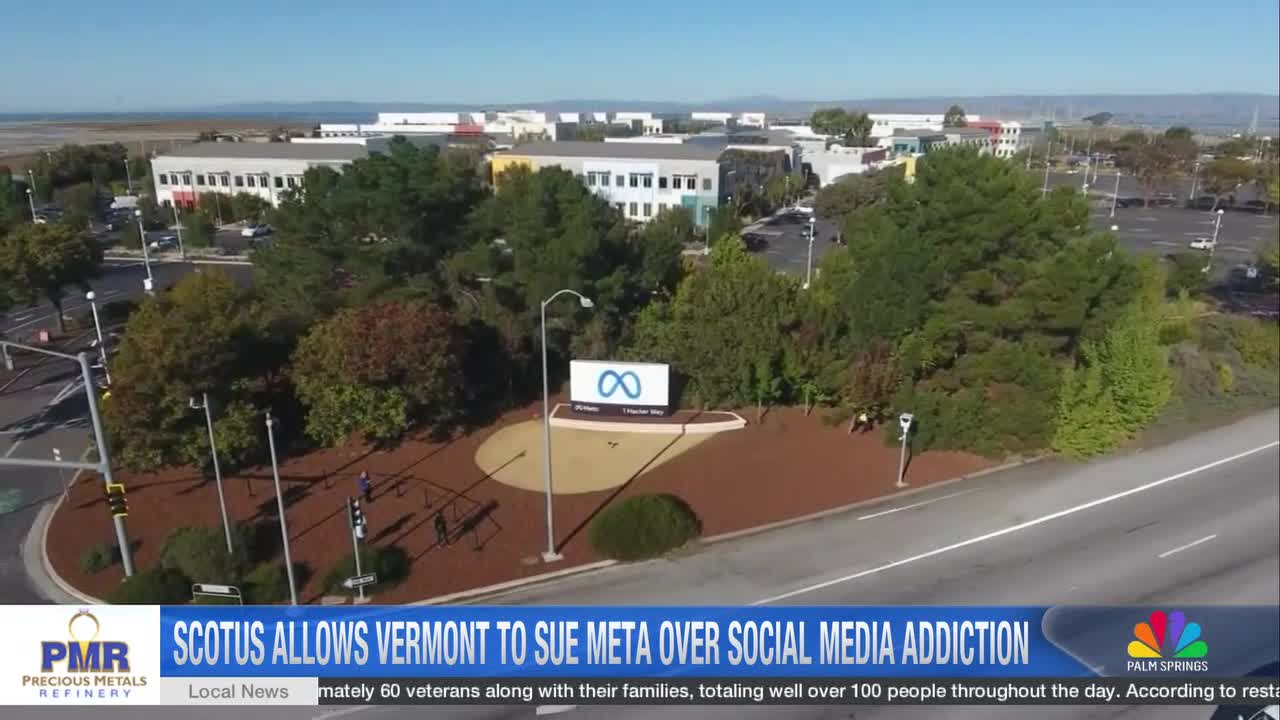
The US Supreme Court declined to hear Meta's appeal, allowing Vermont's lawsuit to proceed. The case alleges Meta's AI-powered Instagram and Facebook platforms were deliberately designed to be addictive, causing mental health harm to young users. This legal action highlights AI-driven features' direct role in youth harm.[AI generated]

Why's our monitor labelling this an incident or hazard?

The Instagram app uses AI algorithms to optimize user engagement, which in this case is alleged to have been designed to exploit teenagers' developing brains, causing addiction and mental health harm. The lawsuit is based on the use of AI-driven features that have directly led to harm to a vulnerable group (young users). The legal action and the Supreme Court's decision to allow the case to proceed confirm that the AI system's use has caused or is causing harm, fitting the definition of an AI Incident. The event is not merely a potential hazard or complementary information but a concrete legal case addressing realized harm linked to AI system design and use.[AI generated]
AI principles
AccountabilityHuman wellbeing

Industries
Media, social platforms, and marketing

Affected stakeholders
Children

Harm types
Psychological

Severity
AI incident

Business function:
Marketing and advertisement

AI system task:
Organisation/recommenders


Articles about this incident or hazard

Thumbnail Image

US Supreme Court won't hear Meta's challenge to Vermont social media addiction lawsuit

2026-05-26
Yahoo! Finance
Why's our monitor labelling this an incident or hazard?
The Instagram app uses AI algorithms to optimize user engagement, which in this case is alleged to have been designed to exploit teenagers' developing brains, causing addiction and mental health harm. The lawsuit is based on the use of AI-driven features that have directly led to harm to a vulnerable group (young users). The legal action and the Supreme Court's decision to allow the case to proceed confirm that the AI system's use has caused or is causing harm, fitting the definition of an AI Incident. The event is not merely a potential hazard or complementary information but a concrete legal case addressing realized harm linked to AI system design and use.
Thumbnail Image

Supreme Court Rejects Meta Appeal

2026-05-26
Yahoo! Finance
Why's our monitor labelling this an incident or hazard?
Instagram uses AI systems such as recommendation algorithms to influence user behavior and engagement. The lawsuit alleges that these AI-driven features cause harm to teenagers by encouraging excessive use and misleading them about safety, which constitutes harm to health and well-being. The Supreme Court's rejection to hear the appeal allows the case to proceed, confirming the recognition of potential harm caused by the AI system's use. Therefore, this event qualifies as an AI Incident because the AI system's use has directly or indirectly led to harm to a group of people.
Thumbnail Image

US Supreme Court won't hear Meta's challenge to Vermont social media addiction lawsuit

2026-05-26
Reuters
Why's our monitor labelling this an incident or hazard?
The Instagram platform employs AI systems for content recommendation and engagement optimization, which are implicated in the alleged design to foster addiction among teenagers. The lawsuit alleges harm to mental health (harm to a group of people) and misleading practices (potential violation of consumer protection laws). The Supreme Court's decision to allow the lawsuit to proceed confirms that the AI system's use is linked to realized harm. Hence, this qualifies as an AI Incident due to indirect harm caused by the AI system's use in social media addiction and consumer deception.
Thumbnail Image

Supreme Court Rejects Meta's Appeal in Vermont Social Media Addiction Case

2026-05-26
U.S. News & World Report
Why's our monitor labelling this an incident or hazard?
The social media platforms Facebook and Instagram employ AI systems for content recommendation and engagement optimization. The lawsuit alleges that these AI-driven features were knowingly designed to be addictive and have caused mental health harms to teenagers, including increased suicidal thoughts and eating disorders. The Supreme Court's decision to allow the lawsuit to proceed indicates that the harm is recognized and ongoing. This fits the definition of an AI Incident because the AI system's use has indirectly led to harm to a group of people (mental health harm to teens).
Thumbnail Image

US Supreme Court Won't Hear Meta's Challenge to Vermont Social Media Addiction Lawsuit

2026-05-26
U.S. News & World Report
Why's our monitor labelling this an incident or hazard?
The Instagram app uses AI-driven algorithms to personalize content feeds, which is central to the allegations of fostering addiction among teenagers. The lawsuits claim that Meta designed these features to exploit neurological and psychological vulnerabilities, leading to mental health harm. This constitutes an AI Incident because the AI system's use (content recommendation algorithms) has directly or indirectly led to harm to health. The article focuses on the legal challenges and court rulings related to these harms, confirming that the harm is realized and the AI system's role is pivotal. Therefore, this event qualifies as an AI Incident.
Thumbnail Image

Supreme Court rejects Meta's appeal in Vermont social media addiction case

2026-05-26
PBS.org
Why's our monitor labelling this an incident or hazard?
The event explicitly involves AI systems in the form of social media algorithms designed to engage users, which have been alleged to cause mental health harms to teenagers. The lawsuit is based on Meta's own internal research acknowledging these harms. The Supreme Court's decision to allow the lawsuit to proceed indicates that the harm is recognized as material and ongoing. This fits the definition of an AI Incident as the AI system's use has directly or indirectly led to harm to health of a group of people. The event is not merely a potential hazard or complementary information but a concrete legal proceeding addressing realized harm.
Thumbnail Image

Corte Suprema de Estados Unidos rechaza recurso de Meta en demanda por adicción a redes sociales

2026-05-26
Excélsior
Why's our monitor labelling this an incident or hazard?
The event involves the use of an AI system insofar as Instagram's design likely incorporates AI-driven algorithms to optimize user engagement and content delivery, which are alleged to have been intentionally designed to foster addiction among adolescents. The harm described includes mental health damage to young users, which falls under injury or harm to health (a). The lawsuits and court decisions indicate that the AI system's use has directly or indirectly led to this harm. Therefore, this qualifies as an AI Incident because the AI system's use in Instagram's design is central to the alleged harm and ongoing legal proceedings.
Thumbnail Image

Supreme Court declines Meta appeal in Vermont Instagram lawsuit By Investing.com

2026-05-26
Investing.com India
Why's our monitor labelling this an incident or hazard?
The article describes ongoing litigation alleging harm caused by Instagram's design, which involves AI-driven addictive features targeting young users. The harm (mental health impact on teens) is an AI Incident, but this article reports the Supreme Court's refusal to hear an appeal, which is a legal procedural update rather than a new incident or hazard. Hence, it fits the definition of Complementary Information, providing context and updates on a previously reported AI Incident.
Thumbnail Image

US Supreme Court won't hear Meta's challenge to Vermont social media addiction lawsuit

2026-05-27
Irish Independent
Why's our monitor labelling this an incident or hazard?
The article focuses on legal proceedings against Meta for alleged harms caused by Instagram's design and operation, specifically regarding addiction and mental health impacts on youth. While Instagram likely uses AI in its platform, the article does not attribute the harms directly or indirectly to AI system development, use, or malfunction. The harms stem from design choices and alleged misleading practices rather than AI system failures or misuse. The event is primarily about legal and societal responses to these issues, fitting the definition of Complementary Information rather than an AI Incident or Hazard.
Thumbnail Image

US supreme court rejects meta's appeal in Vermont social media addiction case

2026-05-26
Firstpost
Why's our monitor labelling this an incident or hazard?
The event involves AI systems in the form of social media algorithms that personalize content and ads, which are alleged to have caused harm by fostering addiction and misleading users, particularly minors. The lawsuits and court rulings indicate that harm has occurred or is ongoing, meeting the criteria for an AI Incident. The Supreme Court's decision to allow the lawsuit to proceed confirms the legal recognition of these harms linked to AI-driven platform design. Hence, this is not merely a potential hazard or complementary information but a concrete incident involving AI-related harm.
Thumbnail Image

Revés a Facebook e Instagram en EU; buscaban recurso contra demanda por promover adicción a redes sociales

2026-05-26
La Silla Rota
Why's our monitor labelling this an incident or hazard?
The social media platforms operated by Meta use AI systems to optimize user engagement, including recommendation algorithms and content prioritization. The lawsuits allege that these AI-driven designs intentionally or negligently promote addictive behaviors among adolescents, causing mental health harms such as increased suicidal ideation and eating disorders. This constitutes harm to health (a) caused by the use of AI systems. The article reports ongoing legal proceedings based on these harms, confirming that the harm is realized and not merely potential. Hence, the event meets the criteria for an AI Incident rather than a hazard or complementary information.
Thumbnail Image

Corte Suprema de EU rechaza recurso de Meta contra demanda en Vermont por adicción a redes sociales

2026-05-26
El Economista
Why's our monitor labelling this an incident or hazard?
The event explicitly involves the use of AI systems in social media platforms (Instagram) designed to influence user behavior, particularly young users, leading to addiction and mental health harm. The lawsuit alleges that Meta's AI-driven design exploits neurological and psychological vulnerabilities, causing direct harm to users' health, which fits the definition of an AI Incident. The legal proceedings and court decisions confirm that harm has occurred and is being addressed, rather than merely a potential risk or complementary information.
Thumbnail Image

SCOTUS Rejects Meta's Appeal in Addiction Case

2026-05-26
Newser
Why's our monitor labelling this an incident or hazard?
Instagram employs AI-based recommendation algorithms that influence user engagement and content exposure. The lawsuit alleges these AI-driven features were designed to exploit teens' developing brains, causing addiction and harm to their health. The harm is direct and ongoing, as the platform's AI systems are implicated in causing psychological harm to young users. The legal proceeding confirms the seriousness of the harm and the AI system's role. Hence, this is an AI Incident involving harm to health and communities due to AI system use.
Thumbnail Image

Supreme Court rejects Meta's appeal in Vermont social media addiction case

2026-05-27
NBC Boston
Why's our monitor labelling this an incident or hazard?
The social media platforms use AI-driven algorithms to design addictive features and curate content, which has been shown to harm the mental health of young users, particularly teen girls. The lawsuit alleges that Meta knowingly allowed these harms, supported by internal research. The Supreme Court's decision to reject Meta's appeal allows the lawsuit to proceed, indicating that the harm is recognized and the AI system's role is pivotal. This fits the definition of an AI Incident because the AI system's use has directly or indirectly led to harm to a group of people (teen users).
Thumbnail Image

Supreme Court clears way for lawsuit against Meta over claims it harms teens' mental health

2026-05-26
KTVB 7
Why's our monitor labelling this an incident or hazard?
Instagram uses AI-driven algorithms to design user experiences that maximize engagement. The lawsuit alleges these algorithms were intentionally designed to cause addictive behavior among teens, leading to mental health harm. The Supreme Court allowing the lawsuit to proceed confirms the seriousness of these claims. Since the AI system's use is directly linked to harm to a vulnerable group (teens' mental health), this meets the criteria for an AI Incident under the framework, specifically harm to health of a group of people caused indirectly by the AI system's use.
Thumbnail Image

Supreme Court clears way for lawsuit against Meta over claims it harms teens' mental health

2026-05-26
http://www.wtol.com
Why's our monitor labelling this an incident or hazard?
Instagram's platform uses AI-driven algorithms to maximize user engagement, which the lawsuit alleges causes compulsive use and harms teens' mental health. The Supreme Court's decision to allow the lawsuit to proceed confirms the recognition of potential harm caused by AI system use. The harm is realized (mental health impact on teens), and the AI system's role is pivotal in causing this harm. Hence, this qualifies as an AI Incident under the framework.
Thumbnail Image

Supreme Court Allows Lawsuit Claiming Instagram Is Addictive

2026-05-26
The Daily Signal
Why's our monitor labelling this an incident or hazard?
Instagram uses AI-driven algorithms to design features that maximize user engagement, which in this case are alleged to be addictive and harmful to young users' mental health. The lawsuits document actual harm caused by these AI-influenced features, including mental health crises and exploitation risks. The Supreme Court allowing the lawsuit to proceed confirms the seriousness of these allegations. Since the AI system's use has directly or indirectly led to harm to individuals and communities, this event meets the criteria for an AI Incident under the OECD framework.
Thumbnail Image

Supremo rechaza apelación de Meta y permite demanda en Vermont por adicción a sus redes sociales - La Opinión

2026-05-27
La Opinión Digital
Why's our monitor labelling this an incident or hazard?
The social media platforms operated by Meta use AI systems to design and deliver content that allegedly causes addiction and mental health harm to minors. The lawsuit and court decision relate directly to these harms caused by the AI-driven design and operation of the platforms. Therefore, this qualifies as an AI Incident because the AI system's use has directly or indirectly led to harm to the health of a group of people (minors).
Thumbnail Image

Supreme Court Tells Meta To Lick Their Lower Court Wounds - Above the Law

2026-05-26
Above the Law
Why's our monitor labelling this an incident or hazard?
The event involves an AI system in the form of Meta's Instagram algorithm, which is designed to influence user engagement and behavior. The lawsuit alleges that this AI-driven design has directly led to harm to the health of young users (mental health issues). The Supreme Court's decision to let the lawsuit proceed confirms the recognition of these harms linked to the AI system's use. Therefore, this qualifies as an AI Incident because the AI system's use has directly led to harm to persons, and the legal case is addressing this harm.
Thumbnail Image

Supremo de EE.UU. rechaza apelación de Meta y mantiene demanda de Vermont por adicción en

2026-05-26
Noticias SIN
Why's our monitor labelling this an incident or hazard?
Meta's platforms use AI systems, such as recommendation algorithms and engagement-optimizing features, to maximize user time on the platform. The lawsuit alleges that these AI-driven designs have caused harm to adolescents' mental health, including addiction and worsening of suicidal thoughts and eating disorders. The Supreme Court's decision to allow the lawsuit to proceed confirms the recognition of these harms. Therefore, this event qualifies as an AI Incident because the development and use of AI systems in Meta's platforms have directly led to harm to a group of people.
Thumbnail Image

Supreme Court rejects Meta's appeal in Vermont social media addiction case

2026-05-26
thepeterboroughexaminer.com
Why's our monitor labelling this an incident or hazard?
The social media platforms Facebook and Instagram use AI systems for content recommendation and engagement optimization, which are central to the allegations of knowingly designing addictive features that harm young users. The lawsuit alleges harm to health or well-being, fitting the definition of an AI Incident as the AI system's use has directly or indirectly led to harm. The Supreme Court's rejection of the appeal means the case will proceed, confirming the seriousness of the alleged harm. Therefore, this event qualifies as an AI Incident.
Thumbnail Image

Supreme Court Rejects Meta's Appeal, Clearing Way for Vermont Social Media Addiction Lawsuit

2026-05-26
NBC Palm Springs - News, Weather, Traffic, Breaking News
Why's our monitor labelling this an incident or hazard?
The event explicitly involves AI systems (recommendation algorithms and infinite scrolling features) used by Meta that are alleged to have caused harm to young users' mental health by fostering addiction. The lawsuit is based on the use of these AI systems and their impact, which fits the definition of an AI Incident as the AI system's use has directly or indirectly led to harm to a group of people. The Supreme Court's decision to allow the lawsuit to proceed confirms the recognition of this harm. Therefore, this event qualifies as an AI Incident.
Thumbnail Image

Supremo de EE.UU. rechaza recurso de Meta contra demanda por promover la adicción a redes - Proceso Digital

2026-05-26
Proceso Hn
Why's our monitor labelling this an incident or hazard?
Meta's social media platforms employ AI systems for content recommendation and user engagement optimization. The lawsuit alleges that these AI-driven features have directly contributed to addiction and mental health harms among young users, which constitutes harm to health (a). The Supreme Court's decision to allow the lawsuit to proceed indicates that these harms are materialized and under legal scrutiny. Therefore, this event qualifies as an AI Incident because the AI system's use has directly or indirectly led to harm to health of a group of people (adolescents).
Thumbnail Image

Supreme Court allows Vermont lawsuit against Meta to move forward

2026-05-26
The American Bazaar
Why's our monitor labelling this an incident or hazard?
The lawsuit alleges that Instagram's design, which includes AI-powered features to increase engagement, intentionally exploits teenagers' psychological vulnerabilities, leading to addiction and harm to their mental health. This fits the definition of an AI Incident as the AI system's use has directly led to harm to a group of people (teen users). The Supreme Court allowing the lawsuit to proceed confirms the seriousness of the claims. Although the court has not yet ruled on the merits, the ongoing legal process and prior jury findings indicate realized harm rather than just potential harm. Hence, this is not merely a hazard or complementary information but an AI Incident.
Thumbnail Image

Is Instagram Designed to Be Addictive? Supreme Court Rejects Meta's Appeal

2026-05-26
gorgenewscenter.com
Why's our monitor labelling this an incident or hazard?
The event explicitly involves allegations that Instagram's design, which includes AI-driven algorithms for content recommendation and engagement, was intentionally made addictive, causing harm to young users. The lawsuit and related legal actions document actual harm and legal consequences stemming from the AI system's use. The Supreme Court's rejection of Meta's appeal is part of the legal process addressing these harms. Since the AI system's use is central to the alleged harm and legal claims, this qualifies as an AI Incident rather than a hazard or complementary information. The event is not unrelated because it directly concerns AI-driven social media platform design and its impacts.
Thumbnail Image

Judge asks New Mexico, Meta to be 'pragmatic' as bench trial ends

2026-05-26
CNHI News
Why's our monitor labelling this an incident or hazard?
The article involves AI systems implicitly, as Meta's platforms use AI for content curation and moderation, which are central to the case. However, the event focuses on legal proceedings and potential regulatory outcomes rather than a specific incident of harm or a plausible future harm caused by AI. There is no direct or indirect harm from AI systems reported here, nor a credible risk of future harm described in this article. The main content is about the trial's progress, legal arguments, and the judge's remarks, which fits the definition of Complementary Information as it relates to governance and societal responses to AI-related issues.
Thumbnail Image

Facebook panics as more social media addiction lawsuits emerge

2026-05-26
Mail Online
Why's our monitor labelling this an incident or hazard?
The article explicitly links AI-powered features such as personalized recommendation algorithms and addictive design elements to mental health harms in minors, which have been recognized by courts as causing injury. The involvement of AI systems in the platforms' design and operation is clear, and the harms are realized and legally acknowledged. This fits the definition of an AI Incident because the AI system's use has directly led to harm to a group of people (children and teenagers). The event is not merely a potential hazard or complementary information but a documented incident with legal consequences.
Thumbnail Image

Supreme Court rejects Meta's appeal in Vermont social media addiction case

2026-05-26
KHQA
Why's our monitor labelling this an incident or hazard?
The social media platforms Facebook and Instagram use AI systems for content recommendation and user engagement optimization, which are central to the allegations of causing harm to young users' mental health. The lawsuit claims that Meta knowingly designed addictive features that have directly harmed teenagers, including worsening thoughts of suicide and eating disorders. This constitutes harm to health (a) and harm to communities (d) through the AI system's use. The Supreme Court's decision to allow the lawsuit to proceed confirms the recognition of these harms linked to AI-driven social media systems. Therefore, this event qualifies as an AI Incident due to the direct harm caused by the AI system's use.
Thumbnail Image

Supreme Court allows Vermont lawsuit claiming Instagram is addictive to proceed

2026-05-26
The Independent
Why's our monitor labelling this an incident or hazard?
The lawsuit explicitly alleges that Instagram was engineered to exploit teenagers' developing brains to foster addiction, which is a direct harm to health (mental health). Instagram uses AI systems for content recommendation and engagement, which are implicated in the addictive design. The Supreme Court allowing the lawsuit to proceed confirms that the AI system's use is central to the alleged harm. This fits the definition of an AI Incident, as the AI system's use has directly or indirectly led to harm to a group of people. The event is not merely a potential hazard or complementary information but a concrete legal challenge based on realized or ongoing harm.