Walmart's AI-Driven Surveillance Pricing Sparks Public Backlash and State Bans

Thumbnail Image

The information displayed in the AIM should not be reported as representing the official views of the OECD or of its member countries.

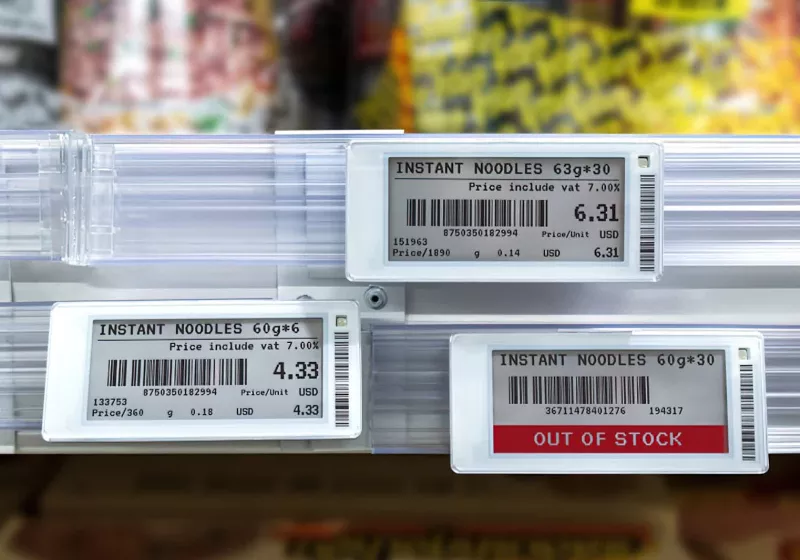
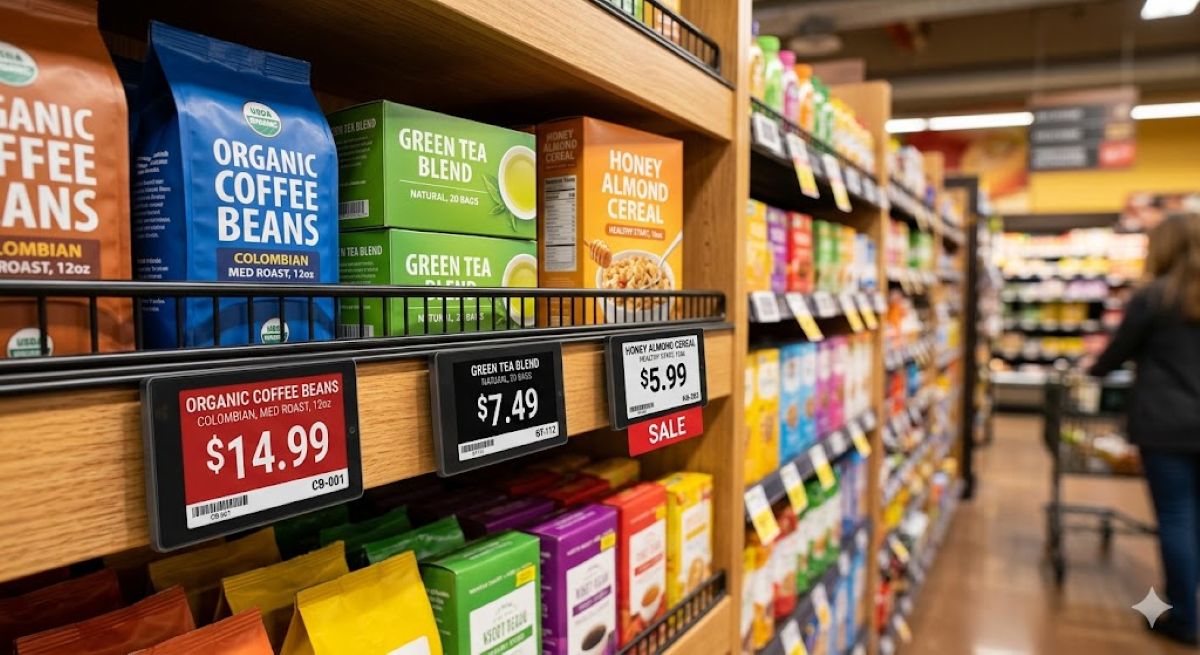
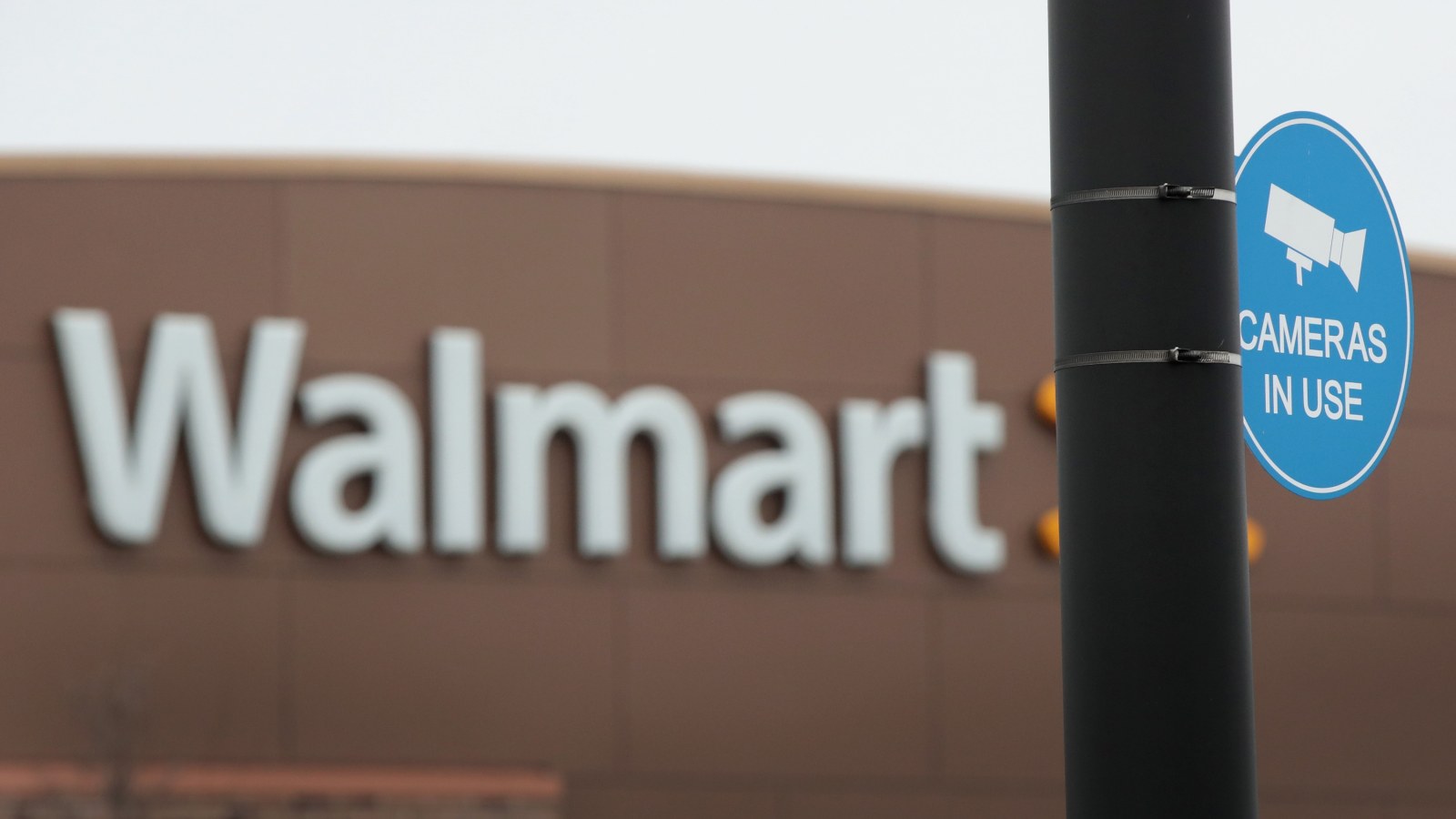
Walmart's rollout of AI-powered electronic shelf labels and surveillance pricing, which dynamically adjust prices using customer data, has triggered widespread public concern over price discrimination and rising grocery costs. In response, three U.S. states have enacted bans on these AI systems, citing consumer harm and fairness issues.[AI generated]

Why's our monitor labelling this an incident or hazard?

The article describes AI systems (digital shelf labels with machine learning and automated pricing) and the public's concern that their use could lead to harm (price increases, job losses, consumer distrust). However, no realized harm or incident is reported; the harms are potential and anticipated. The legislative actions and public opinion represent governance and societal responses to these potential risks. Therefore, this event fits the definition of an AI Hazard (plausible future harm) and complementary information about governance responses. Since the main focus is on the potential for harm and policy responses rather than an actual incident, the classification is AI Hazard.[AI generated]
AI principles
Fairness

Industries
Logistics, wholesale, and retail

Affected stakeholders
Consumers

Harm types
Economic/Property

Severity
AI hazard

Business function:
Sales

AI system task:
Forecasting/predictionGoal-driven organisation


Articles about this incident or hazard

Thumbnail Image

Americans demand ban on dynamic pricing -- while a baffling portion prefer real-time price fluctuations: survey

2026-05-27
New York Post
Why's our monitor labelling this an incident or hazard?
The event involves AI systems (algorithmic dynamic pricing and surveillance pricing) that use personal data and real-time inputs to set prices, which directly harms consumers economically by charging different prices unfairly. This constitutes a violation of consumer rights and can be considered harm to communities through economic exploitation. Since the harm is occurring and the AI system's use is central to this harm, this qualifies as an AI Incident.
Thumbnail Image

Majority of Americans Support Ban on Surveillance Pricing and Electronic Shelf Labels

2026-05-26
Gizmodo
Why's our monitor labelling this an incident or hazard?
The event involves AI systems in the form of AI-powered dynamic pricing and electronic shelf labels that analyze customer data to adjust prices. However, the article does not describe any realized harm or incidents where these systems have directly or indirectly caused injury, rights violations, or other harms. Instead, it reports survey results showing public concern and legislative actions aimed at preventing potential harms. Therefore, this is best classified as Complementary Information, as it provides context on societal and governance responses to AI-related risks without describing a specific AI Incident or AI Hazard.
Thumbnail Image

Most Americans want digital shelf labels and surveillance pricing banned amid grocery price fears

2026-05-27
TechSpot
Why's our monitor labelling this an incident or hazard?
The article describes AI systems (digital shelf labels with machine learning and automated pricing) and the public's concern that their use could lead to harm (price increases, job losses, consumer distrust). However, no realized harm or incident is reported; the harms are potential and anticipated. The legislative actions and public opinion represent governance and societal responses to these potential risks. Therefore, this event fits the definition of an AI Hazard (plausible future harm) and complementary information about governance responses. Since the main focus is on the potential for harm and policy responses rather than an actual incident, the classification is AI Hazard.
Thumbnail Image

Majority Of Americans Want Surveillance Pricing Banned Before It Takes Over Grocery Stores

2026-05-27
Gadget Review
Why's our monitor labelling this an incident or hazard?
Electronic shelf labels involve AI systems that can process personal data and dynamically adjust prices, which fits the definition of an AI system. Although no direct harm from surge pricing is currently reported, the technology's potential to cause economic harm through personalized price discrimination is credible and recognized by public opinion and policymakers. The article focuses on the risk and regulatory responses rather than an actual incident of harm, making it an AI Hazard rather than an AI Incident or Complementary Information. The presence of AI-enabled surveillance pricing infrastructure and the plausible future harm it could cause justify this classification.
Thumbnail Image

Walmart Surveillance Pricing Push Alarms 68% of Americans, Three States Now Banned It

2026-05-27
Tech Times
Why's our monitor labelling this an incident or hazard?
The article explicitly mentions AI systems patented by Walmart that dynamically and automatically update prices using machine learning and customer data, which is a clear AI system involvement. The use of these AI systems has directly led to harms such as price discrimination, economic harm to consumers, erosion of consumer trust, and legal challenges, fulfilling the criteria for an AI Incident. The legislative bans and regulatory actions further confirm the recognition of these harms. The presence of realized harm (e.g., class action lawsuit, consumer complaints, and economic impact) distinguishes this from a mere hazard or complementary information. Hence, the classification as AI Incident is appropriate.
Thumbnail Image

Americans Demand Halt to Surveillance Pricing as States Race to Ban Digital Shelf Tags

2026-05-27
WebProNews
Why's our monitor labelling this an incident or hazard?
The article explicitly references AI-driven price adjustment systems using personal data, which qualifies as AI systems. The harms discussed include discriminatory pricing (a violation of fairness and potentially human rights), economic harm to consumers, and job losses due to automation. Although these harms are not described as having already occurred on a large scale, the article presents credible concerns and legislative actions based on the plausible future harms of these AI systems. Hence, the event fits the definition of an AI Hazard rather than an AI Incident or Complementary Information. It is not unrelated because the AI system and its potential harms are central to the discussion.
Thumbnail Image

Most Americans Want Digital Shelf Labels and Surveillance Pricing Banned Amid Grocery Price Fears - News Directory 3

2026-05-27
News Directory 3
Why's our monitor labelling this an incident or hazard?
The event involves AI systems (ESLs and surveillance pricing algorithms) that use AI and real-time data analytics to set prices dynamically, which fits the definition of AI systems. However, the article does not report any realized harm or incidents resulting from these AI systems; rather, it presents a survey showing public concern about potential harms such as price discrimination and inflationary effects. Therefore, the event is best classified as an AI Hazard, since the use of these AI systems could plausibly lead to harms like economic inequality and consumer harm, but no direct or indirect harm has yet occurred as per the article.