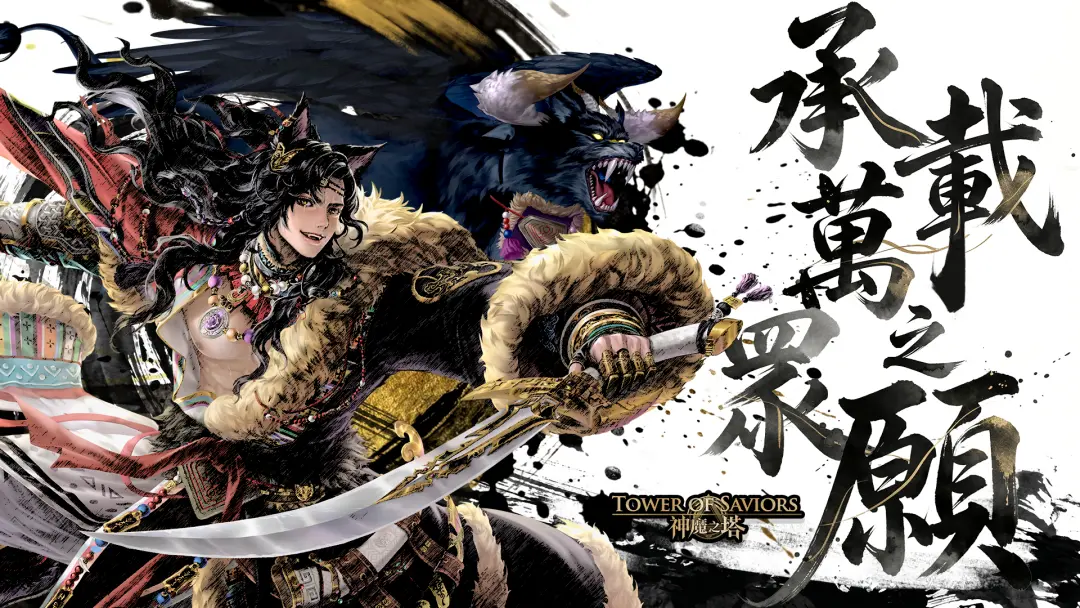
AI-Assisted Plagiarism in Tower of Saviors Promo Video Sparks Backlash

Thumbnail Image

The information displayed in the AIM should not be reported as representing the official views of the OECD or of its member countries.

The game Tower of Saviors used AI-assisted tools to create a promotional video that closely copied animation from the game Wuthering Waves, leading to accusations of plagiarism and intellectual property violation. The developer admitted to using AI, apologized, withdrew the video, and pledged stricter review processes.[AI generated]

Why's our monitor labelling this an incident or hazard?

The article explicitly states that AI technology was used to assist in the creation and review of the promotional animation, which contained copied content from another game without authorization. This misuse of AI led to a breach of intellectual property rights (a legal obligation) and caused significant reputational harm to the game and its community, fulfilling the criteria for an AI Incident. The harm is realized, not just potential, as the plagiarism and resulting backlash have already occurred. The AI system's role is pivotal as it was part of the production process that enabled the copying and failure to detect the issue before release.[AI generated]
AI principles
AccountabilityTransparency & explainability

Industries
Media, social platforms, and marketing

Affected stakeholders
Business

Harm types
Economic/PropertyReputational

Severity
AI incident

Business function:
Marketing and advertisement

AI system task:
Content generation


Articles about this incident or hazard

Thumbnail Image

《神魔之塔》抄襲《鳴潮》緋雪踩雷!官方坦承AI翻車 補償被罵翻 | 遊戲 | 電玩 | NOWnews今日新聞

2026-05-28
NOWnews 今日新聞
Why's our monitor labelling this an incident or hazard?
The article explicitly states that AI technology was used to assist in the creation and review of the promotional animation, which contained copied content from another game without authorization. This misuse of AI led to a breach of intellectual property rights (a legal obligation) and caused significant reputational harm to the game and its community, fulfilling the criteria for an AI Incident. The harm is realized, not just potential, as the plagiarism and resulting backlash have already occurred. The AI system's role is pivotal as it was part of the production process that enabled the copying and failure to detect the issue before release.
Thumbnail Image

《神魔之塔》涉抄襲急道歉!坦承用AI輔助製作 網酸:成吉思汗是鳴潮人 - 鏡週刊 Mirror Media

2026-05-27
鏡週刊 Mirror Media
Why's our monitor labelling this an incident or hazard?
The use of AI in content creation that led to plagiarism constitutes a violation of intellectual property rights, which is a form of harm under the AI Incident definition. The company's acknowledgment and steps to improve processes confirm the incident has occurred. Therefore, this qualifies as an AI Incident due to the direct involvement of AI in causing harm through plagiarism.
Thumbnail Image

《神魔之塔》涉抄襲急道歉!坦承用AI輔助製作 網酸:成吉思汗是鳴潮人

2026-05-27
mnews.tw
Why's our monitor labelling this an incident or hazard?
The event explicitly mentions the use of AI-assisted production in creating promotional content that plagiarized another game's animation, leading to a breach of intellectual property rights. The harm (violation of rights) has already occurred, and the AI system's role in assisting the production is pivotal in causing this harm. The company's response and mitigation measures are complementary information but do not negate the incident classification. Hence, this is an AI Incident involving indirect harm through AI-assisted plagiarism.
Thumbnail Image

《神魔之塔》針對宣傳影片中部分鏡頭與《鳴潮》高度相似一事發布道歉公告 將重新檢視 AI 輔助製作流程 - 遊戲新聞 - PChome Online 新聞

2026-05-27
PChome Online 新聞
Why's our monitor labelling this an incident or hazard?
The event involves AI-assisted production workflows in the creation of promotional content, but the harm described is related to intellectual property concerns (similarity to another game's content) and management failures, not a direct or indirect harm caused by AI system malfunction or misuse. The company is responding with apologies, process reviews, and compensation, which fits the definition of Complementary Information. There is no evidence of injury, rights violations, or other significant harms caused by the AI system itself. The focus is on governance and process improvement rather than an AI Incident or Hazard.
Thumbnail Image

《神魔之塔》疑省成本大翻車!宣傳片被爆抄襲 官方火速致歉 | LIFE生活網

2026-05-27
LIFE 生活網
Why's our monitor labelling this an incident or hazard?
The event explicitly involves AI systems used to generate promotional content, which was directly linked to a violation of intellectual property rights (a breach of legal obligations). The AI system's misuse in generating plagiarized content led to reputational harm and legal concerns, fulfilling the criteria for an AI Incident. The developer's apology and remediation efforts are responses to the incident rather than the main focus, so the event is not Complementary Information. The harm is realized, not just potential, so it is not an AI Hazard. Hence, the classification is AI Incident.