EU Biometric Border System Causes Airport Chaos and Delays

Thumbnail Image

The information displayed in the AIM should not be reported as representing the official views of the OECD or of its member countries.

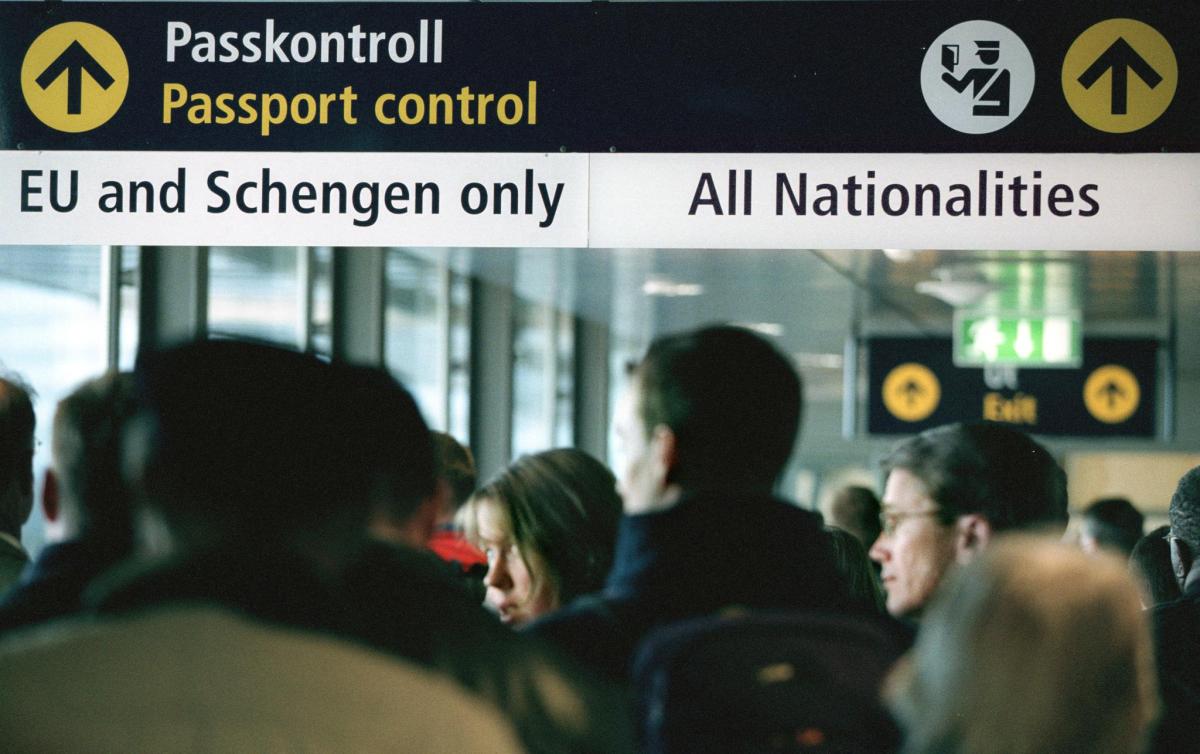
The rollout of the EU's new AI-powered Entry/Exit System (EES), which uses biometric data for border checks, has led to significant delays, confusion, and missed flights at major European airports, particularly Paris-Charles de Gaulle. System malfunctions and slow processing have disrupted travel for non-EU visitors.[AI generated]

Why's our monitor labelling this an incident or hazard?

The EES is an AI system as it uses biometric data and automated processing to manage border control. The article reports realized harm: delays and nearly missed flights caused by the system's uneven implementation and malfunctioning kiosks. This constitutes harm to groups of people (travelers) through disruption and inconvenience, meeting the criteria for an AI Incident. The harm is direct and ongoing, not merely potential or speculative. Hence, the event is classified as an AI Incident.[AI generated]
AI principles
AccountabilityRobustness & digital security

Industries
Government, security, and defenceTravel, leisure, and hospitality

Affected stakeholders
Consumers

Harm types
Economic/PropertyPsychologicalReputational

Severity
AI incident

AI system task:
Recognition/object detection


Articles about this incident or hazard

Thumbnail Image

Travelling to Europe this summer? Ask Simon Calder anything about EU travel red tape - AOL

2026-05-29
AOL.com
Why's our monitor labelling this an incident or hazard?
The event involves an AI system (the EU's digital border system with biometric data collection and processing), but the article does not report any harm or incident caused by the AI system. The issues described are operational delays and bureaucratic challenges, which do not constitute an AI Incident or AI Hazard. The article mainly provides complementary information about the system's rollout and invites public questions, without focusing on harm or risk. Therefore, the classification is Complementary Information.
Thumbnail Image

Arrive three hours before flight home, airline boss tells UK holidaymakers

2026-05-29
BBC
Why's our monitor labelling this an incident or hazard?
The article involves an AI system (EES biometric checks) that is in use and causing operational delays, but there is no indication of injury, rights violations, or other significant harms resulting from its use. The delays and queues are a known operational impact but do not constitute an AI Incident or AI Hazard as defined. The article primarily provides contextual information and advice related to the AI system's deployment and its effects on travel, fitting the definition of Complementary Information.
Thumbnail Image

Warning issued to Americans planning Europe vacations

2026-05-28
Newsweek
Why's our monitor labelling this an incident or hazard?
The EES is an AI system as it uses biometric data and automated processing to manage border control. The article reports realized harm: delays and nearly missed flights caused by the system's uneven implementation and malfunctioning kiosks. This constitutes harm to groups of people (travelers) through disruption and inconvenience, meeting the criteria for an AI Incident. The harm is direct and ongoing, not merely potential or speculative. Hence, the event is classified as an AI Incident.
Thumbnail Image

What is Etias and when will I need to apply for one when travelling to the EU?

2026-05-28
The Independent
Why's our monitor labelling this an incident or hazard?
The article explicitly discusses an AI system (Etias) used for border control, involving biometric data processing and automated risk assessment. However, it does not describe any actual harm, malfunction, or misuse resulting from the system's development or use. The system is not yet operational, and no incidents or hazards have materialized. The mention of risks like identity theft from imposter websites relates to external scams, not the AI system itself causing harm. The article's main focus is to inform about the system's upcoming launch, requirements, and operational details, which fits the definition of Complementary Information rather than an Incident or Hazard.
Thumbnail Image

Travelling to Europe this summer? Ask Simon Calder anything about EU travel red tape

2026-05-29
The Independent
Why's our monitor labelling this an incident or hazard?
The EU entry-exit system (EES) uses biometric data collection and digital processing, which reasonably involves AI or automated systems. The article reports on delays and operational problems causing inconvenience but does not describe any injury, rights violation, or other harms directly or indirectly caused by the AI system. The issues are related to rollout and bureaucratic challenges rather than AI malfunction or misuse. There is no credible indication that these problems could plausibly lead to significant harm beyond inconvenience. Thus, the article provides supporting information about the AI system's deployment and its societal effects, fitting the definition of Complementary Information rather than an Incident or Hazard.
Thumbnail Image

I experienced the chaos caused by EU's new border checks, here's the brutal truth of what awaits summer holidaygoers

2026-05-28
GB News
Why's our monitor labelling this an incident or hazard?
The EES is an AI system as it uses biometric recognition technology (facial scanners, fingerprint recognition) to automate border control processes. The article reports a malfunction (system outage) and operational failures causing long delays and chaos at a major airport, directly harming travelers by causing missed flights and significant disruption. This meets the criteria for an AI Incident because the AI system's malfunction and use have directly led to harm (disruption and harm to people). The event is not merely a potential hazard or complementary information, but a realized incident with clear harm caused by the AI system's failure.
Thumbnail Image

Why you can expect 3-hour lines in some European airports this summer -- and what to do about it

2026-05-29
Yahoo Travel
Why's our monitor labelling this an incident or hazard?
The new Entry/Exit System is an AI system as it processes biometric data and traveler information to make decisions about border entry and exit. The article reports that the system's rollout has directly led to hours-long queues and operational disruptions at airports, which is a harm to critical infrastructure management. The delays are a direct consequence of the AI system's use and technical issues during its initial deployment. Hence, the event meets the criteria for an AI Incident because the AI system's use has directly caused harm (disruption and delays) in a critical infrastructure context.
Thumbnail Image

Visitors to Europe Are Being Hit with Hours-Long Lines Due to the EU's New Entry-Exit System

2026-05-29
Yahoo Travel
Why's our monitor labelling this an incident or hazard?
The EES is an AI system as it automates biometric data processing and decision-making for border control. The event involves the use and malfunction of this AI system, which directly leads to harm in the form of long delays, missed flights, and traveler distress. The harm is realized and ongoing, not just potential. Therefore, this qualifies as an AI Incident because the AI system's use has directly led to harm to people through operational failures and poor large-scale implementation.