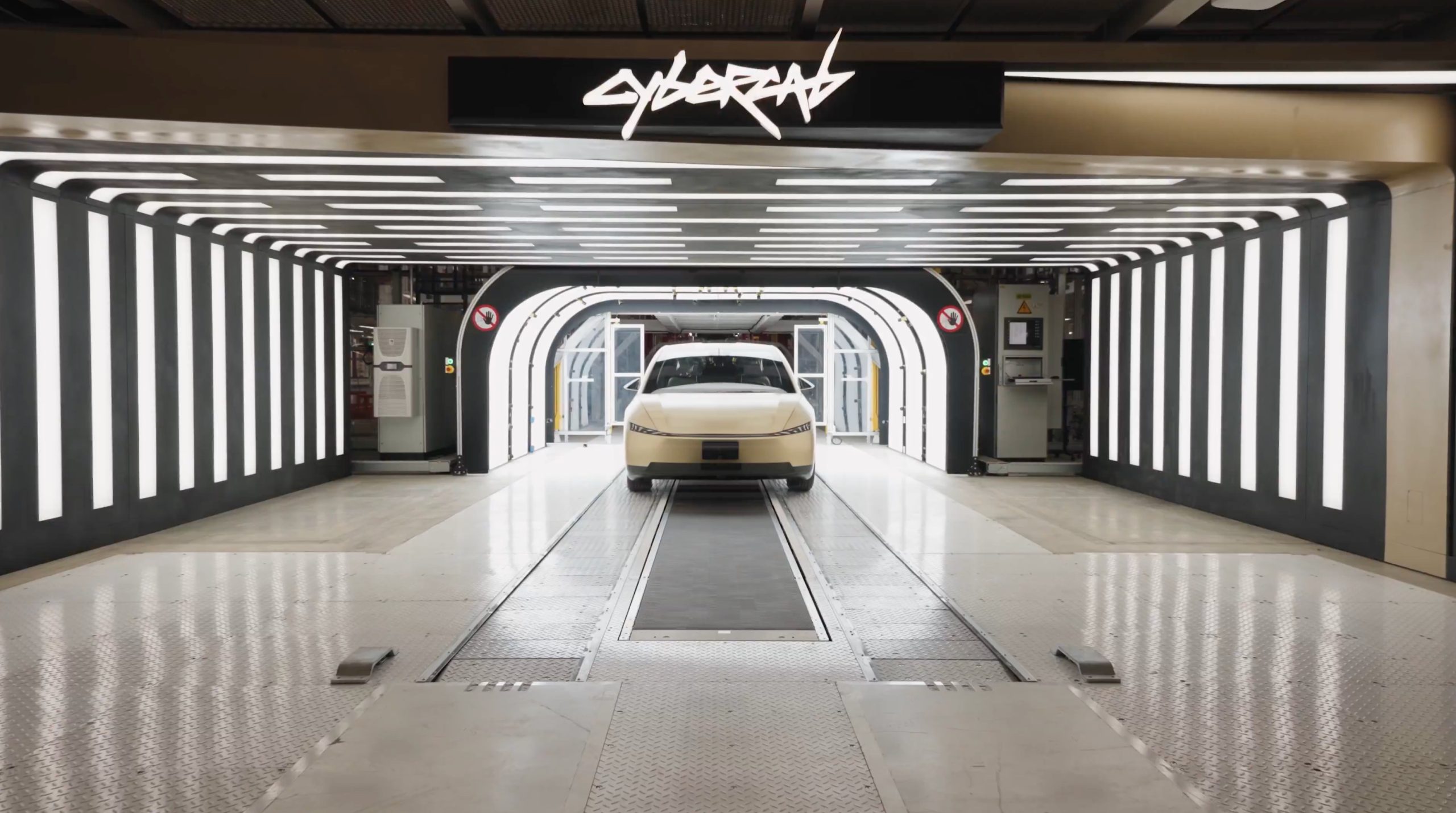
Tesla Receives Approval to Deploy Fully Autonomous Robotaxis in Texas

Thumbnail Image

The information displayed in the AIM should not be reported as representing the official views of the OECD or of its member countries.

Tesla has received regulatory approval in Texas to commercially operate fully autonomous robotaxis, including its Cybercab vehicles, under a new law allowing self-certification of SAE Level 4 autonomy. This development enables driverless ride-hailing services, raising potential future risks associated with widespread AI-driven vehicle deployment.[AI generated]

Why's our monitor labelling this an incident or hazard?

The article focuses on Tesla's regulatory approval and progress toward deploying autonomous vehicles commercially, which involves AI systems for driverless operation. While this development could plausibly lead to AI incidents in the future (e.g., accidents or safety issues), no harm has yet occurred or been reported. Therefore, this event fits the definition of an AI Hazard, as it describes a circumstance where AI system use could plausibly lead to harm but has not yet done so.[AI generated]
AI principles
SafetyAccountability

Industries
Mobility and autonomous vehicles

Severity
AI hazard

Business function:
Other

AI system task:
Recognition/object detectionGoal-driven organisation


Articles about this incident or hazard

Thumbnail Image

Tesla (TSLA) Moves Closer to Robotaxi Launch after Texas Driverless Approval

2026-05-30
Markets Insider
Why's our monitor labelling this an incident or hazard?
The article focuses on Tesla's regulatory approval and progress toward deploying autonomous vehicles commercially, which involves AI systems for driverless operation. While this development could plausibly lead to AI incidents in the future (e.g., accidents or safety issues), no harm has yet occurred or been reported. Therefore, this event fits the definition of an AI Hazard, as it describes a circumstance where AI system use could plausibly lead to harm but has not yet done so.
Thumbnail Image

Tesla Self-Certified Its Model Y Robotaxis for Level 4 Autonomy Under a New Texas Law

2026-05-29
autoevolution
Why's our monitor labelling this an incident or hazard?
The event involves AI systems explicitly—Tesla's autonomous driving technology certified at SAE Level 4 autonomy. The self-certification and legal allowance for driverless commercial rides mean these AI systems will operate without human intervention, increasing the risk of potential harm. Although no harm has yet occurred or been reported, the nature of fully autonomous vehicles operating commercially without drivers plausibly leads to AI incidents such as accidents or safety failures. Hence, this is an AI Hazard rather than an AI Incident or Complementary Information. It is not unrelated because the AI system's deployment and certification are central to the event and its potential risks.
Thumbnail Image

Tesla's Robotaxi dreams just took a massive step toward reality

2026-05-29
TESLARATI
Why's our monitor labelling this an incident or hazard?
The event involves AI systems explicitly, as Tesla's Cybercab vehicles use automated driving systems (Level 4+) to operate without drivers. The authorization allows commercial operation of these AI systems on public roads. However, the article does not report any harm or incidents caused by these AI systems, nor does it describe any immediate risks or hazards resulting from their deployment. Instead, it describes regulatory approval and technological progress, which are developments in the AI ecosystem. Therefore, this is best classified as Complementary Information, as it provides important context and updates on AI system deployment and governance but does not describe an AI Incident or AI Hazard.
Thumbnail Image

Tesla Cybercab: 100% autonomous ride-hailing is here

2026-05-29
Rolling Out
Why's our monitor labelling this an incident or hazard?
The Cybercab is a fully autonomous AI system controlling vehicles without human intervention, which fits the definition of an AI system. The article does not mention any realized harm or incidents caused by the Cybercab, so it is not an AI Incident. However, the complete removal of human control and reliance on AI software for safety means there is a credible risk of harm (e.g., accidents) in the future. This aligns with the definition of an AI Hazard, where the AI system's use could plausibly lead to harm. The article focuses on the deployment and potential impact of the Cybercab, not on any harm or legal/governance responses, so it is not Complementary Information. It is clearly related to AI systems and their societal impact, so it is not Unrelated.