AUKUS Nations to Develop AI-Enabled Underwater Drones for Military Use

Thumbnail Image

The information displayed in the AIM should not be reported as representing the official views of the OECD or of its member countries.

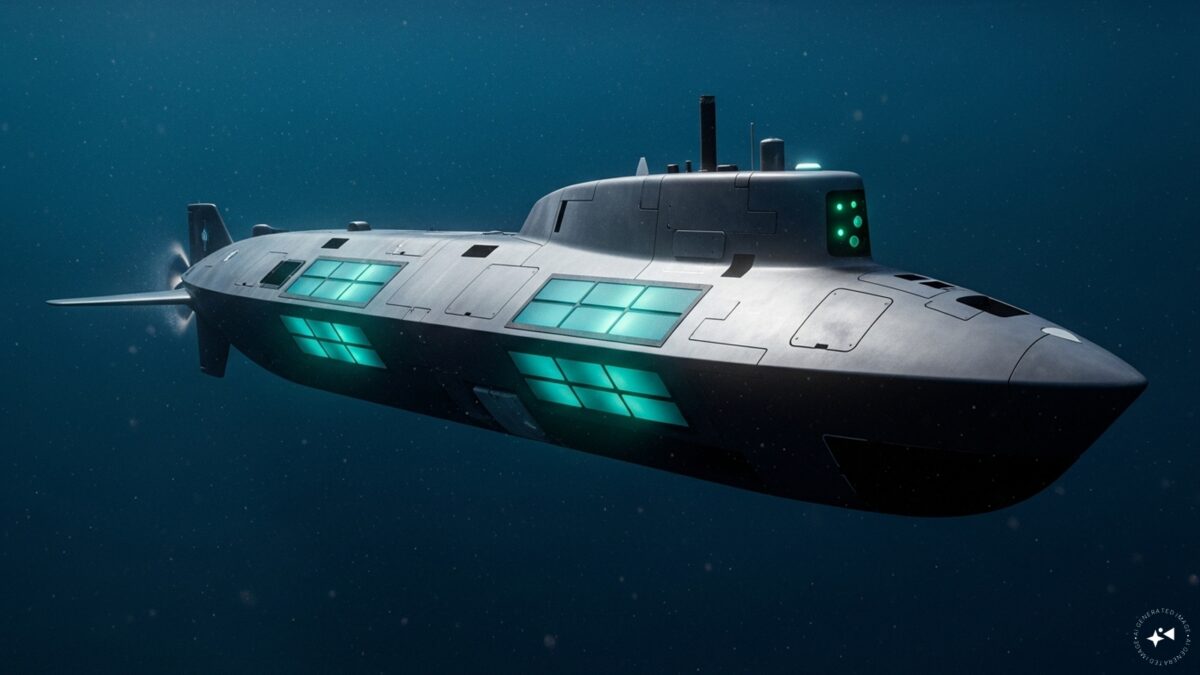
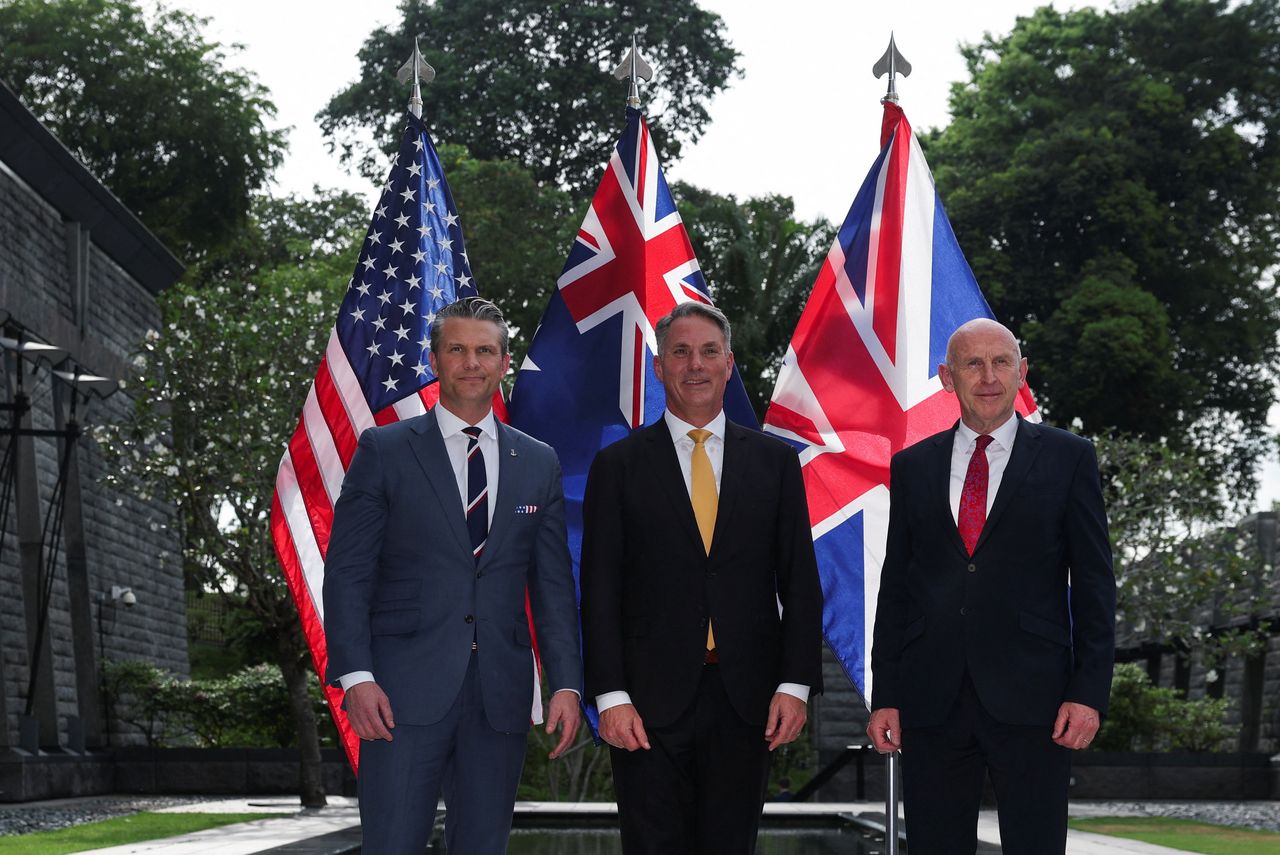
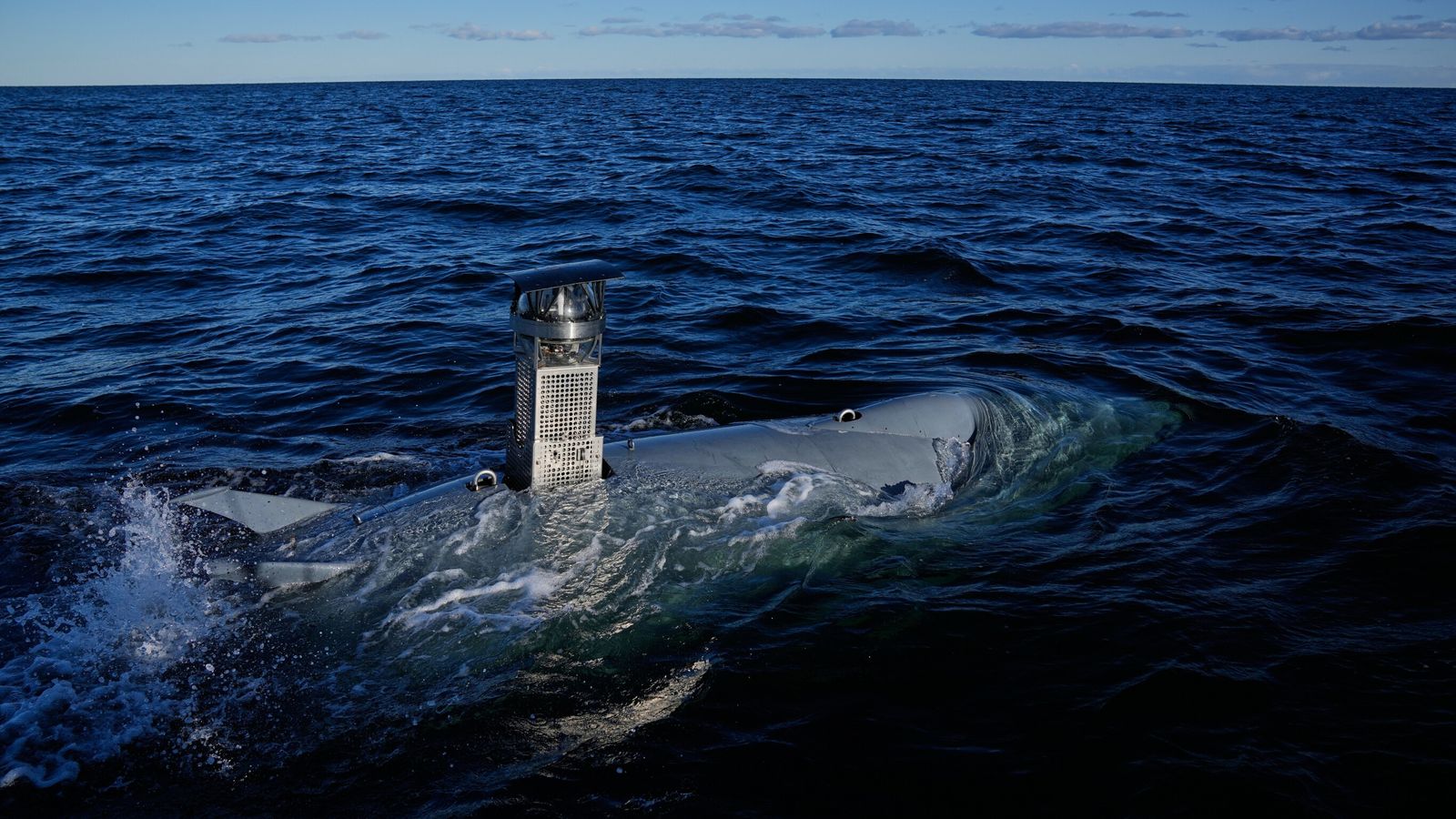
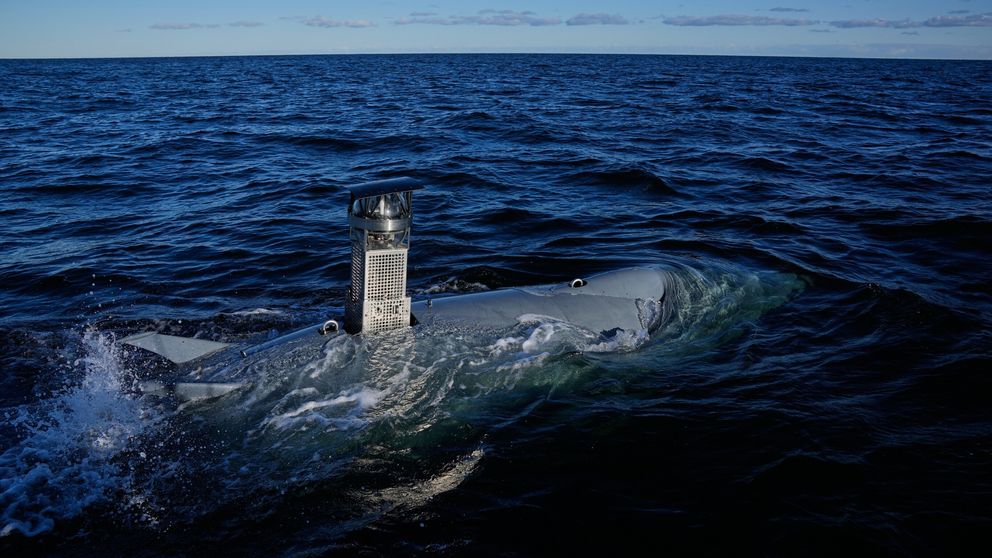
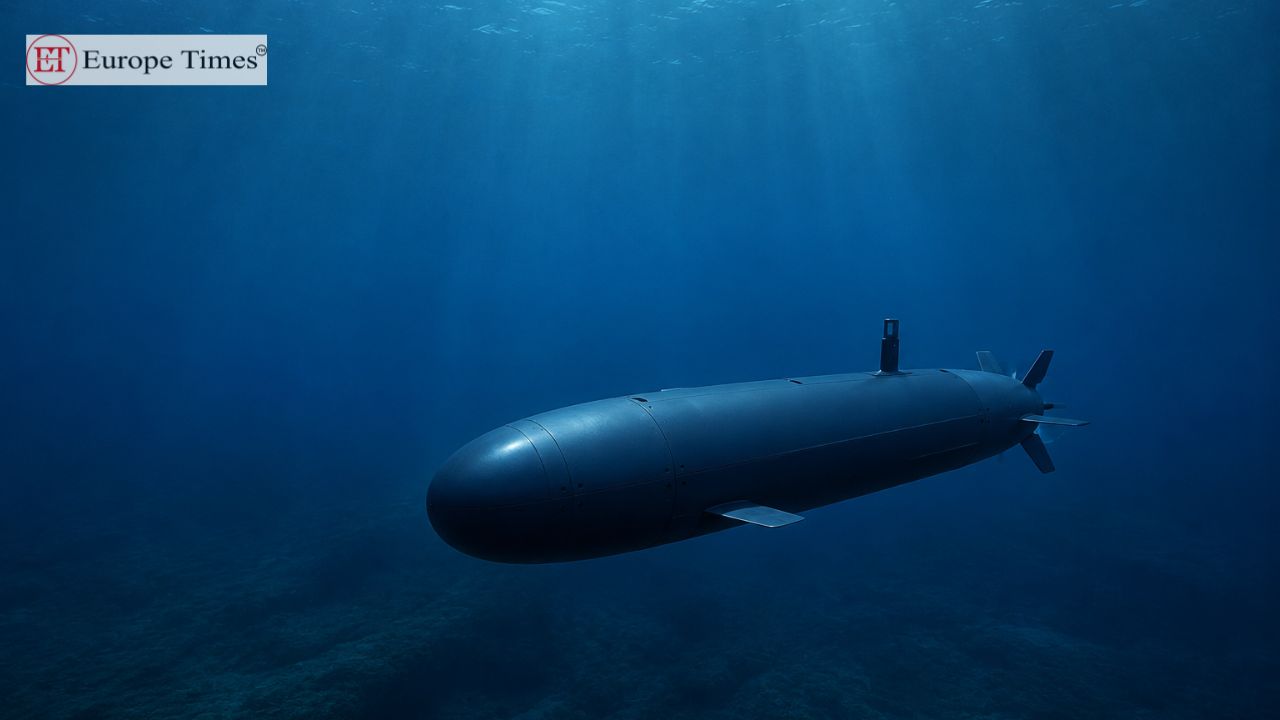
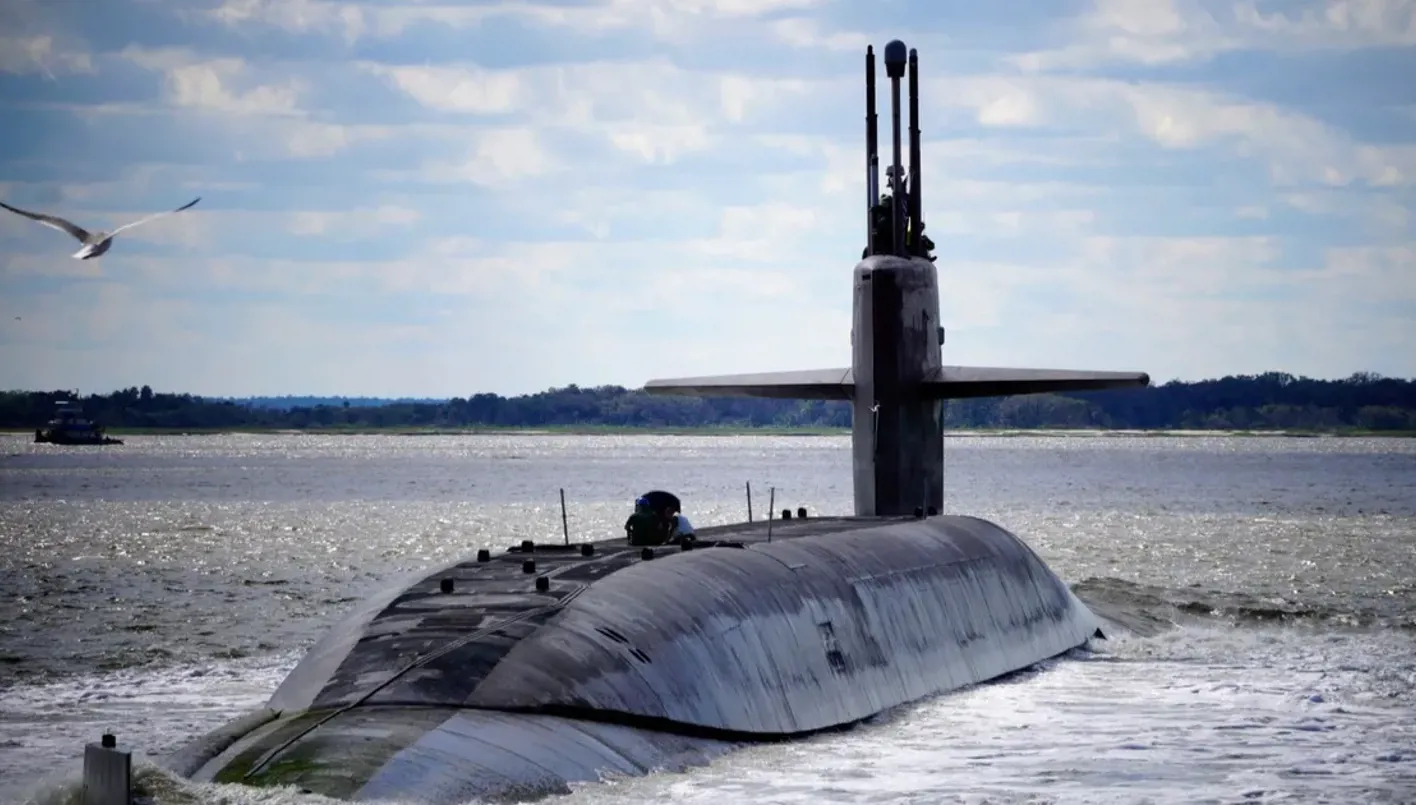
The US, UK, and Australia announced plans to jointly develop AI-enabled unmanned undersea vehicles (UUVs) under the AUKUS defense pact. These autonomous drones, set for delivery in 2027, will enhance reconnaissance, strike, and undersea warfare capabilities, raising concerns about future risks in military and critical infrastructure contexts.[AI generated]

Why's our monitor labelling this an incident or hazard?

The article explicitly mentions AI as part of the advanced capabilities being developed for underwater drones (UUVs) with military applications. Although no harm has yet occurred, the nature of the technology—autonomous or semi-autonomous underwater vehicles equipped with sensors and weapons—could plausibly lead to incidents involving injury, disruption of critical infrastructure (e.g., undersea cables), or violations of international law. The event is about the development and deployment of AI-enabled military technology with significant potential for harm, fitting the definition of an AI Hazard rather than an Incident or Complementary Information.[AI generated]

AI principles
SafetyRespect of human rights

Industries
Government, security, and defence

Affected stakeholders
General publicGovernment

Harm types
Physical (death)Public interestHuman or fundamental rights

Severity
AI hazard

AI system task:
Recognition/object detectionGoal-driven organisation


Articles about this incident or hazard

Thumbnail Image

Aukus: US, UK and Australia to develop underwater drone technology

2026-05-30
BBC
Why's our monitor labelling this an incident or hazard?
The article explicitly mentions AI as part of the advanced capabilities being developed for underwater drones (UUVs) with military applications. Although no harm has yet occurred, the nature of the technology—autonomous or semi-autonomous underwater vehicles equipped with sensors and weapons—could plausibly lead to incidents involving injury, disruption of critical infrastructure (e.g., undersea cables), or violations of international law. The event is about the development and deployment of AI-enabled military technology with significant potential for harm, fitting the definition of an AI Hazard rather than an Incident or Complementary Information.
Thumbnail Image

Aukus: US, UK and Australia to develop underwater drone technology

2026-05-30
BBC
Why's our monitor labelling this an incident or hazard?
The article explicitly mentions the development of AI-enabled underwater drones with military applications, including protection and potential strikes. The AI system involvement is clear due to the autonomous or semi-autonomous nature of UUVs with advanced payloads and sensors. No actual harm or incident has been reported yet, but the intended use in defense and protection of critical infrastructure (undersea cables) implies a plausible risk of harm in the future. Hence, it fits the definition of an AI Hazard, as the development and deployment of such AI systems could plausibly lead to incidents involving harm to critical infrastructure or escalation of conflict.
Thumbnail Image

Australia news live: Aukus nations to develop uncrewed undersea vehicles to protect cables; Hanson backs Taylor's indexation plan

2026-05-30
The Guardian
Why's our monitor labelling this an incident or hazard?
The article explicitly mentions the development of advanced uncrewed undersea vehicles, which are highly likely to incorporate AI systems for autonomous operation and mission adaptability. Although no harm has yet occurred, the military nature and strategic use of these AI-enabled systems imply credible risks of future harm, such as interference with critical maritime infrastructure or escalation of geopolitical tensions. Since the event involves the development and potential use of AI systems that could plausibly lead to harm but does not describe any actual harm yet, it fits the definition of an AI Hazard.
Thumbnail Image

New Aukus drone subs to protect critical undersea cables as Marles warns: 'seabed is a battlefield'

2026-05-30
The Guardian
Why's our monitor labelling this an incident or hazard?
The article explicitly mentions the development and planned deployment of uncrewed underwater vessels equipped with advanced sensors and weapons systems, which reasonably implies AI systems for autonomous or semi-autonomous operation. The threat of undersea cable attacks is documented and ongoing, representing a significant risk to critical infrastructure. The AI-enabled drones are being developed as a response to this threat, indicating the plausible future involvement of AI systems in preventing or responding to harm. Since no actual harm caused by the AI systems is reported, and the main focus is on the potential for harm and the development of AI-enabled defense technology, the event fits the definition of an AI Hazard. The article does not describe any realized harm or incident caused by AI, nor does it primarily focus on governance or societal responses, so AI Hazard is the appropriate classification.
Thumbnail Image

AUKUS Underwater Drones Explained: Why US, UK And Australia Are Building Robot Submarines

2026-05-30
News18
Why's our monitor labelling this an incident or hazard?
The event involves the development and planned deployment of AI-enabled autonomous underwater drones with military capabilities, which clearly qualifies as an AI system. The article does not report any realized harm or incident caused by these systems yet, but it explicitly discusses the potential for these systems to protect or threaten critical infrastructure and to be used in military operations, implying plausible future harm. The nature of the AI system's use (military autonomous drones) and the strategic context (geopolitical tensions, protection and potential attack on critical infrastructure) indicate credible risks of harm. Hence, the event fits the definition of an AI Hazard rather than an AI Incident or Complementary Information. It is not unrelated because the AI system and its potential impacts are central to the article.
Thumbnail Image

AUKUS to develop unmanned undersea vehicles, delivery set for 2027 By Reuters

2026-05-30
Investing.com
Why's our monitor labelling this an incident or hazard?
The event involves the development of AI-enabled unmanned undersea vehicles for military use, which can be reasonably inferred to include AI systems for autonomous operation and decision-making. Although no harm has yet occurred, the intended use in warfare and strategic dominance implies a credible risk of future harm such as conflict escalation or damage to critical infrastructure. The article does not report any realized harm or incident but highlights the potential for significant future harm, fitting the definition of an AI Hazard rather than an AI Incident or Complementary Information.
Thumbnail Image

AUKUS Pillar II fact sheet: Uncrewed Undersea Vehicles - payloads and enabling systems

2026-05-30
GOV.UK
Why's our monitor labelling this an incident or hazard?
The event involves the development and intended use of AI-enabled autonomous or semi-autonomous systems (UUVs) with advanced payloads and enabling systems that likely incorporate AI for navigation, surveillance, and operational coordination. While no actual harm or incident is reported, the nature of these military AI systems and their offensive capabilities imply a plausible risk of future harm, such as escalation in undersea warfare, disruption of critical infrastructure, or other security risks. Therefore, this event represents an AI Hazard due to the credible potential for harm stemming from the deployment and use of AI-enabled autonomous undersea vehicles in military contexts.
Thumbnail Image

US launches new underwater drone scheme to counter China

2026-05-30
Newsweek
Why's our monitor labelling this an incident or hazard?
The event explicitly involves AI systems in the form of advanced uncrewed underwater vehicles capable of autonomous or semi-autonomous operations including surveillance and strike missions. The development and deployment of these AI-enabled military drones is a strategic response to perceived threats and vulnerabilities, notably from China, and aims to protect critical infrastructure. Although no direct harm has yet occurred, the nature of these AI systems and their intended military use plausibly could lead to incidents causing harm to critical infrastructure or escalation of conflict. Thus, the event fits the definition of an AI Hazard, as it describes a credible risk of future harm stemming from the development and use of AI systems, rather than an AI Incident or Complementary Information. It is not unrelated because it clearly involves AI systems and their potential impacts.
Thumbnail Image

AUKUS partners collaborate on autonomous undersea vehicles to counter Indo-Pacific threats | Today News

2026-05-30
mint
Why's our monitor labelling this an incident or hazard?
The event involves AI systems explicitly through the development of autonomous underwater vehicles that use AI for navigation, sensing, and potentially weapons deployment. The article does not describe any realized harm or incidents caused by these AI systems but discusses their intended military use and the geopolitical tensions they may exacerbate. Given the plausible future risks of harm to critical infrastructure and regional security, this situation fits the definition of an AI Hazard rather than an AI Incident. It is not Complementary Information because the article focuses on the development and strategic implications rather than updates or responses to prior incidents. It is not Unrelated because AI systems are central to the autonomous vehicles discussed.
Thumbnail Image

US, UK and Australia Deepen Subsea Security Pact With Drones

2026-05-30
Bloomberg Business
Why's our monitor labelling this an incident or hazard?
The event involves AI systems as part of advanced underwater drones and weapon systems under development, indicating AI system involvement. However, there is no mention of any harm or incident caused by these systems so far. The article discusses future capabilities and deployments, which could plausibly lead to harm, especially given the military context and potential autonomous functions. Therefore, this qualifies as an AI Hazard rather than an AI Incident or Complementary Information.
Thumbnail Image

AUKUS to develop unmanned undersea vehicles, Pentagon chief says

2026-05-31
The Times of India
Why's our monitor labelling this an incident or hazard?
The event involves the development and planned deployment of AI-enabled unmanned undersea vehicles with military strike and reconnaissance functions. Although no incident or harm has yet occurred, the autonomous nature and offensive capabilities of these AI systems imply a credible risk of future harm, including injury, disruption, or violations of rights in conflict scenarios. The article focuses on the development and strategic implications rather than any realized harm, fitting the definition of an AI Hazard rather than an Incident or Complementary Information.
Thumbnail Image

Australia, UK and US launch underwater drone program under Aukus alliance - CNBC TV18

2026-05-30
cnbctv18.com
Why's our monitor labelling this an incident or hazard?
The article explicitly mentions the development of advanced underwater drones equipped with sensors and weapons systems, which reasonably implies the use of AI for autonomous or semi-autonomous operation. Although no harm has yet occurred, the military nature of these systems and their potential deployment in conflict zones create a credible risk of future harm, including injury, disruption, or rights violations. Since the event concerns the development and planned deployment of AI-enabled military technology with plausible future harm but no current incident, it fits the definition of an AI Hazard rather than an AI Incident or Complementary Information.
Thumbnail Image

AUKUS partners to deploy undersea drones from 2027 as Indo-Pacific rivalry deepens

2026-05-30
Firstpost
Why's our monitor labelling this an incident or hazard?
The article explicitly mentions the development and future deployment of autonomous undersea drones that rely on AI and advanced military technologies. Although no incident of harm has occurred yet, the nature of these AI systems and their intended military use in a tense geopolitical region plausibly could lead to harms such as conflict escalation, damage to critical infrastructure, or other military harms. The event is thus best classified as an AI Hazard, reflecting the credible risk of future harm from these AI-enabled autonomous weapons systems. There is no indication of realized harm or incident at this stage, nor is the article primarily about responses or complementary information.
Thumbnail Image

AUKUS nations to develop payloads for uncrewed undersea vehicles

2026-05-30
GEO TV
Why's our monitor labelling this an incident or hazard?
The event involves AI systems reasonably inferred in the form of autonomous or semi-autonomous uncrewed undersea vehicles equipped with advanced sensors and weapons, which are AI-enabled for multi-mission adaptability. The article does not describe any realized harm or incident caused by these systems but focuses on their development and strategic deployment. Given the military nature and potential for these AI systems to disrupt critical infrastructure or cause harm in future conflicts, the event plausibly leads to AI-related harms. Hence, it fits the definition of an AI Hazard rather than an AI Incident or Complementary Information.
Thumbnail Image

AUKUS to develop unmanned undersea vehicles, delivery set for 2027

2026-05-30
ThePrint
Why's our monitor labelling this an incident or hazard?
The article explicitly mentions the integration of artificial intelligence in the development of unmanned undersea vehicles for military purposes. Although no incident or harm has occurred yet, the deployment of AI-enabled autonomous weapons systems carries a plausible risk of causing harm to critical infrastructure and escalating conflicts, which fits the definition of an AI Hazard. The event does not describe any realized harm or incident, so it cannot be classified as an AI Incident. It is more than general AI-related news or a product announcement, so it is not Complementary Information or Unrelated.
Thumbnail Image

AUKUS unveils undersea drone project to deepen defense partnership

2026-05-30
POLITICO
Why's our monitor labelling this an incident or hazard?
The event involves AI systems as part of advanced military technology development, specifically undersea drones likely equipped with AI for autonomous or semi-autonomous operations. However, there is no indication of any harm, malfunction, or misuse that has occurred or is occurring. The article primarily discusses the strategic and technological collaboration and future capabilities, without mentioning any direct or indirect harm or plausible imminent harm. Therefore, this event is best classified as Complementary Information, providing context on AI-related defense developments without reporting an incident or hazard.
Thumbnail Image

Aukus to develop unmanned undersea vehicles

2026-05-30
Free Malaysia Today
Why's our monitor labelling this an incident or hazard?
The article explicitly mentions AI as part of the advanced defence technologies being developed for unmanned undersea vehicles under the Aukus pact. These vehicles are likely to use AI for autonomous operation and mission adaptability. Although no harm or incident has occurred yet, the development of AI-enabled autonomous military systems inherently carries plausible risks of harm, including escalation of conflict and misuse. The article also notes concerns about regional arms races, supporting the plausibility of future harm. Since no actual harm has been reported, this event is best classified as an AI Hazard rather than an AI Incident.
Thumbnail Image

US, UK and Australia deepen subsea security pact with drones

2026-05-30
ArcaMax
Why's our monitor labelling this an incident or hazard?
The event involves the development and planned deployment of AI-enabled autonomous underwater drones and advanced weapon systems, which are AI systems by definition due to their autonomous and adaptive capabilities. Although no harm has yet occurred, the military nature and advanced capabilities of these systems imply a credible risk of future harm, such as injury, escalation of conflict, or unintended consequences. The article does not describe any realized harm or incident, so it cannot be classified as an AI Incident. It is not merely complementary information because the focus is on the development and deepening of military AI-enabled systems with plausible future risks. Hence, the appropriate classification is AI Hazard.
Thumbnail Image

Aukus to develop unmanned undersea vehicles

2026-05-31
Otago Daily Times Online News
Why's our monitor labelling this an incident or hazard?
The article explicitly mentions AI as part of the advanced defense technologies integrated into the unmanned undersea vehicles. Although no direct harm or incident has occurred yet, the deployment of AI-enabled autonomous military systems inherently carries risks of harm, such as escalation of conflict or misuse. The article also notes concerns from China about a regional arms race, underscoring the plausible future harms. Since the event involves the development and planned use of AI systems with potential for significant harm but no realized harm yet, it fits the definition of an AI Hazard rather than an AI Incident or Complementary Information.
Thumbnail Image

AUKUS to develop unmanned undersea vehicles, delivery set for 2027

2026-05-30
Internazionale
Why's our monitor labelling this an incident or hazard?
The article explicitly mentions the development of unmanned undersea vehicles under the AUKUS pact, which includes AI technology as part of advanced defense capabilities. Although no incident or harm has yet occurred, the nature of these AI-enabled autonomous military systems and their intended use in contested maritime environments imply a credible risk of future harm, such as military escalation or damage to critical infrastructure. This fits the definition of an AI Hazard, as the AI system's development and intended use could plausibly lead to an AI Incident in the future. There is no indication of realized harm or incident at this stage, so it is not an AI Incident. The article is not merely complementary information or unrelated, as it focuses on the development of AI-enabled military systems with potential for harm.
Thumbnail Image

AUKUS to develop unmanned undersea vehicles, Pentagon chief says

2026-05-30
Internazionale
Why's our monitor labelling this an incident or hazard?
The article explicitly mentions the development of unmanned undersea vehicles under the AUKUS defense pact, which are highly likely to incorporate AI for autonomous operation and advanced mission capabilities. Although no direct harm or incident is reported, the strategic military context and the potential for these AI-enabled systems to contribute to regional tensions and arms races represent a plausible future risk. Therefore, this event fits the definition of an AI Hazard rather than an AI Incident or Complementary Information.
Thumbnail Image

US, UK and Australia to develop underwater drone technology

2026-05-30
The Star
Why's our monitor labelling this an incident or hazard?
The article explicitly mentions the development of AI-enabled underwater drones (UUVs) with capabilities including strikes and surveillance, which involve AI systems. The event concerns the use and development of these AI systems within a military context aimed at protecting critical infrastructure and enhancing defense. No actual harm or incident has occurred yet, but the potential for harm is credible given the military nature and capabilities of these AI systems. Hence, it fits the definition of an AI Hazard, as the AI systems could plausibly lead to incidents involving harm to critical infrastructure or geopolitical tensions in the future.
Thumbnail Image

US, UK and Australia deepen subsea security pact with drones

2026-05-30
Stars and Stripes
Why's our monitor labelling this an incident or hazard?
The article involves AI systems insofar as it mentions AI as part of the advanced technology to be integrated into underwater drones. The drones are likely to be AI-enabled given their description as uncrewed and multimission systems with advanced sensors and weapons. However, there is no indication that any harm has occurred or that an incident has taken place. The event is about the development and deployment plans, which could plausibly lead to future harms such as military escalation or misuse of autonomous weapons, but these are potential risks rather than realized harms. Therefore, the event fits the definition of an AI Hazard rather than an AI Incident or Complementary Information.
Thumbnail Image

AUKUS to develop unmanned undersea vehicles, Pentagon chief says

2026-05-30
Japan Today
Why's our monitor labelling this an incident or hazard?
The article explicitly mentions AI as part of the advanced technologies being developed for unmanned undersea vehicles under the AUKUS pact. These vehicles are intended for military use and could autonomously perform complex missions, implying AI system involvement. No actual harm or incident is reported; rather, the article focuses on the ongoing development and strategic intent. Given the potential for these AI-enabled military systems to cause significant harm in the future, including disruption of critical infrastructure or escalation of conflict, this event fits the definition of an AI Hazard.
Thumbnail Image

US, UK and Australia to develop cutting-edge underwater drone technology

2026-05-30
Saudi Gazette
Why's our monitor labelling this an incident or hazard?
The article explicitly mentions the development of AI-enabled autonomous underwater drones with military applications such as strikes and protection of critical infrastructure. While no incident or harm has yet occurred, the intended use of these systems in contested maritime regions and their potential to disrupt critical infrastructure or escalate conflicts constitutes a plausible risk of significant harm. The event is about the development and planned deployment of these AI systems, fitting the definition of an AI Hazard rather than an Incident or Complementary Information. It is not unrelated because AI systems are central to the described technology and its risks.
Thumbnail Image

US, UK and Australia to develop underwater drone technology

2026-05-31
The Nation
Why's our monitor labelling this an incident or hazard?
The event involves the development and intended use of AI-enabled underwater drones with military capabilities, which could plausibly lead to harms such as disruption of critical infrastructure (undersea cables), military conflict, or geopolitical tensions. Although no harm has yet occurred, the nature of the technology and its intended applications present credible risks. The article does not describe any realized harm or incident, nor does it focus on responses or updates to past incidents. Hence, it fits the definition of an AI Hazard rather than an AI Incident or Complementary Information.
Thumbnail Image

AUKUS nations to boost advanced undersea drone tech: US

2026-05-30
TRT World
Why's our monitor labelling this an incident or hazard?
The article explicitly mentions AI as part of the advanced defense technologies being developed under the AUKUS pact, including unmanned undersea vehicles. These systems likely incorporate AI for autonomous operation and mission adaptability. Although no harm or incident is reported, the nature of AI-enabled autonomous military drones inherently carries plausible risks of harm in the future. Therefore, this event qualifies as an AI Hazard due to the credible potential for AI-related harm stemming from the development and deployment of these systems.
Thumbnail Image

AUKUS Plans Unmanned Undersea Drone In 2027 Amid China Warning

2026-05-30
International Business Times
Why's our monitor labelling this an incident or hazard?
The event involves AI systems as the unmanned undersea drones are described as having advanced battlefield technologies, sensors, and weapons systems, which reasonably implies AI-enabled autonomous or semi-autonomous capabilities. The development and planned deployment of these AI-enabled military drones could plausibly lead to harms such as escalation of conflict, arms race, and violations of international law, as highlighted by China's warnings. However, no actual harm or incident has yet occurred according to the article. Thus, the event fits the definition of an AI Hazard rather than an AI Incident. It is not Complementary Information since the article focuses on the development and geopolitical implications rather than updates or responses to a past incident. It is not Unrelated because AI systems are clearly involved and the potential for harm is credible and significant.
Thumbnail Image

US, UK and Australia to develop underwater drone technology

2026-05-30
Capital FM Kenya
Why's our monitor labelling this an incident or hazard?
The article focuses on the announcement of a collaborative AI-enabled underwater drone technology development project with military applications. While the technology could plausibly lead to future harms related to military conflict or escalation, no actual harm or incident is reported. Therefore, this event fits the definition of an AI Hazard, as the development and potential use of AI-powered underwater drones could plausibly lead to incidents involving harm to critical infrastructure or geopolitical tensions in the future.
Thumbnail Image

US, UK and Australia to develop underwater drone technology

2026-05-30
KBC | Kenya's Watching
Why's our monitor labelling this an incident or hazard?
The event involves AI systems as the underwater drones are described as uncrewed vehicles with advanced capabilities including AI-enabled payloads and systems. The development is for military use with potential for surveillance, strikes, and protection of critical infrastructure. No actual harm or incident is reported; the technology is still under development and expected to be ready next year. The potential for future harm is credible given the military application and strategic context, including countering activities by other nations. Hence, it fits the definition of an AI Hazard, as the AI system's use could plausibly lead to incidents involving harm to critical infrastructure or escalation of conflict.
Thumbnail Image

US, UK and Australia deepen subsea security pact with drones

2026-05-30
Eagle-Tribune
Why's our monitor labelling this an incident or hazard?
The announcement involves the development of AI-enabled underwater drones and weapons systems, which are AI systems with potential for autonomous operation. Although no incident of harm has occurred yet, the nature of these military AI systems and their weaponization plausibly pose risks of harm in the future. Therefore, this event qualifies as an AI Hazard due to the credible potential for AI-driven harm stemming from these developments.
Thumbnail Image

US, UK and Australia to develop unmanned undersea vehicles, delivery set for 2027

2026-05-30
The Gulf Today
Why's our monitor labelling this an incident or hazard?
The article explicitly discusses the development and future deployment of autonomous or AI-enabled unmanned undersea vehicles with advanced payloads, which reasonably implies the involvement of AI systems. The focus is on the potential military and security applications, including protection of critical infrastructure, which is a domain where AI malfunction or misuse could plausibly lead to significant harm. However, there is no indication that these systems have yet been deployed or caused any harm. The event is about planned capabilities and future delivery, not about an incident or realized harm. Therefore, it fits the definition of an AI Hazard, as it plausibly could lead to AI incidents in the future but does not describe any current harm or incident. It is not Complementary Information because it is not an update or response to a past incident, nor is it unrelated as it clearly involves AI-enabled systems with security implications.
Thumbnail Image

AUKUS to develop unmanned undersea vehicles, delivery set for 2027

2026-05-30
قناة العربية
Why's our monitor labelling this an incident or hazard?
The event involves the development of AI-enabled unmanned undersea vehicles as part of a military defense pact, which fits the definition of an AI system development with potential for significant harm. Although no direct or indirect harm has yet occurred, the nature of these advanced military AI systems and the geopolitical context imply a credible risk of future harm, such as conflict escalation or disruption of critical infrastructure. Therefore, this event qualifies as an AI Hazard rather than an AI Incident or Complementary Information.
Thumbnail Image

AUKUS nations to develop underwater drones through defence pact

2026-05-30
Sky News
Why's our monitor labelling this an incident or hazard?
The article explicitly mentions the development of unmanned underwater vehicles with advanced sensors and weapons, which reasonably implies AI system involvement for autonomous or complex decision-making tasks. The event concerns the use and development of these AI systems in a military context, which could plausibly lead to harms such as disruption of critical infrastructure or escalation of conflict. However, no actual harm or incident has occurred yet; the article is about plans and intentions. Thus, it fits the definition of an AI Hazard rather than an AI Incident. It is not Complementary Information because it is not an update or response to a prior incident, nor is it unrelated as it clearly involves AI systems with potential for harm.
Thumbnail Image

AUKUS to Develop Unmanned Undersea Vehicles, Says Pentagon Chief

2026-05-30
Global Banking & Finance Review
Why's our monitor labelling this an incident or hazard?
The article explicitly mentions the development of unmanned undersea vehicles under the AUKUS defence pact. Such vehicles typically rely on AI for autonomous navigation and operation. Although no harm has occurred yet, the development of autonomous military systems is widely recognized as a potential source of significant future harm, including risks of accidents, escalation, or misuse. Since the article focuses on the development effort without reporting any realized harm, it fits the definition of an AI Hazard rather than an AI Incident or Complementary Information.
Thumbnail Image

AUKUS nations to develop payloads for uncrewed undersea vehicles

2026-05-30
SpaceWar
Why's our monitor labelling this an incident or hazard?
The event involves the development and planned deployment of AI-enabled uncrewed undersea vehicles with advanced sensors and weapons, which are military AI systems. Although no incident of harm has been reported, the nature of these systems and their intended use in contested maritime environments imply a credible risk of future harm, such as attacks on critical infrastructure or escalation of conflict. Therefore, this is a plausible AI Hazard rather than an AI Incident. The article does not focus on responses, updates, or general AI ecosystem information, so it is not Complementary Information. It is not unrelated because AI systems are reasonably inferred in the UUVs' autonomous capabilities.
Thumbnail Image

AUKUS to develop unmanned undersea vehicles: Hegseth

2026-05-30
Narooma News
Why's our monitor labelling this an incident or hazard?
The article explicitly mentions the development of unmanned undersea vehicles under AUKUS, which almost certainly involve AI systems for autonomous operation and advanced sensing. There is no mention of any current harm or incident caused by these systems. The focus is on the development and strategic implications, including concerns about regional arms races. Therefore, this event fits the definition of an AI Hazard, as the AI system's development and intended use could plausibly lead to future harms, but no harm has yet occurred.
Thumbnail Image

New AUKUS project to develop unmanned undersea vehicles

2026-05-30
Narooma News
Why's our monitor labelling this an incident or hazard?
The article explicitly mentions the development of unmanned undersea vehicles as part of a defense pact, with AI and advanced technologies involved. While no harm has yet occurred, the nature of these AI-enabled military systems and their intended use in warfare and surveillance plausibly could lead to incidents involving harm to people, disruption of critical infrastructure, or violations of rights. The event thus fits the definition of an AI Hazard, as it describes a credible future risk stemming from the development and deployment of AI systems in military applications. There is no indication of realized harm or incident at this stage, nor is the article focused on responses or updates to past incidents, so it is not an AI Incident or Complementary Information.
Thumbnail Image

AUKUS to develop uderwater drones

2026-05-30
thenewdaily.com.au
Why's our monitor labelling this an incident or hazard?
The event explicitly involves the development of underwater drones under a defense pact, which are described as having advanced sensors and weapons systems likely incorporating AI for autonomous or semi-autonomous operation. Although no incident of harm has occurred yet, the nature of these AI-enabled military systems and their intended use in contested maritime environments plausibly could lead to harms such as conflict escalation, damage to critical infrastructure, or violations of international law. The announcement of this program and its strategic military implications represent a credible future risk, fitting the definition of an AI Hazard rather than an Incident or Complementary Information. There is no indication of realized harm or ongoing incident, nor is this a mere product launch without risk. Hence, AI Hazard is the appropriate classification.
Thumbnail Image

Navy to get new underwater drones under Aukus defence pact

2026-05-30
Mail Online
Why's our monitor labelling this an incident or hazard?
The article explicitly mentions the development of AI-enabled underwater drones (UUVs) with capabilities to survey large ocean areas and carry sensors or weapons, indicating AI system involvement. No actual harm or incident is reported; rather, the focus is on the planned deployment and strategic intent. Given the military nature and potential for these AI systems to impact critical infrastructure protection and security, there is a plausible risk of future harm, such as disruption or escalation of conflicts. Hence, the event fits the definition of an AI Hazard, as it plausibly could lead to an AI Incident in the future, but no harm has yet occurred.
Thumbnail Image

Britain, US and Australia to develop underwater drones as part of Aukus defence pact

2026-05-30
GB News
Why's our monitor labelling this an incident or hazard?
The article explicitly mentions the use of AI in developing underwater drones as part of a military alliance. Although no harm has yet occurred, the nature of these AI-enabled military systems implies a credible risk of future harm, such as disruption of critical infrastructure or conflict escalation. Therefore, this event fits the definition of an AI Hazard rather than an AI Incident or Complementary Information, as it concerns plausible future harm from AI system development and use in a defence context.
Thumbnail Image

US, UK and Australia to develop underwater drones through defence pact

2026-05-30
Greatest Hits Radio
Why's our monitor labelling this an incident or hazard?
The event involves AI systems as part of the development and intended use of autonomous underwater drones, which are military technologies with potential for significant impact. However, the article does not describe any actual harm or incident caused by these AI systems. The focus is on the strategic development and deployment plans, which could plausibly lead to future harms such as regional conflict escalation or disruption of critical infrastructure (e.g., underwater cables). Therefore, this qualifies as an AI Hazard rather than an AI Incident or Complementary Information. It is not unrelated because AI is explicitly mentioned as part of the technology development.
Thumbnail Image

AUKUS nations to develop payloads for uncrewed undersea vehicles

2026-05-30
The Sun Malaysia
Why's our monitor labelling this an incident or hazard?
The event involves AI systems reasonably inferred in the form of autonomous or semi-autonomous uncrewed undersea vehicles equipped with advanced sensors and weapons payloads, which require AI for navigation, target identification, and mission execution. The development and deployment of such systems could plausibly lead to harms including damage to critical infrastructure, escalation of military conflict, or unintended environmental damage. No actual harm or incident is reported yet, so it does not qualify as an AI Incident. The focus is on the development and potential use of these AI-enabled military systems, which fits the definition of an AI Hazard. It is not merely complementary information or unrelated news, as the AI system's potential for harm is central to the event.
Thumbnail Image

AUKUS Unveils Unmanned Undersea Vehicle Programme, Deliveries to Begin in 2027 - EuropeTimes

2026-05-30
EuropeTimes
Why's our monitor labelling this an incident or hazard?
The announcement involves AI-enabled unmanned undersea vehicles intended for reconnaissance, surveillance, strike capabilities, and protection of critical infrastructure. Although no harm has yet occurred, the nature of these AI systems and their military use imply a plausible risk of future harm, including escalation of conflict or disruption of critical infrastructure. Since the event concerns the development and planned deployment of AI systems with significant potential for misuse or harm, it fits the definition of an AI Hazard rather than an Incident or Complementary Information.
Thumbnail Image

Pentagon chief says AUKUS will develop unmanned underwater vehicles - THE LOCAL REPORT ARTICLES

2026-05-31
THE LOCAL REPORT ARTICLES
Why's our monitor labelling this an incident or hazard?
The event involves the development of AI-enabled unmanned underwater vehicles with military applications, which can be reasonably inferred to include AI systems for autonomous operation and decision-making. No actual harm or incident is reported, but the nature of the system and its intended use in military strike and reconnaissance operations plausibly could lead to significant harm in the future. Therefore, this qualifies as an AI Hazard rather than an AI Incident or Complementary Information.
Thumbnail Image

هيغسيث: أميركا وبريطانيا وأستراليا تعتزم تطوير غواصات مسيّرة

2026-05-30
annahar.com
Why's our monitor labelling this an incident or hazard?
The article explicitly mentions the development of AI-enabled autonomous submarines, which are military AI systems with high potential for harm. Although no incident of harm is reported, the nature of these systems and their intended use in defense and strategic dominance plausibly pose risks of future harm, such as escalation of conflict or accidental damage. Therefore, this event qualifies as an AI Hazard due to the credible potential for significant harm stemming from the AI systems under development.
Thumbnail Image

الولايات المتحدة وبريطانيا وأستراليا تطور تكنولوجيا المسيّرات تحت الماء - BBC News عربي

2026-05-30
BBC
Why's our monitor labelling this an incident or hazard?
The event involves the development and intended use of AI-enabled underwater unmanned vehicles for military defense, which could plausibly lead to harms such as disruption of critical infrastructure (undersea cables), escalation of military conflicts, or other significant harms. However, no actual harm or incident has been reported yet. Therefore, this qualifies as an AI Hazard due to the credible potential for future harm stemming from the deployment and use of these AI systems in sensitive and contested environments.
Thumbnail Image

وزير الحرب الأمريكي يهدد بضربات جديدة ضد إيران.. ما القصة؟ - الوطن

2026-05-30
الوطن
Why's our monitor labelling this an incident or hazard?
The article explicitly mentions AI as part of the technology being developed for autonomous submarines, which qualifies as an AI system. The context is military and involves potential conflict, which could plausibly lead to harm in the future. However, the article does not describe any actual harm or incident caused by these AI systems. Therefore, this is an AI Hazard, as the development and potential use of AI-enabled autonomous weapons could plausibly lead to harm, but no incident has yet occurred.
Thumbnail Image

هيجسيث: أمريكا وبريطانيا وأستراليا تعتزم تطوير غواصات مسيرة

2026-05-30
بوابة أرقام المالية
Why's our monitor labelling this an incident or hazard?
The event involves the development and intended use of AI-enabled autonomous underwater drones, which are military AI systems. Although no incident of harm has been reported, the nature of these systems and their deployment in a contested region plausibly could lead to significant harms including disruption of critical infrastructure or escalation of conflict. Therefore, this event fits the definition of an AI Hazard, as it plausibly could lead to an AI Incident in the future. There is no indication of realized harm yet, so it is not an AI Incident. The article is not merely complementary information or unrelated, as it focuses on the development of AI systems with potential for harm.
Thumbnail Image

تحالف أوكوس يطور غواصات مسيَّرة للتسليم في 2027

2026-05-30
annahar.com
Why's our monitor labelling this an incident or hazard?
The event involves AI systems as it explicitly mentions AI as part of the technologies integrated into the autonomous underwater vehicles. The development and future use of these AI-enabled military drones could plausibly lead to harms such as escalation of conflict, disruption of critical infrastructure (underwater cables and pipelines), and broader geopolitical instability. Since no harm has yet occurred and the event focuses on the development and planned deployment, it fits the definition of an AI Hazard rather than an AI Incident. It is not merely complementary information because the main focus is on the potential risks and capabilities of these AI systems, not on responses or updates to past incidents.
Thumbnail Image

الولايات المتحدة وبريطانيا وأستراليا تطور تكنولوجيا المسيّرات تحت الماء

2026-05-31
https://www.alanba.com.kw/newspaper/
Why's our monitor labelling this an incident or hazard?
The event involves the development and planned use of AI-enabled underwater unmanned vehicles for military purposes, which are AI systems by definition. Although no harm has yet occurred, the intended use for defense, surveillance, and potentially offensive operations implies a credible risk of future harm, including disruption of critical infrastructure and escalation of military tensions. The article focuses on the development and strategic implications rather than any realized incident, fitting the definition of an AI Hazard rather than an AI Incident or Complementary Information.
Thumbnail Image

هيغسيث: أمريكا وبريطانيا وأستراليا تعتزم تطوير غواصات مسيرة

2026-05-30
صحيفة الخليج
Why's our monitor labelling this an incident or hazard?
The event involves the development and intended use of AI-enabled autonomous underwater drones (submarines) for military applications, explicitly mentioning AI as part of the technology stack. Although no incident or harm has yet occurred, the nature of these systems and their intended use in a geopolitical context with potential for conflict and disruption of critical infrastructure means they could plausibly lead to AI Incidents in the future. Hence, it fits the definition of an AI Hazard rather than an Incident or Complementary Information. It is not unrelated because AI systems are explicitly involved and the potential for harm is credible.
Thumbnail Image

معركة الأعماق تبدأ.. غواصات "أوكوس" المسيرة تنطلق في 2027

2026-05-30
صحيفة الخليج
Why's our monitor labelling this an incident or hazard?
The event involves the development and future deployment of AI-enabled autonomous underwater drones with offensive and reconnaissance capabilities. Although no harm has yet occurred, the article clearly indicates the intended military use and strategic implications that could plausibly lead to harms such as conflict escalation, attacks on critical infrastructure (underwater cables and pipelines), and regional instability. The AI systems' role in enabling autonomous operations and electronic warfare is central to these risks. Hence, this is not merely general AI news or a product launch but a credible AI Hazard with potential for significant future harm.
Thumbnail Image

هيغسيث: أمريكا وبريطانيا وأستراليا تعتزم تطوير غواصات مسيرة

2026-05-30
Alwasat News
Why's our monitor labelling this an incident or hazard?
The event involves AI systems explicitly mentioned as part of the development of autonomous underwater drones with advanced sensing and weapon systems. The use of AI in military autonomous systems inherently carries risks of harm, including escalation of conflict and threats to critical infrastructure. Although no incident or harm has yet occurred, the article highlights the ongoing development and potential deployment of these systems, which plausibly could lead to AI-related harms in the future. Hence, it fits the definition of an AI Hazard rather than an Incident or Complementary Information.
Thumbnail Image

الولايات المتحدة وبريطانيا وأستراليا تطور تكنولوجيا المسيّرات تحت الماء

2026-05-30
Alwasat News
Why's our monitor labelling this an incident or hazard?
The article explicitly discusses the development of autonomous underwater vehicles equipped with advanced sensors and weapons, which implies the use of AI systems for navigation, detection, and combat functions. Although no direct harm or incident is reported, the military nature and potential use of these AI-enabled systems to protect or attack underwater infrastructure present a plausible risk of harm to critical infrastructure and escalation of military conflicts. This fits the definition of an AI Hazard, as the AI system's development and intended use could plausibly lead to an AI Incident in the future. There is no indication of realized harm yet, so it is not an AI Incident. The article is not merely complementary information or unrelated news, as it focuses on the development of potentially harmful AI-enabled military technology.
Thumbnail Image

هيغسيث: نعمل مع بريطانيا وأستراليا لتطوير غواصات مسيّرة متقدمة

2026-05-30
صوت بيروت إنترناشونال
Why's our monitor labelling this an incident or hazard?
The article explicitly mentions AI as part of the advanced technologies integrated into the unmanned submarines, indicating the involvement of AI systems. However, there is no indication that these AI systems have caused any direct or indirect harm yet. The focus is on the development and strategic intent, which could plausibly lead to future risks such as escalation or regional instability, but no actual harm or incident is reported. Therefore, this event fits the definition of an AI Hazard, as it plausibly could lead to harm in the future due to the military nature and potential misuse of AI-enabled autonomous underwater vehicles.
Thumbnail Image

الولايات المتحدة وبريطانيا وأستراليا تطور تكنولوجيا المسيّرات تحت الماء

2026-05-30
Arabstoday
Why's our monitor labelling this an incident or hazard?
The event involves the development and planned use of AI-enabled autonomous underwater vehicles for military and infrastructure protection purposes. Although no incident of harm has occurred yet, the article clearly indicates that these systems will have advanced autonomous capabilities and could be used in offensive or defensive military operations. Given the strategic military context and the sensitive nature of underwater infrastructure, the AI systems' deployment could plausibly lead to harms such as disruption of critical infrastructure or escalation of conflict. Hence, this qualifies as an AI Hazard rather than an Incident or Complementary Information.
Thumbnail Image

تحالف "أوكوس" يعلن إطلاق مشروع لتطوير غواصات مسيرة

2026-05-30
Asharq News
Why's our monitor labelling this an incident or hazard?
The event involves the development and planned deployment of AI-enabled autonomous underwater submarines with advanced weapons systems by a military alliance. This clearly involves AI systems and their use in military applications. While no harm has yet occurred, the nature of the system and its intended use imply a credible risk of future harm, including military escalation, disruption of critical infrastructure, or other harms. Since the article does not describe any realized harm or incident but focuses on the announcement and plans, it fits the definition of an AI Hazard rather than an AI Incident or Complementary Information.
Thumbnail Image

"أوكوس" يطور غواصات مسيرة للتسليم في 2027

2026-05-30
اندبندنت عربية
Why's our monitor labelling this an incident or hazard?
The article explicitly mentions the development of autonomous underwater drones with high adaptability and AI integration as part of a military alliance's defense strategy. Although no harm has yet occurred, the intended use of these AI systems in military operations and their potential to impact underwater infrastructure and regional security plausibly could lead to significant harms. The event is about the development and planned deployment of AI-enabled military systems with high potential for misuse and escalation, fitting the definition of an AI Hazard rather than an Incident or Complementary Information.
Thumbnail Image

"أوكوس" تطوّر مسيّرات تحت الماء لمواجهة الصين - وكالة ستيب نيوز

2026-05-30
وكالة ستيب نيوز
Why's our monitor labelling this an incident or hazard?
The event involves the development and intended use of AI-enabled autonomous underwater vehicles with advanced sensors and weapons systems, which can plausibly lead to significant harms such as military conflict escalation, injury, or disruption of critical infrastructure. Since the article does not report any realized harm but focuses on the development and future deployment, this qualifies as an AI Hazard rather than an AI Incident. The AI system's role is pivotal as these vehicles rely on AI for autonomous operation and advanced mission capabilities.
Thumbnail Image

آمریکا، بریتانیا و استرالیا فناوری شناور‌های هدایت‌پذیر را توسعه می‌دهند

2026-05-30
BBC
Why's our monitor labelling this an incident or hazard?
The event involves the development and intended use of AI systems (autonomous underwater drones) for military defense and offensive operations, which can plausibly lead to significant harms such as disruption of critical infrastructure (underwater cables), escalation of military conflicts, and geopolitical instability. No actual harm or incident has yet occurred according to the article, so it does not meet the criteria for an AI Incident. The focus is on the potential future risks associated with these AI systems, making it an AI Hazard. It is not merely complementary information or unrelated news, as the AI system's development and intended use are central and linked to plausible future harm.
Thumbnail Image

آمریکا، بریتانیا و استرالیا پهپادهای زیرآبی می‌سازند

2026-05-30
عصر ايران،سايت تحليلي خبري ايرانيان سراسر جهان www.asriran.com
Why's our monitor labelling this an incident or hazard?
The event involves the development and intended use of AI-enabled autonomous underwater drones for military purposes, which can be reasonably inferred to include AI systems for navigation, sensing, and decision-making. Although no harm has yet occurred, the deployment of such systems could plausibly lead to harms including disruption of critical infrastructure or escalation of conflict, fitting the definition of an AI Hazard. There is no indication of an actual incident or harm realized, nor is the article primarily about responses or updates to past incidents, so it is not an AI Incident or Complementary Information. It is not unrelated as it clearly involves AI systems in a defense context with potential for harm.
Thumbnail Image

هگست: آمریکا، بریتانیا و استرالیا شناورهای زیردریایی بدون سرنشین توسعه می‌دهند

2026-05-30
صدای آمریکا فارسی
Why's our monitor labelling this an incident or hazard?
The event involves the development and intended use of AI-enabled unmanned underwater vehicles for military purposes, which could plausibly lead to significant harm such as regional military escalation or conflict. Since no direct harm has yet occurred, but the potential for harm is credible and recognized, this qualifies as an AI Hazard rather than an AI Incident. The article does not describe any realized harm or incident caused by these AI systems, only their development and potential implications.
Thumbnail Image

هگست از ساخت شهپاد با همکاری ائتلاف "آکوس" خبر داد - شبکه العالم

2026-05-30
Alalam Farsi
Why's our monitor labelling this an incident or hazard?
The article explicitly mentions the development of unmanned underwater vehicles incorporating AI as part of a military alliance's advanced defense technology program. Although no direct harm or incident is reported, the nature of these AI-enabled autonomous military systems inherently carries plausible risks of harm, such as regional arms races, accidental engagements, or misuse. According to the framework, the mere development and planned deployment of AI-powered autonomous weapons systems with high potential for misuse or harm qualifies as an AI Hazard. Hence, this event is best classified as an AI Hazard rather than an Incident or Complementary Information.
Thumbnail Image

هگسیت: امریکا، آسترالیا و بریتانیا کشتی‌های تحت‌البحری بی‌سرنشین تولید می‌کنند

2026-05-30
صدای امریکا
Why's our monitor labelling this an incident or hazard?
The article explicitly mentions the development of unmanned underwater vehicles (UUVs) that incorporate AI and advanced technologies for military use. The autonomous nature and weaponization of these systems imply AI system involvement. The event concerns the development and use of AI systems with potential for significant harm, including regional military escalation and arms race, which are plausible future harms. Since no actual harm is reported yet, but the risk is credible and significant, this qualifies as an AI Hazard rather than an AI Incident.
Thumbnail Image

بریتانیا، ایالات متحده و استرالیا فناوری "پیشرفته" پهپادهای زیرسطحی را توسعه می‌دهند

2026-05-30
euronews
Why's our monitor labelling this an incident or hazard?
The event involves the development and future deployment of AI-enabled underwater drones (an AI system) for military defense purposes. Although no harm has yet occurred, the nature of the technology and its intended use in defense and potential conflict zones means it could plausibly lead to AI incidents such as disruption of critical infrastructure or harm to communities. Therefore, this qualifies as an AI Hazard. It is not an AI Incident because no realized harm is reported, nor is it merely complementary information or unrelated news.
Thumbnail Image

توسعه اقدامات نظامی زیر دریایی انگلیس، آمریکا و استرالیا

2026-05-31
irib-news.ir
Why's our monitor labelling this an incident or hazard?
The event involves AI systems (UUVs with advanced sensors and autonomous capabilities) being developed and deployed for military use. Although no direct harm or incident is reported, the article explicitly mentions concerns about regional dominance, potential arms race, and threats to underwater infrastructure, indicating plausible future harms. The AI systems' development and intended use in a military context with strategic implications fit the definition of an AI Hazard, as they could plausibly lead to AI Incidents involving harm to critical infrastructure or geopolitical stability. There is no indication of realized harm yet, so it is not an AI Incident. The article is not merely complementary information or unrelated news, as it focuses on the potential risks of these AI-enabled military technologies.
Thumbnail Image

ZDA, Velika Britanija in Avstralija v skupno proizvodnjo podvodnih dronov

2026-05-30
MMC RTV Slovenija
Why's our monitor labelling this an incident or hazard?
The event involves AI systems as the underwater drones are described as unmanned and equipped with advanced systems, including AI, for autonomous operations. The article does not report any realized harm but highlights the strategic military use and potential for offensive actions, which could plausibly lead to harm such as disruption of critical infrastructure or escalation of conflict. The development and production of such AI-enabled military technology with offensive capabilities represent a credible future risk, fitting the definition of an AI Hazard rather than an Incident or Complementary Information.
Thumbnail Image

ZDA, Velika Britanija in Avstralija bodo skupaj proizvajale podvodne drone

2026-05-30
SiOL
Why's our monitor labelling this an incident or hazard?
The article explicitly mentions the production of unmanned underwater vehicles equipped with advanced systems, which reasonably implies the integration of AI for autonomous or semi-autonomous operation, surveillance, and potentially offensive capabilities. Although no direct harm has occurred yet, the nature of these AI-enabled military drones and their intended use in protecting or attacking critical undersea infrastructure presents a credible risk of future harm. This fits the definition of an AI Hazard, as the event plausibly could lead to AI Incidents involving harm to critical infrastructure or geopolitical conflict. There is no indication of realized harm or incident at this stage, so it is not an AI Incident. The article is not merely complementary information or unrelated, as it focuses on the development and production of AI-enabled military systems with potential for harm.
Thumbnail Image

Pod morsko gladino se začenja nova tekma v oboroževanju - Svet24.si

2026-05-30
Svet24.si - Vsa resnica na enem mestu
Why's our monitor labelling this an incident or hazard?
The event involves the development and planned use of AI-enabled unmanned underwater vehicles for military defense and offense, which clearly involves AI systems. While no harm has yet occurred, the deployment of such systems could plausibly lead to AI incidents involving harm to critical infrastructure or security. Hence, it fits the definition of an AI Hazard rather than an AI Incident or Complementary Information. It is not unrelated because AI systems are central to the described technology and its potential risks.
Thumbnail Image

ZDA, Velika Britanija in Avstralija bodo skupaj proizvajale podvodne drone

2026-05-30
STA d.o.o.
Why's our monitor labelling this an incident or hazard?
The article explicitly mentions the production of unmanned underwater vehicles (drones), which are AI systems due to their autonomous capabilities. The purpose is defense and protection of critical infrastructure, indicating potential for significant impact. Although no incident or harm is reported, the nature of these AI-enabled military drones implies a credible risk of future harm, such as disruption or damage to critical infrastructure or escalation of military conflicts. Therefore, this event qualifies as an AI Hazard rather than an AI Incident or Complementary Information.
Thumbnail Image

ZDA, Velika Britanija in Avstralija bodo skupaj proizvajale podvodne drone

2026-05-30
STA d.o.o.
Why's our monitor labelling this an incident or hazard?
The event involves the development and production of AI-enabled autonomous underwater drones with military applications. While no harm has yet occurred, the nature and intended use of these AI systems plausibly could lead to incidents involving harm to critical infrastructure, communities, or international security. Therefore, this qualifies as an AI Hazard due to the credible potential for future harm stemming from these AI systems' deployment.
Thumbnail Image

ZDA, Velika Britanija in Avstralija bodo skupaj proizvajale podvodne drone

2026-05-30
STA d.o.o.
Why's our monitor labelling this an incident or hazard?
Unmanned underwater drones almost certainly rely on AI for autonomous operation. The article focuses on their production and intended use for defense and protection of critical infrastructure, which could plausibly lead to harm such as disruption of critical infrastructure or escalation of military conflicts. Since no actual harm has been reported yet, but the potential risk is credible and significant, the event fits the definition of an AI Hazard rather than an AI Incident or Complementary Information.
Thumbnail Image

Pod morjem se pripravlja nova obrambna mreža treh velesil

2026-05-30
N1
Why's our monitor labelling this an incident or hazard?
The event involves the development and intended use of AI-enabled unmanned underwater vehicles with advanced capabilities, which could plausibly lead to harms such as injury or disruption if deployed or misused. Since no actual harm or incident is reported, but the potential for harm is credible and significant, this qualifies as an AI Hazard rather than an AI Incident. The article does not focus on responses or updates to past incidents, so it is not Complementary Information, nor is it unrelated to AI systems.
Thumbnail Image

香格里拉對話:美英澳三國防長宣佈共同研發無人潛航器

2026-05-31
BBC
Why's our monitor labelling this an incident or hazard?
The announcement involves the development of AI-enabled autonomous underwater vehicles with military applications, including strike capabilities. Although no incident or harm has yet occurred, the nature of the technology and its intended use in contested and sensitive maritime areas plausibly could lead to harms such as conflict escalation, damage to critical infrastructure, or violations of rights. The event thus fits the definition of an AI Hazard, as it describes a credible future risk stemming from the development and deployment of AI systems in military contexts. There is no indication of realized harm or incident at this stage, so it is not an AI Incident. It is more than complementary information because it highlights a new development with potential for harm, not just a response or update.
Thumbnail Image

香格里拉对话:美英澳三国防长宣布共同研发无人潜航器

2026-05-31
BBC
Why's our monitor labelling this an incident or hazard?
The event explicitly involves AI systems in the form of autonomous unmanned undersea vehicles with advanced sensing and weapon capabilities. The announcement is about the development and planned deployment of these systems, not about any realized harm or incident. Given the military context and the potential for these AI-enabled systems to be used in conflict zones, there is a credible risk that their use could lead to harm in the future. Thus, it fits the definition of an AI Hazard, as the AI system's development and intended use could plausibly lead to an AI Incident, but no direct or indirect harm has yet occurred.
Thumbnail Image

AUKUS新舉措:美英澳合作研發水下無人載具

2026-05-30
Yahoo News (Taiwan)
Why's our monitor labelling this an incident or hazard?
The event involves the development and planned deployment of AI-enabled autonomous underwater vehicles with advanced sensors and weapons, which clearly qualifies as an AI system. The article does not describe any realized harm but highlights the strategic military context and potential risks associated with these systems, including threats to critical infrastructure like undersea cables and regional security tensions. Therefore, this event fits the definition of an AI Hazard, as the AI system's use could plausibly lead to significant harm, but no direct or indirect harm has yet been reported.
Thumbnail Image

美英澳三國防長宣佈共同研發無人潛航器

2026-05-31
Yahoo News (Taiwan)
Why's our monitor labelling this an incident or hazard?
The article explicitly mentions the development of autonomous uncrewed undersea vehicles with AI capabilities for military use, including protection of undersea cables and strike missions. Although no harm has yet occurred, the deployment of such AI systems in contested regions with geopolitical tensions plausibly could lead to incidents involving harm to critical infrastructure, escalation of conflict, or other significant harms. The event is about the development and planned use of AI systems with potential for harm, fitting the definition of an AI Hazard rather than an Incident or Complementary Information. It is not unrelated because AI systems are central to the event.
Thumbnail Image

AUKUS新举措:美英澳合作研发水下无人载具

2026-05-30
Deutsche Welle
Why's our monitor labelling this an incident or hazard?
The event involves the development and planned deployment of advanced unmanned underwater vehicles equipped with sensors and weapons, which almost certainly incorporate AI systems for autonomous operation and mission adaptability. Although no harm has yet occurred, the military application and potential use in sensitive or contested regions create a credible risk of future harm, including injury, disruption of critical infrastructure, or escalation of conflict. The article focuses on the announcement and strategic implications rather than any incident or harm already caused, so it does not qualify as an AI Incident. It is also not merely complementary information or unrelated, as the AI system's development and use are central and pose plausible future risks. Hence, the classification is AI Hazard.
Thumbnail Image

AUKUS研發水下無人載具 2027部署

2026-05-30
Liberty Times Net
Why's our monitor labelling this an incident or hazard?
The article explicitly mentions the development of unmanned underwater vehicles under the AUKUS security partnership, which are highly likely to incorporate AI for autonomous operation and advanced mission capabilities. While no harm has yet occurred, the intended use in military operations, including intelligence and combat roles, presents credible risks of future harm such as injury, disruption of critical infrastructure (e.g., underwater cables), and potential violations of laws of armed conflict. Since the event describes planned development and deployment without any current incident, it fits the definition of an AI Hazard rather than an AI Incident. It is not merely complementary information because the focus is on the development of a system with plausible future harm, not on responses or updates to past events.
Thumbnail Image

剑指中国 AUKUS发展水下无人机 - 国际 - 即时国际

2026-05-30
星洲日报
Why's our monitor labelling this an incident or hazard?
The event involves the development and planned use of AI-enabled underwater unmanned vehicles for military purposes, which could plausibly lead to significant harms such as escalation of military conflicts, disruption of critical infrastructure (e.g., undersea cables), and regional instability. Although no direct harm has yet occurred, the announcement of this advanced AI-enabled military technology development and its intended use in a contested geopolitical context constitutes a credible risk of future harm. Therefore, this event qualifies as an AI Hazard rather than an AI Incident, as the harms are potential and not yet realized.
Thumbnail Image

【香会】澳英美共同研发水下无人机 维护海上集体优势

2026-05-30
早报
Why's our monitor labelling this an incident or hazard?
The article involves AI systems as it explicitly mentions the use of artificial intelligence in the development of advanced underwater unmanned vehicles with military applications. The event concerns the development and planned deployment of these AI-enabled systems, which could plausibly lead to harms such as military conflict escalation or misuse, but no actual harm or incident has yet occurred. Therefore, this qualifies as an AI Hazard because it plausibly could lead to AI incidents in the future, given the military nature and potential risks of autonomous underwater drones equipped with AI. It is not an AI Incident since no harm has yet materialized, nor is it merely complementary information or unrelated news.
Thumbnail Image

AUKUS合作研发无人潜航器 剑指中共威胁 | 印太 | 奥库斯 | 海格塞斯 | 大纪元

2026-05-30
The Epoch Times
Why's our monitor labelling this an incident or hazard?
The event involves the development and planned deployment of AI-enabled unmanned underwater vehicles as part of a military alliance's strategic defense initiative. Although no direct harm has yet occurred, the article clearly indicates that these AI systems are being developed to counter threats to critical undersea infrastructure and to maintain military advantage. Given the military context and the potential for these AI systems to be used in conflict scenarios affecting critical infrastructure and regional stability, this constitutes a plausible future risk of harm. Therefore, this event qualifies as an AI Hazard rather than an AI Incident, as the harm is potential and not yet realized.
Thumbnail Image

AUKUS合作研發無人潛航器 劍指中共威脅 | 印太 | 奧庫斯 | 海格塞斯 | 大紀元

2026-05-30
The Epoch Times
Why's our monitor labelling this an incident or hazard?
The event involves the development and planned use of AI-enabled unmanned underwater vehicles for military purposes, which can be reasonably inferred to include AI systems for autonomous operation and decision-making. Although no direct harm has yet occurred, the article highlights the strategic intent to counter perceived threats and protect critical infrastructure, implying a credible risk of future harm related to military conflict or infrastructure disruption. This fits the definition of an AI Hazard, as the AI system's development and intended use could plausibly lead to an AI Incident. There is no indication of realized harm or ongoing incident, nor is the article primarily about responses or updates to past incidents, so it is not an AI Incident or Complementary Information.
Thumbnail Image

美英澳阻中共印太威脅 研發尖端水下無人機 | AUKUS | 國防合作 | 海底電纜

2026-05-30
www.ntdtv.com
Why's our monitor labelling this an incident or hazard?
The event involves the development and intended use of AI-enabled underwater unmanned vehicles with advanced sensors and weapons, which are AI systems by definition. Although no incident of harm has yet occurred, the deployment of such autonomous or semi-autonomous military systems could plausibly lead to harms including damage to critical infrastructure, escalation of military conflict, or environmental harm. The article focuses on the announcement and development of these systems rather than any realized harm, fitting the definition of an AI Hazard rather than an AI Incident. It is not merely complementary information because the main subject is the development of potentially harmful AI systems, and it is not unrelated as it clearly involves AI systems with military applications and associated risks.
Thumbnail Image

AUKUS亮水下新武器 劍指中共擴張 | 奧庫斯 | 無人潛航器 | 赫格塞斯

2026-05-30
www.ntdtv.com
Why's our monitor labelling this an incident or hazard?
The article explicitly mentions AI as a key technology in the development of unmanned underwater vehicles for military use. These systems are designed for complex autonomous tasks including reconnaissance and combat roles, which clearly involve AI systems. Although no direct harm or incident has occurred yet, the deployment of such AI-enabled military technology inherently carries plausible risks of harm, including escalation of conflict, damage to critical infrastructure, or violations of international security. The event thus fits the definition of an AI Hazard, as it plausibly could lead to an AI Incident in the future. There is no indication of realized harm or ongoing incident, so it is not an AI Incident. It is not merely complementary information or unrelated news, as the focus is on the development of AI systems with significant potential for harm.
Thumbnail Image

劍指中國 美英澳共同研發水下無人載具

2026-05-31
on.cc東網
Why's our monitor labelling this an incident or hazard?
The event involves the development and planned deployment of AI-enabled underwater unmanned vehicles with military applications, which inherently carry risks of harm. Since no actual harm or incident has yet occurred, but the AI system's use in military unmanned vehicles could plausibly lead to significant harms, this qualifies as an AI Hazard. The article does not describe any realized injury, rights violation, or disruption caused by these AI systems yet, so it is not an AI Incident. It is also not merely complementary information or unrelated, as the AI system's development and intended use pose a credible future risk.
Thumbnail Image

美国英国和澳洲宣布合作研发水下无人机

2026-05-30
8world
Why's our monitor labelling this an incident or hazard?
The article explicitly mentions the development of underwater unmanned vehicles equipped with advanced sensors and weapons, which reasonably implies the integration of AI systems for autonomous or semi-autonomous operation. The event concerns the development and planned deployment of these AI-enabled military systems, which could plausibly lead to harms such as injury, disruption of critical infrastructure, or other significant harms. No actual harm or incident is reported, so it is not an AI Incident. The event is not merely complementary information or unrelated, as it involves the development of AI systems with clear potential for harm. Hence, it is best classified as an AI Hazard.
Thumbnail Image

美英澳AUKUS聯盟開發水下無人機,保護海底電纜加強印太防禦

2026-05-31
星島日報
Why's our monitor labelling this an incident or hazard?
The article explicitly mentions the development of underwater unmanned vehicles with advanced payloads and support systems, which reasonably implies AI system involvement due to the autonomous nature of such vehicles. The event concerns the use and development of these AI systems for military and infrastructure protection purposes, which could plausibly lead to harms such as disruption of critical infrastructure or geopolitical conflict escalation. Since no harm has yet occurred and the event is about planned development and deployment, it fits the definition of an AI Hazard rather than an AI Incident. It is not merely complementary information because the focus is on the potential future risk posed by these AI-enabled systems, not on responses or updates to past incidents.
Thumbnail Image

Хегсет: АУКУС ще започне разработването на подводни дронове

2026-05-30
Petel.bg
Why's our monitor labelling this an incident or hazard?
The event involves the development and future deployment of AI-enabled unmanned underwater vehicles with advanced military capabilities. Although no incident or harm has yet occurred, the article explicitly states the drones will enhance offensive and defensive operations, including protection and potential attacks on critical underwater infrastructure. This implies a credible risk of future harm (e.g., conflict escalation, damage to infrastructure) linked to AI systems' use. Hence, it fits the definition of an AI Hazard rather than an Incident or Complementary Information. It is not unrelated because AI is explicitly mentioned as part of the technology development.
Thumbnail Image

САЩ, Великобритания и Австралия ще разработват технология за подводни дронове

2026-05-30
nova.bg
Why's our monitor labelling this an incident or hazard?
The described underwater drones are autonomous and equipped with advanced sensors and weapon systems, which reasonably implies the use of AI systems for navigation, threat detection, and response. The development and deployment of such AI-enabled military drones aimed at protecting critical infrastructure directly relates to the management and operation of critical infrastructure. Although no harm has yet occurred, the development and deployment of these AI systems could plausibly lead to incidents involving disruption or conflict related to critical infrastructure. Therefore, this event qualifies as an AI Hazard because it involves the development and intended use of AI systems that could plausibly lead to harm, but no actual harm or incident is reported yet.
Thumbnail Image

Тристранен отбранителен пакт! AUKUS разработват безпилотни подводни апарати

2026-05-30
Fakti.bg
Why's our monitor labelling this an incident or hazard?
The event involves the development and intended use of AI systems (autonomous underwater drones) in a military context, which could plausibly lead to harms such as conflict escalation, damage to critical infrastructure, or unintended incidents. Since the article does not report any realized harm but highlights the potential for future threats and regional arms race concerns, this qualifies as an AI Hazard rather than an Incident. The AI system's role is central to the event, and the plausible future harm aligns with the definition of an AI Hazard.
Thumbnail Image

САЩ, Великобритания и Австралия разработват подводни дронове - Новини от Dnes.bg

2026-05-30
Dnes.bg
Why's our monitor labelling this an incident or hazard?
The event involves the development and planned deployment of AI-enabled autonomous underwater drones with military offensive and reconnaissance functions. Although no incident or harm has yet occurred, the nature of these AI systems and their intended use in contested maritime zones plausibly could lead to significant harms such as disruption of critical infrastructure, escalation of conflict, and violations of rights. The article explicitly mentions AI as part of the technologies involved. Since the harm is potential and not realized, this fits the definition of an AI Hazard rather than an AI Incident. The event is not merely general AI news or a complementary update but a credible risk scenario involving AI systems with military applications.
Thumbnail Image

Подводни дронове срещу руски саботажи: САЩ, Великобритания и Авст...

2026-05-30
frognews.bg
Why's our monitor labelling this an incident or hazard?
The event involves the development and intended use of AI-enabled autonomous underwater drones for defense and combat, which can plausibly lead to harms such as disruption of critical infrastructure or escalation of military conflict. Although no incident or harm has yet occurred, the article highlights credible concerns about sabotage and security threats to underwater cables and infrastructure, which these AI systems aim to address. The autonomous and combat capabilities imply AI system involvement with potential for significant harm, fitting the definition of an AI Hazard rather than an Incident or Complementary Information.
Thumbnail Image

Съединените щати, Великобритания и Австралия ще разработват съвместно подводни дронове

2026-05-30
bntnews.bg
Why's our monitor labelling this an incident or hazard?
Underwater drones used for reconnaissance and protection tasks almost certainly incorporate AI systems for autonomous operation and decision-making. The article focuses on the development and future deployment of these drones, implying future use of AI-enabled systems with military applications. Although no harm has yet occurred, the potential for these AI systems to cause harm to critical infrastructure or escalate conflicts is credible and plausible. Hence, this event is best classified as an AI Hazard rather than an Incident or Complementary Information.
Thumbnail Image

АУКУС ще започне разработването на подводни дронове, заяви Хегсет в кулоарите на "Диалога Шангри-Ла" в Сингапур

2026-05-30
Българска Телеграфна Агенция
Why's our monitor labelling this an incident or hazard?
The event involves the development and future deployment of AI-enabled autonomous underwater drones for military purposes, which can plausibly lead to harms such as regional destabilization, damage to critical infrastructure, or escalation of conflict. No actual harm is reported yet, so it is not an AI Incident. The announcement is not merely complementary information since it highlights a credible future risk. Hence, it fits the definition of an AI Hazard.
Thumbnail Image

Хагсет: САЩ, Великобритания и Австралия разработват съвместно подводни дронове

2026-05-31
dnesplus.bg
Why's our monitor labelling this an incident or hazard?
The event involves the development and future deployment of AI-enabled unmanned underwater drones with military applications. Although no direct harm has been reported yet, the nature of these systems and their intended use in contested maritime zones imply a credible risk of future harm, such as military conflict escalation, damage to critical infrastructure, or other security incidents. The AI system's role in autonomous operation and decision-making in these drones is central to the potential hazard. Hence, this qualifies as an AI Hazard rather than an Incident or Complementary Information.