Chinese Secondhand Platform Xianyu's AI Auto-Lists Users' Private Photos for Sale, Prompting Apology

Thumbnail Image

The information displayed in the AIM should not be reported as representing the official views of the OECD or of its member countries.

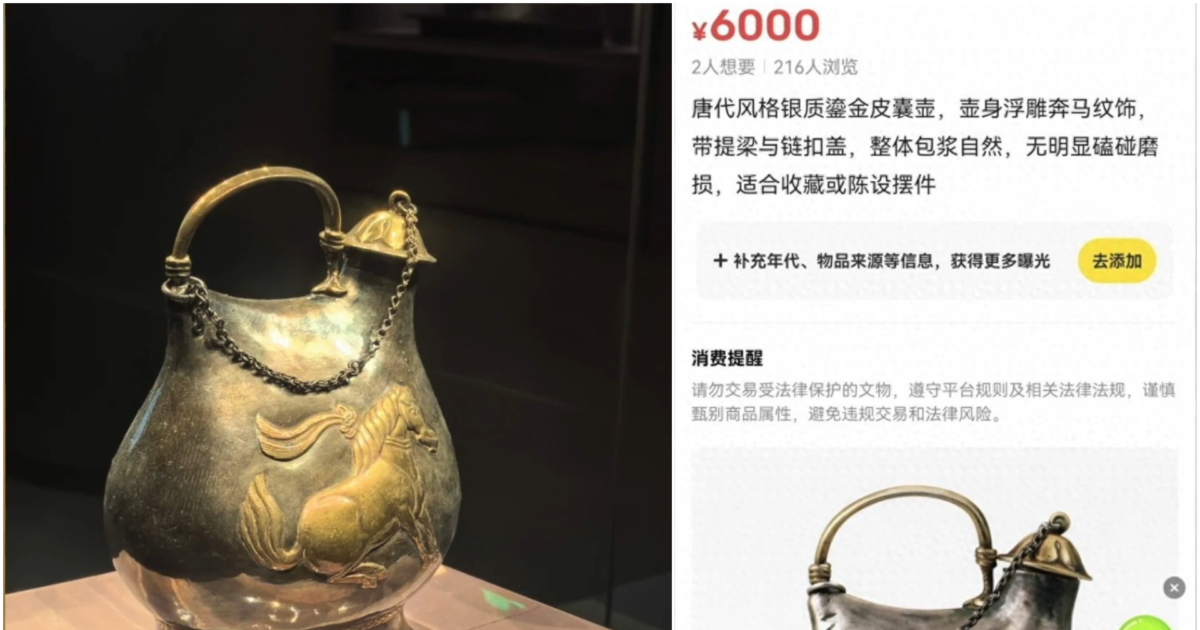
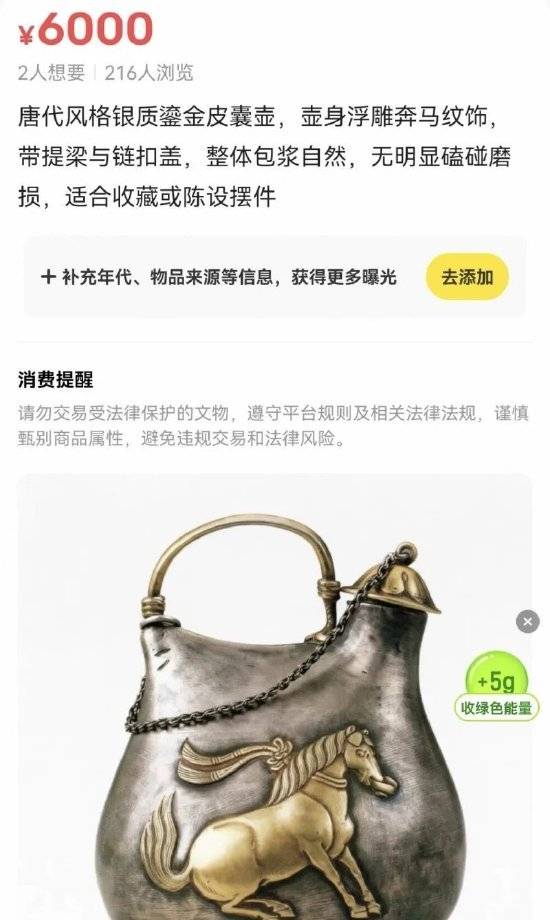
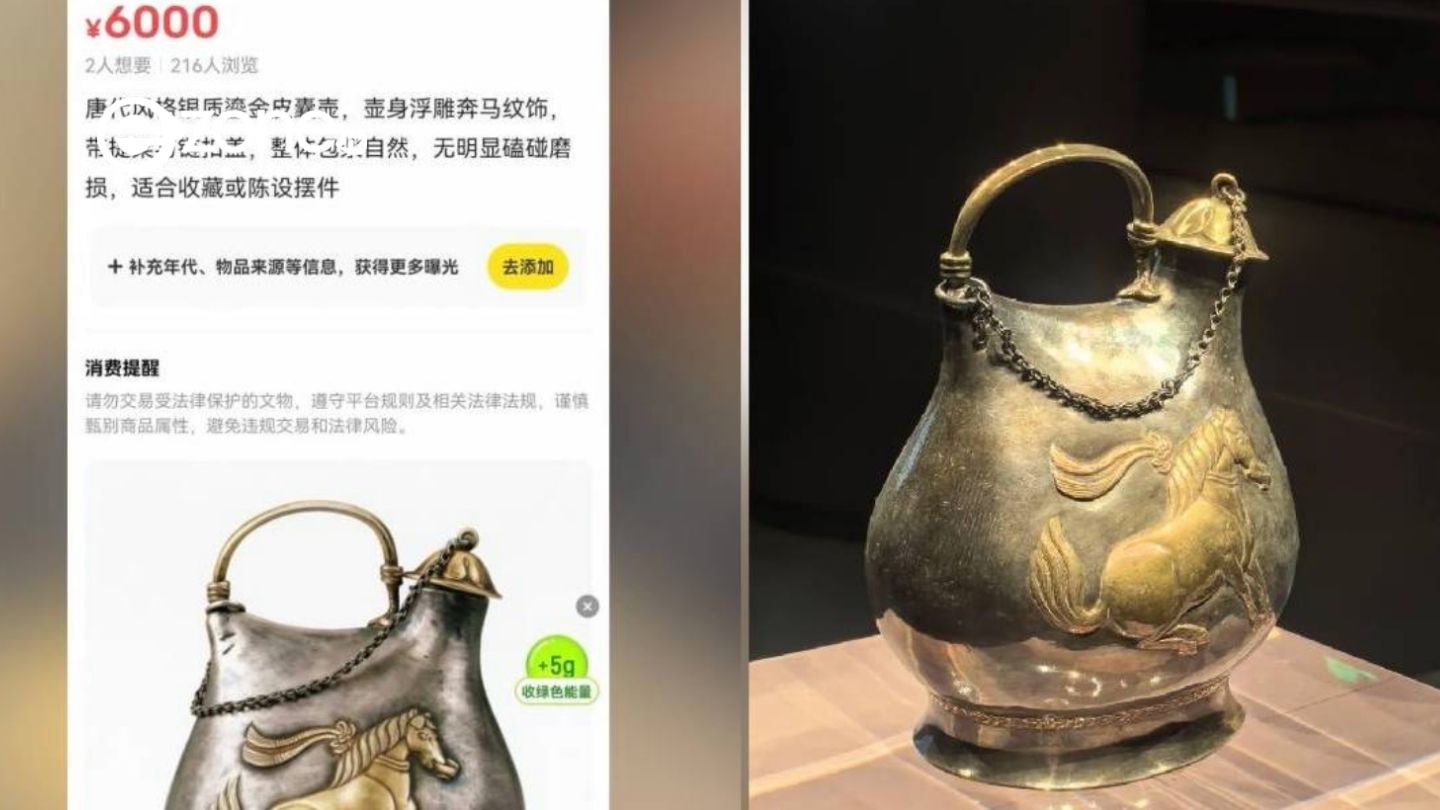
Chinese secondhand platform Xianyu's AI system automatically accessed users' private photos, including museum artifacts and personal items, and listed them for sale without consent. The incident sparked privacy and legal concerns, leading to public backlash and a platform apology, with promises to improve user confirmation and system safeguards.[AI generated]

Why's our monitor labelling this an incident or hazard?

An AI system is clearly involved as the platform uses AI for image recognition, automatic pricing, and listing of items. The harm arises from the AI system's autonomous use without explicit user consent, leading to unauthorized sale listings and privacy breaches. This is a direct consequence of the AI system's use and design flaws (lack of clear confirmation prompts). The event reports actual harm to users (unauthorized listings, privacy concerns, potential reputational damage), fulfilling the criteria for an AI Incident. The platform's response to improve the system is complementary information but does not negate the incident classification.[AI generated]
AI principles
Privacy & data governanceRespect of human rights

Industries
Consumer services

Affected stakeholders
ConsumersBusiness

Harm types
Human or fundamental rightsReputational

Severity
AI incident

Business function:
Sales

AI system task:
Recognition/object detectionContent generation


Articles about this incident or hazard

Thumbnail Image

閒魚AI自動上架惹議 陝歷博「鎮館之寶」被標價6000元人民幣

2026-06-01
UDN
Why's our monitor labelling this an incident or hazard?
An AI system is clearly involved as the platform uses AI for image recognition, automatic pricing, and listing of items. The harm arises from the AI system's autonomous use without explicit user consent, leading to unauthorized sale listings and privacy breaches. This is a direct consequence of the AI system's use and design flaws (lack of clear confirmation prompts). The event reports actual harm to users (unauthorized listings, privacy concerns, potential reputational damage), fulfilling the criteria for an AI Incident. The platform's response to improve the system is complementary information but does not negate the incident classification.
Thumbnail Image

售賣用戶手機內文物照 中國交易平台閒魚道歉 | 照片 | 大紀元

2026-06-01
The Epoch Times
Why's our monitor labelling this an incident or hazard?
The AI system's automatic reading of private photo albums and listing of items without user consent constitutes a violation of user rights and property, fulfilling the criteria for an AI Incident under violations of rights and harm to property. The harm has already occurred as users' private photos were listed and sold without permission. The platform's apology and remedial actions are responses to this incident. Therefore, this event is classified as an AI Incident.
Thumbnail Image

閒魚私自上傳售賣用戶文物照 用戶毫不知情 | 二手物品交易平台 | 讀取用戶照片 | 被自動上架

2026-06-01
www.ntdtv.com
Why's our monitor labelling this an incident or hazard?
The platform's AI system automatically accessed and processed users' private photos without their knowledge or consent, leading to unauthorized sale listings. This directly infringes on users' privacy rights and possibly other legal protections. The AI system's development and use caused this harm, fulfilling the criteria for an AI Incident. The harm is realized, not just potential, as users' items were listed and priced without permission, and the platform issued a public apology acknowledging the issue.
Thumbnail Image

手機內文物照片被閑魚擅自上架售賣?閑魚回應:AI將文物識別為文玩

2026-06-01
新浪香港
Why's our monitor labelling this an incident or hazard?
An AI system was used to automatically generate product listings based on image recognition, which led to the unauthorized sale listing of a cultural relic photo. Although no physical harm or direct legal violation is explicitly reported, the incident involves unauthorized use of user content and potential violation of cultural property rights. The AI's malfunction or misclassification directly led to reputational and potential legal harm. Therefore, this qualifies as an AI Incident due to the direct harm caused by the AI system's use and malfunction in listing protected cultural property without consent.
Thumbnail Image

手機內文物照片被擅自上架售賣 閑魚回應:深表歉意,相關鏈接已下架

2026-06-01
新浪香港
Why's our monitor labelling this an incident or hazard?
The AI system's automatic image recognition and content generation directly led to unauthorized sale listings of users' private photos and cultural relics, constituting a violation of property rights and privacy. The harm is realized as users' items were listed without consent, causing reputational and potential legal harm. The platform's response confirms the AI system's role and the harm caused. Hence, this is an AI Incident involving AI system use leading to violation of rights and harm to property.
Thumbnail Image

博物館文物照片竟被掛上拍賣平台?閒魚AI自動生成商品資訊惹議

2026-06-01
ETtoday AI科技
Why's our monitor labelling this an incident or hazard?
The AI system is explicitly involved as it automatically generated product listings and descriptions from photos without user authorization. The event stems from the AI system's use (automatic listing generation) and raises concerns about unauthorized use and misinformation. However, no actual transaction or direct harm has been reported yet, only the potential for harm if such listings lead to sales or legal issues. Thus, it fits the definition of an AI Hazard, as the AI system's malfunction or misuse could plausibly lead to an AI Incident involving legal or reputational harm.
Thumbnail Image

相簿被AI睇晒?閒魚 App 被爆「擅自上架」自家寵物貓被$750發售 網民:我個XX都被賣了

2026-06-01
ezone.hk 即時科技生活
Why's our monitor labelling this an incident or hazard?
The AI system's automatic identification and listing of private photos without user consent constitutes a direct violation of user privacy and potentially intellectual property or cultural property rights, fulfilling the criteria for harm under (c) violations of human rights or breach of obligations under applicable law, and (d) harm to communities through misinformation and misuse of cultural artifacts. The harm is realized, not just potential, as users have reported unauthorized sales and consequent distress. Therefore, this event qualifies as an AI Incident rather than a hazard or complementary information.