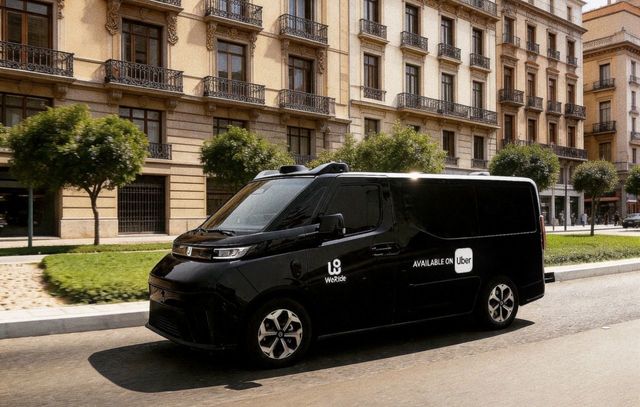
Uber, Autobrains, and NVIDIA Launch Robotaxi Pilot in Munich

Thumbnail Image

The information displayed in the AIM should not be reported as representing the official views of the OECD or of its member countries.

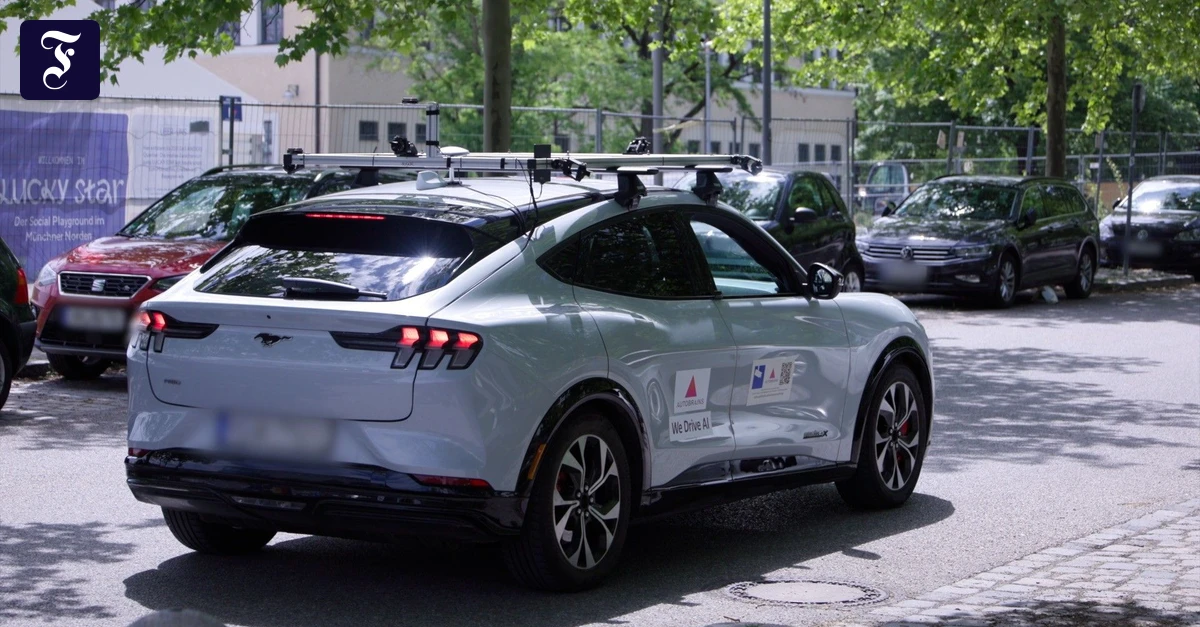
Uber, Autobrains, and NVIDIA are launching a pilot program to test autonomous robotaxis in Munich, pending regulatory approval. The AI-driven vehicles will initially operate with safety drivers. The project aims to deploy a fleet of self-driving taxis, raising potential safety concerns but no incidents have occurred yet.[AI generated]

Why's our monitor labelling this an incident or hazard?

The event involves an AI system explicitly described as controlling autonomous vehicles (robotaxis) in a real-world urban environment, which is a safety-critical application. The AI system's development and use could plausibly lead to harm such as injury to passengers or others if malfunctions or errors occur. However, no harm has yet been reported, and the pilot includes human supervision initially to mitigate risks. The article focuses on the launch and testing of the AI system rather than reporting any realized harm or legal/governance responses. Thus, it fits the definition of an AI Hazard, as the AI system's use could plausibly lead to an AI Incident in the future.[AI generated]
AI principles
Safety

Industries
Mobility and autonomous vehicles

Affected stakeholders
ConsumersGeneral public

Harm types
Physical (injury)

Severity
AI hazard

AI system task:
Recognition/object detectionReasoning with knowledge structures/planning


Articles about this incident or hazard

Thumbnail Image

Robotaxi erobert München: Uber, NVIDIA und Autobrains starten Pilot

2026-06-01
Bild
Why's our monitor labelling this an incident or hazard?
The event involves an AI system explicitly described as controlling autonomous vehicles (robotaxis) in a real-world urban environment, which is a safety-critical application. The AI system's development and use could plausibly lead to harm such as injury to passengers or others if malfunctions or errors occur. However, no harm has yet been reported, and the pilot includes human supervision initially to mitigate risks. The article focuses on the launch and testing of the AI system rather than reporting any realized harm or legal/governance responses. Thus, it fits the definition of an AI Hazard, as the AI system's use could plausibly lead to an AI Incident in the future.
Thumbnail Image

Projekt mit Uber: München wird Testgebiet für Roboter-Taxis

2026-06-01
Frankfurter Allgemeine
Why's our monitor labelling this an incident or hazard?
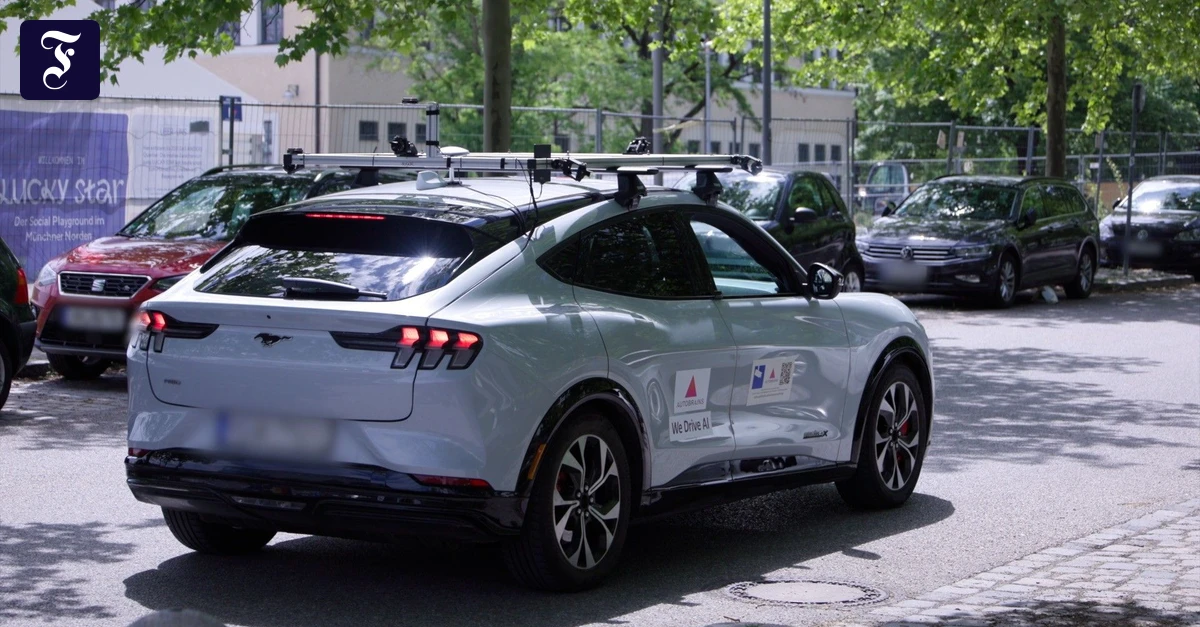
The event involves AI systems explicitly (autonomous driving AI, Nvidia platform, AI-based perception and decision-making). The project is in testing with safety drivers, and no accidents or injuries have been reported in Munich yet. The article references past accidents caused by autonomous vehicle AI, illustrating the potential for harm. Since the Munich deployment could plausibly lead to harm if the AI malfunctions or fails to handle complex traffic scenarios, it fits the definition of an AI Hazard. It is not an AI Incident because no harm has occurred in this project yet, and it is not Complementary Information because the main focus is on the project launch and its potential risks, not on responses or updates to past incidents.
Thumbnail Image

Projekt mit Uber: München wird Testgebiet für Robotertaxis

2026-06-01
Frankfurter Allgemeine
Why's our monitor labelling this an incident or hazard?
The event involves an AI system explicitly: autonomous driving AI combining Nvidia's platform and Autobrains' AI driving logic. The article discusses the use of this AI system in robotaxis and references past accidents caused by autonomous vehicle AI, highlighting safety concerns. However, no actual harm or accident has occurred in Munich yet; the project is in the planning and early testing phase with safety drivers present. The article highlights the plausible risk of harm from AI malfunction or limitations in complex traffic scenarios, which could lead to injury or death. This fits the definition of an AI Hazard, as the AI system's use could plausibly lead to an AI Incident in the future. It is not Complementary Information because the main focus is not on responses or updates to past incidents but on the new project and its potential risks. It is not an AI Incident because no harm has yet occurred.
Thumbnail Image

Uber startet ersten Robotaxi-Test in München | Heute.at

2026-06-01
Heute.at
Why's our monitor labelling this an incident or hazard?
The event involves an AI system (autonomous driving AI) being developed and tested for use in robotaxis. However, the article only reports on the planned test deployment and the current supervised testing phase, with no mention of any accidents, injuries, or rights violations. The potential for future harm exists given the nature of autonomous vehicles, but since no harm has yet occurred, this qualifies as an AI Hazard rather than an AI Incident. It is not merely complementary information because the focus is on the planned deployment and the plausible future risks associated with it, not just on background or responses.
Thumbnail Image

Uber plant Robotaxi-Test in München: KI-Partner verrät neue Details

2026-06-01
tz
Why's our monitor labelling this an incident or hazard?
The event involves AI systems (agentic AI for autonomous driving) being tested and planned for deployment in public urban environments. While no harm or incident has been reported, the use of autonomous vehicles inherently carries plausible risks of harm to people or property. The article focuses on the pilot testing and regulatory process, with no actual harm or malfunction described. Hence, it fits the definition of an AI Hazard, reflecting a credible potential for future harm from the AI system's use.
Thumbnail Image

Taxi ohne Fahrer: Uber will autonome Robotaxis in München testen

2026-06-02
Euronews Deutsch
Why's our monitor labelling this an incident or hazard?
The event involves the use of an AI system (agentic AI driving software) in autonomous robotaxis, which are planned to be deployed in Munich pending regulatory approval. While no harm has yet occurred, the nature of autonomous driving AI systems and their deployment in public transport settings plausibly could lead to incidents causing injury, disruption, or other harms. Since the article focuses on the planned deployment and testing phase without any realized harm, it fits the definition of an AI Hazard rather than an AI Incident. It is not merely complementary information because the main focus is on the potential deployment and associated risks, not on responses or ecosystem context. It is not unrelated because the AI system is central to the event.