New York Times Accuses AI Firms of Copyright Infringement

Thumbnail Image

The information displayed in the AIM should not be reported as representing the official views of the OECD or of its member countries.

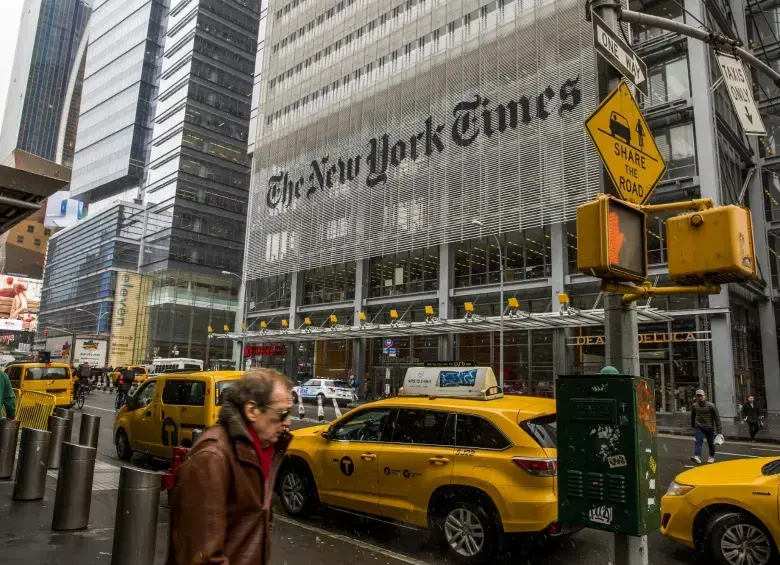
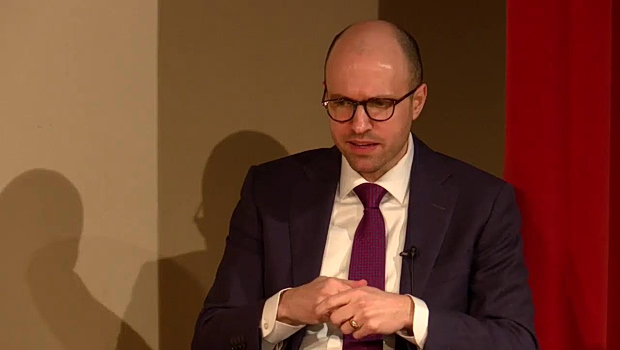
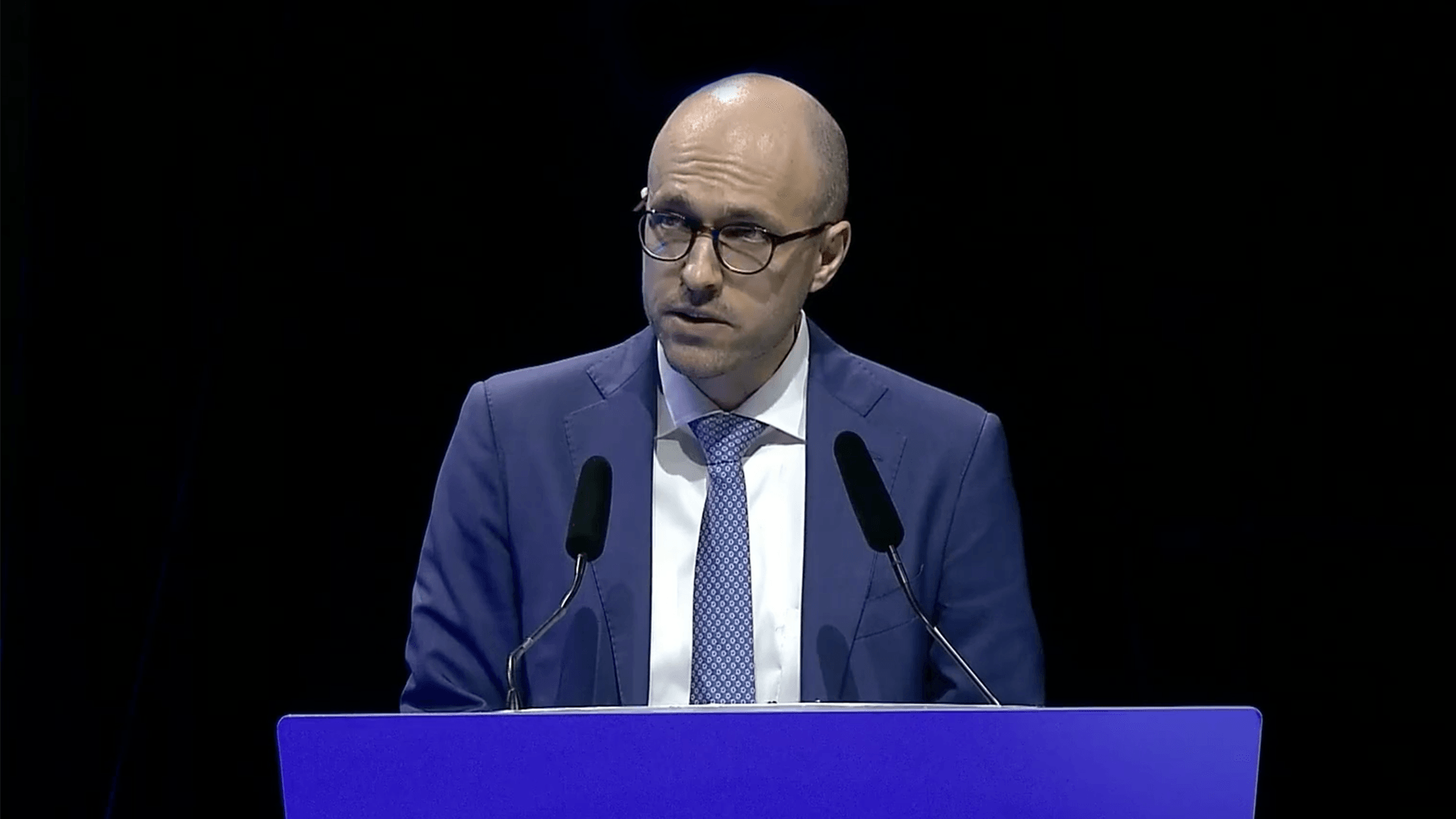
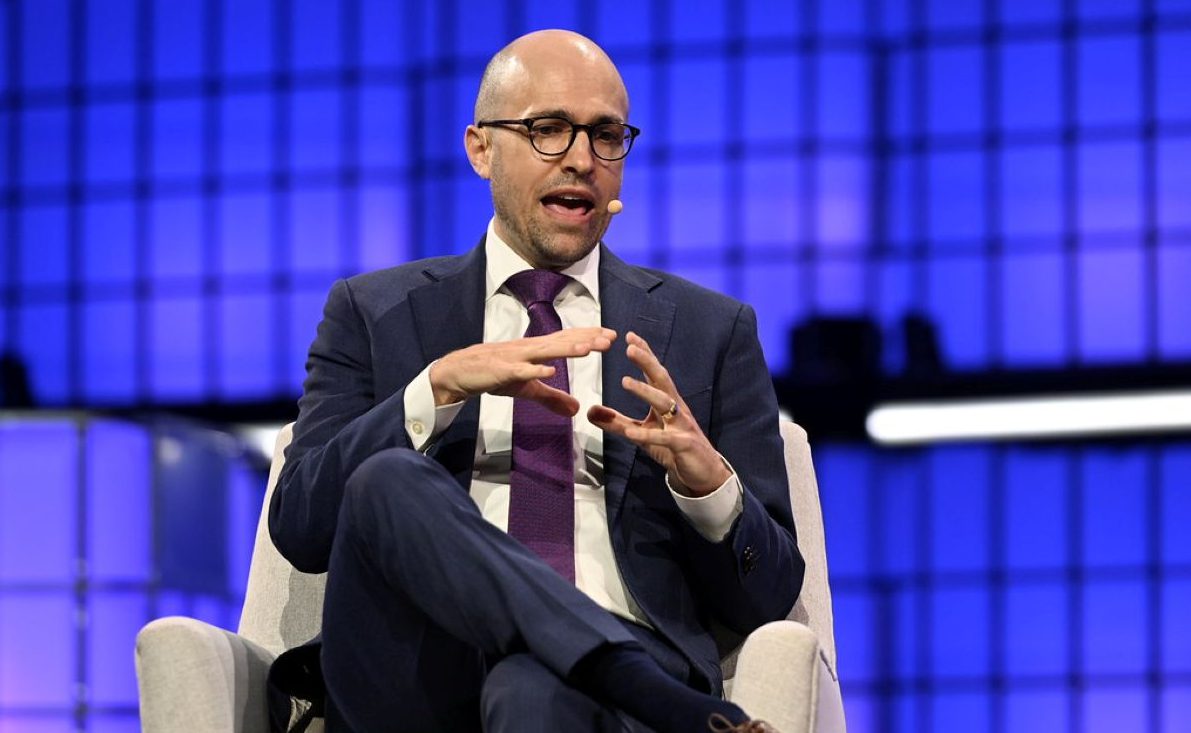
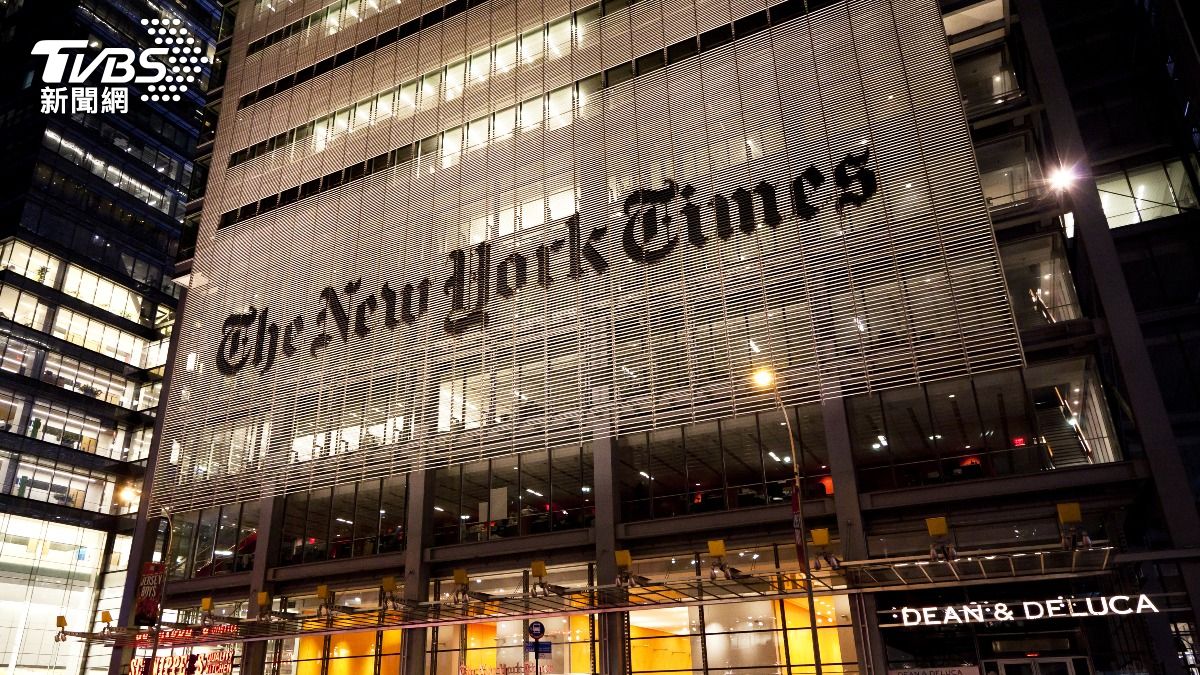
New York Times publisher A.G. Sulzberger publicly accused AI companies, including OpenAI and Microsoft, of using copyrighted news content without permission or compensation to train AI systems. The Times is pursuing legal action, highlighting concerns over intellectual property violations and threats to journalism at the World News Media Congress in Marseille.[AI generated]

Why's our monitor labelling this an incident or hazard?

The article explicitly mentions AI companies using copyrighted news content without permission or compensation to train AI products, which constitutes a violation of intellectual property rights. This is a direct harm caused by the development and use of AI systems. The publisher's speech and the lawsuit indicate that this harm is occurring and recognized, not merely a potential future risk. Therefore, this event qualifies as an AI Incident due to the direct involvement of AI systems in causing intellectual property rights violations.[AI generated]

AI principles
AccountabilityRespect of human rights

Industries
Media, social platforms, and marketing

Affected stakeholders
Business

Harm types
Economic/Property

Severity
AI incident

Business function:
Research and development

AI system task:
Content generation


Articles about this incident or hazard

Thumbnail Image

New York Times publisher slams AI companies' 'brazen theft' from news outlets

2026-06-01
Yahoo! Finance
Why's our monitor labelling this an incident or hazard?
The article explicitly mentions AI companies using copyrighted news content without permission or compensation to train AI products, which constitutes a violation of intellectual property rights. This is a direct harm caused by the development and use of AI systems. The publisher's speech and the lawsuit indicate that this harm is occurring and recognized, not merely a potential future risk. Therefore, this event qualifies as an AI Incident due to the direct involvement of AI systems in causing intellectual property rights violations.
Thumbnail Image

'Strip-Mining The News': NYT Publisher Accuses AI Giants Of Plundering Journalism

2026-06-01
NDTV Profit
Why's our monitor labelling this an incident or hazard?
The article explicitly mentions that AI firms have used journalistic content without consent or compensation, which is a breach of intellectual property rights. The New York Times is pursuing legal action against OpenAI and Microsoft for copyright infringement related to AI training. This fits the definition of an AI Incident because the development and use of AI systems have directly led to violations of intellectual property rights, a recognized harm under the framework.
Thumbnail Image

New York Times publisher slams AI companies' 'brazen theft' from news outlets

2026-06-02
The Hindu
Why's our monitor labelling this an incident or hazard?
The article explicitly mentions AI companies using copyrighted news content without permission or compensation, which constitutes a violation of intellectual property rights. The involvement of AI systems is clear as the lawsuit targets AI companies like OpenAI and Microsoft for their AI products. The harm is realized in the form of intellectual property rights violations, meeting the criteria for an AI Incident. The event is not merely a general discussion or future risk but involves ongoing legal action addressing actual harm caused by AI systems' use of protected content.
Thumbnail Image

The New York Times acusó a empresas de IA de robar "sin escrúpulos la propiedad intelectual" de los medios

2026-06-01
www.elcolombiano.com
Why's our monitor labelling this an incident or hazard?
The article explicitly states that AI companies are using AI systems to appropriate copyrighted media content without permission, which constitutes a violation of intellectual property rights. This is a direct harm caused by the development and use of AI systems. Since the harm (violation of intellectual property rights) is occurring and is linked to AI system use, this qualifies as an AI Incident under the framework.
Thumbnail Image

New York Times publisher slams AI companies' 'brazen theft' from news outlets

2026-06-01
The Straits Times
Why's our monitor labelling this an incident or hazard?
The article explicitly mentions AI companies using copyrighted news content without permission or compensation, which constitutes a violation of intellectual property rights. The involvement of AI systems in training and powering products like ChatGPT is clear. The harm is realized as the news publisher is suing these companies, indicating that the unauthorized use has already occurred and caused harm to the rights holders. This fits the definition of an AI Incident involving breach of intellectual property rights due to AI system development and use.
Thumbnail Image

El jefe del The New York Times critica a las empresas de IA por "robar sin escrúpulos" la información

2026-06-01
LA TERCERA
Why's our monitor labelling this an incident or hazard?
The article explicitly mentions AI companies' unscrupulous 'theft' of intellectual property at an unprecedented scale, which is a violation of intellectual property rights, a category of harm under AI Incidents. The AI systems involved are used to scrape and repurpose content, which directly harms the rights holders and the journalistic community. This meets the criteria for an AI Incident because the AI system's use has directly led to a breach of intellectual property rights and harm to communities (journalistic communities and the public relying on reliable news).
Thumbnail Image

New York Times publisher slams AI companies' 'brazen theft' from news outlets

2026-06-01
EWN Traffic
Why's our monitor labelling this an incident or hazard?
The event explicitly involves AI companies using copyrighted news content without permission to train AI models, which is a violation of intellectual property rights. The New York Times is suing these companies, indicating that the harm has already occurred. The AI systems' development and use are directly linked to this harm. This fits the definition of an AI Incident because it involves a breach of intellectual property rights caused by the development and use of AI systems. The event is not merely a general news or policy discussion but centers on a concrete legal dispute over realized harm caused by AI.
Thumbnail Image

Jefe de 'The New York Times' critica a las empresas de IA por 'robar sin escrúpulos' la información

2026-06-01
La Nación, Grupo Nación
Why's our monitor labelling this an incident or hazard?
The article explicitly states that AI companies are using journalistic content without permission or compensation, which is a breach of intellectual property rights. This use of AI systems to appropriate content harms the rights of content creators and the community relying on reliable news, fulfilling the criteria for an AI Incident under violations of intellectual property rights and harm to communities. The harm is direct and ongoing, not merely potential or speculative.
Thumbnail Image

Jefe del The New York Times critica a las empresas de IA por "robar sin escrúpulos" la información

2026-06-01
Gestión
Why's our monitor labelling this an incident or hazard?
The article focuses on the criticism of AI companies' practices regarding the use of journalistic content, highlighting intellectual property concerns and the broader impact on journalism. While it implies harm through unauthorized use of content, it does not describe a concrete AI Incident where harm has directly or indirectly occurred, nor does it describe a specific AI Hazard event with plausible future harm. Instead, it provides important contextual information about AI's societal and economic impact on media, fitting the definition of Complementary Information.
Thumbnail Image

New York Times publisher slams AI companies' 'brazen theft' from news outlets

2026-06-01
The Manila times
Why's our monitor labelling this an incident or hazard?
The event explicitly involves AI systems (e.g., ChatGPT) trained on copyrighted news content without authorization, leading to a violation of intellectual property rights. The harm is realized as the news publisher claims economic and professional harm due to this unauthorized use. The ongoing lawsuit and public condemnation indicate that the AI systems' development and use have directly led to this harm. Therefore, this qualifies as an AI Incident due to violation of intellectual property rights caused by AI system development and use.
Thumbnail Image

New York Times publisher slams AI companies' 'brazen theft' from news outlets - Tech - Business

2026-06-01
جريدة الأهرام
Why's our monitor labelling this an incident or hazard?
The event explicitly involves AI systems (e.g., ChatGPT by OpenAI) that have been developed and used in a way that allegedly infringes on intellectual property rights by using copyrighted news content without permission. This constitutes a violation of legal protections for intellectual property, which falls under harm category (c) in the AI Incident definition. The lawsuit and public condemnation indicate that the harm has occurred or is ongoing, not merely a potential risk. Therefore, this qualifies as an AI Incident rather than a hazard or complementary information.
Thumbnail Image

El jefe del The New York Times critica a las empresas de IA por "robar sin escrúpulos" la información

2026-06-01
UDG TV
Why's our monitor labelling this an incident or hazard?
The article explicitly mentions AI companies misappropriating intellectual property from news media without authorization or compensation, which is a breach of intellectual property rights (a legal obligation). This misuse of AI systems directly harms the media industry and communities by diverting audience and revenue, threatening journalistic work. Therefore, the event involves AI system use leading to a violation of rights and harm to communities, qualifying it as an AI Incident rather than a hazard or complementary information.
Thumbnail Image

New York Times publisher slams AI companies' 'brazen theft' from news outlets | New Straits Times

2026-06-01
New Straits Times Online
Why's our monitor labelling this an incident or hazard?
The article focuses on the publisher's speech condemning AI companies for their use of news content without authorization, which is a violation of intellectual property rights if proven. This relates to AI system development and use involving copyrighted material. However, since the article does not describe a specific realized harm or legal finding but rather a public denunciation and warning, it does not meet the threshold for an AI Incident. It also does not describe a specific plausible future harm event beyond the general critique. Therefore, it is best classified as Complementary Information, providing context and societal response to AI-related intellectual property concerns.
Thumbnail Image

El jefe del The New York Times critica a las empresas de IA por "robar sin escrúpulos" la información

2026-06-01
Yahoo Finance
Why's our monitor labelling this an incident or hazard?
The article explicitly mentions AI companies misappropriating intellectual property from news media, which constitutes a violation of intellectual property rights, a recognized category of harm under AI Incidents. The harm is realized as it affects journalists' livelihoods and the sustainability of investigative journalism. The AI systems' development and use in this context directly contribute to these harms. Therefore, this qualifies as an AI Incident due to the realized violation of rights and harm to communities (media and public).
Thumbnail Image

A.G. Sulzberger alerta en Marsella sobre el uso de noticias por empresas de IA

2026-06-01
Noticias SIN
Why's our monitor labelling this an incident or hazard?
The article details realized harm caused by the use of AI systems (generative AI models) trained on copyrighted journalistic content without permission, leading to economic losses and undermining the sustainability of journalism. This fits the definition of an AI Incident because the AI system's use has directly led to violations of intellectual property rights and harm to communities. The ongoing legal disputes further confirm the harm is materialized, not just potential.
Thumbnail Image

'The New York Times' denuncia el "descarado robo de propiedad intelectual" de la IA: "Escupe hechos porque copia ilegalmente"

2026-06-01
20 minutos
Why's our monitor labelling this an incident or hazard?
The event involves AI systems explicitly, as the AI companies use AI models trained on copyrighted news content without authorization. The harm is a violation of intellectual property rights (a legal right) and economic harm to media organizations, which fits the definition of an AI Incident. The article describes ongoing harm caused by the AI systems' use of protected content, not just a potential risk. The lawsuit and public denunciation further confirm the harm has materialized. Therefore, this is an AI Incident related to intellectual property rights violations caused by AI system use.
Thumbnail Image

El editor de The New York Times acusa a las empresas de IA de "robo descarado" de información

2026-06-02
HERALDO
Why's our monitor labelling this an incident or hazard?
The article explicitly states that AI companies use journalistic content without authorization or compensation to train generative AI models, which is a direct violation of intellectual property rights. This unauthorized use has caused economic harm to news organizations by reducing their audience and revenue, and threatens their subscription models. The harm is realized and ongoing, not just potential. Therefore, this qualifies as an AI Incident under the category of violations of intellectual property rights and harm to communities. The involvement of AI systems (generative AI models) is clear and central to the harm described.
Thumbnail Image

Editor de The New York Times acusa a empresas de IA de robar contenidos y alerta por el "tsunami" que viene

2026-06-02
Diario EL PAIS Uruguay
Why's our monitor labelling this an incident or hazard?
The article explicitly mentions generative AI systems developed and used by major companies that train on journalistic content without authorization, leading to economic harm and violation of intellectual property rights. The harm is direct and ongoing, as the AI systems' use of protected content causes loss of revenue and audience for news organizations. This fits the definition of an AI Incident because the AI system's use has directly led to a breach of intellectual property rights and harm to communities (media industry and public access to journalism).
Thumbnail Image

Editor de The New York Times acusa a empresas de IA de "robar" contenido periodístico

2026-06-02
La Silla Rota
Why's our monitor labelling this an incident or hazard?
The article explicitly involves AI systems used to train models on copyrighted journalistic content without authorization, constituting a breach of intellectual property rights (a legal right). The harm is realized and ongoing, including economic damage to media outlets and threats to employment in journalism. The AI systems' use is central to the harm described, fulfilling the criteria for an AI Incident. Although legal and economic, these harms fall under violations of intellectual property rights and harm to communities (media and journalists).
Thumbnail Image

New York Times acusó a las empresas de IA de "robo descarado de propiedad intelectual"

2026-06-01
Cooperativa
Why's our monitor labelling this an incident or hazard?
The article explicitly states that AI companies have used journalistic content without authorization to train generative AI models, which is a direct violation of intellectual property rights and has caused economic harm to news media. This fits the definition of an AI Incident because the AI system's development and use have directly led to a breach of intellectual property rights and harm to communities (economic and professional harm to journalists and media outlets). The ongoing legal battles and the described harms confirm that this is not merely a potential risk but an actual incident.
Thumbnail Image

El editor del New York Times acusa a las empresas de IA de robar contenidos periodísticos

2026-06-01
ABC Digital
Why's our monitor labelling this an incident or hazard?
The article explicitly involves AI systems (generative AI models) used to train on journalistic content without authorization, which constitutes a violation of intellectual property rights and causes economic harm to media companies. The harm is realized as the loss of audience and revenue, and ongoing legal disputes confirm the direct link to AI system use. Therefore, this qualifies as an AI Incident due to violations of intellectual property rights and harm to communities (media sector).
Thumbnail Image

New York Times denuncia uso no autorizado de contenido periodístico por la IA

2026-06-01
Diario La República
Why's our monitor labelling this an incident or hazard?
The article explicitly states that AI companies have used journalistic content without permission or compensation to train their AI language models, which is a direct violation of copyright laws protecting intellectual property rights. The involvement of AI systems is clear as the content is used to develop and operate large language models. The harm is realized (not just potential) as it involves unauthorized use of protected content, leading to legal action. This fits the definition of an AI Incident under category (c) for violations of intellectual property rights caused by AI system development and use.
Thumbnail Image

Editor de The New York Times acusa a las empresas de IA de robar contenidos periodísticos

2026-06-01
López-Dóriga Digital
Why's our monitor labelling this an incident or hazard?
The article explicitly involves AI systems (generative AI models) that have been trained on journalistic content without authorization, leading to violations of intellectual property rights and economic harm to media companies. The harm is realized and ongoing, as evidenced by legal disputes and the described impact on media revenues and journalistic employment. This fits the definition of an AI Incident because the AI system's use has directly and indirectly led to a breach of intellectual property rights and harm to communities (journalistic community).
Thumbnail Image

Se avecina un tsunami de 'robos' de la IA a las empresas periodísticas": New York Times

2026-06-02
Zócalo Saltillo
Why's our monitor labelling this an incident or hazard?
The event involves the use of AI systems (generative AI models) in a way that directly leads to harm (violation of intellectual property rights and economic harm to news organizations). The unauthorized training of AI on protected journalistic content and the resulting diversion of audience and revenue fulfill the criteria for an AI Incident under the definitions provided. The article reports on actual harm occurring, not just potential harm, and the AI system's role is pivotal in causing this harm. Therefore, this is classified as an AI Incident.
Thumbnail Image

"The New York Times" critica el "descarado robo de propiedad intelectual" de la IA: "Copia ilegalmente"

2026-06-01
eldia.com.bo
Why's our monitor labelling this an incident or hazard?
The event involves AI systems (large language models) whose development and use rely on unauthorized copying of copyrighted journalistic content, leading to a violation of intellectual property rights (a breach of obligations under applicable law). The harm is realized and ongoing, as it causes economic damage to news organizations and threatens the integrity and sustainability of journalism, which is a fundamental societal function. Therefore, this qualifies as an AI Incident due to the direct and indirect harm caused by the AI systems' use of protected content without authorization.
Thumbnail Image

El editor del New York Times acusa a las empresas de IA de robar contenidos periodísticos

2026-06-01
UDG TV
Why's our monitor labelling this an incident or hazard?
The event explicitly involves AI systems (generative AI models) trained on journalistic content without authorization, leading to a breach of intellectual property rights and economic harm to media companies. The harm is realized and ongoing, as evidenced by legal disputes and reported losses in audience and revenue. Therefore, this qualifies as an AI Incident under the framework, specifically under harm category (c) violations of intellectual property rights and (d) harm to communities.
Thumbnail Image

Ο πρόεδρος της NYT κατηγορεί ΤΝ εταιρείες για κλοπή πνευματικής ιδιοκτησίας ΜΜΕ

2026-06-01
Business Daily
Why's our monitor labelling this an incident or hazard?
The article explicitly mentions AI companies using media content without permission to train AI, constituting a violation of intellectual property rights, which is a recognized harm under the AI Incident definition. The harm is realized as it affects media organizations and journalists currently, not just a potential future risk. Therefore, this qualifies as an AI Incident due to the direct involvement of AI systems in causing intellectual property rights violations and harm to the media community.
Thumbnail Image

"Οι εταιρείες της ΤΝ κλέβουν την πνευματική ιδιοκτησία των ΜΜΕ"

2026-06-02
in.gr
Why's our monitor labelling this an incident or hazard?
The article explicitly states that AI companies use AI systems to appropriate copyrighted media content without authorization or compensation, which is a breach of intellectual property rights. This is a direct harm to the rights of content creators and media organizations, fulfilling the criteria for an AI Incident under violations of intellectual property rights. The harm is materialized and ongoing, not merely potential, as it impacts journalists' livelihoods and the integrity of news production. Hence, the event is classified as an AI Incident.
Thumbnail Image

Ξέσπασμα από το αφεντικό των New York Times: Οι εταιρείες ΑΙ κλέβουν την πνευματική ιδιοκτησία των ΜΜΕ

2026-06-01
Η Εφημερίδα των Συντακτών
Why's our monitor labelling this an incident or hazard?
The article explicitly mentions AI companies using media content without permission, which is a direct violation of intellectual property rights. The involvement of AI systems in training on such data is clear, and the harm is ongoing and recognized through legal complaints. This meets the criteria for an AI Incident because the AI system's development and use have directly led to a breach of intellectual property rights, a form of harm under the framework.
Thumbnail Image

Πρόεδρος της NYT: Οι εταιρείες ΤΝ "κλέβουν" την πνευματική ιδιοκτησία των ΜΜΕ

2026-06-01
Η Ναυτεμπορική
Why's our monitor labelling this an incident or hazard?
The article explicitly discusses AI companies using media content without permission to train AI, which is a direct violation of intellectual property rights (a legal right) and harms the community of journalists by reducing their income and presence. This fits the definition of an AI Incident because the development and use of AI systems have directly led to a breach of intellectual property rights and harm to communities (journalists and media).
Thumbnail Image

"Οδεύουμε σε έναν κόσμο με λιγότερους δημοσιογράφους"

2026-06-01
H Kαθημερινή
Why's our monitor labelling this an incident or hazard?
The article explicitly mentions AI companies using AI systems to scrape and appropriate news content without authorization, which is a direct use of AI systems leading to harm. The harm includes violation of intellectual property rights and harm to communities through reduced quality and quantity of journalism. Since the harm is occurring and linked directly to the use of AI systems, this qualifies as an AI Incident under the framework.
Thumbnail Image

New York Times / Οι εταιρείες ΤΝ "κλέβουν" την πνευματική ιδιοκτησία των ΜΜΕ, λέει ο πρόεδρός της

2026-06-01
Αυγή
Why's our monitor labelling this an incident or hazard?
The article explicitly mentions AI companies using media content without authorization, which is a direct violation of intellectual property rights (a legal and fundamental right). This unauthorized use harms the media community by reducing revenue and threatening journalistic work, which is a clear harm to communities and intellectual property rights. The involvement of AI systems in this unauthorized use is central to the harm described. Therefore, this qualifies as an AI Incident rather than a hazard or complementary information.