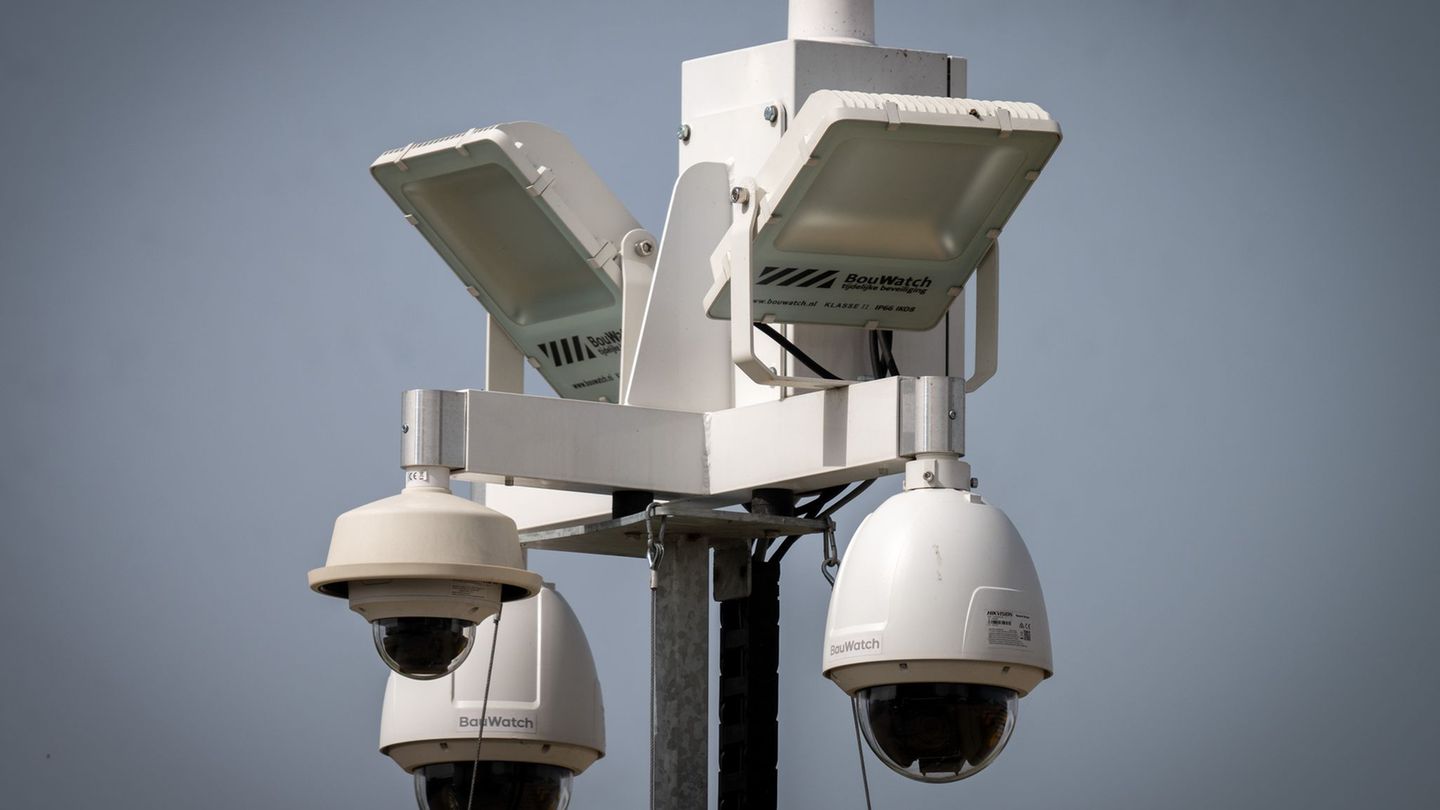
Berlin Plans AI-Powered Video Surveillance at Key Locations

Thumbnail Image

The information displayed in the AIM should not be reported as representing the official views of the OECD or of its member countries.

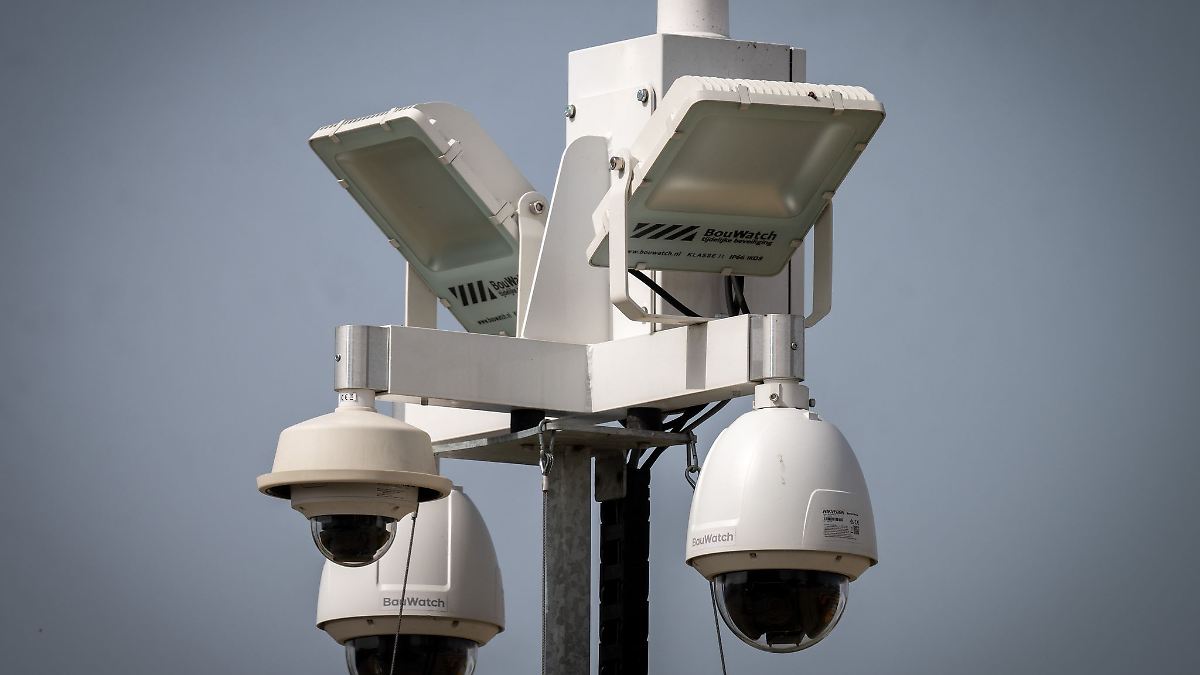
Berlin authorities plan to pilot AI-supported video surveillance at sites including the Jewish Museum, Red City Hall, and crime hotspots. The AI system will analyze movement patterns to detect unusual incidents, raising concerns about potential privacy violations and rights risks, though no harm has yet occurred.[AI generated]

Why's our monitor labelling this an incident or hazard?

The event involves the planned use of AI systems (AI-supported video surveillance) for public security. Since the deployment is not yet active and no harm or incident has been reported, but there is a plausible risk that such surveillance could lead to privacy violations or other harms in the future, this qualifies as an AI Hazard. There is no evidence of realized harm or incident at this stage, so it is not an AI Incident. It is more than just complementary information because the focus is on the planned use and potential implications, not on responses or updates to past events.[AI generated]
AI principles
Privacy & data governanceRespect of human rights

Industries
Government, security, and defence

Affected stakeholders
General public

Harm types
Human or fundamental rightsPublic interest

Severity
AI hazard

AI system task:
Event/anomaly detectionRecognition/object detection


Articles about this incident or hazard

Thumbnail Image

Mehrere Orte in Berlin sollen mit KI videoüberwacht werden

2026-06-01
rbb24.de
Why's our monitor labelling this an incident or hazard?
The event involves the planned use of AI systems (AI-supported video surveillance) for public security. Since the deployment is not yet active and no harm or incident has been reported, but there is a plausible risk that such surveillance could lead to privacy violations or other harms in the future, this qualifies as an AI Hazard. There is no evidence of realized harm or incident at this stage, so it is not an AI Incident. It is more than just complementary information because the focus is on the planned use and potential implications, not on responses or updates to past events.
Thumbnail Image

Berlin & Brandenburg: KI-Kameras für Schutz des Jüdischen Museums möglich

2026-06-01
N-tv
Why's our monitor labelling this an incident or hazard?
An AI system is explicitly involved: AI-powered cameras analyzing movement patterns to detect threats. The event concerns the planned use (development and deployment) of this AI system for security purposes. No direct or indirect harm has yet occurred, but the article highlights credible concerns about privacy violations, false alarms, and authoritarian misuse, indicating plausible future harms. Since the system is not yet deployed or causing harm, it does not qualify as an AI Incident. The focus is on potential risks and societal debate, not on responses to past harm, so it is not Complementary Information. Hence, the classification is AI Hazard.
Thumbnail Image

KI-Kameras für Schutz des Jüdischen Museums möglich

2026-06-01
DIE WELT
Why's our monitor labelling this an incident or hazard?
The article explicitly mentions AI-supported video surveillance systems planned for deployment, which qualifies as AI system involvement. Since the deployment is still in planning or trial phases, and no harm or incident is reported, it does not meet the criteria for an AI Incident. The concerns raised suggest potential risks, making it an AI Hazard. There is no indication that the article focuses on responses or updates to past incidents, so it is not Complementary Information. It is not unrelated because AI systems are central to the event.
Thumbnail Image

Videoüberwachung: KI-Kameras für Schutz des Jüdischen Museums möglich

2026-06-01
Der Tagesspiegel
Why's our monitor labelling this an incident or hazard?
The event involves the planned use of an AI system (video surveillance with AI analyzing movement patterns) for security purposes. The article highlights potential concerns and criticisms, including privacy and false alarms, but does not report any realized harm or incident caused by the AI system. Therefore, it represents a plausible future risk scenario where the AI system's use could lead to harm (e.g., privacy violations, false alarms causing disruption), but no harm has yet occurred. This fits the definition of an AI Hazard rather than an AI Incident or Complementary Information.
Thumbnail Image

KI-Kameras für Schutz des Jüdischen Museums möglich

2026-06-01
stern.de
Why's our monitor labelling this an incident or hazard?
The article discusses the intended use of an AI system for security surveillance, which could plausibly lead to harms such as privacy violations, false alarms, or misuse, but no actual harm or incident has occurred yet. The AI system's involvement is in its planned use, not in causing direct or indirect harm at this stage. Therefore, this qualifies as an AI Hazard because the deployment could plausibly lead to incidents involving harm to rights or communities, but no incident has materialized yet.
Thumbnail Image

Im Zeitplan: KI-Videoüberwachung in Berlin nimmt weitere Hürde

2026-06-01
Berliner Morgenpost
Why's our monitor labelling this an incident or hazard?
The article explicitly involves an AI system (AI-based video surveillance) whose use is planned and partially piloted. The system's development and use could plausibly lead to violations of fundamental rights, privacy breaches, discrimination, and other harms. No actual harm or incident is described as having occurred yet, only concerns and debates about potential risks. Therefore, this event fits the definition of an AI Hazard rather than an AI Incident or Complementary Information. It is not unrelated because AI involvement and potential harm are central to the article.
Thumbnail Image

KI-Kameras für Schutz des Jüdischen Museums möglich - B.Z. - Die Stimme Berlins

2026-06-01
B.Z. Berlin
Why's our monitor labelling this an incident or hazard?
The event involves the planned use of AI systems (AI-supported video cameras) for security surveillance, which is a clear AI system involvement. However, the article only mentions the intention to trial this technology and does not report any realized harm or incidents resulting from its use. There is no indication of any injury, rights violation, or other harm occurring or having occurred. The event describes a potential future deployment of AI surveillance technology, which could plausibly lead to concerns about privacy or rights violations, but no such harm is reported or implied as having happened yet. Therefore, this qualifies as an AI Hazard, as the use of AI surveillance could plausibly lead to incidents involving rights violations or other harms in the future.
Thumbnail Image

KI-Kameras für Schutz des Jüdischen Museums möglich

2026-06-01
mz.de
Why's our monitor labelling this an incident or hazard?
The event involves the use of an AI system (video surveillance with AI analyzing movement patterns) for security purposes. The article does not report any actual harm or incident caused by the AI system; rather, it discusses the planned trial and the potential benefits and concerns. Since no harm has occurred but the AI system's use could plausibly lead to harms such as privacy violations, false alarms, or misuse, this qualifies as an AI Hazard. It is not Complementary Information because the article is not an update or response to a past incident, nor is it unrelated as it clearly involves AI systems and their societal implications.