Planned Launch of Autonomous Robotaxi Services in Munich and Madrid

Thumbnail Image

The information displayed in the AIM should not be reported as representing the official views of the OECD or of its member countries.

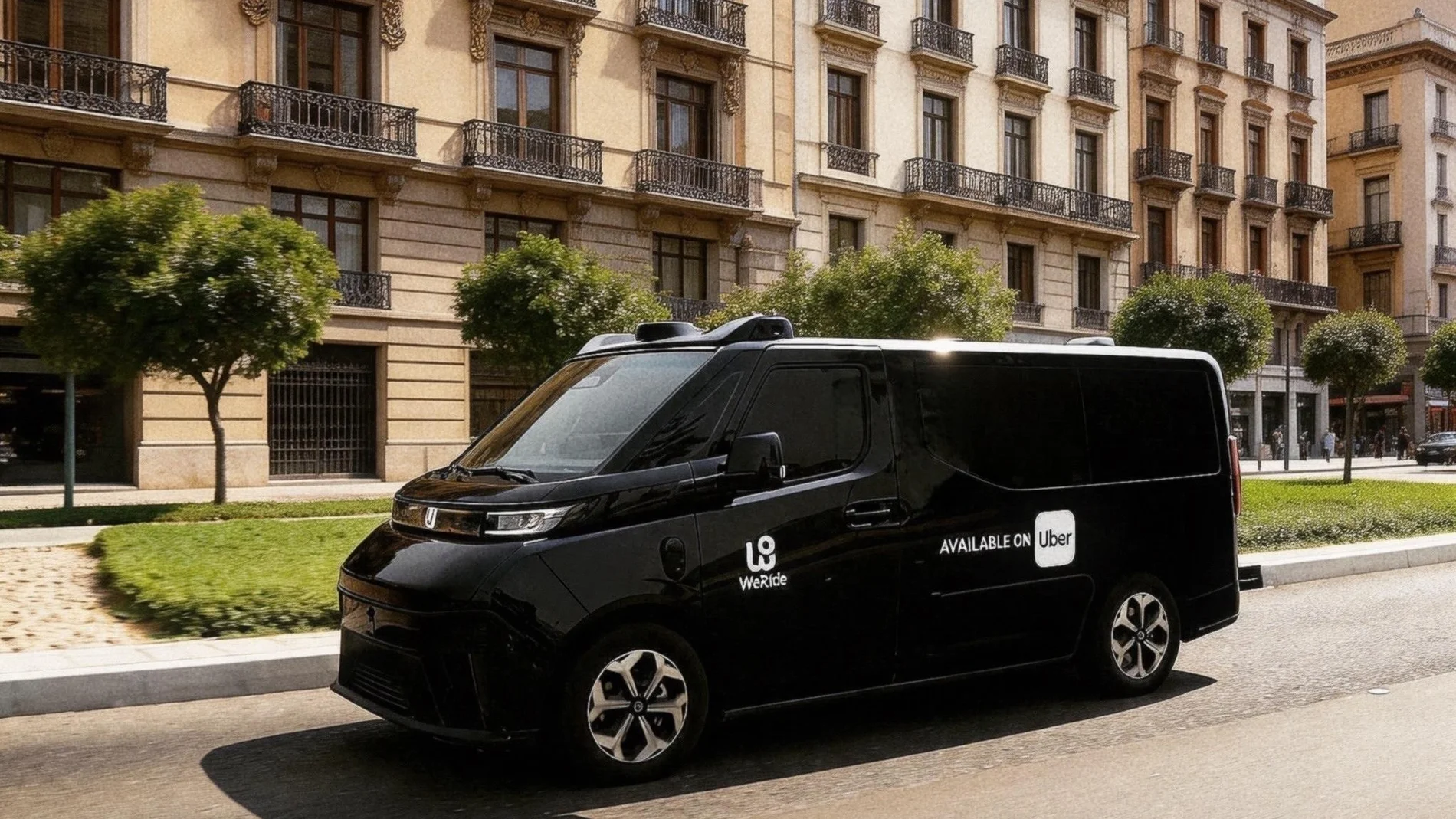
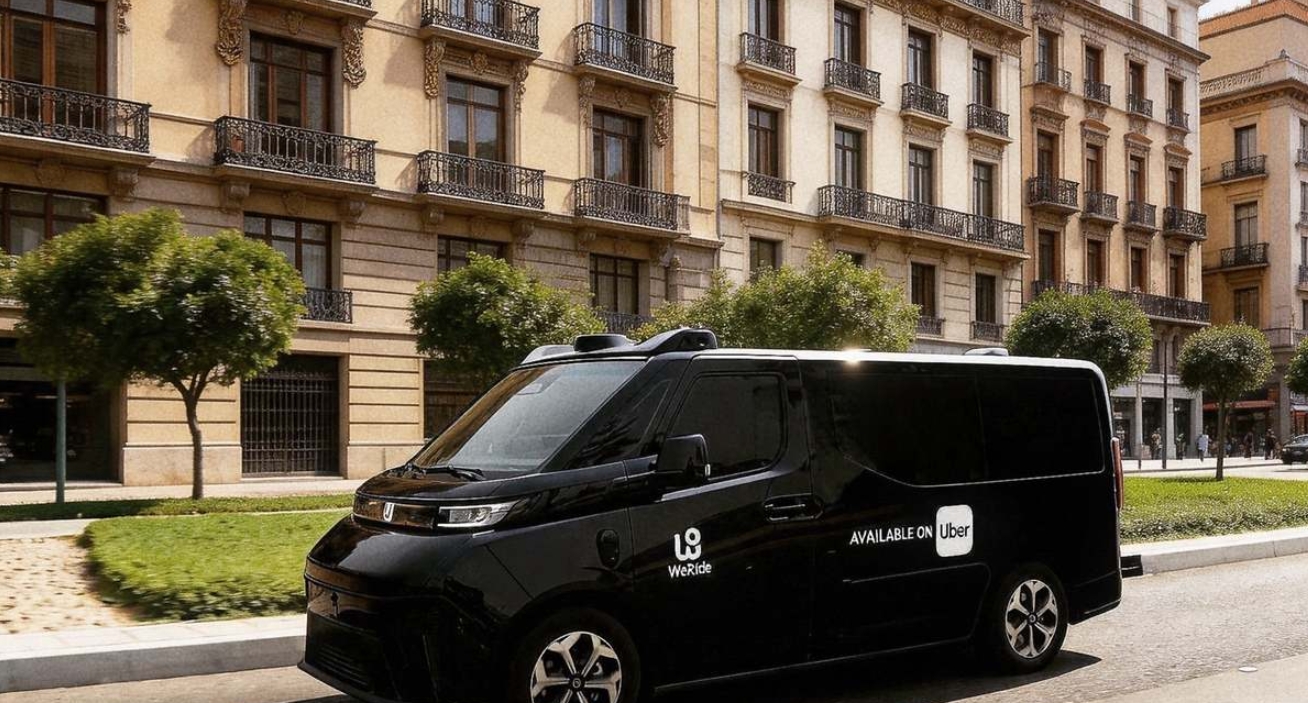
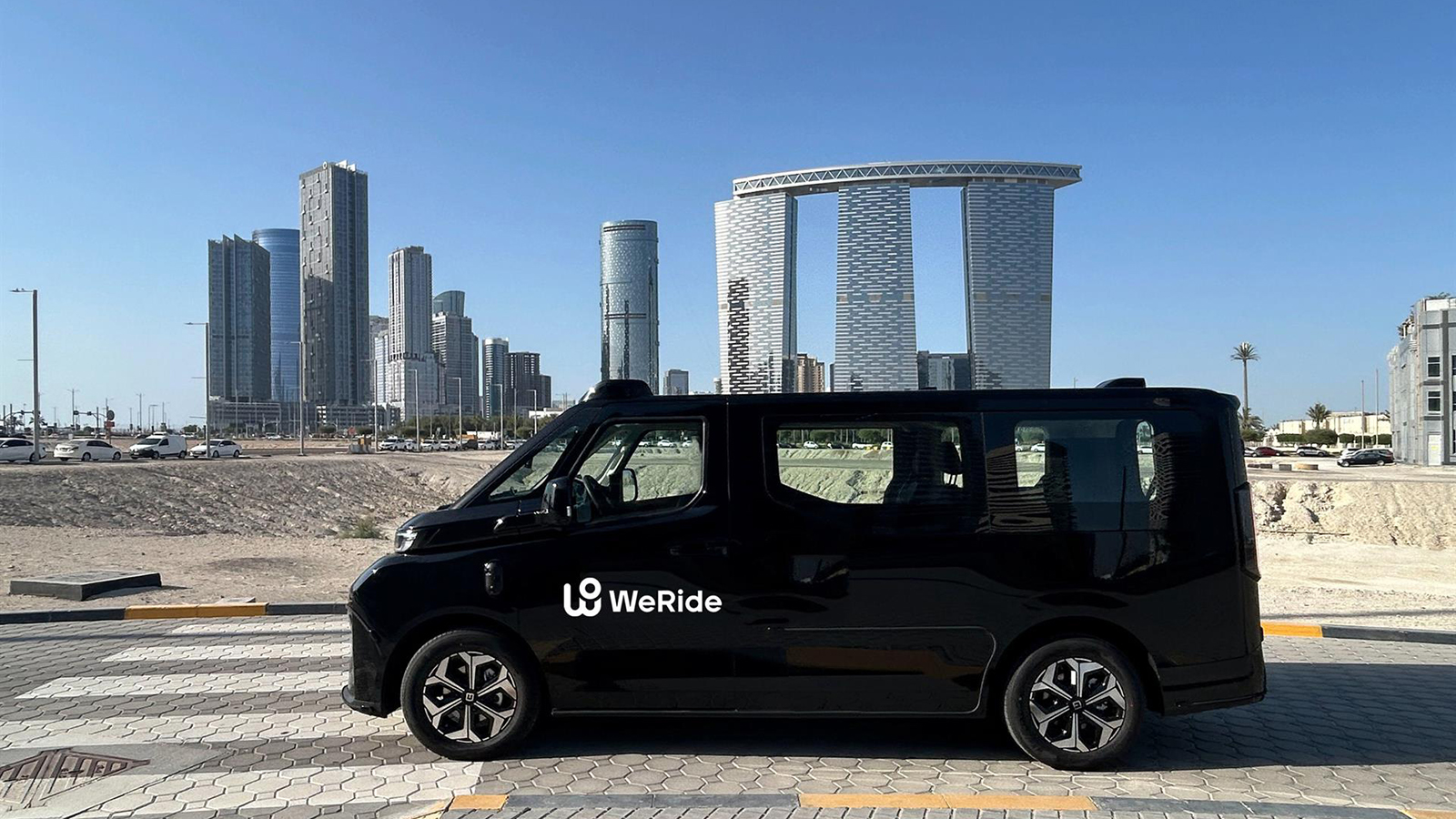
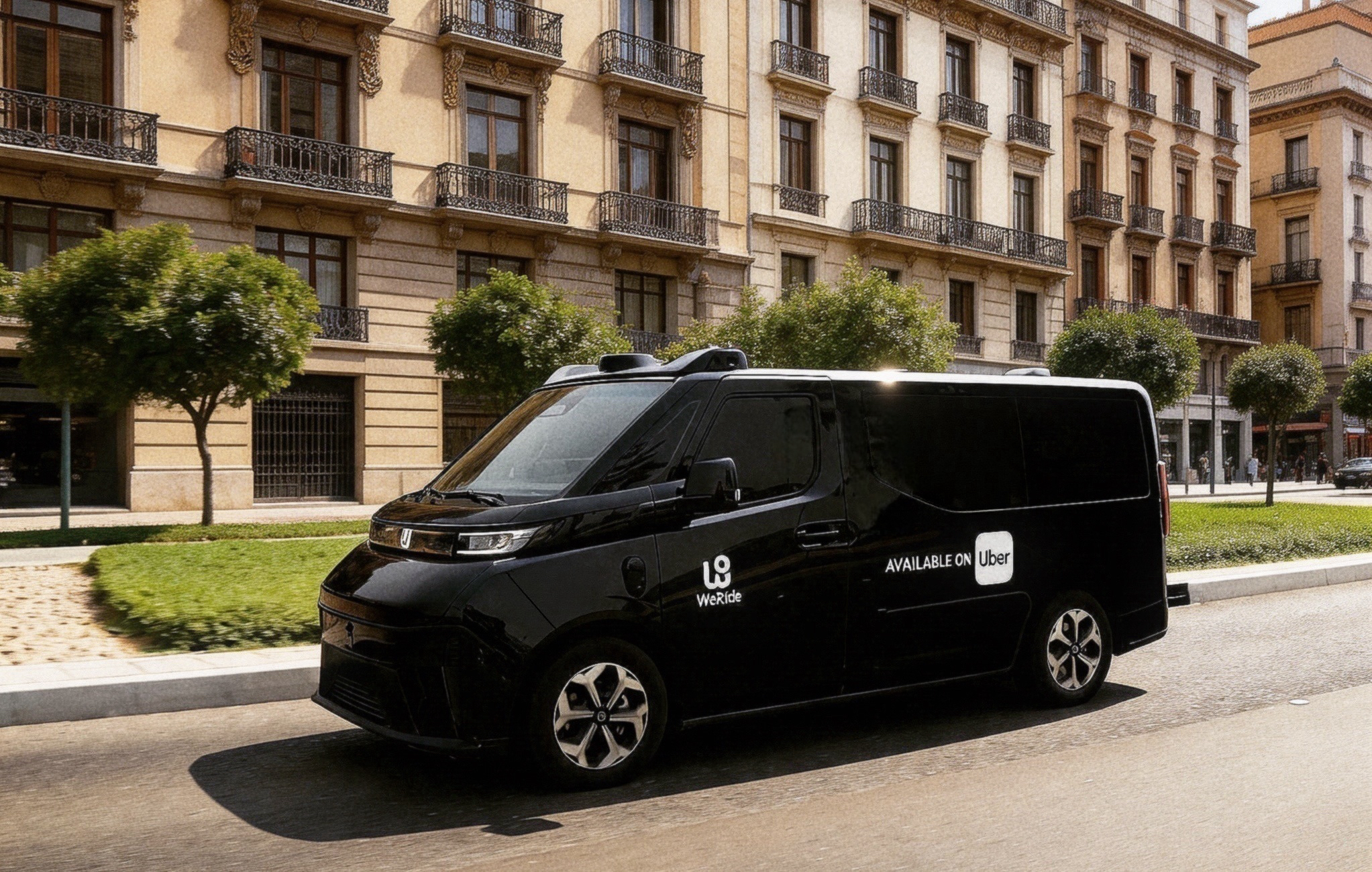
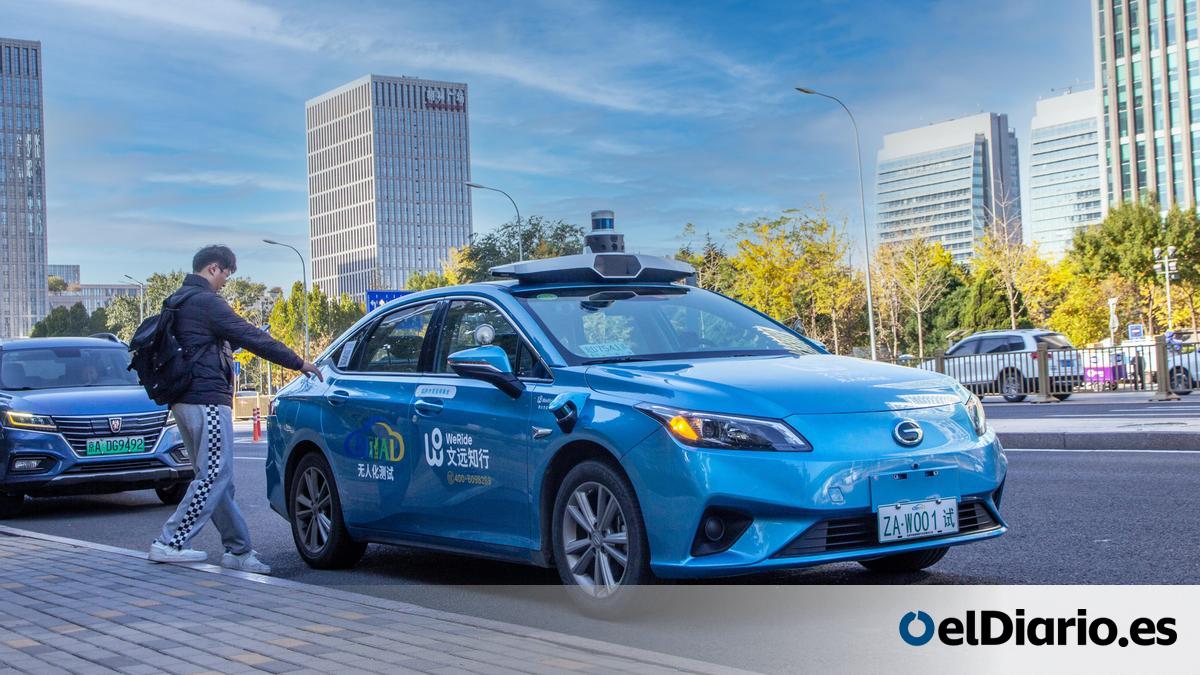
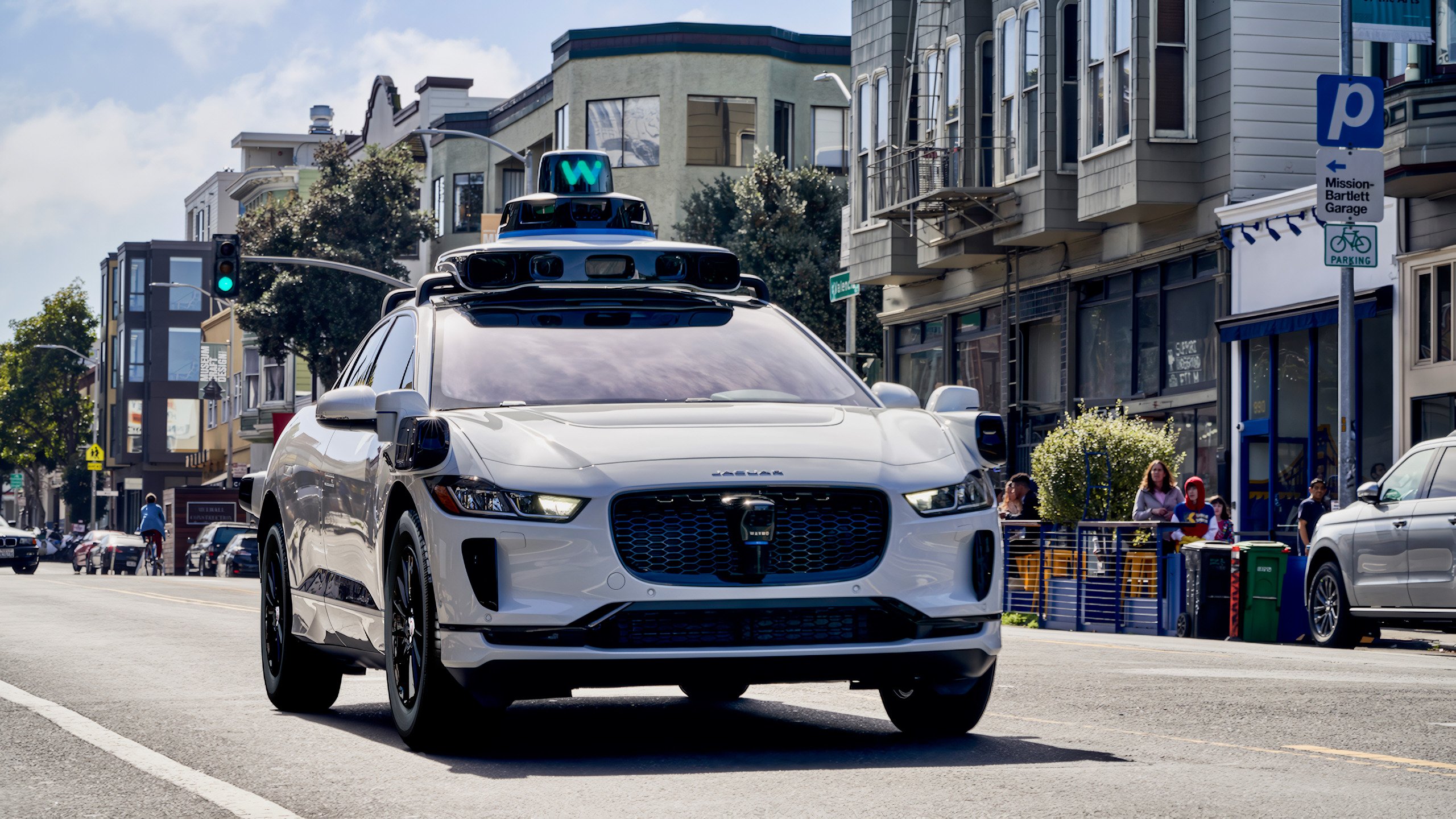
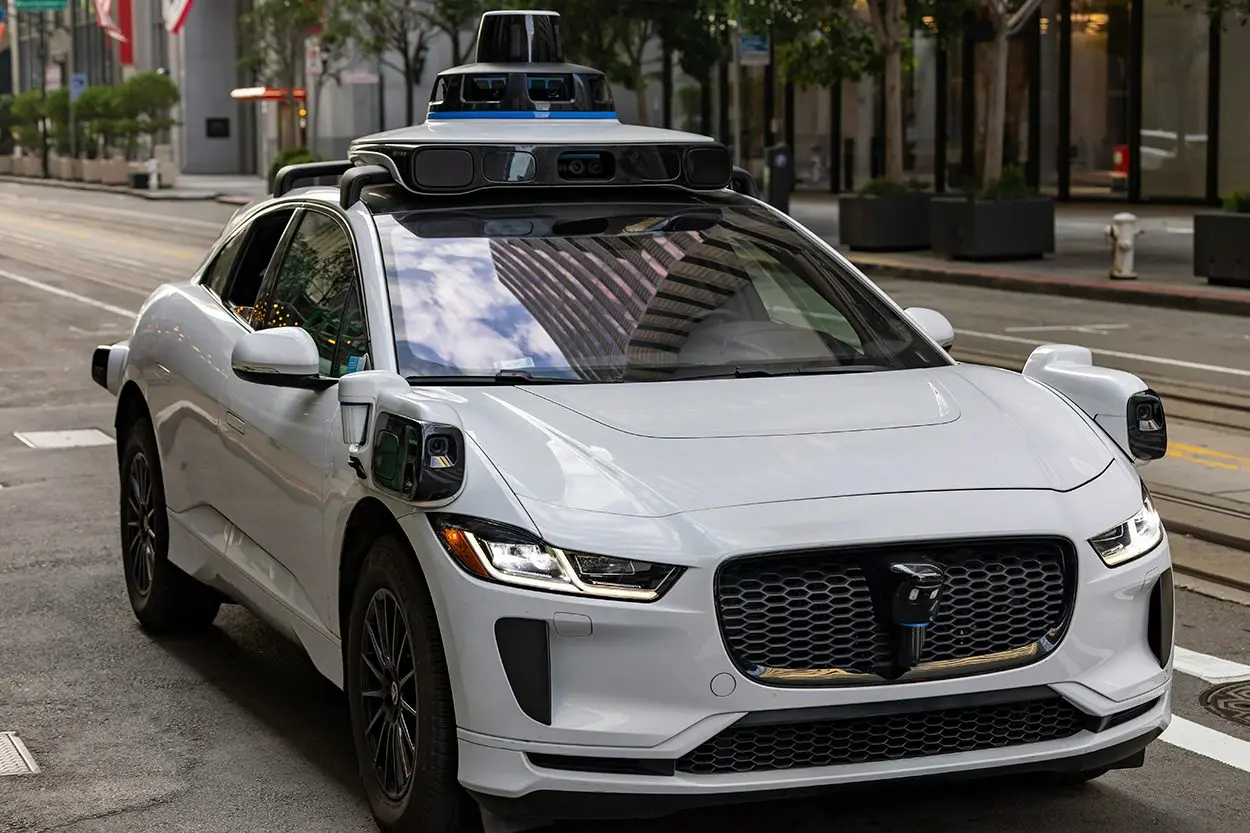
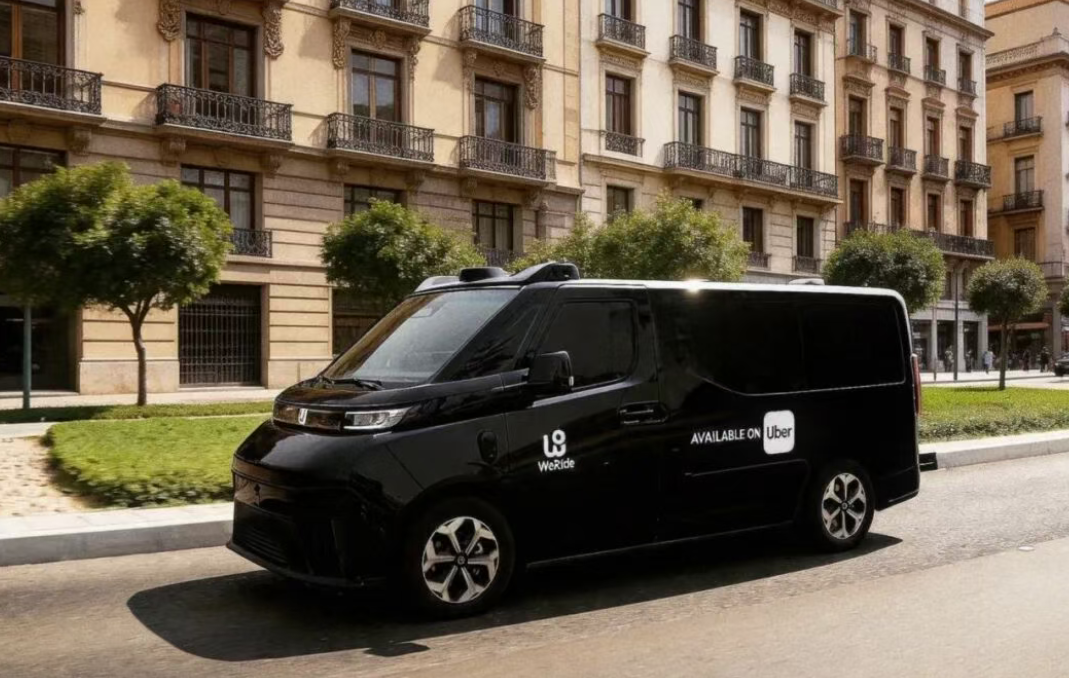
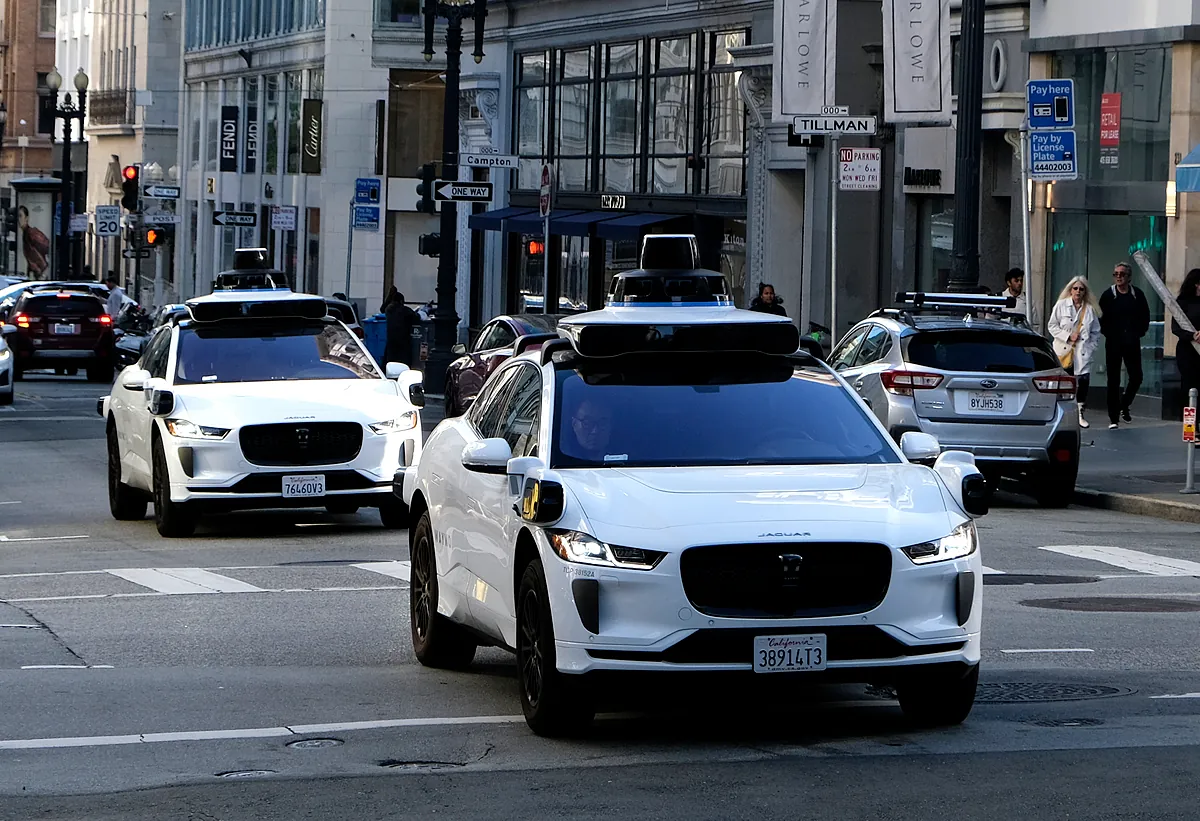
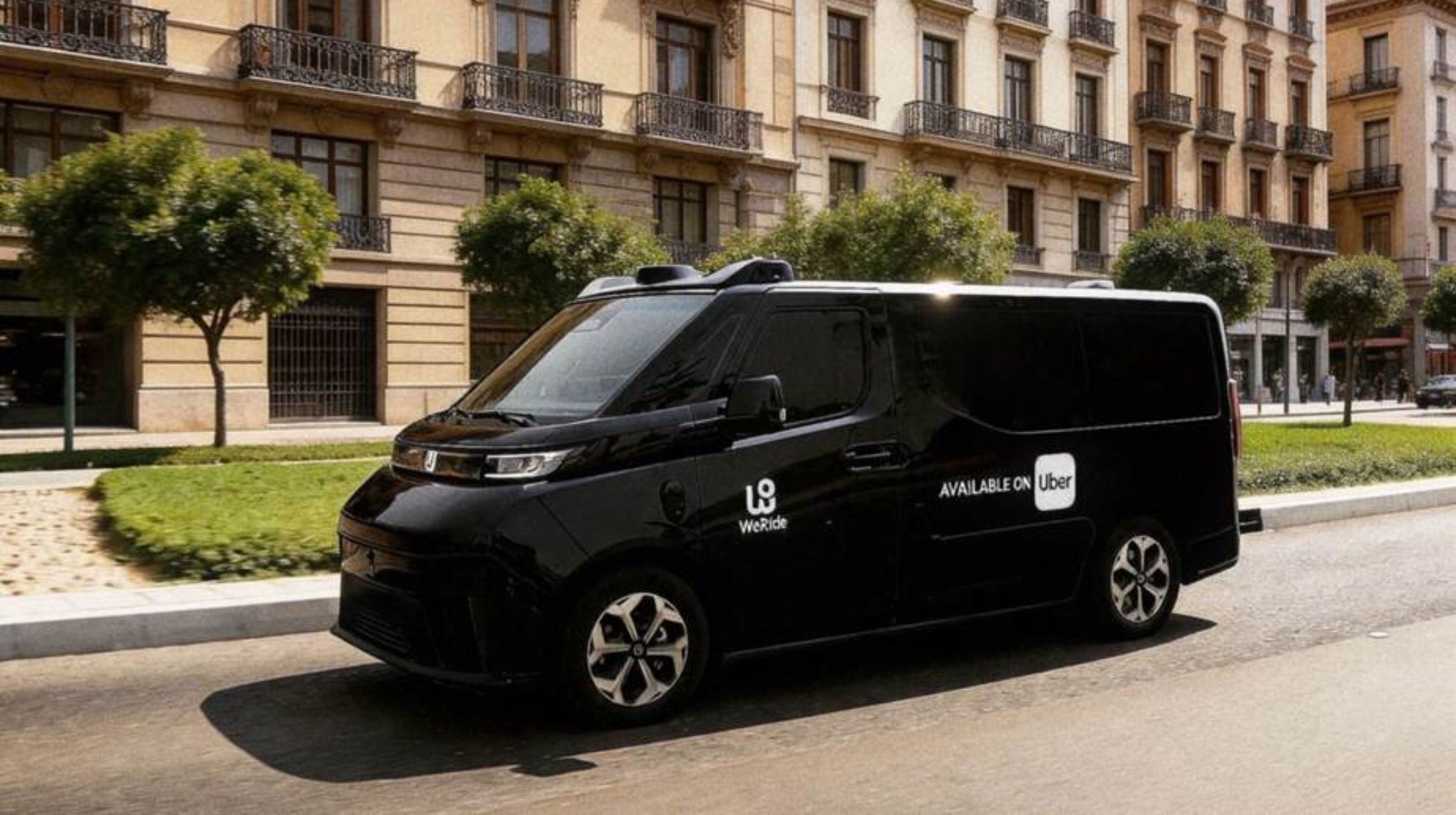
Uber, WeRide, Autobrains, and AVOMO plan to launch pilot robotaxi services using AI-driven autonomous vehicles in Munich and Madrid. Initial deployments will include safety operators, with gradual expansion toward full autonomy. No incidents have occurred yet, but the projects present potential future AI-related risks.[AI generated]

Why's our monitor labelling this an incident or hazard?

The article explicitly mentions autonomous taxis, which rely on AI systems for navigation and control. Since the pilot is planned but not yet operational, no harm has occurred yet. However, autonomous vehicles have inherent risks that could plausibly lead to incidents involving injury or disruption. Thus, this event qualifies as an AI Hazard rather than an AI Incident or Complementary Information.[AI generated]
AI principles
SafetyAccountability

Industries
Mobility and autonomous vehicles

Severity
AI hazard

AI system task:
Recognition/object detectionGoal-driven organisation


Articles about this incident or hazard

Thumbnail Image

Los taxis con conducción autónoma llegan a Madrid con un primer piloto comercial y podrían operar desde finales de año

2026-06-02
Gente Digital
Why's our monitor labelling this an incident or hazard?
The article explicitly mentions autonomous taxis, which rely on AI systems for navigation and control. Since the pilot is planned but not yet operational, no harm has occurred yet. However, autonomous vehicles have inherent risks that could plausibly lead to incidents involving injury or disruption. Thus, this event qualifies as an AI Hazard rather than an AI Incident or Complementary Information.
Thumbnail Image

Uber lanzará sus vehículos autónomos antes de fin de año en Madrid de la mano de la mayor flota de VTC de España y su socio en Oriente Medio

2026-06-02
EL MUNDO
Why's our monitor labelling this an incident or hazard?
The event involves the use of AI systems (autonomous vehicle software) in a real-world deployment. However, the article describes a planned pilot launch with safety operators onboard, and there is no mention of any harm or incident caused by the AI system. There is also no indication of any realized harm or malfunction. The event is about the deployment and expansion of AI-powered autonomous vehicles, which could plausibly lead to harm in the future (e.g., accidents), but no such harm has yet occurred or is reported. Therefore, this event qualifies as an AI Hazard, as the development and use of AI systems in autonomous vehicles could plausibly lead to incidents, but no incident has yet materialized.
Thumbnail Image

Los robotaxis llegarán a Madrid antes de final de año de la mano de WeRide, Uber y Avomo

2026-06-02
EL PAÍS
Why's our monitor labelling this an incident or hazard?
The event involves the use of AI systems (autonomous driving technology) and concerns their upcoming deployment in a public urban environment. While no harm has yet occurred, the nature of autonomous vehicles means there is a credible risk that their operation could lead to injury, disruption, or other harms if failures or accidents happen. Since the article focuses on the planned launch and not on any realized harm or incident, it fits the definition of an AI Hazard rather than an AI Incident or Complementary Information.
Thumbnail Image

Múnich, campo de pruebas para un nuevo robotaxi

2026-06-02
Yahoo!
Why's our monitor labelling this an incident or hazard?
The event involves AI systems (autonomous driving AI for robotaxis) in active testing and planned commercial deployment. However, the article does not report any actual harm, malfunction, or incident caused by these AI systems. The presence of safety drivers and regulatory approvals pending indicate precautionary measures. The article mainly provides information about the development and testing phase, which could plausibly lead to harm in the future (e.g., accidents, safety issues), but no such harm has materialized yet. Hence, it fits the definition of an AI Hazard rather than an AI Incident or Complementary Information.
Thumbnail Image

Los taxis con conducción autónoma llegan a Madrid con un proyecto piloto comercial y podrían operar desde finales de año

2026-06-02
20 minutos
Why's our monitor labelling this an incident or hazard?
The article involves AI systems explicitly (autonomous driving technology) and discusses their intended use in a commercial pilot. However, there is no indication of any harm, malfunction, or violation resulting from the AI system's development or use at this stage. The event describes a future deployment with safety measures in place, so while there is a plausible risk inherent in autonomous vehicle operation, the article does not report any realized or imminent harm. Therefore, it qualifies as an AI Hazard due to the plausible future risk of harm from autonomous vehicle operation, but not an AI Incident or Complementary Information.
Thumbnail Image

Los taxis autónomos llegarán a Madrid este mismo año de la mano de esta startup china

2026-06-02
El Confidencial
Why's our monitor labelling this an incident or hazard?
The event involves the use of AI systems (autonomous driving software and perception systems) in a public transportation context. However, the article does not describe any actual harm or incident resulting from the AI system's development, use, or malfunction. Nor does it report any direct or indirect injury, rights violations, disruption, or damage caused by the AI system. Instead, it describes a planned pilot project and the strategic significance of this deployment. Therefore, the event represents a plausible future scenario where AI systems could lead to harm (e.g., accidents or operational issues), but no harm has yet occurred. This fits the definition of an AI Hazard, as the deployment of autonomous vehicles could plausibly lead to incidents in the future, but no incident has been reported yet.
Thumbnail Image

Uber y WeRide lanzarán robotaxis en Madrid antes de finales de año

2026-06-02
LaVanguardia
Why's our monitor labelling this an incident or hazard?
The event involves the use of AI systems (autonomous vehicles) whose deployment could plausibly lead to harm such as injury to people or disruption in urban mobility if malfunctions or failures occur. Since no actual harm or incident is reported yet, but the deployment is imminent and involves AI systems with inherent risks, this qualifies as an AI Hazard rather than an AI Incident. The article focuses on the launch plans and does not describe any realized harm or legal/governance responses, so it is not Complementary Information. It is not unrelated as it clearly involves AI systems and their deployment.
Thumbnail Image

Los 'robotaxis' llegan a Madrid: Uber y WeRide lanzarán coches autónomos este año

2026-06-02
La Razón
Why's our monitor labelling this an incident or hazard?
The event involves AI systems (autonomous driving technology) and their planned use in public transport. However, there is no indication that any harm has occurred or that there is an immediate risk of harm. The article describes a pilot project and future deployment with safety measures in place, making it a plausible future AI application but without any incident or hazard currently realized. Therefore, it qualifies as an AI Hazard because the deployment of autonomous vehicles could plausibly lead to harm in the future, but no harm or malfunction has yet occurred.
Thumbnail Image

Los robotaxis llegan a Madrid: Uber, WeRide y Avomo desplegarán un servicio piloto a finales de 2026

2026-06-02
elEconomista.es
Why's our monitor labelling this an incident or hazard?
The event involves AI systems (autonomous driving technology) and their use in a real-world setting, but it is a planned pilot service with safety operators onboard and no reported harm or malfunction. While autonomous vehicles inherently carry some risk, the article does not describe any incident or credible immediate risk of harm occurring or having occurred. Therefore, it does not meet the criteria for an AI Incident or AI Hazard. It is primarily an announcement of a future AI deployment and expansion, which fits best as Complementary Information, providing context and updates on AI ecosystem developments.
Thumbnail Image

Los robotaxis llegan a Madrid: Uber y Tesla los pondrán en marcha a finales de este año

2026-06-02
El Periódico
Why's our monitor labelling this an incident or hazard?
The article explicitly mentions AI systems (machine learning, complex algorithms) enabling autonomous driving in robotaxis. While the deployment of such systems carries inherent risks of harm (e.g., accidents, injury), the article only discusses planned tests and phased rollouts without any reported incidents or malfunctions causing harm. Therefore, this event represents a plausible future risk scenario (AI Hazard) rather than an actual incident or complementary information about responses to harm.
Thumbnail Image

Múnich, campo de pruebas para un nuevo robotaxi

2026-06-02
Deutsche Welle
Why's our monitor labelling this an incident or hazard?
The article explicitly mentions AI systems used for autonomous driving in robotaxis, indicating AI system involvement. However, it does not report any injury, property damage, rights violations, or other harms caused by these AI systems. The presence of safety drivers and regulatory oversight suggests risk mitigation at this stage. The event is about testing and potential future deployment, which could plausibly lead to AI incidents if malfunctions or misuse occur. Hence, it fits the definition of an AI Hazard rather than an AI Incident or Complementary Information, as it does not describe a response to a past incident or broader governance measures, nor is it unrelated to AI.
Thumbnail Image

Madrid probará taxis autónomos que podrán solicitarse a través de Uber desde finales de 2026

2026-06-02
Libertad Digital
Why's our monitor labelling this an incident or hazard?
The article explicitly involves AI systems in the form of autonomous vehicles (robotaxis) planned for deployment. The event concerns the future use of AI systems in public transportation, which could plausibly lead to harm such as accidents or safety incidents. No actual harm or malfunction is reported, so it is not an AI Incident. The event is not merely a general AI product announcement but a concrete pilot project with potential safety implications, so it is not unrelated. It is not Complementary Information because it does not update or respond to a past incident but announces a future deployment. Hence, the classification as AI Hazard is appropriate.
Thumbnail Image

Los robotaxis comenzarán a operar en España a finales de año

2026-06-03
HERALDO
Why's our monitor labelling this an incident or hazard?
The article explicitly mentions the use of driverless cars, which are AI systems capable of autonomous navigation and decision-making. The launch of a commercial robotaxi service implies the use of AI in real-world conditions with passengers. While no incident or harm has occurred yet, the deployment of such AI systems in public roads could plausibly lead to incidents involving injury or harm to people. Therefore, this event fits the definition of an AI Hazard, as it could plausibly lead to an AI Incident in the future.
Thumbnail Image

Uber y WeRide lanzarán robotaxis en Madrid a finales de este año

2026-06-02
Expansión
Why's our monitor labelling this an incident or hazard?
The event involves AI systems explicitly (autonomous vehicles) and their use in a real-world setting is planned. No actual harm or incident is reported, but the deployment of autonomous vehicles inherently carries plausible risks of harm (e.g., accidents, safety issues). Since the event is about the planned launch and pilot testing, it fits the definition of an AI Hazard, as the AI system's use could plausibly lead to an AI Incident in the future.
Thumbnail Image

El nuevo robotaxi de Waymo ya está a prueba en Estados Unidos

2026-05-31
LaSexta
Why's our monitor labelling this an incident or hazard?
The event involves an AI system (Waymo's autonomous driving AI) in active use and testing. However, the article does not report any actual harm, injury, rights violations, or property damage caused by the AI system. The mention of service suspensions due to detected problems suggests caution but no realized incident. Therefore, this is not an AI Incident. It also does not present a credible or imminent risk of harm that would qualify as an AI Hazard. The article mainly provides information about the deployment and features of the AI system, which fits the category of Complementary Information as it updates on the AI ecosystem and operational status without describing new harm or plausible harm.
Thumbnail Image

La china WeRide y Uber anuncian su primer servicio europeo de robotaxis en Madrid

2026-06-02
Revista Summa
Why's our monitor labelling this an incident or hazard?
The event involves AI systems (autonomous driving AI) and their use, but there is no indication of any realized harm or incident caused by these systems. The article focuses on the launch and expansion plans, which is typical of AI-related product or service announcements. Since no harm or plausible harm is described, and the main focus is on the announcement and market entry, this fits the category of Complementary Information, providing context and updates on AI deployment without reporting an incident or hazard.
Thumbnail Image

Madrid lanzará un proyecto para implementar los robotaxis en España

2026-05-30
LaSexta
Why's our monitor labelling this an incident or hazard?
The article explicitly involves AI systems in the form of autonomous robotaxis. It discusses the development and planned use of these AI systems in Madrid, with references to prior incidents where AI malfunctions or failures led to harm (a pedestrian fatality and safety recalls). However, the Madrid project itself is not yet operational and no harm has been reported there. The mention of past accidents and system failures demonstrates credible risks that could plausibly lead to harm once the system is deployed. Thus, the event fits the definition of an AI Hazard, as it involves the plausible future risk of harm from AI system use in robotaxis, but no direct or indirect harm has yet occurred in this specific project.
Thumbnail Image

Los taxis con conducción autónoma llegan a Madrid con un primer...

2026-06-02
europa press
Why's our monitor labelling this an incident or hazard?
The article discusses the planned use of AI systems (autonomous driving technology) in a commercial setting. However, no actual harm or incident has occurred yet. The event involves the use of AI systems that could plausibly lead to harm in the future (e.g., accidents, safety issues) given the nature of autonomous vehicles. Therefore, it qualifies as an AI Hazard due to the credible potential for future harm, but not an AI Incident since no harm has yet materialized. It is not Complementary Information because it is not an update or response to a prior incident, nor is it unrelated as it clearly involves AI systems.
Thumbnail Image

WeRide, Uber, and AVOMO Bring Robotaxis to Madrid

2026-06-02
Barchart.com
Why's our monitor labelling this an incident or hazard?
The event involves AI systems (autonomous driving technology) and their use (deployment of Robotaxis). However, there is no indication of any injury, disruption, rights violation, property or community harm, or other significant harm caused or occurring due to these AI systems. The article focuses on the announcement and plans for future operations, which is informative and forward-looking but does not describe any realized or imminent harm. Therefore, it does not qualify as an AI Incident or AI Hazard. It is best classified as Complementary Information, as it provides context and updates on AI deployment in autonomous mobility without reporting harm or credible risk of harm at this stage.
Thumbnail Image

Los primeros robotaxis en España comenzarán a operar a final de año | La Verdad

2026-06-02
LA VERDAD
Why's our monitor labelling this an incident or hazard?
The event involves the use of AI systems (autonomous driving technology) in robotaxis, which will operate commercially in Madrid. Although no incident or harm has occurred yet, the deployment of autonomous vehicles inherently carries plausible risks of harm (e.g., accidents, disruption, legal conflicts). The article discusses regulatory and social challenges but does not report any realized harm. Hence, this qualifies as an AI Hazard, reflecting the plausible future harm from the AI system's use.
Thumbnail Image

WeRide, Uber and AVOMO Bring Robotaxis to Madrid

2026-06-02
wallstreet:online
Why's our monitor labelling this an incident or hazard?
The event involves AI systems (autonomous driving technology) in the development and planned use of Robotaxis, which are AI-powered autonomous vehicles. However, the article focuses on the announcement and plans for deployment rather than any harm or malfunction. There is no indication of injury, rights violations, property damage, or other harms caused or plausibly caused by the AI systems at this stage. The presence of trained vehicle operators initially further reduces immediate risk. Thus, this is not an AI Incident or AI Hazard but rather Complementary Information about AI deployment and ecosystem development.
Thumbnail Image

WeRide, Uber, and AVOMO Bring Robotaxis to Madrid

2026-06-02
wallstreet:online
Why's our monitor labelling this an incident or hazard?
The event involves the use of AI systems (autonomous driving technology) in robotaxis, which are planned to operate on public roads in Madrid. Although no harm or incident has yet occurred, the deployment of such AI systems in complex urban settings could plausibly lead to harms such as injury, disruption, or other significant impacts if the AI malfunctions or fails. Since the article focuses on the planned rollout and does not describe any actual harm or incident, it does not qualify as an AI Incident. Instead, it fits the definition of an AI Hazard, as it describes a credible potential for future harm stemming from the AI system's use.
Thumbnail Image

Waymo acelera los robotaxis autónomos con el nuevo Ojai eléctrico sin conductor en plena expansión por Estados Unidos

2026-06-01
ECOticias.com
Why's our monitor labelling this an incident or hazard?
The event involves an AI system (Waymo's autonomous driving AI) in active use and expansion, but there is no indication of any injury, rights violation, disruption, or other harm caused or likely to be caused by the AI system. The article is primarily an update on the deployment and capabilities of the AI system, without reporting any incident or hazard. Therefore, it qualifies as Complementary Information, providing context and updates about AI deployment and ecosystem developments rather than describing an AI Incident or AI Hazard.
Thumbnail Image

WeRide, Uber and AVOMO Bring Robotaxis to Madrid

2026-06-02
The Manila times
Why's our monitor labelling this an incident or hazard?
The event describes the planned deployment of autonomous vehicle technology (an AI system) for Robotaxi services, which involves AI use. However, it does not report any realized harm or incident resulting from the AI system's development, use, or malfunction. Nor does it highlight any credible or plausible risk of harm arising from this deployment at this stage. Therefore, it does not meet the criteria for AI Incident or AI Hazard. The article provides contextual information about the AI ecosystem and the companies' strategic moves, which fits the definition of Complementary Information rather than an incident or hazard.
Thumbnail Image

2026-06-02 | WeRide, Uber, and AVOMO Bring Robotaxis to Madrid | TSX:UBER | Press Release

2026-06-02
stockhouse
Why's our monitor labelling this an incident or hazard?
The event involves AI systems (autonomous driving technology) and their planned use, but no harm or malfunction is reported or implied. The press release is forward-looking and promotional, describing a new market entry and operational plans without any indication of realized or plausible harm. It does not describe an AI Incident or AI Hazard, but rather provides supporting information about AI deployment and ecosystem development. Hence, it fits the definition of Complementary Information.
Thumbnail Image

Los coches sin conductor llegan a Madrid: Uber y WeRide lanzarán los primeros robotaxis este año

2026-06-02
Economía Digital
Why's our monitor labelling this an incident or hazard?
The event involves AI systems (autonomous vehicles) being deployed for commercial robotaxi services, which fits the definition of an AI system. However, no actual harm or incident is reported; the service is still in the pilot phase with safety operators onboard. The article focuses on the launch and collaboration rather than any realized harm or malfunction. Hence, it qualifies as an AI Hazard due to the plausible future risk of harm from autonomous vehicle operation, but not an AI Incident or Complementary Information.
Thumbnail Image

WeRide, Uber, and AVOMO Bring Robotaxis to Madrid

2026-06-02
WBOC TV-16
Why's our monitor labelling this an incident or hazard?
The event involves AI systems (autonomous driving technology) and their planned use, but no harm or malfunction has occurred yet. The article is primarily about the announcement and future plans for deploying Robotaxis, which could plausibly lead to AI-related incidents in the future (e.g., accidents or safety issues), but no such incidents are reported. Therefore, it fits the definition of an AI Hazard, as the deployment of autonomous vehicles could plausibly lead to harm, but no harm has yet materialized. It is not Complementary Information because it is not updating or responding to a prior incident or hazard, nor is it unrelated since it clearly involves AI systems and their deployment.
Thumbnail Image

Empresa china WeRide lanzará en capital española servicio piloto comercial de robotaxis

2026-06-02
新华网
Why's our monitor labelling this an incident or hazard?
The article explicitly mentions the use of AI systems (autonomous driving technology) in robotaxis. There is no indication that any harm has occurred yet; the service is planned and will initially operate with safety operators onboard. The event does not describe any realized harm or incident but does describe a credible scenario where the AI system's deployment could plausibly lead to harm in the future (e.g., accidents, operational disruptions). Hence, it fits the definition of an AI Hazard. It is not Complementary Information because it is not an update or response to a prior incident, nor is it unrelated as it clearly involves AI systems.
Thumbnail Image

WeRide and Uber take their robotaxi partnership to Madrid

2026-06-02
The Next Web
Why's our monitor labelling this an incident or hazard?
The event involves AI systems (autonomous vehicles) whose deployment is planned but not yet realized. The article emphasizes the need for regulatory approval and safety validation before fully driverless operations commence. Since no harm or incident has occurred, but the deployment of AI systems in public urban environments could plausibly lead to harm in the future (e.g., accidents, safety issues), this qualifies as an AI Hazard. It is not Complementary Information because it is not an update or response to a past incident, nor is it unrelated since it clearly involves AI systems with potential safety implications.
Thumbnail Image

WeRide, Uber, and AVOMO Bring Robotaxis to Madrid

2026-06-02
The Norfolk Daily News
Why's our monitor labelling this an incident or hazard?
The article mentions the deployment of autonomous driving technology (an AI system) in a commercial Robotaxi pilot, which involves AI use. However, it only announces the launch plan without any mention of harm or malfunction. Since no harm has occurred yet, but the deployment of autonomous vehicles carries plausible risks (e.g., accidents, safety issues), this qualifies as an AI Hazard. There is no indication of an incident or complementary information about responses or mitigation measures. Therefore, the classification is AI Hazard.
Thumbnail Image

Taxis sin conductor, Uber quiere probar robotaxis autónomos en Múnich

2026-06-02
Euronews Español
Why's our monitor labelling this an incident or hazard?
An AI system is clearly involved: the autonomous driving software with multiple AI agents making real-time decisions. The event concerns the planned use of this AI system in robotaxis, which could plausibly lead to harm such as accidents or safety issues once deployed. No actual harm or incident is reported yet, and the deployment is awaiting regulatory approval. Therefore, this is a credible potential risk (AI Hazard) rather than a realized harm (AI Incident). It is not merely complementary information because the main focus is on the planned deployment and its implications, not on responses or updates to past incidents.
Thumbnail Image

Los 'robotaxis' de Uber llegarán a Madrid a finales de este año

2026-06-02
Radio Intereconomía
Why's our monitor labelling this an incident or hazard?
The event involves the use of AI systems (autonomous vehicles) in a real-world urban setting. While no harm has yet occurred, the deployment of fully autonomous vehicles carries plausible risks of harm such as injury to persons or disruption of critical infrastructure if malfunctions or failures occur. Therefore, this event represents a plausible future risk related to AI system use, qualifying it as an AI Hazard rather than an Incident, as no actual harm is reported yet.
Thumbnail Image

Robotaxis set to launch in Madrid before the year's end

2026-06-02
EL PAÍS English
Why's our monitor labelling this an incident or hazard?
The article explicitly involves AI systems (autonomous driving technology) and their use in robotaxis. However, it only announces the planned launch and expansion of these services without reporting any harm, malfunction, or violation caused by the AI systems. Since the deployment of autonomous vehicles could plausibly lead to incidents in the future (e.g., accidents, safety issues), this qualifies as an AI Hazard rather than an AI Incident. It is not merely complementary information because the focus is on the imminent deployment and the potential risks inherent in such technology, not on responses or updates to past incidents. It is not unrelated because AI systems are central to the event.
Thumbnail Image

Los taxis con conducción autónoma podrían operar en Madrid desde finales de año

2026-06-02
El Periódico de la Energía
Why's our monitor labelling this an incident or hazard?
The event involves AI systems explicitly, as autonomous driving technology is a clear example of AI systems making real-time decisions to navigate and operate vehicles. However, the article describes a planned pilot and future deployment, with no current harm or incident reported. The presence of safety operators indicates risk mitigation. Since no harm has occurred yet but the deployment of autonomous taxis could plausibly lead to incidents involving injury, disruption, or other harms, this qualifies as an AI Hazard rather than an Incident or Complementary Information.
Thumbnail Image

WeRide, Uber and AVOMO will launch robotaxis in Madrid

2026-06-02
NoticiasDe.es
Why's our monitor labelling this an incident or hazard?
The event involves AI systems (autonomous vehicles) and their planned use, but no harm or malfunction has occurred yet. The article discusses the potential future deployment and expansion of robotaxis, which could plausibly lead to AI-related incidents or hazards in the future, but currently, it is an announcement of intent and plans. Therefore, it fits best as Complementary Information, providing context and updates on AI system deployment and ecosystem development without reporting any realized or imminent harm.
Thumbnail Image

WeRide, Uber and AVOMO Bring Robotaxis to Madrid

2026-06-02
新浪香港
Why's our monitor labelling this an incident or hazard?
The event involves AI systems (autonomous driving technology) and their planned use in public Robotaxi services, which could plausibly lead to AI incidents such as accidents or disruptions. However, the article only describes the planned launch and operational strategy without any mention of actual harm, malfunction, or legal issues. As such, it fits the definition of an AI Hazard, reflecting a credible potential for future harm but no current incident.
Thumbnail Image

WeRide y Uber Technologies lanzan los robotaxis en España

2026-06-02
MarketScreener España
Why's our monitor labelling this an incident or hazard?
The event involves the use of an AI system (autonomous driving technology) in robotaxis, which is explicitly mentioned. However, the article only announces the planned launch and expansion of the service, with no indication of any actual harm, malfunction, or incident caused by the AI system. Since the deployment is upcoming and the AI system's use could plausibly lead to harm in the future (e.g., accidents or safety risks inherent in autonomous vehicles), this fits the definition of an AI Hazard rather than an AI Incident or Complementary Information. It is not unrelated because it clearly involves AI systems and their deployment.
Thumbnail Image

WeRide, Uber, and AVOMO Bring Robotaxis to Madrid

2026-06-02
Green Stock News
Why's our monitor labelling this an incident or hazard?
The event involves AI systems explicitly—autonomous driving technology powering robotaxis. The article discusses the planned use of these AI systems in public transportation, which inherently carries risks of injury, disruption, or other harms if malfunctions or failures occur. Since the deployment is upcoming and no harm has yet been reported, the event represents a plausible future risk (AI Hazard) rather than an incident. The article does not focus on responses to past harms or broader governance issues, so it is not Complementary Information. It is clearly related to AI systems and their use, so it is not Unrelated.