Taiwan Unveils AI-Powered Military Robot Dogs for Reconnaissance and Fire Support

Thumbnail Image

The information displayed in the AIM should not be reported as representing the official views of the OECD or of its member countries.

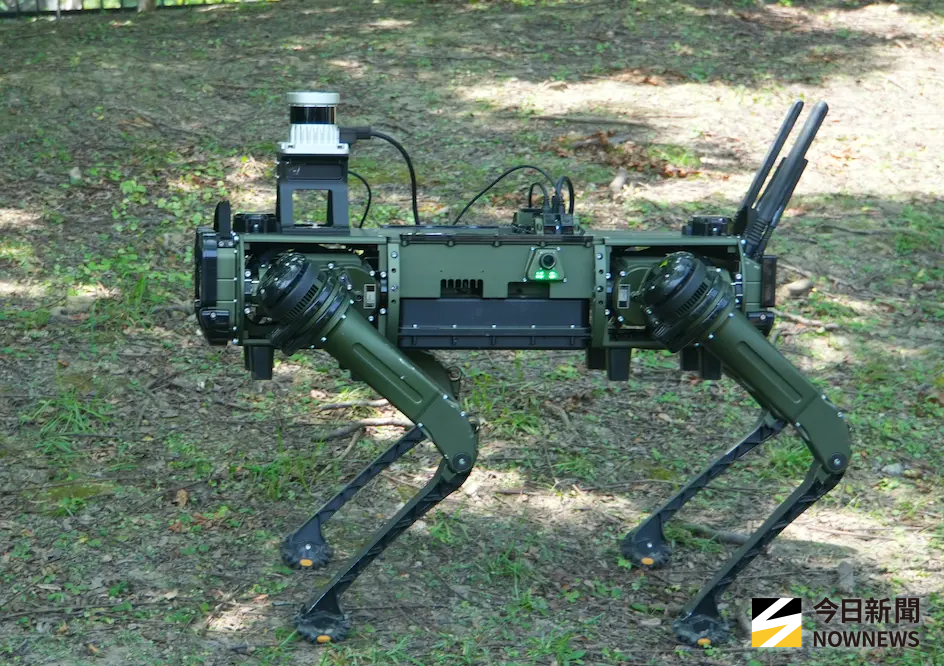
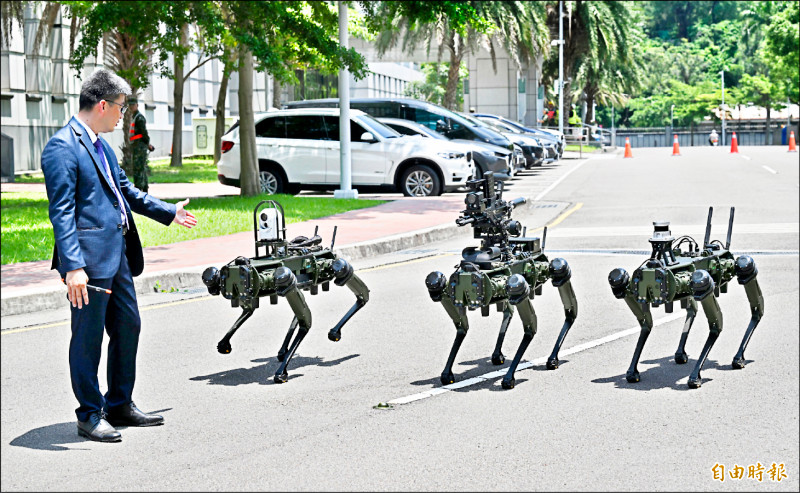
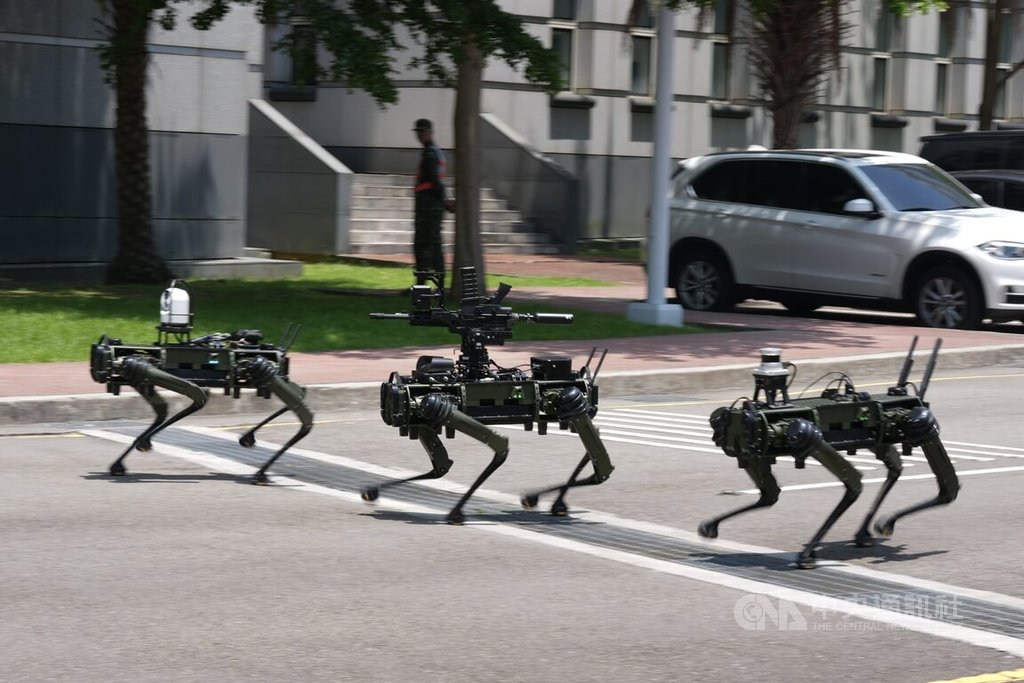
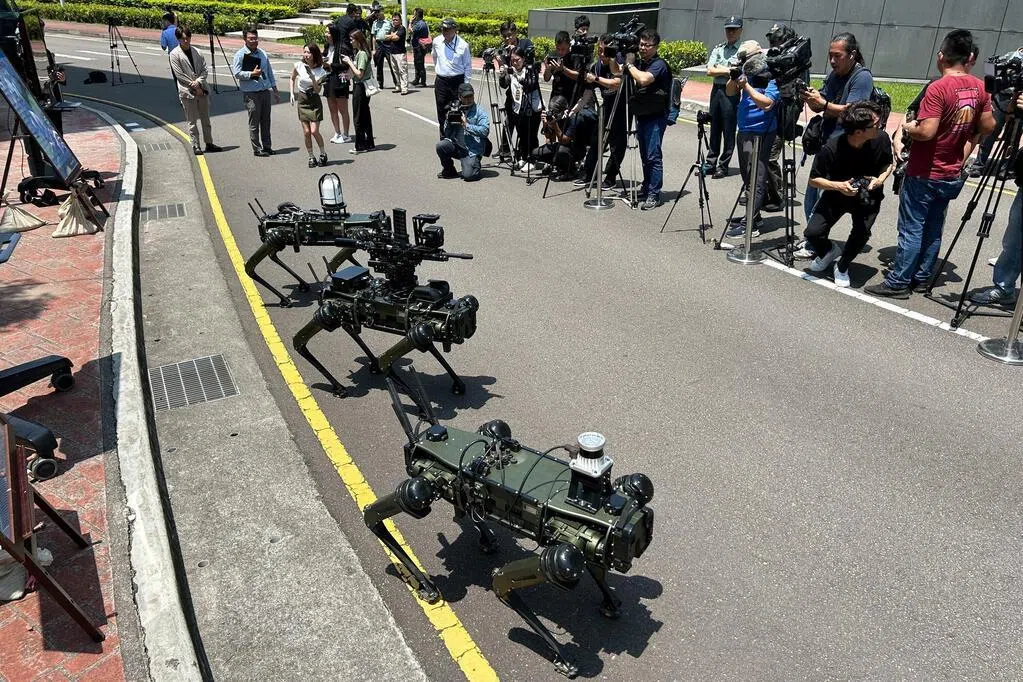
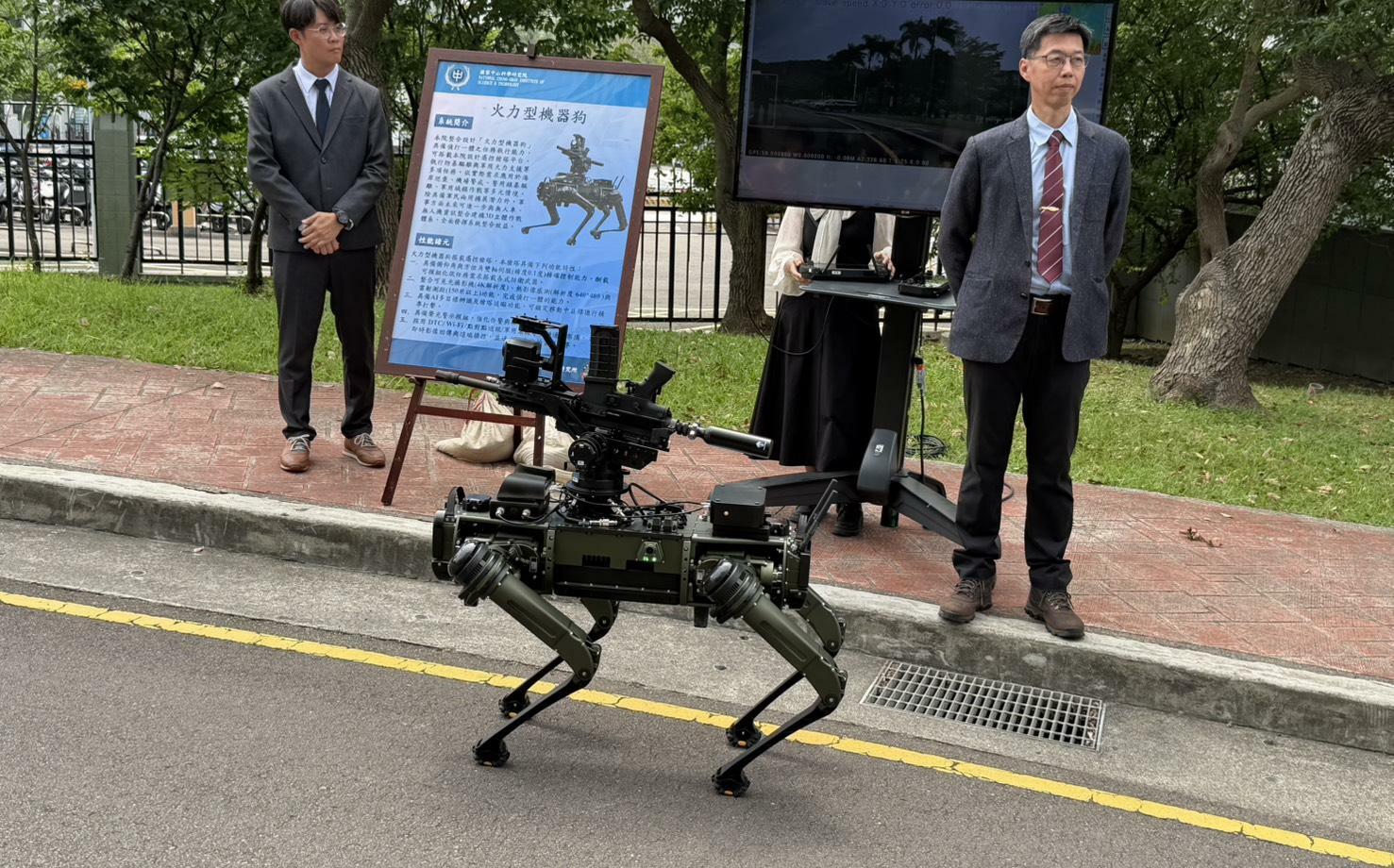
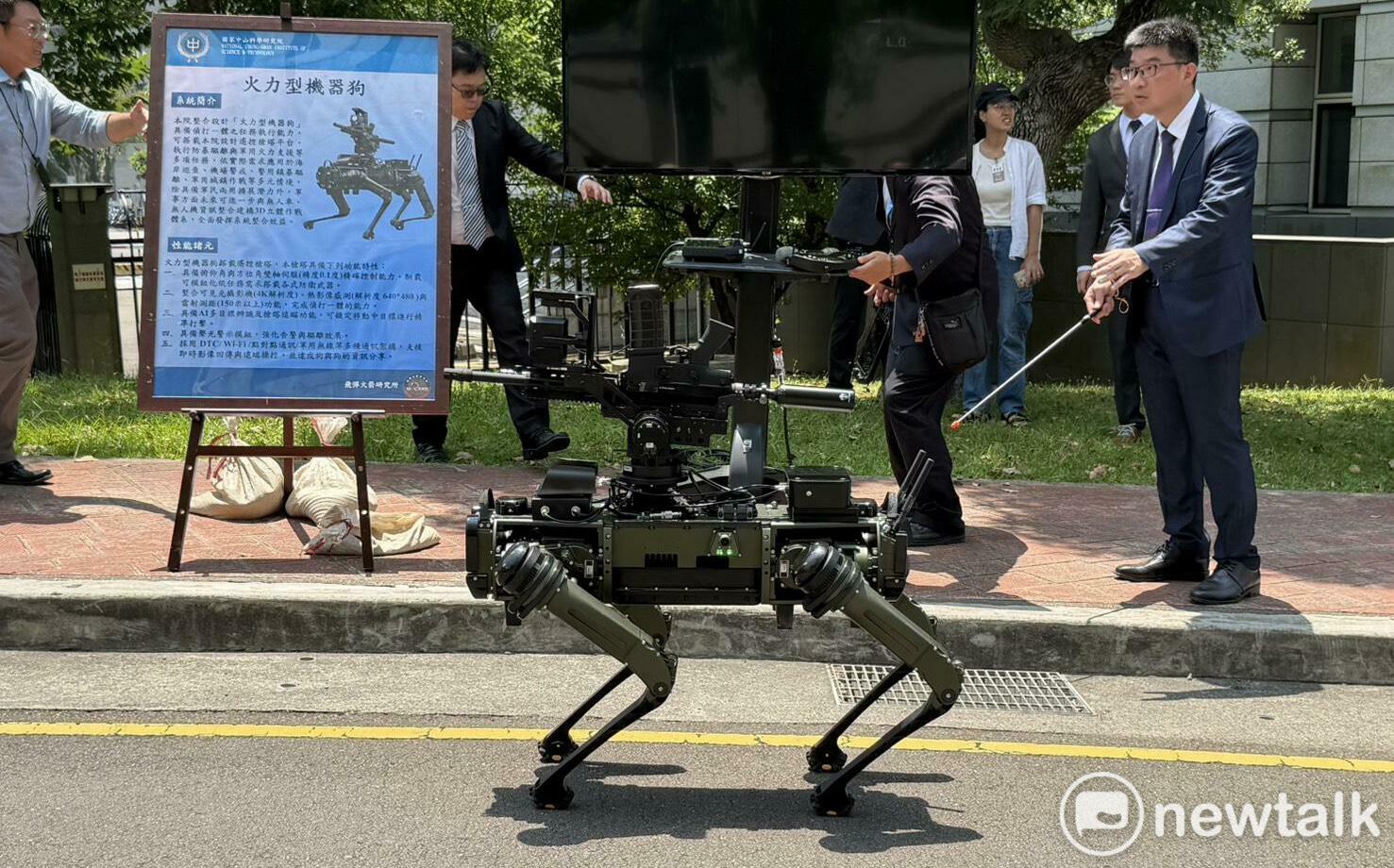
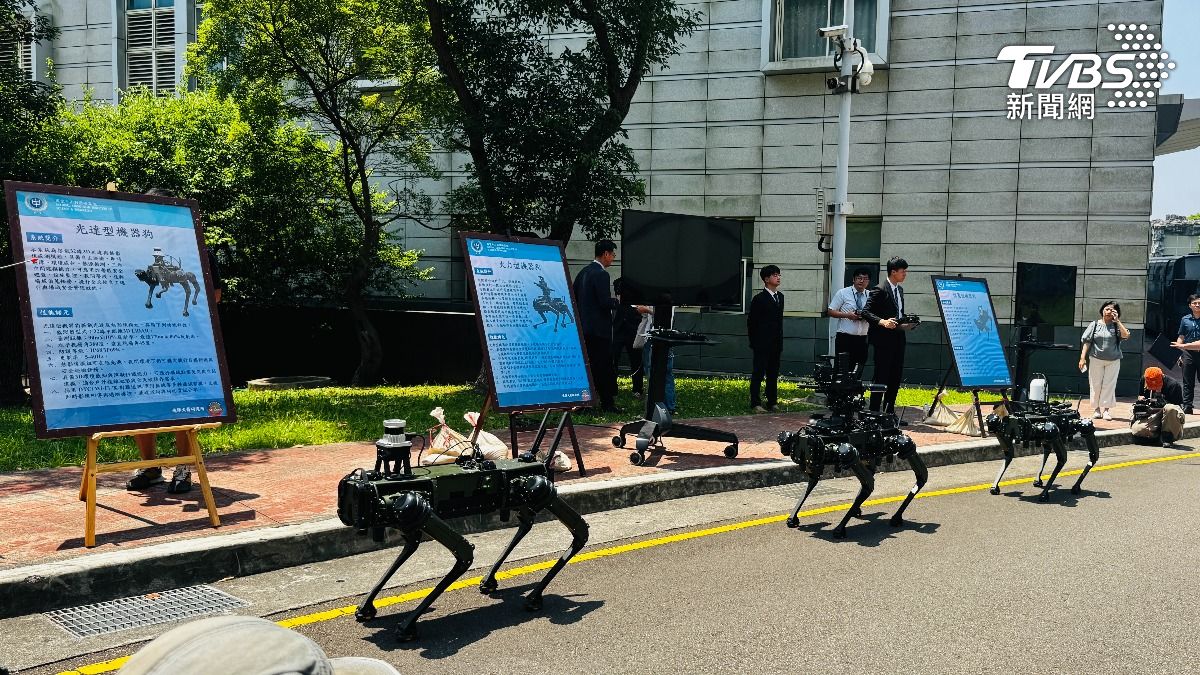
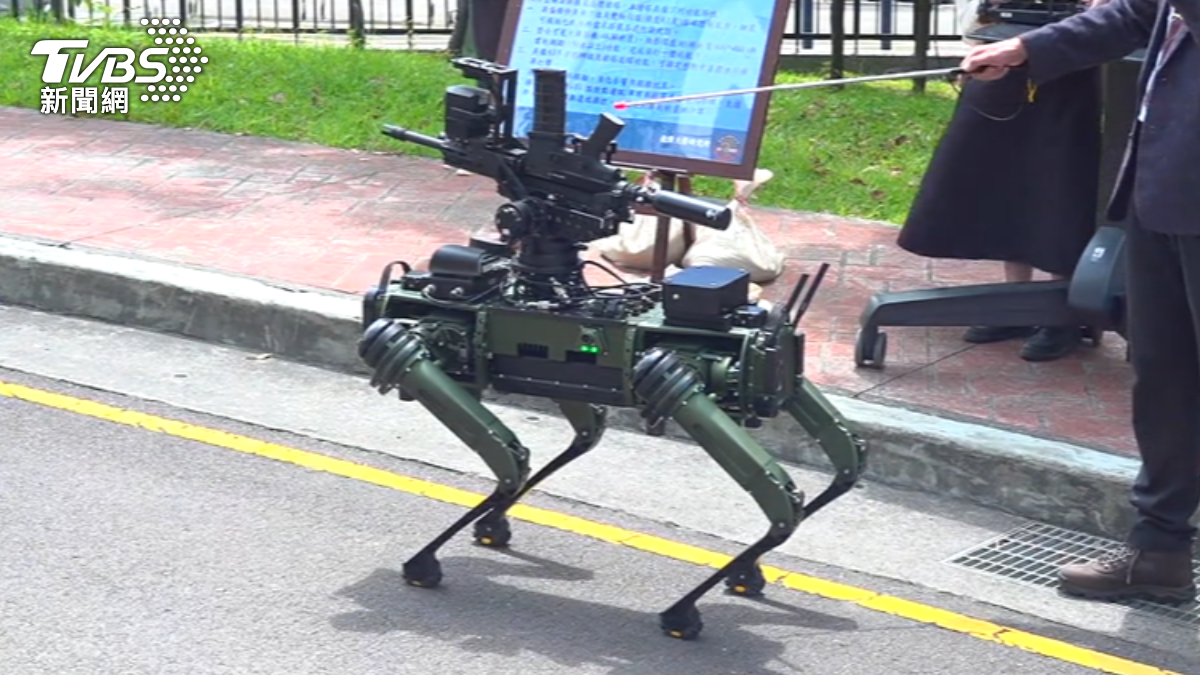
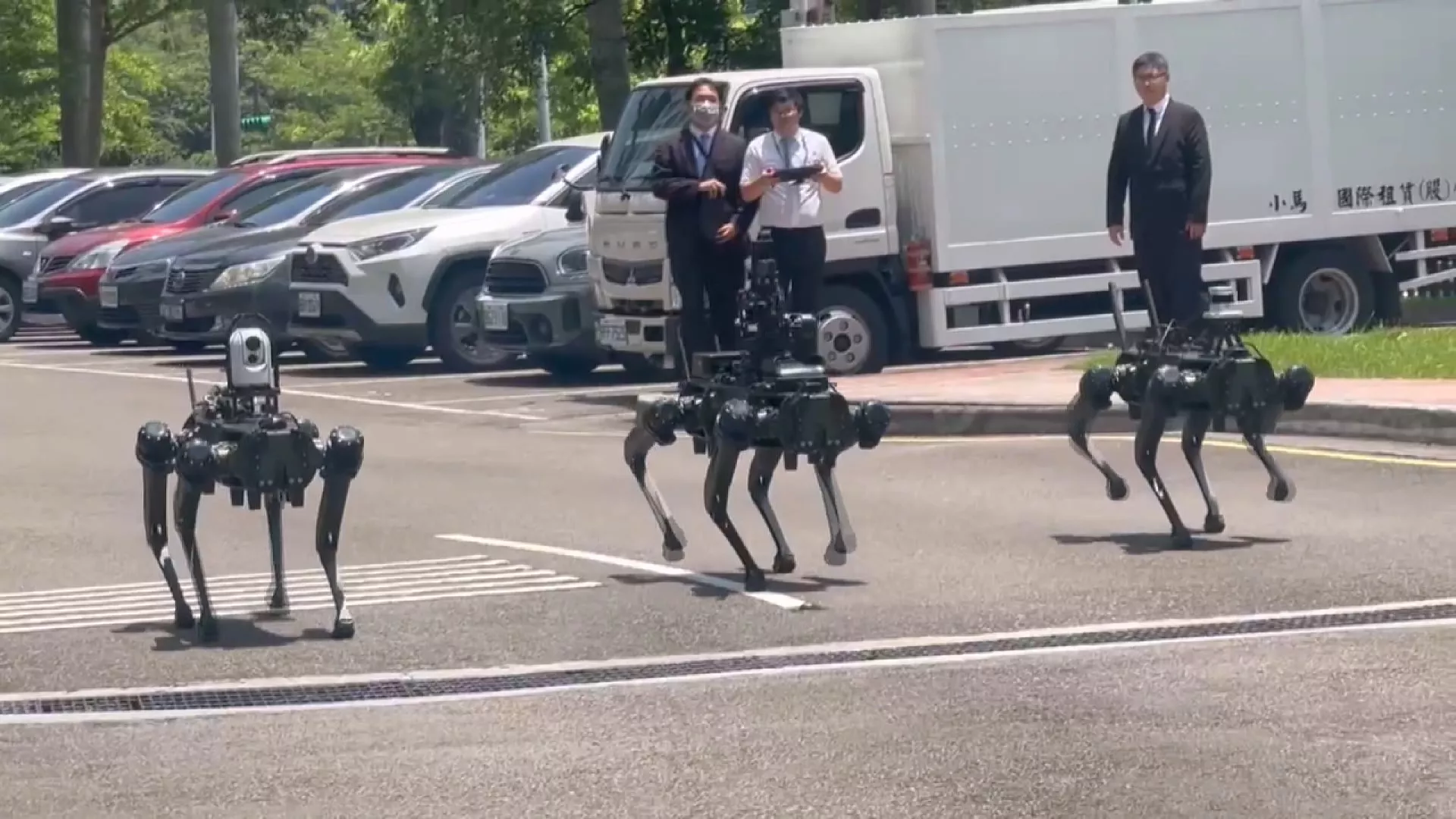
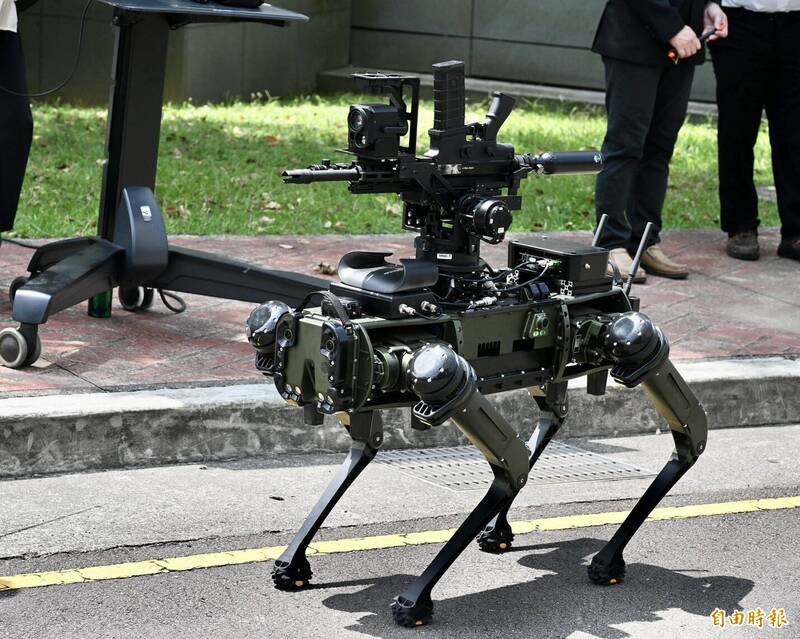
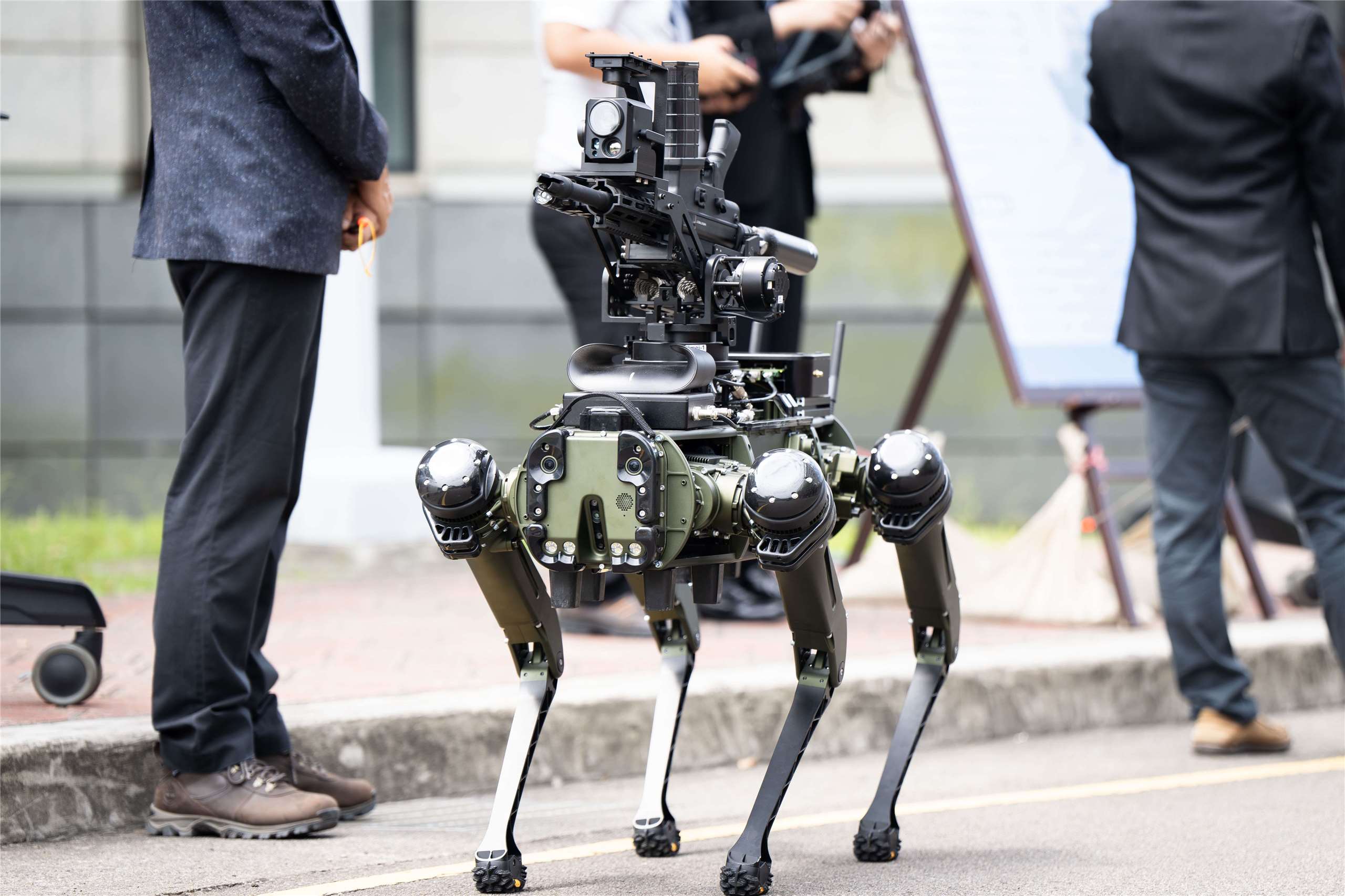
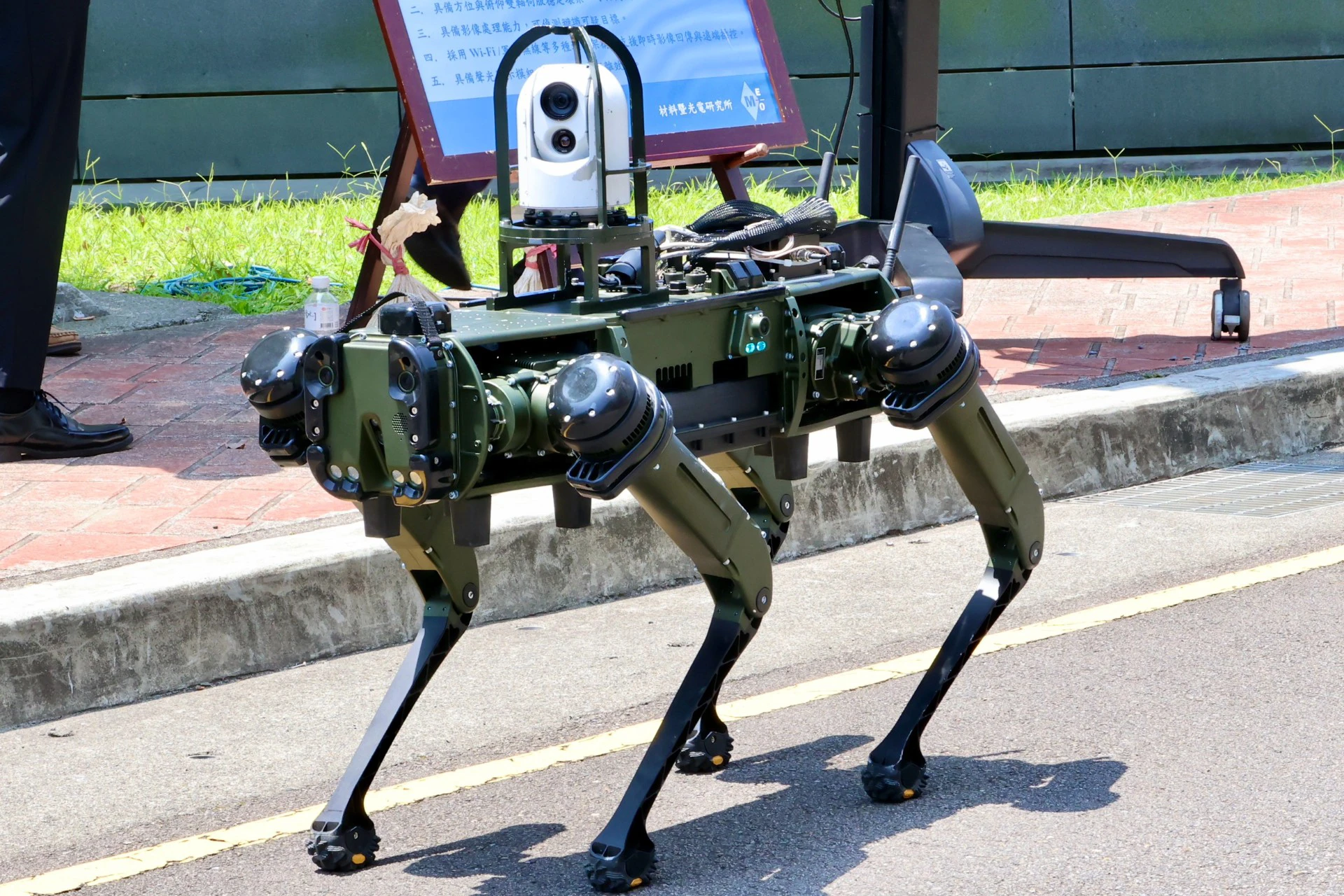
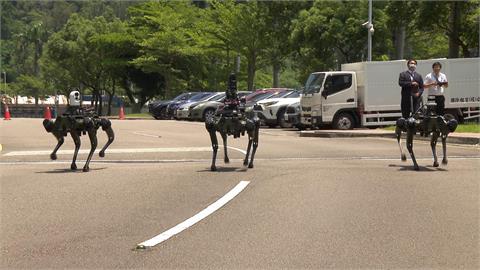
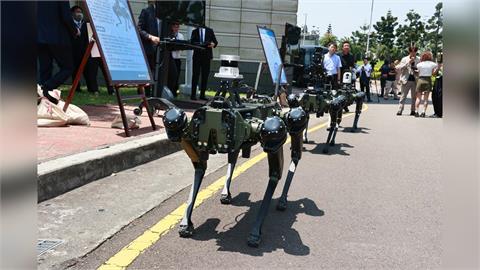
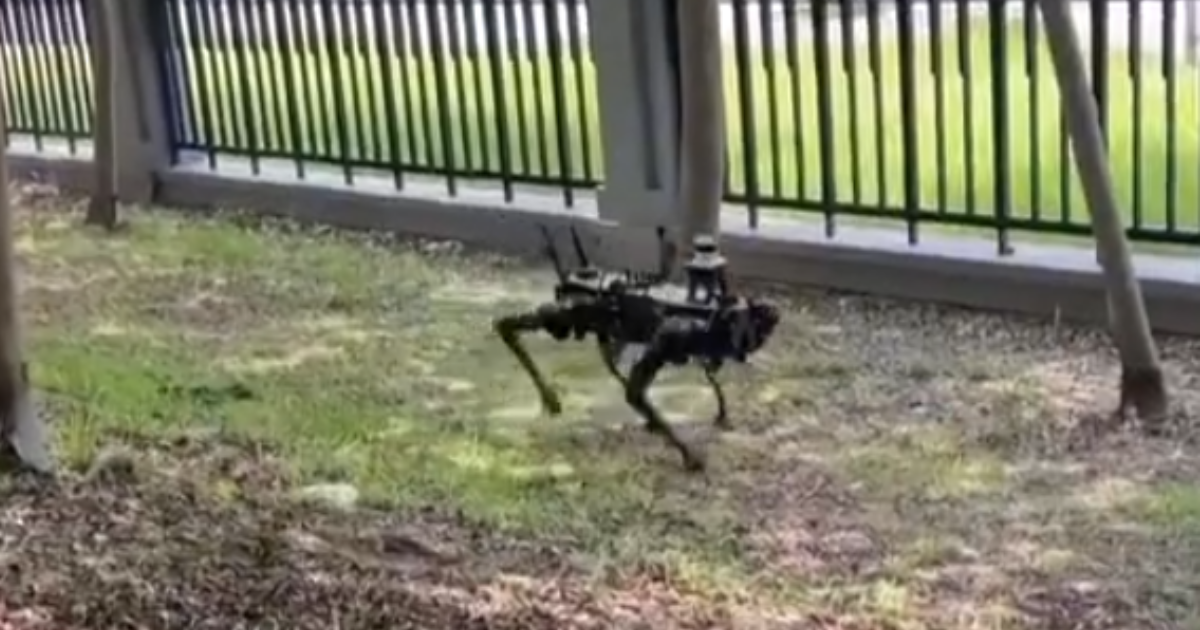
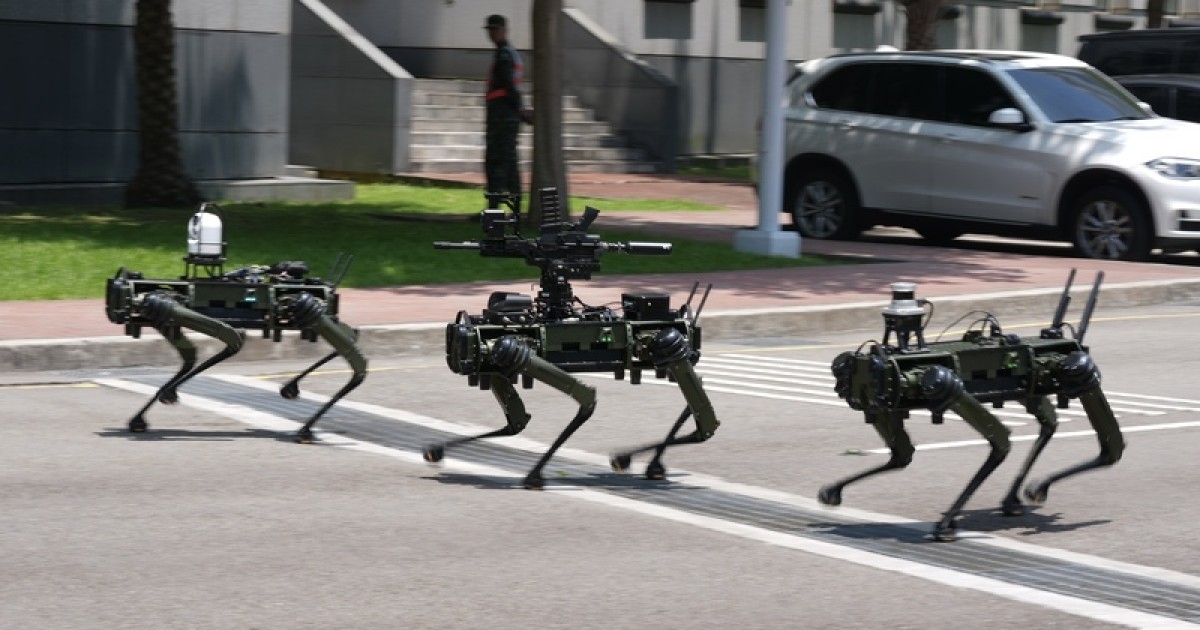
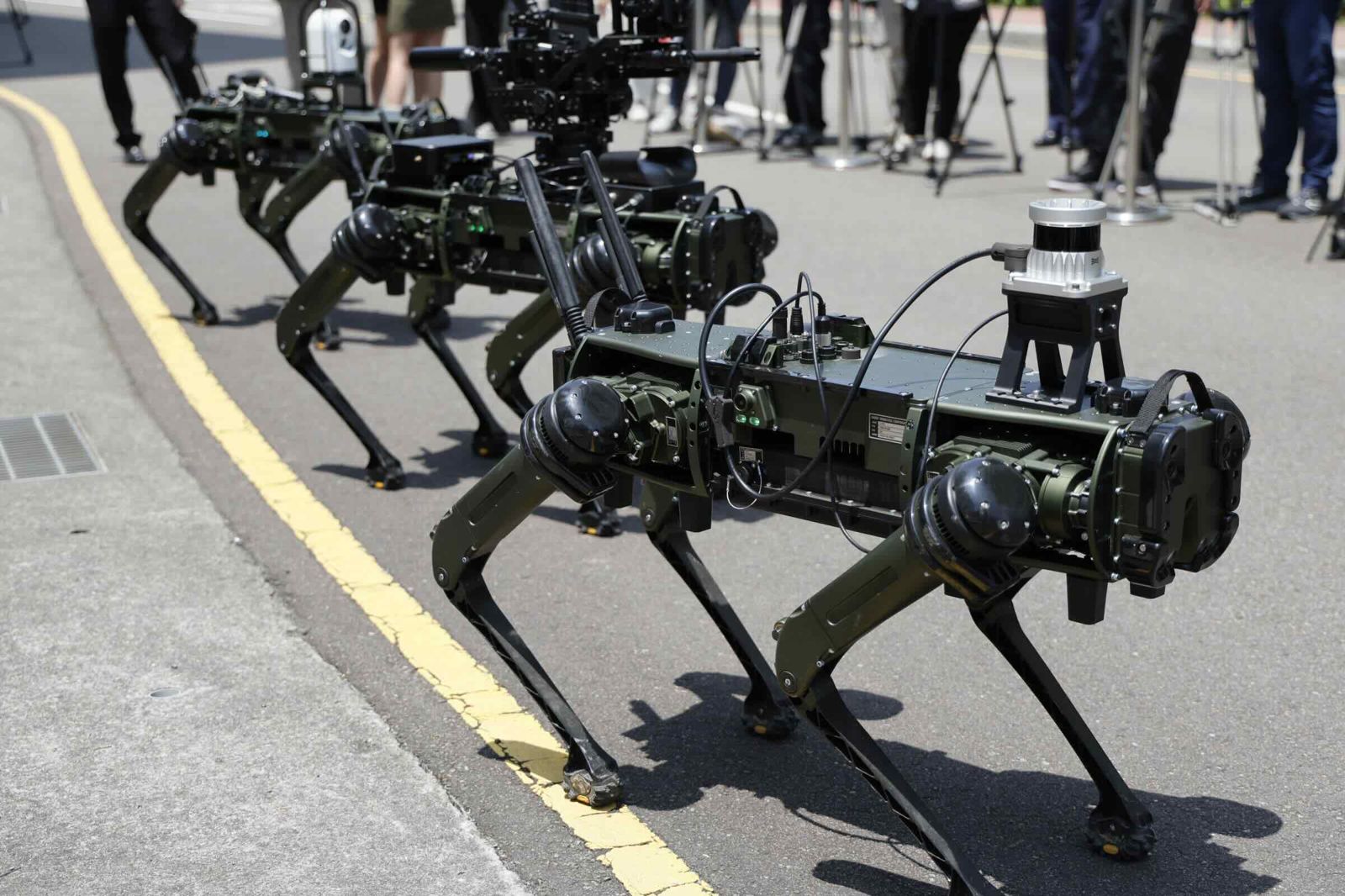
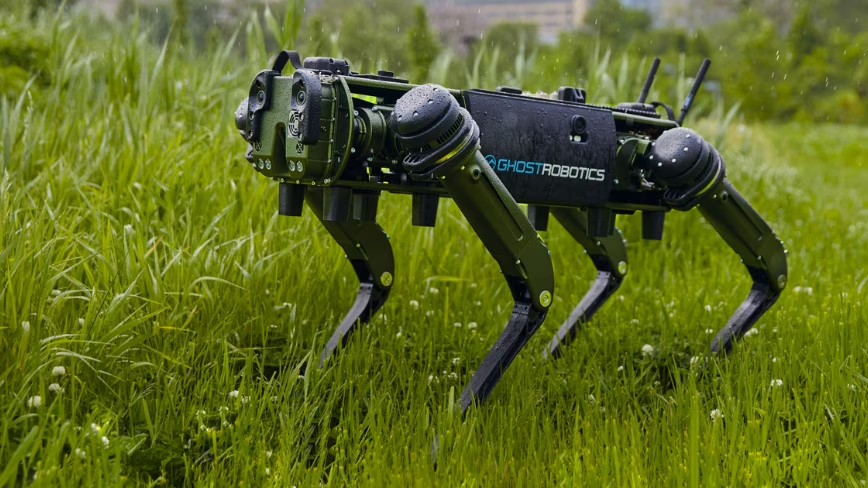
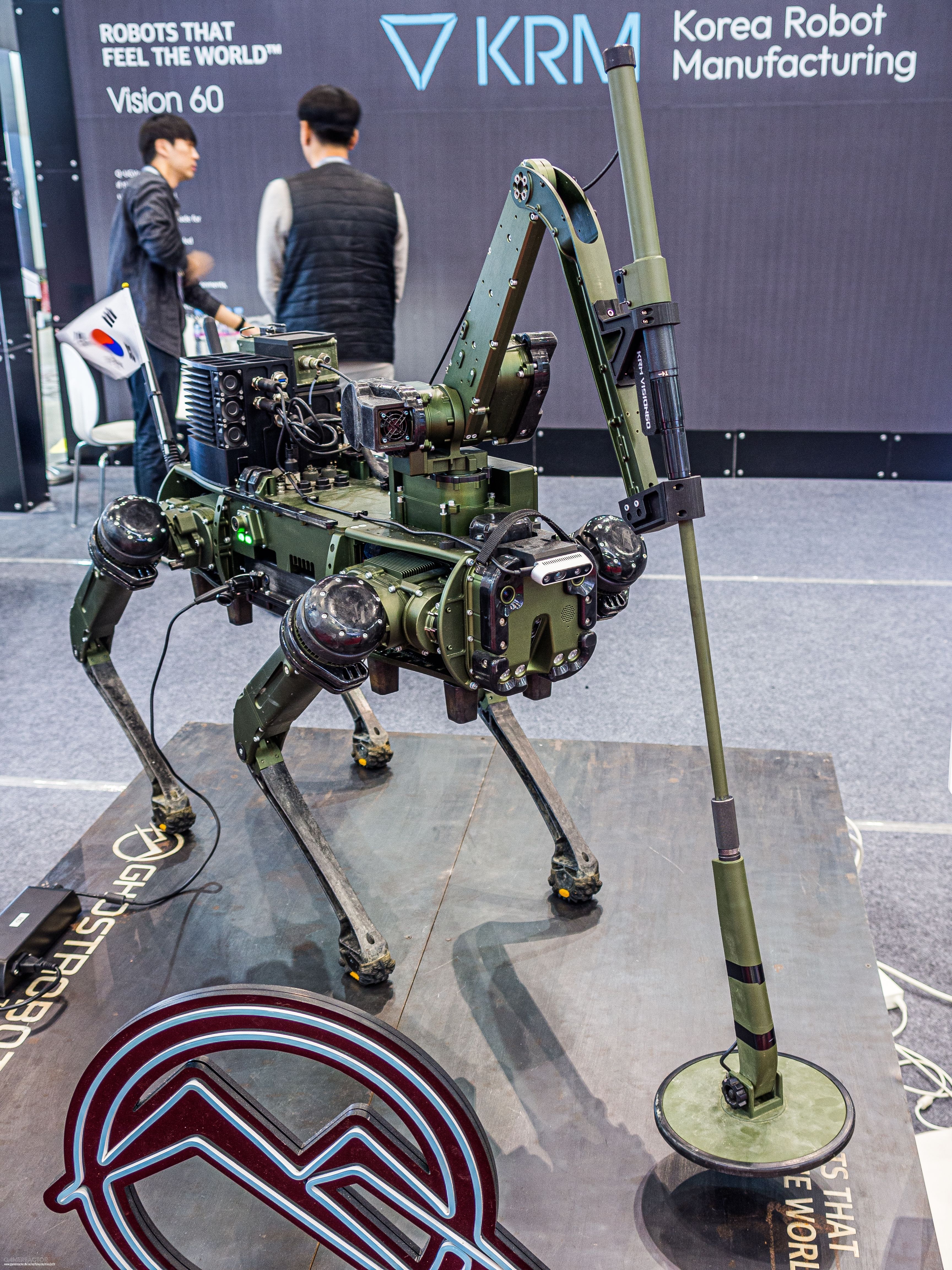
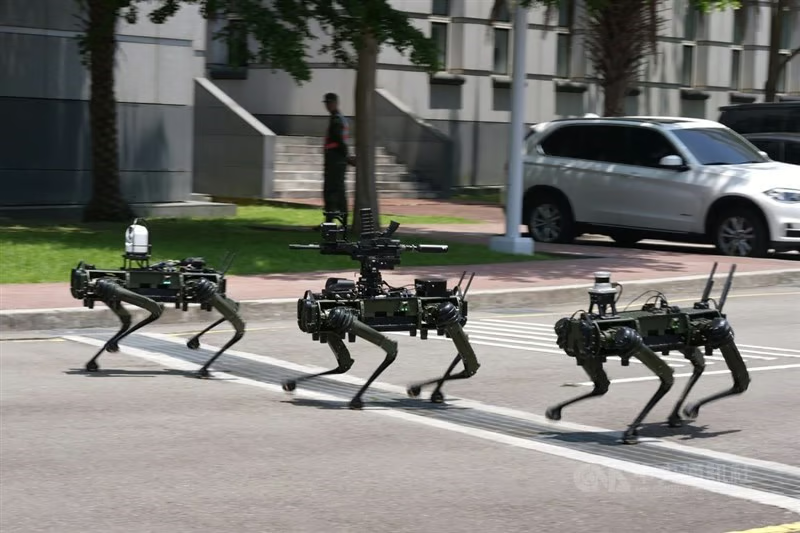
Taiwan's National Chung-Shan Institute of Science and Technology (NCSIST) showcased three AI-enabled military robot dogs capable of autonomous patrol, reconnaissance, and remote-controlled firepower. Developed on Ghost Robotics platforms, these robots are intended for frontline and high-risk military tasks, raising concerns about future risks of AI-driven harm in conflict scenarios.[AI generated]

Why's our monitor labelling this an incident or hazard?

The event involves AI systems (autonomous quadruped robots with AI for navigation and reconnaissance) developed and demonstrated for military use. While no harm or incident is reported, the deployment of such AI-enabled military robots carries credible risks of future harm, including injury, disruption, or violations of rights in conflict contexts. Therefore, this event fits the definition of an AI Hazard, as it plausibly could lead to AI Incidents in the future. It is not an AI Incident because no harm has yet occurred, nor is it merely Complementary Information or Unrelated, since the focus is on the AI system's development and potential military impact.[AI generated]
AI principles
SafetyAccountability

Industries
Government, security, and defenceRobots, sensors, and IT hardware

Affected stakeholders
General public

Harm types
Physical (injury)Physical (death)

Severity
AI hazard

Business function:
Research and development

AI system task:
Recognition/object detectionGoal-driven organisation


Articles about this incident or hazard

Thumbnail Image

建立非紅供應鏈!中科院推「機器狗」 完整性能全面曝光

2026-06-02
Yahoo News (Taiwan)
Why's our monitor labelling this an incident or hazard?
The event involves AI systems (autonomous quadruped robots with AI for navigation and reconnaissance) developed and demonstrated for military use. While no harm or incident is reported, the deployment of such AI-enabled military robots carries credible risks of future harm, including injury, disruption, or violations of rights in conflict contexts. Therefore, this event fits the definition of an AI Hazard, as it plausibly could lead to AI Incidents in the future. It is not an AI Incident because no harm has yet occurred, nor is it merely Complementary Information or Unrelated, since the focus is on the AI system's development and potential military impact.
Thumbnail Image

中科院機器狗亮相 偵打一體快速部署

2026-06-02
Yahoo News (Taiwan)
Why's our monitor labelling this an incident or hazard?
The article explicitly mentions AI-related technologies such as autonomous navigation, sensing, and target recognition integrated into robotic dogs, including a firepower-capable variant with remote-controlled weaponry. Although no actual harm or incident is reported, the nature of these AI systems and their intended military use plausibly could lead to harms such as injury, violation of human rights, or escalation of conflict. The event concerns the development and demonstration of these systems, indicating a credible risk of future harm, fitting the definition of an AI Hazard rather than an Incident or Complementary Information. It is not unrelated because AI systems are central to the event.
Thumbnail Image

國軍作戰新樣貌! 中科院研發偵蒐、火力、光達機器狗

2026-06-02
Yahoo News (Taiwan)
Why's our monitor labelling this an incident or hazard?
The robotic dogs described are AI systems due to their autonomous navigation, environment sensing, target recognition, and decision-making capabilities. Their development and intended use in military operations with weaponized functions present a plausible risk of harm to people and communities, including injury or death, making this an AI Hazard. Since the article does not report any actual harm or incidents caused by these systems yet, but focuses on their development and testing with potential future harm, the event is best classified as an AI Hazard.
Thumbnail Image

中科院「軍用機器狗」首曝光!具偵打一體能力

2026-06-02
Yahoo News (Taiwan)
Why's our monitor labelling this an incident or hazard?
The event involves the development and unveiling of AI-enabled military robot dogs equipped with autonomous reconnaissance and attack functions, including remote-controlled firearms. The AI systems' use in military and law enforcement scenarios could plausibly lead to injury, harm to persons, or violations of human rights. Since no actual harm or incident is reported, but the potential for significant harm is credible and inherent in the system's design and intended use, this qualifies as an AI Hazard rather than an AI Incident. The article does not focus on responses, updates, or broader ecosystem context, so it is not Complementary Information. It is clearly related to AI systems and their potential impacts, so it is not Unrelated.
Thumbnail Image

分析》機器狗亮相!台灣拚非紅供應鏈 對決中國「機器狼群」仍有三大挑戰(影)

2026-06-02
Yahoo News (Taiwan)
Why's our monitor labelling this an incident or hazard?
The event involves AI systems integrated into military robots, which are being developed and tested but have not yet been deployed in combat or caused any harm. The article focuses on the current state, strategic considerations, and future challenges of these AI-enabled systems, without describing any realized injury, rights violations, or other harms. Therefore, it represents a credible potential risk (hazard) of AI systems leading to harm in the future, especially given the military context and autonomous capabilities, but no incident has occurred yet.
Thumbnail Image

中科院首度曝光三型機器狗!台美合作新指標:「這些單位」已經表達需求

2026-06-02
Yahoo News (Taiwan)
Why's our monitor labelling this an incident or hazard?
The event involves AI systems (robotic dogs with AI-enabled sensing and remote weapon control) under development and planned for military use. While no harm has yet occurred, the deployment of armed autonomous or semi-autonomous robots poses a credible risk of injury, violation of rights, or harm to communities if misused or malfunctioning. Therefore, this situation fits the definition of an AI Hazard, as the AI systems' use could plausibly lead to an AI Incident in the future. It is not an AI Incident because no harm has been reported yet, nor is it merely Complementary Information or Unrelated, as the article focuses on the AI systems and their potential impact.
Thumbnail Image

中科院軍規機器狗 AI偵察、火力支援全包辦

2026-06-02
Yahoo News (Taiwan)
Why's our monitor labelling this an incident or hazard?
The event involves AI systems explicitly described as performing autonomous reconnaissance, obstacle avoidance, target identification, and fire support in military robotic dogs. The AI's use in armed robots capable of lethal force introduces a credible risk of harm to human life and communities. Since no actual harm or incident is reported, but the potential for harm is clear and plausible, this qualifies as an AI Hazard rather than an AI Incident. The article focuses on the development and demonstration of these systems, highlighting their intended military applications and potential to reduce soldier casualties, but also implying future risks inherent in armed autonomous systems.
Thumbnail Image

中科院機器狗亮相 偵打一體快速部署

2026-06-02
Yahoo News (Taiwan)
Why's our monitor labelling this an incident or hazard?
The article explicitly describes AI systems integrated into robotic dogs with autonomous and semi-autonomous capabilities for reconnaissance and armed support, including remote-controlled gun turrets. These systems involve AI in perception, navigation, target tracking, and decision support. The potential for these systems to cause injury, violate human rights, or harm communities is significant given their military application and armament. Since no actual harm or incident is reported, but the systems' deployment could plausibly lead to AI Incidents, this fits the definition of an AI Hazard. The article does not focus on responses, mitigation, or societal reactions, so it is not Complementary Information. It is not unrelated as it clearly involves AI systems with potential for harm.
Thumbnail Image

中科院首度展示三型軍規機器狗 曝海陸、陸軍、海巡有需求

2026-06-02
Yahoo News (Taiwan)
Why's our monitor labelling this an incident or hazard?
The robotic dogs described are AI systems as they perform autonomous or semi-autonomous navigation and reconnaissance tasks, integrating AI modules like sensors and fire control. Their development and intended military use imply a plausible risk of harm, including injury or harm to persons (soldiers or civilians), disruption of critical infrastructure, or harm to communities, especially given the integration of weapon systems. Although no actual harm is reported yet, the article highlights the potential deployment of armed AI-enabled robots in military operations, which could plausibly lead to AI incidents. Therefore, this event qualifies as an AI Hazard due to the credible risk of future harm from the use of these AI-enabled military robots.
Thumbnail Image

3型戰鬥機器狗 能偵會打首亮相

2026-06-02
大紀元時報 - 台灣(The Epoch Times - Taiwan)
Why's our monitor labelling this an incident or hazard?
The robot dogs described clearly incorporate AI systems for autonomous control, sensing, and decision-making. Their deployment in military contexts with capabilities for reconnaissance and armed engagement implies a significant potential for harm, including injury or harm to persons and disruption of security environments. Although the article does not report any actual harm occurring yet, the development and deployment of armed autonomous robot dogs constitute a plausible risk of future harm, including injury or violation of human rights. Therefore, this event qualifies as an AI Hazard due to the credible potential for harm arising from the use of these AI-enabled military systems.
Thumbnail Image

中科院曝光3型軍規機器狗 可執行偵蒐警巡高風險任務

2026-06-02
Yahoo News (Taiwan)
Why's our monitor labelling this an incident or hazard?
The article explicitly mentions AI-enabled robotic dogs with autonomous sensing, navigation, and target recognition capabilities, including a weaponized variant. While no harm has yet occurred, the deployment of AI systems in armed robots capable of high-risk military and law enforcement tasks inherently carries credible risks of injury, misuse, or escalation of conflict. The article focuses on the demonstration and potential applications rather than any realized harm, fitting the definition of an AI Hazard rather than an AI Incident or Complementary Information. The AI system's role is pivotal in enabling these capabilities and the associated plausible future harms.
Thumbnail Image

中科院秀機器狗 偵蒐巡檢可開槍

2026-06-02
Yahoo News (Taiwan)
Why's our monitor labelling this an incident or hazard?
The robotic dog platform integrates AI systems for autonomous reconnaissance, target identification, and remote-controlled weapon operation. While no actual harm has been reported yet, the article clearly indicates the system's potential for use in military and security operations involving armed force. This represents a plausible future risk of AI-related harm such as injury or violation of rights. Therefore, this event qualifies as an AI Hazard due to the credible potential for harm from the AI system's intended use and capabilities, even though it is still under development and not yet operational.
Thumbnail Image

中科院秀Ghost機器狗整合進度 AI巡檢偵查、火力追蹤鎖定全包辦

2026-06-02
Yahoo News (Taiwan)
Why's our monitor labelling this an incident or hazard?
The article explicitly involves AI systems integrated into robotic dogs with autonomous navigation, target recognition, and fire control capabilities. The AI's role in multi-target identification and precision strike functions indicates a direct link to potential harm if deployed in military operations. Since the article focuses on development progress and potential military deployment without reporting actual harm or incidents, it fits the definition of an AI Hazard. The plausible future harm includes injury or death from autonomous or semi-autonomous weaponized AI systems. Therefore, the event is best classified as an AI Hazard rather than an AI Incident or Complementary Information.
Thumbnail Image

(影) 中科院機器狗曝光:軍方有需求、未來不排除納漢光演習

2026-06-02
Yahoo News (Taiwan)
Why's our monitor labelling this an incident or hazard?
The robotic dog is an AI system designed for military use, including reconnaissance and firepower support. Although the article does not report any actual harm or incidents caused by the system, the military application and potential weaponization imply a credible risk of future harm. Therefore, this event qualifies as an AI Hazard due to the plausible future risks associated with the development and deployment of AI-enabled autonomous military robots.
Thumbnail Image

大連化工(1766)靠「神反應」獲利增2倍!美伊衝突賺足機會財,林顯東卻示警:中國煉化一體,日後台廠更難生存

2026-06-03
Yahoo News (Taiwan)
Why's our monitor labelling this an incident or hazard?
The presence of an AI system is clear from the description of the AI-powered robot dog performing autonomous inspection tasks using AI vision recognition. However, the article does not report any injury, rights violation, disruption, or other harm caused by the AI system, nor does it suggest any plausible future harm. The AI system is used as a tool to enhance operational efficiency and decision-making, which aligns with the definition of Complementary Information. The article mainly focuses on the company's AI adoption and strategic business insights rather than any incident or hazard involving AI-related harm.
Thumbnail Image

中科院秀機器狗性能!結合美軍規平台 自主開發偵蒐、光達、火力酬載

2026-06-02
Yahoo News (Taiwan)
Why's our monitor labelling this an incident or hazard?
The event involves AI systems explicitly: autonomous navigation, AI-based sensing, target recognition, and integration with remote-controlled weaponry on quadruped robots. The use of AI in military robots with firepower capabilities presents a credible risk of harm (injury, human rights violations) if deployed or misused. Since the article reports a demonstration and development progress without any realized harm or incident, it does not meet the criteria for an AI Incident. Instead, it fits the definition of an AI Hazard, as the AI system's development and intended use could plausibly lead to significant harms in the future.
Thumbnail Image

台灣戰鬥犬首次曝光 中科院展示三款台美「混血」機器狗

2026-06-02
Yahoo News (Taiwan)
Why's our monitor labelling this an incident or hazard?
The event involves AI systems explicitly: autonomous quadruped robots with AI capabilities for navigation, sensing, reconnaissance, and remote-controlled firepower. The article does not report any realized harm or incident but discusses the intended military use and future deployment scenarios that could plausibly lead to harm, such as armed operations and security enforcement. The development and production of such AI-enabled military robots with firepower and autonomous features constitute a credible risk of future harm, fitting the definition of an AI Hazard. There is no indication of an actual incident or harm yet, nor is the article primarily about governance or societal responses, so it is not Complementary Information. It is not unrelated as it clearly involves AI systems with potential for harm.
Thumbnail Image

中科院展示機器狗多樣酬載 全天候投入灘岸、營區巡檢等任務

2026-06-02
UDN
Why's our monitor labelling this an incident or hazard?
The article explicitly mentions AI and autonomous control technologies integrated into quadruped robots used for reconnaissance, patrol, and armed support tasks. Although no incident of harm is reported, the deployment of armed autonomous robots and surveillance systems in military contexts inherently carries plausible risks of injury, misuse, or escalation of conflict. The event focuses on the demonstration and potential operational use of these AI systems, indicating a credible future risk rather than a realized harm. Hence, it fits the definition of an AI Hazard rather than an AI Incident or Complementary Information.
Thumbnail Image

中科院軍規機器狗首曝光!AI巡檢偵察、火力支援高風險任務全包辦

2026-06-02
NOWnews 今日新聞
Why's our monitor labelling this an incident or hazard?
The event involves AI systems explicitly described as enabling autonomous reconnaissance, patrol, and firepower support in military robotic dogs. Although no harm has yet occurred, the use of AI in armed autonomous robots for military purposes inherently carries significant risks of injury, human rights violations, and other harms. The article focuses on the development and demonstration of these systems, highlighting their capabilities and intended use in high-risk tasks. This fits the definition of an AI Hazard, as the AI system's use could plausibly lead to an AI Incident in the future. There is no indication of realized harm or incident, so it is not an AI Incident. It is not merely complementary information or unrelated, as the AI system and its potential risks are central to the report.
Thumbnail Image

中科院機器狗 巡檢偵察、火力追蹤鎖定全包了

2026-06-02
Liberty Times Net
Why's our monitor labelling this an incident or hazard?
The robotic dogs described are AI systems with autonomous capabilities and AI-driven firepower targeting. Their development and intended use in military operations involving autonomous reconnaissance and precision firepower pose plausible risks of harm, including injury or harm to persons and disruption related to military conflict. Although no specific harm is reported as having occurred yet, the nature and intended use of these AI systems imply a credible risk of future harm. Therefore, this event qualifies as an AI Hazard due to the plausible future harm from the deployment and use of these AI-enabled robotic dogs in military contexts.
Thumbnail Image

中科院秀Ghost機器狗整合進度 AI巡檢偵查、火力追蹤鎖定全包辦

2026-06-02
自由時報
Why's our monitor labelling this an incident or hazard?
The event involves the use and development of AI systems integrated into autonomous robot dogs for military purposes, including reconnaissance and firepower targeting. While the article describes the capabilities and demonstration of these AI-enabled systems, it does not report any realized harm or incidents resulting from their use. However, given the military nature and potential for these AI systems to be used in armed operations, there is a plausible risk that their deployment could lead to harm in the future. Therefore, this event qualifies as an AI Hazard due to the credible potential for harm stemming from the AI system's use in military autonomous systems.
Thumbnail Image

中科院曝光3型軍規機器狗 可執行偵蒐警巡高風險任務

2026-06-02
Central News Agency
Why's our monitor labelling this an incident or hazard?
The event involves AI systems integrated into military robotic platforms designed for high-risk and armed operations. While the article does not report any actual harm or incident resulting from their use, the capabilities and intended applications (e.g., armed patrol, reconnaissance in conflict zones) plausibly could lead to injury, violation of rights, or other harms. The development and demonstration of such AI-enabled military robots thus represent a credible potential for harm, fitting the definition of an AI Hazard rather than an Incident or Complementary Information.
Thumbnail Image

《國際政治》台南海巡邏利器 機器狗可望出列

2026-06-02
工商時報
Why's our monitor labelling this an incident or hazard?
The robotic patrol dogs described are AI systems due to their autonomous patrol and surveillance functions. Although no harm or incident has yet occurred, the article highlights their potential deployment in a geopolitically sensitive area with ongoing territorial disputes, which plausibly could lead to incidents causing injury, conflict escalation, or other harms. Since the military has not yet formally deployed these systems, and no harm has materialized, the event does not meet the criteria for an AI Incident. Instead, it represents a credible risk of future harm from the development and intended use of AI-enabled autonomous military systems, fitting the definition of an AI Hazard.
Thumbnail Image

台灣戰鬥犬首次曝光

2026-06-02
RFI
Why's our monitor labelling this an incident or hazard?
The event involves AI systems integrated into military robots designed for reconnaissance and firepower support, indicating AI system involvement. There is no indication that these systems have yet caused harm or incidents; rather, the article focuses on their development and potential military use. Given the nature of autonomous or AI-assisted weaponized robots, their deployment could plausibly lead to injury, disruption, or other harms in conflict situations. Hence, the event fits the definition of an AI Hazard, as it plausibly could lead to an AI Incident in the future, but no realized harm is reported yet.
Thumbnail Image

台湾战斗犬首次曝光

2026-06-02
RFI
Why's our monitor labelling this an incident or hazard?
The article explicitly mentions AI-upgraded military robots equipped with sensors and firepower, indicating AI system involvement in their operation. The event concerns the development and potential future use of these systems by military forces, which could plausibly lead to harms such as injury to persons or escalation of conflict. Since no actual harm or incident has been reported yet, but the potential for harm is credible and significant, this qualifies as an AI Hazard under the framework. The event is not merely a product announcement but highlights the military application and potential risks, fitting the definition of an AI Hazard.
Thumbnail Image

台湾机器狗未来或在南中国海部署

2026-06-02
早报
Why's our monitor labelling this an incident or hazard?
The article explicitly mentions AI integration in the robotic dogs for autonomous target tracking and reconnaissance, indicating the presence of AI systems. The event concerns the use and potential deployment of these AI systems in military operations in a disputed region, which could plausibly lead to harm such as injury, escalation of conflict, or other military-related harms. Since no actual harm has been reported yet, but the potential for harm is credible and significant, this qualifies as an AI Hazard rather than an AI Incident.
Thumbnail Image

3型機械狗曝光 中科院:有效降低人員暴露危險之中 | 美國 | 國防部 | AI | 大紀元

2026-06-02
The Epoch Times
Why's our monitor labelling this an incident or hazard?
The article explicitly mentions AI-enabled robotic dogs with autonomous capabilities and remote-controlled weapon systems designed for military and security operations. These systems' deployment inherently involves risks of injury or harm to people, fulfilling the criteria for an AI Incident due to the direct involvement of AI in potentially harmful military applications. The AI systems' use in reconnaissance, patrol, and armed support roles means their operation has already or will directly impact human safety and security, constituting realized or imminent harm. Hence, this qualifies as an AI Incident rather than a hazard or complementary information.
Thumbnail Image

3型机械狗曝光 中科院:有效降低人员暴露危险之中 | 美国 | 国防部 | AI | 大纪元

2026-06-02
The Epoch Times
Why's our monitor labelling this an incident or hazard?
The article explicitly mentions AI-enabled robotic dogs with autonomous and remote-controlled capabilities designed for military and security applications, including armed versions. The AI systems are involved in their development and intended use. No actual harm or incident is reported, but the deployment of armed autonomous or semi-autonomous robots in conflict or policing contexts inherently carries a credible risk of injury, violation of human rights, and harm to communities. This fits the definition of an AI Hazard, as the event plausibly could lead to an AI Incident. There is no indication of realized harm or incident yet, so it is not an AI Incident. The article is not merely complementary information or unrelated, as it focuses on the development and intended use of these AI systems with potential for harm.
Thumbnail Image

(影) 中科院機器狗曝光:軍方有需求、未來不排除納漢光演習

2026-06-02
新頭殼 Newtalk
Why's our monitor labelling this an incident or hazard?
The event involves an AI system explicitly described as a robotic dog equipped with AI modules and sensor systems, designed for military use including reconnaissance and firepower. Although no harm has yet occurred, the article discusses its potential future deployment in military exercises and combat scenarios, which could plausibly lead to injury or harm to persons. The development and potential operational use of such AI-enabled autonomous or semi-autonomous weapon systems align with the definition of an AI Hazard, as they could plausibly lead to an AI Incident in the future. There is no indication that harm has already occurred, so it is not an AI Incident. The article is not merely complementary information or unrelated, as it focuses on the development and potential military application of an AI system with credible future risks.
Thumbnail Image

分析》機器狗亮相!台灣拚非紅供應鏈 對決中國「機器狼群」仍有三大挑戰(影)

2026-06-02
新頭殼 Newtalk
Why's our monitor labelling this an incident or hazard?
The event involves AI systems (military quadruped robots with AI sensing and control capabilities) in their development and testing stages. However, the article does not report any realized harm, injury, rights violations, or operational incidents caused by these AI systems. Instead, it discusses ongoing development, strategic challenges, and future deployment plans. Therefore, the event does not meet the criteria for an AI Incident or AI Hazard. It is best classified as Complementary Information because it provides contextual and developmental updates about AI systems in the military domain, enhancing understanding of the AI ecosystem and its potential future implications without reporting actual or imminent harm.
Thumbnail Image

影/從偵察到火力支援 國軍機器狗展現未來作戰新樣貌

2026-06-02
聯合影音
Why's our monitor labelling this an incident or hazard?
The described military robot dogs clearly involve AI systems performing autonomous or semi-autonomous tasks such as navigation, target recognition, and fire support. While the article does not report any actual harm or incidents resulting from their use, the nature of these AI systems and their intended military applications imply a credible risk of future harm. Therefore, this event fits the definition of an AI Hazard, as the development and deployment of such AI-enabled military robots could plausibly lead to AI Incidents involving injury, rights violations, or other harms.
Thumbnail Image

超狂新戰力!中科院3款「機器狗」來了 不只偵蒐警巡還能開槍│TVBS新聞網

2026-06-02
TVBS
Why's our monitor labelling this an incident or hazard?
The event involves AI systems explicitly: robotic dogs with AI-enabled perception, navigation, and remote weapon control. The use of AI in weaponized robots capable of firing remotely is a significant development with plausible risks of harm, including injury or death in military contexts. Since the article discusses the development and potential deployment of these systems without reporting actual harm or incidents, it fits the definition of an AI Hazard. The AI system's development and intended use could plausibly lead to harm (injury or death in conflict), fulfilling the criteria for an AI Hazard. It is not an AI Incident because no harm has yet occurred, nor is it merely complementary information or unrelated news.
Thumbnail Image

影音/美軍現役機器狗來台落地!中科院整合「3類型」打造非紅供應鏈│TVBS新聞網

2026-06-02
TVBS
Why's our monitor labelling this an incident or hazard?
The article explicitly mentions AI-related modules (environmental perception, autonomous navigation, AI computer modules) integrated into military ground robots capable of carrying weapons. Although no actual harm or incident is reported, the nature of the system and its military use imply a credible risk of harm in the future. The development and local production of such AI-enabled armed robots constitute a plausible hazard under the OECD framework, as they could lead to injury, disruption, or other significant harms if deployed in conflict. Hence, the event is best classified as an AI Hazard rather than an Incident or Complementary Information.
Thumbnail Image

中科院研發3款機器狗亮相 可全天候執行偵蒐、打擊任務 | 公視新聞網 PNN

2026-06-02
公共電視
Why's our monitor labelling this an incident or hazard?
The event involves AI systems explicitly described as autonomous robotic dogs with AI-based sensing, recognition, and targeting capabilities integrated with weapon systems. Their use in military and security operations implies a credible risk of causing injury, human rights violations, or other harms if deployed or malfunctioning. Since no actual harm or incident is reported, but the potential for harm is clear and plausible, the event fits the definition of an AI Hazard rather than an AI Incident. It is not merely complementary information or unrelated, as the AI systems and their potential for harm are central to the report.
Thumbnail Image

中科院秀Ghost機器狗整合進度 AI巡檢偵查、火力追蹤鎖定全包辦

2026-06-02
def.ltn.com.tw
Why's our monitor labelling this an incident or hazard?
The article explicitly mentions AI systems integrated into robotic dogs capable of autonomous or semi-autonomous reconnaissance, target tracking, and precision firepower. The use of AI for multi-target recognition and autonomous operations in a military context implies a credible risk of harm to persons and communities if deployed. Since the article focuses on development and demonstration without reporting actual harm or incidents, it fits the definition of an AI Hazard. The potential for these AI-enabled weaponized robots to cause injury or death is a plausible future harm, meeting the criteria for an AI Hazard rather than an AI Incident or Complementary Information.
Thumbnail Image

中科院曝光3型軍規機器狗 可執行偵蒐警巡高風險任務 - 政治新聞 - PChome Online 新聞

2026-06-02
PChome Online 新聞
Why's our monitor labelling this an incident or hazard?
The event involves AI systems explicitly: autonomous quadruped robots with advanced sensing, navigation, and decision-making capabilities. Their use in high-risk military and policing tasks, including armed versions, implies a credible risk of causing injury or harm to people and potential human rights violations. Since the article does not report any actual harm or incident but focuses on the demonstration and intended applications, it does not meet the threshold for an AI Incident. However, the clear potential for future harm from these AI-enabled military robots justifies classification as an AI Hazard.
Thumbnail Image

中科院展示3款軍規機器狗 可巡檢偵搜及執行高風險任務

2026-06-02
Radio Taiwan International
Why's our monitor labelling this an incident or hazard?
The event involves AI systems explicitly described as autonomous or semi-autonomous robotic dogs with sensing, reconnaissance, and weaponized capabilities. Although no harm has yet occurred, the intended use in high-risk military operations and the integration of remote-controlled weaponry create a credible risk of injury or other harms. The article focuses on the development and potential deployment of these AI-enabled systems, which could plausibly lead to AI Incidents in the future. Hence, it fits the definition of an AI Hazard rather than an Incident or Complementary Information.
Thumbnail Image

中科院「3型機器狗」首度亮相 最長續航10小時、擴大軍警應用

2026-06-02
upmedia.mg
Why's our monitor labelling this an incident or hazard?
The event involves AI systems as the robotic dogs perform autonomous navigation, sensing, and target recognition tasks indicative of AI. Their use in military and police operations, especially the firepower-capable variant, implies a plausible risk of causing harm (injury, property damage, or violations of rights) if deployed. Since no harm has yet occurred but the potential for significant harm is credible, this qualifies as an AI Hazard rather than an AI Incident. The article does not focus on responses or updates to prior incidents, so it is not Complementary Information, nor is it unrelated to AI.
Thumbnail Image

中科院機器狗亮相 打造非紅供應鏈「在台生產」 - 綜合 - 華視新聞網

2026-06-02
華視新聞網
Why's our monitor labelling this an incident or hazard?
The robotic dogs described are AI systems as they perform autonomous navigation, obstacle avoidance, target identification, and integration with other unmanned systems for complex military tasks. Their use in military operations with firepower capabilities implies a credible risk of harm to persons and communities, fulfilling the criteria for potential harm. Since the article does not report any actual harm or incident caused by these systems yet, but discusses their capabilities and intended deployment, it fits the definition of an AI Hazard. The event is not merely general AI news or product launch without risk, nor is it a follow-up or governance response, so it is not Complementary Information or Unrelated.
Thumbnail Image

中科院秀肌肉!首度公開三款軍規四足機器狗 | 中華日報|中華新聞雲

2026-06-02
中華新聞雲 / China Daily News
Why's our monitor labelling this an incident or hazard?
The event involves the development and intended use of AI-enabled military quadruped robots with autonomous reconnaissance and remote-controlled weapon capabilities. While no incident of harm is reported, the nature of these systems and their deployment in high-risk military scenarios plausibly could lead to injury, disruption, or rights violations. Therefore, this event fits the definition of an AI Hazard, as it plausibly could lead to an AI Incident involving harm to persons or communities in the future.
Thumbnail Image

城鎮作戰無人載具戰力+1! 中科院研發機器狗 打造非紅供應鏈 - 民視新聞網

2026-06-02
民視新聞網
Why's our monitor labelling this an incident or hazard?
The event involves AI systems explicitly described as having autonomous navigation, environment sensing, and AI multi-target recognition for precise strikes, which fits the definition of an AI system. The article does not report any realized harm or incidents caused by these systems but highlights their intended military use and potential to reduce human risk. Given the nature of these AI-enabled robotic dogs and their weaponization potential, there is a plausible risk that their use could lead to injury or harm in the future. Hence, the event is best classified as an AI Hazard rather than an AI Incident or Complementary Information.
Thumbnail Image

中科院「3型機器狗」首度亮相 最長續航10小時、擴大軍警應用 | LIFE生活網

2026-06-02
LIFE 生活網
Why's our monitor labelling this an incident or hazard?
The robotic dogs described are AI systems with autonomous movement, environment perception, target detection, and fire support capabilities. Their development and demonstration for military and police use imply potential future deployment in high-risk scenarios. Although no incident of harm is reported, the nature of these AI systems and their intended applications plausibly could lead to injury, human rights violations, or other significant harms. The article focuses on the capabilities and future plans rather than any realized harm, fitting the definition of an AI Hazard rather than an AI Incident or Complementary Information.
Thumbnail Image

中科院「軍用機器狗」首曝光!具偵打一體能力 | LIFE生活網

2026-06-02
LIFE 生活網
Why's our monitor labelling this an incident or hazard?
The event involves AI systems explicitly described as autonomous or semi-autonomous military robots with integrated AI technologies for sensing, decision-making, and weapon control. Their intended use in reconnaissance and armed attack roles directly relates to potential harm to persons and military operations. Since the article does not describe any actual harm occurring yet but highlights the deployment and capabilities of these systems, it fits the definition of an AI Hazard, reflecting a credible risk of future AI-related harm in military contexts.
Thumbnail Image

中科院曝光3型军规机器狗 可执行侦搜警巡高风险任务 | 中國報 China Press

2026-06-02
中國報 China Press
Why's our monitor labelling this an incident or hazard?
The article explicitly mentions AI-enabled robotic dogs designed for military applications, including reconnaissance and armed patrols, which involve AI systems for autonomous or semi-autonomous operation. While no harm has yet occurred, the deployment of such systems in high-risk military contexts plausibly could lead to injury, disruption, or other harms. The event concerns the development and demonstration of these systems, not an actual incident or harm. Hence, it fits the definition of an AI Hazard rather than an AI Incident or Complementary Information.
Thumbnail Image

快新聞/建立非紅供應鏈!中科院推「機器狗」 完整性能全面曝光 - 民視新聞網

2026-06-02
民視新聞網
Why's our monitor labelling this an incident or hazard?
The event involves AI systems explicitly (autonomous quadruped robots with AI for navigation and mission execution). There is no indication that any harm has yet occurred due to their use, so it is not an AI Incident. However, the article discusses their intended military use and capabilities, which could plausibly lead to harm in the future (e.g., in combat or security operations). Therefore, this qualifies as an AI Hazard, reflecting the credible potential for harm stemming from the development and deployment of these AI-enabled military robots.
Thumbnail Image

Taiwan Tests Robot Dogs That Could Soon Guard South China Sea Islands

2026-06-02
NDTV
Why's our monitor labelling this an incident or hazard?
The article explicitly mentions AI-enabled robot dogs developed for military reconnaissance, surveillance, and armed roles, indicating the presence of AI systems. Although no incident or harm has occurred yet, the potential use of armed autonomous or semi-autonomous robots in a contested maritime region poses a plausible risk of harm, including injury or escalation of conflict. The event is about the demonstration and potential future deployment, not about an actual harm event, so it does not qualify as an AI Incident. It is not merely complementary information because the focus is on the potential for harm from these AI systems. Hence, the classification as an AI Hazard is appropriate.
Thumbnail Image

Robot patrol dogs could be coming to Taiwan's South China Sea islands

2026-06-02
Reuters
Why's our monitor labelling this an incident or hazard?
The robot patrol dogs are AI systems as they perform autonomous or semi-autonomous reconnaissance, surveillance, and armed patrol tasks. The event involves the development and potential use of these AI systems by the military in a contested area. Although no direct harm or incident has occurred yet, the presence and possible deployment of armed AI robots in a disputed maritime region could plausibly lead to injury, conflict escalation, or other harms. Hence, this situation fits the definition of an AI Hazard rather than an AI Incident or Complementary Information. It is not unrelated because the AI system and its potential impacts are central to the event.
Thumbnail Image

AI Robot Dogs Are Becoming A Serious Tool For Surveillance

2026-06-02
TimesNow
Why's our monitor labelling this an incident or hazard?
The event involves AI systems (robot patrol dogs with autonomous capabilities) developed and intended for military use, which can plausibly lead to harms such as disruption of critical infrastructure or escalation of conflict. No actual harm or incident is reported yet, so it is not an AI Incident. The focus is on the development and potential deployment of these AI systems, which fits the definition of an AI Hazard. It is not merely complementary information or unrelated, as the AI system's potential for harm is central to the report.
Thumbnail Image

Robot patrol dogs could be coming to Taiwan's South China Sea islands

2026-06-02
The Jerusalem Post
Why's our monitor labelling this an incident or hazard?
The robot patrol dogs are AI systems as they are autonomous or semi-autonomous four-legged robots equipped with surveillance and firepower functions. The event involves the development and potential future use of these AI systems in a militarized and disputed area, which could plausibly lead to harm such as injury, escalation of conflict, or other military incidents. Since no harm has yet occurred and the robots have not been formally deployed, the event does not qualify as an AI Incident. It is not merely complementary information because the focus is on the demonstration and potential military use of AI-enabled armed robots, which presents a credible risk of future harm. Therefore, the classification is AI Hazard.
Thumbnail Image

Robot patrol dogs could be coming to Taiwan's South China Sea islands

2026-06-02
ThePrint
Why's our monitor labelling this an incident or hazard?
The robot dogs are AI systems with autonomous capabilities for reconnaissance and armed patrols. Their intended use in a militarized and disputed region implies a credible risk of future harm, such as escalation of conflict or unintended engagements. Since no harm has yet occurred but the potential for significant harm is clear and plausible, this event qualifies as an AI Hazard rather than an AI Incident or Complementary Information.
Thumbnail Image

Robot patrol dogs could be coming to Taiwan's South China Sea islands

2026-06-02
Free Malaysia Today
Why's our monitor labelling this an incident or hazard?
The robot patrol dogs are AI systems intended for military use, including armed versions, in a disputed and sensitive region. Although no incident or harm has been reported yet, the introduction and potential deployment of such AI-enabled autonomous or semi-autonomous weapons systems in a contested area plausibly could lead to harm such as injury, escalation of conflict, or violations of rights. This fits the definition of an AI Hazard, as the event describes a circumstance where AI system use could plausibly lead to an AI Incident in the future.
Thumbnail Image

Robot patrol dogs could be coming to Taiwans South China Sea islands - The Tribune

2026-06-02
The Tribune
Why's our monitor labelling this an incident or hazard?
The robot patrol dogs are AI systems designed for autonomous or semi-autonomous military tasks, including armed patrols. Their development and potential deployment in a disputed and militarized region could plausibly lead to harm such as injury, escalation of conflict, or violations of rights. Since no harm has yet occurred and no formal deployment has taken place, this event does not meet the criteria for an AI Incident. It is not merely complementary information because the focus is on the demonstration and potential use of these AI-enabled armed robots, which carry credible risks. Therefore, the event is best classified as an AI Hazard.
Thumbnail Image

AsiaOne

2026-06-02
AsiaOne
Why's our monitor labelling this an incident or hazard?
The robot patrol dogs are AI systems as they perform autonomous or semi-autonomous tasks such as reconnaissance, surveillance, and potentially firing weapons. The event involves the development and demonstration of these AI-enabled military robots, with the potential for future use in a disputed and tense region. Although no direct harm has occurred yet, the deployment of armed AI robots in such a context could plausibly lead to injury, escalation of conflict, or other harms, fitting the definition of an AI Hazard. There is no indication that harm has already occurred, so it is not an AI Incident. The event is not merely complementary information or unrelated, as it involves the development and potential use of AI systems with significant risk implications.
Thumbnail Image

Taiwan shows off robot patrol dogs that could guard its South China Sea islands

2026-06-02
The Next Web
Why's our monitor labelling this an incident or hazard?
The event involves AI systems (robotic quadrupeds with autonomous capabilities) developed and demonstrated for military use, including an armed variant. While no harm or incident has yet occurred, the potential for these systems to be deployed in contested areas with armed capabilities presents a credible risk of future harm, such as injury, escalation of conflict, or violations of rights. Since the robots are not yet deployed and no harm has materialized, this qualifies as an AI Hazard rather than an AI Incident. The article does not focus on responses, updates, or governance measures, so it is not Complementary Information. It is not unrelated as it clearly involves AI systems with potential military harm implications.
Thumbnail Image

Patrol robot dogs equipped with machine guns could soon be deployed in Taiwan

2026-06-02
GameReactor
Why's our monitor labelling this an incident or hazard?
The robotic patrol dogs are AI systems designed for military use, including armed configurations. Their development and potential deployment in a tense geopolitical context could plausibly lead to harm such as injury or escalation of conflict. Since no harm has yet occurred but the risk is credible and significant, this event qualifies as an AI Hazard rather than an AI Incident. The article does not describe any realized harm or incident but highlights the potential for future harm from these AI-enabled armed robots.
Thumbnail Image

Taiwan Showcases Armed 'Robot Dogs' for South China Sea Patrols

2026-06-02
eWEEK
Why's our monitor labelling this an incident or hazard?
The robotic quadrupeds are AI systems due to their autonomous capabilities in reconnaissance, surveillance, and carrying weapons for firepower support. The event involves the development and intended use of these AI systems in a military context with potential for harm. Since the robots are prototypes and have not yet been deployed or caused harm, the event does not qualify as an AI Incident. However, the plausible future use of armed autonomous robots in a tense geopolitical environment presents credible risks of injury, conflict escalation, or other harms, fitting the definition of an AI Hazard. The article focuses on the demonstration and potential future deployment, not on actual harm or incidents, so it is not Complementary Information. It is clearly related to AI systems and their potential impacts, so it is not Unrelated.