AI-Enabled Sea Drone Swarms and Robotic Vehicles Deployed in Ukraine's Defense

Thumbnail Image

The information displayed in the AIM should not be reported as representing the official views of the OECD or of its member countries.

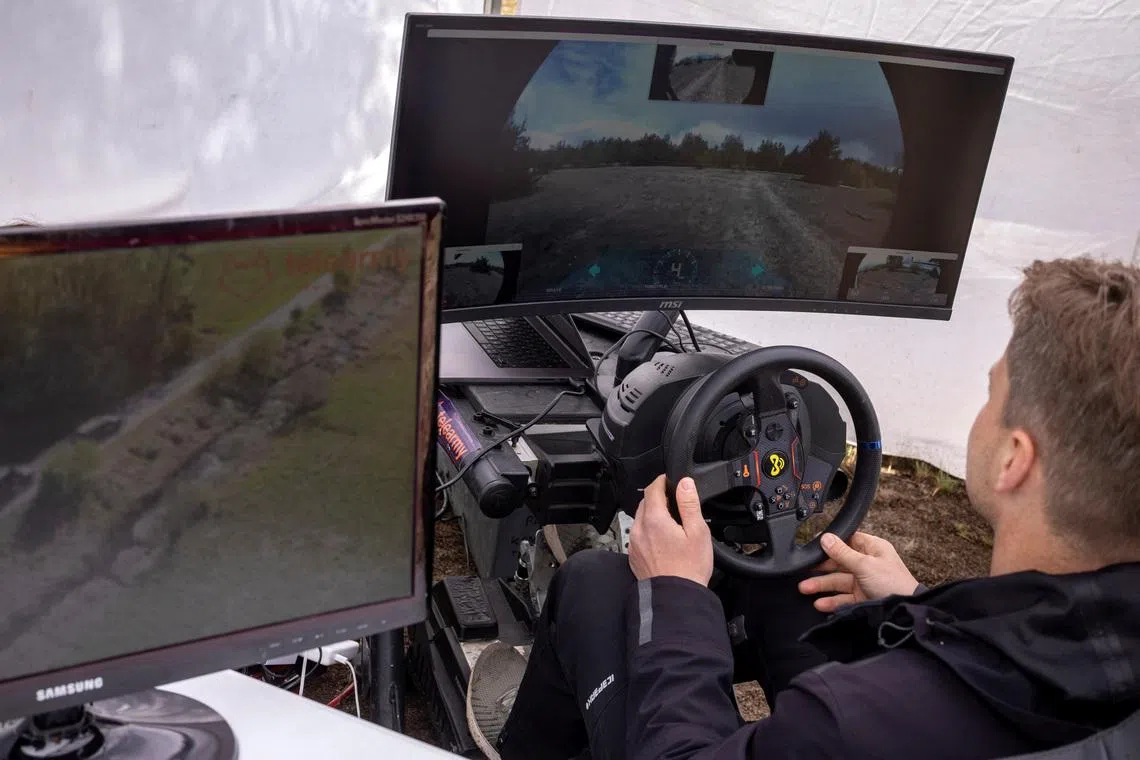
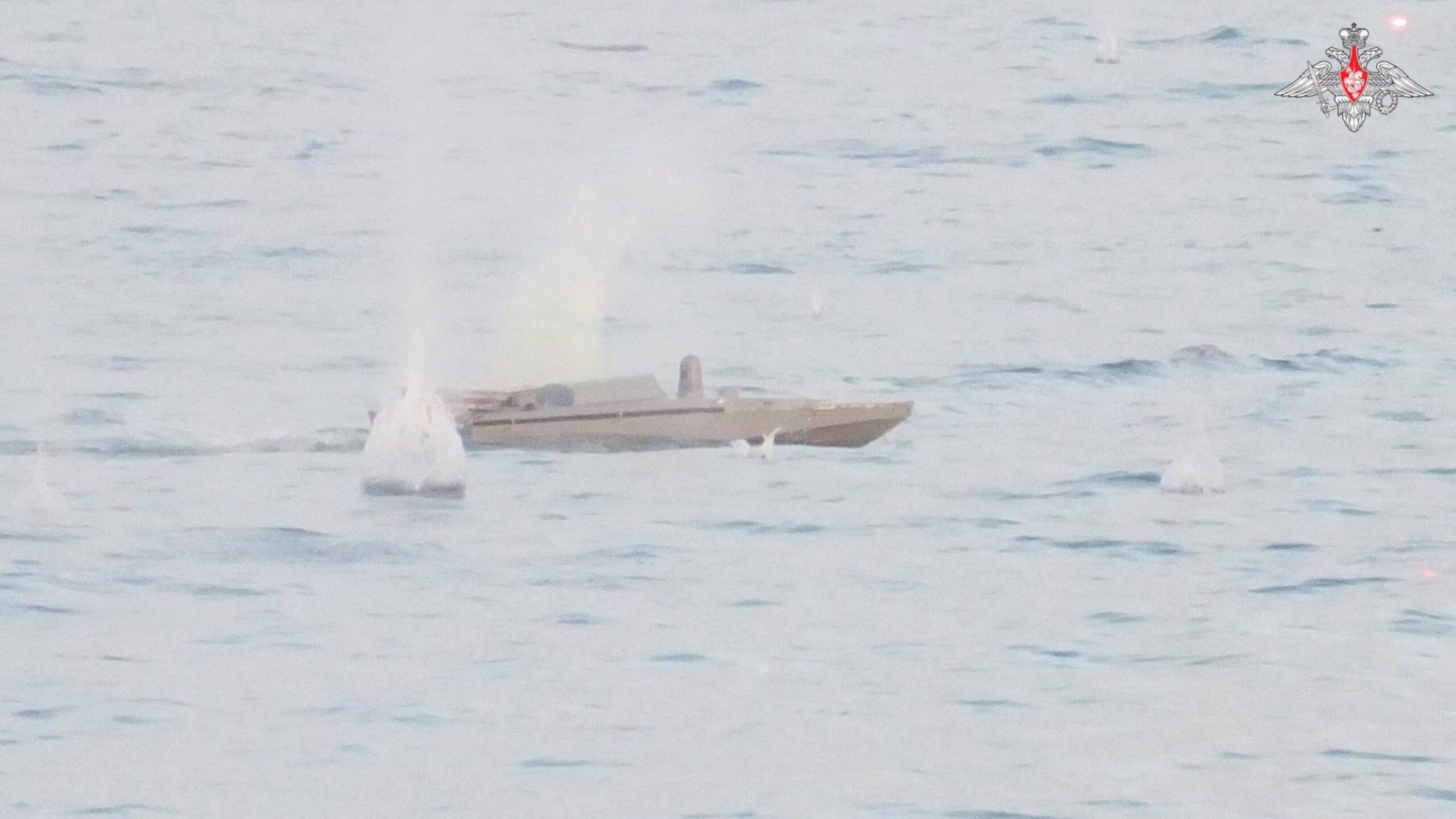
Ukrainian defense units, supported by startups like BlueShadow, are deploying AI-powered autonomous sea drone swarms and robotic vehicles to protect against Russian attacks, particularly near Odesa. These AI systems, armed with missiles and interceptor drones, are part of a broader effort to enhance military capabilities using advanced autonomous technologies.[AI generated]

Why's our monitor labelling this an incident or hazard?

The article explicitly mentions autonomous naval vessels controlled as swarms, armed with missiles and interceptor drones, and remote-controlled vehicles operating on the frontline. These are AI systems used in military defense, which by their nature involve harm to persons and property in warfare. The systems are already deployed or in development for deployment, indicating realized or imminent harm. Hence, this qualifies as an AI Incident due to the direct involvement of AI systems in causing or enabling harm in an armed conflict.[AI generated]
AI principles
Respect of human rightsAccountability

Industries
Government, security, and defenceRobots, sensors, and IT hardware

Affected stakeholders
Government

Harm types
Physical (death)

Severity
AI incident

Business function:
Other

AI system task:
Recognition/object detectionGoal-driven organisation


Articles about this incident or hazard

Thumbnail Image

Startups shore up Ukraine's defences with sea drone swarms and robot trucks

2026-06-02
Reuters
Why's our monitor labelling this an incident or hazard?
The article explicitly mentions autonomous naval vessels controlled as swarms, armed with missiles and interceptor drones, and remote-controlled vehicles operating on the frontline. These are AI systems used in military defense, which by their nature involve harm to persons and property in warfare. The systems are already deployed or in development for deployment, indicating realized or imminent harm. Hence, this qualifies as an AI Incident due to the direct involvement of AI systems in causing or enabling harm in an armed conflict.
Thumbnail Image

Startups Shore up Ukraine's Defences With Sea Drone Swarms and Robot Trucks

2026-06-02
U.S. News & World Report
Why's our monitor labelling this an incident or hazard?
The article explicitly mentions AI-enabled autonomous naval vessels and remote-controlled vehicles used in military defense, indicating the presence of AI systems. While these systems are actively deployed, the article does not describe any direct or indirect harm caused by their malfunction or misuse. Instead, it highlights their role in ongoing military operations and the potential for these AI systems to influence conflict outcomes. Given the inherent risks of AI-enabled autonomous weapons and remote systems in warfare, there is a credible potential for harm, making this an AI Hazard. It is not Complementary Information because the focus is not on responses or updates to past incidents, nor is it Unrelated as AI systems are central to the narrative.
Thumbnail Image

Startups shore up Ukraine's defences with sea drone swarms and robot trucks - CNBC TV18

2026-06-02
cnbctv18.com
Why's our monitor labelling this an incident or hazard?
The article explicitly mentions autonomous naval vessels forming protective barriers and remote-controlled vehicles operating on the frontline, both involving AI systems. These systems are actively used in military operations, which inherently involve harm to persons and property. The AI systems' deployment in defense against attacks constitutes direct involvement in causing harm, qualifying this as an AI Incident. Although the article focuses on the startups and investment ecosystem, the core subject is the use of AI systems in active conflict causing harm, not just potential or future harm or complementary information.
Thumbnail Image

Startups shore up Ukraine's defences with sea drone swarms and robot trucks

2026-06-02
The Straits Times
Why's our monitor labelling this an incident or hazard?
The article explicitly mentions autonomous naval vessels forming protective barriers and remote-controlled vehicles operating on the frontline, both involving AI systems for autonomous or remote operation. These systems are used in an active war zone, implying direct involvement in military actions that cause harm. The AI systems' use in warfare inherently involves injury or harm to persons and disruption of critical infrastructure, meeting the criteria for an AI Incident. Although the article focuses on the startups and their technology development, the deployment and operational use of these AI systems in conflict constitute realized harm rather than just potential harm or complementary information.
Thumbnail Image

Startups shore up Ukraine's defences with sea drone swarms and robot trucks

2026-06-02
ThePrint
Why's our monitor labelling this an incident or hazard?
The article clearly involves AI systems in the form of autonomous or remotely controlled drones and robotic vehicles used in military operations. These systems are actively deployed in a war zone, which inherently involves significant risks of harm to people and communities. Although the article does not describe a specific AI-related harm event (incident), the deployment of such AI-enabled weapon systems plausibly leads to injury, disruption, and other harms associated with warfare. This fits the definition of an AI Hazard, as the AI systems' use could plausibly lead to AI Incidents (harm). The article focuses on the development and deployment ecosystem rather than a realized harm event, so it is not an AI Incident or Complementary Information. It is not unrelated because AI systems are central to the described technologies.
Thumbnail Image

Startups Shore Up Ukraine's Defenses With Sea Drone Swarms and Robot Trucks

2026-06-02
gCaptain
Why's our monitor labelling this an incident or hazard?
The article clearly involves AI systems (autonomous naval vessels, remote-controlled vehicles) used in military defense. While these systems are intended for combat and thus inherently linked to harm in warfare, the article does not describe a specific event where the AI system caused unintended harm or malfunctioned. Instead, it reports on the development, deployment, and investment in these AI-enabled defense technologies. Therefore, this is not an AI Incident (no realized harm from AI malfunction or misuse) nor an AI Hazard (no specific plausible future harm beyond the inherent military use). It is best classified as Complementary Information, providing context on AI system deployment and ecosystem development in a conflict setting.
Thumbnail Image

Startups shore up Ukraine's defences with sea drone swarms and ro

2026-06-02
Global Banking & Finance Review
Why's our monitor labelling this an incident or hazard?
The described autonomous sea drone swarms and remote-controlled vehicles are AI systems used in military defense, directly involved in conflict where harm to persons and property is a likely and intended outcome. The article details their development, deployment, and operational use, which constitutes direct involvement of AI systems in causing harm in a military context. Therefore, this qualifies as an AI Incident due to the direct link between AI system use and harm in an armed conflict environment.