UN Warns of AI's Looming Environmental Impact

Thumbnail Image

The information displayed in the AIM should not be reported as representing the official views of the OECD or of its member countries.

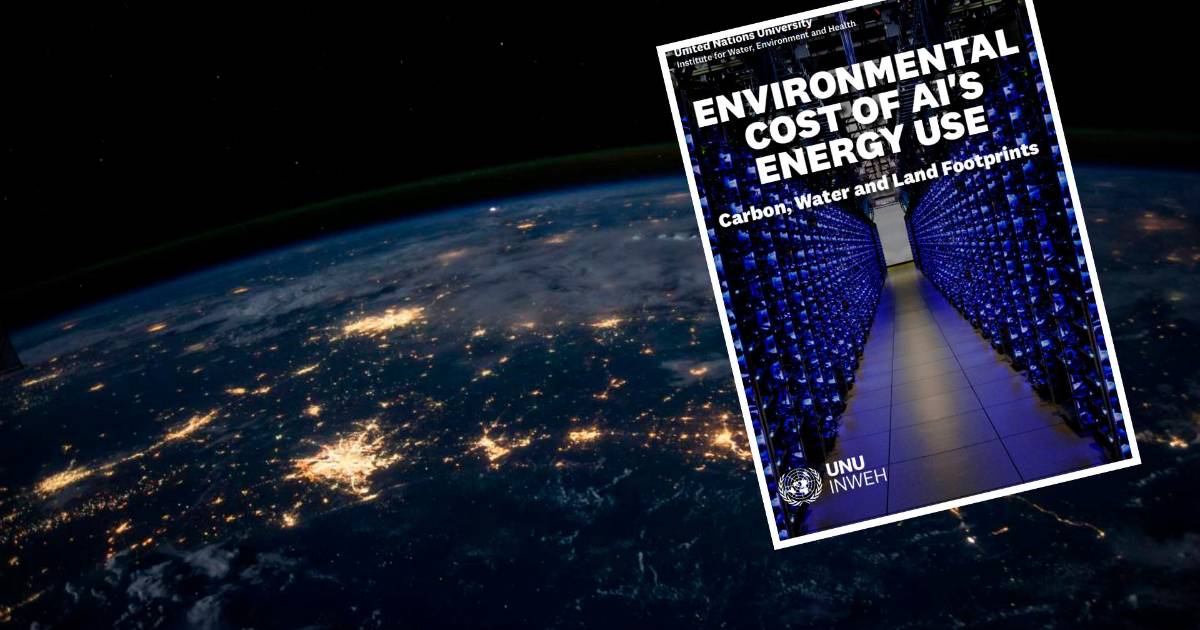
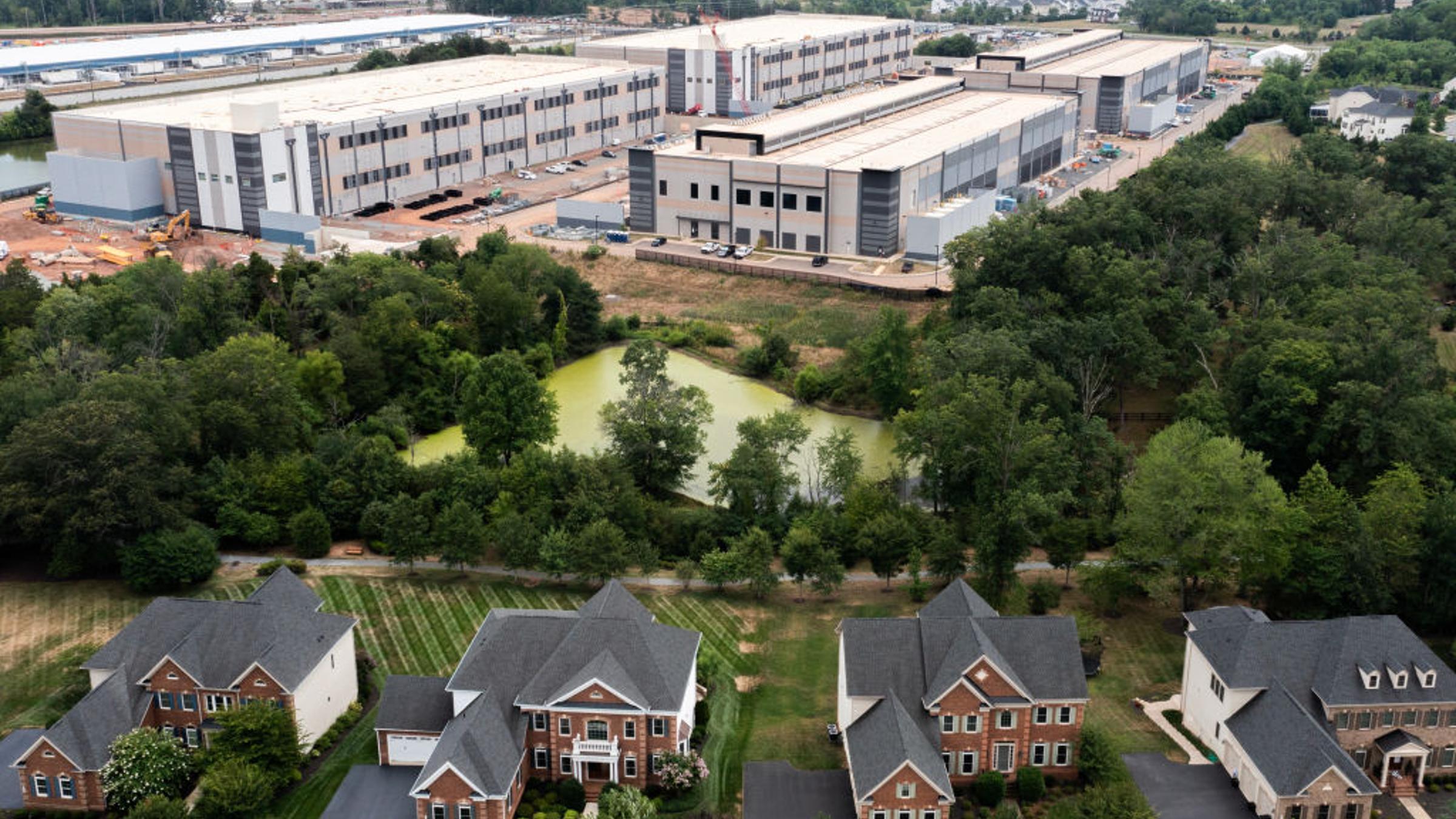
A UN report warns that the rapid expansion of AI, especially data centers, could by 2030 consume 3% of global electricity and as much water as 1.3 billion people, with carbon emissions rivaling the UK. The UN urges transparency and sustainable practices to mitigate these environmental risks.[AI generated]

Why's our monitor labelling this an incident or hazard?

The article discusses the plausible future environmental harms caused by the development and use of AI systems, specifically through the increased resource consumption of data centers supporting AI workloads. Although no direct harm has yet occurred, the projected doubling of power and water consumption and associated environmental impacts constitute a credible risk of harm. Therefore, this event qualifies as an AI Hazard because it describes a plausible future harm linked to AI system deployment and infrastructure expansion, but no actual incident of harm has yet materialized.[AI generated]

AI principles
SustainabilityTransparency & explainability

Industries
IT infrastructure and hostingEnergy, raw materials, and utilities

Affected stakeholders
General public

Harm types
Environmental

Severity
AI hazard

AI system task:
Other


Articles about this incident or hazard

Thumbnail Image

UN Researchers Project AI to Double Data Center Power, Water Consumption by 2030

2026-06-03
Carrier Management
Why's our monitor labelling this an incident or hazard?
The article discusses the plausible future environmental harms caused by the development and use of AI systems, specifically through the increased resource consumption of data centers supporting AI workloads. Although no direct harm has yet occurred, the projected doubling of power and water consumption and associated environmental impacts constitute a credible risk of harm. Therefore, this event qualifies as an AI Hazard because it describes a plausible future harm linked to AI system deployment and infrastructure expansion, but no actual incident of harm has yet materialized.
Thumbnail Image

La ONU pidió a las empresas de inteligencia artificial revelar su impacto ambiental ante el aumento del consumo energético

2026-06-04
infobae
Why's our monitor labelling this an incident or hazard?
The article centers on the potential environmental risks posed by the expansion of AI systems and infrastructure, such as data centers and generative AI services like ChatGPT. While it discusses plausible future harms (e.g., increased energy consumption, water use, and carbon emissions), no actual harm or incident has occurred yet. The UN's call for transparency and regulation is a governance response to these potential risks. Therefore, this event fits the definition of Complementary Information, as it provides important context and recommendations related to AI's environmental impact without reporting a specific AI Incident or AI Hazard.
Thumbnail Image

La IA consumirá en 2030 tanta agua como 1.300 millones de personas

2026-06-03
EL PAÍS
Why's our monitor labelling this an incident or hazard?
The article does not report a concrete AI Incident or AI Hazard. It does not describe any realized harm caused by AI systems or a specific event where AI use or malfunction plausibly leads to harm. Instead, it presents research findings and projections about the environmental footprint of AI, along with governance and sustainability recommendations. This fits the definition of Complementary Information, as it provides important context and understanding about AI's broader impacts and responses without focusing on a particular incident or hazard.
Thumbnail Image

UN issues AI warning after new data reveals major impact on the planet and its resources

2026-06-03
Yahoo! Finance
Why's our monitor labelling this an incident or hazard?
The article explicitly involves AI systems, particularly AI data centers and their resource-intensive operations. Although no direct harm has yet occurred as a result of AI use, the report warns of plausible future harms including environmental damage, resource scarcity, and associated justice implications. This fits the definition of an AI Hazard, as the development and use of AI systems could plausibly lead to significant harm to the environment and communities if current trends continue. The article does not describe an actual incident of harm, nor does it focus on responses or updates to past incidents, so it is not an AI Incident or Complementary Information. It is not unrelated because it clearly concerns AI and its impacts.
Thumbnail Image

AI warning issued after new data reveals major impact on the planet and its resources

2026-06-03
The Independent
Why's our monitor labelling this an incident or hazard?
The article clearly involves AI systems, specifically their infrastructure and operational demands. However, it does not describe a concrete incident where AI has directly or indirectly caused harm, but rather presents a credible risk of significant environmental harm and social inequity in the future due to AI's resource consumption and expansion. This fits the definition of an AI Hazard, as the development and use of AI systems could plausibly lead to environmental and social harms. The article also includes calls for governance and mitigation measures, but these are part of the hazard context rather than complementary information about a past incident or response.
Thumbnail Image

UN urges AI firms to reveal environmental footprint

2026-06-03
Yahoo! Finance
Why's our monitor labelling this an incident or hazard?
The article involves AI systems as it discusses the environmental footprint of AI workloads and data centers powering AI services like ChatGPT. The event stems from the use and development of AI systems and their associated infrastructure. Although no immediate harm is reported, the report warns that the AI boom could plausibly lead to significant environmental harm, including carbon emissions, water usage, and land occupation, which could impact communities and ecosystems. Therefore, this qualifies as an AI Hazard because it highlights credible risks of future harm due to AI's environmental impact. The article primarily focuses on raising awareness and urging transparency and governance responses, not on an incident or realized harm, so it is not an AI Incident or Complementary Information.
Thumbnail Image

Reducing Polite Phrases in AI Prompts Saves Electricity for 740,000 Trips

2026-06-04
Chosun.com
Why's our monitor labelling this an incident or hazard?
The article centers on the environmental impact of AI usage and energy consumption, which is a significant societal concern. However, it does not describe any realized harm (such as injury, rights violations, or operational disruption) caused by AI systems, nor does it describe a specific event where AI use or malfunction could plausibly lead to harm. The content is primarily an informative report with recommendations, fitting the definition of Complementary Information as it enhances understanding of AI's broader ecosystem and governance implications without reporting a new incident or hazard.
Thumbnail Image

AI to double data centre power and water consumption by 2030, UN researchers say

2026-06-03
Yahoo
Why's our monitor labelling this an incident or hazard?
The article involves AI systems indirectly through their demand on physical infrastructure (data centers) and the environmental consequences of their expansion. While no direct harm has occurred yet, the report credibly warns that the development and use of AI systems could plausibly lead to significant environmental harms in the future, such as resource depletion and increased emissions. Therefore, this qualifies as an AI Hazard because it identifies credible potential harms stemming from AI system proliferation and infrastructure growth, but does not describe a realized incident.
Thumbnail Image

Los centros de datos emitirán en 5 años tanto CO2 como el que arroja hoy Gran Bretaña

2026-06-03
LaVanguardia
Why's our monitor labelling this an incident or hazard?
The article discusses the broad environmental consequences of AI infrastructure, such as energy consumption and emissions, which are ongoing and projected to increase. These impacts represent significant potential harms related to AI systems but are presented as systemic and future-oriented risks rather than a discrete incident causing direct or indirect harm at a specific time. There is no description of a particular AI system malfunction or misuse causing immediate harm, nor a specific event leading to injury, rights violations, or property damage. The focus is on raising awareness and advocating for responsible AI governance, which aligns with the definition of Complementary Information rather than an AI Incident or AI Hazard.
Thumbnail Image

ONU advierte sobre impacto ambiental de la IA

2026-06-04
El Universal
Why's our monitor labelling this an incident or hazard?
The article explicitly discusses AI systems and their environmental impacts, which is relevant to AI. However, it does not report any direct or indirect harm caused by AI systems at this time (no AI Incident), nor does it describe a specific event or circumstance where AI use or malfunction could plausibly lead to harm (no AI Hazard). Instead, it focuses on raising awareness, urging transparency, and recommending governance and behavioral responses to mitigate potential environmental harms. This aligns with the definition of Complementary Information, as it provides supporting data and governance-related recommendations without reporting a new incident or hazard.
Thumbnail Image

La IA consumirá el 3% de la electricidad mundial en 2030 y su huella hídrica ya supera las necesidades del planeta

2026-06-03
elEconomista.es
Why's our monitor labelling this an incident or hazard?
The article clearly involves AI systems, focusing on their development and widespread use, and the environmental impacts associated with their infrastructure and operation. However, it does not describe any realized harm (such as injury, rights violations, or environmental damage directly caused by AI) nor a specific event where AI use or malfunction has led to harm. Instead, it presents research findings and warnings about plausible future harms related to resource consumption and environmental justice. It also discusses governance and behavioral recommendations, which align with the definition of Complementary Information. Hence, it does not meet the criteria for AI Incident or AI Hazard but fits well as Complementary Information.
Thumbnail Image

La IA consumirá en el 2030 la misma cantidad de agua que 1.300 millones de personas

2026-06-03
La Voz de Galicia
Why's our monitor labelling this an incident or hazard?
The article explicitly involves AI systems, focusing on their development and use, particularly the energy and resource consumption of AI data centers and models. While no direct harm has yet occurred, the report warns of plausible future harms such as significant water consumption, energy use, and electronic waste that could impact communities and the environment. These potential harms align with the definition of an AI Hazard, as they could plausibly lead to AI Incidents if unmitigated. The article does not report any realized harm or incident, nor does it focus on responses or governance measures, so it is not Complementary Information. It is not unrelated, as AI systems are central to the discussion. Hence, the classification as AI Hazard is appropriate.
Thumbnail Image

La ONU alerta del impacto de la IA en el agua, el suelo y el consumo energético

2026-06-03
LaSexta
Why's our monitor labelling this an incident or hazard?
The article clearly involves AI systems, particularly large-scale AI models and their infrastructure, which consume substantial resources. However, it does not report a concrete incident of harm caused by AI but rather presents an analysis and warning about the environmental costs and inequalities linked to AI development and use. This fits the definition of Complementary Information, as it provides important context, research findings, and governance recommendations related to AI's environmental impact without describing a specific AI Incident or an immediate AI Hazard event.
Thumbnail Image

La ONU alerta de que la Inteligencia Artificial tendrá un coste ambiental irreversible

2026-06-03
RTVE.es
Why's our monitor labelling this an incident or hazard?
The article centers on the environmental footprint of AI infrastructure and usage, presenting data and projections that indicate a credible risk of significant environmental harm in the future due to AI's energy and resource consumption. This aligns with the definition of an AI Hazard, as it plausibly could lead to harm (environmental harm) through the development and use of AI systems. There is no description of realized harm or specific incidents caused by AI systems, so it is not an AI Incident. The article is more than complementary information because it focuses on the potential large-scale environmental risks and systemic challenges posed by AI, not just updates or responses to past events. Therefore, the appropriate classification is AI Hazard.
Thumbnail Image

La inteligencia artificial dispara su huella ambiental: informe de la ONU advierte por el creciente impacto en agua, tierra y emisiones de CO₂

2026-06-03
El Tiempo
Why's our monitor labelling this an incident or hazard?
The article clearly involves AI systems, specifically their development and widespread use, which leads to significant environmental resource consumption and emissions. While no direct or indirect realized harm event is reported, the environmental impacts described (energy use, water consumption, emissions, electronic waste) constitute plausible future harms that could escalate if unaddressed. The report's warnings and projections about AI's environmental footprint meet the criteria for an AI Hazard. Additionally, the article includes governance recommendations and calls for responsible AI ecosystem development, which align with Complementary Information. However, since the primary focus is on the potential for significant environmental harm from AI's expansion, the classification as AI Hazard is most appropriate, with the governance aspects noted in the assessment.
Thumbnail Image

La ONU advierte que la inteligencia artificial consumirá en 2030 tanta agua como 1.300 millones de personas

2026-06-04
Perfil
Why's our monitor labelling this an incident or hazard?
The article clearly involves AI systems, specifically generative AI and large language models, and their infrastructure. The harms discussed are environmental and resource-related, which fall under harm to communities and the environment. However, these harms are projected or potential, not currently realized incidents. The article is a warning and analysis of plausible future harms from AI's resource consumption and waste, not a report of an actual incident or malfunction. Therefore, it fits the definition of an AI Hazard, as it plausibly could lead to significant environmental harm in the future due to AI system development and use.
Thumbnail Image

La ONU advierte el costo ambiental de la IA: generar un solo video cuesta 4,1 litros de agua

2026-06-03
BioBioChile
Why's our monitor labelling this an incident or hazard?
The article discusses the environmental impact of AI systems, including their energy and water consumption and waste generation, which are indirect harms to the environment. However, these harms are currently projected or potential future harms rather than harms that have already materialized. The article is primarily a warning and call for responsible use and regulation to prevent or mitigate these harms. Therefore, this event fits the definition of an AI Hazard, as it describes circumstances where AI development and use could plausibly lead to significant environmental harm in the near future, but does not report an actual incident of harm having occurred yet.
Thumbnail Image

ONU: para 2030 se duplicará consumo de agua y energía en centros de IA

2026-06-03
La Jornada
Why's our monitor labelling this an incident or hazard?
The event involves AI systems indirectly through the infrastructure (data centers) supporting AI development and deployment. Although no direct harm has yet occurred, the report warns of plausible future harms including environmental degradation, resource depletion, and increased emissions due to AI's energy and water consumption. This fits the definition of an AI Hazard, as the development and use of AI systems could plausibly lead to significant environmental harm in the future if unaddressed. There is no indication of realized harm or incident at this time, nor is the article primarily about responses or governance measures, so it is not an AI Incident or Complementary Information.
Thumbnail Image

No le de las gracias a ChatGPT si quiere ahorrar energía: la ONU alerta del impacto de la IA en el medio ambiente

2026-06-03
www.elcolombiano.com
Why's our monitor labelling this an incident or hazard?
The article centers on the broad environmental consequences of AI development and use, including energy consumption, water use, and electronic waste, which constitute significant harms to the environment and communities. However, these harms are discussed at a systemic and potential level rather than describing a concrete incident or event where AI caused direct or indirect harm. The article serves as a detailed report and warning, providing complementary information about the environmental footprint of AI and governance challenges. Therefore, it fits best as Complementary Information, as it enhances understanding of AI's broader impacts and informs future risk management without reporting a specific AI Incident or AI Hazard.
Thumbnail Image

IA tiene 'sed de la mala': Consumo de agua es de 1.8 millones de piscinas olímpicas solo en 2025

2026-06-03
El Financiero
Why's our monitor labelling this an incident or hazard?
The article clearly involves AI systems, focusing on their development and use phases, especially the energy-intensive training and inference processes. While it discusses substantial environmental harms linked to AI's resource consumption, these are presented as ongoing or projected impacts rather than a discrete incident or event causing immediate harm. There is no mention of a specific AI-related accident, violation, or malfunction causing direct or indirect harm. The content aligns with providing complementary information about AI's environmental footprint and its implications for sustainability and governance, rather than reporting an AI Incident or AI Hazard.
Thumbnail Image

Escasez de chips de memoria impulsa precios al alza: automotrices

2026-06-03
Milenio.com
Why's our monitor labelling this an incident or hazard?
The article focuses on the plausible future harms related to AI infrastructure expansion, such as resource depletion and supply chain issues, but no actual harm or incident has occurred yet. The AI system involvement is inferred from the increased use of AI data centers requiring memory chips and resources. Since the harms are potential and the article mainly provides warnings and contextual information about AI's environmental and economic impact, this fits the definition of Complementary Information rather than an AI Incident or AI Hazard.
Thumbnail Image

AI data centres may use power equal to 1.3 bn people by 2030: UN report

2026-06-04
Business Standard
Why's our monitor labelling this an incident or hazard?
The article involves AI systems in the form of AI data centres and their energy-intensive operations. While it raises concerns about the environmental footprint and resource stress that could plausibly lead to harm, it does not report any realized harm or incident caused by AI systems. The focus is on potential future risks and the environmental costs of AI infrastructure, which fits the definition of Complementary Information as it provides context and understanding of AI's broader impacts without describing a specific AI Incident or Hazard.
Thumbnail Image

La ONU llama a las compañías de inteligencia artificial a transparentar su impacto ambiental

2026-06-03
Excélsior
Why's our monitor labelling this an incident or hazard?
The article focuses on the environmental impact of AI development and use, emphasizing the need for transparency and proactive mitigation to prevent future harm. While it highlights credible risks and potential large-scale environmental harm from AI's energy and resource consumption, it does not report any actual harm or incident that has occurred. Therefore, it fits the definition of an AI Hazard, as it plausibly could lead to harm but no direct or indirect harm has yet materialized according to the article.
Thumbnail Image

UN report warns AI could soon use 3% of world's electricity and more water than we need to drink

2026-06-04
The Conversation
Why's our monitor labelling this an incident or hazard?
The article discusses a credible and quantified projection that AI could consume 3% of the world's electricity and more water than the global population needs to drink by 2030, which constitutes a plausible future harm to the environment. This fits the definition of an AI Hazard because it involves the plausible future risk of harm (environmental harm) stemming from the development and use of AI systems. There is no indication that these harms have yet materialized to the extent described, so it is not an AI Incident. The report also includes recommendations and governance responses, but the main focus is on the potential environmental risks, not on responses alone, so it is not merely Complementary Information. Therefore, the classification is AI Hazard.
Thumbnail Image

La ONU advierte de que la IA amenaza los recursos naturales de miles...

2026-06-03
europa press
Why's our monitor labelling this an incident or hazard?
The article clearly involves AI systems, specifically the infrastructure supporting AI (data centers and AI model operations). The harms discussed are environmental (harm to property, communities, and the environment) and relate to resource consumption and waste generation. However, these harms are presented as projections and potential impacts rather than realized incidents. The article focuses on raising awareness and advocating for measurement, transparency, and governance to prevent or mitigate these harms. Therefore, the event is best classified as an AI Hazard, as it highlights plausible future harms from AI development and use rather than describing an actual incident of harm.
Thumbnail Image

AI Could Use as Much Water as 1.3 Billion People by 2030

2026-06-03
TIME
Why's our monitor labelling this an incident or hazard?
The article involves AI systems in the form of data centers powering AI, which consume significant resources. The harms discussed are environmental and social, including water scarcity and digital inequality, which could plausibly lead to AI-related harms in the future. However, the article does not report a concrete incident of harm caused directly or indirectly by AI systems, nor does it describe a narrowly averted harm or imminent risk event. Instead, it is a comprehensive report providing context, analysis, and recommendations regarding AI's environmental and social impacts. Therefore, it fits best as Complementary Information, as it enhances understanding of AI's broader ecosystem impacts and governance challenges without reporting a specific incident or hazard.
Thumbnail Image

La ONU insta a las empresas de IA a revelar su huella ambiental

2026-06-03
France 24
Why's our monitor labelling this an incident or hazard?
The article discusses the environmental impact of AI systems and the potential for significant resource consumption and associated environmental harm in the future. It is a warning and call for transparency and mitigation but does not describe an actual AI Incident or a specific AI Hazard event. The focus is on raising awareness and recommending policy and behavioral changes, which fits the definition of Complementary Information as it provides context and governance-related responses to AI's environmental impact without reporting a concrete incident or hazard.
Thumbnail Image

" Nous devons exiger davantage de transparence " : l'ONU exhorte les entreprises d'IA à révéler leur empreinte environnementale vertigineuse

2026-06-03
La Voix du Nord
Why's our monitor labelling this an incident or hazard?
The article explicitly involves AI systems and their environmental resource consumption, which could plausibly lead to significant harm to the environment and communities if unchecked. However, it does not report any direct or indirect realized harm from AI systems at this time, only potential future harm. The focus is on raising awareness and recommending transparency and mitigation measures, which aligns with the definition of an AI Hazard. It is not merely general AI news or a response to a past incident, so it is not Complementary Information. Hence, the classification as AI Hazard is appropriate.
Thumbnail Image

The real-world cost of AI

2026-06-03
RNZ
Why's our monitor labelling this an incident or hazard?
The article centers on the environmental impact of AI as a broad systemic issue and potential future risk rather than a concrete incident or immediate hazard. It does not report any realized harm caused by AI systems, nor does it describe a specific event where AI use or malfunction led to harm. The discussion of potential environmental burdens and resource use constitutes a plausible future risk but is presented as a general concern rather than a specific hazard event. The article also includes expert opinions and policy considerations, which align with providing complementary information to understand AI's broader societal and environmental implications. Therefore, the article is best classified as Complementary Information.
Thumbnail Image

"Hidden costs": AI data centres set to consume more water than every person on Earth by 2030

2026-06-03
SBS
Why's our monitor labelling this an incident or hazard?
The article centers on the environmental footprint of AI data centres and the potential for significant future harm to the environment and communities due to resource consumption and emissions. It involves AI systems indirectly through the infrastructure supporting AI technologies. Since no actual harm has yet occurred or been reported, and the focus is on potential future risks and governance recommendations, this qualifies as an AI Hazard. It is not an AI Incident because no direct or indirect harm has materialized yet. It is not Complementary Information because it is not updating or responding to a specific past incident but rather providing a new warning and analysis. It is not Unrelated because AI systems and their environmental impacts are central to the discussion.
Thumbnail Image

Enfoque Internacional - "El consumo eléctrico global de la IA equivale al de Francia", alerta la ONU

2026-06-03
RFI
Why's our monitor labelling this an incident or hazard?
The article explicitly involves AI systems (e.g., ChatGPT and generative AI) hosted in data centers consuming large amounts of electricity and water. The environmental harms described (carbon emissions, water depletion) are significant and linked to the AI sector's growth. However, the harms are presented as ongoing systemic impacts rather than a discrete incident caused by AI malfunction or misuse. The article warns about the unsustainability and potential future consequences of this consumption, fitting the definition of an AI Hazard (plausible future harm). There is no description of a specific AI Incident with direct or indirect harm caused by AI system failure or misuse. The focus is on environmental impact risks and resource strain, not on a realized incident.
Thumbnail Image

Un rapport pointe les 5 dégâts de l'IA que les géants de la tech pr...

2026-06-03
Futura
Why's our monitor labelling this an incident or hazard?
The article explicitly links AI systems (data centers, AI-generated content) to large-scale environmental harms including high energy consumption, water depletion, land use, pollution from rare metal extraction, and electronic waste. These harms are ongoing and substantial, affecting natural resources and ecosystems, which fits the definition of harm to the environment (d). Since these harms are already occurring as a direct consequence of AI system development and use, this is an AI Incident rather than a hazard or complementary information. The article does not merely warn of potential future harm but documents current environmental impacts attributable to AI.
Thumbnail Image

¡Fuera máscaras! La ONU insta a las empresas de IA a revelar su huella ambiental

2026-06-03
El Economista
Why's our monitor labelling this an incident or hazard?
The article discusses the environmental impact of AI systems and the potential for significant harm to resources and the environment if unchecked. However, it does not describe a realized harm event or a specific incident caused by AI. The focus is on potential future risks and calls for transparency and mitigation, which aligns with the definition of Complementary Information as it provides context, warnings, and governance recommendations without reporting a concrete AI Incident or Hazard. Therefore, it is best classified as Complementary Information.
Thumbnail Image

'Democratising' the environmental impacts of the AI data beast

2026-06-03
Daily Maverick
Why's our monitor labelling this an incident or hazard?
The article focuses on the environmental resource consumption and potential future challenges related to AI infrastructure and usage, which is a significant contextual and governance issue. There is no description of an actual incident causing harm or a specific hazard event where harm is plausible and imminent. The content aligns with providing complementary information about AI's broader societal and environmental implications and governance considerations rather than reporting a concrete AI Incident or AI Hazard.
Thumbnail Image

The terrifying projections for how much land and water AI will need by 2030 - AOL

2026-06-03
AOL.com
Why's our monitor labelling this an incident or hazard?
The article provides a detailed analysis of the environmental costs of AI, including energy and water consumption and carbon emissions, which could plausibly lead to significant environmental harm if unchecked. However, it does not report any realized harm or incident caused by AI systems. The focus is on potential future risks and the need for sustainable management and policy responses. Therefore, this fits the definition of Complementary Information, as it offers important context and understanding about AI's environmental impact and governance implications without describing a specific AI Incident or AI Hazard event.
Thumbnail Image

Informe revela que conforme se acelera la adopción de la IA, también aumenta su huella energética, que es igual a 1.8 millones de piscinas olímpicas

2026-06-03
Vanguardia
Why's our monitor labelling this an incident or hazard?
The article focuses on the environmental impact of AI infrastructure, particularly data centers, and the potential for significant future harm due to energy and water consumption and land use. While it discusses plausible future harms and systemic risks related to AI's environmental footprint, it does not describe a specific event where AI use or malfunction has directly or indirectly caused harm. The content is primarily a research report and a call for responsible AI governance, which fits the definition of Complementary Information as it provides context and understanding of AI's broader impacts and governance challenges without reporting a concrete AI Incident or immediate AI Hazard.
Thumbnail Image

Ditch the niceties in AI prompts to save energy use, say researchers

2026-06-03
New Scientist
Why's our monitor labelling this an incident or hazard?
The article involves AI systems (large language models) and discusses their energy consumption, which is an indirect environmental concern. However, it does not report any realized harm or incident caused by AI use; rather, it highlights potential future environmental harm if current trends continue unchecked. The main focus is on raising awareness and recommending efficiency improvements and governance measures. Therefore, this is best classified as Complementary Information, as it provides important context and governance-related recommendations without describing a specific AI Incident or AI Hazard.
Thumbnail Image

¿Cuál es la verdadera huella ambiental de las empresas de IA?

2026-06-03
La Nación, Grupo Nación
Why's our monitor labelling this an incident or hazard?
The article centers on a report urging transparency and policy action concerning the environmental costs of AI, without detailing any concrete incident or hazard involving AI systems causing or imminently causing harm. It is primarily informative and advisory, focusing on raising awareness and recommending governance measures. Therefore, it fits the definition of Complementary Information, as it enhances understanding of AI's broader societal and environmental impacts without reporting a specific AI Incident or AI Hazard.
Thumbnail Image

La IA deja una huella hídrica equivalente a 1,8 millones de piscinas olímpicas

2026-06-03
LaPatilla.com
Why's our monitor labelling this an incident or hazard?
The article clearly involves AI systems, focusing on their resource consumption and environmental footprint. While it discusses realized environmental impacts (e.g., water use, carbon emissions, electronic waste), these are aggregate effects rather than discrete incidents caused by AI malfunction or misuse. The harms described are ongoing and systemic but not tied to a specific AI Incident event. The article serves as complementary information by providing detailed data and projections that inform understanding of AI's environmental impact and potential future risks, rather than reporting a new incident or hazard event.
Thumbnail Image

448 TWh d'électricité par an, 4.500 milliards de litres d'eau : les coûts cachés de la révolution de l'IA

2026-06-03
La Tribune
Why's our monitor labelling this an incident or hazard?
The article clearly involves AI systems as it focuses on the infrastructure supporting AI, such as data centers running AI models. The harms discussed are environmental and resource-related, which could plausibly lead to significant harm in the future if unchecked. Since no actual harm or incident has yet occurred, but there is a credible risk of future harm, this fits the definition of an AI Hazard. The article also includes calls for governance and transparency, but the main focus is on the potential environmental risks rather than on responses or updates to past incidents, so it is not Complementary Information. Therefore, the event is best classified as an AI Hazard.
Thumbnail Image

L'IA devrait faire doubler la consommation d'énergie et d'eau des centres de données d'ici 2030 selon l'Onu

2026-06-03
Boursier.com
Why's our monitor labelling this an incident or hazard?
The article describes the potential environmental impact of AI infrastructure growth, including increased energy and water use and CO2 emissions, which could plausibly lead to harm to the environment and communities. Since the harm is projected and not yet realized, and the AI system's development and deployment are the cause of this plausible future harm, this qualifies as an AI Hazard. There is no indication of an actual incident or realized harm at this time, nor is the article primarily about governance or response measures, so it is not Complementary Information.
Thumbnail Image

UN: AI data centres to consume more power than Nigeria, two other countries

2026-06-03
Nairametrics
Why's our monitor labelling this an incident or hazard?
The article explicitly involves AI systems through the discussion of AI-driven data centre power consumption and environmental impacts. It focuses on the development and use of AI infrastructure and its projected resource consumption and environmental footprint. While no specific harm has yet occurred or is described as occurring, the report warns of plausible future harms including environmental degradation, resource depletion, and increased carbon emissions linked to AI data centres. These potential harms fit the definition of an AI Hazard, as the event plausibly leads to significant harm due to AI system use and expansion. The article does not describe a realized harm or incident, nor does it primarily focus on responses or updates, so it is not an AI Incident or Complementary Information.
Thumbnail Image

As AI expands, UN researchers warn of growing strain on water, land and power systems

2026-06-03
Court House News Service
Why's our monitor labelling this an incident or hazard?
The event involves AI systems in terms of their development and use, particularly large language models and AI infrastructure, but no direct or indirect harm has yet occurred as described in the article. Instead, the article presents a credible analysis of plausible future environmental harms due to AI's resource demands and infrastructure growth. Therefore, this qualifies as an AI Hazard because it plausibly could lead to significant harm to the environment and communities if unaddressed. It is not an AI Incident since no actual harm has been reported, nor is it merely complementary information because the main focus is on the potential environmental risks and resource strains posed by AI expansion.
Thumbnail Image

Un rapport de l'ONU alerte sur l'empreinte environnementale colossale de l'IA | L'actualité

2026-06-03
L’actualité
Why's our monitor labelling this an incident or hazard?
The article clearly involves AI systems, specifically large language models like GPT-4 and GPT-5, and their environmental impacts. However, it does not describe a discrete event where AI use or malfunction has directly or indirectly caused harm (AI Incident). Instead, it highlights ongoing environmental harms and risks that are systemic and cumulative, representing a credible and significant potential for harm if current trends continue. This fits the definition of Complementary Information because it provides important contextual and governance-related information about AI's environmental impact and calls for responsible development, rather than reporting a new AI Incident or a narrowly defined AI Hazard event.
Thumbnail Image

Beyond AI's surging energy use: UN details escalating water, land, and CO2 emission consequences

2026-06-03
EurekAlert!
Why's our monitor labelling this an incident or hazard?
The event explicitly involves AI systems and their environmental impacts, which constitute harm to communities and the environment (harms category d). The harms are ongoing and projected to escalate, with concrete data on energy use, emissions, water and land footprints, and e-waste consequences directly linked to AI development and use. These harms are materialized and significant, not merely potential. Therefore, this qualifies as an AI Incident because the AI systems' development and use have directly and indirectly led to significant environmental harm. The report also includes governance recommendations, but the primary focus is on the realized and escalating harms, not just complementary information or future hazards.
Thumbnail Image

Rising emissions, depleting water and vanishing land -- UN scientists: AI is threatening natural resources for billions

2026-06-03
EurekAlert!
Why's our monitor labelling this an incident or hazard?
The article explicitly discusses the environmental costs associated with the development and use of AI systems, particularly data centers and AI inference workloads. It does not describe a specific incident where AI use has directly caused harm but rather warns of the plausible future harms due to rising resource consumption and environmental impacts. The involvement of AI systems is clear, as the report quantifies AI's energy, water, and land footprints. The harms are potential and systemic, relating to environmental degradation and resource depletion, which could affect billions. Therefore, this qualifies as an AI Hazard rather than an AI Incident or Complementary Information. It is not unrelated because it directly concerns AI systems and their impacts.
Thumbnail Image

AI to double data centre power and water consumption by 2030, UN researchers say

2026-06-03
Zawya.com
Why's our monitor labelling this an incident or hazard?
The article discusses plausible future harms related to AI system infrastructure expansion, specifically environmental impacts like increased energy and water use, land use, and electronic waste. However, it does not describe any actual harm or incident that has already occurred due to AI system development, use, or malfunction. Therefore, it fits the definition of an AI Hazard, as it outlines credible risks that could plausibly lead to harm if unaddressed, but no direct or indirect harm has yet materialized according to the article.
Thumbnail Image

UN report warns AI could soon use 3% of world's electricity and more water than we need to drink

2026-06-04
Yahoo!7 News
Why's our monitor labelling this an incident or hazard?
The article centers on a credible warning from the UN about the plausible future environmental harms that AI systems could cause due to their growing energy and water demands. This fits the definition of an AI Hazard, as it describes circumstances where AI development and use could plausibly lead to significant harm (environmental damage and resource depletion). There is no indication that these harms have yet occurred or that an AI Incident has taken place. The article also includes policy and governance recommendations, but these serve to contextualize the hazard rather than constitute complementary information about a past incident. Therefore, the event is best classified as an AI Hazard.
Thumbnail Image

The Real-World Cost Of AI

2026-06-04
Scoop
Why's our monitor labelling this an incident or hazard?
The article centers on the environmental impact and resource consumption of AI systems globally and in New Zealand, which is a significant societal concern but does not describe a specific AI Incident or AI Hazard. There is no direct or indirect harm caused by AI systems reported here, nor a plausible immediate risk of harm from a particular AI system malfunction or misuse. The content is best classified as Complementary Information because it provides important context, research findings, and governance considerations related to AI's environmental footprint, helping stakeholders understand broader implications and inform future risk management, without reporting a new incident or hazard.
Thumbnail Image

'El consumo eléctrico global de la IA equivale al de Francia', alerta la ONU

2026-06-03
Acento
Why's our monitor labelling this an incident or hazard?
The article explicitly involves AI systems through the discussion of AI data centers and their resource consumption. The harms described are environmental and resource-related, which fall under harm to communities and the environment. Although no immediate injury or rights violation is reported, the article warns of plausible future harms such as increased CO2 emissions contributing to climate change and water shortages affecting communities. This fits the definition of an AI Hazard, as the development and use of AI systems could plausibly lead to significant environmental harm. The article does not describe an actual incident of harm occurring yet, but rather a credible risk and ongoing impact that could worsen, thus it is not an AI Incident. It is more than complementary information because it focuses on the risk and impact rather than just updates or responses.
Thumbnail Image

El alarmante impacto ambiental de la IA según informe de la ONU

2026-06-03
La Voz de Michoacán
Why's our monitor labelling this an incident or hazard?
The article clearly involves AI systems, specifically large-scale AI models and data centers supporting AI workloads. It documents realized environmental harms such as high electricity consumption, water usage, carbon emissions, and electronic waste linked to AI development and use. These harms fall under harm to the environment (d). Since the harms are occurring and quantified, this constitutes an AI Incident. The article does not merely warn of potential future harm but reports on current and ongoing environmental damage caused by AI systems' operation and growth.
Thumbnail Image

UN: AI May Soon Consume 3% of Global Power, Water

2026-06-04
Mirage News
Why's our monitor labelling this an incident or hazard?
The article centers on the potential environmental harms that AI systems could cause in the future due to their increasing energy and resource demands. It presents a credible risk scenario based on current trends and economic principles like the Jevons paradox. Since no actual harm has yet occurred or been reported, and the focus is on the plausible future environmental impact and governance responses, this qualifies as an AI Hazard. It is not an AI Incident because no realized harm from AI use is described. It is not Complementary Information because it is not updating or adding to a previously reported incident or hazard but rather presenting a new risk assessment. It is not Unrelated because it clearly involves AI systems and their environmental impact.
Thumbnail Image

AI Threatens Natural Resources, Warns UN Scientists

2026-06-03
Mirage News
Why's our monitor labelling this an incident or hazard?
The article focuses on the environmental footprint of AI infrastructure and the associated sustainability challenges, based on a UN scientific report. It discusses potential harms and inequalities but does not report a concrete event where AI systems have directly or indirectly caused harm. The content is primarily an expert assessment and call for responsible AI ecosystem governance, fitting the definition of Complementary Information. It provides context and updates on AI's environmental impact and governance responses rather than reporting a new AI Incident or AI Hazard.
Thumbnail Image

La ONU alerta del impacto de la IA en el agua, el suelo y el consumo energético

2026-06-03
Agencia Sinc
Why's our monitor labelling this an incident or hazard?
The article clearly involves AI systems, as it discusses the environmental costs of AI infrastructure and usage. However, it does not report any realized harm or incident caused by AI, nor does it describe a specific plausible future harm event. Instead, it provides a comprehensive overview and governance recommendations, which fits the definition of Complementary Information. It enhances understanding of AI's broader societal and environmental impacts and informs future risk management but does not report a new AI Incident or AI Hazard.
Thumbnail Image

AI's dirty secret: data centre boom threatens resources

2026-06-03
The Border Mail
Why's our monitor labelling this an incident or hazard?
The article centers on the environmental footprint of AI infrastructure, particularly data centres, and the potential for significant future harm if unchecked. This aligns with the definition of an AI Hazard, as the development and use of AI systems (through data centres) could plausibly lead to harm to the environment and communities. There is no indication that harm has already occurred or that a specific AI Incident has taken place. The article also includes calls for regulatory responses, but these are part of the hazard context rather than complementary information about a past incident. Therefore, the event is best classified as an AI Hazard.
Thumbnail Image

L'IA va consommer eau et électricité comme jamais, alerte l'ONU

2026-06-04
Economie Matin
Why's our monitor labelling this an incident or hazard?
The article clearly involves AI systems, specifically the data centers and AI services like ChatGPT, which consume large amounts of energy and water. The harm described is environmental and resource depletion, which fits within the harm categories. However, the harm is currently projected or potential rather than realized; the article warns of future risks and calls for action to prevent ecological catastrophe. There is no report of an actual incident where AI use or malfunction has directly caused harm yet. Thus, the event is an AI Hazard, reflecting plausible future harm from AI system development and use.
Thumbnail Image

La IA consumirá en 2030 tanta agua como 1.300 millones de personas

2026-06-03
Digital Trends Español
Why's our monitor labelling this an incident or hazard?
The article discusses the potential environmental harms associated with AI's growth, which could plausibly lead to significant harm in the future, such as environmental degradation and resource depletion. However, it does not describe a concrete incident or event where harm has already occurred due to AI systems, nor does it report a specific hazard event with imminent risk. The focus is on raising awareness and guiding responsible use, which aligns with providing complementary information about AI's broader societal and environmental implications rather than reporting an AI Incident or AI Hazard.
Thumbnail Image

El coste oculto de la IA: en 2030 consumirá tanta agua como 1300 millones de personas y la electricidad de 650

2026-06-03
UN News
Why's our monitor labelling this an incident or hazard?
The article explicitly involves AI systems (large AI models, chatbots, data centers) and their energy and resource consumption. It does not report an incident of actual harm caused by AI but warns of significant potential environmental harms (water scarcity, energy consumption, electronic waste) that could plausibly lead to harm if unaddressed. The focus is on the plausible future environmental risks of AI infrastructure expansion, fitting the definition of an AI Hazard rather than an Incident or Complementary Information. It is not unrelated because it clearly concerns AI systems and their impacts.
Thumbnail Image

Una huella hídrica igual a 1,8 millones de piscinas olímpicas: el coste ambiental de la IA

2026-06-03
UDG TV
Why's our monitor labelling this an incident or hazard?
The article clearly involves AI systems, specifically data centers running AI workloads such as ChatGPT and generative AI models. However, it does not report any direct or indirect realized harm (AI Incident) caused by AI systems but rather quantifies and forecasts environmental resource consumption and potential ecological impacts. This fits the definition of an AI Hazard because it plausibly leads to harm (environmental harm) in the future due to AI's resource demands. Since the article focuses on the potential and ongoing environmental impact without describing a specific harmful event caused by AI, it is best classified as an AI Hazard rather than an Incident or Complementary Information.
Thumbnail Image

UN report warns of rising water demands behind the AI boom | Smart

2026-06-03
Smart Water Magazine
Why's our monitor labelling this an incident or hazard?
The article focuses on the environmental resource demands (water and electricity) of AI systems, particularly large language models, and the potential future strain on water resources. While these demands could plausibly lead to environmental harm or community impacts in the future, the article does not report any actual harm or incident occurring at present. It is primarily a report providing context and raising awareness about the environmental footprint of AI, which fits the definition of Complementary Information. There is no direct or indirect harm reported, nor a specific event of malfunction or misuse causing harm. Therefore, the classification is Complementary Information.
Thumbnail Image

Para 2030, la IA consumirá el agua necesaria para las necesidades de 1.300 millones de personas

2026-06-03
Radio Continental
Why's our monitor labelling this an incident or hazard?
The article discusses the plausible future environmental harms caused by AI systems, specifically their water and energy consumption, which could affect the needs of billions of people. Although no direct harm has yet occurred, the report projects significant resource consumption by 2030, indicating a credible risk of harm to communities and the environment. Therefore, this qualifies as an AI Hazard because it involves plausible future harm stemming from AI system development and use. It is not an AI Incident since no actual harm has yet materialized, nor is it merely complementary information or unrelated news.
Thumbnail Image

ONU: El error de medir el impacto ambiental de la IA sólo por CO2 pone en serio riesgo agua y suelo - EFE Verde

2026-06-03
EFEverde
Why's our monitor labelling this an incident or hazard?
The article centers on a report that identifies potential environmental harms from AI's growing infrastructure and usage, such as water depletion and land use, which could plausibly lead to significant harm if unaddressed. However, no actual harm or incident caused by AI systems is reported. The focus is on raising awareness and recommending governance and planning measures to prevent future harm. Therefore, this qualifies as an AI Hazard because it highlights credible risks that could plausibly lead to AI-related environmental harm in the future, rather than an AI Incident or Complementary Information about a past event or response.
Thumbnail Image

L'ONU alerte sur l'empreinte environnementale de l'IA

2026-06-04
Radio Canada
Why's our monitor labelling this an incident or hazard?
The article clearly involves AI systems, specifically large language models like GPT-4 and GPT-5, and their associated data centers. It details realized environmental harms (carbon emissions, water consumption, land use, pollution, and electronic waste) directly linked to the development and use of AI systems. These harms affect communities and the environment, fitting the definition of harm to property, communities, or the environment. Since the harms are ongoing and documented, this qualifies as an AI Incident rather than a mere hazard or complementary information. The article does not focus on responses or updates but on the harms themselves, so it is not complementary information. Therefore, the event is best classified as an AI Incident.
Thumbnail Image

UN urges AI firms to reveal environmental footprint

2026-06-03
RTL Today
Why's our monitor labelling this an incident or hazard?
The article focuses on raising awareness about the environmental costs associated with AI systems and advocates for transparency and mitigation measures. It does not report any realized harm caused by AI systems (no AI Incident) nor does it describe a specific event or circumstance where AI use or malfunction could plausibly lead to harm (no AI Hazard). Instead, it provides contextual and governance-related information that supports understanding and managing AI's environmental impact, fitting the definition of Complementary Information.
Thumbnail Image

Business.Scoop " The Real-World Cost Of AI

2026-06-04
Scoop
Why's our monitor labelling this an incident or hazard?
The article primarily provides an explanatory overview and a report summary about the environmental costs of AI, including energy and water consumption and infrastructure demands. It does not report any realized harm or incident caused by AI systems, nor does it describe a specific plausible future harm event involving AI malfunction or misuse. The content is focused on raising awareness and informing about the broader ecosystem impacts and policy considerations, which fits the definition of Complementary Information rather than an AI Incident or AI Hazard.
Thumbnail Image

UN Reports Growing Environmental Impact of AI: Rising Energy Demands Fuel

2026-06-03
Scienmag: Latest Science and Health News
Why's our monitor labelling this an incident or hazard?
The article focuses on the environmental and social impacts of AI infrastructure and usage as revealed by a research report. It does not describe a particular event where AI use or malfunction has directly or indirectly caused harm (AI Incident), nor does it describe a specific event or circumstance where AI could plausibly lead to harm (AI Hazard). Instead, it provides a broad, research-based overview and governance recommendations, which fits the definition of Complementary Information as it enhances understanding of AI's impacts and informs future risk assessment and management without reporting a new incident or hazard.
Thumbnail Image

UN Scientists Warn: AI Threatens Natural Resources, Fueling Emissions,

2026-06-03
Scienmag: Latest Science and Health News
Why's our monitor labelling this an incident or hazard?
The article centers on the environmental footprint of AI data centers and their infrastructure, which are AI systems' essential components. It does not describe a realized harm incident but rather warns of the plausible and credible future harms to natural resources, community wellbeing, and environmental justice due to AI's energy and resource demands. The detailed analysis of current consumption, projected growth, and associated environmental stresses fits the definition of an AI Hazard, where the development and use of AI systems could plausibly lead to significant harm. The article also discusses governance and policy responses, but these are part of the broader context rather than the main focus, so the classification is not Complementary Information. There is no indication that the article is unrelated or merely general AI news without harm implications. Hence, AI Hazard is the appropriate classification.
Thumbnail Image

Is AI Bad for the Environment? The Real 2026 Answer

2026-06-04
Fello AI
Why's our monitor labelling this an incident or hazard?
The article discusses the environmental harms associated with AI systems in aggregate and over time, including energy consumption and emissions, but it does not report a concrete incident or event causing harm, nor does it describe a specific plausible future harm event. It is primarily an informative and analytical piece providing context and guidance, which fits the definition of Complementary Information. There is no direct or indirect link to a particular AI Incident or AI Hazard event in the article.
Thumbnail Image

El coste físico de la inteligencia artificial: agua, territorio y energía al límite - Climática

2026-06-03
Climática, el medio especializado en clima y biodiversidad
Why's our monitor labelling this an incident or hazard?
The article clearly involves AI systems, specifically large foundational models and their data center infrastructure. The harms described include environmental harm to communities and ecosystems through excessive energy consumption, water use, land use, and electronic waste generation. Although the harms are systemic and indirect, they are real and ongoing, as evidenced by current consumption figures and waste projections. Therefore, the event describes an AI Incident because the development and use of AI systems have directly and indirectly led to significant environmental harm. The article does not merely warn of potential future harm (which would be a hazard) nor is it solely about governance or research updates (which would be complementary information). The environmental harms are materialized and attributable to AI system operations, meeting the criteria for an AI Incident.
Thumbnail Image

El alto coste ambiental de la inteligencia artificial

2026-06-04
EcoAvant.com
Why's our monitor labelling this an incident or hazard?
The article focuses on the environmental impact of AI as revealed by a research report, detailing measurable resource consumption and potential future environmental harms if trends persist. However, it does not describe a concrete incident of harm caused by AI, nor does it report a specific plausible future harm event or hazard scenario. Instead, it provides complementary information that enhances understanding of AI's broader societal and environmental implications and calls for governance and responsible practices. Therefore, it fits the definition of Complementary Information rather than an AI Incident or AI Hazard.
Thumbnail Image

La Inteligencia Artificial pone en riesgo los recursos naturales de miles de millones de personas, advierte la ONU

2026-06-03
NoticiasDe.es
Why's our monitor labelling this an incident or hazard?
The article explicitly involves AI systems through their infrastructure (data centers supporting AI) and their energy and resource consumption. It does not describe a realized harm incident but rather warns about the plausible future harms from AI's environmental footprint, including water scarcity, energy overconsumption, and waste generation, which could disrupt communities and ecosystems. This fits the definition of an AI Hazard, as the development and use of AI systems could plausibly lead to significant harm to property, communities, and the environment. The article does not focus on a specific incident or harm already occurred, nor is it merely complementary information or unrelated news.
Thumbnail Image

AI will consume as much water in 2030 as 1.3 billion people

2026-06-03
EL PAÍS English
Why's our monitor labelling this an incident or hazard?
The article clearly involves AI systems, specifically data centers and AI model operations, and discusses their environmental impacts. However, it does not report any realized harm such as injury, rights violations, or disruption caused by AI, nor does it describe a specific event where AI use or malfunction could plausibly lead to harm imminently. The focus is on raising awareness, providing data, and recommending governance measures to address environmental sustainability. This aligns with the definition of Complementary Information, as it enhances understanding of AI's broader impacts and informs policy but does not report a new AI Incident or AI Hazard.
Thumbnail Image

La huella ambiental de la IA se triplicará en 2030: consumirá más electricidad que Pakistán, Bangladés y Nigeria juntos - El Economista

2026-06-04
El Economista
Why's our monitor labelling this an incident or hazard?
The article clearly involves AI systems, specifically large AI models and their supporting data centers, which consume substantial resources. The environmental impacts described (energy, water, land use, electronic waste) represent significant harms to the environment and communities, but these are presented as current and projected systemic impacts rather than discrete incidents caused by AI malfunction or misuse. There is no direct or indirect link to a specific AI Incident or a narrowly defined AI Hazard event. Instead, the article offers a comprehensive assessment and policy-oriented recommendations, which fits the definition of Complementary Information as it enhances understanding of AI's broader societal and environmental impacts and governance challenges.
Thumbnail Image

UN urges AI firms to reveal environmental footprint

2026-06-03
The Sun Malaysia
Why's our monitor labelling this an incident or hazard?
The article centers on the environmental footprint of AI systems and the associated risks of increased resource consumption. While it highlights significant concerns and potential future harms related to AI's environmental impact, it does not describe a specific event where AI systems have directly or indirectly caused harm. The content is primarily a call for transparency, regulation, and behavioral change to mitigate these risks. Therefore, it fits the definition of Complementary Information, as it provides important contextual and governance-related information about AI's environmental impact without reporting a concrete AI Incident or an immediate AI Hazard.
Thumbnail Image

AI to double data centre power and water consumption by 2030, UN researchers say

2026-06-03
The Mighty 790 KFGO | KFGO
Why's our monitor labelling this an incident or hazard?
The article clearly involves AI systems as it discusses AI's role in driving demand for data centers and their associated resource consumption. The harms described (environmental impact, resource strain) are potential future harms that could plausibly arise from the continued expansion of AI infrastructure. Since no actual harm has yet occurred but there is a credible risk of significant environmental and resource-related harm, this fits the definition of an AI Hazard. The article does not focus on a realized incident or a response to one, so it is not an AI Incident or Complementary Information. It is not unrelated because it directly concerns AI's environmental impact.
Thumbnail Image

La ONU insta a las empresas de IA a revelar su huella ambiental

2026-06-03
Yahoo Finance
Why's our monitor labelling this an incident or hazard?
The article discusses the environmental consequences of AI system development and use, emphasizing the large energy and resource consumption that could plausibly lead to environmental harm in the future. However, it does not report any direct or indirect harm that has already occurred due to AI systems. The main focus is on raising awareness and calling for governance measures to manage these risks. Therefore, this event qualifies as an AI Hazard because it concerns plausible future harm from AI systems' environmental impact, not an AI Incident or Complementary Information about a past incident.
Thumbnail Image

ONU exhorta a las compañías de inteligencia artificial a transparentar su impacto ambiental

2026-06-03
GlobalMedia
Why's our monitor labelling this an incident or hazard?
The article discusses the potential and ongoing environmental harms related to AI systems, such as high energy consumption and CO2 emissions, but it does not describe a specific incident where these harms have directly caused injury, rights violations, or other concrete damages. Instead, it focuses on warnings, projections, and calls for governance and transparency measures to address these risks. Therefore, it fits the category of Complementary Information as it provides important context and governance-related responses to AI's environmental impact without reporting a realized AI Incident or an immediate AI Hazard.
Thumbnail Image

El costo ambiental oculto de la Inteligencia Artificial (IA)

2026-06-03
Servindi - Servicios de Comunicación Intercultural
Why's our monitor labelling this an incident or hazard?
The article clearly involves AI systems, focusing on their operational resource consumption and environmental footprint. While it does not report an actual incident of harm caused by AI, it outlines plausible future harms related to environmental degradation and resource depletion linked to AI infrastructure growth. This fits the definition of an AI Hazard, as the development and use of AI systems could plausibly lead to significant environmental harm if not properly managed. The article also includes recommendations and governance principles, but these serve to address the hazard rather than report a resolved incident or complementary information about a past event.