Lockheed Martin's AI-Enabled System Downs Attack Drone in Live-Fire Test

Thumbnail Image

The information displayed in the AIM should not be reported as representing the official views of the OECD or of its member countries.

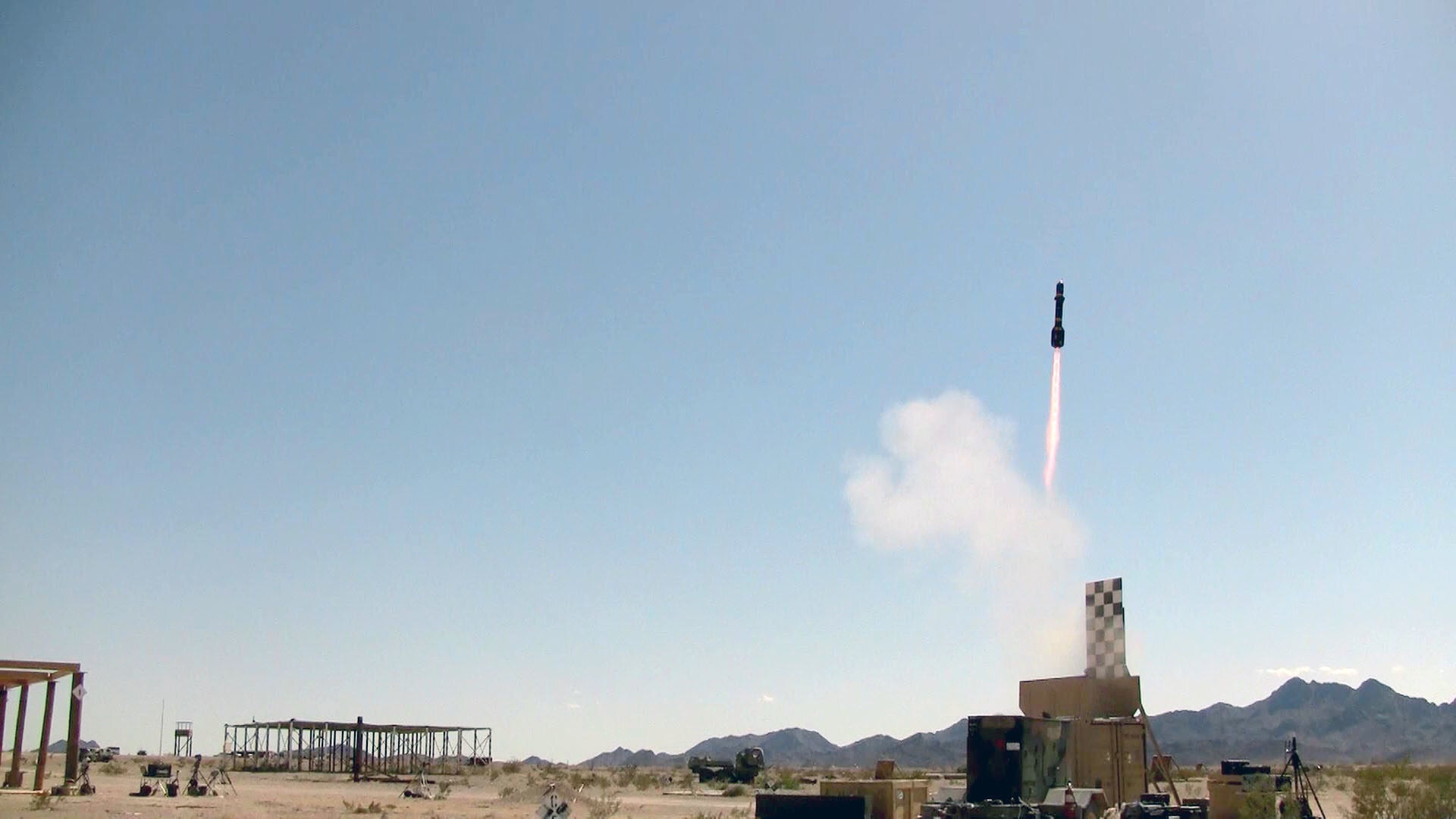
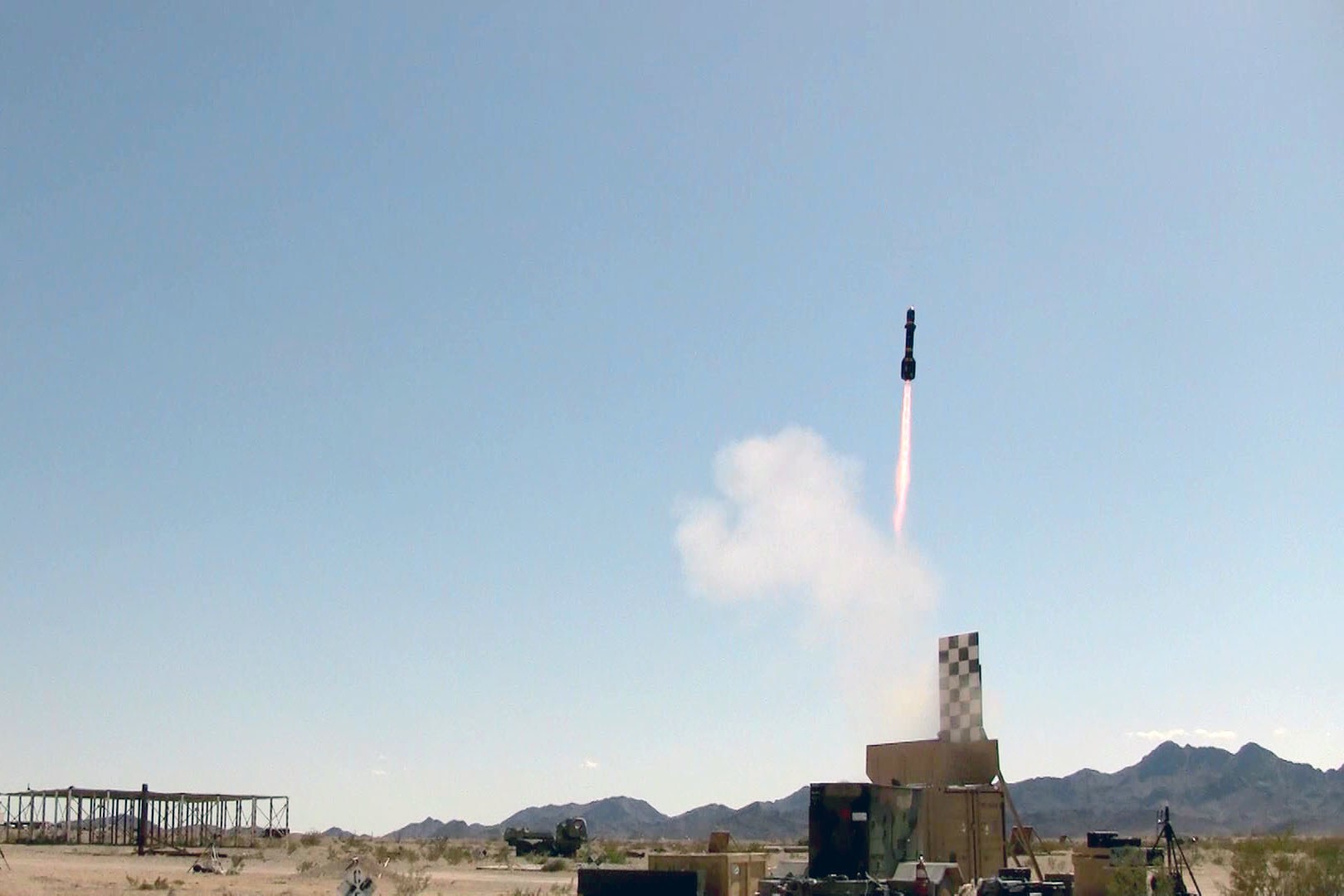
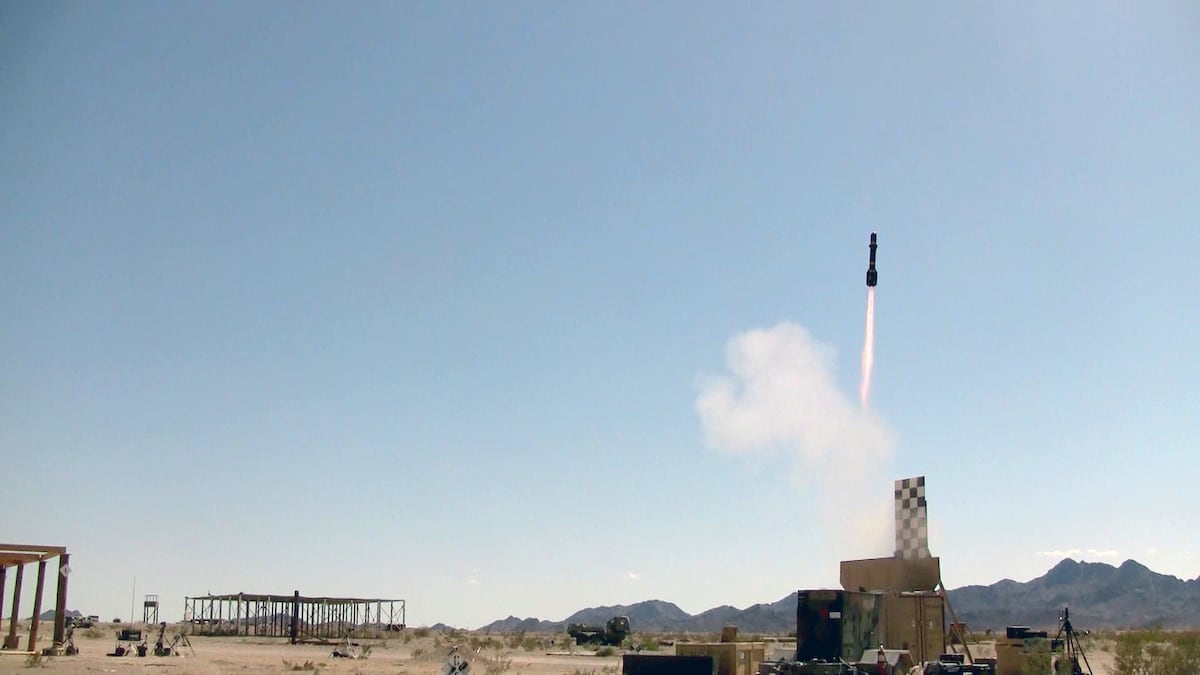
Lockheed Martin demonstrated its AI-enabled Sanctum counter-UAS system by successfully detecting, tracking, and neutralizing a Group 3 attack drone using Fortem R-40 radars, Sanctum battle management software, and a GRIZZLY containerized launcher with a JAGM missile at Yuma Proving Ground, Arizona. The AI system directly enabled the destruction of the drone.[AI generated]

Why's our monitor labelling this an incident or hazard?

The Sanctum C-UAS system includes AI components such as battle management software that processes sensor data to detect, track, and engage drones autonomously or semi-autonomously. The event reports a successful interception of a hostile drone, indicating realized use of AI in a defense operation. Although no harm is reported, the system's use in military applications involving lethal force and autonomous targeting qualifies as an AI Incident due to the direct involvement of AI in potentially harmful military actions. The event is not merely a product announcement but a demonstration of AI-enabled lethal capability with direct implications for harm potential in conflict scenarios.[AI generated]
AI principles
AccountabilityDemocracy & human autonomy

Industries
Government, security, and defence

Severity
AI incident

AI system task:
Recognition/object detectionGoal-driven organisation


Articles about this incident or hazard

Thumbnail Image

Lockheed Martin Demonstrates First-Ever Sanctum™ C-UAS Launch from GRIZZLY™ Containerized Launcher

2026-06-03
Barchart.com
Why's our monitor labelling this an incident or hazard?
The Sanctum C-UAS system includes AI components such as battle management software that processes sensor data to detect, track, and engage drones autonomously or semi-autonomously. The event reports a successful interception of a hostile drone, indicating realized use of AI in a defense operation. Although no harm is reported, the system's use in military applications involving lethal force and autonomous targeting qualifies as an AI Incident due to the direct involvement of AI in potentially harmful military actions. The event is not merely a product announcement but a demonstration of AI-enabled lethal capability with direct implications for harm potential in conflict scenarios.
Thumbnail Image

Lockheed's GRIZZLY C-UAS system downs attack drone in live-fire demo

2026-06-03
Military Times
Why's our monitor labelling this an incident or hazard?
The article explicitly mentions the use of AI-enabled systems (Sanctum battle manager and Fortem R-40 radars) integrated to detect, track, and engage a drone target, resulting in the drone being downed. The AI system's use directly led to the destruction of the drone, which is harm to property. The event is a successful operational use of AI in a military counter-drone system, causing realized harm (destruction of the drone). Hence, it qualifies as an AI Incident under the definition of harm to property caused by the use of an AI system.
Thumbnail Image

Lockheed Martin Demonstrates First-Ever Sanctum C-UAS Launch from GRIZZLY Containerized Launcher

2026-06-03
Investing News Network
Why's our monitor labelling this an incident or hazard?
The Sanctum C-UAS system integrates AI-based sensors and battle management software to autonomously detect and engage hostile drones, which are AI systems themselves. The event reports a successful interception and neutralization of a hostile drone, which constitutes harm to property (the drone) and prevents potential harm to critical assets. The AI system's use directly led to this outcome, fulfilling the criteria for an AI Incident. Although the harm is to a drone (property), it is a significant and clearly articulated harm in the context of defense against attack drones. Therefore, this event qualifies as an AI Incident.
Thumbnail Image

Lockheed Martin Demonstrates Successful Drone Intercept With Sanctum System - Defense Daily

2026-06-03
Defense Daily
Why's our monitor labelling this an incident or hazard?
The article explicitly mentions AI-enabled components (radars and battle management platform) used to detect and intercept drones, confirming AI system involvement. The event is a demonstration test with no harm or malfunction reported, so it does not meet criteria for AI Incident. There is no indication of plausible future harm or misuse, so it is not an AI Hazard. The article provides useful information about AI system capabilities in defense, fitting the definition of Complementary Information.
Thumbnail Image

Lockheed downs drone with containerized missile launcher

2026-06-03
AeroTime
Why's our monitor labelling this an incident or hazard?
The article explicitly involves AI systems in the form of radar detection, battle management, and automated missile launching against drones, which qualifies as AI system involvement. However, the event is a controlled test demonstrating capability, with no harm or malfunction reported. There is no direct or indirect harm caused by the AI system, nor is there a plausible risk of harm described. The focus is on the system's rapid deployment and modularity, which informs understanding of AI applications in defense but does not constitute an incident or hazard. Hence, it fits the definition of Complementary Information, as it updates on AI system capabilities and potential deployment without reporting harm or credible risk of harm.