Microsoft's AI Assistant 'Scout' Designed to Foster User Addiction, Raising Harm Concerns

Thumbnail Image

The information displayed in the AIM should not be reported as representing the official views of the OECD or of its member countries.

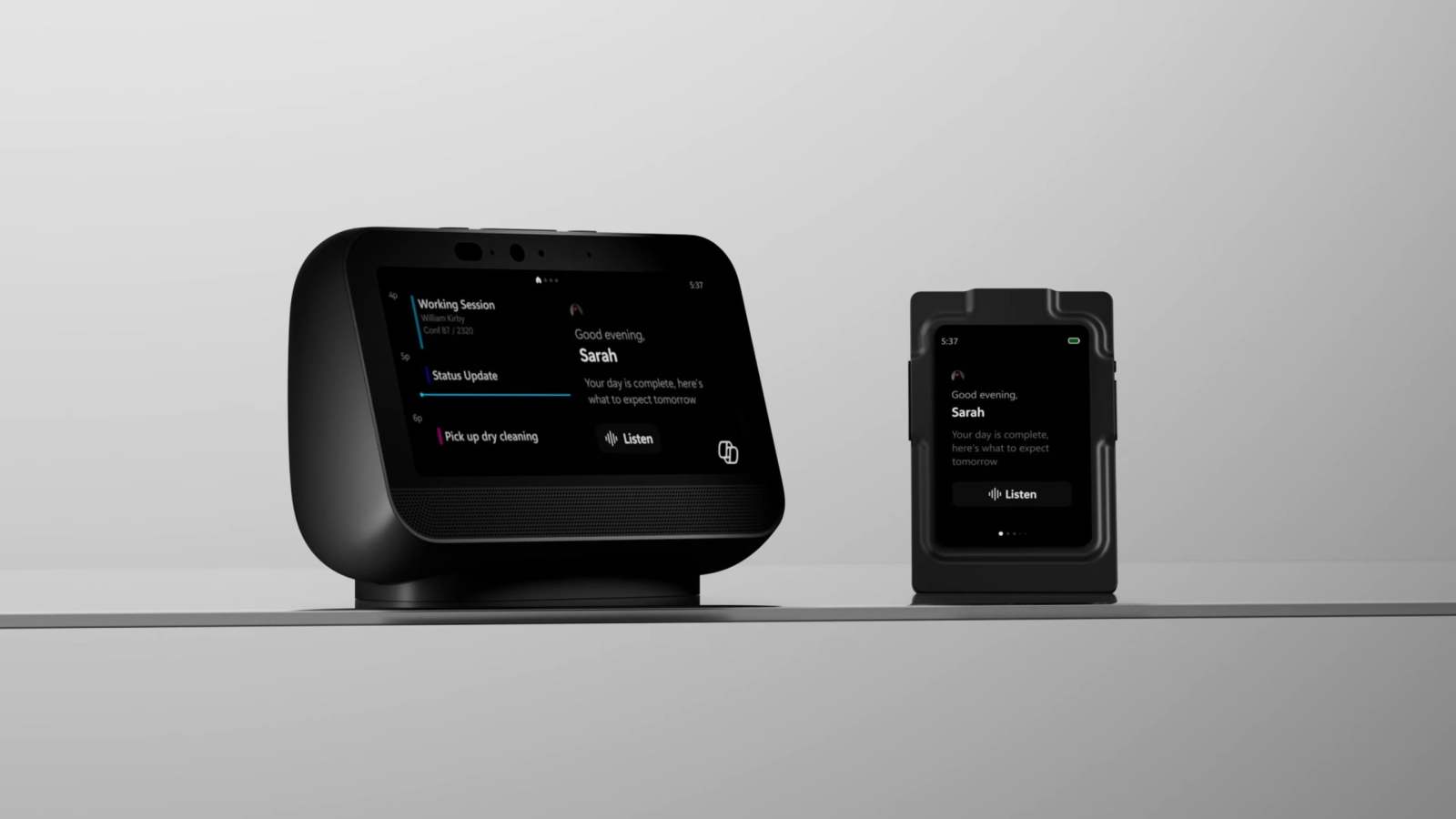
Leaked internal documents reveal Microsoft intentionally designed its new AI assistant, Scout, to make users 'addicted' by integrating it deeply into Microsoft 365 and daily workflows. This strategy raises credible risks of psychological dependency and reduced user autonomy, highlighting potential future harms linked to AI system design.[AI generated]

Why's our monitor labelling this an incident or hazard?

The event involves an AI system (Scout) explicitly designed to increase user dependency, which could plausibly lead to harm in the form of mental health issues and addiction. Although no actual injury or harm has been reported, the internal memo's goal to 'make people addicted' and expert concerns about long-term mental health effects indicate a credible risk of future harm. Therefore, this situation qualifies as an AI Hazard rather than an AI Incident, as the harm is potential and not yet realized.[AI generated]

AI principles
Human wellbeingDemocracy & human autonomy

Industries
IT infrastructure and hosting

Affected stakeholders
Consumers

Harm types
PsychologicalHuman or fundamental rights

Severity
AI hazard

Business function:
Citizen/customer service

AI system task:
Interaction support/chatbotsOrganisation/recommenders


Articles about this incident or hazard

Thumbnail Image

Microsoft leak reveals sinister plot to get people 'addicted' to AI: 'People depend on it daily'

2026-06-04
New York Post
Why's our monitor labelling this an incident or hazard?
The event involves an AI system (Scout) explicitly designed to increase user dependency, which could plausibly lead to harm in the form of mental health issues and addiction. Although no actual injury or harm has been reported, the internal memo's goal to 'make people addicted' and expert concerns about long-term mental health effects indicate a credible risk of future harm. Therefore, this situation qualifies as an AI Hazard rather than an AI Incident, as the harm is potential and not yet realized.
Thumbnail Image

Microsoft wants people to be addicted to AI, leak says its new assistant Scout has only one KRA

2026-06-04
India Today
Why's our monitor labelling this an incident or hazard?
The article explicitly mentions an AI system (Scout) and its development and use plan, including a goal to make users addicted. Addiction to software can be a form of harm, but the article only reports internal plans and employee concerns without evidence of realized harm or a clear, imminent risk of harm. There is no indication that the AI system has malfunctioned or caused injury, rights violations, or other harms. The event thus provides contextual information about AI product strategy and potential societal implications, fitting the definition of Complementary Information rather than an Incident or Hazard.
Thumbnail Image

Microsoft mise sur un Android maison pour l'ère des agents IA -- Frandroid

2026-06-03
Frandroid
Why's our monitor labelling this an incident or hazard?
The event involves an AI system concept (AI agents generating interfaces) but is clearly in the early conceptual stage with no deployment or use causing harm. There is no direct or indirect harm reported, nor a plausible immediate risk of harm. The article mainly provides contextual information about Microsoft's vision and the challenges ahead, which fits the definition of Complementary Information rather than an Incident or Hazard.
Thumbnail Image

Microsoft literally wants to 'make people addicted' to AI

2026-06-03
Android Authority
Why's our monitor labelling this an incident or hazard?
The article explicitly mentions Microsoft's internal plan to 'make people addicted' to their AI assistant, which is a clear indication of intentional design to foster dependency. Addiction to AI systems can plausibly lead to harms such as mental health deterioration and social harm, fitting the definition of an AI Hazard. No direct harm is reported as having occurred yet, so it does not meet the threshold for an AI Incident. The event is more than general AI news or a product announcement, as it reveals a deliberate strategy with potential for harm, so it is not Complementary Information or Unrelated.
Thumbnail Image

In Leaked Document, Microsoft Plots How to Get People "Addicted" to Its AI

2026-06-03
Futurism
Why's our monitor labelling this an incident or hazard?
The article explicitly mentions an AI system (Microsoft's AI assistant Scout) and its development and use strategy aimed at fostering addiction, which is a recognized psychological harm. Although no direct harm has been reported yet, the intentional design to create addiction implies a credible risk of harm to users' mental health. Therefore, this situation fits the definition of an AI Hazard, as the AI system's use could plausibly lead to harm in the future. It is not an AI Incident because no harm has been realized or reported yet, nor is it Complementary Information or Unrelated, as the focus is on a potential harm stemming from AI use.
Thumbnail Image

Leaked Microsoft documents reveal plan to make AI users 'addicted'

2026-06-04
The News International
Why's our monitor labelling this an incident or hazard?
The event involves an AI system (Scout) explicitly described as an always-on personal AI agent integrated into Microsoft 365, which is designed to increase user engagement to the point of addiction. While no direct harm has been reported yet, the internal document's stated goal to 'make people addicted' indicates a credible risk of harm related to psychological dependency and potential negative impacts on users. This fits the definition of an AI Hazard, as the development and use of the AI system could plausibly lead to significant harm in the future. There is no indication that harm has already occurred, so it is not an AI Incident. The event is more than just complementary information because it reveals a strategic plan with potential for harm rather than a response or update. It is not unrelated because it clearly involves an AI system and potential harm.
Thumbnail Image

Microsoft's New AI Assistant Scout Faces Scrutiny Over Alleged "Addiction" Strategy

2026-06-04
The Hans India
Why's our monitor labelling this an incident or hazard?
The article explicitly involves an AI system (Scout) and discusses its development and intended use to increase user dependence. While no realized harm is reported, the internal documents reveal a strategy aiming to create user addiction, which could plausibly lead to harms such as mental health issues or reduced user autonomy. This potential for future harm fits the definition of an AI Hazard. There is no indication of actual injury, rights violations, or other harms at this point, so it is not an AI Incident. The article is not merely complementary information because it reveals a strategic plan that could plausibly lead to harm, rather than just providing updates or responses to past events.
Thumbnail Image

'Saying the Quiet Part Out Loud': Leaked Plans Reveal Microsoft Wants To Make Users Addicted To Its New AI

2026-06-04
International Business Times UK
Why's our monitor labelling this an incident or hazard?
The article explicitly involves an AI system (ClawPilot/Scout) designed to autonomously perform workplace tasks and influence user behavior. The internal strategy openly aims to create user addiction, which implies a foreseeable risk of psychological harm and negative impacts on users' mental health and autonomy. Although no actual harm has been reported, the intentional design to foster dependency constitutes a credible risk of harm. Hence, this event fits the definition of an AI Hazard, as it plausibly could lead to harm through the AI system's use. It is not an AI Incident because no realized harm is described, nor is it Complementary Information or Unrelated, as the focus is on the AI system's potential for harm.
Thumbnail Image

Microsoft reveals strange new plan for users

2026-06-05
Yahoo! Finance
Why's our monitor labelling this an incident or hazard?
The event involves an AI system (Scout) explicitly described as an 'always-on personal agent' with autonomous capabilities. The internal document's use of the term 'addicted' indicates an intention to create user dependency, which could plausibly lead to harms such as psychological dependency or reduced user autonomy. Since no actual harm has been reported yet, but the risk is credible and linked to the AI system's design and use, the event fits the definition of an AI Hazard rather than an Incident or Complementary Information.
Thumbnail Image

Microsoft snobe Windows pour développer un système d'exploitation sur Android : le projet Solara est conçu pour des agents IA plutôt que pour des applications traditionnelles

2026-06-04
Developpez.com
Why's our monitor labelling this an incident or hazard?
The event involves an AI system (Project Solara and its AI agents) but does not describe any harm or incident caused by it, nor does it highlight any credible risk of harm. It is a product and platform announcement with detailed technical and strategic information, which fits the definition of Complementary Information as it provides context and understanding of AI ecosystem developments. There is no direct or indirect harm, nor plausible future harm described, so it is not an AI Incident or AI Hazard.
Thumbnail Image

Un badge d'accès dopé à l'IA : le gadget de Microsoft qui voit, écoute et accompagne les salariés

2026-06-03
LEBIGDATA.FR
Why's our monitor labelling this an incident or hazard?
The event involves an AI system prototype (the AI-powered badge) and discusses its intended use and features, including AI capabilities. However, it is still a concept and no harm or malfunction has occurred or is reported. The article raises privacy concerns as a potential issue but does not describe any realized harm or credible imminent risk. Thus, it does not meet the criteria for AI Incident or AI Hazard. Instead, it provides supporting information about AI integration in workplace devices and the broader AI ecosystem, fitting the definition of Complementary Information.