Trump Administration Pushes AI Integration in U.S. Healthcare Amid Safety Concerns

Thumbnail Image

The information displayed in the AIM should not be reported as representing the official views of the OECD or of its member countries.

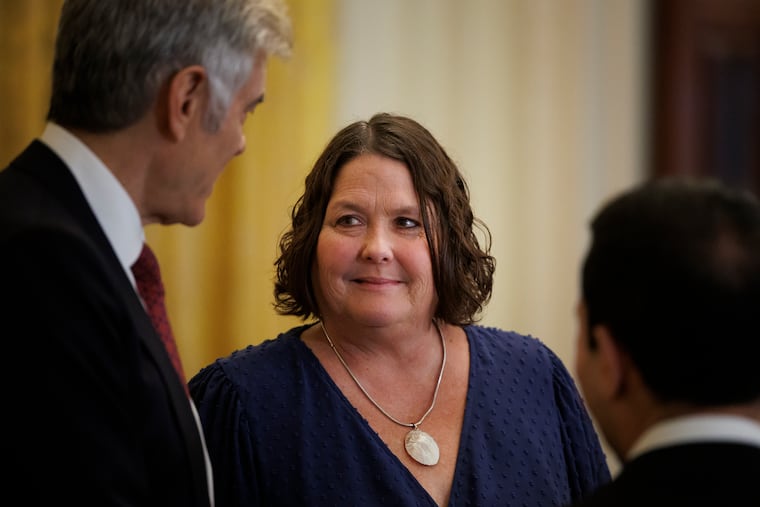
The Trump administration is advancing efforts to integrate AI chatbots and diagnostic tools into American healthcare, with Amy Gleason leading the initiative after a personal success using ChatGPT for her daughter's diagnosis. Experts warn of potential misdiagnoses and patient harm, citing low diagnostic accuracy and regulatory risks, though no actual harm has yet occurred.[AI generated]

Why's our monitor labelling this an incident or hazard?

The article explicitly involves AI systems (medical chatbots and AI doctors) in their development and use for diagnosis and prescription. It discusses ongoing pilot programs and regulatory shifts aiming to integrate AI into healthcare with limited human oversight. While it mentions concerns and warnings about potential misdiagnoses and patient harm, it does not report any confirmed cases of injury or harm caused by these AI systems. The presence of lawsuits and regulatory pushback indicates recognition of risks but not confirmed incidents. Thus, the event is best classified as an AI Hazard, reflecting the plausible future harm from AI medical systems currently under development and limited deployment.[AI generated]

AI principles
SafetyRobustness & digital security

Industries
Healthcare, drugs, and biotechnology

Affected stakeholders
Consumers

Harm types
Physical (injury)

Severity
AI hazard

Business function:
Citizen/customer service

AI system task:
Interaction support/chatbotsForecasting/prediction


Articles about this incident or hazard

Thumbnail Image

Inside the Trump-backed push to bring AI doctors into American medicine

2026-06-04
Washington Post
Why's our monitor labelling this an incident or hazard?
The article explicitly involves AI systems (medical chatbots and AI doctors) in their development and use for diagnosis and prescription. It discusses ongoing pilot programs and regulatory shifts aiming to integrate AI into healthcare with limited human oversight. While it mentions concerns and warnings about potential misdiagnoses and patient harm, it does not report any confirmed cases of injury or harm caused by these AI systems. The presence of lawsuits and regulatory pushback indicates recognition of risks but not confirmed incidents. Thus, the event is best classified as an AI Hazard, reflecting the plausible future harm from AI medical systems currently under development and limited deployment.
Thumbnail Image

The (AI) doctor will see you now: Inside the Trump-led push for AI medicine

2026-06-05
The Independent
Why's our monitor labelling this an incident or hazard?
The event involves AI systems (chatbots like ChatGPT) used for medical diagnosis and prescription refills, which is a high-stakes domain where errors can cause injury or harm to health. Although the article does not report any actual harm occurring yet, it emphasizes expert concerns and regulatory challenges, indicating credible potential for harm. The AI's role in diagnosis and treatment decisions could plausibly lead to injury or harm if the AI provides incorrect or unsafe recommendations. Hence, this fits the definition of an AI Hazard rather than an Incident or Complementary Information.
Thumbnail Image

Inside the Trump-backed push to bring AI doctors into American medicine

2026-06-05
The Philadelphia Inquirer
Why's our monitor labelling this an incident or hazard?
The article explicitly involves AI systems (chatbots and AI doctors) used in medical diagnosis and prescription. It discusses ongoing pilot programs and regulatory shifts aiming to increase AI autonomy in healthcare. Although no concrete incident of harm is reported, the article cites studies showing low diagnostic accuracy (34%) and expert warnings about potential patient harm and legal issues. The AI systems' development and use could plausibly lead to injury or harm to people (harm category a), as well as violations of medical licensing laws (category c). Since the harms are potential and not yet realized, this fits the definition of an AI Hazard rather than an AI Incident. The article also includes political and regulatory responses but these serve as context rather than the main focus, so it is not Complementary Information. It is not unrelated because AI systems are central to the narrative and their risks are discussed in detail.
Thumbnail Image

The (AI) doctor will see you now: Inside the Trump-led push to get robots into diagnosing health problems - AOL

2026-06-05
AOL.com
Why's our monitor labelling this an incident or hazard?
The article explicitly involves AI systems (AI chatbots providing medical diagnoses and prescriptions) and discusses their development and use. However, no direct or indirect harm has been reported as having occurred; instead, concerns and warnings about potential misdiagnoses and regulatory issues are presented. The article focuses on policy moves, trials, and expert skepticism, which aligns with the definition of an AI Hazard—an event where AI use could plausibly lead to harm but has not yet done so. It is not Complementary Information because the main focus is not on updates or responses to a past incident, nor is it unrelated as AI systems and their risks are central to the narrative.
Thumbnail Image

Inside the Trump-backed push to bring AI doctors into American medicine

2026-06-05
Yahoo
Why's our monitor labelling this an incident or hazard?
The article explicitly involves AI systems (chatbots and AI doctors) used or intended for medical diagnosis and treatment, which is a high-stakes domain with direct implications for human health. Although no concrete incident of harm is reported, the article discusses pilot programs and regulatory shifts that could lead to autonomous AI medical practice. Experts cited warn about potential misdiagnoses and patient harm, and there is ongoing political and professional backlash reflecting the risks. The AI systems' development and use could plausibly lead to injury or harm to persons, fulfilling the criteria for an AI Hazard. Since no actual harm has yet been documented, it does not meet the threshold for an AI Incident. The article is not merely complementary information because it focuses on the potential risks and regulatory changes that could lead to harm, rather than only responses or ecosystem context.
Thumbnail Image

There is a Trump-backed push to bring AI doctors into American medicine

2026-06-04
End Time Headlines
Why's our monitor labelling this an incident or hazard?
The event involves the use and development of AI systems in healthcare diagnosis and treatment, which can plausibly lead to harm such as misdiagnosis or harm to patient health if AI outputs are inaccurate or overly relied upon. Since no actual harm has been reported yet, but credible expert warnings about risks exist, this situation fits the definition of an AI Hazard rather than an AI Incident. The article focuses on the potential and plans for AI integration, with expert cautionary notes, rather than describing a realized harm or incident.