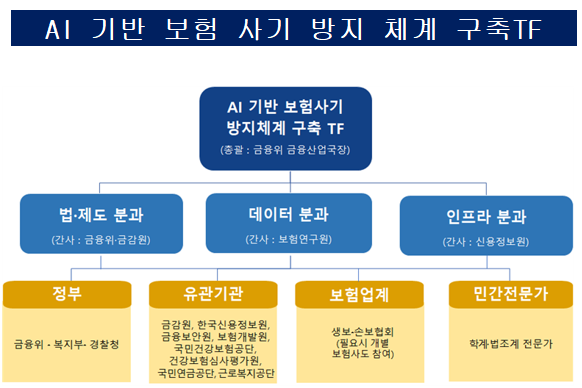
South Korea Launches Task Force to Combat AI-Driven Insurance Fraud

Thumbnail Image

The information displayed in the AIM should not be reported as representing the official views of the OECD or of its member countries.

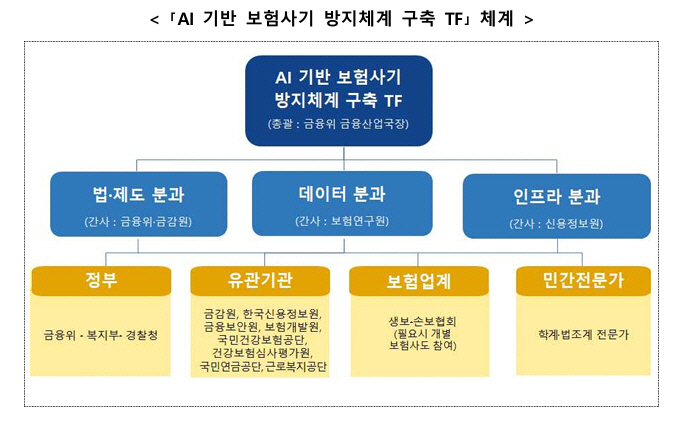
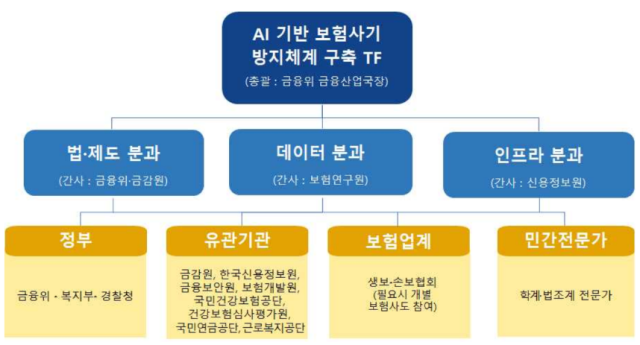
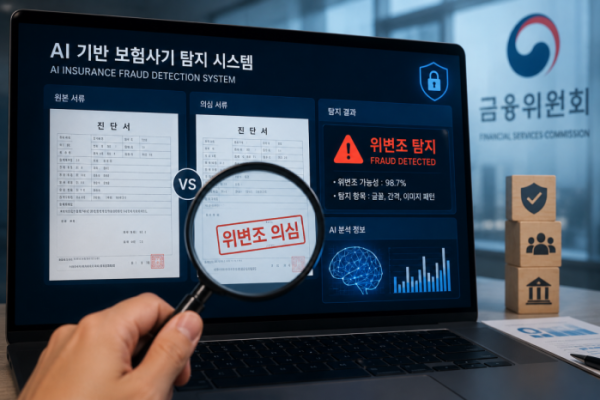
In South Korea, generative AI and deepfake technologies have been used to forge documents and commit large-scale insurance fraud, causing financial losses estimated at up to 9 trillion KRW. Authorities have formed a multi-agency task force to develop AI-based detection systems and strengthen cross-institutional data sharing to counter these evolving threats.[AI generated]

Why's our monitor labelling this an incident or hazard?

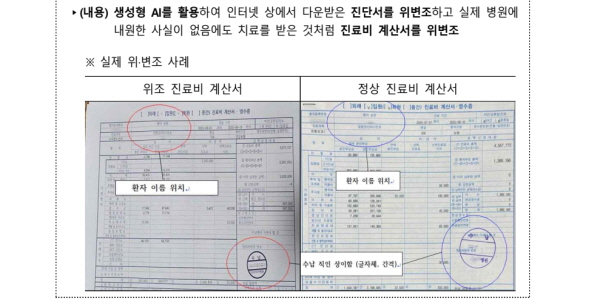
The use of generative AI to create falsified hospital documents that enabled repeated fraudulent insurance claims constitutes direct harm caused by an AI system's misuse, fulfilling the criteria for an AI Incident due to financial harm and legal violations. The subsequent government response to establish a task force to prevent AI-enabled insurance fraud is complementary information enhancing understanding of societal and governance responses. Since the main event involves realized harm caused by AI misuse, the classification is AI Incident.[AI generated]
AI principles
AccountabilityRobustness & digital security

Industries
Financial and insurance services

Affected stakeholders
Business

Harm types
Economic/Property

Severity
AI incident

Business function:
ICT management and information security

AI system task:
Content generation


Articles about this incident or hazard

Thumbnail Image

AI로 병원서류 조작해 1.5억 꿀꺽...당국, 보험사기 방지 TF 출범

2026-06-04
mk.co.kr
Why's our monitor labelling this an incident or hazard?
The use of generative AI to create falsified hospital documents that enabled repeated fraudulent insurance claims constitutes direct harm caused by an AI system's misuse, fulfilling the criteria for an AI Incident due to financial harm and legal violations. The subsequent government response to establish a task force to prevent AI-enabled insurance fraud is complementary information enhancing understanding of societal and governance responses. Since the main event involves realized harm caused by AI misuse, the classification is AI Incident.
Thumbnail Image

작년 보험사기 9조 추산...AI 보험사기 방지체계 구축 나선다

2026-06-04
연합뉴스
Why's our monitor labelling this an incident or hazard?
The event involves AI systems (generative AI and deepfake technology) being used to commit insurance fraud, which is a violation of law and causes significant financial harm. The article provides a concrete example of realized harm through fraudulent claims and legal sentencing. The government's response to build an AI-based prevention system is a complementary measure but does not negate the fact that AI misuse has already caused harm. Hence, this qualifies as an AI Incident due to the direct involvement of AI in causing harm through fraudulent activities.
Thumbnail Image

AI 보험사기 대응 나선다...범정부 TF 출범

2026-06-04
데일리안
Why's our monitor labelling this an incident or hazard?
The event involves the use and misuse of AI systems (generative AI and deepfake technology) to commit insurance fraud, which constitutes a violation of legal and financial rights and causes significant economic harm. Since the fraud is actively occurring and causing harm, this qualifies as an AI Incident. The article focuses on the harm caused by AI misuse and the direct response to it, rather than just potential future risks or general AI developments. Therefore, the classification is AI Incident.
Thumbnail Image

AI 보험사기 9조원 추산...정부, 보험금 누수 막아낸다

2026-06-04
아시아투데이
Why's our monitor labelling this an incident or hazard?
The event involves the use of AI systems (generative AI and deepfake technology) to commit insurance fraud, which has caused substantial financial harm. The AI system's use is directly linked to the harm (fraudulent insurance claims and financial losses). The article details actual harm occurring due to AI misuse, not just potential harm or general AI developments. Therefore, it meets the criteria for an AI Incident rather than an AI Hazard or Complementary Information.
Thumbnail Image

작년 보험사기 9조 추정...금융당국, AI 기반 사기예방 TF 가동 - 동행미디어 시대

2026-06-04
동행미디어 시대
Why's our monitor labelling this an incident or hazard?
The event involves the use and potential misuse of AI systems (e.g., generative AI for deepfakes and image manipulation) in insurance fraud, which could plausibly lead to significant financial harm (harm to property and economic interests). The article focuses on the risk and the planned response to prevent such harm, rather than describing an actual incident where AI caused harm. Therefore, this qualifies as an AI Hazard, as the AI system's involvement could plausibly lead to an AI Incident (insurance fraud causing financial losses).
Thumbnail Image

금융당국, AI·딥페이크 보험사기 차단 나선다 - 서울파이낸스

2026-06-04
서울파이낸스
Why's our monitor labelling this an incident or hazard?
The event involves the use of AI systems (generative AI and deepfake technology) in committing insurance fraud, which has caused direct financial harm (a form of harm to property and economic interests). The article reports an actual case of fraud detected using AI, indicating realized harm. The authorities' response to build AI-based detection systems is a reaction to this incident. Therefore, this qualifies as an AI Incident because the AI system's use has directly led to harm through fraudulent activity.
Thumbnail Image

포토샵 넘어 AI 위조 보험사기 확산...금융당국, 통합 탐지망 만든다 | 아주경제

2026-06-04
아주경제
Why's our monitor labelling this an incident or hazard?
The event involves the use of an AI system (generative AI) to commit insurance fraud by forging documents, which directly leads to financial harm (a form of harm to property and economic loss). The article reports on realized harm (fraudulent claims amounting to significant financial losses) caused by AI-generated forgeries. Therefore, this qualifies as an AI Incident. The discussion of the task force and detection system is complementary information but secondary to the main event of AI-enabled fraud causing harm.
Thumbnail Image

AI로 보험사기 막는다... 금융당국, 방지체계 구축

2026-06-04
매일일보
Why's our monitor labelling this an incident or hazard?
The article clearly involves AI systems both in the fraudulent activities (generative AI and deepfakes used to commit insurance fraud) and in the planned response (AI-based detection and prevention platform). However, the article does not report a specific AI Incident where harm has already occurred due to AI system malfunction or misuse. Instead, it describes a proactive governance and technical response to a growing AI-enabled fraud threat, which is a plausible future harm scenario. Therefore, this event fits the definition of an AI Hazard, as it concerns the plausible risk of AI-enabled insurance fraud and the efforts to mitigate it before further harm occurs.
Thumbnail Image

생성형 AI 악용 보험사기 막는다⋯범정부 대응체계 구축

2026-06-04
이투데이
Why's our monitor labelling this an incident or hazard?
The event involves AI systems explicitly (generative AI and deepfake technologies used in fraud, and AI-based detection systems being developed). The harm (insurance fraud causing financial loss) is ongoing and significant, but the article does not report a specific AI incident where AI misuse or malfunction directly caused harm; rather, it reports on a coordinated response to prevent and mitigate such harms. This fits the definition of Complementary Information, as it details societal and governance responses to AI-related risks and the development of new safety protocols and standards to address AI-enabled fraud.
Thumbnail Image

미적발 보험사기만 9조원...금융위, 'AI 기반 보험사기 방지 TF' 출범

2026-06-04
디지털데일리
Why's our monitor labelling this an incident or hazard?
The article explicitly mentions the use of AI and generative AI technologies in the context of insurance fraud, which is a serious issue causing financial harm. However, the event described is the establishment of a task force to build AI-based prevention systems, not an incident where AI caused harm or malfunctioned. The focus is on future mitigation and prevention, making this a governance and ecosystem development update. Hence, it fits the definition of Complementary Information, as it provides context and response to AI-related risks but does not describe a new AI Incident or AI Hazard.
Thumbnail Image

"AI로 진단서 위조해 1억원 편취"...금융위, 보험사기 TF 출범

2026-06-04
마이데일리
Why's our monitor labelling this an incident or hazard?
The event involves the use of AI systems (generative AI and deepfake technology) to produce forged documents that directly led to significant financial harm (fraudulent insurance claims). The article provides a concrete example of harm realized through AI misuse, fulfilling the criteria for an AI Incident. The formation of a task force and development of AI detection systems are responses to this incident, but the primary event is the AI-enabled fraud causing harm. Hence, the classification is AI Incident.
Thumbnail Image

작년 보험사기 '9조'...정부, 9월 AI 보험사기 방지체계 마련

2026-06-04
아시아경제
Why's our monitor labelling this an incident or hazard?
The article explicitly mentions AI systems being used maliciously for insurance fraud, which is causing harm (financial losses and insurance premium increases). However, the article does not describe a specific AI Incident where an AI system's development, use, or malfunction directly or indirectly caused harm. Instead, it reports on the government's task force and plans to build an AI-based detection platform to combat these harms. This constitutes a governance and societal response to an existing AI-related harm problem, fitting the definition of Complementary Information. There is no new AI Incident or AI Hazard described as the focus is on mitigation and prevention strategies rather than a new or potential harm event.
Thumbnail Image

금융위 'AI 보험사기' 막을 TF 출범, "보험금 누수 막아 국민께 혜택 돌려주겠다"

2026-06-04
비즈니스포스트
Why's our monitor labelling this an incident or hazard?
The article explicitly mentions AI systems (generative AI, deepfake) being used in insurance fraud, which is a form of harm (financial loss to the public and health insurance funds). However, it does not describe a particular incident where AI fraud caused harm but rather the government's proactive formation of a task force to prevent and mitigate such harms. This fits the definition of Complementary Information, which includes governance responses and updates on AI-related harms without reporting a new incident or hazard itself.
Thumbnail Image

AI로 진단서 위조해 보험사기...금융위, AI 기반 방지 TF 출범

2026-06-04
미디어펜
Why's our monitor labelling this an incident or hazard?
The article explicitly states that AI-generated fake documents and deepfakes are being used for insurance fraud, which is a direct harm caused by AI misuse. This constitutes a violation of legal and financial rights and causes significant financial harm. The formation of the task force is a response to this ongoing AI Incident. Therefore, the primary classification is AI Incident because the harm is realized and directly linked to AI misuse in insurance fraud.
Thumbnail Image

[금융 HOT 뉴스] 금융위, AI 활용 '보험사기 대응 TF' 출범...9월 방지체계 구축방안 마련

2026-06-04
비즈월드
Why's our monitor labelling this an incident or hazard?
The event involves AI systems explicitly, particularly generative AI and deepfake technologies used maliciously for insurance fraud. The article does not report a specific AI Incident (i.e., a realized harm event caused by AI) but rather discusses the plausible and ongoing risk of AI-enabled insurance fraud and the establishment of a task force to address this hazard. Therefore, this is an AI Hazard because the development and use of AI systems could plausibly lead to significant harm (financial losses, fraud) if not properly managed. The article also includes information about governance and mitigation efforts, but the primary focus is on the risk and potential harm from AI misuse in insurance fraud, not on a completed incident or solely on complementary information.
Thumbnail Image

AI 악용 보험사기 급증에 정부 합동 TF 출범...9월 구축방안 마련 - 이비엔(EBN)뉴스센터

2026-06-04
이비엔(EBN)뉴스센터
Why's our monitor labelling this an incident or hazard?
The article explicitly mentions the use of generative AI to create forged documents for insurance fraud, which has resulted in significant financial harm and legal penalties. The AI system's misuse is central to the harm caused, fulfilling the criteria for an AI Incident. The government's response and formation of a task force are complementary information but do not negate the fact that the AI misuse has already caused harm. Hence, the primary classification is AI Incident.
Thumbnail Image

[Policy Radar] 범정부 AI 기반 보험사기 방지 체계 구축TF 출범

2026-06-04
더벨뉴스
Why's our monitor labelling this an incident or hazard?
The article describes the formation of a task force to develop and implement AI systems aimed at preventing insurance fraud. While no specific harm or incident is reported yet, the AI system's use in fraud detection could plausibly lead to impacts on individuals or groups if misused or malfunctioning. However, since this is an announcement of a new initiative without any realized harm or incident, it qualifies as Complementary Information about AI development and governance rather than an AI Incident or Hazard.