Meta Secretly Embeds Facial Recognition in Smart Glasses App, Raising Privacy Concerns

Thumbnail Image

The information displayed in the AIM should not be reported as representing the official views of the OECD or of its member countries.

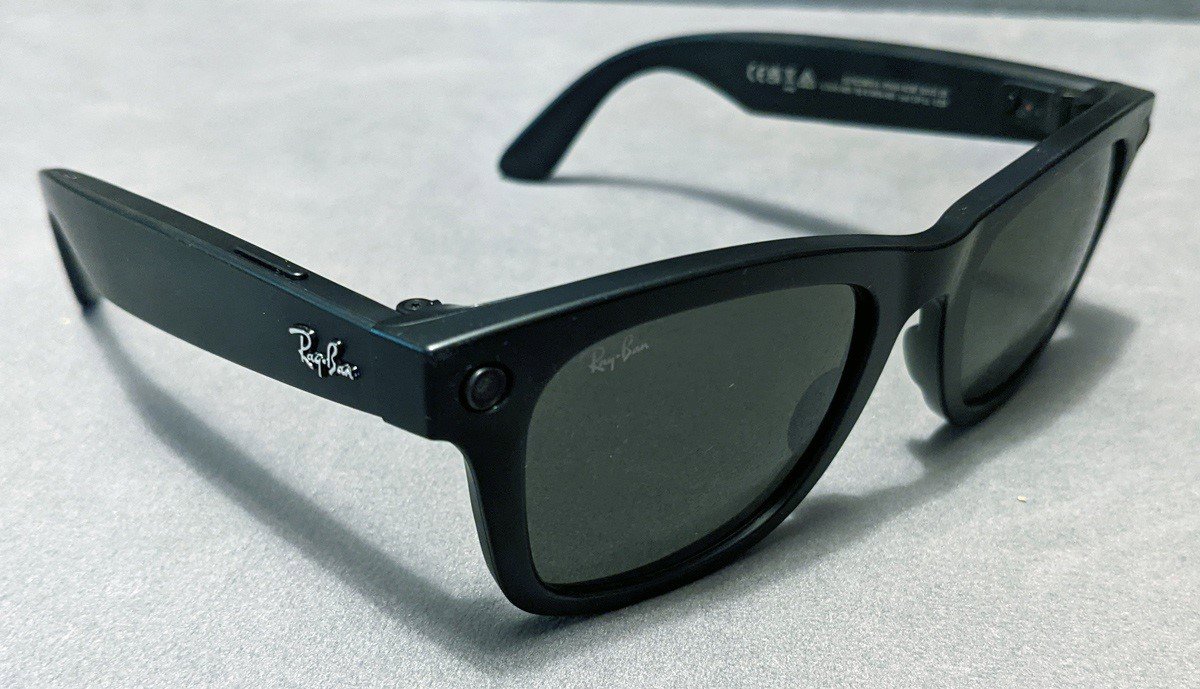
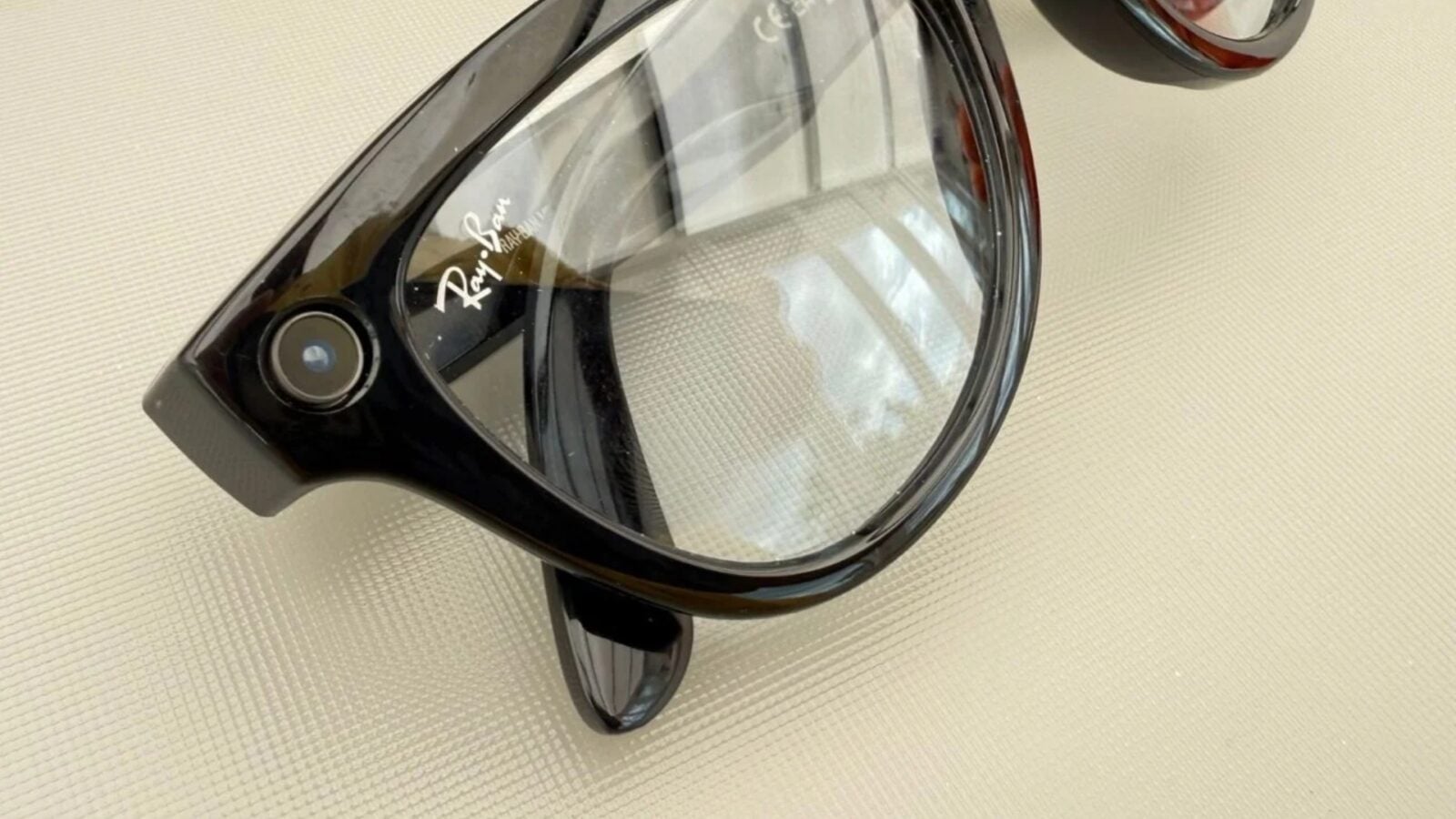
Meta has covertly integrated facial recognition AI code, known as 'NameTag', into its Meta View app for Ray-Ban and Oakley smart glasses, now present on millions of devices. Although not yet activated, the system could identify individuals in real time, raising significant privacy and human rights concerns.[AI generated]

Why's our monitor labelling this an incident or hazard?

An AI system (facial recognition AI) is explicitly involved, as Meta has integrated AI models for face detection and biometric data extraction. The system is currently in development and testing phases, with no deployment to consumers or realized harm. However, credible concerns exist about potential misuse leading to violations of privacy and human rights, which fits the definition of an AI Hazard. The article does not describe any direct or indirect harm occurring yet, so it cannot be classified as an AI Incident. It is not merely complementary information because the main focus is on the potential risks and the experimental AI system itself, not on responses or ecosystem context. Therefore, the classification is AI Hazard.[AI generated]

AI principles
Privacy & data governanceTransparency & explainability

Industries
Consumer productsDigital security

Affected stakeholders
General public

Harm types
Human or fundamental rights

Severity
AI hazard

AI system task:
Recognition/object detection


Articles about this incident or hazard

Thumbnail Image

La "preuve d'une exploration": Meta expérimente une fonction de reconnaissance faciale dans son appli présente sur des millions de smartphones, mais assure que "rien n'a encore été déployé auprès des consommateurs"

2026-06-05
BFMTV
Why's our monitor labelling this an incident or hazard?
An AI system (facial recognition AI) is explicitly involved, as Meta has integrated AI models for face detection and biometric data extraction. The system is currently in development and testing phases, with no deployment to consumers or realized harm. However, credible concerns exist about potential misuse leading to violations of privacy and human rights, which fits the definition of an AI Hazard. The article does not describe any direct or indirect harm occurring yet, so it cannot be classified as an AI Incident. It is not merely complementary information because the main focus is on the potential risks and the experimental AI system itself, not on responses or ecosystem context. Therefore, the classification is AI Hazard.
Thumbnail Image

Meta ha sido cazada: descubren código de reconocimiento facial en sus gafas inteligentes para millones de usuarios

2026-06-05
El Español
Why's our monitor labelling this an incident or hazard?
The article explicitly describes an AI system (facial recognition AI models) integrated into a widely deployed app connected to smart glasses. The system is designed to identify individuals by their faces, generating biometric signatures and storing them locally and potentially on servers. The secretive installation without user notification or consent, combined with Meta's prior violations and fines, indicates a breach of privacy and human rights. The AI system's development and use have directly led to realized harm in terms of unauthorized biometric data collection and privacy invasion, fulfilling the criteria for an AI Incident under violations of human rights and applicable law. The potential activation of this feature would exacerbate these harms.
Thumbnail Image

Meta ha integrado, en secreto, un sistema de reconocimiento facial en las apps de millones de móviles: sirven para sus gafas inteligentes

2026-06-05
LaVanguardia
Why's our monitor labelling this an incident or hazard?
The event involves the use of an AI system (facial recognition AI models) that has been integrated and distributed in millions of devices, capable of identifying individuals without their consent. This directly implicates violations of privacy and human rights, fulfilling the criteria for harm under (c) violations of human rights or breach of legal protections. Although the feature is not yet consumer-activated, the system is effectively operational and distributed, meaning harm is either occurring or imminent. The article also highlights past legal disputes and settlements related to similar technology, reinforcing the seriousness of the issue. Therefore, this is classified as an AI Incident rather than a hazard or complementary information because the AI system's deployment and capabilities have already led to or are very close to leading to significant harm.
Thumbnail Image

Meta oculta código de reconocimiento facial para sus gafas inteligentes en millones de teléfonos

2026-06-05
La Razón
Why's our monitor labelling this an incident or hazard?
The article explicitly describes an AI system (facial recognition AI models) developed and deployed by Meta that processes biometric data to identify individuals without their informed consent. This use directly leads to violations of privacy and biometric data protection laws, which are breaches of fundamental rights. The AI system's deployment in millions of devices without transparent disclosure or proper consent mechanisms constitutes realized harm. The involvement of AI in the development and use phases is clear, and the harms are direct and significant. Hence, this event meets the criteria for an AI Incident.
Thumbnail Image

Unas gafas para detectarlos a todos: Meta ya está añadiendo reconocimiento facial a sus 'smart glasses' con Ray-Ban y Oakley

2026-06-05
El Periódico
Why's our monitor labelling this an incident or hazard?
An AI system (facial recognition) is explicitly mentioned as being developed and integrated into smart glasses. The system's use involves biometric identification, which implicates privacy and human rights concerns. The feature is currently disabled, so no direct harm has occurred yet, but its activation could plausibly lead to violations of privacy and human rights, qualifying as an AI Hazard. The article does not report any realized harm or incident but highlights credible future risks and strategic deployment plans, fitting the definition of an AI Hazard rather than an Incident or Complementary Information.
Thumbnail Image

Meta introduce en secreto código de reconocimiento facial para sus...

2026-06-05
europa press
Why's our monitor labelling this an incident or hazard?
An AI system (facial recognition AI) is explicitly involved, integrated into a widely distributed app linked to Meta's smart glasses. The use of this AI system's code, even if not yet activated, has already occurred in millions of devices, implying unauthorized biometric data processing and privacy violations. The event involves the use and development of AI leading to violations of human rights and privacy, fulfilling the criteria for an AI Incident. The harm is direct and ongoing due to the covert deployment and potential for misuse, outweighing any future harm classification or complementary information status.
Thumbnail Image

Vos visages scannés par des Ray-Ban ? Le projet inquiétant de Meta

2026-06-05
Frandroid
Why's our monitor labelling this an incident or hazard?
An AI system (facial recognition) is explicitly involved, integrated into Meta's application and linked to smart glasses. The system's use could lead to violations of privacy and human rights through mass surveillance, which is a recognized harm category. However, the feature is not yet activated or deployed to consumers, so no realized harm has occurred. The article highlights credible concerns and plausible future harm from the system's deployment, fitting the definition of an AI Hazard rather than an AI Incident. The article also includes Meta's statements denying current deployment, reinforcing that harm is potential, not realized.
Thumbnail Image

Meta aseguró que seguía pensando si usaba reconocimiento facial en sus gafas. En secreto, ya lo ha instalado en millones de teléfonos

2026-06-05
xataka.com.mx
Why's our monitor labelling this an incident or hazard?
The event involves an AI system (facial recognition integrated with smart glasses and smartphones) that has been secretly installed but not yet activated. The article details credible concerns from civil rights groups about potential misuse leading to stalking, harassment, and privacy violations, which are harms to human rights. Since the system is not currently causing harm but could plausibly do so if activated, it fits the definition of an AI Hazard rather than an AI Incident. The covert installation without user knowledge and the potential for widespread surveillance justify classifying this as a significant AI Hazard.
Thumbnail Image

Souriez, vous êtes catalogué : du code de reconnaissance faciale repéré dans l'app des Ray-Ban Meta

2026-06-05
Clubic.com
Why's our monitor labelling this an incident or hazard?
The event involves an AI system (facial recognition software) embedded in consumer devices. The system's use of biometric data and potential for surveillance implicates human rights and privacy concerns. Since the feature is not yet active and no harm has been reported, but the code's presence in millions of devices suggests a credible risk of future harm, this qualifies as an AI Hazard rather than an AI Incident. The article does not describe realized harm but highlights a plausible future risk from the AI system's deployment.
Thumbnail Image

Lunettes connectées Meta : malgré la polémique, la reconnaissance faciale se rapproche

2026-06-05
01net
Why's our monitor labelling this an incident or hazard?
The event involves an AI system (facial recognition AI integrated into smart glasses) under development and intended for public deployment. Although the system is currently inactive and no harm has occurred, the nature of facial recognition technology and its potential for privacy violations and misuse make it a credible risk for future harm. The article does not describe any realized harm or incident but highlights the plausible future risks and societal concerns, fitting the definition of an AI Hazard rather than an Incident or Complementary Information.
Thumbnail Image

La reconnaissance faciale des lunettes Meta s'invite en secret sur des millions de smartphones

2026-06-05
PhonAndroid
Why's our monitor labelling this an incident or hazard?
An AI system (facial recognition AI integrated into Meta's smart glasses ecosystem) is explicitly involved. While the system is currently inactive, its development and embedding in a widely distributed app could plausibly lead to violations of privacy and human rights if activated or misused. The article highlights expert concerns about surveillance and lack of transparency, indicating credible potential for harm. Since no actual harm has yet occurred but the risk is credible and imminent, this qualifies as an AI Hazard rather than an AI Incident. The event is not merely general AI news or a response update, so it is not Complementary Information or Unrelated.
Thumbnail Image

Du code de reconnaissance faciale déniché pour les lunettes de Meta

2026-06-05
Génération-NT
Why's our monitor labelling this an incident or hazard?
An AI system (facial recognition AI models) is explicitly described as being developed and integrated into an application for smart glasses. The system is not yet deployed or used by the public, so no direct harm has occurred. However, the article discusses plausible future harms related to privacy violations, mass surveillance, and misuse risks if the system is activated and widely used. This fits the definition of an AI Hazard, where the AI system's development and potential use could plausibly lead to an AI Incident involving violations of rights and harm to communities. The article does not describe any realized harm or incident, nor is it merely complementary information or unrelated news. Hence, AI Hazard is the appropriate classification.
Thumbnail Image

Meta escondió un sistema de reconocimiento facial en su app de gafas de IA

2026-06-05
DiarioBitcoin
Why's our monitor labelling this an incident or hazard?
An AI system (facial recognition AI) is explicitly described as embedded in a widely distributed app. The system's use involves processing biometric data to identify individuals without their knowledge or consent, which implicates violations of human rights and privacy. However, the feature is currently dormant and not activated publicly, so no direct harm has yet occurred. The presence of the system on millions of devices and the potential for activation represent a credible risk of significant harm. Therefore, this event is best classified as an AI Hazard, reflecting plausible future harm from the AI system's use.
Thumbnail Image

Meta introduce en secreto código de reconocimiento facial para sus gafas con IA en millones de móviles, según WIRED

2026-06-05
Diario Siglo XXI
Why's our monitor labelling this an incident or hazard?
An AI system (facial recognition AI integrated into Meta's smart glasses app) is explicitly involved. The system's development and embedding in millions of devices is confirmed, but the feature is not yet active, so no realized harm has occurred. The potential for privacy violations and human rights breaches is credible and significant, given the biometric identification capabilities and the secretive deployment. Therefore, this event represents a plausible future risk of harm from the AI system's use, fitting the definition of an AI Hazard rather than an Incident or Complementary Information.
Thumbnail Image

Meta esconde reconocimiento facial en sus gafas Ray-Ban para identificar personas sin que lo sepas

2026-06-04
librered.net
Why's our monitor labelling this an incident or hazard?
An AI system (facial recognition) is explicitly involved, embedded in the smart glasses app. The system's use (potential activation) could plausibly lead to violations of human rights and privacy (harm category c). Since the feature is not yet activated, no realized harm has occurred, but the covert embedding and potential activation without consent or safeguards create a credible risk of significant harm. Therefore, this event fits the definition of an AI Hazard rather than an AI Incident. The article focuses on the potential risks and regulatory conflicts rather than reporting actual harm or incidents.
Thumbnail Image

Oups, Meta cache du code de reconnaissance faciale dans son appli IA

2026-06-05
LEBIGDATA.FR
Why's our monitor labelling this an incident or hazard?
An AI system (facial recognition AI) is involved as inferred from the description of the "NameTag" feature. However, the system is not currently active or deployed, and no harm has occurred. The article discusses potential future use and societal concerns but no direct or indirect harm has materialized. Therefore, this situation represents a plausible future risk rather than an actual incident. It fits the definition of an AI Hazard because the development and potential deployment of facial recognition AI could plausibly lead to violations of privacy and human rights, but no incident has yet occurred.
Thumbnail Image

Lunettes Meta : l'intégration de la reconnaissance faciale est discrètement en cours

2026-06-05
next.ink
Why's our monitor labelling this an incident or hazard?
An AI system (facial recognition AI) is explicitly involved, integrated into Meta's app for connected glasses. The system's development and partial deployment (code integrated but not activated) could plausibly lead to harm, specifically violations of privacy and human rights, if activated or misused. No actual harm has yet occurred since the feature is not yet enabled or released to users, so it does not qualify as an AI Incident. The article focuses on the potential risks and societal concerns, fitting the definition of an AI Hazard rather than an Incident or Complementary Information. The event is not unrelated, as it clearly involves AI and potential harm.
Thumbnail Image

Usuarios de los anteojos inteligentes de Meta pagan para ocultar la cámara y grabar como espías

2026-06-05
Todo Noticias
Why's our monitor labelling this an incident or hazard?
The Meta Ray-Ban smart glasses incorporate AI technologies, including camera operation and planned AI facial recognition. The modification disabling the LED light directly facilitates covert recording, violating privacy rights and enabling harm to individuals, which fits the definition of an AI Incident. The article also highlights credible concerns about future AI-enabled facial recognition misuse, but since actual harm from covert recording is occurring, the incident classification takes precedence. The involvement of AI in the device's operation and the direct link to privacy harm justify this classification.
Thumbnail Image

Pronto no hará falta que te acuerdes del nombre de nadie. Ya lo harán las gafas de Meta por ti

2026-06-05
Xataka
Why's our monitor labelling this an incident or hazard?
An AI system (facial recognition AI) is explicitly described as being developed and integrated into the Meta glasses app. Although the feature is not yet launched, the code is deployed and ready, indicating imminent use. The system's design and capabilities pose plausible risks of harm, including privacy violations and surveillance of individuals without consent, which are violations of human rights. The article does not report actual harm yet but highlights credible concerns and opposition from advocacy groups, making this a clear AI Hazard rather than an Incident or Complementary Information. The presence of the AI system, its development, and the plausible future harm align with the definition of an AI Hazard.
Thumbnail Image

Meta está añadiendo reconocimiento facial a sus gafas inteligentes de Ray-Ban

2026-06-05
LaSexta
Why's our monitor labelling this an incident or hazard?
The article explicitly mentions an AI system (Meta AI) integrated into the smart glasses that performs facial recognition and biometric profiling. Although the feature is not currently active, its presence and potential activation could plausibly lead to violations of privacy and human rights, which constitute harm under the framework. Since no realized harm is described but a credible risk of harm exists, this event qualifies as an AI Hazard rather than an AI Incident. The concerns about privacy and data use align with potential violations of rights and obligations under applicable law, fitting the definition of plausible future harm.
Thumbnail Image

Meta vuelve a encender las alarmas por agregar reconocimiento facial a sus gafas inteligentes, según informe

2026-06-05
Merca2.0 Magazine
Why's our monitor labelling this an incident or hazard?
An AI system (facial recognition AI) is explicitly described as being developed and integrated into smart glasses. The system's use could plausibly lead to violations of privacy and surveillance harms, which are recognized as significant harms under the framework. However, the feature is not yet activated or causing realized harm, so no direct or indirect harm has occurred yet. The article focuses on the potential risks and societal concerns, fitting the definition of an AI Hazard. It is not Complementary Information because the main focus is not on responses or updates to a past incident, nor is it unrelated as it clearly involves AI and plausible harm.
Thumbnail Image

Ni cámaras de seguridad ni móviles: las nuevas gafas inteligentes de Meta generan una gran polémica porque podrían cambiar para siempre el anonimato en la calle

2026-06-05
Computer Hoy
Why's our monitor labelling this an incident or hazard?
The article explicitly describes an AI system (facial recognition AI) being used in smart glasses and a mobile app to identify people in public spaces without their consent. This use directly leads to violations of privacy and human rights, as recognized by privacy advocacy groups and security experts. The harm is realized, not just potential, since the system is already deployed to millions and can notify users of recognized individuals. Hence, it meets the criteria for an AI Incident involving violations of human rights and privacy.