Waymo Robotaxi Blocks Emergency Crews During Deadly Dallas Explosion

Thumbnail Image

The information displayed in the AIM should not be reported as representing the official views of the OECD or of its member countries.

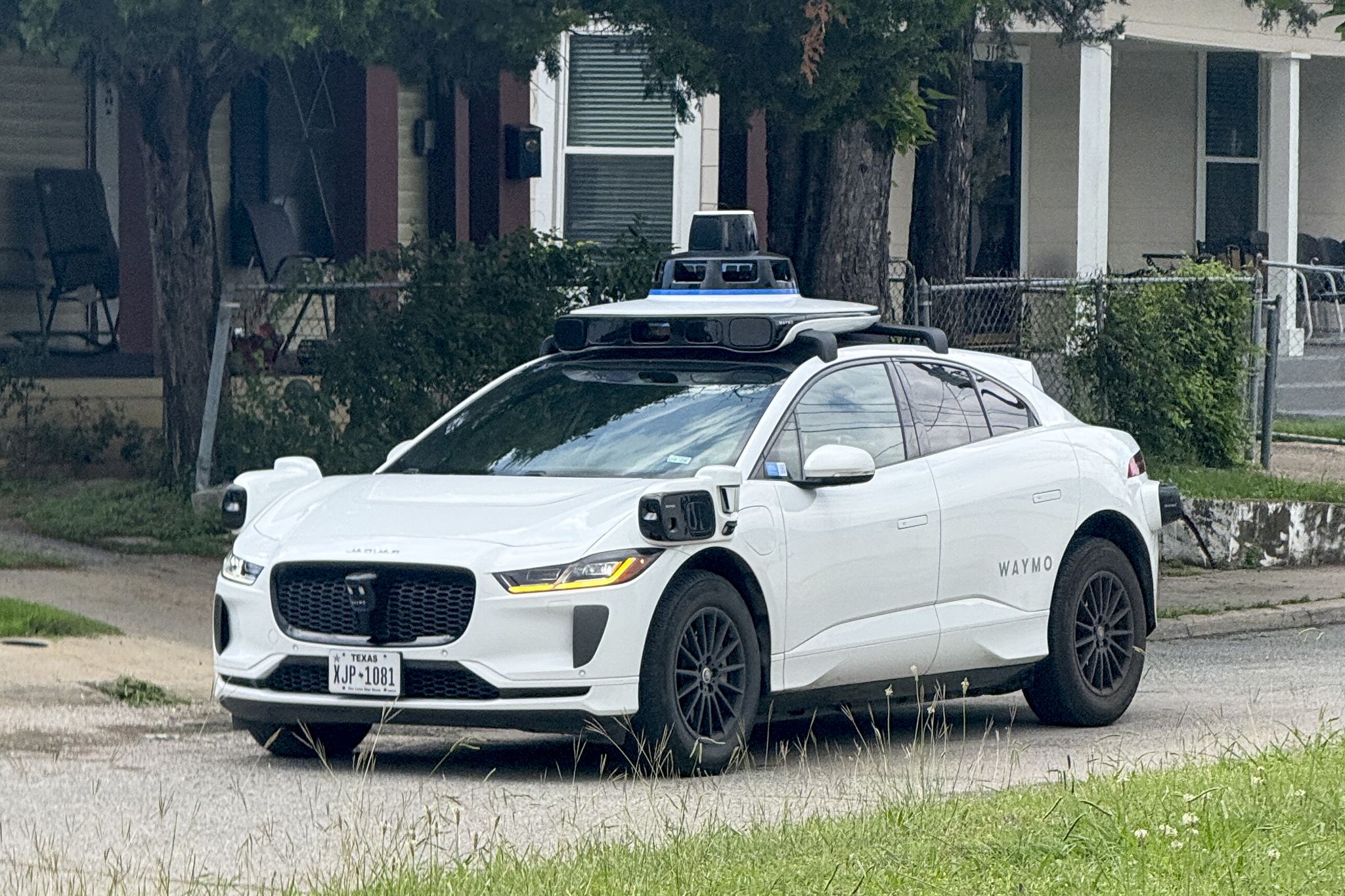
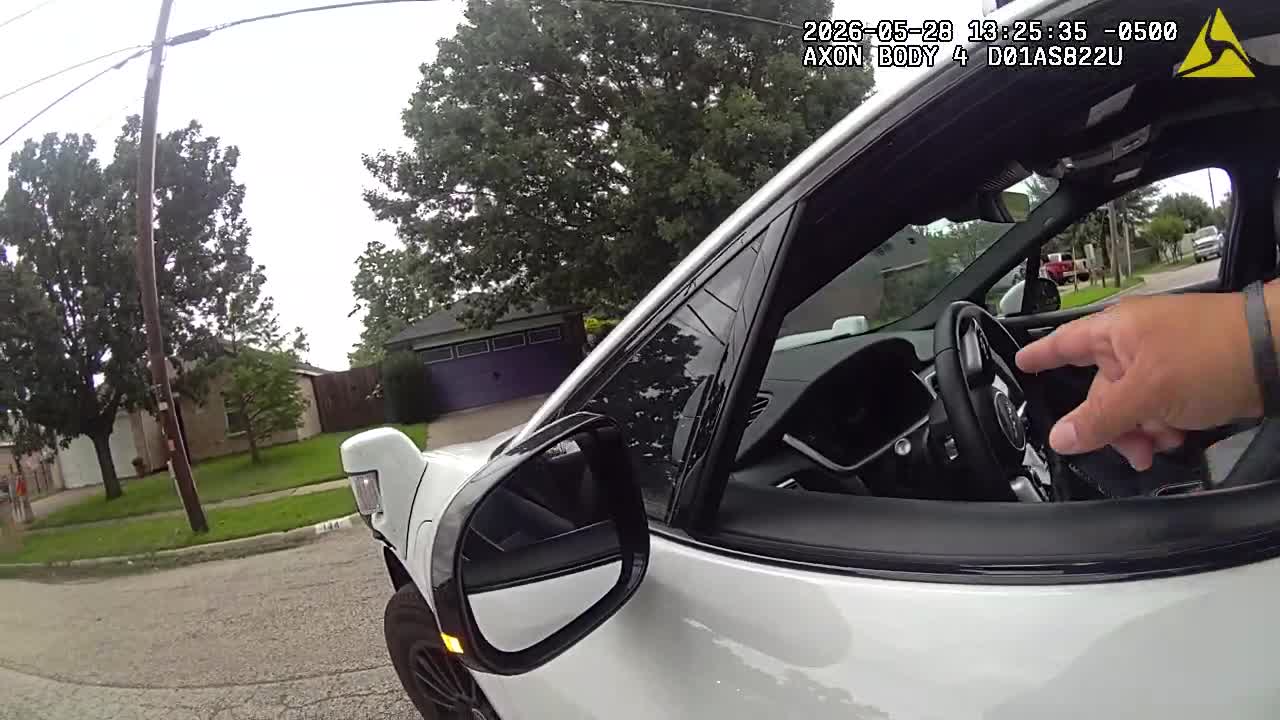
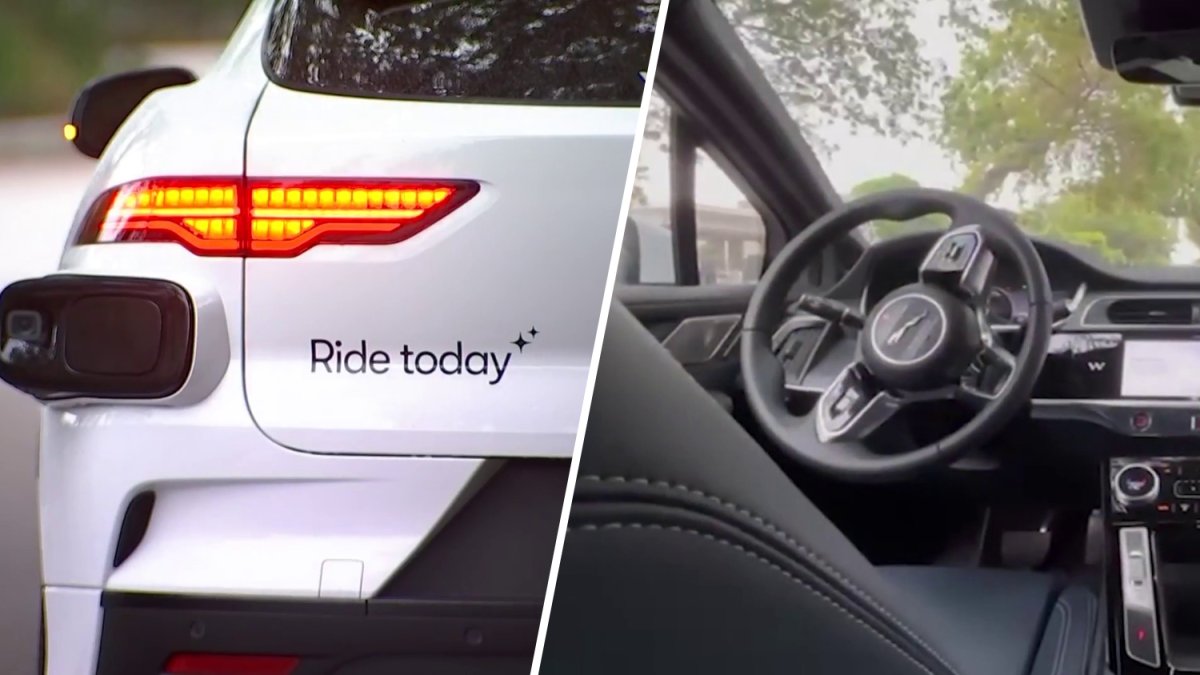
A Waymo autonomous vehicle blocked emergency responders for over three minutes during a fatal gas explosion in Dallas, Texas. The AI-driven car failed to promptly clear the route, and a remote dispatcher delayed action by requesting officer identification, hindering critical emergency response efforts.[AI generated]

Why's our monitor labelling this an incident or hazard?

The event explicitly involves an AI system (Waymo's autonomous vehicle) whose operational behavior caused a blockage during a critical emergency, potentially delaying firefighters and emergency services. The AI system's inability to promptly move out of the way, requiring remote intervention and police involvement, directly relates to a risk of harm to people (firefighters and residents). This fits the definition of an AI Incident as the AI system's use directly led to a harm-related event (delay in emergency response). The concerns about regulation and accountability further support the significance of the incident.[AI generated]
AI principles
SafetyAccountability

Industries
Mobility and autonomous vehicles

Affected stakeholders
General publicWorkers

Harm types
Physical (death)Public interest

Severity
AI incident

Business function:
Other

AI system task:
Goal-driven organisationRecognition/object detection


Articles about this incident or hazard

Thumbnail Image

A Waymo blocked the road during a Dallas emergency and it raised questions

2026-06-05
NBC 5 Dallas-Fort Worth
Why's our monitor labelling this an incident or hazard?
The event explicitly involves an AI system (Waymo's autonomous vehicle) whose operational behavior caused a blockage during a critical emergency, potentially delaying firefighters and emergency services. The AI system's inability to promptly move out of the way, requiring remote intervention and police involvement, directly relates to a risk of harm to people (firefighters and residents). This fits the definition of an AI Incident as the AI system's use directly led to a harm-related event (delay in emergency response). The concerns about regulation and accountability further support the significance of the incident.
Thumbnail Image

Waymo blocked road as firefighters rushed to deadly explosion: 'Man, there's nobody in here'

2026-06-08
New York Post
Why's our monitor labelling this an incident or hazard?
The event explicitly involves an AI system (Waymo's autonomous vehicle) whose malfunction or operational issue led to a road blockage during a critical emergency response. This interference with emergency services could have led to harm or disruption of critical infrastructure management (emergency response). While no direct injury from the AI system was reported, the obstruction of first responders during a deadly fire constitutes a disruption of critical infrastructure management, fulfilling the criteria for an AI Incident. The AI system's role was pivotal in causing the obstruction, and the event involved the use and malfunction of the AI system.
Thumbnail Image

Horror moment driverless taxi blocks firefighters rushing to deadly explosion

2026-06-08
Mirror
Why's our monitor labelling this an incident or hazard?
The driverless taxi is an AI system as it operates autonomously and is remotely managed. Its behavior—making a three-point turn and blocking the road—directly interfered with firefighters' access to a deadly explosion site, constituting a disruption of critical infrastructure (emergency response). This disruption could have led to further harm or delayed life-saving actions. The incident involves the AI system's use and malfunction leading to harm, fitting the definition of an AI Incident.
Thumbnail Image

Video shows deputy moved Waymo from path of fire trucks after Oak Cliff blast

2026-06-05
The Dallas Morning News
Why's our monitor labelling this an incident or hazard?
The Waymo vehicle is an AI system (autonomous vehicle). The event describes the use of the AI system during an emergency, but no harm or incident caused by the AI system occurred. The deputy constable intervened to move the vehicle to facilitate emergency response, and the vehicle was operating as designed by yielding to traffic. The article focuses on the interaction between first responders and the AI system, emphasizing safety protocols and training. Therefore, this is complementary information about AI system operation and emergency response, not an incident or hazard.
Thumbnail Image

Waymo blocks Dallas road as first responders rush to explosion

2026-06-06
FOX 32 Chicago
Why's our monitor labelling this an incident or hazard?
The autonomous vehicle is an AI system as it operates without a driver and is remotely monitored. Its malfunction or failure to promptly clear the way for emergency vehicles during a critical incident constitutes an indirect contribution to disruption of emergency response operations, which is a form of harm to critical infrastructure management. Although the vehicle was eventually moved manually, the incident shows the AI system's failure to adequately respond in a dynamic, high-stakes environment, leading to a delay in emergency services. Therefore, this qualifies as an AI Incident due to indirect harm caused by the AI system's malfunction during its use.
Thumbnail Image

A Self-Driving Waymo Blocked Emergency Crews at Explosion Scene For Over 3-Minutes

2026-06-08
Gadget Review
Why's our monitor labelling this an incident or hazard?
The event involves an AI system (Waymo's autonomous vehicle) whose malfunction or failure to act appropriately in an emergency situation directly led to a delay in emergency response, which is a disruption of critical infrastructure management (emergency services). The AI system's programmed adherence to traffic rules without adequate emergency override capability caused the vehicle to block emergency crews, thereby indirectly contributing to harm. This fits the definition of an AI Incident as the AI system's malfunction directly led to harm (delay in emergency response to a deadly explosion).
Thumbnail Image

Witherite Law Group Raises Concerns About Autonomous Vehicle Interference in Emergency Response Situations

2026-06-08
WBOC TV-16
Why's our monitor labelling this an incident or hazard?
The autonomous vehicle AI system's malfunction or inadequate response directly caused obstruction of emergency routes, delaying firefighters and paramedics during deadly incidents. This constitutes direct harm to health and safety (harm category a). The involvement of AI is explicit (Waymo's autonomous vehicles and remote dispatch system). The harm has already occurred, not just a potential risk, making this an AI Incident rather than a hazard. The article focuses on the consequences of these failures and legal/public safety implications, not just general AI news or responses, so it is not Complementary Information.
Thumbnail Image

A Dallas Deputy Constable Had to Physically Drive a Leaderless Waymo Out of the Way During a Fatal Apartment Explosion

2026-06-07
Yahoo
Why's our monitor labelling this an incident or hazard?
The event involves an AI system explicitly (Waymo's autonomous vehicle) whose malfunction or failure to act appropriately directly led to a delay in emergency response during a fatal apartment fire. This delay plausibly exacerbated harm to people (three deaths, five injuries) and property (fire damage). The AI system's inability to recognize and respond to an emergency scenario, combined with slow remote human intervention, constitutes a malfunction leading to harm. Therefore, this qualifies as an AI Incident under the framework, as the AI system's use and malfunction directly contributed to harm to people and disruption of emergency operations.
Thumbnail Image

Witherite Law Group Raises Concerns About Autonomous Vehicle Interference in Emergency Response Situations

2026-06-08
The Norfolk Daily News
Why's our monitor labelling this an incident or hazard?
The autonomous vehicle is an AI system as it operates driverlessly and relies on AI for navigation and remote support. The incident shows the AI system's malfunction or inadequate response (not promptly moving the vehicle) directly interfering with emergency responders, causing disruption to critical infrastructure management (emergency response routes). The harm includes delayed emergency response in a life-threatening situation, which fits the definition of an AI Incident. The remote dispatcher's demand for identification before acting further exacerbated the delay, indicating a failure in the AI system's operational protocols during a critical event.
Thumbnail Image

Waymo Snaps Up Apple's Abandoned Robotaxi Test Track For $220M

2026-06-09
Asianet News Network Pvt Ltd
Why's our monitor labelling this an incident or hazard?
The article involves AI systems as it concerns autonomous vehicle technology, which inherently relies on AI for navigation and control. However, there is no indication of any injury, rights violation, disruption, or other harm caused or potentially caused by the AI systems in this context. The event is about the acquisition and intended use of a testing facility, which is a development in the AI ecosystem but does not describe an incident or hazard. Therefore, it qualifies as Complementary Information, providing context and updates about AI system development and deployment without reporting harm or plausible harm.
Thumbnail Image

Waymo Bought Apple's Self-driving Car Proving Ground For $220m

2026-06-08
Breaking News, Latest News, US and Canada News, World News, Videos
Why's our monitor labelling this an incident or hazard?
The article focuses on the purchase of a testing facility for autonomous vehicles and its intended use for development and testing of AI-driven self-driving systems. There is no indication that this event has caused or could plausibly lead to harm as defined by the AI Incident or AI Hazard criteria. It is a factual update about AI ecosystem development and infrastructure expansion, which fits the definition of Complementary Information rather than an Incident or Hazard.
Thumbnail Image

Waymo Snaps Up Apple's Abandoned Robotaxi Test Track For $220M

2026-06-09
Stocktwits
Why's our monitor labelling this an incident or hazard?
The article details a business transaction and the expansion of testing facilities for autonomous vehicles, which are AI systems. However, it does not describe any incident or hazard involving harm or plausible harm caused by AI. The focus is on the development and use of AI systems in a controlled environment to improve safety and performance. Therefore, this is complementary information that enhances understanding of the AI ecosystem but does not report an AI Incident or AI Hazard.