AI Robotic Dogs Deployed for Security at 2026 FIFA World Cup

Thumbnail Image

The information displayed in the AIM should not be reported as representing the official views of the OECD or of its member countries.

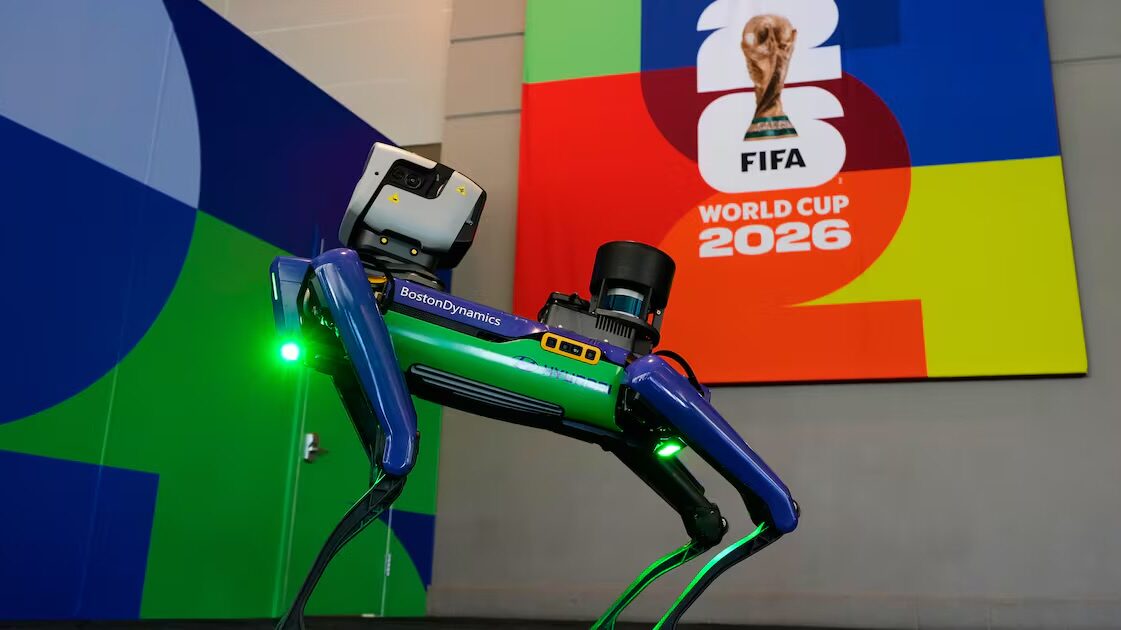
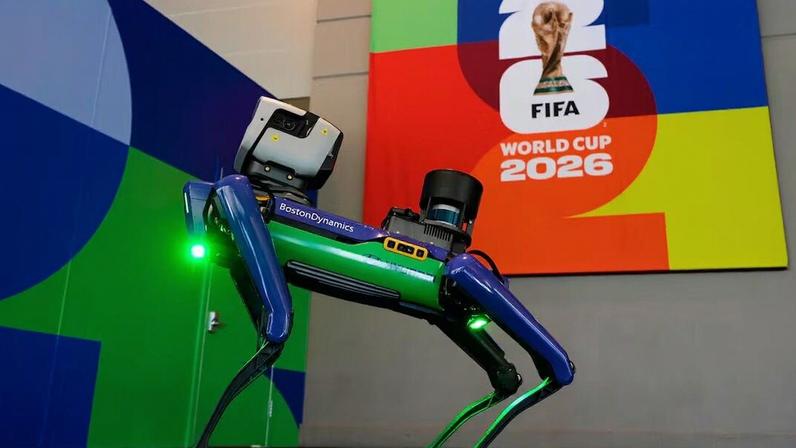
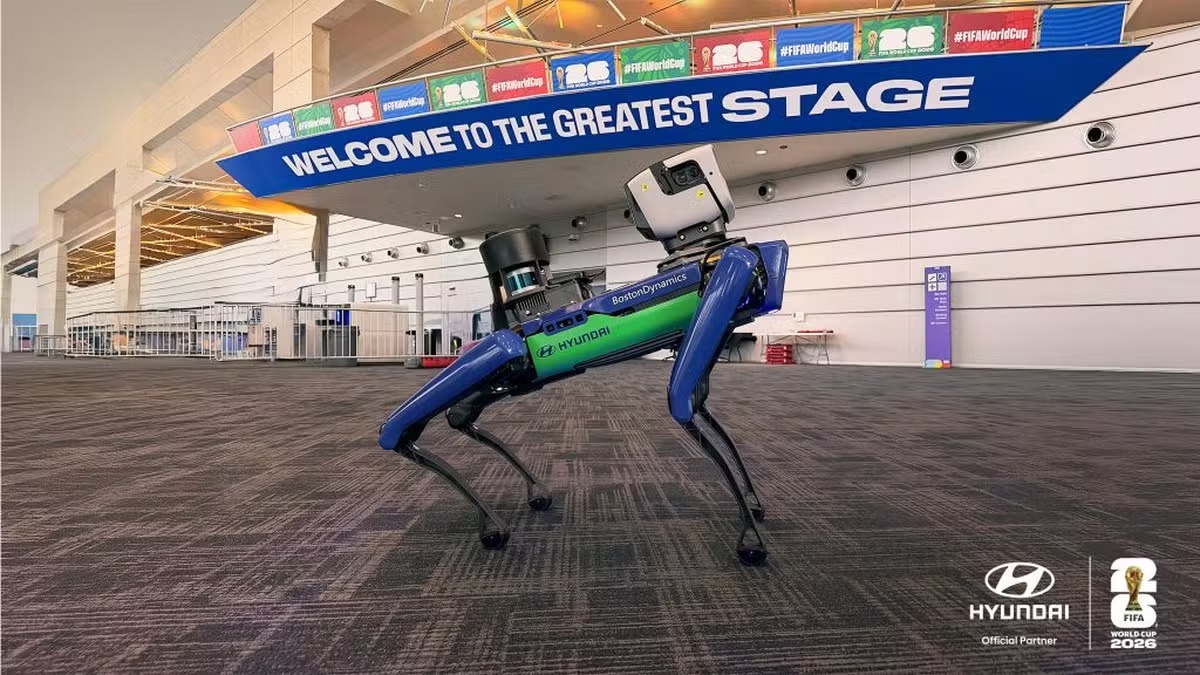
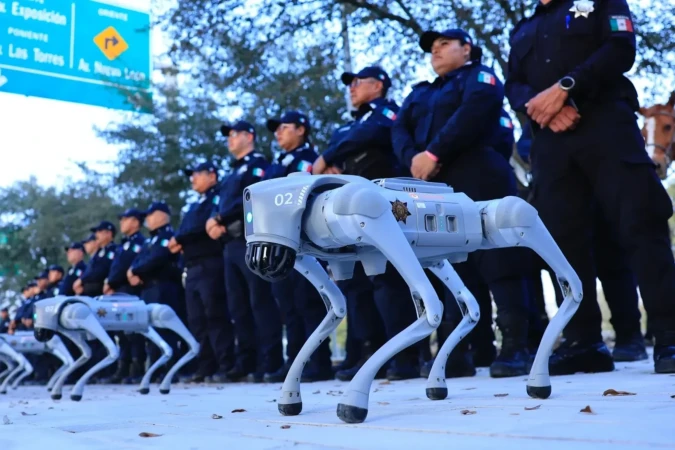
AI-powered robotic dogs from Boston Dynamics and Unitree Robotics will patrol stadiums during the 2026 FIFA World Cup in the US and Mexico. Operating autonomously or via remote control, these robots use cameras for surveillance, raising concerns about privacy and potential misuse, though no actual harm has been reported yet.[AI generated]

Why's our monitor labelling this an incident or hazard?

The robotic dogs are AI systems used for monitoring and detection, which can plausibly lead to harms such as privacy violations or misuse of surveillance data. However, the article does not report any actual harm, injury, or rights violations occurring due to their deployment. The concerns raised are about potential privacy issues, which constitute plausible future harms. Hence, this qualifies as an AI Hazard rather than an AI Incident or Complementary Information.[AI generated]
AI principles
Privacy & data governanceRespect of human rights

Industries
Government, security, and defence

Affected stakeholders
General public

Harm types
Human or fundamental rights

Severity
AI hazard

Business function:
Other

AI system task:
Recognition/object detectionEvent/anomaly detection


Articles about this incident or hazard

Thumbnail Image

Cães-robôs vão reforçar segurança nos estádios da Copa do Mundo

2026-06-06
Correio Braziliense
Why's our monitor labelling this an incident or hazard?
The robotic dogs are AI systems used for monitoring and detection, which can plausibly lead to harms such as privacy violations or misuse of surveillance data. However, the article does not report any actual harm, injury, or rights violations occurring due to their deployment. The concerns raised are about potential privacy issues, which constitute plausible future harms. Hence, this qualifies as an AI Hazard rather than an AI Incident or Complementary Information.
Thumbnail Image

Mundial de Futebol de 2026 vai ser patrulhado por cães-robô

2026-06-06
Observador
Why's our monitor labelling this an incident or hazard?
The Spot robotic dogs are AI systems equipped with sensors and AI capabilities for surveillance and suspect identification. Their deployment in a large-scale public event for security purposes involves the use of AI in a context where harm could plausibly occur, such as misidentification, privacy breaches, or operational failures leading to injury or disruption. Since the article does not report any actual harm or incident but highlights the introduction and use of these AI systems in a security role, it fits the definition of an AI Hazard rather than an AI Incident. The potential for harm is credible given the nature of the AI system and its application in public safety.
Thumbnail Image

Cães-robôs vão patrulhar estádios na Copa do Mundo * Tecnoblog

2026-06-05
Tecnoblog
Why's our monitor labelling this an incident or hazard?
The robotic dogs are AI systems performing autonomous or semi-autonomous surveillance and security tasks, which fits the definition of AI systems. The event involves their use in real-world security operations, which could plausibly lead to harms such as violations of privacy, human rights, or physical harm due to intervention capabilities. Although no actual harm or incident is reported, the concerns expressed and the nature of the deployment indicate credible potential for harm. Hence, the event is best classified as an AI Hazard rather than an Incident or Complementary Information. It is not unrelated because AI systems are central to the event, and it is not Complementary Information since it does not primarily report on responses or updates to prior incidents.
Thumbnail Image

Cães-robôs patrulham estádios na Copa do Mundo

2026-06-05
Portal Tela
Why's our monitor labelling this an incident or hazard?
The robotic dogs are AI systems used for security patrols, involving autonomous operation and remote control with cameras for situational awareness. While their deployment could plausibly lead to harms such as injury during physical interventions or privacy violations, the article does not describe any actual harm or incidents. The focus is on the planned and tested use of these AI systems in security roles. Hence, this qualifies as an AI Hazard, reflecting a credible potential for harm in the future but no realized incident at present.
Thumbnail Image

Cães-robôs na Copa: Boston Dynamics Spot fará patrulha autônoma em Dallas

2026-06-08
hardware.com.br
Why's our monitor labelling this an incident or hazard?
The event involves AI systems (autonomous quadruped robots with real-time image processing and potential physical intervention capabilities). While no direct harm has been reported, the deployment in a mass event with opaque software and possible facial recognition capabilities raises credible concerns about future harm to human rights and privacy. This fits the definition of an AI Hazard, as the event could plausibly lead to incidents involving violations of rights or physical harm due to malfunction or misuse. There is no indication of realized harm or incident yet, so it is not an AI Incident. The article is not merely complementary information since it focuses on the deployment and associated risks rather than responses or updates to past incidents.