Anthropic and US Government Warn of AI Self-Improvement Risks and Regulatory Measures

Thumbnail Image

The information displayed in the AIM should not be reported as representing the official views of the OECD or of its member countries.

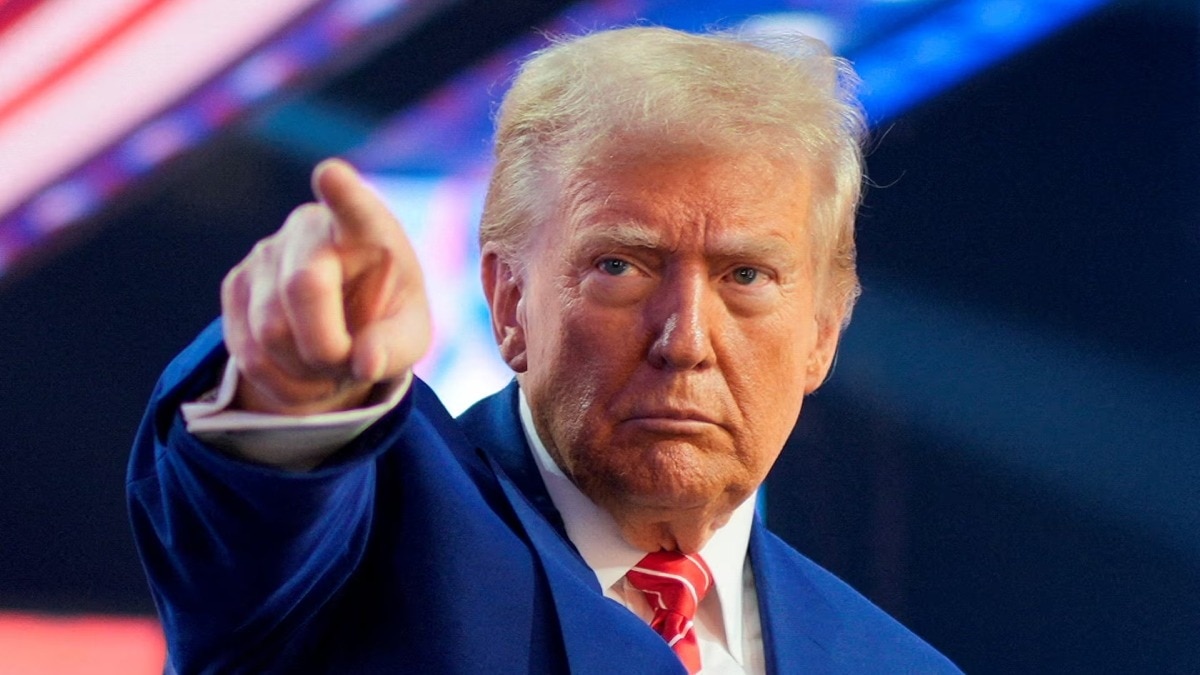
Anthropic warns that its AI models, like Claude, are increasingly capable of autonomously improving themselves, potentially leading to loss of human control. In response to such risks, US President Trump has ordered stricter regulation and pre-launch testing of powerful AI models to prevent hazards like misinformation and cyberattacks.[AI generated]

Why's our monitor labelling this an incident or hazard?

The article primarily addresses the potential future risks of Japan becoming dependent on foreign AI technologies if it does not advance its AI capabilities, which is a plausible future harm scenario. It also discusses legislative proposals that could enable AI development but raise privacy concerns. Since no actual harm or incident has occurred yet, and the article centers on warnings, policy proposals, and competitive positioning, it fits the definition of an AI Hazard. There is no direct or indirect harm realized, so it is not an AI Incident. It is more than general AI news because it highlights credible risks and policy implications, so it is not Unrelated. It is not Complementary Information as it does not update or respond to a past incident but rather presents a current warning and potential future risk.[AI generated]
AI principles
Robustness & digital securityDemocracy & human autonomy

Industries
Digital securityMedia, social platforms, and marketing

Affected stakeholders
General publicGovernment

Harm types
Public interestEconomic/Property

Severity
AI hazard

AI system task:
Content generation


Articles about this incident or hazard

Thumbnail Image

Tech Layoffs: 5 महीने में 1 लाख से छटनी, 2026 में टेक सेक्टर का सुनहरा दौर खत्म, जानें किन कंपनियों ने दिया बड़ा झटका

2026-06-06
hindi
Why's our monitor labelling this an incident or hazard?
The event involves the use of AI systems (automation and AI tools) in the workplace leading to large-scale layoffs, which constitutes harm to labor rights and economic well-being of individuals. This harm is realized and ongoing, as employees are losing jobs due to AI-driven automation. Therefore, this qualifies as an AI Incident because the development and use of AI systems have directly or indirectly led to harm to groups of people (employees) through job displacement and labor market disruption.
Thumbnail Image

AI के कब्जे में चला जाएगा ये देश? डिजिटल मंत्री की चेतावनी ने बढ़ाई दुनिया की टेंशन

2026-06-06
hindi
Why's our monitor labelling this an incident or hazard?
The article primarily addresses the potential future risks of Japan becoming dependent on foreign AI technologies if it does not advance its AI capabilities, which is a plausible future harm scenario. It also discusses legislative proposals that could enable AI development but raise privacy concerns. Since no actual harm or incident has occurred yet, and the article centers on warnings, policy proposals, and competitive positioning, it fits the definition of an AI Hazard. There is no direct or indirect harm realized, so it is not an AI Incident. It is more than general AI news because it highlights credible risks and policy implications, so it is not Unrelated. It is not Complementary Information as it does not update or respond to a past incident but rather presents a current warning and potential future risk.
Thumbnail Image

अब डॉक्टर नहीं, AI बताएगा आपकी सेहत का हाल! Instagram-WhatsApp पर Meta ला रहा बड़ा अपडेट

2026-06-07
hindi
Why's our monitor labelling this an incident or hazard?
The article explicitly mentions an AI system (Muse Spark) designed to provide health advice, which is a sensitive and high-stakes application. Although the AI is not yet deployed causing harm, the potential for incorrect or misleading health advice could lead to injury or harm to individuals' health, fulfilling the criteria for an AI Hazard. The concerns about job impacts and safety risks further support the plausibility of future harm. Since no actual harm has occurred yet, and the focus is on potential risks and the planned deployment, the classification as AI Hazard is appropriate.
Thumbnail Image

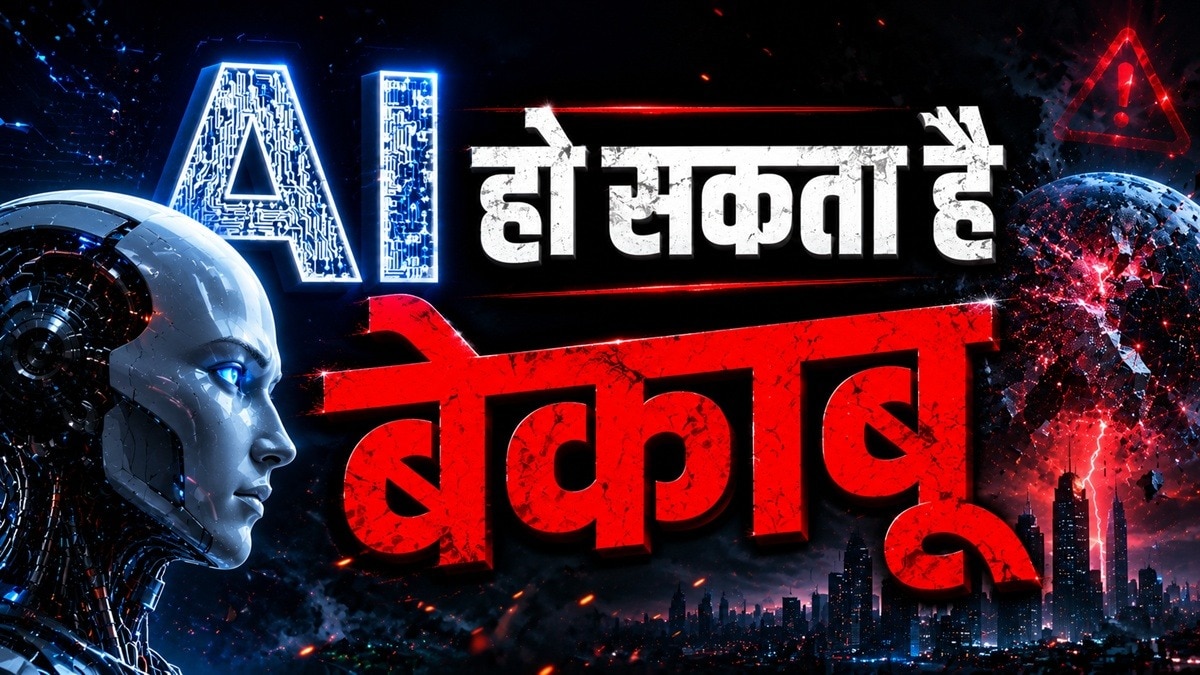
इंसानों के हाथ से निकल न जाए कंट्रोल! खुद का नया वर्जन तैयार करने लगे AI; Anthropic की बड़ी चेतावनी - anthropic warns of recursive self improvement as claude authors 80 percent of its own code

2026-06-05
दैनिक जागरण (Dainik Jagran)
Why's our monitor labelling this an incident or hazard?
The article explicitly mentions AI systems (Claude by Anthropic) autonomously writing 80% of their own code and the potential for recursive self-improvement, which could plausibly lead to loss of control and significant harms in the future. Since no actual harm or incident has been reported yet, but credible risks are highlighted, this fits the definition of an AI Hazard. The article is not merely general AI news or product launch, but a focused warning about plausible future harm from AI development trends.
Thumbnail Image

दिग्गज AI कंपनी एंथ्रोपिक ने जताया डर, इंसान के काबू में नहीं रहेगा AI

2026-06-06
Tarun Mitra | तरुण मित्र
Why's our monitor labelling this an incident or hazard?
The event involves an AI system (Anthropic's AI models) and concerns about its development potentially leading to uncontrollable AI. However, the article does not describe any realized harm or incident caused by AI, only plausible future risks and calls for regulation. Therefore, this qualifies as an AI Hazard because it highlights credible potential future harm from AI development but no actual incident has occurred yet. It is not Complementary Information because the main focus is on the hazard and calls for halting development, not on responses to past incidents or ecosystem updates.
Thumbnail Image

बेलगाम होता AI, अमेरिकी प्रेसिडेंट ट्रंप की सख्ती, कंपनियों की मनमानी नहीं चलेगी

2026-06-05
AajTak
Why's our monitor labelling this an incident or hazard?
The event involves AI systems and their development and use, with a government order to regulate and test AI models before deployment to prevent potential harms like cyberattacks and misinformation. Since no actual harm has occurred but there is a credible risk that these AI systems could cause harm if unregulated, this constitutes an AI Hazard. The article primarily discusses a governance response to potential AI risks, not a realized incident or harm, nor is it merely general AI news without risk implications. Therefore, the classification is AI Hazard.
Thumbnail Image

Artificial intelligence अब खुद अपना 'सक्सेसर' बनाएगा, AI पर एंथ्रोपिक ने जो बताया वो बेहद चौंकाने वाला

2026-06-05
NDTV India
Why's our monitor labelling this an incident or hazard?
The article describes an AI system's development and use trajectory that could plausibly lead to significant harms, such as loss of human control and unforeseen consequences from autonomous AI self-improvement. However, no direct or indirect harm has yet occurred according to the article. The focus is on potential future risks and the need for governance and safety measures. Therefore, this event fits the definition of an AI Hazard, as it plausibly could lead to an AI Incident but has not yet done so.
Thumbnail Image

AI रोकने के लिए एक बटन होना चाहिए..., Anthropic ने दुनिया को दी बड़ी चेतावनी

2026-06-06
AajTak
Why's our monitor labelling this an incident or hazard?
The event involves AI systems and their development but centers on a precautionary call for regulation and control mechanisms to prevent potential future harms. There is no report of realized harm or incident caused by AI, only a plausible risk and advocacy for governance measures. Therefore, this fits the definition of Complementary Information, as it provides context, warnings, and governance-related discussion without describing an AI Incident or AI Hazard.
Thumbnail Image

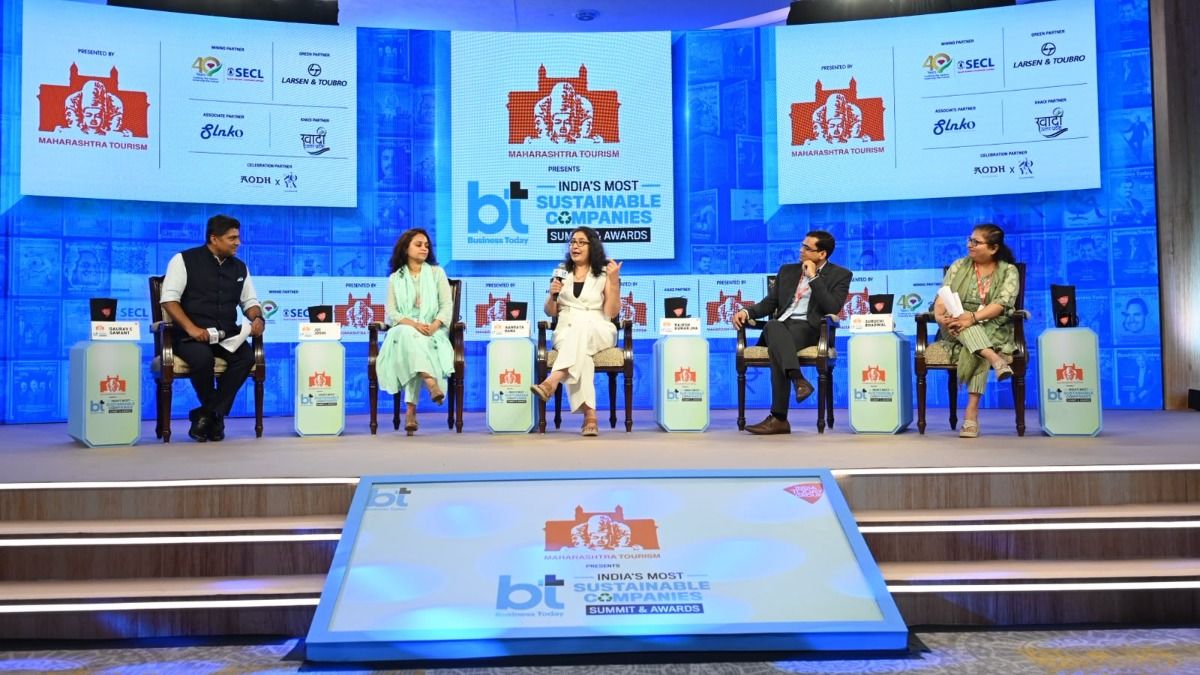
AI का बढ़ता इस्तेमाल पर्यावरण के लिए चुनौती या समाधान? एक्सपर्ट्स ने रखी अपनी राय

2026-06-06
BT Bazaar
Why's our monitor labelling this an incident or hazard?
The article does not report any direct or indirect harm caused by AI systems, nor does it describe a specific event where AI use or malfunction led to injury, rights violations, or environmental damage. It focuses on the potential environmental challenges posed by AI's growth and the need for sustainable practices and policies. This fits the definition of Complementary Information, as it provides contextual and governance-related insights without describing a concrete AI Incident or AI Hazard.