
AI-Generated Misinformation Causes Social Disruption and Legal Action in China

Thumbnail Image

The information displayed in the AIM should not be reported as representing the official views of the OECD or of its member countries.

Multiple incidents in China involved individuals using AI to fabricate and spread false videos and information, leading to public misunderstanding, social disruption, and harm to enterprises. Authorities responded with legal penalties, account closures, and coordinated debunking efforts to curb AI-driven rumor proliferation and restore public order.[AI generated]

Why's our monitor labelling this an incident or hazard?

The event explicitly states that AI technology was used to maliciously alter a government emergency drill video to fabricate false narratives, leading to public misunderstanding and social disruption. This misuse of AI directly caused harm to communities by spreading misinformation and disturbing public order. The legal response and social impact confirm that harm has materialized. Therefore, this qualifies as an AI Incident due to the realized harm caused by AI misuse.[AI generated]
AI principles
AccountabilityDemocracy & human autonomy

Industries
Media, social platforms, and marketingGovernment, security, and defence

Affected stakeholders
General publicBusiness

Harm types
ReputationalEconomic/PropertyPublic interest

Severity
AI incident

AI system task:
Content generation


Articles about this incident or hazard

Thumbnail Image

严厉打击利用AI恶意伤企行为

2026-06-07
法制日报
Why's our monitor labelling this an incident or hazard?
The article centers on a government initiative to address and regulate the misuse of AI-generated content that harms enterprises and entrepreneurs. It discusses the potential and ongoing societal harms caused by AI misuse but does not describe a specific AI Incident or AI Hazard event. The main focus is on the regulatory and governance response, including legal frameworks and platform responsibilities, which fits the definition of Complementary Information. There is no direct or indirect report of a particular AI Incident or a plausible future harm event described as occurring or imminent in this article.
Thumbnail Image

利用防汛演练编造"钞能力"谣言,新化公安快速查处,造谣者被行政拘留5日!

2026-06-08
py.qianlong.com
Why's our monitor labelling this an incident or hazard?
The event explicitly states that AI technology was used to maliciously alter a government emergency drill video to fabricate false narratives, leading to public misunderstanding and social disruption. This misuse of AI directly caused harm to communities by spreading misinformation and disturbing public order. The legal response and social impact confirm that harm has materialized. Therefore, this qualifies as an AI Incident due to the realized harm caused by AI misuse.
Thumbnail Image

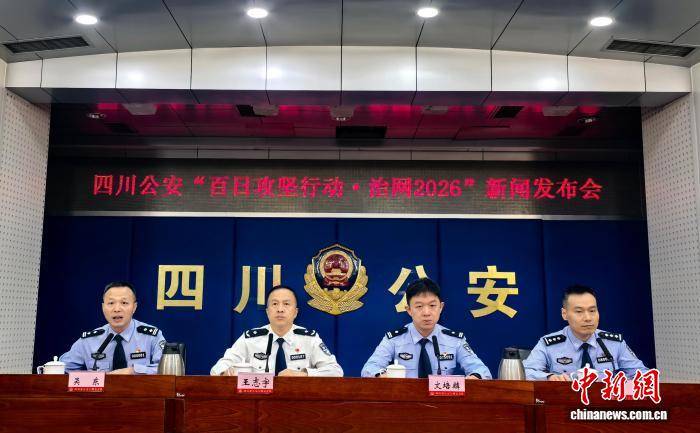
四川公安通报"治网2026"阶段成效:侦办141起谣言案 处理165人

2026-06-07
police.news.sohu.com
Why's our monitor labelling this an incident or hazard?
The report explicitly mentions the use of AI tools to generate false videos and images that were used to spread rumors and false information, leading to legal actions and penalties. The harms include misinformation, social disruption, and economic harm through defamation and market disorder. Since these harms have materialized and are directly linked to the use of AI systems for generating false content, this qualifies as an AI Incident under the framework.
Thumbnail Image

银行存款计息出新规?驾考新国标"难度翻倍"?新能源车企因锁电问题被约谈、立案?......别被骗!_手机网易网

2026-06-07
m.163.com
Why's our monitor labelling this an incident or hazard?
The article explicitly mentions the use of AI to fabricate false information that misleads the public and disrupts social order, which constitutes harm to communities and a violation of rights to accurate information. The involvement of AI in generating and spreading these falsehoods is direct and central to the harm described. The coordinated government response and law enforcement actions further confirm the recognition of this as a significant harm caused by AI misuse. Hence, the event meets the criteria for an AI Incident rather than a hazard or complementary information.