UK Doctors and NHS Face Legal Risks Over AI Errors in Healthcare

Thumbnail Image

The information displayed in the AIM should not be reported as representing the official views of the OECD or of its member countries.

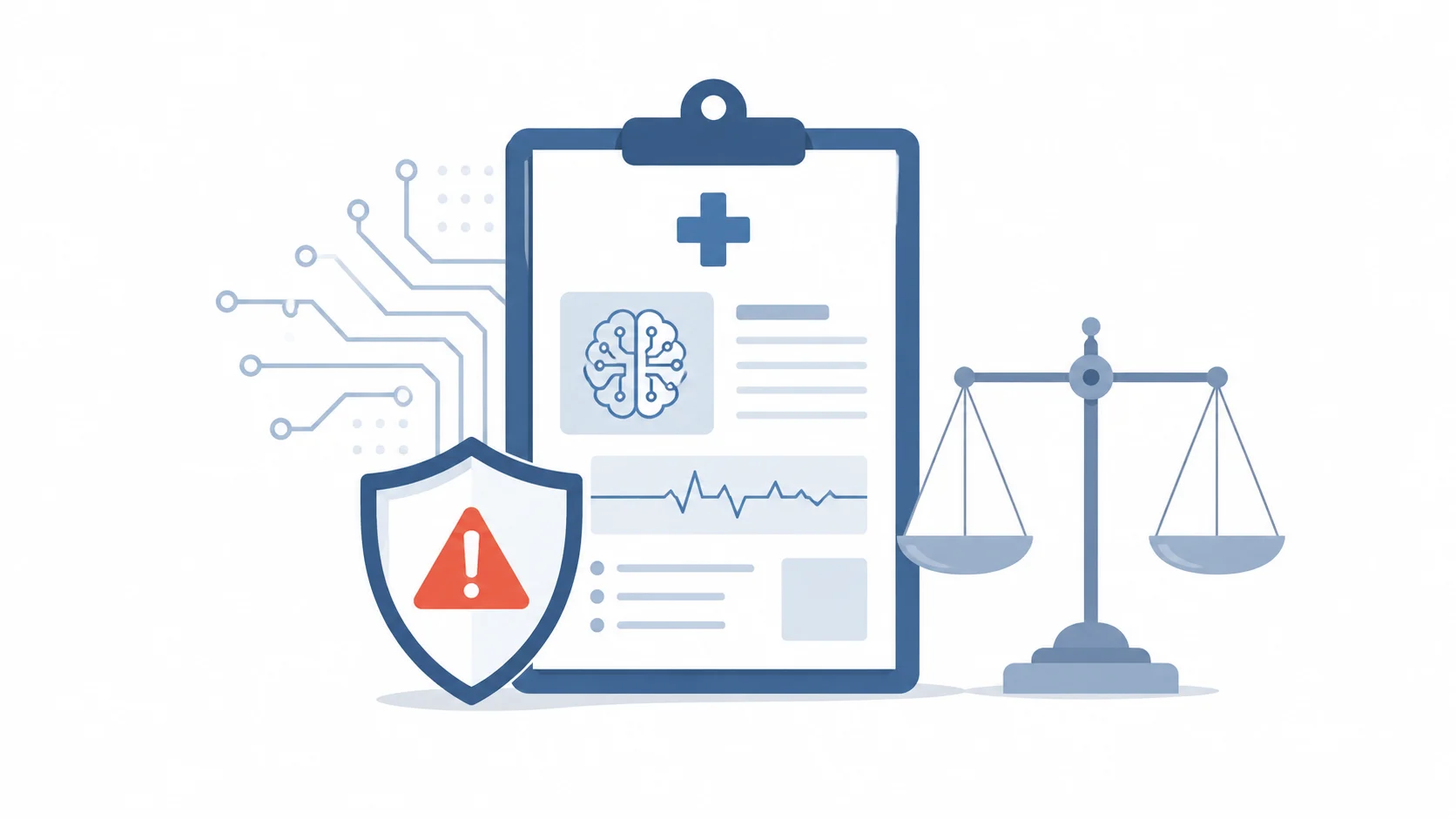
The Medical Protection Society warns that UK doctors and the NHS could be held liable for medical negligence if AI tools used in diagnosis or treatment recommendations make errors that harm patients. Current laws may leave clinicians responsible for AI mistakes, prompting calls for updated liability frameworks.[AI generated]

Why's our monitor labelling this an incident or hazard?

The article clearly involves AI systems used in medical diagnosis and treatment recommendation, which can directly influence patient health outcomes. Although no specific AI-caused harm has yet been reported, the scenarios described (e.g., missed tumor, incorrect medication dosage) represent credible risks of injury or death to patients, fitting the definition of an AI Hazard. The focus is on the plausible future harms and legal liability concerns arising from AI use in healthcare, rather than on a realized incident or a response to one. Therefore, this event is best classified as an AI Hazard.[AI generated]
AI principles
SafetyAccountability

Industries
Healthcare, drugs, and biotechnology

Affected stakeholders
Consumers

Harm types
Physical (injury)

Severity
AI hazard

Business function:
Other

AI system task:
Organisation/recommenders


Articles about this incident or hazard

Thumbnail Image

Doctors and NHS could be sued for mistakes made by AI tools, report warns

2026-06-09
The Guardian
Why's our monitor labelling this an incident or hazard?
The article clearly involves AI systems used in medical diagnosis and treatment recommendation, which can directly influence patient health outcomes. Although no specific AI-caused harm has yet been reported, the scenarios described (e.g., missed tumor, incorrect medication dosage) represent credible risks of injury or death to patients, fitting the definition of an AI Hazard. The focus is on the plausible future harms and legal liability concerns arising from AI use in healthcare, rather than on a realized incident or a response to one. Therefore, this event is best classified as an AI Hazard.
Thumbnail Image

It's Time to Close the AI Liability Gap

2026-06-09
Medscape
Why's our monitor labelling this an incident or hazard?
The article does not describe a specific AI Incident where harm has occurred due to an AI system, nor does it report a near miss or plausible future harm event. Instead, it discusses the legal implications and the need for updated liability frameworks to address potential harms from AI in healthcare. It includes a hypothetical example to illustrate the problem but does not report a real event. The focus is on governance, legal reviews, and frameworks to manage AI risks, which fits the definition of Complementary Information as it provides context, responses, and calls for policy development related to AI harms without describing a new incident or hazard.
Thumbnail Image

Doctors and NHS could be sued for mistakes made by AI tools, report warns - AOL

2026-06-09
AOL.com
Why's our monitor labelling this an incident or hazard?
The article clearly involves AI systems used in medical diagnosis and treatment recommendation, which can directly influence patient health outcomes. Although it describes potential harms from AI errors (e.g., missed tumors, incorrect medication dosing) that could lead to injury or death, it does not document any actual harm or incident that has already occurred. Instead, it focuses on the risk and legal implications of such harms happening in the future and the need for updated liability frameworks. Therefore, this event fits the definition of an AI Hazard, as it plausibly could lead to an AI Incident if AI errors cause patient harm and liability issues arise under current law.
Thumbnail Image

UK doctors might be sued for errors made by AI

2026-06-09
NewsBytes
Why's our monitor labelling this an incident or hazard?
The article discusses the potential for harm due to AI errors in medical diagnosis or treatment, which could lead to injury or harm to patients. Although no specific incident of harm is described, the warning about possible lawsuits indicates a credible risk of harm resulting from AI use in healthcare. Therefore, this qualifies as an AI Hazard because it plausibly could lead to an AI Incident involving injury or harm to people.
Thumbnail Image

UK Doctors Could Face Claims Over NHS AI Errors

2026-06-09
eWEEK
Why's our monitor labelling this an incident or hazard?
The article clearly involves AI systems used in healthcare (e.g., AI tools for scan analysis, X-ray review, treatment recommendations). The concern is about the use of these AI systems and the potential for harm if they make mistakes, which could lead to negligence claims. Since no actual harm or incident is reported yet, but there is a credible risk of harm and legal liability arising from AI errors, this qualifies as an AI Hazard. The article also discusses governance and accountability issues, but the primary focus is on the plausible future harm from AI errors in clinical use.