Deployment of AI-Powered Autonomous Vessels to Track Chinese Ghost Fleets

Thumbnail Image

The information displayed in the AIM should not be reported as representing the official views of the OECD or of its member countries.

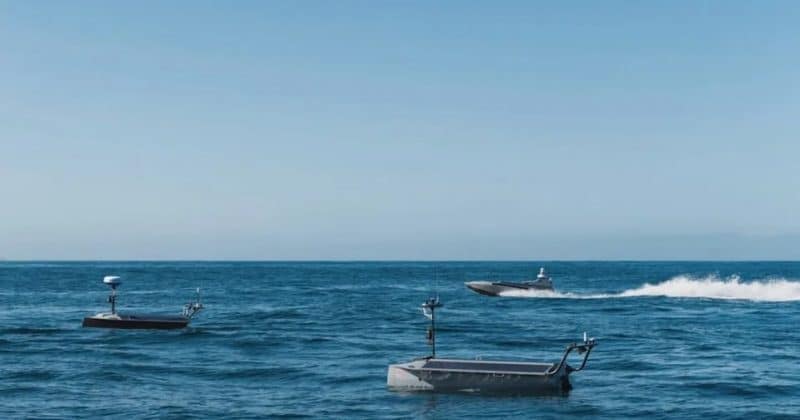
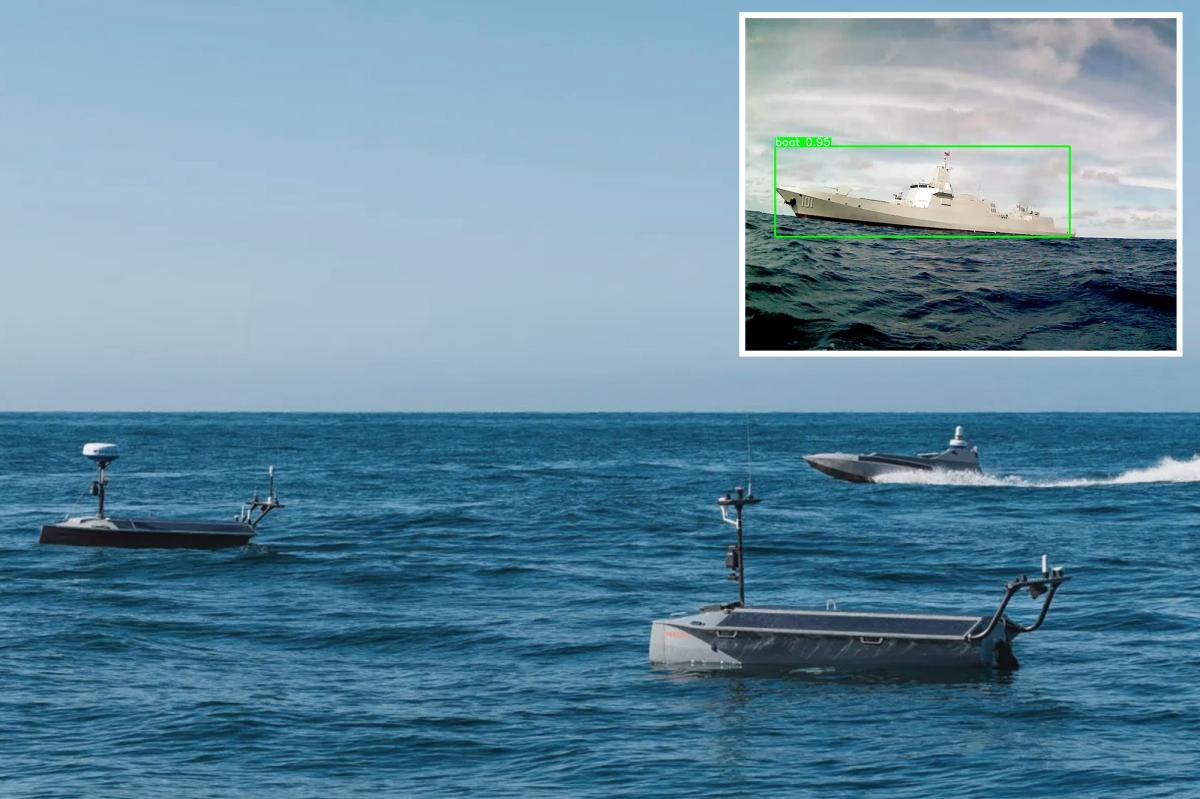
San Diego-based startup Seasats, backed by the U.S. Navy, has deployed AI-powered autonomous vessels for maritime surveillance, targeting Chinese 'ghost fleets' engaged in illegal fishing. The vessels operate without human crews, relaying intelligence via satellite, raising potential geopolitical risks but no reported harm yet.[AI generated]

Why's our monitor labelling this an incident or hazard?

The article explicitly describes AI systems onboard autonomous vessels used for surveillance and tracking, fulfilling the AI System criterion. There is no mention of actual harm or incidents caused by these systems yet, so it is not an AI Incident. However, the autonomous operation in contested waters and the sensitive geopolitical context plausibly could lead to incidents involving harm or disruption, qualifying it as an AI Hazard. The article focuses on the deployment and capabilities rather than responses or updates to prior incidents, so it is not Complementary Information. It is clearly related to AI and its use in autonomous maritime surveillance, so it is not Unrelated.[AI generated]
AI principles
AccountabilityRobustness & digital security

Industries
Government, security, and defenceMobility and autonomous vehicles

Severity
AI hazard

AI system task:
Recognition/object detectionEvent/anomaly detection


Articles about this incident or hazard

Thumbnail Image

High-tech autonomous hunter ships launched off San Diego to track Chinese ghost fleets

2026-06-09
New York Post
Why's our monitor labelling this an incident or hazard?
The vessels described are autonomous and perform complex tasks such as acoustic signal processing, identification, and communication, which reasonably infer the presence of AI systems. The event involves the use of AI systems in a military context with potential for conflict escalation, but no direct or indirect harm has been reported or can be inferred as having occurred. Therefore, the event does not qualify as an AI Incident. It also does not primarily focus on potential future harm or risks but rather on current deployment and operational use. The article provides contextual information about AI-enabled military technology and its strategic implications, which fits the definition of Complementary Information as it enhances understanding of AI's role in defense and geopolitical dynamics without reporting harm or imminent risk.
Thumbnail Image

Autonomous boats launched from San Diego by this local startup track Chinese ghost fleets

2026-06-10
ArcaMax
Why's our monitor labelling this an incident or hazard?
The article explicitly mentions autonomous boats using AI-like capabilities for surveillance and data relay, confirming AI system involvement. However, it does not describe any harm or incident resulting from their use, nor does it suggest plausible future harm. The focus is on the technology's capabilities, applications, and company growth, which fits the definition of Complementary Information. There is no direct or indirect harm, nor a credible risk of harm described, so it is not an AI Incident or AI Hazard.
Thumbnail Image

Seasats launches autonomous hunter ships to track Chinese ghost fleets

2026-06-09
Crypto Briefing
Why's our monitor labelling this an incident or hazard?
The article explicitly describes AI systems onboard autonomous vessels used for surveillance and tracking, fulfilling the AI System criterion. There is no mention of actual harm or incidents caused by these systems yet, so it is not an AI Incident. However, the autonomous operation in contested waters and the sensitive geopolitical context plausibly could lead to incidents involving harm or disruption, qualifying it as an AI Hazard. The article focuses on the deployment and capabilities rather than responses or updates to prior incidents, so it is not Complementary Information. It is clearly related to AI and its use in autonomous maritime surveillance, so it is not Unrelated.
Thumbnail Image

Revolutionary Autonomous Hunter Ships Unleashed from San Diego to Target Chinese Ghost Fleets - Internewscast Journal

2026-06-09
Internewscast Journal
Why's our monitor labelling this an incident or hazard?
The autonomous hunter ships are AI systems performing complex autonomous reconnaissance and surveillance tasks. Their deployment in contested waters and military contexts presents a plausible risk of future harm, including geopolitical tensions or incidents at sea. However, the article does not describe any realized harm or incident caused by these AI systems. Thus, the event is best classified as an AI Hazard, reflecting the credible potential for harm without current materialized harm.