Stellantis, Bolt, and Pony.ai Launch Autonomous Vehicle Testing in Luxembourg

Thumbnail Image

The information displayed in the AIM should not be reported as representing the official views of the OECD or of its member countries.

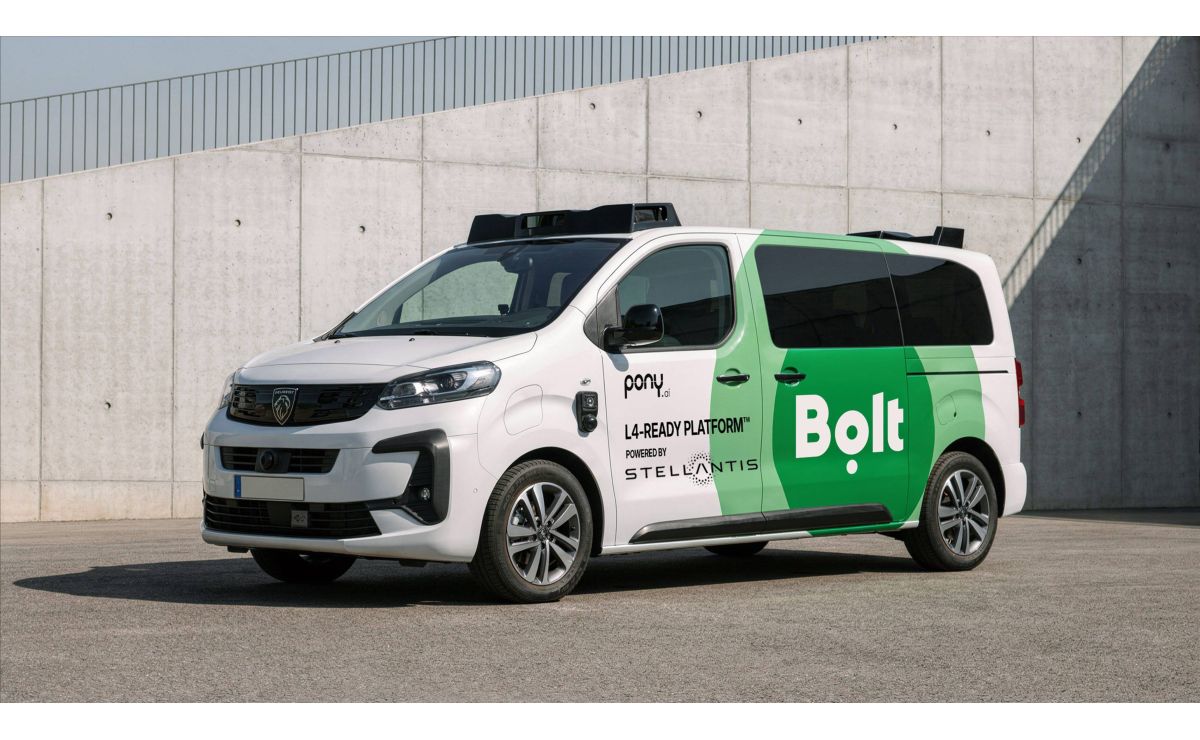
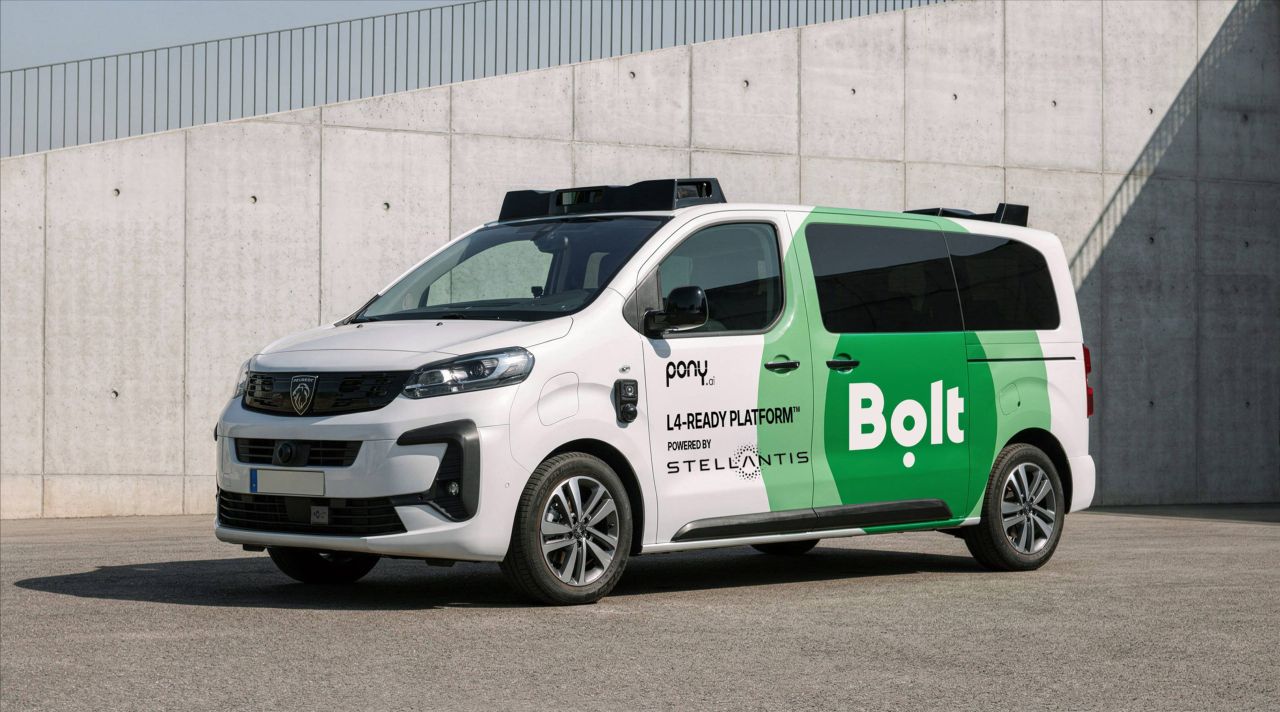
Stellantis, Bolt, and Pony.ai have initiated a pilot program in Luxembourg to test and validate level 4 autonomous vehicles in real-world traffic. The project aims to ensure safety, performance, and regulatory compliance, but no incidents or harm have been reported during these AI-driven mobility trials.[AI generated]

Why's our monitor labelling this an incident or hazard?

The event involves the use of an AI system (autonomous driving technology) in real-world testing, which inherently carries risks of harm such as accidents or safety issues. Since the article does not report any actual harm or incidents but discusses the pilot testing phase and the intention to validate safety and compliance, it fits the definition of an AI Hazard. The potential for future harm is credible given the nature of autonomous vehicle deployment in traffic, but no direct or indirect harm has yet materialized. Hence, it is not an AI Incident. It is also not Complementary Information because it is not an update or response to a prior incident, nor is it unrelated as it clearly involves AI systems.[AI generated]
Industries
Mobility and autonomous vehicles

Severity
AI hazard

Business function:
Research and development

AI system task:
Recognition/object detectionReasoning with knowledge structures/planning


Articles about this incident or hazard

Thumbnail Image

Da Bolt, Pony.ai e Stellantis un programma per i test di mobilità autonoma in Lussemburgo

2026-06-09
Giornale di Sicilia
Why's our monitor labelling this an incident or hazard?
The event clearly involves AI systems, specifically autonomous driving technology (AI system). However, the article does not describe any harm or incident resulting from the AI system's use or malfunction. It is a forward-looking pilot program to test and validate autonomous vehicle technology, which could plausibly lead to harm if issues arise, but no harm has yet occurred. Therefore, it fits the definition of Complementary Information as it provides context and updates on AI development and testing without reporting an AI Incident or AI Hazard.
Thumbnail Image

Bolt, Pony.ai e Stellantis insieme per i test della mobilità autonoma in Lussemburgo - Notizie

2026-06-09
ANSA.it
Why's our monitor labelling this an incident or hazard?
The event involves the use of an AI system (autonomous driving technology) in real-world testing, which inherently carries risks of harm such as accidents or safety issues. Since the article does not report any actual harm or incidents but discusses the pilot testing phase and the intention to validate safety and compliance, it fits the definition of an AI Hazard. The potential for future harm is credible given the nature of autonomous vehicle deployment in traffic, but no direct or indirect harm has yet materialized. Hence, it is not an AI Incident. It is also not Complementary Information because it is not an update or response to a prior incident, nor is it unrelated as it clearly involves AI systems.
Thumbnail Image

Bolt e Stellantis lanciano i robotaxi senza conducente

2026-06-09
Affari Italiani
Why's our monitor labelling this an incident or hazard?
The event involves the use of an AI system (level 4 autonomous driving software) in real-world conditions, which could plausibly lead to harm such as accidents or injury if the system malfunctions or fails to perform safely. No actual harm or incident is reported yet, so it is not an AI Incident. The article focuses on the testing and validation phase, highlighting the potential for future operational deployment and associated risks. This fits the definition of an AI Hazard, as the AI system's use could plausibly lead to an AI Incident in the future.
Thumbnail Image

Auto a guida autonoma, il test in Lussemburgo

2026-06-09
Rinnovabili
Why's our monitor labelling this an incident or hazard?
The event clearly involves AI systems (autonomous driving AI controlling vehicles at level 4 autonomy). The use of these AI systems in real-world traffic inherently carries risks of injury, disruption, or property damage if malfunctions or failures occur. However, the article only discusses the start of testing and regulatory harmonization, with no mention of accidents, injuries, or other harms caused by the AI systems. Thus, it does not meet the criteria for an AI Incident, which requires realized harm. Instead, it fits the definition of an AI Hazard, as the development and use of autonomous vehicles could plausibly lead to harm in the future. The article is not primarily about responses to past incidents or governance measures beyond the testing framework, so it is not Complementary Information. It is not unrelated because AI systems are central to the event.
Thumbnail Image

Stellantis con Bolt e Pony.ai testa guida autonoma in Lussemburgo

2026-06-09
Askanews
Why's our monitor labelling this an incident or hazard?
The event involves the use of an AI system (autonomous driving technology) in real-world testing, which could plausibly lead to harm such as accidents or safety issues if the system malfunctions or fails. However, the article does not mention any actual incidents, injuries, or violations resulting from the AI system's use. The focus is on testing, validation, and regulatory compliance, indicating a potential risk rather than realized harm. According to the definitions, this qualifies as an AI Hazard because it describes a circumstance where AI system use could plausibly lead to an AI Incident in the future, but no harm has yet occurred.
Thumbnail Image

Da Bolt, Pony.ai e Stellantis un programma per i test di mobilità autonoma in Lussemburgo Agenzia di stampa Italpress

2026-06-09
Italpress
Why's our monitor labelling this an incident or hazard?
The event involves AI systems (autonomous driving technology) in development and testing phases, but there is no indication of any harm or incident caused by these systems. The article highlights the collaboration and regulatory environment supporting safe testing, with no mention of accidents, injuries, rights violations, or other harms. Therefore, this is not an AI Incident or AI Hazard. It is not merely unrelated, as it concerns AI development and deployment. The article primarily provides information about ongoing AI system testing and ecosystem development, which fits the definition of Complementary Information.