Proposed AI Electronic Fence System for School Safety in Yilan

Thumbnail Image

The information displayed in the AIM should not be reported as representing the official views of the OECD or of its member countries.

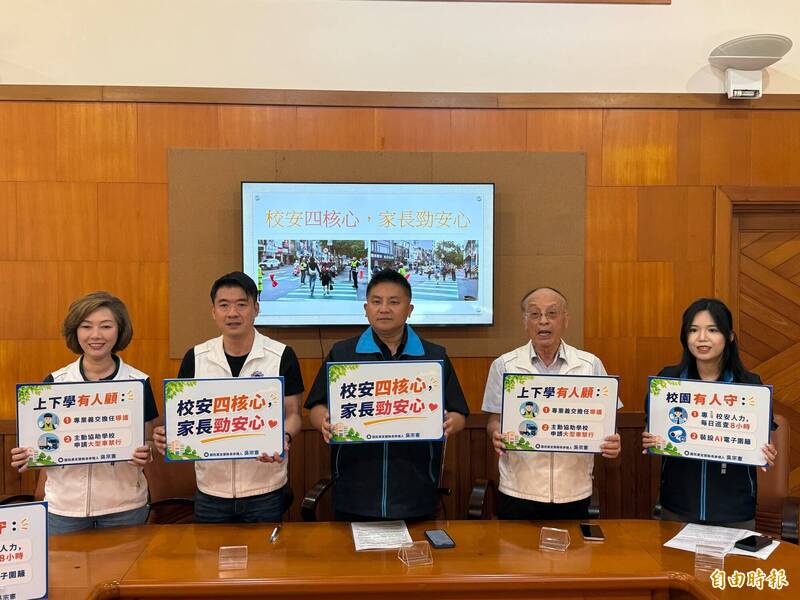
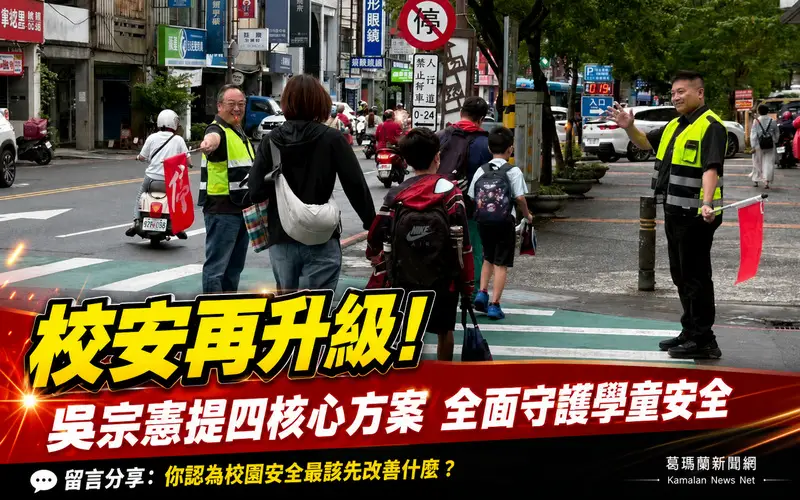
Yilan County magistrate candidate Wu Zongxian has proposed a school safety policy including AI electronic fences with image recognition to monitor high-risk areas. The AI system aims to enhance safety and prevent incidents, but is not yet implemented. Its future use could prevent harm or pose risks if malfunctioning.[AI generated]

Why's our monitor labelling this an incident or hazard?

The article discusses the planned deployment of an AI system (AI electronic fences with image recognition) for school safety monitoring. Since the AI system is not yet in use and no harm or incident has occurred, but the system could plausibly lead to prevention of harm or, conversely, if malfunctioning, could lead to safety issues, this qualifies as an AI Hazard. The event is about a proposed policy and planned AI use with potential future impact, not an incident or complementary information about an existing incident.[AI generated]
AI principles
Privacy & data governanceRespect of human rights

Industries
Education and trainingGovernment, security, and defence

Affected stakeholders
Children

Harm types
Human or fundamental rights

Severity
AI hazard

Business function:
Monitoring and quality control

AI system task:
Recognition/object detection


Articles about this incident or hazard

Thumbnail Image

吳宗憲提宜蘭校安4主張 擬引進義交、AI圍籬

2026-06-09
Yahoo News (Taiwan)
Why's our monitor labelling this an incident or hazard?
The article discusses the planned deployment of an AI system (AI electronic fences with image recognition) for school safety monitoring. Since the AI system is not yet in use and no harm or incident has occurred, but the system could plausibly lead to prevention of harm or, conversely, if malfunctioning, could lead to safety issues, this qualifies as an AI Hazard. The event is about a proposed policy and planned AI use with potential future impact, not an incident or complementary information about an existing incident.
Thumbnail Image

吳宗憲提校安4核心政策 主張導入AI電子圍籬守護學童安全

2026-06-09
Yahoo News (Taiwan)
Why's our monitor labelling this an incident or hazard?
The article discusses a proposed introduction of an AI system for school safety, which could plausibly lead to improved safety outcomes but does not describe any realized harm or incident. Since the AI system is not yet in use and no harm or malfunction has occurred, this constitutes a potential future risk or benefit rather than an incident. Therefore, it fits the definition of an AI Hazard, as the AI system's use could plausibly lead to safety improvements or, conversely, potential risks if not properly implemented, but no actual harm is reported.
Thumbnail Image

吳宗憲拋校安4政策 承諾建立專責義交導入AI守護學童

2026-06-09
Yahoo News (Taiwan)
Why's our monitor labelling this an incident or hazard?
The article involves AI systems as part of a proposed safety policy, specifically AI electronic fences and intelligent recognition systems to protect schoolchildren. Since the AI systems are not yet deployed or causing harm, and the article centers on a political promise and planned future use, it does not describe an AI Incident or an immediate AI Hazard. Instead, it provides complementary information about societal and governance responses involving AI technology for school safety. Therefore, the event is best classified as Complementary Information.
Thumbnail Image

吳宗憲拋「校安四核心」義交導護、專責人力搭AI 守護平安上下學

2026-06-09
UDN
Why's our monitor labelling this an incident or hazard?
The article explicitly mentions the use of AI systems for safety monitoring and intrusion detection in schools, which qualifies as AI system involvement. However, the AI technology is proposed and planned for future deployment, with no actual harm or incident reported at this stage. The AI system's use could plausibly lead to preventing harm, but no harm has occurred yet. Therefore, this event is best classified as an AI Hazard, reflecting the credible potential for AI to impact school safety positively and prevent incidents.
Thumbnail Image

吳宗憲提宜蘭校安4主張 擬引進義交、AI圍籬

2026-06-09
Liberty Times Net
Why's our monitor labelling this an incident or hazard?
The AI electronic fence system with image recognition is an AI system designed to monitor and alert for safety risks around schools. However, the article only discusses the proposal and planned implementation of this system, with no indication that it has been deployed yet or that any harm has occurred or is occurring. Therefore, this is a plausible future use of AI that could lead to improved safety, but no incident or harm is reported. The article is primarily about a policy proposal and planned use of AI for safety, which fits the definition of an AI Hazard because the AI system's use could plausibly lead to harm prevention or, if malfunctioning, could plausibly lead to harm. It is not an incident since no harm has occurred, nor is it merely complementary information or unrelated news.
Thumbnail Image

校安成選戰焦點~吳宗憲拋「四核心」方案:義交、校安人力、AI全面守護學童 | 葛瑪蘭新聞網

2026-06-09
葛瑪蘭新聞網
Why's our monitor labelling this an incident or hazard?
The article involves an AI system (AI electronic fences and intelligent recognition) proposed for use in school safety. The AI system's development and use are discussed as a future measure to enhance protection, but no actual harm or malfunction is reported. Therefore, it does not meet the criteria for an AI Incident or AI Hazard. Instead, it is a description of a policy proposal and planned AI deployment, which fits the definition of Complementary Information as it provides context and information about societal and governance responses involving AI.
Thumbnail Image

吳宗憲拋校安4政策 承諾建立專責義交導入AI守護學童 | LIFE生活網

2026-06-09
LIFE 生活網
Why's our monitor labelling this an incident or hazard?
The article explicitly mentions the planned use of AI systems (AI electronic fences and intelligent recognition) for school safety, indicating AI system involvement. There is no report of actual harm or malfunction caused by AI, only a proposal and commitment to use AI technology to enhance safety. The AI system's use is prospective and could plausibly lead to preventing harm or, if issues arise, could lead to harm. Hence, it fits the definition of an AI Hazard rather than an Incident or Complementary Information. It is not unrelated because AI is central to the proposed safety measures.
Thumbnail Image

吳宗憲提校安升級方案 全面守護學童 | 中華日報|中華新聞雲

2026-06-09
中華新聞雲 / China Daily News
Why's our monitor labelling this an incident or hazard?
The event involves the proposed use of AI systems for school safety, which is a development and intended use scenario. Since no harm has occurred yet, but the AI systems could plausibly lead to either improved safety or potential future incidents if misused or malfunctioning, this fits the definition of an AI Hazard. The article does not describe any realized harm or incident, nor does it focus on responses to past AI-related harms, so it is not an AI Incident or Complementary Information. It is not unrelated because AI systems are explicitly mentioned as part of the safety proposal.