Brazilian Supreme Court Justice Warns of AI Threats to Electoral Integrity

Thumbnail Image

The information displayed in the AIM should not be reported as representing the official views of the OECD or of its member countries.

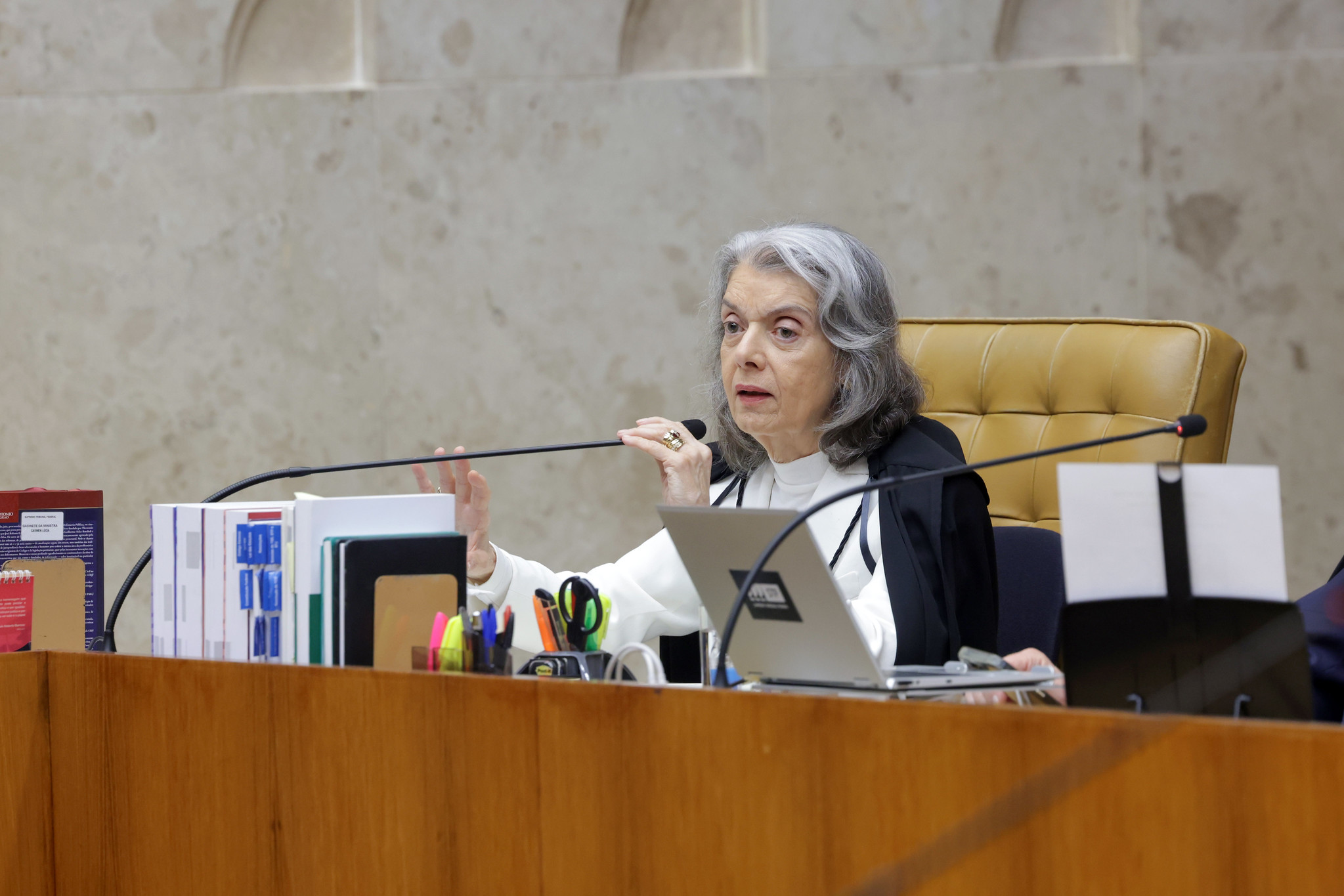
Brazilian Supreme Court Justice Cármen Lúcia warned that AI-generated disinformation poses unprecedented challenges to electoral justice, threatening voter freedom and democratic stability. She highlighted the rapid spread of false content, increased targeted attacks, and the need for new institutional responses to safeguard elections in Brazil.[AI generated]

Why's our monitor labelling this an incident or hazard?

The article centers on the risks and challenges posed by AI-generated disinformation to democracy and electoral freedom, which could plausibly lead to harm such as violations of rights and harm to communities. However, it does not describe a specific realized harm or incident caused by AI, but rather a warning and institutional efforts to address the issue. Therefore, it fits the definition of an AI Hazard, as it plausibly could lead to harm but no concrete incident is detailed.[AI generated]

AI principles
Democracy & human autonomyTransparency & explainability

Industries
Government, security, and defenceMedia, social platforms, and marketing

Affected stakeholders
General public

Harm types
Public interestHuman or fundamental rights

Severity
AI hazard

AI system task:
Content generation


Articles about this incident or hazard

Thumbnail Image

Cármen Lúcia alerta que IA e desinformação sufocam a liberdade de escolha do eleitor

2026-06-09
Correio Braziliense
Why's our monitor labelling this an incident or hazard?
The article centers on the risks and challenges posed by AI-generated disinformation to democracy and electoral freedom, which could plausibly lead to harm such as violations of rights and harm to communities. However, it does not describe a specific realized harm or incident caused by AI, but rather a warning and institutional efforts to address the issue. Therefore, it fits the definition of an AI Hazard, as it plausibly could lead to harm but no concrete incident is detailed.
Thumbnail Image

IA exige respostas inéditas da Justiça, diz Cármen Lúcia

2026-06-09
Poder360
Why's our monitor labelling this an incident or hazard?
The article focuses on the risks and challenges AI-generated disinformation poses to democratic processes and the judiciary, including a cited example of a deepfake video used against a candidate. However, the main content is a high-level discussion and description of ongoing institutional measures to combat misinformation, rather than reporting a new AI Incident or a specific AI Hazard event. The mention of the false video is contextual and illustrative, not a newly reported incident. Therefore, this is best classified as Complementary Information, providing context and updates on societal and governance responses to AI-related challenges.
Thumbnail Image

Inteligência Artificial ameaça liberdade do voto e impõe desafios inéditos para a Justiça Eleitoral, diz Cármen Lúcia

2026-06-10
Marcelo Bittencourt
Why's our monitor labelling this an incident or hazard?
The article centers on warnings and concerns about the potential impact of AI on elections and judicial systems, highlighting plausible future risks rather than describing an actual event where AI caused harm. There is no mention of a realized harm or incident involving AI misuse or malfunction. Therefore, this qualifies as an AI Hazard, as it plausibly could lead to harm such as interference with free voting or judicial challenges, but no harm has yet occurred according to the article.
Thumbnail Image

Cármen Lúcia diz que IA ameaça liberdade do voto e impõe desafios inéditos à Justiça Eleitoral

2026-06-09
O Globo
Why's our monitor labelling this an incident or hazard?
The article highlights the potential harms AI-generated false content can cause to democratic processes and electoral integrity, including threats to free voting and increased targeted attacks. However, it does not report that these harms have already occurred or that a specific AI system malfunction or misuse has directly caused harm. Instead, it focuses on the plausible risks and challenges AI poses to the electoral system and justice institutions, constituting a credible potential threat rather than a realized incident. Therefore, this is best classified as an AI Hazard.
Thumbnail Image

Cármen Lúcia diz que IA ameaça liberdade do voto e impõe desafios inéditos à Justiça Eleitoral

2026-06-09
Folha - PE
Why's our monitor labelling this an incident or hazard?
The article focuses on the potential and ongoing challenges posed by AI in the electoral context, particularly the use of generative AI to create synthetic media that can spread disinformation rapidly. Although the harms described (e.g., undermining voter autonomy, spreading falsehoods, targeted attacks on candidates) are serious and relate to violations of rights and harm to communities, the article does not document a specific AI incident where harm has already occurred. Instead, it emphasizes the unprecedented challenges and risks AI poses to the electoral system and justice institutions, indicating a credible potential for harm. Therefore, this event is best classified as an AI Hazard, reflecting the plausible future harm AI could cause in elections and democratic processes.
Thumbnail Image

Cármen Lúcia diz que IA impõe desafios inéditos à Justiça - Tribuna do Norte

2026-06-10
Tribuna do Norte
Why's our monitor labelling this an incident or hazard?
The article centers on warnings and concerns about the potential impact of AI-generated misinformation on elections and voter freedom, which could plausibly lead to harm in the future. There is no description of an actual AI incident causing harm or a specific AI hazard event occurring. The focus is on the challenges and risks posed by AI to the justice system and electoral integrity, making this a case of Complementary Information that informs about societal and governance responses and emerging risks related to AI.
Thumbnail Image

Cármen Lúcia alerta sobre abuso tecnológico e risco da IA às eleições

2026-06-09
Diário da Amazônia
Why's our monitor labelling this an incident or hazard?
The article discusses warnings about the risks and potential abuses of AI in elections, emphasizing the threat to democratic freedoms and misinformation. However, it does not report any actual AI-driven harm or incident that has occurred. The focus is on the plausible risks and the need for vigilance, which aligns with the definition of an AI Hazard rather than an AI Incident or Complementary Information.
Thumbnail Image

Cármen Lúcia aponta que IA exige respostas inéditas da Justiça

2026-06-09
Portal Tela
Why's our monitor labelling this an incident or hazard?
While the article references a concrete case of AI-generated or AI-facilitated misinformation causing harm to the electoral process (which would qualify as an AI Incident), the main focus is on the judicial and institutional responses to such challenges, including the creation of specialized centers and cooperation with platforms. The event described is not a new incident report but rather a discussion and update on ongoing efforts to address AI-related disinformation. Therefore, this is best classified as Complementary Information, as it provides context and details about societal and governance responses to AI harms rather than reporting a new AI Incident or Hazard.
Thumbnail Image

As preocupações de Cármen Lúcia com o impacto da IA nas eleições

2026-06-09
O Antagonista
Why's our monitor labelling this an incident or hazard?
The article focuses on warnings and alerts about the possible future harms AI could cause in elections, such as spreading false information rapidly and influencing voter behavior, which could destabilize democratic rights. Since no actual harm or incident has been reported yet, and the concerns are about potential impacts, this fits the definition of an AI Hazard rather than an AI Incident. There is explicit mention of AI systems generating content and influencing behavior, but only as a plausible risk, not a realized harm. Therefore, the classification is AI Hazard.
Thumbnail Image

Ministra do Supremo Cármen Lúcia diz que a Inteligência Artificial ameaça liberdade do voto e impõe desafios inéditos à Justiça Eleitoral - Jornal O Sul

2026-06-09
Jornal O Sul
Why's our monitor labelling this an incident or hazard?
The article discusses plausible future harms from AI systems, particularly generative AI used to produce false or misleading content that could disrupt elections and voter freedom. Since no concrete harm or incident is reported as having occurred, but credible risks and challenges are emphasized, this fits the definition of an AI Hazard. The involvement of AI is explicit, and the potential for harm to democratic processes and voter rights is clearly articulated, but the harm is prospective rather than realized.
Thumbnail Image

Cármen Lúcia alerta que inteligência artificial pode comprometer liberdade do voto

2026-06-09
Imirante
Why's our monitor labelling this an incident or hazard?
The article involves AI systems in the form of AI-generated disinformation and synthetic media that could influence elections. While it highlights serious concerns about the potential for AI to undermine democratic processes and voter freedom, it does not report a concrete incident of harm or disruption caused by AI. The focus is on the emerging challenges and risks, making it an AI Hazard rather than an AI Incident. It is not complementary information because it does not update or respond to a specific past incident, nor is it unrelated as it clearly involves AI and its societal implications.