South Korea Launches AI-Enabled Construction Robot Research Hub

Thumbnail Image

The information displayed in the AIM should not be reported as representing the official views of the OECD or of its member countries.

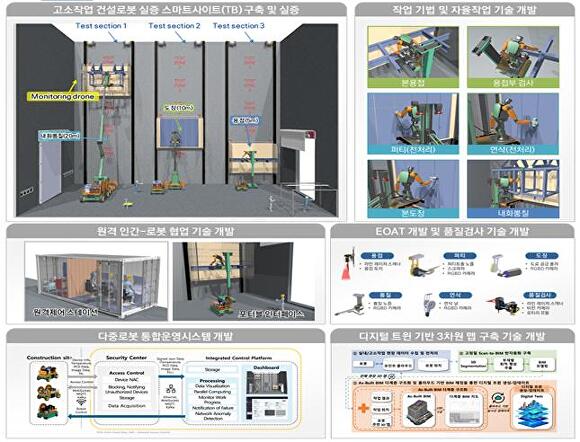
South Korea's Jeonbuk Province, with national ministries and 26 organizations, is launching a major project to develop and test AI-powered robotic platforms for high-risk construction tasks. The initiative aims to improve worker safety and productivity by replacing hazardous jobs with remotely operated robots, with research facilities established in Gimje by 2030.[AI generated]

Why's our monitor labelling this an incident or hazard?

The event involves the development and planned use of AI-enabled robotic systems for high-risk construction tasks, which qualifies as an AI system. Since the project is in the research and development stage with no reported harm or malfunction, and the article does not describe any actual incident or harm caused by the AI systems, it does not meet the criteria for an AI Incident. However, because the deployment of such systems could plausibly lead to harm in the future (e.g., accidents due to robot malfunction or control errors), it qualifies as an AI Hazard. The article primarily reports on the initiative and its potential impact, so it is best classified as an AI Hazard rather than an Incident or Complementary Information.[AI generated]
Industries
Construction and air conditioning

Severity
AI hazard

Business function:
Research and development

AI system task:
Other


Articles about this incident or hazard

Thumbnail Image

전북도, 정부와 손잡고 '고소작업 로봇플랫폼 사업' 시작

2026-06-10
연합뉴스
Why's our monitor labelling this an incident or hazard?
The event involves the development and use of AI systems (robotic platforms with autonomous and remote collaboration capabilities) in a high-risk environment. However, there is no indication that any harm has occurred or that the AI systems have malfunctioned or been misused. The article presents the initiative as a preventive and constructive measure to enhance safety and productivity. Therefore, it does not qualify as an AI Incident or AI Hazard. It is best classified as Complementary Information because it provides context on AI system development and deployment in a safety-critical sector without reporting any realized or potential harm.
Thumbnail Image

전북도, 건설현장 고위험 고소작업 '로봇플랫폼' 대체 추진 - 보도자료 | 기사 - 더팩트

2026-06-10
더팩트
Why's our monitor labelling this an incident or hazard?
The event involves the development and planned use of AI-enabled robotic systems for high-risk construction tasks, which qualifies as an AI system. Since the project is in the research and development stage with no reported harm or malfunction, and the article does not describe any actual incident or harm caused by the AI systems, it does not meet the criteria for an AI Incident. However, because the deployment of such systems could plausibly lead to harm in the future (e.g., accidents due to robot malfunction or control errors), it qualifies as an AI Hazard. The article primarily reports on the initiative and its potential impact, so it is best classified as an AI Hazard rather than an Incident or Complementary Information.
Thumbnail Image

전북도, 건설로봇 연구·실증 거점 구축한다

2026-06-10
아이뉴스24
Why's our monitor labelling this an incident or hazard?
The event involves the development and planned use of AI-enabled construction robots for high-risk tasks, which qualifies as an AI system. Since the project is in the research and development phase with no reported harm or malfunction, it does not meet the criteria for an AI Incident. However, because the deployment of such AI systems could plausibly lead to incidents (either positive or negative) in the future, it fits the definition of an AI Hazard. The article does not focus on responses to past incidents or governance measures, so it is not Complementary Information. It is not unrelated as it clearly involves AI systems in construction robotics.
Thumbnail Image

[오늘 전북] "건설현장 추락사고 막자" 로봇플랫폼 구축 추진 - 동행미디어 시대

2026-06-10
동행미디어 시대
Why's our monitor labelling this an incident or hazard?
The event involves the development and use of AI-enabled robotic systems for construction safety, which could plausibly lead to a reduction in injury or harm to workers (harm category a). However, since the project is currently in the planning and development phase with no reported incidents or malfunctions causing harm, it does not qualify as an AI Incident. Instead, it represents a plausible future benefit and risk mitigation through AI, fitting the definition of an AI Hazard. There is no indication of realized harm or legal violations, nor is the article primarily about governance or societal responses, so it is not Complementary Information. Therefore, the appropriate classification is AI Hazard.
Thumbnail Image

건설현장 바꾸는 로봇기술...김제에 426억 규모 실증사업

2026-06-10
pressian.com
Why's our monitor labelling this an incident or hazard?
The event involves the development and planned use of AI-enabled robotic systems for construction tasks, which is an AI system involvement. However, the article does not describe any harm or incident resulting from these systems; rather, it discusses a research and demonstration project aiming to improve safety and productivity. Since no harm has occurred and the article does not indicate any immediate risk or malfunction, this qualifies as Complementary Information, providing context on AI development and its potential positive impact in the construction sector.
Thumbnail Image

'스마트 건설 전환' 전북자치도, 건설로봇 실증거점 구축 나선다

2026-06-10
전북도민일보
Why's our monitor labelling this an incident or hazard?
The event involves the development and use of AI-enabled construction robots, which qualify as AI systems due to their autonomous and precision control capabilities. However, the article focuses on the establishment of research and testing infrastructure and the planned development of these systems rather than any realized harm or malfunction. Since no actual harm or incident has occurred yet, but the deployment of such AI systems could plausibly lead to incidents or hazards in the future (e.g., accidents, malfunctions), this event is best classified as an AI Hazard. It is not Complementary Information because it is not an update or response to a prior incident, nor is it unrelated as it clearly involves AI systems in construction robotics.