Public Concerns and Expansion of AI-Powered Police Surveillance Systems in the US

Thumbnail Image

The information displayed in the AIM should not be reported as representing the official views of the OECD or of its member countries.

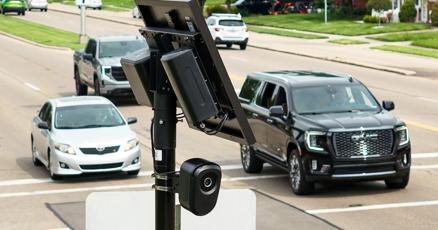
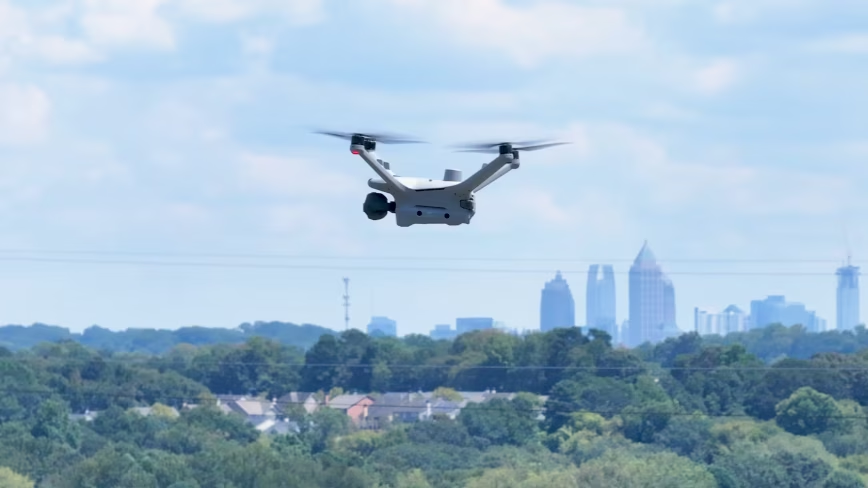
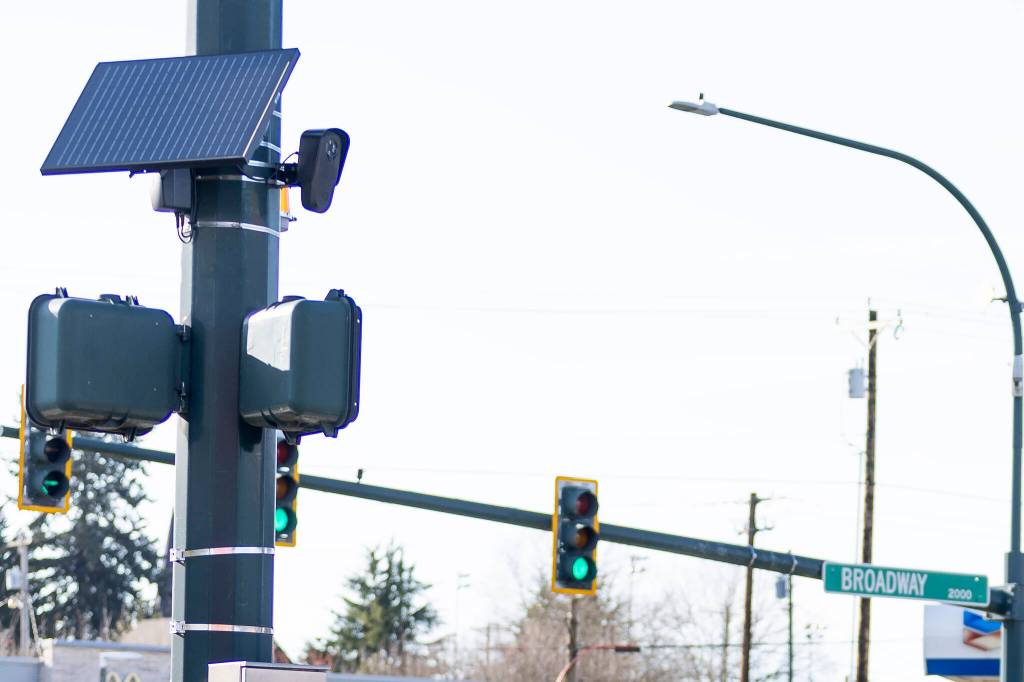
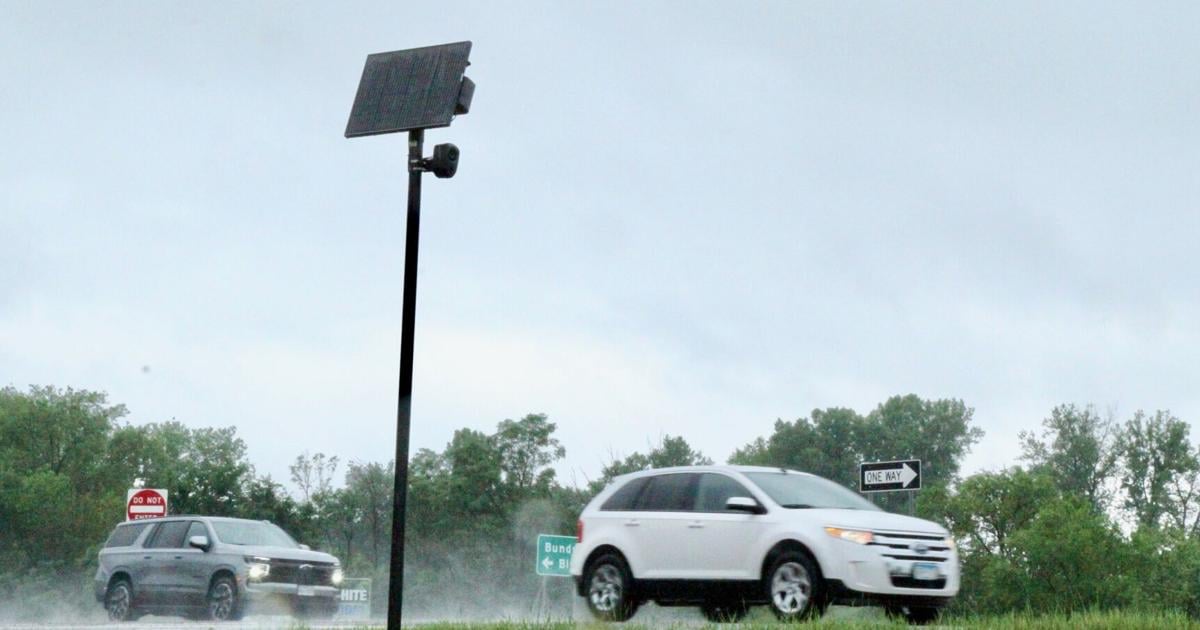
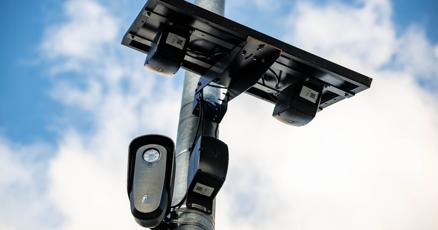
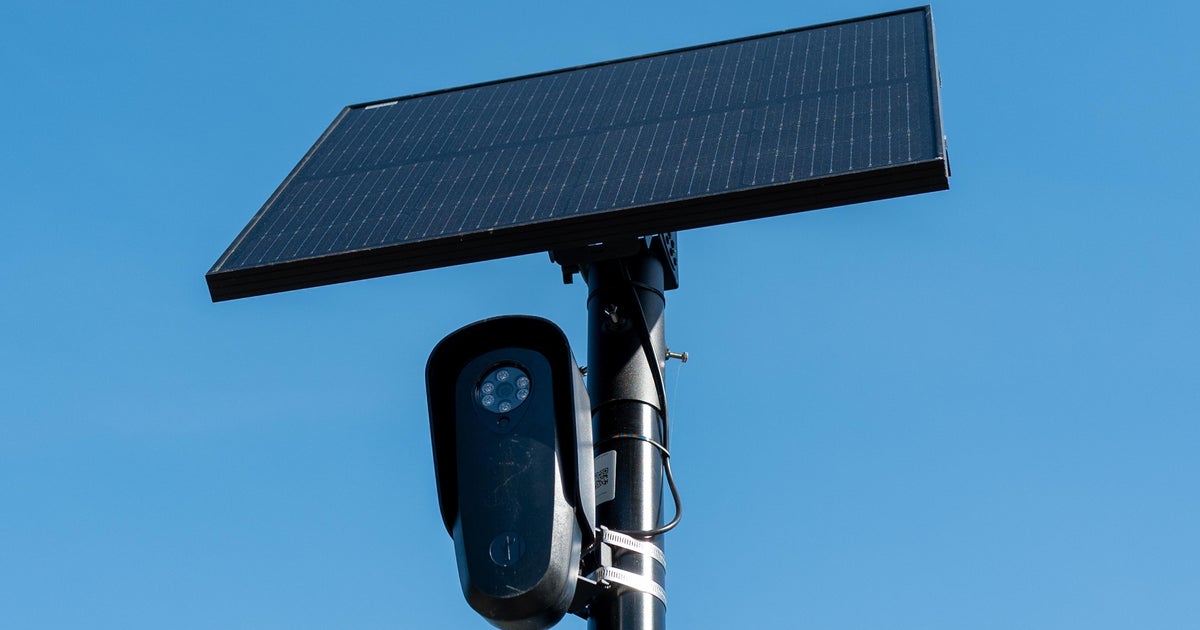
Multiple US communities are raising concerns over the deployment of AI-powered Flock Safety cameras and drones for law enforcement. While officials highlight crime-solving benefits, residents and lawmakers cite risks of privacy violations, data misuse, and expanded surveillance, especially after Stockton, California, approved $3.15M for AI-driven police drones.[AI generated]

Why's our monitor labelling this an incident or hazard?

The article explicitly mentions the use of AI-based license plate reader cameras for law enforcement purposes. The technology is being trialed and has potential implications for privacy and civil liberties, which could constitute harm if misused. However, there is no indication that any harm has yet occurred or that the AI system has malfunctioned or been misused to cause harm. Thus, the event fits the definition of an AI Hazard, as the AI system's use could plausibly lead to harms such as privacy violations or other rights infringements in the future, but no incident has been reported.[AI generated]
AI principles
Privacy & data governanceRespect of human rights

Industries
Government, security, and defence

Affected stakeholders
General public

Harm types
Human or fundamental rightsPublic interest

Severity
AI hazard

Business function:
Compliance and justice

AI system task:
Recognition/object detection


Articles about this incident or hazard

Thumbnail Image

Flock license plate readers coming to Washington

2026-06-11
CBS News
Why's our monitor labelling this an incident or hazard?
The article explicitly mentions the use of AI-based license plate reader cameras for law enforcement purposes. The technology is being trialed and has potential implications for privacy and civil liberties, which could constitute harm if misused. However, there is no indication that any harm has yet occurred or that the AI system has malfunctioned or been misused to cause harm. Thus, the event fits the definition of an AI Hazard, as the AI system's use could plausibly lead to harms such as privacy violations or other rights infringements in the future, but no incident has been reported.
Thumbnail Image

This California city just approved the use of Flock drones as first responders, but residents are worried about 'militarization and surveillance'

2026-06-10
TechRadar
Why's our monitor labelling this an incident or hazard?
The drones are AI systems used for surveillance and real-time response. The event involves the use of these AI systems by law enforcement, raising concerns about privacy and surveillance, which relate to violations of human rights. Since the article does not report any realized harm but focuses on public concern and potential risks, this situation fits the definition of an AI Hazard. The drones' capabilities and past controversies suggest plausible future harm through misuse or overreach, justifying classification as an AI Hazard rather than an AI Incident or Complementary Information.
Thumbnail Image

The all-too-predictable Flock stalking problem.

2026-06-10
The Verge
Why's our monitor labelling this an incident or hazard?
Flock is an AI system used for surveillance, and its use by police to stalk victims constitutes a violation of rights and harm to individuals. The direct involvement of the AI system in these illegal stalking incidents qualifies this as an AI Incident. The mention of multiple cases and the harm caused by misuse of the AI system supports this classification.
Thumbnail Image

South Portland will stop using Flock cameras

2026-06-12
Portland Press Herald
Why's our monitor labelling this an incident or hazard?
The Flock cameras are AI systems using machine learning to scan and log vehicle information. The event involves the use of these AI systems and concerns about data security and access, which could implicate violations of privacy rights and potential misuse. However, the article states there have been no reported instances of misuse or harm in South Portland, and the city is taking steps to stop using the system and limit data sharing. Therefore, this event does not describe an AI Incident (no realized harm) but rather a plausible risk and governance response to potential harms. It is not merely unrelated or general AI news, as it involves concrete AI system use and public safety implications. The main focus is on the decision to stop use due to concerns, making it an AI Hazard reflecting plausible future harm and risk from the AI system's use.
Thumbnail Image

Kettering resident voices opposition to Flock cameras

2026-06-10
Dayton Daily News
Why's our monitor labelling this an incident or hazard?
The Flock ALPR system is an AI system used for automated license plate reading and data sharing. The article details misuse of this system's data for immigration enforcement and unstated purposes, which implicates violations of rights and privacy concerns. However, no specific incident of direct harm such as injury or legal violation ruling is reported; instead, the article focuses on public opposition, policy changes, and investigative findings. This aligns with Complementary Information, as it updates on societal and governance responses to AI surveillance issues rather than reporting a new AI Incident or AI Hazard.
Thumbnail Image

Police License Plate Searches Leak Into Public Search Results Through Flock Safety URLs

2026-06-11
Gadget Review
Why's our monitor labelling this an incident or hazard?
The event involves an AI system (Flock Safety's ALPR network) that uses AI-powered cameras to scan license plates and generate searchable data. The leak of sensitive investigation details via URLs indexed by search engines directly results from the AI system's use and its data management practices. The harm includes violations of privacy and potentially human rights due to unauthorized access and public exposure of personal data. The incident also reveals systemic issues in AI system deployment and data sharing policies leading to significant harm. Hence, it meets the criteria for an AI Incident.
Thumbnail Image

A California city just approved $3.15M in police drones that respond to 911 calls in 30 seconds

2026-06-10
The Next Web
Why's our monitor labelling this an incident or hazard?
The drones are AI systems as they autonomously respond to 911 calls and provide real-time updates, indicating AI involvement in decision-making and data processing. The event stems from the use of these AI systems. Although no direct harm has been reported yet, the article details credible concerns and past misuse of similar technology leading to privacy violations and surveillance abuses, which are violations of human rights and harm to communities. These concerns establish a plausible risk of future AI incidents. Since harm is not yet realized but plausible, the event is best classified as an AI Hazard rather than an AI Incident. The article focuses on the approval and potential risks rather than reporting an actual incident of harm, so it is not Complementary Information. It is clearly related to AI systems, so it is not Unrelated.
Thumbnail Image

Residents tell council Flock cameras lack data security, limits on use

2026-06-12
CNHI News
Why's our monitor labelling this an incident or hazard?
The Flock Safety cameras are AI systems used for license plate recognition and data analysis. The article does not report any direct harm or incident caused by these systems but highlights significant public concerns about data security, misuse (e.g., tracking ex-partners), expanded surveillance, and potential profiling using AI. These concerns indicate credible risks of future harms such as violations of privacy and rights, and community harm through surveillance. Since no actual harm is documented but plausible future harm is credible, the event fits the definition of an AI Hazard rather than an AI Incident or Complementary Information.
Thumbnail Image

Following procedural error, Edmonds unanimously cancels Flock contract - HeraldNet.com

2026-06-10
Herald net
Why's our monitor labelling this an incident or hazard?
The article explicitly involves an AI system (automated license plate readers) and discusses the use and termination of the system's contract. However, no actual harm or incident resulting from the AI system's use is reported. The cancellation is motivated by new legislation, liability concerns, and community opposition, reflecting a governance response rather than an incident or hazard. Thus, the event fits the definition of Complementary Information as it details societal and governance responses to AI surveillance technology without reporting realized or plausible harm.
Thumbnail Image

Flock license plate cameras prompt privacy, public safety debate

2026-06-11
9 & 10 News
Why's our monitor labelling this an incident or hazard?
The automatic license plate readers are AI systems that analyze images to identify vehicles and match them against databases. Their use has directly led to privacy concerns and documented misuse cases (e.g., stalking by officers), which constitute violations of rights and harms to individuals. The event reports actual use and consequences, not just potential risks, fulfilling the criteria for an AI Incident. The concerns about data collection, sharing, and misuse demonstrate realized harms linked to the AI system's deployment.
Thumbnail Image

WPD fields Flock camera questions

2026-06-10
Winona Post
Why's our monitor labelling this an incident or hazard?
The event involves AI systems (AI-powered license plate reading cameras) used by law enforcement. However, the article does not report any realized harm or misuse resulting from these systems. Instead, it focuses on community concerns, transparency, and the police department's policies to prevent misuse. Therefore, it does not qualify as an AI Incident or AI Hazard. It is best classified as Complementary Information because it provides context, governance response, and public communication about the AI system's deployment and use, enhancing understanding of the AI ecosystem and societal responses.
Thumbnail Image

What Are Flock Cameras & Why Does One Maine Town Want to Ban Them?

2026-06-10
102.1 & 105.3 The Shark
Why's our monitor labelling this an incident or hazard?
The article explicitly mentions AI-powered cameras used for surveillance and law enforcement, which qualifies as AI systems. The cameras have been used to solve crimes, indicating their active use. However, the article does not describe any direct or indirect harm caused by these AI systems, such as violations of rights or other harms. Instead, it reports on concerns about privacy and a political effort to ban the cameras, which is a governance or societal response to potential risks. Since no harm has occurred or is described as occurring, and the main focus is on the debate and potential privacy risks, this event is best classified as Complementary Information.
Thumbnail Image

College Place police will turn Flock cameras back on beginning June 15

2026-06-12
Union-Bulletin
Why's our monitor labelling this an incident or hazard?
The Flock cameras employ AI systems for automatic license plate recognition and alerting, which is explicitly mentioned. The use of these AI systems has directly contributed to law enforcement activities, including locating suspects in serious crimes, which constitutes harm prevention and public safety benefits. However, the article does not report any harm caused by the AI system itself, nor does it indicate any malfunction or misuse leading to harm. Instead, it focuses on legal and privacy concerns, regulatory changes, and operational decisions regarding the AI system's deployment. Therefore, this event is best classified as Complementary Information, as it provides updates on governance, legal frameworks, and operational responses related to an AI system already in use, without describing a new AI Incident or AI Hazard.