Renault Deploys AI Humanoid Robot Calvin, Raising Job Displacement Concerns

Thumbnail Image

The information displayed in the AIM should not be reported as representing the official views of the OECD or of its member countries.

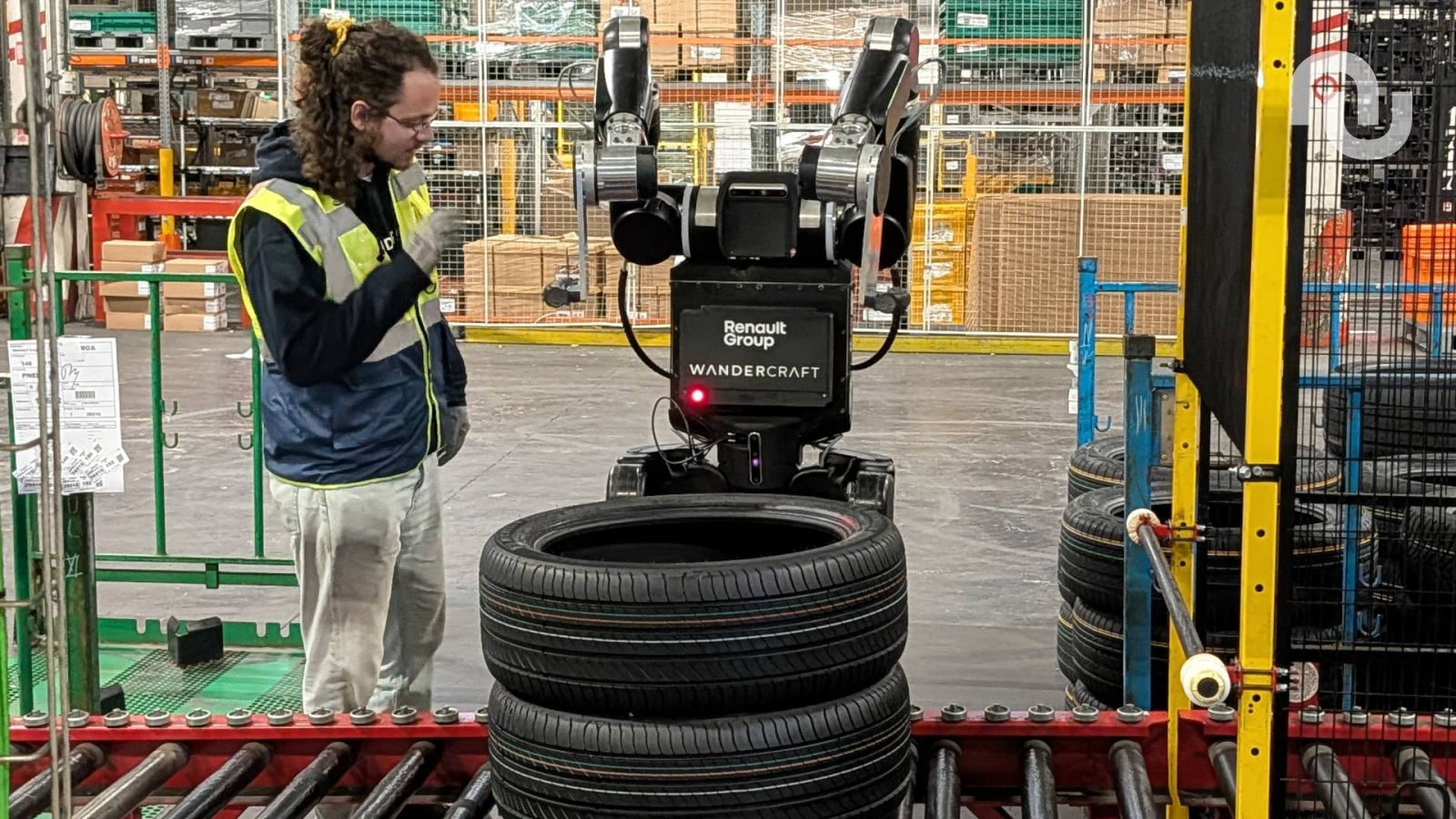
Renault is testing Calvin, an AI-powered humanoid robot, in its Douai factory to automate physically demanding tasks. While management highlights safety and efficiency, workers express concerns about potential job displacement and labor rights impacts due to increased automation. The robot's deployment marks a significant shift in industrial AI use.[AI generated]

Why's our monitor labelling this an incident or hazard?

The event involves an AI system (the humanoid robot with AI intelligence) being used in an industrial setting. There is no direct or indirect harm reported at present, but the article discusses credible concerns about potential future harm to workers' employment and livelihoods due to AI automation. This fits the definition of an AI Hazard, as the AI system's use could plausibly lead to significant harm (job losses and social impact) in the future. The article does not report any realized harm or incident, nor does it focus on responses or updates to prior incidents, so it is not an AI Incident or Complementary Information.[AI generated]
AI principles
Respect of human rightsHuman wellbeing

Industries
Robots, sensors, and IT hardware

Affected stakeholders
Workers

Harm types
Economic/Property

Severity
AI hazard

Business function:
Manufacturing

AI system task:
Other


Articles about this incident or hazard

Thumbnail Image

Robotique : pourquoi Renault déploie le robot Calvin dans ses usines en 2026

2026-06-10
Numerama.com
Why's our monitor labelling this an incident or hazard?
The article explicitly mentions an AI system (Calvin, an autonomous robot) being used in Renault's factories. However, it does not describe any harm or incident resulting from its use, nor does it suggest any plausible future harm. The robot is supervised, slow, and designed to improve safety and reduce physical strain. The article's main focus is on the deployment and testing of this AI system and its potential benefits, which fits the definition of Complementary Information. There is no indication of an AI Incident or AI Hazard.
Thumbnail Image

Un robot humanoïde débarque chez Renault

2026-06-10
Auto Plus
Why's our monitor labelling this an incident or hazard?
The event involves an AI system (the humanoid robot with AI intelligence) being used in an industrial setting. There is no direct or indirect harm reported at present, but the article discusses credible concerns about potential future harm to workers' employment and livelihoods due to AI automation. This fits the definition of an AI Hazard, as the AI system's use could plausibly lead to significant harm (job losses and social impact) in the future. The article does not report any realized harm or incident, nor does it focus on responses or updates to prior incidents, so it is not an AI Incident or Complementary Information.
Thumbnail Image

"Si le robot commence à nous remplacer, on va se retrouver où ?": Calvin, le robot humanoïde qui fascine et inquiète dans l'usine de montage de Renault

2026-06-10
France 3 Grand Est
Why's our monitor labelling this an incident or hazard?
The event involves an AI system (the humanoid robot with AI control) being introduced into a workplace, with the potential to replace human labor. While the robot is not reported to have caused actual harm yet, the plausible future harm includes significant job displacement and labor rights impacts. This fits the definition of an AI Hazard, as the AI system's use could plausibly lead to harm (loss of employment, violation of labor rights). There is no indication of realized harm or incident at this stage, nor is the article primarily about responses or governance measures, so it is not an AI Incident or Complementary Information.