LIG D&A and NearsLab Partner to Develop AI Interceptor Drones for Air Defense

Thumbnail Image

The information displayed in the AIM should not be reported as representing the official views of the OECD or of its member countries.

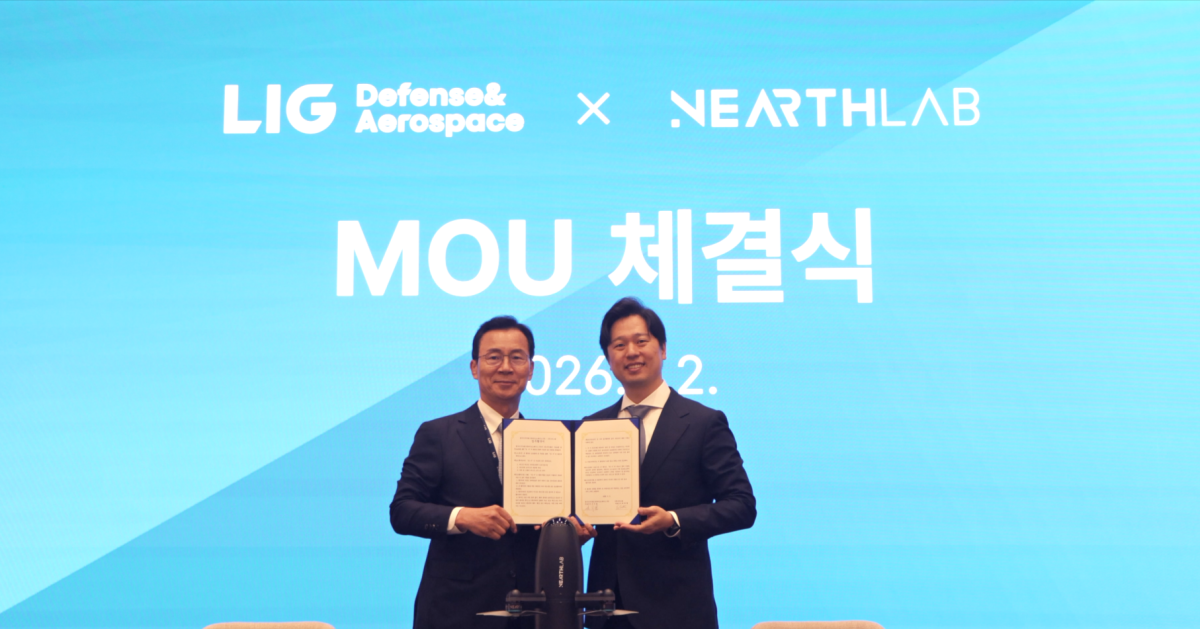
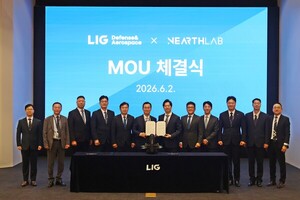
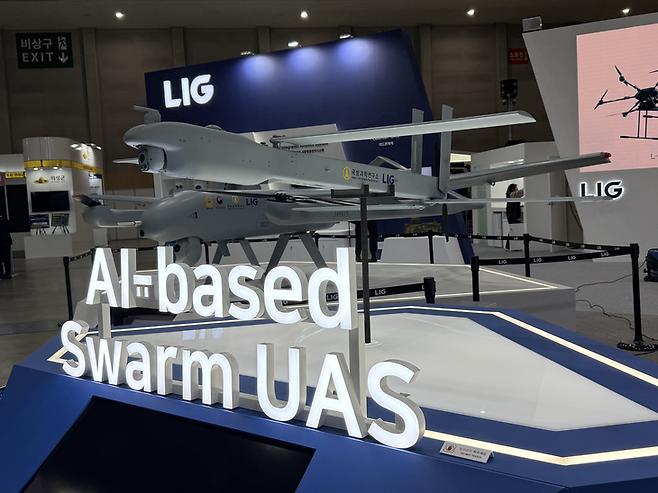
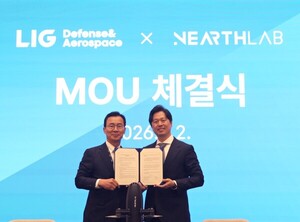
LIG D&A and NearsLab signed an agreement in South Korea to jointly develop AI-powered autonomous interceptor drones for integrated air defense. The collaboration aims to advance 'hard-kill' anti-drone systems, combining AI software and autonomous flight technology, with plans for domestic and global deployment. No incident or harm reported.[AI generated]

Why's our monitor labelling this an incident or hazard?

The event involves the development and intended use of AI systems (autonomous interceptor drones) with potential for significant impact, including physical destruction of drones, which could plausibly lead to harms such as property damage or harm to communities if misused or malfunctioning. However, since the article only reports a collaboration agreement and development efforts without any actual incident or harm occurring, it fits the definition of an AI Hazard rather than an AI Incident. It is not Complementary Information because it is not an update or response to a prior incident, nor is it unrelated as it clearly involves AI systems with potential for harm.[AI generated]
Industries
Government, security, and defenceRobots, sensors, and IT hardware

Severity
AI hazard

Business function:
Research and development

AI system task:
Recognition/object detectionGoal-driven organisation


Articles about this incident or hazard

Thumbnail Image

LIG D&A, 드론 AI 기업과 사업협업 체계 구축

2026-06-12
기술로 세상을 바꾸는 사람들의 놀이터
Why's our monitor labelling this an incident or hazard?
The event involves AI systems in the context of autonomous interceptor drones, which could plausibly lead to harm if misused or malfunctioning in the future. However, since the article only reports on the establishment of a collaboration agreement without any actual incident, malfunction, or direct or indirect harm occurring or imminent, it does not meet the criteria for an AI Incident or AI Hazard. Instead, it is a development update about AI system collaboration and future plans, which fits the definition of Complementary Information.
Thumbnail Image

LIGD&A, AI드론 스타트업 니어스랩과 '대드론 요격 체계' 개발 협약

2026-06-12
비즈니스포스트
Why's our monitor labelling this an incident or hazard?
The event involves the development and intended use of AI systems (autonomous interceptor drones) with potential for significant impact, including physical destruction of drones, which could plausibly lead to harms such as property damage or harm to communities if misused or malfunctioning. However, since the article only reports a collaboration agreement and development efforts without any actual incident or harm occurring, it fits the definition of an AI Hazard rather than an AI Incident. It is not Complementary Information because it is not an update or response to a prior incident, nor is it unrelated as it clearly involves AI systems with potential for harm.
Thumbnail Image

LIG D&A, 니어스랩과 요격드론 협력...통합방공망 세계시장 공략

2026-06-12
서울신문
Why's our monitor labelling this an incident or hazard?
The article explicitly mentions AI software and autonomous flight technology in interceptor drones, qualifying as AI systems. The event concerns their development and planned deployment in integrated air defense, which could plausibly lead to harms such as injury or disruption if the systems malfunction or are misused. No actual harm or incident is reported, so it is not an AI Incident. The focus is on the collaboration and development, not on responses or updates to past incidents, so it is not Complementary Information. Hence, the event is best classified as an AI Hazard.
Thumbnail Image

LIG D&A, AI 요격드론 협력 확대...대드론 시장 공략 속도

2026-06-12
매일일보
Why's our monitor labelling this an incident or hazard?
The event involves the development and intended use of AI systems (AI autonomous interception drones) in a defense context, which could plausibly lead to harm such as injury, disruption, or other significant harms if these systems malfunction or are misused. Since no actual harm or incident is reported, but the AI system's development and deployment in a high-risk military application is described, this qualifies as an AI Hazard under the framework. The article does not report any realized harm or incident, nor does it focus on responses or updates to prior incidents, so it is not an AI Incident or Complementary Information.
Thumbnail Image

LIG D&A-니어스랩, 대드론 요격 체계 고도화로 글로벌 통합 방공망 시장 공략

2026-06-12
kr.acrofan.com
Why's our monitor labelling this an incident or hazard?
The event involves the development and planned use of AI systems in autonomous interceptor drones for defense against drone threats. Although no harm has yet occurred, the nature of the AI system and its military application imply a credible risk of future harm, such as injury or disruption, if the system malfunctions or is misused. The article focuses on the collaboration and technological advancement rather than any realized incident, so it does not qualify as an AI Incident. It is not merely complementary information because the main subject is the development of a potentially hazardous AI system. Hence, the classification as an AI Hazard is appropriate.
Thumbnail Image

LIG D&A, 니어스랩과 맞손...대드론 요격체계 개발 박차

2026-06-12
디지털데일리
Why's our monitor labelling this an incident or hazard?
The event involves the development and intended use of AI autonomous drone interception systems, which are AI systems by definition. The article does not report any realized harm or incident caused by these AI systems but highlights the ongoing development and future deployment plans. Given the nature of autonomous weapon systems and their potential to cause injury or other harms if malfunctioning or misused, the event plausibly could lead to an AI Incident in the future. Hence, it fits the definition of an AI Hazard. It is not Complementary Information because it is not an update or response to a prior incident, nor is it unrelated as it clearly involves AI systems with potential for harm.
Thumbnail Image

하늘의 암살자 드론, 'AI 자율비행'으로 잡는다⋯ LIG·니어스랩 '맞손'

2026-06-12
브릿지경제
Why's our monitor labelling this an incident or hazard?
The event involves the development and intended use of AI systems in autonomous interceptor drones designed to physically destroy enemy drones, which are military weapons. Such AI-enabled autonomous weapons have a high potential for causing harm, including injury or death, and disruption in conflict scenarios. Although the article does not report an actual harm event yet, the development and deployment of such AI autonomous weapons systems constitute a plausible risk of significant harm. Therefore, this event qualifies as an AI Hazard because it plausibly could lead to AI Incidents involving injury, disruption, or other harms associated with autonomous weapon use.
Thumbnail Image

LIG D&A, 니어스랩과 대드론 시장 공략 나서

2026-06-12
포인트데일리
Why's our monitor labelling this an incident or hazard?
The article explicitly involves AI systems in autonomous intercept drones, which are being developed for military counter-drone applications. Although no harm or incident has occurred yet, the nature of the technology and its intended use in defense imply a credible risk of future harm, such as injury, disruption, or violations of rights in conflict scenarios. The event is about the development and collaboration to produce these AI systems, not about an incident or harm that has already happened. Hence, it fits the definition of an AI Hazard rather than an AI Incident or Complementary Information.
Thumbnail Image

비싼 미사일 대신 AI가 부딪힌다"...LIG D&A-니어스랩 대 드론 요격 체계, 글로벌 방공 시장 정조준

2026-06-12
에너지경제신문
Why's our monitor labelling this an incident or hazard?
The event involves AI systems explicitly described as autonomous intercept drones using vision AI for target identification and collision-based destruction, which clearly qualifies as AI system involvement. The AI is used in a military context for defense against hostile drones, which could plausibly lead to harm including injury, property damage, or broader security risks. No actual harm or incident is reported; the article discusses development, testing success, and plans for deployment and export. Thus, the event is best classified as an AI Hazard, reflecting the credible potential for harm from the AI system's use in autonomous lethal interception, but without realized harm at this time.