Taiwan to Install AI-Based Railway Obstacle Detection Systems by 2031

Thumbnail Image

The information displayed in the AIM should not be reported as representing the official views of the OECD or of its member countries.

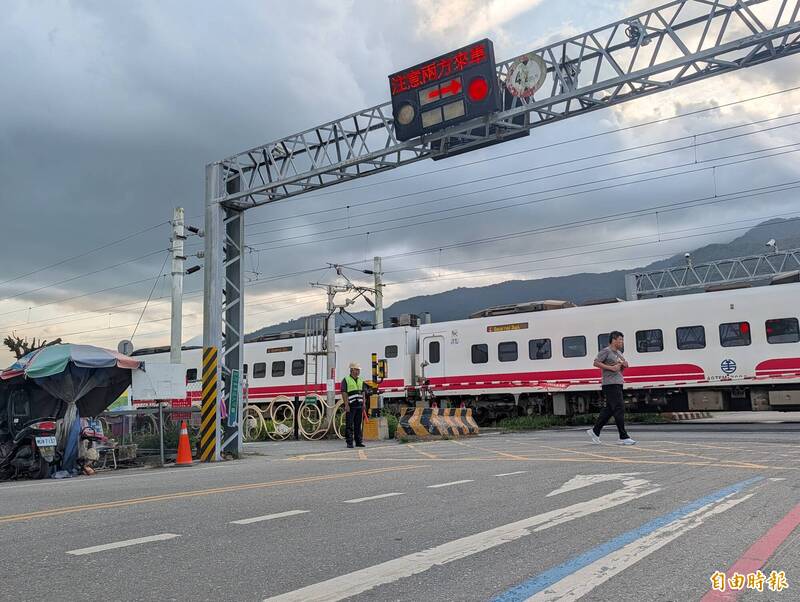
Taiwan's Railway Bureau plans to install intelligent obstacle detection systems at all railway crossings by 2031, investing NT$400 million. The AI systems aim to enhance safety by automatically detecting intrusions and alerting train operators, following new regulations to reduce accidents and improve crossing infrastructure.[AI generated]

Why's our monitor labelling this an incident or hazard?

The intelligent obstacle detection systems qualify as AI systems because they perform automated detection and real-time alerting to prevent accidents. The article does not report any current accidents caused by AI malfunction or misuse, nor does it describe any realized harm. Instead, it discusses planned installation and regulatory changes aimed at improving safety and preventing future harm. This fits the definition of an AI Hazard, as the AI systems could plausibly prevent incidents, and the legislative changes aim to manage risks associated with railway crossings. Since no harm has occurred and the focus is on future risk reduction, it is not an AI Incident. It is also not Complementary Information because it is not an update or response to a past incident but a new policy and infrastructure plan. It is not Unrelated because AI systems are clearly involved.[AI generated]
Industries
Mobility and autonomous vehiclesGovernment, security, and defence

Severity
AI hazard

Business function:
Monitoring and quality control

AI system task:
Recognition/object detection


Articles about this incident or hazard

Thumbnail Image

鐵道局預告修法 台鐵2031年前砸4億裝設完鐵道智慧偵測系統

2026-06-13
UDN
Why's our monitor labelling this an incident or hazard?
The intelligent obstacle detection systems qualify as AI systems because they perform automated detection and real-time alerting to prevent accidents. The article does not report any current accidents caused by AI malfunction or misuse, nor does it describe any realized harm. Instead, it discusses planned installation and regulatory changes aimed at improving safety and preventing future harm. This fits the definition of an AI Hazard, as the AI systems could plausibly prevent incidents, and the legislative changes aim to manage risks associated with railway crossings. Since no harm has occurred and the focus is on future risk reduction, it is not an AI Incident. It is also not Complementary Information because it is not an update or response to a past incident but a new policy and infrastructure plan. It is not Unrelated because AI systems are clearly involved.
Thumbnail Image

台鐵不再設平交道了!將斥資4億裝障礙物偵測系統

2026-06-13
Yahoo News (Taiwan)
Why's our monitor labelling this an incident or hazard?
The article explicitly mentions the installation of obstacle detection systems at railway level crossings, which are AI systems used to detect obstacles and prevent accidents. While no current harm or accident is reported, the use of these AI systems is intended to reduce the risk of accidents, implying a plausible future harm scenario if such systems were not installed. Since the article focuses on the planned deployment and legislative changes to improve safety and prevent accidents, it is best classified as Complementary Information, as it provides context and updates on AI system deployment aimed at harm prevention rather than reporting an incident or hazard.
Thumbnail Image

台鐵不再新建平交道 擬5年砸4億設障礙物偵測系統

2026-06-13
UDN
Why's our monitor labelling this an incident or hazard?
The event involves the use of AI or intelligent detection systems (obstacle detection systems) to enhance railway crossing safety. However, the article does not report any actual harm or accident caused by the AI system, nor does it describe a near-miss or malfunction. Instead, it discusses planned safety improvements and regulatory changes to prevent future accidents. Therefore, this is a plausible future risk mitigation effort involving AI systems, but no incident or hazard has occurred yet. The article is best classified as Complementary Information because it provides context on governance and safety responses involving AI systems in railway infrastructure, without describing a specific AI Incident or AI Hazard.
Thumbnail Image

台鐵不再設平交道了!將斥資4億裝障礙物偵測系統

2026-06-13
Liberty Times Net
Why's our monitor labelling this an incident or hazard?
The obstacle detection systems installed at level crossings are AI systems because they perform automated detection of obstacles, likely using sensors and AI algorithms to infer and predict hazards. The event involves the use of AI systems to prevent harm (accidents at level crossings) but does not describe any realized harm or malfunction. Instead, it is a safety improvement initiative to reduce risk. Therefore, it is an AI Hazard, as the AI system's use could plausibly lead to preventing incidents, but no incident or harm has yet occurred or been reported.