U.S. Export Controls on Anthropic's AI Model Disrupt South Korea's Cybersecurity Collaboration

Thumbnail Image

The information displayed in the AIM should not be reported as representing the official views of the OECD or of its member countries.

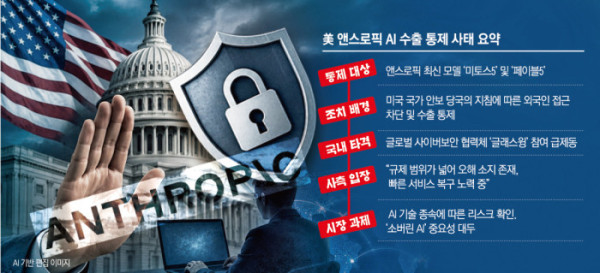
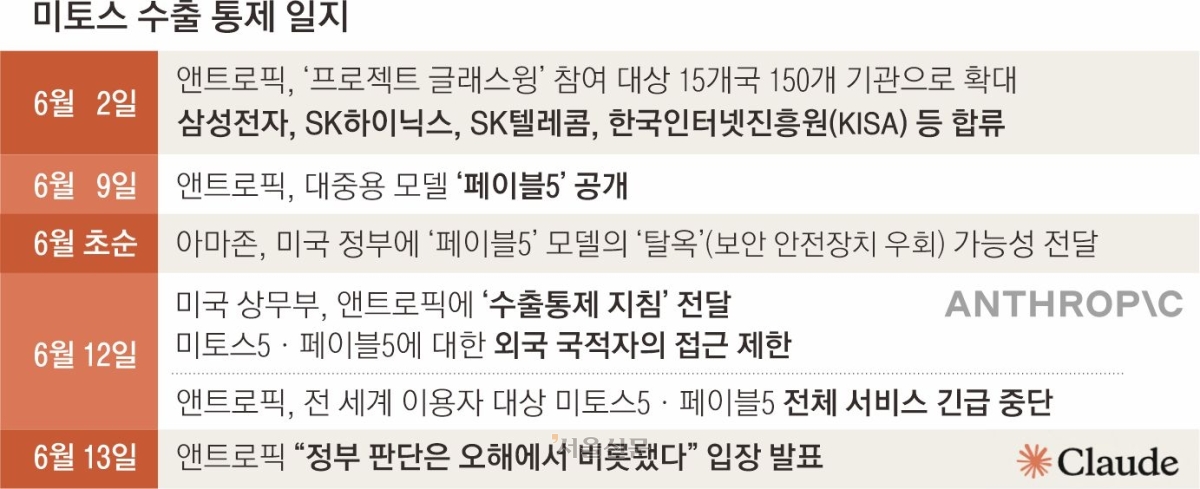
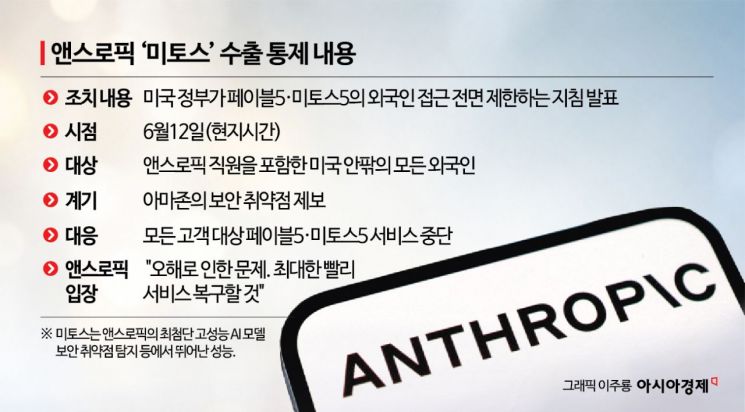
The U.S. government imposed export controls on Anthropic's advanced AI models, restricting access for foreign entities, including South Korean government and companies participating in the Glasswing cybersecurity project. This action threatens South Korea's AI-based cyber defense collaboration, raising concerns about national security and the need for independent AI capabilities.[AI generated]

Why's our monitor labelling this an incident or hazard?

The article explicitly involves an AI system (Anthropic's 'Mitos' AI model) and its use by South Korean companies and institutions. The U.S. government's export control restricts access to this AI system, which could plausibly lead to harm by disrupting AI development, collaboration, and national AI sovereignty. No actual injury, rights violation, or direct harm has been reported yet, but the restriction poses a credible risk of harm in the future. Hence, it fits the definition of an AI Hazard rather than an AI Incident or Complementary Information.[AI generated]
AI principles
FairnessDemocracy & human autonomy

Industries
Government, security, and defenceDigital security

Affected stakeholders
GovernmentBusiness

Harm types
Public interest

Severity
AI hazard

Business function:
ICT management and information security

AI system task:
Event/anomaly detection


Articles about this incident or hazard

Thumbnail Image

미토스 수출통제에 한국 '글래스윙' 참여 제동...정부 "파악 중"

2026-06-14
연합뉴스
Why's our monitor labelling this an incident or hazard?
The article explicitly involves an AI system (Anthropic's 'Mitos' AI model) and its use by South Korean companies and institutions. The U.S. government's export control restricts access to this AI system, which could plausibly lead to harm by disrupting AI development, collaboration, and national AI sovereignty. No actual injury, rights violation, or direct harm has been reported yet, but the restriction poses a credible risk of harm in the future. Hence, it fits the definition of an AI Hazard rather than an AI Incident or Complementary Information.
Thumbnail Image

[뉴스분석]미 앤트로픽 AI 수출통제에 한국 '글래스윙 참여'도 제동...소버린 AI 과제로

2026-06-14
경향신문
Why's our monitor labelling this an incident or hazard?
The article explicitly involves advanced AI systems (Anthropic's 'Mitochus' and 'Fable' models) and their use in cybersecurity. The U.S. government's export control restricts access to these AI systems, indirectly affecting South Korea's ability to use AI for cybersecurity defense, which is critical infrastructure. Although no direct harm or incident has occurred, the restriction plausibly leads to increased cybersecurity risks and highlights the need for sovereign AI capabilities to mitigate such risks. Since the event describes a plausible future harm scenario due to AI system access restrictions rather than an actual realized harm, it fits the definition of an AI Hazard rather than an AI Incident or Complementary Information.
Thumbnail Image

'미토스 수출통제' AI 장벽 세운 미국...사이버보안 공동 대응 막힌 한국

2026-06-14
경향신문
Why's our monitor labelling this an incident or hazard?
The event involves the use and development of advanced AI systems (Anthropic's Mitos and Fable models) and their role in cybersecurity defense. The U.S. export control restricts access to these AI systems, directly affecting South Korea's ability to use them for cybersecurity threat detection and response. While no direct harm has yet occurred, the restriction plausibly leads to potential harm by hindering cybersecurity collaboration and defense, which is critical infrastructure management. The article focuses on the potential negative impact of this control on cybersecurity and national security, fitting the definition of an AI Hazard rather than an AI Incident or Complementary Information. It is not unrelated, as AI systems and their control are central to the event.
Thumbnail Image

미토스 수출통제에 한국 '글래스윙' 참여 제동...정부 "파악 중"

2026-06-14
First-Class 경제신문 파이낸셜뉴스
Why's our monitor labelling this an incident or hazard?
The event involves an AI system (Anthropic's Mitos5 model) and concerns its use and access being restricted by government export controls. Although no direct harm such as injury or rights violations has occurred, the restriction plausibly leads to harm by impeding legitimate use and collaboration in AI cybersecurity efforts, which could affect national security and technological sovereignty. The article focuses on the potential and ongoing impact of these controls rather than an actual incident of harm. Therefore, this qualifies as an AI Hazard, as the development and use of the AI system could plausibly lead to significant harm or disruption, but no realized harm is reported yet.
Thumbnail Image

미토스 수출 통제에 韓도 직격탄...정부 "파악 중"

2026-06-14
First-Class 경제신문 파이낸셜뉴스
Why's our monitor labelling this an incident or hazard?
The event involves an AI system (Anthropic's MitoS) and its use/access being restricted by government export controls. While this affects South Korean entities' ability to use the AI system, there is no indication of any injury, rights violation, disruption, or other harm having occurred. The event is about a policy action that could plausibly lead to future harm or disruption in AI security collaboration but does not describe an actual AI Incident. It is not merely general AI news or product launch, but a specific event with potential implications. Therefore, it fits best as an AI Hazard, reflecting a plausible future risk or disruption stemming from AI system access restrictions.
Thumbnail Image

제동 걸린 '글래스윙 참여', 미토스 수출 통제에 정부 비상

2026-06-14
First-Class 경제신문 파이낸셜뉴스
Why's our monitor labelling this an incident or hazard?
The event involves an AI system (Anthropic's Mitos model) and concerns the use and access restrictions imposed by the U.S. government due to national security concerns related to safety bypass techniques (jailbreaking). No actual harm or incident has been reported; rather, the export control is a preventive measure reflecting plausible risks of misuse or security threats. The article also discusses the impact on a global AI security collaboration, indicating broader governance and security implications. Since the harm is potential and the event centers on plausible future risks and restrictions, it fits the definition of an AI Hazard rather than an Incident or Complementary Information.
Thumbnail Image

미토스 수출 막아선 美... 韓, 글래스윙 참여 제동 걸리나

2026-06-14
First-Class 경제신문 파이낸셜뉴스
Why's our monitor labelling this an incident or hazard?
An AI system (Anthropic's Mitos AI model) is explicitly involved. The U.S. government's export control restricts access to this AI system for foreign users, including South Korean participants in a global AI security alliance. The restriction is due to national security concerns, implying potential future harm if such AI systems are misused or if dependency on foreign AI leads to vulnerabilities. No direct or indirect harm has yet occurred, but the plausible future harm from restricted access and national security risks is credible. Therefore, this event is best classified as an AI Hazard rather than an AI Incident or Complementary Information.
Thumbnail Image

미토스 수출통제에 한국 '글래스윙' 참여 제동...정부 "파악 중"

2026-06-14
Wow TV
Why's our monitor labelling this an incident or hazard?
The event involves an AI system (Anthropic's Mitos model) and government-imposed export controls limiting access, which could plausibly lead to harms such as disruption of AI collaboration or national AI capability development. However, no direct or indirect harm from the AI system's use or malfunction is reported. The focus is on potential future risks and geopolitical implications, fitting the definition of an AI Hazard rather than an Incident or Complementary Information. It is not unrelated because AI systems and their access are central to the event.
Thumbnail Image

미토스 수출통제에 韓 '글래스윙' 참여도 불똥...정부 "파악 중"

2026-06-14
아시아경제
Why's our monitor labelling this an incident or hazard?
The event involves an AI system (Anthropic's Mitos) and concerns its use and access restrictions due to national security risks. Although no actual harm has occurred yet, the U.S. government's export control indicates a credible risk that the AI system's use could lead to harms such as threats to national security. The article does not report any realized injury, rights violation, or other harms but highlights potential future risks. Hence, it fits the definition of an AI Hazard rather than an AI Incident or Complementary Information.
Thumbnail Image

미토스 수출통제에 한국 '글래스윙' 참여 제동

2026-06-14
jeonpa.co.kr
Why's our monitor labelling this an incident or hazard?
The event involves an AI system (Anthropic's MitoS model) and concerns the use and access restrictions imposed by the U.S. government for national security reasons. This restriction affects South Korean entities' ability to use the AI system, which could plausibly lead to harm such as disruption of AI security collaboration and dependency risks. However, no direct harm or violation has yet occurred; the article reports on export control measures and their impact on access rights. Therefore, it fits the definition of an AI Hazard, as the development, use, or malfunction of the AI system could plausibly lead to harm, but no harm has materialized yet. The article does not primarily focus on responses or updates to a past incident, so it is not Complementary Information. It is not unrelated because it clearly involves an AI system and potential harm.
Thumbnail Image

美 미토스 통제에 韓 '글래스윙' 협력 제동 촉각...정부 "사태 파악 중"

2026-06-14
디지털데일리
Why's our monitor labelling this an incident or hazard?
The event involves advanced AI systems (Anthropic's Mithos5 and Fable5) and their restricted use due to U.S. export controls, which directly affects South Korea's ability to participate in a cybersecurity collaboration that uses these AI models to detect and patch vulnerabilities. While no actual harm (such as a cyberattack or security breach) has been reported, the restriction plausibly leads to future harm by weakening South Korea's AI-based cybersecurity defenses, which are critical infrastructure. The article focuses on the potential negative impact of limited AI access on national security and international cooperation, fitting the definition of an AI Hazard. There is no indication that harm has already occurred, so it is not an AI Incident. The article is not merely complementary information because it highlights a credible risk of harm due to AI system access restrictions.
Thumbnail Image

美 "미토스 수출 통제"‥우리 기업 접근권 막혀

2026-06-14
MBC 뉴스
Why's our monitor labelling this an incident or hazard?
The article explicitly mentions an AI system (Anthropic's 'Mito' model) and its restricted access due to U.S. export controls. However, there is no indication that this restriction has caused any injury, rights violation, disruption, or other harm as defined for AI Incidents. Nor does the article suggest a plausible future harm caused by the AI system itself; rather, it is about access limitations imposed by policy. This fits best as Complementary Information because it provides context on governance and access issues related to AI systems without describing an AI Incident or AI Hazard.
Thumbnail Image

앤트로픽 미토스 수출 통제에 한국 '글래스윙' 참여 제동

2026-06-14
연합뉴스TV
Why's our monitor labelling this an incident or hazard?
The article focuses on the U.S. government's export control policy restricting access to Anthropic's AI model 'MitoS' for foreign nationals, including South Korean entities. While this involves an AI system and its use, there is no indication of any harm occurring or plausible harm imminent due to the AI system's malfunction or misuse. The event is about governance and access control, which is a societal and policy response to AI development and security concerns. It does not describe an AI Incident (harm realized) or an AI Hazard (plausible future harm) but rather provides complementary information about AI ecosystem governance and international cooperation challenges.
Thumbnail Image

AI도 허가받아야 쓴다⋯미토스 수출 통제에 '소버린 AI' 부각

2026-06-14
이투데이
Why's our monitor labelling this an incident or hazard?
The event involves AI systems (advanced large language models) and their use and access control by government regulation due to national security concerns. However, there is no indication that the AI systems have caused any direct or indirect harm (such as injury, rights violations, or disruption) at this time. The article discusses potential risks and strategic responses, emphasizing the importance of sovereign AI capabilities and the impact of export controls on AI access. Therefore, this is best classified as Complementary Information, as it provides important context and governance-related developments about AI without reporting an AI Incident or AI Hazard.
Thumbnail Image

美 정부 앤트로픽 미토스 접근 제한...과기정통부 "사실관계 파악 중"

2026-06-14
디지털투데이 (DigitalToday)
Why's our monitor labelling this an incident or hazard?
The event involves AI systems (Anthropic's advanced AI models) and their use/access being restricted by government export controls due to national security concerns. However, there is no indication that the AI systems have caused any direct or indirect harm yet. The article focuses on the regulatory restriction and investigation, which represents a plausible risk scenario related to AI system use and access. Therefore, this qualifies as an AI Hazard because the development, use, or restriction of these AI systems could plausibly lead to harms (e.g., security risks, disruption of AI collaboration), but no actual harm or incident has been reported or occurred at this time.
Thumbnail Image

美, 앤트로픽 '미토스' 수출 통제... '소버린 AI' 중요성 더 커졌다

2026-06-14
서울신문
Why's our monitor labelling this an incident or hazard?
The event involves advanced AI systems (Anthropic's Mitos and Fable5 models) and their use is restricted due to concerns about misuse (jailbreaking and cyberattacks). The U.S. government's export control is a direct intervention affecting foreign users' access, which could plausibly lead to harms such as reduced AI capability, increased dependency on foreign AI providers, and national security risks. Although the article does not report actual harm (such as injury, rights violations, or operational disruption), the export control itself is a preventive measure against potential AI misuse and strategic harm. Hence, it fits the definition of an AI Hazard rather than an AI Incident or Complementary Information. It is not unrelated because it clearly involves AI systems and their governance.
Thumbnail Image

과기정통부, 앤트로픽 미토스 접근 제한에 "사실관계 파악 중"

2026-06-14
연합인포맥스
Why's our monitor labelling this an incident or hazard?
The event involves AI systems (Anthropic's advanced AI models) and their restricted access due to government export controls, which is a precautionary measure based on national security concerns. There is no indication that the AI systems have caused any harm or incident. The article centers on the investigation and diplomatic communication regarding these restrictions, which is a governance and policy response. Therefore, this qualifies as Complementary Information, as it provides context and updates on AI governance and international cooperation without describing a specific AI Incident or AI Hazard.
Thumbnail Image

美, 앤트로픽 '미토스5' 외국인 접근 제한...정부 "사실관계 파악 중"

2026-06-14
아이뉴스24
Why's our monitor labelling this an incident or hazard?
The event involves AI systems (Anthropic's advanced AI models) and their use is directly affected by government-imposed access restrictions. However, there is no indication that these restrictions or the suspension of services have caused any injury, rights violations, or other harms as defined for an AI Incident. Nor is there a direct or plausible imminent harm caused by the AI systems themselves. Instead, the article focuses on regulatory actions and ongoing fact-finding, which fits the definition of Complementary Information as it provides context and updates on AI governance and international cooperation without describing a new incident or hazard.
Thumbnail Image

'미토스' 수출통제에 발등에 불 韓...소버린AI 힘받는다

2026-06-15
아시아경제
Why's our monitor labelling this an incident or hazard?
The event involves an AI system ('Mitos') explicitly mentioned as having advanced capabilities in cybersecurity vulnerability detection and attack analysis. The U.S. government's export control has directly led to the suspension of AI services for foreign users, including South Korean entities, causing disruption in cybersecurity operations and national security efforts. This disruption constitutes harm to critical infrastructure management and operation, fulfilling the criteria for an AI Incident. The involvement is through the use and regulatory control of the AI system, with direct consequences on security and operational capabilities. Hence, the classification as AI Incident is appropriate.
Thumbnail Image

앤트로픽 수출통제 직격탄...한국 AI 주권 전략 '시험대'

2026-06-16
디지털데일리
Why's our monitor labelling this an incident or hazard?
The article explicitly involves AI systems (Anthropic's AI models) and discusses their use and access restrictions due to U.S. export controls. However, there is no mention of any injury, rights violation, disruption, or other harms caused by these AI systems. The focus is on geopolitical strategy, cooperation, and policy implications, which are important for understanding the AI ecosystem but do not represent an incident or hazard of harm. Thus, it fits the definition of Complementary Information, providing context and updates on AI governance and strategic responses rather than reporting an AI Incident or AI Hazard.
Thumbnail Image

걸리면 제약 받는다"⋯ 미토스 사태가 부른 'AI 보안 자립론'

2026-06-15
브릿지경제
Why's our monitor labelling this an incident or hazard?
The article explicitly mentions advanced AI cybersecurity models with autonomous vulnerability detection and attack capabilities, qualifying as AI systems. The U.S. government's export control restricting access to these AI systems for foreign entities, including South Korea, creates a plausible risk that the lack of access will impair cybersecurity defenses. This could indirectly lead to harm such as cyberattacks on critical infrastructure or public networks. Since no actual harm has yet occurred but the potential for significant harm is credible and directly linked to the AI systems' restricted use, the event fits the definition of an AI Hazard rather than an AI Incident. The article does not describe realized harm but highlights the plausible future harm from restricted AI system access.
Thumbnail Image

美 상무부, 앤트로픽 '미토스5' 수출 통제···글래스윙 합류 韓 기업 직격 - 서울파이낸스

2026-06-15
서울파이낸스
Why's our monitor labelling this an incident or hazard?
The event involves an AI system (Anthropic's Mythos 5 and Fable 5 models) whose development and use are directly affected by U.S. export controls. The controls are based on concerns about misuse of the AI's vulnerability detection capabilities, which could lead to security risks. The immediate effect is the disruption of access for foreign entities, including South Korean companies and government bodies, undermining their AI security operations. This disruption constitutes harm to critical infrastructure and communities relying on AI for cybersecurity, fulfilling the criteria for an AI Incident. The article does not merely discuss potential future harm but reports an active, realized impact on AI system use and associated harms, prioritizing this as an AI Incident over a hazard or complementary information.
Thumbnail Image

"백악관, 中연계 韓통신회사 앤트로픽 미토스 접근 발견 후 차단"

2026-06-16
First-Class 경제신문 파이낸셜뉴스
Why's our monitor labelling this an incident or hazard?
The article explicitly involves AI systems (Anthropic's Mitos5 and Fable5) designed for cybersecurity vulnerability detection, which could be misused for hacking attacks. The discovery of unauthorized access by a company linked to China triggered export control measures to prevent potential misuse. No actual harm is reported, but the risk of misuse and resulting harm to critical infrastructure or national security is credible and plausible. Hence, this is an AI Hazard, as the event concerns a circumstance where AI system use could plausibly lead to significant harm, prompting preventive government action. It is not an AI Incident because no realized harm is described, nor is it Complementary Information or Unrelated.
Thumbnail Image

앤트로픽 수출 통제에 '한국 통신사 중국 연계 가능성' 대두 - 동행미디어 시대

2026-06-17
동행미디어 시대
Why's our monitor labelling this an incident or hazard?
The event involves AI systems (Anthropic's AI models) and their use, with the U.S. government imposing export controls due to concerns about potential misuse by entities linked to China. The AI models have capabilities that could be exploited for hacking, which is a significant security risk. Although no actual harm or incident has been reported, the export control is a preventive action based on the plausible risk of harm. Hence, the event fits the definition of an AI Hazard, as it plausibly could lead to an AI Incident if misuse occurred. It is not an AI Incident because no harm has materialized, nor is it Complementary Information or Unrelated.
Thumbnail Image

미 정부 'AI 수출 제한' 조치에...사이버보안 국제 협력 '빨간불'

2026-06-16
NewsTomato
Why's our monitor labelling this an incident or hazard?
The article centers on policy and export control measures affecting access to AI models, which impacts international cybersecurity collaboration. While AI systems are involved (Anthropic's AI models), there is no reported harm or malfunction caused by these AI systems. The article does not describe any realized or potential harm directly linked to the AI systems' development, use, or malfunction. Instead, it discusses the broader governance and strategic context, making it Complementary Information as it informs about AI ecosystem developments and governance responses without reporting an incident or hazard.