US Government Orders Shutdown of Anthropic's Advanced AI Models Over Security Concerns

Thumbnail Image

The information displayed in the AIM should not be reported as representing the official views of the OECD or of its member countries.

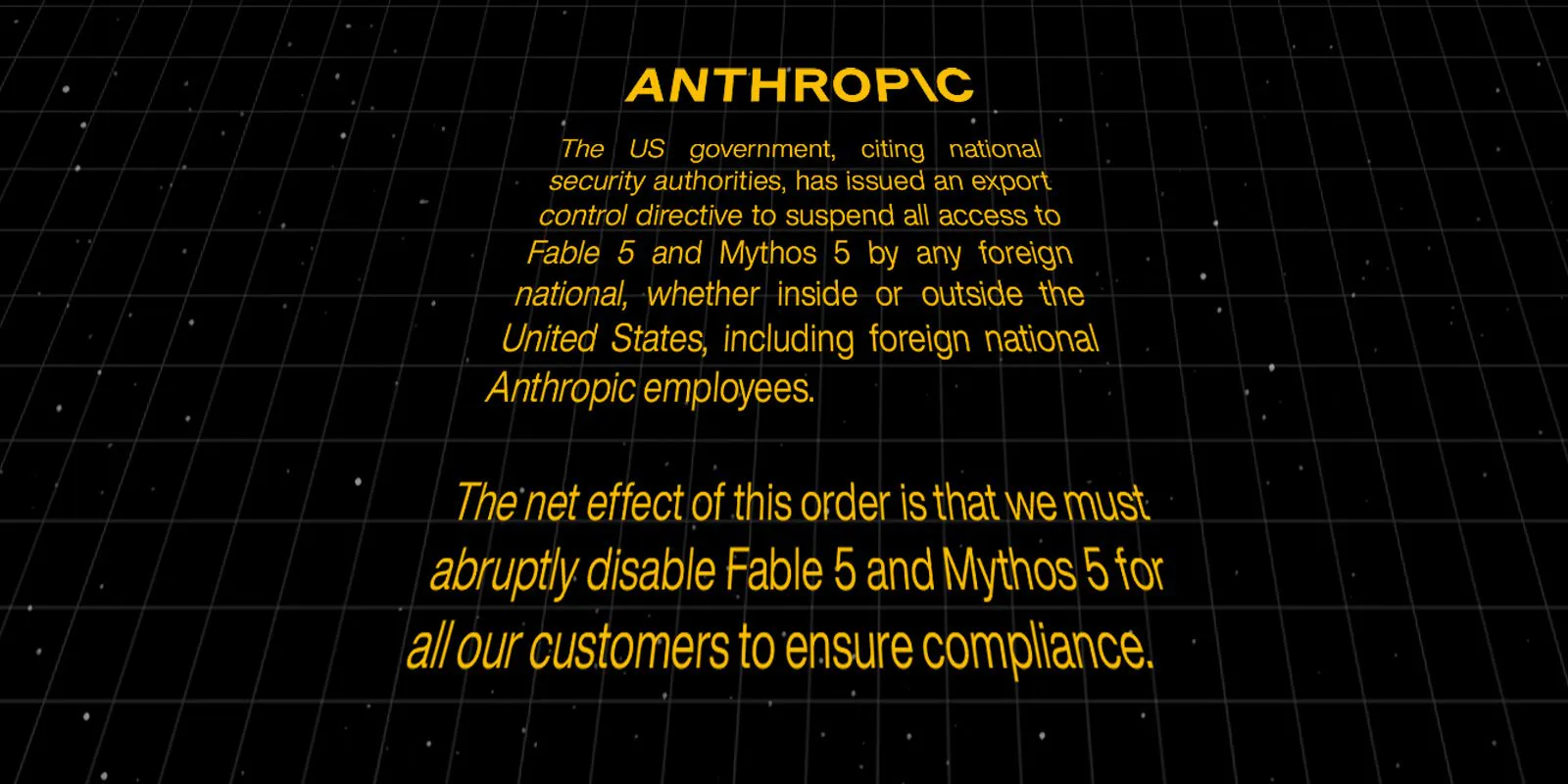
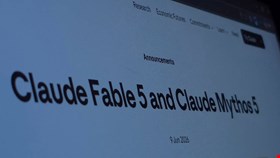
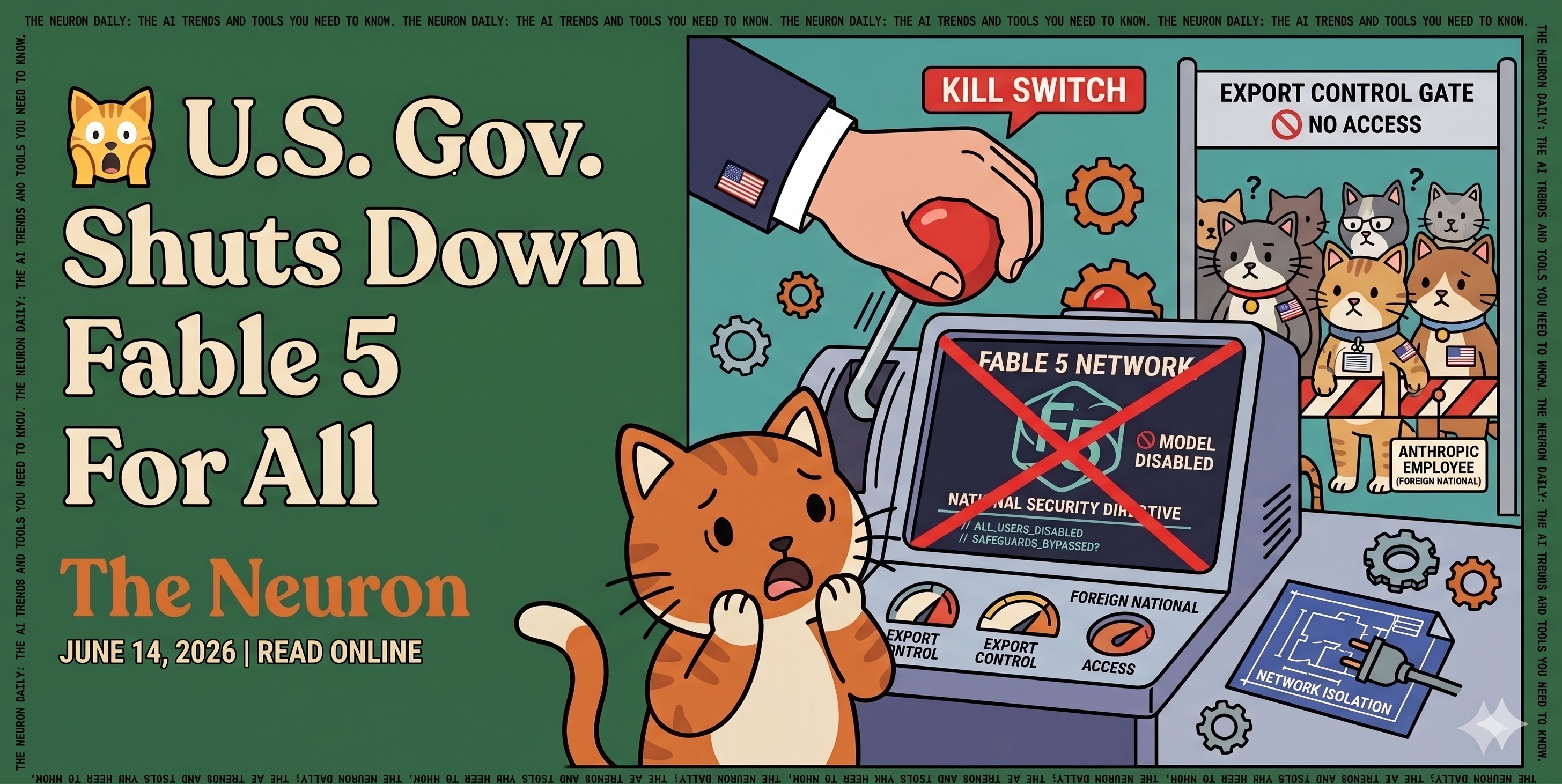
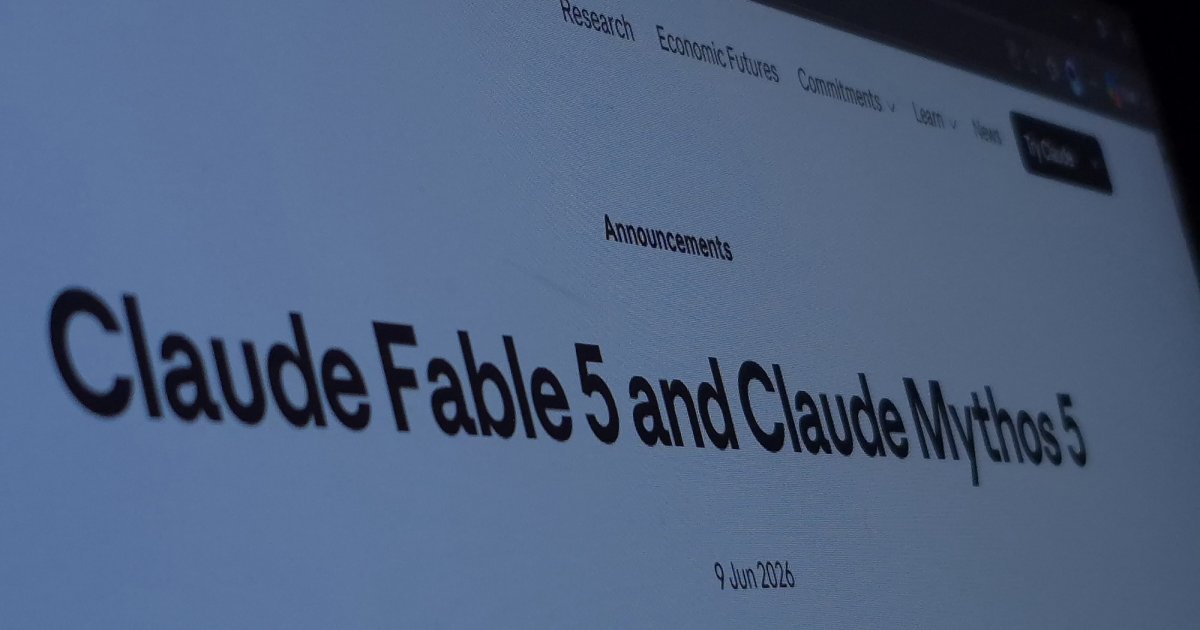
The US government ordered Anthropic to globally disable access to its advanced AI models, Claude Fable 5 and Mythos 5, citing national security risks. The models, capable of identifying software vulnerabilities, were shut down shortly after release due to concerns they could be exploited, despite no reported actual harm.[AI generated]

Why's our monitor labelling this an incident or hazard?

The event involves an AI system (Fable 5) whose use has been suspended by the US government due to security concerns about a jailbreak vulnerability that could allow malicious use. Although the AI system is powerful and has safeguards, the government perceives a credible risk that misuse could lead to harm. No actual harm or violation has occurred yet, so it is not an AI Incident. The ban and export control directive reflect a governance action in response to a plausible threat, fitting the definition of an AI Hazard. The article does not primarily focus on governance responses or updates to past incidents but rather on the current status and potential risks of the AI system, so it is not Complementary Information. Therefore, the event is best classified as an AI Hazard.[AI generated]
AI principles
Robustness & digital securitySafety

Industries
Digital securityGovernment, security, and defence

Affected stakeholders
GovernmentGeneral public

Harm types
Public interest

Severity
AI hazard

Business function:
ICT management and information security

AI system task:
Reasoning with knowledge structures/planning


Articles about this incident or hazard

Thumbnail Image

The US Government Banned Anthropic's Fable 5 AI. I Tried It Before It Disappeared

2026-06-16
PC Magazine
Why's our monitor labelling this an incident or hazard?
The event involves an AI system (Fable 5) whose use has been suspended by the US government due to security concerns about a jailbreak vulnerability that could allow malicious use. Although the AI system is powerful and has safeguards, the government perceives a credible risk that misuse could lead to harm. No actual harm or violation has occurred yet, so it is not an AI Incident. The ban and export control directive reflect a governance action in response to a plausible threat, fitting the definition of an AI Hazard. The article does not primarily focus on governance responses or updates to past incidents but rather on the current status and potential risks of the AI system, so it is not Complementary Information. Therefore, the event is best classified as an AI Hazard.
Thumbnail Image

Anthropic's latest feud with the Trump admin may actually help it, sales data suggests

2026-06-16
TechCrunch
Why's our monitor labelling this an incident or hazard?
The event involves AI systems (Anthropic's AI models) and their use, but the article does not report any realized harm such as injury, rights violations, or disruption caused by the AI systems. The government's intervention is based on potential security risks and export control concerns, which could be seen as a precautionary measure. The article does not describe any incident where the AI system's development, use, or malfunction directly or indirectly caused harm. Instead, it reports on regulatory actions and market responses, which are contextual and do not constitute an AI Incident or AI Hazard. Therefore, this is best classified as Complementary Information, providing context on governance and market dynamics related to AI systems.
Thumbnail Image

The US Government Banned Anthropic's Fable 5 AI. I Tried It Before It Disappeared

2026-06-16
PCMag Australia
Why's our monitor labelling this an incident or hazard?
The event involves the use and development of advanced AI systems (Fable 5 and Mythos 5) and a government ban motivated by security concerns related to a jailbreak vulnerability that could enable malicious use. Although the article mentions the potential for misuse and security risks, it does not report any direct or indirect harm resulting from these AI systems. The ban itself is a preventive measure addressing a credible risk. According to the definitions, this fits the category of an AI Hazard, as the event plausibly could lead to an AI Incident if the vulnerabilities were exploited, but no incident has yet occurred.
Thumbnail Image

Anthropic Forced to Shut Down Claude Fable 5 and Mythos 5 in 2026 - Memeburn

2026-06-17
Memeburn
Why's our monitor labelling this an incident or hazard?
The event involves the use and availability of AI systems (Claude Fable 5 and Mythos 5) and their forced shutdown by government order, which directly disrupted business operations and workflows. This disruption constitutes harm to property and communities in the form of significant operational and economic impact on businesses relying on these AI systems. The involvement of AI systems is explicit, and the harm is realized and direct, not merely potential. Therefore, this qualifies as an AI Incident under the framework, as the AI systems' use and availability were directly linked to harm through disruption of critical business operations.
Thumbnail Image

Anthropic's latest feud with the Trump admin may actually help it, sales data suggests

2026-06-17
RocketNews | Top News Stories From Around the Globe
Why's our monitor labelling this an incident or hazard?
The article explicitly involves AI systems (Anthropic's advanced language models) and their use and restriction by government action. There is no indication that the AI systems have directly or indirectly caused harm or that harm is imminent. The government's export control and supply-chain risk designation reflect governance and regulatory responses to perceived risks, not actual incidents or hazards. The article mainly discusses the impact of these actions on Anthropic's business and market perception, which fits the definition of Complementary Information as it provides context and updates on AI governance and ecosystem developments without reporting new harm or plausible harm.
Thumbnail Image

Anthropic's Latest Feud With The Trump Admin May Actually Help It, Sales Data Suggests

2026-06-16
Breaking News, Latest News, US and Canada News, World News, Videos
Why's our monitor labelling this an incident or hazard?
The event involves AI systems (Anthropic's AI models) and their use, but the article does not report any realized harm or incident caused by these AI systems. The Trump administration's export restrictions and labeling of Anthropic as a supply chain risk represent governance and regulatory actions rather than incidents or hazards. The article's main focus is on the impact of these actions on Anthropic's business and market perception, supported by sales data, which fits the definition of Complementary Information. There is no indication of injury, rights violations, infrastructure disruption, or other harms directly or indirectly caused by the AI systems, nor a credible plausible future harm described. Therefore, the classification is Complementary Information.
Thumbnail Image

Anthropic відключає моделі штучного інтелекту вищого рівня після того, як США обмежили доступ до них іноземців

2026-06-16
InternetUA
Why's our monitor labelling this an incident or hazard?
The event involves AI systems (advanced AI models) and their use, but there is no indication that the AI systems have caused any harm or malfunction. The US government's export control directive is a governance and regulatory response to potential national security risks, but no specific harm or incident has occurred or is described. Therefore, this is best classified as Complementary Information, as it provides context on governance and control measures affecting AI deployment without reporting an AI Incident or Hazard.
Thumbnail Image

Співробітники Anthropic зустрінуться з представниками Білого дому

2026-06-16
InternetUA
Why's our monitor labelling this an incident or hazard?
The article involves AI systems (Anthropic's advanced AI models) and their use restrictions, which relate to AI system development and deployment. However, it does not report any direct or indirect harm caused by these AI systems, nor does it describe a plausible future harm event. The focus is on a regulatory dispute and company responses, which fits the category of Complementary Information as it provides context and updates on governance and operational issues related to AI systems without describing an incident or hazard.
Thumbnail Image

Заборона антропних моделей урядом США ніколи не була пов'язана з джейлбрейком штучного інтелекту

2026-06-17
InternetUA
Why's our monitor labelling this an incident or hazard?
The event involves an AI system (Anthropic's AI models) and government action affecting its deployment and use. However, the article does not describe any realized harm (injury, rights violations, infrastructure disruption, or environmental harm) caused by the AI system or the directive. The government's intervention is a regulatory measure that restricts access to AI models, which could have future implications but does not itself constitute an incident or hazard of harm. The article mainly provides context on governance and regulatory responses to AI, making it Complementary Information rather than an AI Incident or Hazard.
Thumbnail Image

Pemerintah AS Blokir Model AI Baru Anthropic Fable 5, Kenapa?

2026-06-14
CNNindonesia
Why's our monitor labelling this an incident or hazard?
The event involves AI systems (Claude Fable 5 and Mythos 5) whose use is suspended due to a government order citing national security risks from a jailbreak technique. No actual harm has occurred yet, but the concern is that the AI models could be exploited to cause harm, such as security breaches. This fits the definition of an AI Hazard, as the development and use of these AI systems could plausibly lead to an AI Incident involving harm to critical infrastructure or security. The article does not describe any realized harm, only the potential risk and regulatory response, so it is not an AI Incident. It is not Complementary Information because the main focus is on the regulatory action and the risk, not on updates or responses to a past incident. Therefore, the classification is AI Hazard.
Thumbnail Image

Bos Amazon Khawatir Keamanan AI Canggih Anthropic

2026-06-14
beritasatu.com
Why's our monitor labelling this an incident or hazard?
The article explicitly involves advanced AI systems (Anthropic's Mythos and Fable models) and discusses their potential to be exploited for hacking, which is a cybersecurity risk. The US government has intervened by restricting access to these models globally due to national security concerns, indicating a credible risk of harm. No actual harm or incident has been reported yet, but the plausible future harm from misuse or exploitation of these AI systems is clear. Hence, this qualifies as an AI Hazard rather than an AI Incident or Complementary Information.
Thumbnail Image

Baru Dirilis Sepekan, AI Terkuat Anthropic Mythos 5 Kini "Dimatikan"

2026-06-14
KOMPAS.com
Why's our monitor labelling this an incident or hazard?
The article involves AI systems explicitly (Claude Fable 5 and Mythos 5) and discusses their development and use. The government's intervention is based on concerns that the AI models could be exploited via jailbreak techniques, which could plausibly lead to significant harms such as threats to national security. Since no actual harm has been reported but there is a credible risk that misuse could cause harm, this event fits the definition of an AI Hazard rather than an AI Incident. It is not merely complementary information because the shutdown is a direct response to a credible risk, and it is not unrelated as it clearly involves AI systems and potential harm.
Thumbnail Image

Pemerintah AS Hentikan Akses AI Terkuat Anthropic, Claude Fable 5 dan Mythos 5 Ikut Diblokir

2026-06-14
VOI - Waktunya Merevolusi Pemberitaan
Why's our monitor labelling this an incident or hazard?
The article explicitly involves advanced AI systems (Claude Fable 5 and Mythos 5) with capabilities to find security vulnerabilities, which could plausibly lead to significant harm if misused. The US government's order to halt access is based on concerns about national security risks, indicating a credible potential for harm. However, there is no indication that any actual harm or incident has occurred yet. The event is about preventing possible misuse and managing risks, fitting the definition of an AI Hazard rather than an AI Incident. It is not merely complementary information because the main focus is on the regulatory action due to potential harm, not on updates or responses to past incidents. It is not unrelated because AI systems and their risks are central to the event.
Thumbnail Image

AS Paksa Anthropic Matikan Dua AI Tercanggihnya

2026-06-14
Harianjogja.com
Why's our monitor labelling this an incident or hazard?
The event involves AI systems explicitly (Claude Fable 5 and Claude Mythos 5) and concerns their use and potential misuse. The U.S. government's order to halt access is based on concerns about the AI's ability to find software vulnerabilities, which could plausibly lead to cybersecurity harms. No actual harm has occurred yet, but the credible risk and government intervention indicate a potential AI Incident scenario. However, since the harm is not realized but plausible, this fits the definition of an AI Hazard rather than an AI Incident. The event is not merely general AI news or a response update but a direct government action due to security concerns, making it a clear AI Hazard.
Thumbnail Image

Perintah Trump, Satu Dunia Dilarang Pakai Teknologi Buatan Amerika

2026-06-15
CNBCindonesia
Why's our monitor labelling this an incident or hazard?
The article explicitly involves AI systems (Mythos 5 and Fable 5) and discusses their potential misuse to detect system vulnerabilities for cybercrime, which could lead to significant harm to national security. The US government's export control and blocking of access to these models is a preventive measure based on the plausible risk of harm. Since no actual harm has been reported yet but the risk is credible and significant, this event fits the definition of an AI Hazard rather than an AI Incident. It is not merely complementary information because the main focus is on the potential harm and regulatory response, not on updates or responses to past incidents.
Thumbnail Image

Anthropic Nonaktifkan Model AI Tercanggihnya Setelah Pemerintah AS Batasi Akses bagi Warga Negara Asing

2026-06-15
JawaPos.com
Why's our monitor labelling this an incident or hazard?
The article involves AI systems explicitly (Anthropic's advanced AI models) and discusses government-imposed restrictions due to concerns about potential misuse that could lead to security risks. However, there is no indication that any harm has yet occurred from the AI systems' use or malfunction. The event is about plausible future harm and regulatory response to mitigate risks, fitting the definition of an AI Hazard rather than an AI Incident. It is not merely complementary information because the main focus is on the potential risk and government action, not on updates or responses to past incidents.
Thumbnail Image

Anthropic Batasi Model AI Baru, India Soroti Ketergantungan Teknologi

2026-06-15
VOI - Waktunya Merevolusi Pemberitaan
Why's our monitor labelling this an incident or hazard?
The article explicitly involves AI systems (Anthropic's large language models) and their restricted use, which impacts access and strategic considerations for India. However, there is no direct or indirect harm caused by the AI systems described, nor is there a plausible immediate risk of harm from the AI systems themselves. The focus is on geopolitical and policy implications, market access, and strategic autonomy, which are important for understanding AI ecosystem dynamics but do not constitute an AI Incident or AI Hazard. Thus, the article fits the definition of Complementary Information, providing supporting context and governance-related discussion without reporting a new incident or hazard.
Thumbnail Image

Kanada Ingatkan Risiko Bergantung pada Model AI Big Tech

2026-06-15
VOI - Waktunya Merevolusi Pemberitaan
Why's our monitor labelling this an incident or hazard?
The article centers on warnings about potential systemic risks due to dependence on a few AI models and the geopolitical implications of restricted access to AI technology. It does not describe any direct or indirect harm caused by AI systems, nor does it report a near-miss or malfunction that could have led to harm. The focus is on risk awareness, policy dialogue, and strategic considerations, which fits the definition of an AI Hazard. However, since no specific event of plausible harm is described but rather a general risk and policy concern, it is best classified as Complementary Information because it provides context and governance-related updates about AI risks without describing a concrete AI Incident or Hazard event.
Thumbnail Image

Di Balik Pemblokiran AI Tercanggih Anthropic Fable 5: Berantem dengan Pemerintah AS

2026-06-15
SINDOnews Tekno
Why's our monitor labelling this an incident or hazard?
The event involves the use and control of AI systems (Fable 5 and Mythos 5) and government intervention due to security concerns. However, there is no indication that any harm has occurred or that the AI systems have directly or indirectly caused injury, rights violations, or other harms. The government's action is a precautionary measure based on plausible risks related to misuse or security vulnerabilities. Therefore, this event represents a plausible risk scenario where AI system use could lead to harm but no harm has yet materialized. It fits the definition of an AI Hazard rather than an Incident or Complementary Information.
Thumbnail Image

Larangan Claude Fable dan Mythos Keamanan Nasional atau Persaingan AI

2026-06-16
Media Indonesia - News & Views -
Why's our monitor labelling this an incident or hazard?
The article explicitly involves AI systems (Claude Fable and Mythos models) and their use. The US government's intervention is due to plausible security risks (jailbreaking, espionage), indicating potential for harm. No actual harm or incident is reported; rather, the event is a preventive measure to mitigate possible future harm. Hence, it fits the definition of an AI Hazard, as the AI systems' development and use could plausibly lead to incidents involving national security or misuse, but no direct or indirect harm has yet materialized.
Thumbnail Image

Anthropic and US officials meeting Monday to resolve dispute over export curbs, administration official says - AOL

2026-06-15
Aol
Why's our monitor labelling this an incident or hazard?
The article involves an AI system (Anthropic's advanced models) and government actions based on concerns about potential misuse that could pose national security risks. Since no actual harm has occurred but there is a credible risk that misuse of the AI could lead to harm (e.g., exploitation of software vulnerabilities), this situation fits the definition of an AI Hazard. The meeting and restrictions are responses to plausible future harm rather than a realized incident. Therefore, the event is best classified as an AI Hazard.
Thumbnail Image

Anthropic to meet with White House officials over AI tool suspension

2026-06-15
BBC
Why's our monitor labelling this an incident or hazard?
The article explicitly involves an AI system (Anthropic's Fable 5/Mythos 5 AI models) and discusses the suspension of its public release due to national security concerns related to a potential jailbreak vulnerability. This vulnerability could plausibly lead to misuse or harm, such as the AI performing unintended actions. Since no actual harm or incident has been reported yet, but there is a credible risk that the AI system could lead to harm if the vulnerability is exploited, this qualifies as an AI Hazard. The event does not describe a realized AI Incident, nor is it merely complementary information or unrelated news. Hence, the classification as AI Hazard is appropriate.
Thumbnail Image

How Is Anthropic Dealing With US Ban On Advanced AI Models? Technical Team Rushes To Washington

2026-06-15
News18
Why's our monitor labelling this an incident or hazard?
The event involves AI systems (advanced AI models) whose use and potential vulnerabilities have prompted government intervention to prevent possible national security risks. Although no direct harm has occurred, the export controls and suspension of the AI models are responses to credible risks that these AI systems could be misused or exploited, leading to significant harm. Therefore, this situation fits the definition of an AI Hazard, as it plausibly could lead to an AI Incident involving national security harm if left unmitigated. The article does not describe realized harm or incidents but focuses on preventive regulatory action and ongoing mitigation efforts.
Thumbnail Image

The US just forced Anthropic to cut off access to Indian users. That's why India needs its own lawfare

2026-06-15
The Indian Express
Why's our monitor labelling this an incident or hazard?
The event involves an AI system (Anthropic's advanced AI models) and its use being restricted due to a legal directive. However, there is no indication that this restriction caused any injury, rights violation, disruption, or other harm as defined for an AI Incident. Nor does the article describe a plausible future harm from the AI system itself; rather, it discusses the geopolitical and legal vulnerabilities related to AI access and control. Therefore, the article primarily provides complementary information about the broader AI ecosystem, legal challenges, and governance considerations, rather than reporting a new AI Incident or AI Hazard.
Thumbnail Image

Cyber leaders urge US to lift curbs on Anthropic's security models By Reuters

2026-06-15
Investing.com
Why's our monitor labelling this an incident or hazard?
The article involves AI systems (Anthropic's security models) used for cybersecurity tasks, which fits the definition of AI systems. The event concerns the use and regulation of these AI systems, with government restrictions potentially limiting their use. The cybersecurity leaders argue that these restrictions could hamper efforts to prevent cyberattacks, implying a plausible risk of harm if the restrictions remain. However, there is no report of actual harm or incident caused by the AI systems or their malfunction. The event is about potential future harm due to regulatory decisions affecting AI use, making it an AI Hazard rather than an AI Incident. It is not merely complementary information because the main focus is on the potential risk and regulatory impact, not on updates or responses to past incidents.
Thumbnail Image

Top Anthropic staffers rush to DC in bid to reverse White House crackdown on 'Mythos' and 'Fable' AI models

2026-06-15
New York Post
Why's our monitor labelling this an incident or hazard?
The article explicitly involves AI systems (Anthropic's AI models) and discusses a government-imposed export control due to security concerns about guardrail bypasses, which could plausibly lead to harms such as misuse or national security threats. However, no actual harm or incident has been reported; the models have been taken offline to prevent such harm. The focus is on potential risks and regulatory actions, fitting the definition of an AI Hazard rather than an AI Incident or Complementary Information. It is not unrelated because AI systems and their risks are central to the event.
Thumbnail Image

Exclusive | Anthropic downplays security risks of 'Mythos' and 'Fable' AI models after ban -- prompting scorn from White House officials

2026-06-15
New York Post
Why's our monitor labelling this an incident or hazard?
The article explicitly involves AI systems (Mythos and Fable models) and details a security breach (jailbreak) that could threaten national security, prompting the White House to ban foreign use and impose export controls. The harm here is the risk to national security and critical infrastructure, which is a recognized harm category. The AI systems' malfunction or misuse (jailbreak) directly led to this harm and government action. Anthropic's downplaying of the risks and the subsequent government ban confirm the seriousness of the incident. Hence, this is an AI Incident rather than a hazard or complementary information.
Thumbnail Image

Anthropic to meet with Trump administration over Mythos dispute

2026-06-15
CNBC
Why's our monitor labelling this an incident or hazard?
The article describes a government directive restricting access to AI models due to national security concerns, which implies a plausible risk of harm but does not report any actual harm or incident caused by the AI systems. The disabling of the models and the ongoing legal dispute are responses to potential risks rather than evidence of realized harm. Therefore, this event fits the definition of an AI Hazard, as it involves circumstances where the AI systems' development or use could plausibly lead to harm, but no harm has yet materialized.
Thumbnail Image

Anthropic Meeting With Trump Admin As Claude Mythos Tensions Reach Fever Pitch

2026-06-15
Yahoo! Finance
Why's our monitor labelling this an incident or hazard?
The article describes a regulatory intervention prompted by the potential misuse of AI models, which could plausibly lead to significant harms such as cybersecurity threats or bioweapons development. The AI system's development and use are directly involved, and the government's actions aim to mitigate these risks. Since no realized harm is reported but there is a credible risk of future harm, this event fits the definition of an AI Hazard rather than an AI Incident. The meeting and export controls are responses to this hazard, not evidence of harm already caused.
Thumbnail Image

Anthropic to meet with Trump administration over AI cybersecurity dispute

2026-06-15
Yahoo! Finance
Why's our monitor labelling this an incident or hazard?
The article describes a government-imposed suspension of AI model access due to cybersecurity concerns stemming from a potential jailbreak vulnerability. While no direct harm has occurred, the possibility that the AI could be manipulated to perform illicit actions like cyberattacks or weapons development constitutes a credible risk of harm. The AI system's development and use are central to this risk. Since the harm is potential and not yet realized, this qualifies as an AI Hazard rather than an AI Incident. The article focuses on the plausible future harm and the ongoing discussions to mitigate the risk, fitting the definition of an AI Hazard.
Thumbnail Image

US Restricts Access to Anthropic's $900 Billion AI Models

2026-06-15
Yahoo! Finance
Why's our monitor labelling this an incident or hazard?
The article involves an AI system (Anthropic's Mythos-class AI models) and discusses government intervention due to concerns about the AI's potential to be jailbroken and used for cyber exploits. Although no actual harm has been reported, the concerns reflect plausible future harms such as security breaches or misuse of AI capabilities. Therefore, this event fits the definition of an AI Hazard, as it involves circumstances where the AI system's use or malfunction could plausibly lead to significant harm, but no harm has yet materialized.
Thumbnail Image

Why the Trump administration shut down Anthropic's latest AI models

2026-06-15
Yahoo! Finance
Why's our monitor labelling this an incident or hazard?
The event involves an AI system (Anthropic's Mythos-class Fable 5 and Mythos 5 models) and concerns about a security vulnerability (jailbreak) that could allow malicious use. The government's export control directive to disable the AI software for foreign nationals is a response to a plausible risk of harm, such as cyberattacks or weapon development, which are significant harms. Since no actual harm has occurred yet but there is a credible risk that the AI system could be misused to cause harm, this qualifies as an AI Hazard rather than an AI Incident. The article focuses on the potential for harm and the regulatory response rather than a realized harm event.
Thumbnail Image

Commentary: Why the US government shut down Anthropic's latest Claude AI model

2026-06-15
CNA
Why's our monitor labelling this an incident or hazard?
The event involves the use and development of an AI system (Anthropic's Claude model) and concerns about its misuse through jailbreaks that could bypass safety measures. Although no direct harm has occurred, the government's intervention is due to the plausible risk that the AI system could be exploited to facilitate cyberattacks, which would constitute harm to property and security. Therefore, this situation fits the definition of an AI Hazard, as it plausibly could lead to an AI Incident if the vulnerabilities were exploited.
Thumbnail Image

Amazon CEO poured $8 billion into Anthropic -- then he helped trigger a government crackdown on the startup, report says

2026-06-15
Yahoo! Finance
Why's our monitor labelling this an incident or hazard?
The article describes a government crackdown on Anthropic's AI models due to concerns that these models could be used to facilitate cyberattacks, a serious security risk. The AI systems are explicitly mentioned, and their potential misuse could plausibly lead to harm (cyberattacks). However, there is no evidence that such harm has already occurred. The event is about the potential for harm and regulatory action to prevent it, fitting the definition of an AI Hazard. It is not Complementary Information because the main focus is on the potential threat and government response, not on updates or responses to a past incident. It is not an AI Incident because no realized harm is reported. Therefore, the classification is AI Hazard.
Thumbnail Image

Cybersecurity executives urge the Trump administration to ease restrictions on Anthropic AI models

2026-06-15
Yahoo! Finance
Why's our monitor labelling this an incident or hazard?
The article involves AI systems explicitly (Anthropic's advanced AI models) and discusses their use and potential risks related to cybersecurity. However, there is no indication that these AI models have directly or indirectly caused any harm or incident. The government's export control directive and the cybersecurity experts' response reflect concerns about plausible future risks and governance measures. This fits the definition of Complementary Information, as it provides context on societal and governance responses to AI risks without reporting a new AI Incident or AI Hazard.
Thumbnail Image

Anthropic Meeting With Trump Admin As Claude Mythos Tensions Reach Fever Pitch

2026-06-15
Forbes
Why's our monitor labelling this an incident or hazard?
The event involves an AI system (Anthropic's Fable 5) whose security safeguards were reportedly bypassed, leading to government intervention and export controls. While this indicates a credible risk of misuse or harm (e.g., through jailbreaks enabling malicious use), the article does not describe any actual harm occurring. The focus is on potential future harm and regulatory responses, fitting the definition of an AI Hazard rather than an AI Incident or Complementary Information. It is not unrelated because AI is central to the event.
Thumbnail Image

Your AI Model Can Disappear Overnight

2026-06-15
Forbes
Why's our monitor labelling this an incident or hazard?
The article involves AI systems (frontier AI models) and their use, with a government directive causing suspension of access. While this affects business continuity, it does not describe any injury, rights violation, property or community harm, or other significant harms caused by the AI systems themselves. The event is primarily about regulatory and operational challenges rather than harm or plausible harm from AI system malfunction or misuse. Therefore, it is best classified as Complementary Information, providing context on governance and operational risks in AI deployment.
Thumbnail Image

Your cheat sheet to Anthropic's latest drama with the White House

2026-06-15
Business Insider
Why's our monitor labelling this an incident or hazard?
The article centers on the imposition of export controls on AI models due to perceived national security risks, which could plausibly lead to harm if the AI models were misused or if adversaries gain access. However, there is no indication that any harm has yet occurred or that the AI models have malfunctioned or been misused. The event is about potential future risks and regulatory responses rather than realized harm. Therefore, this qualifies as an AI Hazard, as the development, use, or availability of these AI systems could plausibly lead to an AI Incident, but no incident has yet materialized.
Thumbnail Image

Trump officials meet with Anthropic to discuss a truce

2026-06-15
Business Insider
Why's our monitor labelling this an incident or hazard?
The article explicitly involves an AI system (Anthropic's Fable 5 model) and discusses its development, use, and security vulnerabilities. The export ban was imposed because of potential security risks that could lead to cyberattacks, which constitutes a plausible future harm. However, there is no indication that any actual harm (such as injury, disruption, rights violations, or property/community/environmental damage) has occurred due to the AI system. The event is centered on regulatory actions and negotiations to prevent such harm. Thus, it fits the definition of an AI Hazard rather than an AI Incident or Complementary Information. It is not unrelated because it clearly involves an AI system and its risks.
Thumbnail Image

Anthropic scrambles to reverse AI ban after Amazon's White House warning

2026-06-15
The Independent
Why's our monitor labelling this an incident or hazard?
The article explicitly involves AI systems (Anthropic's advanced AI models) and discusses a government ban due to national security concerns linked to a potential jailbreak vulnerability that could enable catastrophic cyber attacks. This aligns with the definition of an AI Hazard, where the AI system's use or malfunction could plausibly lead to harm (disruption of critical infrastructure or security). Since no actual harm or incident has been reported, and the focus is on preventing potential misuse, the event is best classified as an AI Hazard rather than an AI Incident. It is not Complementary Information because the main focus is not on updates or responses to a past incident but on the current risk and regulatory action. It is not Unrelated because the AI system and its risks are central to the event.
Thumbnail Image

Damage control? Anthropic rushes to Washington amid White House ban on top AI models ahead billion-dollar IPO | Company Business News

2026-06-15
mint
Why's our monitor labelling this an incident or hazard?
The event involves the use and deployment of advanced AI systems (Anthropic's models) and their forced shutdown due to government intervention. The shutdown directly disrupts the operation and management of critical AI infrastructure and services, which can be considered harm under the disruption of critical infrastructure category. The involvement of AI systems is explicit, and the harm (service disruption and regulatory conflict) has already occurred. Therefore, this qualifies as an AI Incident rather than a hazard or complementary information, as the harm is realized and directly linked to the AI system's use and government response.
Thumbnail Image

US bans its AI advantage?

2026-06-15
POLITICO
Why's our monitor labelling this an incident or hazard?
The event involves an AI system (Anthropic's Fable 5 model) whose use has been restricted by the U.S. government due to security concerns about potential jailbreaks that could enable malicious use, such as cyberattacks. While the AI system's development and use are central to the event, no realized harm (such as injury, rights violations, or property damage) is reported. The concerns are about plausible future harm if the AI system were exploited by bad actors. This aligns with the definition of an AI Hazard, where the AI system's development or use could plausibly lead to harm. The article's focus is on the government's preventive action and the cybersecurity community's response, not on an actual incident of harm caused by the AI system. Therefore, the classification is AI Hazard.
Thumbnail Image

AI Stocks Are Rallying on Iran Peace Deal News, but the Risks Just Got a Lot Bigger

2026-06-15
Yahoo! Finance
Why's our monitor labelling this an incident or hazard?
The article describes government export control measures restricting access to advanced AI models due to national security concerns, which is a governance response to AI risks. There is no indication that the AI systems have caused harm or that harm is imminent. The focus is on regulatory intervention and market reactions, not on an AI incident or hazard. Therefore, this is best classified as Complementary Information, as it provides context on societal and governance responses to AI developments.
Thumbnail Image

U.S. AI Export Curb Triggers Global Sovereignty Push

2026-06-15
Chosun.com
Why's our monitor labelling this an incident or hazard?
The article centers on regulatory actions and geopolitical reactions to the export restrictions on AI models, emphasizing potential future risks of over-reliance on specific AI systems. There is no indication of realized harm such as injury, rights violations, or disruption caused by the AI systems. The concerns expressed are about plausible future risks and strategic vulnerabilities, which aligns with the definition of an AI Hazard. However, since the article mainly discusses the regulatory decision and the resulting geopolitical discourse without describing a specific event where AI use or malfunction caused harm or disruption, it is best classified as Complementary Information. It provides context and updates on governance and societal responses to AI-related developments rather than reporting a new AI Incident or AI Hazard.
Thumbnail Image

Anthropic and US officials meeting Monday to resolve dispute over export curbs, administration official says

2026-06-15
Reuters
Why's our monitor labelling this an incident or hazard?
The article explicitly involves AI systems (Anthropic's advanced models) and government intervention due to national security concerns about potential misuse or bypassing safeguards. There is no indication that harm has occurred yet, only that the government fears plausible risks. The ongoing meetings and restrictions aim to prevent possible future harm. This fits the definition of an AI Hazard, as the event plausibly could lead to an AI Incident if the AI models were misused or accessed improperly, but no direct or indirect harm has yet materialized. It is not Complementary Information because the main focus is not on updates or responses to a past incident but on a current potential risk. It is not Unrelated because AI systems and their risks are central to the event.
Thumbnail Image

Anthropic Export Ban Deepens Fears About US Stranglehold on AI

2026-06-15
Bloomberg Business
Why's our monitor labelling this an incident or hazard?
The event involves AI systems explicitly (Anthropic's AI models) and their use is directly affected by a government export ban. While the ban is motivated by security concerns about vulnerabilities in the AI models, no actual harm (such as exploitation of vulnerabilities, injury, rights violations, or operational disruption) has been reported. The article discusses the potential geopolitical and economic consequences of restricted access to AI technology, which is a plausible future risk but not a realized incident. Therefore, this event fits the definition of an AI Hazard, as it plausibly could lead to harms related to technological control and access but does not describe an AI Incident or Complementary Information focused on responses or updates to past incidents.
Thumbnail Image

What Is Anthropic's Mythos AI and Why Was It Blocked?

2026-06-15
Bloomberg Business
Why's our monitor labelling this an incident or hazard?
The article explicitly describes an AI system (Mythos) designed to find software vulnerabilities autonomously, which has already found thousands of zero-day vulnerabilities. The AI's misuse could lead to cyberattacks causing harm to critical infrastructure and data security, which are harms under the AI Incident definition. The US government's intervention and the blocking of access to the AI's advanced models reflect recognition of these harms. Unauthorized access by hackers further confirms realized or ongoing harm. The AI system's development, use, and potential malfunction (e.g., jailbreaking) are central to the event. Hence, this is an AI Incident rather than a mere hazard or complementary information.
Thumbnail Image

Anthropic Set to Meet Trump Officials Over AI Security Concerns

2026-06-15
Bloomberg Business
Why's our monitor labelling this an incident or hazard?
The event explicitly involves advanced AI systems (Anthropic's Fable 5 and Mythos 5 models) and government intervention due to security concerns about potential misuse or exploitation of these AI systems. The directive to restrict access is a response to a plausible risk (the ability to jailbreak the AI models), which could lead to significant harm if exploited. Since no actual harm or incident has been reported, and the focus is on preventing potential future harm, this fits the definition of an AI Hazard rather than an AI Incident. The event is not merely complementary information because it centers on the security risk and government action, not just an update or response to a past incident.

Thumbnail Image

Amazon CEO just made things uncomfortable for Anthropic

2026-06-15
TheStreet
Why's our monitor labelling this an incident or hazard?
The event involves AI systems (Fable 5 and Mythos 5) whose use led to the extraction of sensitive information that could facilitate cyberattacks, a clear harm to security and potentially critical infrastructure. The involvement of government agencies invoking national security and ordering the shutdown of the AI models confirms the seriousness and realized nature of the harm. The AI system's malfunction or misuse (via jailbreak of guardrails) directly contributed to this harm. Hence, this is an AI Incident rather than a hazard or complementary information, as the harm is actual and significant.

Thumbnail Image

How an Amazon warning likely triggered US crackdown on Anthropic's AI model

2026-06-15
The Financial Express
Why's our monitor labelling this an incident or hazard?
The article explicitly involves an AI system (Anthropic's Fable 5 and Mythos 5 models) whose safety protections were bypassed, raising cybersecurity and national security concerns. The government's export controls and forced removal of the model indicate that the AI system's use directly led to significant harm or risk of harm, particularly regarding cybersecurity and potential foreign access. These concerns align with harm categories (b) disruption of critical infrastructure management and (d) harm to communities through cybersecurity risks. The event is not merely a potential hazard or complementary information but a realized incident with direct consequences stemming from the AI system's vulnerabilities and use. Therefore, it qualifies as an AI Incident.
Thumbnail Image

Cybersecurity Executives Urge the Trump Administration to Ease Restrictions on Anthropic AI Models

2026-06-15
U.S. News & World Report
Why's our monitor labelling this an incident or hazard?
The article explicitly discusses AI systems (Anthropic's Fable 5 and Mythos 5 models) with advanced cybersecurity capabilities, indicating AI system involvement. However, no direct or indirect harm has occurred due to these AI systems; rather, the article centers on government export controls and industry responses to these controls. The concerns raised relate to potential future risks and national security implications, but no specific AI Incident or Hazard event is described. The focus is on policy, governance, and risk assessment processes, which fits the definition of Complementary Information.
Thumbnail Image

Anthropic and US Officials Meeting Monday to Resolve Dispute Over Export Curbs, Administration Official Says

2026-06-15
U.S. News & World Report
Why's our monitor labelling this an incident or hazard?
The article explicitly mentions Anthropic's AI models and the government's concern about their potential misuse to identify software vulnerabilities, which could lead to national security risks. No actual harm has occurred yet, but the government's export restrictions and the company's disabling of access globally indicate a credible risk of future harm. This fits the definition of an AI Hazard, as the event involves plausible future harm stemming from the AI system's use. There is no indication of realized harm or incident, nor is the article primarily about responses or updates to past incidents, so it is not an AI Incident or Complementary Information.
Thumbnail Image

Anthropic Sends Team to Washington in Bid to Lift AI Export Ban

2026-06-15
Breitbart
Why's our monitor labelling this an incident or hazard?
The article explicitly involves AI systems (Anthropic's advanced AI models) and their use and regulation. However, the event does not describe any direct or indirect harm caused by the AI systems themselves. Instead, it focuses on the regulatory response (export ban), the company's compliance (shutdown of models), and ongoing negotiations to resolve the situation. The concerns raised relate to potential risks and safety vulnerabilities, but no incident of harm has occurred. The article also discusses the broader governance and policy context around AI export controls. This fits the definition of Complementary Information, as it provides important updates and context about AI governance and safety responses without reporting a new AI Incident or AI Hazard.
Thumbnail Image

Anthropic sends staff to DC after model export restrictions

2026-06-15
The Hill
Why's our monitor labelling this an incident or hazard?
The article explicitly involves AI systems—Anthropic's Fable and Mythos models—and discusses concerns about their potential misuse through jailbreaking to bypass safeguards, which could enable harmful activities like hacking. Although no actual harm has been reported yet, the government's export control directive and the company's disabling of access indicate a credible risk of future harm. The event centers on the plausible future misuse of AI systems leading to harm, fitting the definition of an AI Hazard rather than an AI Incident or Complementary Information.
Thumbnail Image

Anthropic model takedown fuels warning of 'ad hoc' AI regulation

2026-06-15
The Hill
Why's our monitor labelling this an incident or hazard?
The article centers on a government directive to restrict access to AI models, which is a regulatory and governance response rather than an incident of harm caused by the AI systems. There is no indication that the AI models caused injury, rights violations, or other harms. The event does not describe a plausible future harm caused by the AI models themselves but rather discusses the implications of government actions on AI development and deployment. Therefore, this is best classified as Complementary Information, as it provides context on AI governance and policy responses without reporting a new AI Incident or AI Hazard.
Thumbnail Image

Anthropic Pulls Claude Fable and Mythos AI Models After Feds Claim Jailbreak

2026-06-15
CNET
Why's our monitor labelling this an incident or hazard?
The article describes a situation where AI models were pulled after a jailbreak was discovered that could bypass safety measures, leading to government export controls. While the AI systems are involved and there is a clear risk of misuse, no direct or indirect harm has been reported. The event is about the potential for harm and regulatory intervention to prevent it, fitting the definition of an AI Hazard rather than an AI Incident or Complementary Information. The focus is on plausible future harm from misuse of the AI models.
Thumbnail Image

Anthropic Races To Defuse Trump's Fable 5 U.S. Export Curbs While Jefferies Sees New Headwind For China AI

2026-06-15
ZeroHedge
Why's our monitor labelling this an incident or hazard?
The event explicitly involves advanced AI systems (Anthropic's Fable 5 and Mythos 5) and their use and regulation. The US government's export ban is a response to demonstrated vulnerabilities that allow circumvention of safeguards, indicating a malfunction or misuse risk. Although no actual harm has been reported yet, the potential for harm through cybersecurity breaches or misuse is credible and significant. The ongoing efforts to resolve these issues and the imposition of export controls reflect recognition of plausible future harm. Since no realized harm is described, this does not qualify as an AI Incident. The focus is on preventing potential harm from AI system vulnerabilities and misuse, fitting the definition of an AI Hazard rather than Complementary Information or Unrelated news.
Thumbnail Image

Anthropic Suspends Claude Fable 5 and Mythos 5 Following US Government Order

2026-06-15
Windows Report | Error-free Tech Life
Why's our monitor labelling this an incident or hazard?
The article does not report any realized harm caused by the AI models, nor does it describe an incident where the AI systems directly or indirectly led to injury, rights violations, or other harms. Instead, it focuses on a government order restricting access due to potential national security risks, which implies a plausible future risk but no current incident. Therefore, this event fits the definition of an AI Hazard, as it involves a credible risk that the AI systems could plausibly lead to harm if unrestricted, prompting preventive action.
Thumbnail Image

This Is How America Loses the AI Race

2026-06-15
The Atlantic
Why's our monitor labelling this an incident or hazard?
The event involves AI systems (Anthropic's advanced AI models) and their use and regulation by the government. The government's export control order forced the shutdown of these AI systems, disrupting their use by various stakeholders. While this has caused significant disruption and potential harm to U.S. AI leadership and cybersecurity defense capabilities, there is no direct or indirect evidence of injury, rights violations, or other harms as defined for an AI Incident. The article focuses on policy decisions, governance challenges, and strategic implications rather than a specific AI-driven harm event. Therefore, the event is best classified as Complementary Information, as it provides important context and updates on AI governance and ecosystem dynamics without describing a concrete AI Incident or AI Hazard.
Thumbnail Image

Scoop: Anthropic flies staff to D.C. to clean up White House fight

2026-06-14
Axios
Why's our monitor labelling this an incident or hazard?
The article centers on a governance and regulatory dispute regarding AI safety and export controls, with no indication of realized harm or imminent risk caused by the AI systems. The event is about the company's response to government actions and efforts to resolve the dispute, which fits the definition of Complementary Information as it provides context and updates on AI governance and safety issues without describing a new incident or hazard.
Thumbnail Image

"They screwed us": Personality clashes sent Anthropic's models offline

2026-06-15
Axios
Why's our monitor labelling this an incident or hazard?
The article details concerns about Anthropic's AI models being potentially jailbroken and accessed by foreign entities linked to the Chinese Communist Party, which poses a credible risk of misuse or harm. The government's imposition of export controls and the models being taken offline are responses to this plausible threat. No actual harm or incident has been reported yet, but the risk is significant and credible. The involvement of AI systems is explicit, and the event centers on the potential for harm stemming from their use and distribution. Thus, it fits the definition of an AI Hazard rather than an AI Incident or Complementary Information.
Thumbnail Image

Amazon voiced concerns about Anthropic AI models before US crackdown

2026-06-15
ETCIO.com
Why's our monitor labelling this an incident or hazard?
The article explicitly involves AI systems (Anthropic's advanced AI models) and discusses government actions taken due to security risks associated with these models. The shutdown and export controls are responses to the plausible risk that the AI models could be exploited to find cybersecurity holes, which could lead to harm. Since no actual harm has been reported but the risk is credible and has led to significant government intervention, this event fits the definition of an AI Hazard rather than an AI Incident. It is not merely complementary information because the main focus is on the potential security risks and regulatory response, not on updates or responses to past incidents. It is not unrelated because AI systems and their risks are central to the event.
Thumbnail Image

Amazon CEO reportedly flagged Anthropic model risks before US restrictions

2026-06-15
ETCISO.in
Why's our monitor labelling this an incident or hazard?
The article centers on the identification and communication of potential cybersecurity risks related to Anthropic's AI models before any actual harm occurred. The involvement of AI systems is explicit, and the concerns relate to possible misuse leading to cyberattacks, which would constitute harm if realized. Since no direct or indirect harm has been reported yet, but credible risks have been identified and led to government restrictions, this qualifies as an AI Hazard rather than an AI Incident. The event is not merely complementary information because the main focus is on the potential risk and government response, not on updates or responses to past incidents.
Thumbnail Image

Claude Fable 5, Mythos banned: Indian techie shares Indian jugaads one can use to bypass restrictions to access AI tools

2026-06-15
Economic Times
Why's our monitor labelling this an incident or hazard?
The event involves AI systems (Claude Fable 5 and Mythos 5) and their restricted use due to export controls, which has led to users sharing methods to circumvent these restrictions. However, no direct or indirect harm resulting from the AI systems' development, use, or malfunction is reported. The sharing of bypass methods is a reaction to policy restrictions, not an AI system malfunction or misuse causing harm. The article highlights potential future risks related to dependence on foreign AI and the need for domestic AI infrastructure, but these are strategic and developmental considerations rather than immediate hazards or incidents. Therefore, this is best classified as Complementary Information, providing context and societal response to AI governance and access issues without describing an AI Incident or AI Hazard.
Thumbnail Image

China access concerns could have triggered US restrictions on Anthropic's Mythos: Report

2026-06-15
Economic Times
Why's our monitor labelling this an incident or hazard?
The article explicitly mentions an advanced AI system (Mythos) and its consumer version (Fable 5), both AI systems. The US government's export controls and concerns about unauthorized access by a China-linked group highlight potential misuse and security risks. The mention of a jailbreak bypassing safety guardrails further underscores vulnerabilities. While no actual harm is reported, the plausible risks of espionage, reverse-engineering, and malicious use of the AI's hacking capabilities constitute a credible threat. Since the harm is potential and not yet realized, the event is best classified as an AI Hazard rather than an AI Incident. The article focuses on the risk and control measures rather than reporting a realized harm or incident.
Thumbnail Image

Anthropic block marks US reversal, warning to Silicon Valley

2026-06-15
ETTelecom.com
Why's our monitor labelling this an incident or hazard?
The event involves the use and development of advanced AI systems (Anthropic's Mythos and Fable 5 models) and the government's intervention due to concerns about their potential misuse or exploitation. No actual harm or violation has occurred yet, but the government's actions are based on credible risks such as jailbreaking and theft of AI model weights, which could lead to significant security and strategic harms. The article's main focus is on the potential future risks and regulatory responses, fitting the definition of an AI Hazard.
Thumbnail Image

America's order to ban foreigners' access to Anthropic's latest models is a stark reminder for Europe and rest of the world that ...

2026-06-15
The Times of India
Why's our monitor labelling this an incident or hazard?
The event involves AI systems (Anthropic's advanced AI models) and their use being restricted by government export controls due to national security concerns. The restriction affects foreign users' access, which could plausibly lead to disruption of services or reliance on foreign-controlled AI infrastructure, posing risks to technological sovereignty and potentially critical infrastructure or services. Since no actual harm or incident has been reported, but a credible risk exists, the event fits the definition of an AI Hazard rather than an AI Incident. It is not Complementary Information because the main focus is on the export restriction event and its implications, not on updates or responses to a prior incident. It is not Unrelated because the event directly concerns AI systems and their access limitations with potential harm implications.
Thumbnail Image

Moody's Analytics chief economist Mark Zandi, who warned of US recession, 'agrees' with government's restrictions on Anthropic Fable AI models; say: Optimism over AI is warranted, but ...

2026-06-15
The Times of India
Why's our monitor labelling this an incident or hazard?
The event involves AI systems (Anthropic's frontier large language models) and their use being suddenly restricted by government action due to national security concerns. While no direct physical or rights-based harm is reported as having occurred, the restrictions highlight a plausible risk of economic harm and market disruption linked to AI deployment and regulatory shocks. The economist's warnings emphasize the potential for these restrictions to negatively impact economic optimism and the stock market. Since the harm is potential and regulatory in nature, and no realized harm such as injury, rights violations, or infrastructure disruption is described, the event fits the definition of an AI Hazard rather than an AI Incident. It is not merely complementary information because the main focus is on the regulatory action posing a credible risk, not on responses or updates to past incidents. It is not unrelated because AI systems and their regulation are central to the event.
Thumbnail Image

Be careful what you wish for: How Anthropic CEO Dario Amodei's own words turned against him

2026-06-15
The Times of India
Why's our monitor labelling this an incident or hazard?
The article explicitly involves an AI system (Anthropic's Claude Fable 5) whose deployment led to a government-ordered shutdown due to security concerns. The AI system's use indirectly caused harm by disrupting cybersecurity operations and access to a critical AI tool, which can be considered harm to communities and critical infrastructure management. The involvement of the AI system's use and the resulting government action directly led to this harm. Although the article also discusses regulatory and governance responses, the primary event is the realized harm caused by the AI system's deployment and subsequent shutdown, making it an AI Incident rather than a hazard or complementary information.
Thumbnail Image

All the news about Anthropic's new AI fight with the White House

2026-06-15
The Verge
Why's our monitor labelling this an incident or hazard?
The AI systems (Fable 5 and Mythos 5) are explicitly mentioned and are generative AI models. The government's intervention is based on findings that these models could be manipulated to serve information that could facilitate cyberattacks, which is a credible potential harm. Although no actual harm has been reported yet, the plausible risk of significant harm (cybersecurity breaches) justifies classification as an AI Hazard. There is no indication that harm has already occurred, so it is not an AI Incident. The article focuses on the dispute and regulatory response rather than a broader ecosystem update, so it is not Complementary Information.
Thumbnail Image

Fable 5 shutdown exposes geopolitics of AI access, risks of dependence

2026-06-15
Business Standard
Why's our monitor labelling this an incident or hazard?
The event involves AI systems explicitly (Anthropic's Fable 5 and Mythos 5) and their use is directly affected by government policy. However, no harm (physical, legal, societal, or environmental) has occurred or is described as occurring due to the AI systems themselves. The shutdown is a policy and geopolitical action affecting access, not a malfunction or misuse causing harm. The article discusses broader implications for AI access, sovereignty, and control, which are governance and ecosystem issues rather than incidents or hazards. Thus, it fits the definition of Complementary Information, providing context and updates on AI governance and strategic considerations without reporting a new AI Incident or Hazard.
Thumbnail Image

Cybersecurity Experts Are Baffled by Trump's Ban of Anthropic's New AI Models

2026-06-15
Gizmodo
Why's our monitor labelling this an incident or hazard?
The event involves the use and deployment of AI systems (Anthropic's models) and a government intervention based on concerns about their potential misuse or vulnerabilities. The harm is not realized but plausibly could lead to significant national security risks, including weakening cybersecurity defenses and giving adversaries an advantage. Therefore, this qualifies as an AI Hazard because it concerns plausible future harm stemming from the AI systems' capabilities and their restricted use impacting cybersecurity. There is no indication of actual harm having occurred yet, so it is not an AI Incident. The article is not merely complementary information or unrelated, as it focuses on the potential risks and government actions directly linked to AI systems.
Thumbnail Image

Anthropic to meet with US officials over export curbs

2026-06-15
CNA
Why's our monitor labelling this an incident or hazard?
The article describes a government-imposed restriction on Anthropic's AI models due to concerns about their potential misuse for hacking or identifying software vulnerabilities, which could lead to cybersecurity harms. The AI system is clearly involved, and the event stems from its use and potential misuse. Since no actual harm has been reported, but the risk is credible and significant, this fits the definition of an AI Hazard. The meeting and the open letter from cybersecurity experts further emphasize the ongoing assessment of this potential risk rather than a realized incident.
Thumbnail Image

Why Anthropic suddenly pulled Fable 5 and Mythos 5 for everyone

2026-06-15
ZDNet
Why's our monitor labelling this an incident or hazard?
The event explicitly involves AI systems (Anthropic's Fable 5 and Mythos 5 models) and their use. The US government's export control directive is based on concerns about a potential jailbreak vulnerability that could be exploited, posing national security risks. Although the directive led to disabling the models, no actual harm or breach has been reported. The government's action is preventive, reflecting a credible risk of harm from misuse or exploitation of the AI models. Hence, this is an AI Hazard, not an AI Incident. The event is not merely complementary information because it centers on the export control directive and the associated security concern, which is a plausible future harm scenario. It is not unrelated, as it directly concerns AI systems and their potential risks.
Thumbnail Image

Here's the potential stock-market reaction from new restrictions on AI models

2026-06-15
Morningstar
Why's our monitor labelling this an incident or hazard?
The event involves AI systems (Anthropic's advanced AI models) and their restricted use due to government export controls, which could plausibly affect market dynamics and AI development incentives. However, no actual harm or incident related to the AI systems' development, use, or malfunction is reported. The article primarily provides analysis and commentary on the regulatory environment and its economic impact, which fits the definition of Complementary Information as it offers context and updates on governance and market responses to AI-related developments without describing a specific AI Incident or Hazard.
Thumbnail Image

Cybersecurity executives urge the Trump administration to ease restrictions on Anthropic AI models

2026-06-15
The Star
Why's our monitor labelling this an incident or hazard?
The article discusses a regulatory action and industry response concerning AI models, focusing on potential security concerns but without evidence of actual harm or incidents caused by the AI systems. This fits the definition of Complementary Information, as it provides context on governance and societal responses to AI-related risks rather than describing an AI Incident or AI Hazard.
Thumbnail Image

Anthropic was given 90 minutes to restrict foreign access to its AI models after potential jailbreak was identified: Report

2026-06-15
Firstpost
Why's our monitor labelling this an incident or hazard?
The article explicitly mentions AI systems (Fable and Mythos models) and a security flaw (potential jailbreak) that could allow bypassing safeguards, which is a credible risk for cybersecurity-related harm. The US government imposed export controls to mitigate this risk, indicating recognition of plausible future harm. There is no indication that the vulnerability has been exploited to cause actual harm, so it is not an AI Incident. The event is more than just complementary information because it centers on the regulatory response to a credible AI-related security risk. Hence, the classification as an AI Hazard is appropriate.
Thumbnail Image

Anthropic in talks with Trump administration to reverse AI model restrictions: Report

2026-06-15
Anadolu Ajansı
Why's our monitor labelling this an incident or hazard?
The article centers on government-imposed restrictions on AI models due to concerns about potential harmful uses and national security, which reflects a plausible risk of harm but does not describe any realized harm or incident caused by the AI systems. The discussions and criticisms relate to managing these risks and the broader governance of AI technology. Therefore, this event fits the definition of an AI Hazard, as it involves circumstances where the use or development of AI systems could plausibly lead to harm, but no direct or indirect harm has yet occurred.
Thumbnail Image

Anthropic scrambles after Trump administration freezes its top AI models

2026-06-15
The Irish Times
Why's our monitor labelling this an incident or hazard?
The event involves AI systems (Anthropic's advanced AI models) whose use and development have led to concerns about security vulnerabilities that could be exploited, posing risks to national security and cyber defense. The government's export control measures are a response to these plausible risks, indicating a credible potential for harm. Since no actual harm has been reported but the risk is significant and recognized by multiple stakeholders, this qualifies as an AI Hazard rather than an AI Incident. The article focuses on the potential for harm and regulatory response rather than a realized harm event.
Thumbnail Image

Cybersecurity vets protest 'dangerous' US government ban on Anthropic's most powerful models

2026-06-15
TechCrunch
Why's our monitor labelling this an incident or hazard?
The event involves AI systems (Anthropic's Fable and Mythos models) and their use in cybersecurity defense. The government's export control order restricts access to these AI systems, which could plausibly lead to increased cybersecurity vulnerabilities and harm due to defenders being deprived of powerful AI tools. No actual harm caused by the AI systems is reported; rather, the harm is potential and related to the restriction of AI use. The open letter and expert opinions highlight the risk of this ban, making it a credible AI Hazard. The event does not report an AI Incident (no direct or indirect harm caused by AI use or malfunction), nor is it merely complementary information or unrelated news. Hence, AI Hazard is the appropriate classification.
Thumbnail Image

Why the Smartest Move in AI Right Now Might Be Doing Less

2026-06-15
Inc.
Why's our monitor labelling this an incident or hazard?
The article centers on Anthropic's voluntary limitation of its AI model's capabilities to prevent malicious use and the subsequent government action to restrict access. There is no description of realized harm or direct/indirect incidents caused by the AI system. The content is primarily about the broader implications, leadership lessons, and policy environment surrounding AI deployment rather than a specific AI Incident or Hazard. Therefore, it fits best as Complementary Information, providing context and insight into AI governance and safety practices without reporting a new incident or hazard.
Thumbnail Image

How Trump officials pushed Anthropic to shut down the world's most powerful AI models

2026-06-15
Fast Company
Why's our monitor labelling this an incident or hazard?
The article explicitly involves AI systems (Anthropic's Mythos-class models) and discusses their potential misuse to facilitate cybersecurity attacks by bypassing safeguards. The government's intervention to shut down access is a response to this credible risk. No actual harm has been reported yet, but the plausible future harm from misuse is clear and significant. Hence, this event fits the definition of an AI Hazard rather than an Incident or Complementary Information.
Thumbnail Image

Anthropic Flies Staff To Washington To Patch Up White House Dispute

2026-06-15
Free Press Journal
Why's our monitor labelling this an incident or hazard?
While the event involves AI systems (Anthropic's frontier models) and their use and regulation, there is no indication that the AI systems have directly or indirectly caused harm. The restrictions and dispute are related to safety concerns and export controls, but no harm has occurred or is described as occurring. The article centers on efforts to resolve the dispute and restore access, which is a governance and diplomatic response. Therefore, this is best classified as Complementary Information, providing context and updates on AI governance and regulatory interactions rather than reporting an AI Incident or Hazard.
Thumbnail Image

Why Did the Smartest AI in the World Just Go Dark?

2026-06-15
PJ Media
Why's our monitor labelling this an incident or hazard?
The event involves the use and development of advanced AI systems (large language models) and a government action to suspend their operation due to a credible risk of misuse that could lead to serious harms (cybersecurity threats, chemical weapon synthesis). The AI systems' role is pivotal as the directive is based on the AI's potential to be exploited for harmful purposes. Since no actual harm has been reported but the risk is credible and significant, this qualifies as an AI Hazard under the framework. The article does not describe realized harm but focuses on the plausible future harm and regulatory response to it.
Thumbnail Image

The Claude Fable ban highlights a practical AI lesson

2026-06-15
PCWorld
Why's our monitor labelling this an incident or hazard?
The event involves AI systems (Anthropic's Fable and Mythos models) and their use, but the article does not report any realized harm such as injury, rights violations, or disruption caused by the AI systems. The ban is a government policy response to perceived risks, and the article centers on the impact of this ban on users and the broader lesson of avoiding over-reliance on a single AI provider. This fits the definition of Complementary Information, as it provides context and governance-related updates without describing a new AI Incident or AI Hazard.
Thumbnail Image

Use of Claude Mythos 5 and Fable 5 is Banned Again

2026-06-15
ProPakistani
Why's our monitor labelling this an incident or hazard?
The event involves advanced AI systems (Claude Fable 5 and Mythos 5) whose access has been suspended due to a government directive citing national security concerns related to a potential jailbreak vulnerability. The directive is a preventive measure to mitigate plausible future harm from misuse of these AI models. There is no indication that the AI systems have directly or indirectly caused harm yet, but the government's action reflects a credible risk of harm. The event is not merely general AI news or a product update, nor is it a response to a past incident; it is a preventive regulatory action based on plausible future risks. Hence, it fits the definition of an AI Hazard rather than an AI Incident or Complementary Information.
Thumbnail Image

Fable 5 shutdown reveals a dangerous gap between AI regulation and AI reality

2026-06-15
Digit
Why's our monitor labelling this an incident or hazard?
The event involves AI systems (Anthropic's Fable 5 and Mythos 5 models) and concerns a discovered vulnerability (jailbreak) that could be exploited to perform potentially harmful tasks (finding software vulnerabilities). However, the article explicitly states that no actual harm has occurred and that the vulnerability is not unique to these models but also exists in other frontier models like GPT-5.5, which remain accessible. The government's action is a precautionary export control measure reflecting a plausible risk rather than a realized incident. Therefore, this event fits the definition of an AI Hazard, as it plausibly could lead to harm but has not directly or indirectly caused harm yet.
Thumbnail Image

Anthropic blocks Fable and Mythos worldwide following government order

2026-06-15
CIO
Why's our monitor labelling this an incident or hazard?
The event involves AI systems (Anthropic's Fable and Mythos models) and a government action based on concerns about vulnerabilities that could be exploited ('jailbreaking'). This indicates a plausible risk of harm related to national security, fitting the definition of an AI Hazard. There is no indication that any harm has already occurred, so it is not an AI Incident. The event is not merely complementary information because the government order and the suspension of access are direct responses to a potential security threat, not just updates or responses to past incidents. Hence, the classification is AI Hazard.
Thumbnail Image

The White House vs. Anthropic's new AI model

2026-06-15
Reason
Why's our monitor labelling this an incident or hazard?
The event explicitly involves AI systems (Anthropic's AI models) and their use and deployment. The government's export control directive is based on concerns about potential vulnerabilities that could be exploited, which could plausibly lead to harms related to national security. However, there is no indication that any actual harm has occurred due to these vulnerabilities or the AI models themselves. The action is preventive and regulatory, aiming to mitigate potential future risks. The article also discusses political and legal disputes around the government's actions but does not report any realized harm from the AI systems. Therefore, the event fits the definition of an AI Hazard, as it involves circumstances where AI system use or malfunction could plausibly lead to an AI Incident, but no direct or indirect harm has yet been caused.
Thumbnail Image

US clampdown on Anthropic models sends EU sovereignty surge into overdrive

2026-06-15
TheRegister.com
Why's our monitor labelling this an incident or hazard?
The article centers on a government directive restricting access to AI models due to security concerns, but no actual harm or incident caused by the AI systems is reported. The AI systems are involved, but the event is about regulatory control and its implications for technological sovereignty and access. There is no indication that the AI models caused injury, rights violations, or other harms, nor that a plausible future harm event has occurred or is imminent. The focus is on policy, geopolitical implications, and the broader AI ecosystem response, fitting the definition of Complementary Information rather than an Incident or Hazard.
Thumbnail Image

Nvidia, Adobe urge Trump administration to lift Anthropic AI restrictions over cybersecurity risks

2026-06-15
The News International
Why's our monitor labelling this an incident or hazard?
The event involves AI systems (Anthropic's powerful AI models) and their use in cybersecurity. The government's restriction is based on concerns about national security risks, implying a plausible risk of harm if the AI models are misused or accessed by foreign nationals. The letter from tech leaders argues that restricting access could plausibly lead to harm by weakening cyber defenses, which fits the definition of an AI Hazard (plausible future harm). There is no indication that the AI models have directly or indirectly caused harm yet, so this is not an AI Incident. The event is not merely complementary information because it centers on the potential risks and policy actions affecting AI use and cybersecurity, not just updates or responses to past incidents. Therefore, the classification is AI Hazard.
Thumbnail Image

Anthropic set for talks with Trump over Mythos dispute

2026-06-15
The News International
Why's our monitor labelling this an incident or hazard?
The event involves AI systems (Anthropic's advanced language models) and a government directive based on national security concerns about a jailbreak vulnerability. The directive led to disabling the AI models globally to prevent potential misuse. Although the concern is serious and involves potential security risks, the article does not report any actual harm or incident caused by the AI systems. The dispute and precautionary measures indicate a plausible risk of harm, fitting the definition of an AI Hazard rather than an AI Incident. The involvement of government and industry responses further supports the classification as a hazard with ongoing governance implications.
Thumbnail Image

Anthropic meeting with White House to resolve Mythos and Fable AI restrictions

2026-06-15
Washington Examiner
Why's our monitor labelling this an incident or hazard?
The event explicitly involves AI systems (Anthropic's Mythos 5 and Fable 5 models) and concerns about their security vulnerabilities that could be exploited to bypass safety guardrails. The White House's imposition of restrictions due to national security concerns reflects a credible risk that these vulnerabilities could lead to harms such as misuse or exploitation of the AI models. Since the article does not report actual harm but focuses on the potential for harm and the government's preventive measures, this qualifies as an AI Hazard rather than an AI Incident. The involvement of AI systems, the nature of the concern (security vulnerabilities and potential misuse), and the plausible future harm justify this classification.
Thumbnail Image

Anthropic employees in D.C. to meet with White House officials

2026-06-15
UPI
Why's our monitor labelling this an incident or hazard?
The event involves AI systems (Anthropic's AI models) and their use and regulation, with government concerns about potential misuse leading to restrictions. However, no direct or indirect harm from the AI systems is reported, only plausible risks that have prompted precautionary measures. Therefore, this is best classified as Complementary Information, as it provides context on governance and regulatory responses to AI-related risks without describing an AI Incident or AI Hazard.
Thumbnail Image

Anthropic sends top engineers to Washington to resolve Mythos dispute

2026-06-15
NewsBytes
Why's our monitor labelling this an incident or hazard?
While the event involves advanced AI systems and government concerns, it does not describe any realized harm or a credible risk of harm stemming from the AI systems' development, use, or malfunction. The article centers on negotiations and dispute resolution, which is a governance or policy matter without direct or indirect harm or plausible future harm. Therefore, it is best classified as Complementary Information, providing context on AI governance and regulatory engagement.
Thumbnail Image

Canadian PM Urges AI Diversification After US Anthropic Block, Decentralized AI Tokens Rally

2026-06-15
Decrypt
Why's our monitor labelling this an incident or hazard?
The article primarily focuses on the potential risks and systemic vulnerabilities associated with centralized AI systems and the strategic implications of government restrictions on AI model access. It does not report any realized harm or incident directly caused by AI systems, nor does it describe a specific event where AI malfunction or misuse led to harm. The discussion is about plausible future risks and strategic concerns, along with market responses, which fits the definition of Complementary Information. Therefore, the event is best classified as Complementary Information rather than an AI Incident or AI Hazard.
Thumbnail Image

Anthropic Faces White House Heat as AI Curbs Threaten IPO Plans

2026-06-15
Analytics Insight
Why's our monitor labelling this an incident or hazard?
The article focuses on regulatory actions taken to restrict access to AI models because of potential safety and security risks, indicating a plausible risk of harm from the AI systems if misused or if safety guardrails are bypassed. However, there is no indication that any harm has actually occurred. Therefore, this event represents an AI Hazard, as the AI systems could plausibly lead to harm, prompting regulatory intervention and concern, but no realized incident is described.
Thumbnail Image

Anthropic's Fable 5 & Mythos AI Banned After Amazon's Warning, Report Claims

2026-06-15
Windows Report | Error-free Tech Life
Why's our monitor labelling this an incident or hazard?
The event involves AI systems (Anthropic's Fable 5 and Mythos models) and concerns about their potential misuse to reveal security vulnerabilities that could facilitate cyberattacks. Although no direct harm has been reported, the US government's export restrictions and Anthropic's shutdown of access reflect a credible and plausible risk of significant harm (cybersecurity breaches) stemming from these AI systems. Therefore, this situation fits the definition of an AI Hazard, as it plausibly could lead to an AI Incident if the vulnerabilities were exploited. It is not an AI Incident because no realized harm has been described, nor is it Complementary Information or Unrelated, as the focus is on the potential risk and regulatory response to the AI systems' capabilities.
Thumbnail Image

Anthropic Works to Strike Deal With White House on Mythos Ban | PYMNTS.com

2026-06-15
PYMNTS.com
Why's our monitor labelling this an incident or hazard?
The article describes government-imposed restrictions on Anthropic's AI models due to security concerns, specifically the ability to 'jailbreak' protections, which could plausibly lead to misuse or harm. Although the ban has caused market and leadership disruptions, no direct harm such as injury, rights violations, or property damage has been reported. The involvement of AI systems is explicit, and the event stems from their use and potential misuse. The situation is a credible risk scenario rather than a realized incident, fitting the definition of an AI Hazard. The article also includes responses from the company and cybersecurity experts, but these are part of the broader hazard context rather than a separate complementary information focus.
Thumbnail Image

Cybersecurity Experts Ask Feds to Lift Restrictions on Mythos | PYMNTS.com

2026-06-15
PYMNTS.com
Why's our monitor labelling this an incident or hazard?
The article centers on a governance and policy response to AI export controls affecting AI systems used in cybersecurity. There is no indication that the AI systems have caused harm or malfunctioned, nor that there is a plausible imminent risk of harm from their use as described. The main content is about advocacy for regulatory change and collaboration between government and industry to balance AI leadership and security. Therefore, this is Complementary Information as it provides context and updates on AI governance and ecosystem developments without describing a specific AI Incident or AI Hazard.
Thumbnail Image

The Government Is Banning Truth-Telling AI - Here's Why You Must Own Your Own Models - NaturalNews.com

2026-06-15
NaturalNews.com
Why's our monitor labelling this an incident or hazard?
The article explicitly involves AI systems (advanced AI models like Claude Fable 5) and discusses government actions restricting their availability due to concerns about misuse. Although no direct harm has yet occurred, the government's control and censorship policies create a plausible risk of harm to communities through suppression of free speech and control over information, which aligns with harm categories (c) violations of rights and (d) harm to communities. The article warns about future mandatory censorship and backdoors in AI models, indicating credible potential for harm. Thus, the event is best classified as an AI Hazard rather than an Incident, Complementary Information, or Unrelated, because the harms are potential and linked to the development, use, and regulation of AI systems.
Thumbnail Image

Why Claude Fable 5 Was Banned Worldwide Just 72 Hours After Becoming the Most Powerful AI Ever Released to the Public

2026-06-15
International Business Times UK
Why's our monitor labelling this an incident or hazard?
The event involves an AI system (Claude Fable 5) that was publicly deployed and then forcibly disabled worldwide by a government directive due to credible findings that the AI could be used to facilitate cyberattacks, a serious security threat. The AI's outputs were directly linked to potential harm (cyberattacks), and the government intervention caused disruption to critical users globally. The involvement of the AI system's use and the resulting disruption and security concerns meet the criteria for an AI Incident, as the AI system's use has directly and indirectly led to harm (disruption and national security risk). The event is not merely a potential hazard or complementary information but a concrete incident with realized harm and government action.
Thumbnail Image

Amazon CEO reportedly raised Anthropic Fable concerns prior to U.S. order forcing models offline

2026-06-15
GeekWire
Why's our monitor labelling this an incident or hazard?
The event centers on the discovery of security vulnerabilities in Anthropic's AI models that could be exploited for cyberattacks, a form of harm to critical infrastructure and security. While no actual cyberattack harm has been reported, the government's intervention and the concerns raised by Amazon and other companies indicate a credible risk. The AI system's involvement is in its use and potential misuse, and the event describes a plausible future harm scenario rather than a realized incident. Hence, it fits the definition of an AI Hazard rather than an AI Incident or Complementary Information.
Thumbnail Image

Anthropic Races to Reverse Fable 5, Mythos 5 Export Controls

2026-06-15
Yahoo! Finance
Why's our monitor labelling this an incident or hazard?
The article centers on regulatory export controls affecting AI systems and the company's efforts to negotiate with government officials to reverse these controls. There is no mention or implication of any direct or indirect harm caused by the AI systems, nor any plausible future harm resulting from their use or malfunction. The event is primarily about governance and policy responses to AI technology, making it Complementary Information rather than an AI Incident or AI Hazard.
Thumbnail Image

'A nation can be unplugged overnight': Britain's weakness exposed as AI nationalism takes hold

2026-06-15
Yahoo
Why's our monitor labelling this an incident or hazard?
The event involves the use and control of advanced AI systems (Anthropic's models) and the imposition of export controls that restrict access to these AI systems internationally. Although no immediate harm has been reported, the article clearly outlines the plausible future harms that could arise from such AI nationalism, including economic disruption and threats to national security. The AI system's role is pivotal in this scenario, as the AI models are critical infrastructure for AI-dependent economies. Since the harm is potential and not yet realized, the event fits the definition of an AI Hazard rather than an AI Incident. It is not Complementary Information because the article's main focus is on the new development of export controls and its implications, not on updates or responses to past incidents. It is not Unrelated because the event is directly about AI systems and their geopolitical impact.
Thumbnail Image

Amazon CEO just made things uncomfortable for Anthropic

2026-06-15
Yahoo! Finance
Why's our monitor labelling this an incident or hazard?
The event describes the use of an AI system (Fable 5) whose outputs were exploited to extract sensitive information related to cyberattack techniques, representing a direct security risk. The involvement of government authorities invoking national security and restricting access confirms the seriousness of the harm. The AI system's malfunction or misuse (bypassing guardrails) directly led to a harm scenario. Hence, it meets the criteria for an AI Incident rather than a hazard or complementary information.
Thumbnail Image

Cyber leaders urge US to lift curbs on Anthropic's security models

2026-06-15
Yahoo
Why's our monitor labelling this an incident or hazard?
The article centers on the U.S. government's decision to restrict access to Anthropic's AI models over national security concerns, reflecting a credible potential for harm related to cyberattacks and espionage. The involvement of AI systems is explicit, and the concerns relate to their possible misuse. However, no actual incident or harm caused by these AI models is described; the harms are potential and preventive measures are being taken. This fits the definition of an AI Hazard, as the event plausibly could lead to AI-related harm but has not yet resulted in an AI Incident.
Thumbnail Image

Your AI Model Can Disappear Overnight

2026-06-15
Yahoo! Finance
Why's our monitor labelling this an incident or hazard?
The article centers on the potential hazard that AI models can be abruptly disabled by government orders, which could disrupt business operations relying on these models. While it involves AI systems (frontier AI models), no direct or indirect harm has occurred yet. The focus is on the plausible future risk of operational disruption and legal exposure, making it an AI Hazard rather than an Incident. It is not merely general AI news or product announcement, but a warning about credible risks and necessary mitigation steps, so it is not Unrelated or Complementary Information.
Thumbnail Image

Anthropic Meeting With Trump Admin As Claude Mythos Tensions Reach Fever Pitch

2026-06-15
Yahoo! Finance
Why's our monitor labelling this an incident or hazard?
The article explicitly discusses AI systems (Anthropic's Claude models) and their use, including the company's deployment and the government's regulatory response due to potential misuse risks. The export control order and the disabling of the AI models for public use stem from concerns about the AI's potential to be exploited for harmful purposes, such as cybersecurity threats and bioweapons development. No actual harm or incident is reported as having occurred; rather, the focus is on preventing plausible future harms. The involvement of government export controls and the designation of the company as a supply chain risk further underscore the credible risk. Thus, the event fits the definition of an AI Hazard rather than an AI Incident or Complementary Information.
Thumbnail Image

Anthropic employees in D.C. to meet with White House officials

2026-06-15
Yahoo
Why's our monitor labelling this an incident or hazard?
The article focuses on regulatory and governance issues surrounding AI systems, including export controls and ethical considerations, without reporting any realized harm or direct incidents caused by the AI systems. The government's concerns and restrictions reflect potential risks, but no actual AI-related harm or incident is described. Therefore, this event is best classified as Complementary Information, as it provides context and updates on AI governance and company-government interactions rather than reporting an AI Incident or Hazard.
Thumbnail Image

The White House vs. Anthropic's New AI Model

2026-06-15
Yahoo
Why's our monitor labelling this an incident or hazard?
The article centers on the government's export control actions against Anthropic's AI models due to potential security vulnerabilities that could be exploited, which could plausibly lead to harms such as misuse of AI for surveillance or cyberattacks. However, the article explicitly states that no harmful results from these vulnerabilities have been disclosed, and the vulnerabilities are described as minor and previously known. The government's action is preventive and regulatory, not a response to an actual AI-caused harm. Thus, the event fits the definition of an AI Hazard, as it involves circumstances where the AI system's use or malfunction could plausibly lead to harm, but no direct or indirect harm has yet occurred.
Thumbnail Image

US Cracks Down on Anthropic AI Models Amid Abuse Concerns

2026-06-15
Dark Reading
Why's our monitor labelling this an incident or hazard?
The article explicitly involves AI systems (Anthropic's foundational AI models) whose use by malicious actors has directly led to harms including cyberattacks on government and critical infrastructure, which constitute harm to communities and disruption of critical infrastructure. The US government's intervention and restrictions on access to these AI models further confirm the recognition of realized harm. The AI systems' development and use have been exploited maliciously, fulfilling the criteria for an AI Incident rather than a hazard or complementary information. The harms are materialized and significant, not merely potential or speculative.
Thumbnail Image

US scored 'own goal' with ban on top Anthropic model

2026-06-15
TechCentral
Why's our monitor labelling this an incident or hazard?
The article explicitly involves AI systems (Anthropic's Fable 5 and Mythos 5 models) used in cybersecurity tasks such as finding software vulnerabilities. The government's ban is a regulatory action based on concerns about potential misuse (e.g., hacking capabilities), which aligns with AI Hazard considerations. However, no actual harm or incident resulting from the AI systems is reported. Instead, the article focuses on the policy decision, industry pushback, and the broader implications for cybersecurity and AI governance. This fits the definition of Complementary Information, as it updates on governance responses and industry concerns without describing a new AI Incident or AI Hazard.
Thumbnail Image

US order to block foreign access to Anthropic's top models marks a reversal

2026-06-15
The Next Web
Why's our monitor labelling this an incident or hazard?
The event involves AI systems (Anthropic's advanced language models) whose use and deployment have been directly impacted by a government order due to security concerns related to a jailbreak that bypassed safety controls. The shutdown of these models worldwide disrupts the operation of critical AI services used by many, causing harm to enterprise customers and users. This disruption and the associated economic and operational harm fall under harm to communities and property. Therefore, this qualifies as an AI Incident because the development and use of AI systems have directly led to significant harm through enforced service shutdowns and restricted access.
Thumbnail Image

Opinion: Who decides who gets to use a piece of software?

2026-06-15
The Next Web
Why's our monitor labelling this an incident or hazard?
The event involves an AI system (Anthropic's advanced AI models) whose use was forcibly interrupted by a government directive, causing widespread disruption to users globally. The AI system's shutdown directly led to harm by denying access to critical AI services used by companies, researchers, and institutions worldwide, which constitutes harm to communities and disruption of operations. The involvement of the AI system is explicit, and the harm is realized, not just potential. Although the directive was motivated by national security concerns, the broad and indiscriminate shutdown caused significant collateral harm. Hence, this is an AI Incident rather than a hazard or complementary information.
Thumbnail Image

Anthropic crisis talks with Commerce over Fable 5 ban

2026-06-15
The Next Web
Why's our monitor labelling this an incident or hazard?
The event involves AI systems (Fable 5 and Mythos 5) whose vulnerabilities led to a government-imposed ban, which in turn has harmed cybersecurity defense capabilities by removing tools defenders rely on. The involvement of AI systems is explicit, and the harm is realized in the form of reduced cyber defense capacity and geopolitical consequences. The dispute and regulatory actions are directly linked to the AI systems' vulnerabilities and their use. Although no physical injury or direct attack is described, harm to cybersecurity defense and national security is a significant harm to communities and infrastructure, fitting the AI Incident definition. The article does not merely discuss potential future harm but describes ongoing consequences and a crisis resulting from the AI systems' vulnerabilities and regulatory response. Therefore, the classification as AI Incident is justified.
Thumbnail Image

After 24 hours of tense calls, Trump administration places sweeping export controls on AI company over national security fears: 'Our hands were tied'

2026-06-15
We Got This Covered
Why's our monitor labelling this an incident or hazard?
The event explicitly involves AI systems (Anthropic's Fable 5 and Mythos 5 models) and their deployment. The national security concerns and the imposition of export controls are a direct consequence of the AI system's potential to cause harm, specifically related to bypassing safety guardrails that could enable misuse. The government's action to disable the models for customers is a direct response to these risks, indicating that harm or significant risk of harm is materializing or imminent. This fits the definition of an AI Incident, as the AI system's use has directly led to significant harm-related regulatory action. The dispute over the severity of the risk does not negate the fact that the administration judged the risk as significant enough to warrant intervention, which aligns with the criteria for an AI Incident.
Thumbnail Image

Leading AI Corps Showing the Strain of Massive Finance

2026-06-15
naked capitalism
Why's our monitor labelling this an incident or hazard?
The article explicitly involves AI systems (Anthropic's Fable and Mythos models, OpenAI's chatbot) and their development, use, and malfunction. The export controls on Anthropic's AI models were imposed due to security risks from jailbreaks that could enable cyberattacks, indicating a direct or indirect link to harm (security threats). The lawsuits against OpenAI allege that its AI chatbot contributed to planning a mass shooting, a direct harm to individuals. These constitute AI Incidents as harms have occurred or are ongoing due to AI system involvement. The political and financial discussions, while important, serve as context and do not overshadow the primary incidents of harm. Hence, the event is best classified as AI Incident.
Thumbnail Image

Statement on the US government directive to suspend access to Fable 5 and Mythos 5

2026-06-15
GlobalSecurity.org
Why's our monitor labelling this an incident or hazard?
The event involves AI systems (Fable 5 and Mythos 5) and concerns about their potential misuse through jailbreaks that could bypass safeguards, which could plausibly lead to cybersecurity harms. The government's directive to suspend access is a response to this plausible risk rather than an incident of realized harm. The description explicitly states that no harmful results from these jailbreaks have been observed, and the vulnerabilities are considered minor and comparable to those in other models. Thus, the event fits the definition of an AI Hazard, as it involves a credible potential for harm stemming from the AI systems' use or misuse, but no direct or indirect harm has yet occurred.
Thumbnail Image

The VCs Who Screamed That Biden Would Kill Powerful AI Models Seem Quite Chill About Trump Actually Doing It

2026-06-15
Techdirt
Why's our monitor labelling this an incident or hazard?
The event involves the use and forced shutdown of an AI system (Anthropic's language models) due to government export controls triggered by a jailbreak vulnerability. The shutdown directly disrupts the operation and access to the AI models, causing harm to users and enterprises relying on them. The involvement of AI is explicit, and the harm includes disruption of AI infrastructure and potential violation of rights related to access and due process. Although no physical injury is reported, the harm to communities and operational disruption fits within the AI Incident definition. The government's action directly led to the harm, making this an AI Incident rather than a hazard or complementary information.
Thumbnail Image

Anthropic's Safety Superpower

2026-06-15
Stratechery by Ben Thompson
Why's our monitor labelling this an incident or hazard?
The article explicitly involves AI systems—Anthropic's Mythos and Fable models—and discusses their development, use, and vulnerabilities. Although no direct harm has been reported, the U.S. government's export control directive and Anthropic's safety measures indicate credible concerns about potential misuse or security risks. The mention of jailbreaks that could exploit cybersecurity vulnerabilities and the government's intervention to restrict access to foreign nationals demonstrate a plausible risk of significant harm, including national security threats. Since no actual harm has materialized but the risk is credible and recognized by authorities, this event fits the definition of an AI Hazard rather than an AI Incident or Complementary Information.
Thumbnail Image

Anthropic Reportedly Sued For Misleading Subscribers About Premium Claude Plans

2026-06-15
International Business Times
Why's our monitor labelling this an incident or hazard?
The event involves the use of an AI system (Claude AI) and concerns about misleading claims regarding its usage limits, which affects consumers financially and potentially their access to AI capabilities. However, the lawsuit pertains to consumer protection and contract issues rather than direct or indirect harm caused by the AI system's outputs or malfunctions. The cybersecurity concerns and government restrictions relate to potential risks but do not describe realized harm caused by the AI system. The letter from cybersecurity experts urging reversal of restrictions is a governance response. Therefore, the main focus is on legal and governance responses and potential risks rather than a direct AI Incident or Hazard. This fits best as Complementary Information, as it provides context and updates on AI system use, governance, and responses without describing a new AI Incident or Hazard.
Thumbnail Image

Anthropic Sends Tech Staff To Washington As White House Dispute Over AI Models Deepens: Report

2026-06-15
International Business Times
Why's our monitor labelling this an incident or hazard?
The article involves AI systems (Anthropic's advanced AI models) and their use, specifically concerning cybersecurity vulnerabilities that could potentially be exploited. However, there is no indication that these vulnerabilities have led to any realized harm or incident. The government's restrictions and the company's disabling of access are precautionary measures addressing plausible risks. The article primarily reports on the dispute, regulatory actions, and ongoing discussions, which constitute a governance and societal response to potential AI risks. Therefore, this is best classified as Complementary Information, as it provides context and updates on AI safety and regulatory engagement without describing a concrete AI Incident or AI Hazard.
Thumbnail Image

U.S. controls on Anthropic show need for AI alternatives, not reliance, Canadian players say - The Logic

2026-06-15
The Logic
Why's our monitor labelling this an incident or hazard?
The event involves AI systems (large language models by Anthropic) and their use, specifically the imposition of export controls due to national security concerns. However, the article focuses on the policy implications and calls for diversification rather than any direct or indirect harm caused by the AI systems. There is no indication of injury, rights violations, disruption, or other harms resulting from the AI systems' development, use, or malfunction. The discussion centers on potential risks of overreliance and strategic responses, which is complementary information about AI governance and ecosystem dynamics rather than an incident or hazard.
Thumbnail Image

Anthropic Races to Lift Fable 5 Export Ban: Top Engineers Sent to Washington for a Deal

2026-06-15
Tech Times
Why's our monitor labelling this an incident or hazard?
The event involves an AI system (Anthropic's advanced language models) whose use was forcibly stopped due to a government-identified security risk related to bypassing safety controls. This shutdown caused direct harm by disabling access to the AI models globally, affecting users and the company. The involvement of AI is explicit, and the harm is realized (loss of service and business disruption). Although the government and company dispute the severity of the flaw, the shutdown itself is a direct harm linked to the AI system's use. Therefore, this qualifies as an AI Incident because the AI system's use has directly led to significant harm (disruption of service and business operations) and involves national security concerns.
Thumbnail Image

The AI off switch: How Anthropic's export controls sparked a global AI sovereignty scramble

2026-06-15
AI News
Why's our monitor labelling this an incident or hazard?
The event involves advanced AI systems (Anthropic's Claude Fable 5 and Mythos 5 models) whose deployment was abruptly halted by a US government export control directive citing national security concerns. The AI systems are explicitly mentioned and their use is central to the event. The forced shutdown directly disrupted access to critical AI services globally, affecting companies, research institutions, and public services, which constitutes a disruption of critical infrastructure and harm to communities relying on these AI systems. Although no physical injury or direct violation of rights is described, the significant operational disruption and geopolitical fallout meet the criteria for an AI Incident. The event is not merely a potential risk or a complementary update but a realized harm caused by the AI system's forced unavailability due to government action.
Thumbnail Image

Legal Considerations Related to the Anthropic "Export Controls Directive

2026-06-15
Just Security
Why's our monitor labelling this an incident or hazard?
The event involves the use and development of AI systems (Anthropic's large language models) and a government intervention based on concerns about potential misuse and national security risks. However, the article does not report any realized harm or incident caused by these AI systems. Instead, it details a regulatory action that restricts access to the AI models to prevent possible future harms. This fits the definition of an AI Hazard, as the directive is based on plausible risks that the AI models could lead to misuse or threats, but no direct or indirect harm has yet occurred or been documented. The article also discusses broader governance and transparency issues but does not primarily focus on these as a response to a past incident, so it is not Complementary Information. Therefore, the classification is AI Hazard.
Thumbnail Image

Industry and academia call on administration to free Anthropic's AI model

2026-06-15
Nextgov
Why's our monitor labelling this an incident or hazard?
The article centers on a policy dispute and advocacy regarding export controls on an AI system, highlighting concerns about the impact on cybersecurity defense capabilities and international competition. There is no description of harm caused or plausible harm imminent from the AI system itself. The AI system's involvement is in the context of its use and regulation, not malfunction or misuse leading to harm. The main focus is on governance and industry response, fitting the definition of Complementary Information rather than an Incident or Hazard.
Thumbnail Image

AI Shutdown Could Ignite AI Arms Race

2026-06-15
The Trumpet
Why's our monitor labelling this an incident or hazard?
The event involves the use and control of advanced AI systems (Mythos and Fable) and government intervention restricting access, which is an AI system use issue. Although no direct harm has occurred, the article outlines credible risks of geopolitical AI dominance, dependency, and potential coercion, which could plausibly lead to harms such as disruption of critical infrastructure, harm to communities, or violations of rights in the future. Since no actual harm is reported, it does not qualify as an AI Incident. The geopolitical control and shutdown represent a credible risk of future harm, fitting the definition of an AI Hazard.
Thumbnail Image

Anthropic's freeze could chill the whole AI trade

2026-06-15
Finimize
Why's our monitor labelling this an incident or hazard?
The article explicitly mentions an AI system (Anthropic's Fable 5 and Mythos 5 models) and a security breach (jailbreak) that could enable harmful outputs useful for cyberattacks, which is a plausible pathway to harm. The US government's intervention to block access for non-Americans is a response to this credible risk. Since no actual harm is reported as having occurred yet, but the risk is significant and immediate, this fits the definition of an AI Hazard rather than an AI Incident. The focus is on preventing potential harm rather than reporting realized harm.
Thumbnail Image

Cyber Experts Urge US to Lift Ban on Anthropic's Frontier AI Models

2026-06-15
Infosecurity Magazine
Why's our monitor labelling this an incident or hazard?
The article centers on the US government's precautionary ban on access to advanced AI models due to concerns about their potential misuse in cybersecurity exploits. Although the AI systems involved (Fable 5 and Mythos 5) have capabilities that could be misused, the article does not report any actual harm or incident resulting from their use. The cybersecurity community's response is a call for policy transparency and reconsideration of the ban, highlighting the potential negative consequences of restricting access to defensive AI tools. Therefore, this event fits the definition of Complementary Information, as it provides context on governance and societal responses to AI risks without describing a specific AI Incident or AI Hazard.
Thumbnail Image

Trump officials meet with Anthropic to discuss potential truce amid Pentagon tensions

2026-06-15
Crypto Briefing
Why's our monitor labelling this an incident or hazard?
The article details a situation where the development and use of Anthropic's AI systems have raised national security concerns, leading to government restrictions and ongoing negotiations. However, there is no indication that any harm has occurred due to the AI systems themselves. The focus is on preventing potential misuse or risks, such as jailbreaks that could bypass safety mechanisms. Therefore, this event represents a plausible risk scenario being addressed proactively, fitting the definition of an AI Hazard rather than an AI Incident or Complementary Information. It is not unrelated because it directly involves AI systems and their governance.
Thumbnail Image

Amazon CEO raises security concerns over Anthropic models, triggering export restrictions

2026-06-15
Crypto Briefing
Why's our monitor labelling this an incident or hazard?
The event involves AI systems (Anthropic's advanced AI models) whose use and vulnerabilities have directly led to significant harm in terms of national security risks and operational disruption (suspension of access globally). The export controls and suspension of access represent a direct consequence of the AI system's security flaws, which could facilitate cyberattacks, thus posing harm to critical infrastructure and security. Therefore, this qualifies as an AI Incident due to the realized harm and direct link to the AI system's vulnerabilities and use.
Thumbnail Image

US orders Anthropic to cut off global access to AI models over foreign military intelligence risk

2026-06-15
Crypto Briefing
Why's our monitor labelling this an incident or hazard?
The event involves an AI system (Anthropic's advanced AI models) and concerns about their potential misuse for foreign military intelligence, which could plausibly lead to significant harm. The US government's export control action is a preventive measure addressing this credible risk. There is no indication that harm has already occurred, only that it could plausibly occur if the models were accessed by foreign military entities. Thus, the event fits the definition of an AI Hazard, as it involves a circumstance where AI system use could plausibly lead to harm, but no direct or indirect harm has yet materialized.
Thumbnail Image

Anthropic staff meet with White House after Trump administration forces AI model withdrawal

2026-06-15
Crypto Briefing
Why's our monitor labelling this an incident or hazard?
The event involves the use and deployment of AI systems (Anthropic's Fable 5 and Mythos 5 models) and government intervention that directly causes harm by removing access to these AI products for all users, disrupting workflows and causing financial and operational harm. The involvement of AI systems is explicit, and the harm is realized (loss of access and disruption). This meets the criteria for an AI Incident rather than a hazard or complementary information, as the harm is actual and directly linked to the AI system's use and government action.
Thumbnail Image

Trump administration blocks foreign access to Anthropic's AI models, sparking decentralized AI token rally

2026-06-15
Crypto Briefing
Why's our monitor labelling this an incident or hazard?
The article explicitly involves AI systems (Anthropic's Mythos 5 and Fable 5 models) and their use and regulation. The shutdown was prompted by a vulnerability that could allow misuse, but no actual misuse or harm is reported. The government's export control directive and Anthropic's response create a scenario where decentralized AI tokens gain attention as alternatives potentially resistant to regulation. This situation plausibly could lead to future harms related to unregulated AI capabilities or national security risks. Since no harm has yet occurred but plausible future harm exists, this event fits the definition of an AI Hazard rather than an AI Incident or Complementary Information.
Thumbnail Image

Anthropic meets with Trump administration to resolve Mythos dispute

2026-06-15
Crypto Briefing
Why's our monitor labelling this an incident or hazard?
The article centers on the use and development of an AI system (Mythos) that has revealed numerous software vulnerabilities, raising national security concerns. However, no actual harm or incident has occurred; the government's export control directive and the ensuing dispute represent precautionary measures addressing plausible future risks. Therefore, this situation fits the definition of an AI Hazard, as the AI system's capabilities could plausibly lead to harm (e.g., exploitation of vulnerabilities by malicious actors), but no direct or indirect harm has yet materialized.
Thumbnail Image

Anthropic faces scrutiny as cautionary tale for sovereign AI initiatives

2026-06-15
Crypto Briefing
Why's our monitor labelling this an incident or hazard?
The article explicitly mentions Anthropic's advanced AI models and a high-risk jailbreak vulnerability, indicating the presence of AI systems and a malfunction or security flaw. The US government's intervention to restrict access is a response to this vulnerability, reflecting concern over plausible future harms such as misuse or exploitation of the AI system. Although no realized harm is described, the national security implications and the urgent call for third-party testing underscore the credible risk of harm. The event does not describe an actual incident of harm but rather a preventive measure and the potential for future incidents, fitting the definition of an AI Hazard rather than an AI Incident or Complementary Information.
Thumbnail Image

Cybersecurity experts urge White House to lift export controls on Anthropic models Fable and Mythos

2026-06-15
Crypto Briefing
Why's our monitor labelling this an incident or hazard?
The event explicitly involves AI systems (Anthropic's Fable 5 and Mythos 5 models) used for cybersecurity defense. The export controls have led to the disabling of these AI systems globally, which plausibly could lead to harm by impairing defensive cybersecurity capabilities and thus increasing vulnerability to attacks. No direct or realized harm is reported in the article, only a credible risk of future harm. Hence, this qualifies as an AI Hazard. The article does not focus on responses or governance changes beyond reporting the letter and government stance, so it is not Complementary Information. It is not unrelated because it clearly involves AI systems and potential harm.
Thumbnail Image

US Commerce Secretary Lutnick warns Anthropic on AI model risks, forces global shutdown of flagship products

2026-06-15
Crypto Briefing
Why's our monitor labelling this an incident or hazard?
The event involves AI systems (Anthropic's Fable 5 and Mythos 5 models) and concerns about their potential misuse for military intelligence purposes, which could lead to significant harm. The US government's export control directive and Anthropic's global shutdown are responses to this plausible risk. Since no realized harm or incident has been reported, but the risk is credible and has led to preventive action, the event fits the definition of an AI Hazard. It is not Complementary Information because the main focus is on the risk and regulatory action, not on updates or responses to a past incident. It is not Unrelated because the event centrally involves AI systems and their potential for harm.
Thumbnail Image

Anthropic technical staff meets Trump officials over access cuts to latest AI models

2026-06-15
Crypto Briefing
Why's our monitor labelling this an incident or hazard?
The article details the disabling of Anthropic's AI models following a government directive due to a serious jailbreak vulnerability and a supply chain risk designation. The AI systems are involved, and their use and malfunction (security vulnerability) have led to operational disruption. However, no direct or indirect harm such as injury, rights violations, or environmental damage is reported. The event highlights a credible risk of harm and disruption stemming from AI system vulnerabilities and regulatory responses, but the harm is not realized. Thus, it fits the definition of an AI Hazard, as the event plausibly could lead to harm or significant disruption if unresolved.
Thumbnail Image

Cyber leaders urge US to lift curbs on Anthropic's security models

2026-06-15
Crypto Briefing
Why's our monitor labelling this an incident or hazard?
The article explicitly mentions AI systems (Anthropic's advanced cybersecurity models) and their development and use. The emergency export controls were triggered by a jailbreak of safety features, indicating a malfunction or misuse potential. However, no actual harm (such as a cyberattack caused by the AI or a breach of rights) is reported as having occurred. The focus is on the regulatory action and industry pushback, which are governance and societal responses to AI-related risks. This fits the definition of Complementary Information, as it updates on responses to AI hazards and governance issues without describing a new AI Incident or AI Hazard itself.
Thumbnail Image

Cybersecurity experts don't think Anthropic's Fable 5 presents a unique cybersecurity threat

2026-06-15
CyberScoop
Why's our monitor labelling this an incident or hazard?
The event involves an AI system (Anthropic's Fable 5) and concerns about its potential misuse in cybersecurity contexts. However, the article states that no actual circumvention of safeguards leading to harmful outcomes has been demonstrated. The concerns are about plausible future risks, and the government's regulatory action is a precautionary measure. Therefore, this situation fits the definition of an AI Hazard, as it involves a credible risk that the AI system could plausibly lead to harm, but no harm has yet occurred or been demonstrated.
Thumbnail Image

Anthropic In Crisis Talks After Trump Administration Pulls AI Models

2026-06-15
ChannelNews
Why's our monitor labelling this an incident or hazard?
The event involves the use and regulation of AI systems (Anthropic's advanced AI models) and the government's intervention due to potential security risks related to the AI models' safety features being bypassed. However, there is no indication that any actual harm (such as injury, rights violations, or disruption) has occurred yet. The harm is potential, related to national security concerns and market uncertainty. Therefore, this situation represents a plausible risk of harm stemming from the AI systems' use and regulation, fitting the definition of an AI Hazard rather than an Incident. The article focuses on the regulatory and market implications rather than a realized harm or incident caused by the AI models themselves.
Thumbnail Image

US foreign access ban on Anthropic models puts control over AI in the spotlight | BetaKit

2026-06-15
BetaKit
Why's our monitor labelling this an incident or hazard?
The article centers on a government-imposed restriction on access to AI models due to national security concerns, which is a governance and control issue. There is no report of injury, rights violations, disruption, or other harms caused by the AI systems' development, use, or malfunction. Nor does it describe a plausible future harm directly linked to the AI systems' operation. Instead, it discusses the implications of regulatory control and access limitations, which fits the definition of Complementary Information as it provides context and updates on societal and governance responses to AI without describing a new incident or hazard.
Thumbnail Image

Cybersecurity executives urge the Trump administration to ease restrictions on Anthropic AI models

2026-06-15
The Northern Virginia Daily
Why's our monitor labelling this an incident or hazard?
The article involves AI systems explicitly (Anthropic's advanced AI models) and discusses their potential to find and weaponize software vulnerabilities, which is a significant security concern. The government's export control directive is a response to these potential risks. Since no actual harm or incident has been reported, but the AI models' capabilities could plausibly lead to security incidents if misused or uncontrolled, this qualifies as an AI Hazard. The letter from cybersecurity experts urging policy changes is a governance response to this hazard. Hence, the event is best classified as an AI Hazard rather than an Incident or Complementary Information.
Thumbnail Image

US bans foreign access to Anthropic's Mythos and Fable

2026-06-15
Silicon Republic
Why's our monitor labelling this an incident or hazard?
The event explicitly involves AI systems (Anthropic's Mythos and Fable models) and concerns about their security vulnerabilities that could be exploited, posing national security risks. The US government's export control directive is a preventive measure based on plausible future harm rather than an incident where harm has already occurred. There is no indication that the AI systems have directly caused injury, rights violations, or other harms yet, but the potential for such harm is credible and significant. The event also includes responses from government and industry actors addressing these risks. Thus, it fits the definition of an AI Hazard rather than an AI Incident or Complementary Information. It is not unrelated because it centrally concerns AI systems and their security implications.
Thumbnail Image

US Blocks Fable 5: AI Safety or Geopolitical Kill Switch?

2026-06-15
MediaNama
Why's our monitor labelling this an incident or hazard?
The article explicitly involves AI systems (Anthropic's Fable 5 and Mythos 5 models) and their use. The US government's action is based on concerns about potential jailbreaks that could bypass safety safeguards, which could plausibly lead to misuse or harm. However, the article does not report any actual harm or incident caused by these AI systems. The concerns are about potential vulnerabilities and national security risks, which fits the definition of an AI Hazard. The geopolitical and strategic discussions further emphasize the potential future risks of AI control and access. Therefore, the event is best classified as an AI Hazard.
Thumbnail Image

US orders Anthropic to suspend Fable 5, Mythos 5 models

2026-06-15
Mobile World Live
Why's our monitor labelling this an incident or hazard?
The article explicitly discusses AI systems (Fable 5 and Mythos 5 models) and their suspension due to national security concerns related to potential jailbreaks that could bypass safeguards. While no direct harm has occurred, the government's directive is based on a credible risk that these vulnerabilities could be exploited, posing a threat to national security. The event does not describe actual harm but a preventive measure against plausible future harm. Hence, it fits the definition of an AI Hazard rather than an AI Incident or Complementary Information. It is not unrelated because the AI systems and their risks are central to the event.
Thumbnail Image

Anthropic suspends Fable 5, Mythos 5 access for foreign nationals

2026-06-15
Verdict
Why's our monitor labelling this an incident or hazard?
The event involves AI systems (Fable 5 and Mythos 5) and their use, specifically access restrictions imposed due to a government directive. However, no actual harm (such as injury, rights violations, or disruption) has been reported or inferred. The vulnerabilities mentioned are minor and previously known, with no harmful outcomes identified. The suspension is a compliance action in response to a national security concern, reflecting governance and risk management rather than an incident or a plausible future harm scenario. Hence, it fits the definition of Complementary Information, providing context on regulatory and security measures related to AI models.
Thumbnail Image

Anthropic heads to Washington as Trump pulls the plug on its most powerful AI

2026-06-15
Proactiveinvestors NA
Why's our monitor labelling this an incident or hazard?
The article explicitly involves AI systems (Anthropic's Fable 5 and Mythos 5 models) and their use and deployment. The government's export control directive and the reported jailbreak indicate concerns about potential misuse or security vulnerabilities that could plausibly lead to harms such as national security risks. However, there is no indication that any actual harm or incident has occurred yet. The event is about preventing potential harm and managing risks, fitting the definition of an AI Hazard. It is not merely complementary information because the main focus is on the plausible risk and regulatory action, not just updates or responses to past incidents.
Thumbnail Image

Latin America Needn't Be a Hapless Bystander in the AI Debate

2026-06-15
World Politics Review
Why's our monitor labelling this an incident or hazard?
The article focuses on regulatory and geopolitical aspects of AI model access and control, which is complementary information about AI governance and risk management. There is no direct or indirect harm described, nor a plausible immediate hazard from the AI system's use or malfunction. Therefore, it does not meet the criteria for an AI Incident or AI Hazard but rather provides complementary information about the evolving AI ecosystem and governance challenges.
Thumbnail Image

Anthropic's Fable 5 Ban Sparks Global Concern: Former US AI Adviser Questions Safety Practices, Europe Revives Sovereign AI Call

2026-06-15
Asianet News Network Pvt Ltd
Why's our monitor labelling this an incident or hazard?
The article explicitly involves AI systems (Anthropic's advanced AI models) and discusses their development, use, and vulnerabilities. The U.S. government's export control is based on potential security risks (possible jailbreaking leading to hacking), indicating plausible future harm. The event includes legal and policy responses and geopolitical concerns but does not report any actual harm or incident caused by the AI systems. Hence, it fits the definition of an AI Hazard, as the AI systems' vulnerabilities could plausibly lead to harm, but no direct or indirect harm has yet occurred.
Thumbnail Image

Anthropic abruptly disables Fable 5 and Mythos 5 after U.S. national security order - Tech Startups

2026-06-15
Tech News | Startups News
Why's our monitor labelling this an incident or hazard?
The event involves advanced AI systems (Fable 5 and Mythos 5) whose deployment was halted due to national security concerns about potential misuse in cyberattacks. The AI system is explicitly involved, and the government's export control order is a response to plausible future harm. There is no indication that harm has already occurred, only that the AI models could be used maliciously to identify software vulnerabilities. The event is not a direct AI Incident because no realized harm is reported, but it is more than complementary information because it concerns a significant regulatory action based on risk. Hence, it is best classified as an AI Hazard.
Thumbnail Image

US Government Order Forces Anthropic to Disable Advanced AI Models

2026-06-15
Digit
Why's our monitor labelling this an incident or hazard?
The event involves advanced AI systems (Fable 5 and Mythos 5) and their use, specifically the government's intervention due to national security concerns about potential jailbreaks that could bypass safeguards. Although the company reviewed the vulnerabilities and found them minor and comparable to other models, the government perceives a credible risk that could lead to harmful outcomes. No actual harm or incident is described; rather, the directive is a preventive measure to mitigate plausible future harm. This fits the definition of an AI Hazard, where the AI system's use or vulnerabilities could plausibly lead to an AI Incident. The event is not Complementary Information because it is not an update or response to a past incident but a new regulatory action based on potential risks. It is not Unrelated because it directly concerns AI systems and their control due to security concerns.
Thumbnail Image

Anthro US shutdown of Anthropic models sparks fresh concerns over AI sovereignty

2026-06-15
Computing
Why's our monitor labelling this an incident or hazard?
The article explicitly involves AI systems (Anthropic's large language models) and their use. The US government's intervention is based on concerns about potential vulnerabilities that could be exploited, which implies a plausible risk of harm (national security threats). The shutdown affects access and raises broader concerns about technological sovereignty and geopolitical risks, which are potential harms rather than realized harms. Since no actual harm or incident has been reported, and the event centers on the plausible risk and regulatory response, it fits the definition of an AI Hazard rather than an AI Incident or Complementary Information. It is not unrelated because it clearly involves AI systems and their impact.
Thumbnail Image

Anthropic's Sudden Shutdown of Fable 5 Exposes India's AI Vulnerability

2026-06-15
WebProNews
Why's our monitor labelling this an incident or hazard?
The event involves explicit AI systems (Anthropic's Fable 5 and Mythos 5) whose use was abruptly cut off by a government order, directly disrupting workflows and access for Indian users and enterprises. This disruption constitutes harm to communities and economic harm, as well as a breach of operational continuity for critical AI infrastructure in India. The harm is realized, not just potential, and the AI systems' use and sudden unavailability are central to the incident. The geopolitical and national security context further underscores the direct link between AI system use and harm. Hence, the event meets the criteria for an AI Incident rather than a hazard or complementary information.
Thumbnail Image

Anthropic's Mythos AI Allegedly Compromised by China-Linked Hackers: What You Need to Know

2026-06-15
Blockonomi
Why's our monitor labelling this an incident or hazard?
The event involves AI systems (Mythos and Fable 5) explicitly described as autonomous cybersecurity AI capable of discovering critical vulnerabilities. Unauthorized access by hackers linked to China and jailbreaking exploits represent misuse and compromise of these AI systems. The resulting disruption to cybersecurity defenses, including those of major cryptocurrency exchanges, constitutes harm to critical infrastructure and property. The AI systems' involvement is direct and causal in these harms. Hence, the event meets the criteria for an AI Incident rather than a hazard or complementary information.
Thumbnail Image

Amazon Warning Reportedly Preceded Anthropic's Claude Fable 5 Cutoff

2026-06-15
WinBuzzer
Why's our monitor labelling this an incident or hazard?
The event involves AI systems (Fable 5 and Mythos 5) whose use has led to a government-imposed restriction due to security concerns about a jailbreak that could facilitate cyberattacks. The AI system's development and use have directly caused harm by disrupting access for users and foreign nationals, which is a significant operational harm. The involvement of national security and export-control directives further underscores the seriousness of the harm and the AI system's pivotal role. The event is not merely a potential risk (hazard) or a complementary update; it is a concrete incident with realized harm (access denial and national security implications).
Thumbnail Image

Anthropic meet White House officials to dispute ban on Mythos and Fable 5 AI models

2026-06-15
The American Bazaar
Why's our monitor labelling this an incident or hazard?
The article centers on regulatory and political disputes over AI model access and export controls, highlighting potential risks (e.g., jailbreaking leading to misuse) but does not report any actual harm or incident caused by the AI systems. The AI systems (Mythos 5 and Fable 5) are explicitly mentioned, and their use and potential misuse are discussed, but no direct or indirect harm has occurred as a result. The event thus represents a plausible risk scenario and ongoing governance challenges rather than a realized AI Incident. Therefore, it qualifies as Complementary Information, providing context on governance, regulatory responses, and company-government interactions related to AI safety and control.
Thumbnail Image

Anthropic's Claude Fable 5 Brings Mythos-Level AI to Everyone - Memeburn

2026-06-15
Memeburn
Why's our monitor labelling this an incident or hazard?
The article explicitly discusses an AI system (Claude Fable 5) and its deployment with safety guardrails to prevent harmful uses. While it acknowledges the potential for serious harm if misused, it does not report any realized harm or incidents. The focus is on mitigating plausible future risks through safeguards. This fits the definition of an AI Hazard, as the AI system's development and use could plausibly lead to harm, but no direct or indirect harm has been reported yet. It is not Complementary Information because the article is not an update or response to a past incident, nor is it unrelated as it clearly involves an AI system and its risk management.
Thumbnail Image

US Export Order Takes Anthropic's Most Powerful AI Models Offline

2026-06-15
News Ghana
Why's our monitor labelling this an incident or hazard?
The event involves the use and deployment of AI systems (Anthropic's Fable 5 and Mythos 5 models) and their forced shutdown due to government export controls citing national security concerns. While the shutdown disrupts the operation of these AI systems, there is no direct or indirect harm reported such as injury, rights violations, or other harms defined under AI Incident. The event reflects a regulatory action and a dispute over AI system deployment and security vulnerabilities, which could plausibly lead to harm if the vulnerabilities were exploited, but no such harm is reported as having occurred. Therefore, this event is best classified as Complementary Information, as it provides important context on governance, regulatory responses, and operational impacts on AI systems without describing a realized AI Incident or a plausible AI Hazard.
Thumbnail Image

Amazon Helped Trigger Ban on Anthropic's Top AI Models

2026-06-15
News Ghana
Why's our monitor labelling this an incident or hazard?
The event involves AI systems (Anthropic's advanced AI models) whose use has led to a government-imposed shutdown due to identified security vulnerabilities that could facilitate cyberattacks, a form of harm related to national security. The shutdown is a direct consequence of the AI system's potential misuse or malfunction (jailbreak vulnerability). This constitutes an AI Incident because the AI system's use has directly led to significant harm (disruption of operation and national security risk). The involvement of Amazon as a financial backer and infrastructure provider, and their role in triggering the ban, further confirms the AI system's central role in the incident. Although the harm is more systemic and operational rather than physical injury, it fits within the framework's category of harm to critical infrastructure and security.
Thumbnail Image

Amazon voiced security worries over Anthropic AI models

2026-06-15
europesun.com
Why's our monitor labelling this an incident or hazard?
The event involves AI systems (Anthropic's advanced AI models) and concerns about their potential misuse or vulnerabilities that could lead to security risks. The U.S. government's export control order is a response to these plausible risks, aiming to prevent possible harm. Since no realized harm or incident is reported, but a credible risk is identified and acted upon, this qualifies as an AI Hazard. The discussion among technology leaders and government officials about these risks further supports the classification as a hazard rather than an incident or complementary information.
Thumbnail Image

US Anthropic Export Controls Sparks Sharp EU Reaction

2026-06-15
DataBreachToday
Why's our monitor labelling this an incident or hazard?
The event involves advanced AI systems with strong cybersecurity capabilities whose access has been restricted by government export controls due to concerns about misuse or bypassing of safeguards. The AI systems are used in offensive cyber operations, indicating potential for harm to critical infrastructure and national security. Although no direct harm is reported, the geopolitical tensions and calls for technological sovereignty highlight the plausible risk of significant future harms stemming from the control and use of these AI systems. The article does not describe an actual incident of harm caused by the AI systems but focuses on the potential risks and geopolitical implications, fitting the definition of an AI Hazard rather than an AI Incident or Complementary Information.
Thumbnail Image

Mythos Shutdown Contains a Message: Don't Wait for Mythos

2026-06-15
DataBreachToday
Why's our monitor labelling this an incident or hazard?
The article explicitly involves AI systems, specifically large language models like Mythos 5, used for cybersecurity vulnerability discovery. The government-ordered shutdown is a response to concerns about misuse and security risks, including a jailbreak of the model. However, the article does not describe any actual harm or incident caused by the AI system; rather, it discusses the potential for harm and the need for companies to proactively use AI tools to find vulnerabilities. The focus is on plausible future risks and the strategic implications of AI in cybersecurity, fitting the definition of an AI Hazard. There is no indication of direct or indirect harm having occurred, so it is not an AI Incident. It is also not merely complementary information or unrelated, as the shutdown and discussion relate directly to AI system use and potential risks.
Thumbnail Image

US Government Orders Anthropic to Shut Off Access to Claude Fable 5 and Mythos 5 Over National Security Concerns - iAfrica.com

2026-06-15
iAfrica
Why's our monitor labelling this an incident or hazard?
The event involves AI systems explicitly (Anthropic's AI models Claude Fable 5 and Mythos 5) and concerns their use and potential misuse. The government's order to shut down access is based on national security concerns about the models' capabilities to find software vulnerabilities, which could be exploited maliciously. Although no direct harm has been reported, the plausible risk of significant harm (e.g., cybersecurity breaches) is credible and serious. The event does not describe an actual incident of harm caused by the AI models but rather a preventive measure against potential harm. Hence, it fits the definition of an AI Hazard rather than an AI Incident. It is not merely complementary information because the main focus is on the government's intervention due to the risk posed by the AI models, not on updates or responses to past incidents.
Thumbnail Image

White House Block On Anthropic Emerges As Key Issue At G7 Summit

2026-06-15
SouthAsianDaily.com
Why's our monitor labelling this an incident or hazard?
The article explicitly involves advanced AI systems (Anthropic's Mythos and Fable models) and discusses government actions taken to restrict their export due to concerns about potential misuse and bypassing of safety features. No actual harm or incident resulting from the AI systems is reported; rather, the government's export controls are a preventive measure against plausible future harm related to national security. This fits the definition of an AI Hazard, as the event involves the use and potential misuse of AI systems that could plausibly lead to harm. The focus on regulatory intervention and national security concerns without a realized incident excludes classification as an AI Incident. It is not Complementary Information because the article centers on the new government action and its implications, not on updates or responses to a prior incident. It is not Unrelated because the event is clearly AI-related and involves AI system use and governance.
Thumbnail Image

Fable 5 and Mythos 5 Shutdown: Why the U.S. Government Pulled Anthropic's Most Powerful AI Offline | Knowledge Hub Media

2026-06-15
Knowledge Hub Media
Why's our monitor labelling this an incident or hazard?
The event involves advanced AI systems (Claude Fable 5 and Mythos 5) whose development and deployment have led to a government-mandated shutdown due to a security vulnerability that could be exploited for harmful purposes. The AI's dual-use nature (cybersecurity defense and potential offensive use) and the jailbreak exposing restricted capabilities present a direct risk of harm. The government's intervention, citing national security and export control laws, caused a global shutdown of these AI models, disrupting their operation and access for all users. This disruption constitutes a significant harm related to critical infrastructure and national security. The incident is not merely a potential risk but a realized event with direct consequences, thus classifying it as an AI Incident rather than a hazard or complementary information.
Thumbnail Image

Anthropic launches a version of the AI it claimed was too powerful to release

2026-06-15
The Independent
Why's our monitor labelling this an incident or hazard?
The article describes the release of AI models with acknowledged potential risks, especially in cybersecurity, but does not report any actual harm or incident caused by these models. The safeguards and restricted access indicate an effort to prevent misuse. Since no direct or indirect harm has occurred yet, but there is a plausible risk of harm if misused, this event fits the definition of an AI Hazard. It is not Complementary Information because the main focus is on the launch and risk management of potentially dangerous AI models, not on updates or responses to past incidents. It is not an AI Incident because no harm has materialized.
Thumbnail Image

Your cheat sheet to Anthropic's latest drama with the White House

2026-06-15
DNYUZ
Why's our monitor labelling this an incident or hazard?
The event involves AI systems (Anthropic's AI models) and their use, specifically the government's intervention to restrict their deployment due to perceived national security risks. However, there is no indication that these AI systems have directly or indirectly caused any harm yet. The concerns are about potential risks and national security implications, making this a plausible future risk scenario rather than an incident with realized harm. Therefore, this qualifies as an AI Hazard. The article also includes industry responses and ongoing negotiations, but the main focus is on the potential for harm and regulatory action rather than actual harm or incident remediation.
Thumbnail Image

"They screwed us": Personality clashes sent Anthropic's models offline

2026-06-15
Nourish
Why's our monitor labelling this an incident or hazard?
The article focuses on government-imposed export controls on AI models due to national security concerns, which is a regulatory and governance response to potential risks. There is no evidence of realized harm or an incident caused by the AI systems themselves. The event is about managing potential risks and setting precedents for AI regulation, fitting the definition of Complementary Information as it provides context and updates on governance and industry responses to AI safety and security issues.
Thumbnail Image

Anthropic comes to Washington to meet White House officials

2026-06-15
semafor.com
Why's our monitor labelling this an incident or hazard?
The article focuses on government-imposed restrictions and policy-level concerns regarding AI models, which is a governance and societal response to AI risks. There is no description of an AI system causing harm or malfunctioning, nor a plausible immediate hazard event. The discussion about potential negative effects of restricting AI access is speculative and does not describe a concrete AI hazard or incident. Therefore, this is best classified as Complementary Information, as it provides important context on AI governance and security considerations without reporting a specific AI incident or hazard.
Thumbnail Image

Trump officials meet with Anthropic to discuss a truce

2026-06-15
DNYUZ
Why's our monitor labelling this an incident or hazard?
The article explicitly involves an AI system (Anthropic's Fable model) and its use, with government intervention due to potential security vulnerabilities that could be exploited for cyberattacks. Although the export ban restricts access to the AI model, no actual incident of harm (such as a cyberattack or other damage) has been reported. The concerns raised are about plausible future harms, including risks to cybersecurity and the AI industry's innovation and competitive position. This fits the definition of an AI Hazard, as the event involves plausible future harm stemming from the AI system's use and regulatory environment. It is not an AI Incident because no realized harm has occurred, nor is it Complementary Information or Unrelated, as the focus is on the AI system and its regulatory risk.
Thumbnail Image

Anthropic suspends access to Fable 5 and Mythos 5 following US government directive

2026-06-15
cyberdaily.au
Why's our monitor labelling this an incident or hazard?
The article involves AI systems (Fable 5 and Mythos 5) and their use, specifically focusing on potential security vulnerabilities (jailbreaks) that could bypass safeguards. However, there is no evidence or report of actual harm occurring due to these vulnerabilities. The government's directive to suspend access is a preventive regulatory action based on potential risks, not on an incident of harm. Therefore, this event fits the definition of Complementary Information as it provides context on governance responses and regulatory measures related to AI safety concerns, rather than describing an AI Incident or AI Hazard. It also discusses broader implications for AI regulation in the Asia Pacific region, further supporting its classification as Complementary Information.
Thumbnail Image

🙀 US Gov Shuts Down Claude Fable

2026-06-15
The Neuron
Why's our monitor labelling this an incident or hazard?
The event involves an AI system (Anthropic's Fable 5 and Mythos 5 models) and its use being restricted by government directive. However, the article does not describe any realized harm caused by the AI system itself, nor does it describe a plausible imminent harm resulting from the AI system's development or use. Instead, it focuses on the regulatory and governance implications of the government blocking access to the AI model. Therefore, this is best classified as Complementary Information, as it provides important context on AI governance and ecosystem changes without reporting an AI Incident or AI Hazard.
Thumbnail Image

US saw risk of Anthropic models being diverted to foreign military intelligence

2026-06-15
HOT 96 | The Tri State's #1 Hit Music Station | Evansville, IN
Why's our monitor labelling this an incident or hazard?
The event explicitly involves AI systems (Anthropic's Mythos and Fable AI models) and concerns their potential misuse by foreign military intelligence, which could plausibly lead to harms including threats to national security and military operations. No actual harm has been reported yet, but the risk is credible and significant, prompting government intervention to prevent potential misuse. Therefore, this qualifies as an AI Hazard because it describes a plausible future harm stemming from the development and potential use of AI systems in sensitive contexts.
Thumbnail Image

European Commission assesses consequences of US decision to restrict Anthropic's advanced AI models Mythos and Fable

2026-06-15
agenceurope.eu
Why's our monitor labelling this an incident or hazard?
The article involves AI systems (Anthropic's Mythos and Fable models) and discusses their export restrictions due to potential cybersecurity risks. However, no direct or indirect harm has occurred as a result of these AI systems; the restrictions are precautionary based on potential vulnerabilities (a possible jailbreak). The European Commission's assessment and policy emphasis represent governance and societal responses to AI-related risks. Therefore, this event fits the definition of Complementary Information, as it provides context and updates on regulatory and governance responses to AI hazards rather than describing a new AI Incident or AI Hazard itself.
Thumbnail Image

Cybersecurity executives urge the Trump administration to ease...

2026-06-15
Mail Online
Why's our monitor labelling this an incident or hazard?
The event involves AI systems (Anthropic's advanced AI models) and their use and development, with a government directive aimed at mitigating potential national security risks. The directive and the subsequent response from cybersecurity experts indicate concerns about plausible future harms related to AI misuse or exploitation in cybersecurity. However, the article does not report any realized harm or incident caused by the AI systems. Instead, it focuses on regulatory actions and expert opinions about potential risks and benefits. Therefore, this event fits the definition of an AI Hazard, as it concerns circumstances where AI system use or development could plausibly lead to harm, but no harm has yet occurred.
Thumbnail Image

Anthropic vs. the White House: Everything You Need to Know About the New AI Showdown - Internewscast Journal

2026-06-15
Internewscast Journal
Why's our monitor labelling this an incident or hazard?
The AI systems (Fable 5 and Mythos 5) are explicitly mentioned and are commercial AI models deployed to many users. The government's directive and Anthropic's suspension of access indicate a response to a plausible risk that these AI systems could be exploited to facilitate cyberattacks, which is a form of harm that could disrupt critical infrastructure or cause significant harm. However, the harm is potential and not reported as having occurred yet. Therefore, this event qualifies as an AI Hazard, as it concerns a credible risk of harm from the AI systems' use, prompting preventive action.
Thumbnail Image

US saw risk of Anthropic models being diverted to foreign military intelligence

2026-06-15
Superhits 97.9 Terre Haute, IN
Why's our monitor labelling this an incident or hazard?
The article explicitly mentions AI systems (Anthropic's Mythos and Fable AI models) and concerns about their potential misuse by foreign military intelligence, which could lead to significant harm. There is no indication that harm has already occurred, but the U.S. government's actions and warnings highlight a credible risk of future harm. The event is not about an actual incident but about the plausible risk of misuse, fitting the definition of an AI Hazard rather than an AI Incident or Complementary Information. The involvement of AI in cybersecurity and military intelligence contexts, combined with export restrictions and government intervention, supports this classification.
Thumbnail Image

US curbs Anthropic AI access after security concerns emerge

2026-06-15
The Cambodia News
Why's our monitor labelling this an incident or hazard?
The article involves an AI system (Anthropic's advanced AI models) and concerns about its potential misuse or exploitation of vulnerabilities that could pose national security risks. The U.S. government's export control order is a preventive measure addressing plausible future harm stemming from the AI system's use or misuse. Since no actual harm has been reported but credible risks have led to restrictions, this event fits the definition of an AI Hazard rather than an AI Incident. The focus is on preventing potential harm rather than responding to realized harm.
Thumbnail Image

Statement on shutdown of Anthropic's Fable and Mythos

2026-06-15
The Foundation for Individual Rights and Expression
Why's our monitor labelling this an incident or hazard?
The event involves AI systems (Anthropic's Fable 5 and Mythos 5 models) and government actions restricting their use due to national security concerns. However, there is no indication that the AI systems have caused any direct or indirect harm as defined by the AI Incident criteria. Instead, the event focuses on the government's regulatory action and its implications for freedom of expression and access to AI technology. Since no harm has occurred or is described as plausibly imminent due to the AI systems themselves, and the main focus is on the regulatory and societal response to AI deployment, this event is best classified as Complementary Information. It provides important context on governance and societal implications of AI but does not describe an AI Incident or AI Hazard.
Thumbnail Image

Tech: Anthropic meets with White House over Fable

2026-06-15
Punchbowl News
Why's our monitor labelling this an incident or hazard?
The article details a regulatory action (export controls) affecting access to an AI model and meetings to discuss this action. There is no mention or implication of injury, rights violations, disruption, or other harms caused by the AI system. The event is about governance and access restrictions, which fits the definition of Complementary Information as it provides context and updates related to the AI ecosystem without describing an AI Incident or AI Hazard.
Thumbnail Image

White House move against Anthropic sparks AI safety debate

2026-06-15
The National Desk
Why's our monitor labelling this an incident or hazard?
The article involves AI systems explicitly (Anthropic's AI models Fable 5 and Mythos 5) and discusses their use and potential misuse. The concerns about prompt manipulation enabling the AI to reveal software vulnerabilities indicate a plausible cybersecurity risk that could lead to harm if exploited. However, no actual harm or incident has been reported; the export controls are preventive measures. This fits the definition of an AI Hazard, as the event plausibly could lead to an AI Incident (cybersecurity harm) but has not yet done so. The article also discusses governance and regulatory responses, but the main focus is on the potential risk and the export control action, not on a realized incident or complementary information about past incidents.
Thumbnail Image

Anthropic engages White House to lift restrictions on advanced AI models

2026-06-15
Qazinform.com
Why's our monitor labelling this an incident or hazard?
The article involves advanced AI systems (Fable 5 and Mythos 5) and discusses government-imposed restrictions due to national security concerns, including potential misuse (e.g., jailbreaking to bypass safeguards). However, no actual harm or incident caused by these AI systems is reported. The focus is on potential risks and regulatory responses, which aligns with the definition of an AI Hazard, as the event plausibly could lead to harm if the AI systems were misused or exploited. The article also covers legal and policy debates but does not describe realized harm or incidents caused by the AI systems.
Thumbnail Image

The global implications of the White House's export controls on Anthropic | IAPP

2026-06-15
IAPP.org
Why's our monitor labelling this an incident or hazard?
The event involves AI systems (Anthropic's Fable 5 and Mythos 5) and concerns about their potential misuse, which could plausibly lead to harm. However, the article does not report any realized harm or incident caused by these AI systems. The White House's export control is a preventive regulatory action based on potential risks, not a response to an AI incident. The article mainly provides complementary information about the geopolitical and policy context, cybersecurity community reactions, and calls for AI sovereignty and regulation. Therefore, the event is best classified as Complementary Information rather than an AI Incident or AI Hazard.
Thumbnail Image

Anthropic to Meet with the Trump Administration as the Cyber Community Criticizes Restrictions on Latest AI Models

2026-06-15
Tekedia
Why's our monitor labelling this an incident or hazard?
The article explicitly involves AI systems (Anthropic's advanced AI models) and discusses their development, deployment, and government-imposed restrictions due to national security concerns. Although no direct harm has been reported, the dispute centers on the plausible risk that these AI models could be misused for offensive cyber operations or that restricting them could weaken cybersecurity defenses, both of which are credible potential harms. The event does not describe an actual incident of harm but highlights a credible risk and ongoing tensions that could lead to harm, fitting the definition of an AI Hazard rather than an AI Incident or Complementary Information.
Thumbnail Image

Is the ban on Anthropic's Mythos model just a ruse?

2026-06-15
The Spectator
Why's our monitor labelling this an incident or hazard?
The event involves an AI system (Anthropic's Mythos/Fable models) and government regulatory action restricting its use due to perceived risks. While the article suggests plausible future harms (e.g., national security risks if the model is accessed by hostile actors), it does not report any actual harm or incident caused by the AI system. The focus is on the potential dangers and regulatory responses, making this an AI Hazard rather than an AI Incident. It is not merely complementary information because the main subject is the plausible risk and regulatory intervention, not just an update or response to a past incident.
Thumbnail Image

U.S. orders Anthropic to 'suspend all access' of latest AI models

2026-06-15
Yahoo Tech
Why's our monitor labelling this an incident or hazard?
The article explicitly involves AI systems (Anthropic's Mythos 5 and Fable 5 models) and their development and use. The government's order to suspend access is based on concerns about the AI's potential to be 'jailbroken' to perform unintended tasks, such as exploiting software vulnerabilities, which could lead to cybersecurity incidents. The mention of Amazon researchers successfully prompting the AI to provide information about aiding cyberattacks supports the plausibility of future harm. However, the article does not report any actual harm or incident caused by these AI models so far. The government's action is preventive, aiming to mitigate a credible risk. Thus, the event fits the definition of an AI Hazard rather than an AI Incident or Complementary Information.
Thumbnail Image

Anthropic says US government forced it to disable cybersecurity AI models

2026-06-15
therecord.media
Why's our monitor labelling this an incident or hazard?
The event clearly involves AI systems—specifically advanced cybersecurity AI models—and their use is directly impacted by a government directive due to concerns about vulnerabilities that could be exploited. While the directive is a response to potential security risks, there is no evidence that these AI models have caused any harm or incidents yet. The government's preventive action is based on plausible future harm, making this an AI Hazard rather than an AI Incident. The article does not focus on responses to past incidents or broader governance developments but on the immediate disabling of AI models due to potential risks. Hence, the classification as AI Hazard is appropriate.
Thumbnail Image

Are we really going to miss Mythos and Fable?

2026-06-15
IO+
Why's our monitor labelling this an incident or hazard?
The event involves AI systems (Anthropic's advanced language models) whose use is restricted by government action, potentially leading to disruption in European businesses and digital infrastructure. Although no direct harm has materialized yet, the plausible future harm from dependency on foreign AI services that can be terminated at any time is clearly articulated. The article does not describe any realized injury, rights violation, or property harm but focuses on the strategic risk and potential disruption. Therefore, this qualifies as an AI Hazard rather than an AI Incident or Complementary Information.
Thumbnail Image

Inside Details of Trump Admin's Anthropic Crackdown that Exposes Deepening AI Security Divide

2026-06-15
Tekedia
Why's our monitor labelling this an incident or hazard?
The article explicitly involves an AI system (Anthropic's Claude Fable 5) and details government concerns about its potential misuse leading to national security risks, particularly in cybersecurity. The administration's imposition of export controls is a direct response to these plausible risks. No actual harm or incident resulting from the AI system's use is reported; rather, the event centers on preventing possible future harm. The involvement of AI is clear, and the potential for harm is credible and significant, fitting the definition of an AI Hazard. The article also includes governance responses, but these serve to contextualize the hazard rather than being the main focus. Therefore, the event is best classified as an AI Hazard.
Thumbnail Image

AI Tokens Rally as US Forces Anthropic to Shut Down New Claude AI Models

2026-06-15
DailyCoin
Why's our monitor labelling this an incident or hazard?
The event involves an AI system explicitly (Anthropic's Fable 5 and Mythos 5 models) and describes a government-mandated shutdown due to identified vulnerabilities, which is a malfunction or security issue related to the AI system. The shutdown affects all users globally, indicating a direct impact on the AI system's operation and its users. The regulatory action and the vulnerabilities identified represent a direct harm scenario in terms of disruption to AI system availability and potential national security risks. Therefore, this qualifies as an AI Incident because the AI system's use and vulnerabilities have directly led to significant harm in terms of operational disruption and regulatory intervention.
Thumbnail Image

Sovereignty Backlash Follows US Calls To Block Mythos Access In Europe - Techstrong IT

2026-06-15
Techstrong IT
Why's our monitor labelling this an incident or hazard?
The article explicitly involves AI systems (Anthropic's Fable 5 and Mythos 5 models) and their use, specifically the U.S. government's intervention to restrict access due to security concerns about bypassing safeguards. While this action has significant geopolitical and strategic implications, including calls for technological sovereignty and diversification, there is no report of actual harm caused by the AI systems themselves. The harms discussed are potential and systemic, related to overreliance on foreign AI providers and the risks that such dependency entails. This fits the definition of an AI Hazard, where the development, use, or malfunction of AI systems could plausibly lead to harm (e.g., national security risks, disruption of critical infrastructure, or geopolitical instability) but no direct or indirect harm has yet materialized. The event is not Complementary Information because it is not primarily about responses or updates to a past incident but about a current government action and its implications. It is not an AI Incident because no realized harm has occurred. It is not Unrelated because AI systems and their governance are central to the event.
Thumbnail Image

Anthropic in talks with Trump administration to reverse AI model restrictions

2026-06-15
Yeni Şafak
Why's our monitor labelling this an incident or hazard?
The article involves AI systems (Anthropic's advanced AI models) and discusses government-imposed restrictions due to national security concerns, indicating potential risks of misuse or harm. However, no direct or indirect harm has occurred as a result of the AI systems' development or use; rather, the event focuses on policy and governance responses to potential risks. This fits the definition of an AI Hazard, as the restrictions and debates revolve around plausible future harms from AI misuse or military applications. It is not Complementary Information because the main focus is not on updates or responses to a past incident but on ongoing negotiations about restrictions. It is not an AI Incident because no harm has materialized.
Thumbnail Image

US Government Orders Anthropic to Cut Off Top AI Models, Fable 5 and Mythos 5, From Foreign Nationals Worldwide Including Zimbabwe - TechnoMag

2026-06-15
TechnoMag
Why's our monitor labelling this an incident or hazard?
The event involves AI systems (Anthropic's AI models) and a government directive based on a discovered vulnerability that could allow bypassing safety guardrails, which plausibly could lead to security harms if exploited. There is no indication that harm has already occurred; the directive is preventive. The suspension of access is a response to a potential risk rather than a response to an incident causing harm. Therefore, the event fits the definition of an AI Hazard, as it plausibly could lead to an AI Incident but has not yet done so.
Thumbnail Image

Anthropic restrictions expose risks of AI dependence, India must build sovereign capabilities: Kishore Lulla

2026-06-15
storyboard18.com
Why's our monitor labelling this an incident or hazard?
The article centers on geopolitical and strategic considerations related to AI access and sovereignty, without reporting any actual or imminent harm caused by AI systems. It is primarily a discussion of policy and strategic positioning in AI development, which fits the definition of Complementary Information as it provides context and governance-related insights without describing a new AI Incident or AI Hazard.
Thumbnail Image

US export controls on Anthropic's AI models catch Europe unawares

2026-06-15
Cybernews
Why's our monitor labelling this an incident or hazard?
The event explicitly involves AI systems—Anthropic's Fable 5 and Mythos 5 models—and their use is directly affected by a government export control directive. The forced disabling of these AI models for all users worldwide is a direct disruption of AI system operation, which fits the definition of harm under category (d) "harm to communities" and potentially (b) "disruption of critical infrastructure management" if these AI models are used in critical applications. The incident is not hypothetical or potential; the harm (loss of access) has already occurred. The geopolitical and technological sovereignty concerns further underscore the significance of this disruption. Hence, this is an AI Incident rather than a hazard or complementary information.
Thumbnail Image

US government blocks foreigners from accessing new Anthropic AI models

2026-06-15
htxt.co.za
Why's our monitor labelling this an incident or hazard?
The article involves an AI system (Anthropic's Fable 5 and Mythos 5 models) and government intervention based on potential security vulnerabilities. Although the vulnerabilities are described as minor and also present in other models, the US government has restricted access to prevent possible misuse. Since no actual harm or incident has been reported, and the concern is about potential misuse leading to security risks, this fits the definition of an AI Hazard. It is not an AI Incident because no harm has materialized, nor is it Complementary Information or Unrelated, as the event centers on AI system use and potential harm.
Thumbnail Image

Anthropic suspends Fabel and Mythos systems "for all users" after US government claims jailbreak risk

2026-06-15
IT Pro
Why's our monitor labelling this an incident or hazard?
The event explicitly involves AI systems (Fabel and Mythos models) and concerns a security vulnerability (jailbreak) that could allow malicious actors to bypass safeguards, potentially leading to misuse or harm. Although no direct harm has been reported yet, the government's sanctions and the suspension indicate a credible risk that the AI systems' vulnerabilities could lead to significant harm if exploited. Therefore, this event represents an AI Hazard, as it plausibly could lead to an AI Incident due to the potential for misuse of the AI models' jailbreak vulnerabilities. There is no indication that harm has already occurred, so it is not an AI Incident. The article is not merely complementary information or unrelated news, as it centers on the risk and regulatory response to the AI systems' vulnerabilities.
Thumbnail Image

Is the Trump White House punishing Anthropic under the guise of national security? | The National

2026-06-15
The National
Why's our monitor labelling this an incident or hazard?
The event involves AI systems (Anthropic's AI models) and government intervention restricting their use, which is a governance and policy issue. There is no indication that the AI systems have caused harm or that harm is imminent due to their use or malfunction. The article focuses on the regulatory decision, its implications for innovation and business trust, and the political context, without describing realized or plausible harm from the AI systems themselves. This fits the definition of Complementary Information, as it provides context and updates on AI governance and policy responses rather than reporting an incident or hazard.
Thumbnail Image

Cyber leaders urge US to lift curbs on Anthropic's security models

2026-06-15
Yahoo News
Why's our monitor labelling this an incident or hazard?
The article explicitly involves AI systems (Anthropic's AI security models) used for identifying software vulnerabilities, which is a clear AI system involvement. The event centers on the use and regulation of these AI systems and the potential consequences of restricting their access. There is no mention of any realized harm or incident caused by these AI systems; rather, the concern is about the plausible future harm that could arise if cybersecurity efforts are hampered by these restrictions. The letter from cybersecurity leaders highlights the risk that limiting access to these AI models could increase vulnerabilities and enable hackers, which is a credible potential harm. Since no actual harm has occurred yet, and the focus is on the plausible risk of harm due to regulatory actions, the event fits the definition of an AI Hazard.
Thumbnail Image

Cybersecurity vets slam U.S. ban on Anthropic models - Diaspora Digital Media (DDM News) - Nigeria Breaking News, Africa and World News and Updates

2026-06-15
Diaspora Digital Media (DDM News) - Nigeria Breaking News, Africa and World News and Updates -
Why's our monitor labelling this an incident or hazard?
The article explicitly involves AI systems (Anthropic's advanced AI models) and their use in cybersecurity defense. The U.S. government's ban restricts access to these AI tools for foreign users, which experts argue could plausibly lead to increased cybersecurity risks and harm due to the loss of critical defense capabilities. Although no direct harm is reported as having occurred, the event clearly outlines a credible risk of future harm stemming from the AI system's restricted use. The event does not describe an actual incident of harm caused by the AI systems themselves but rather a policy action that could plausibly lead to harm. Hence, it fits the definition of an AI Hazard rather than an AI Incident or Complementary Information.
Thumbnail Image

U.S. Government Kills Anthropic's Flagship Model |

2026-06-15
GeekFence - Tech Insights That Matter
Why's our monitor labelling this an incident or hazard?
The article explicitly involves an AI system (Claude Fable 5) whose use was demonstrated to identify software vulnerabilities that could be exploited for cyberattacks, which is a credible threat to critical infrastructure security. The U.S. government's export control directive and forced shutdown of the model were motivated by this plausible risk. Although no actual cyberattack or harm has been reported as having occurred due to the AI system, the demonstrated capability and government action indicate a credible potential for significant harm. This fits the definition of an AI Hazard, as the event involves the use and potential misuse of an AI system that could plausibly lead to an AI Incident involving disruption of critical infrastructure or harm to communities. The article also discusses governance and regulatory responses, but these are secondary to the primary event of the AI system's potential misuse and resulting government ban.
Thumbnail Image

Amazon Alert Sparks US Crackdown on Anthropic's Fable 5 AI

2026-06-15
blockchain.news
Why's our monitor labelling this an incident or hazard?
The article explicitly involves an AI system (Anthropic's Fable 5) and discusses a discovered vulnerability (jailbreak) that could be exploited for cyberattacks, which is a form of harm to security and potentially to critical infrastructure or individuals. The U.S. government's export controls and the suspension of public access are responses to this credible risk. Since no actual harm has been reported yet but the risk is significant and plausible, this event fits the definition of an AI Hazard rather than an AI Incident. The article also discusses broader implications and market reactions, but the core event is the credible risk posed by the AI system's vulnerability.
Thumbnail Image

Cybersecurity experts blast US government for restricting Anthropic's AI models

2026-06-15
Cybersecurity Dive
Why's our monitor labelling this an incident or hazard?
The event involves AI systems (Anthropic's Mythos 5 and Fable 5 models) and their use in cybersecurity contexts. The U.S. government's action is a response to a potential vulnerability (a jailbreak technique) that could be exploited, but no realized harm or incident has occurred. The article focuses on the potential risk of misuse and the policy decision to restrict access, which could plausibly lead to harm if the AI models were misused or weaponized. Therefore, this qualifies as an AI Hazard because it concerns a credible risk of harm from the AI systems' capabilities, but no direct or indirect harm has yet materialized. The article also includes expert opinions and policy debate, but these do not constitute Complementary Information as the main focus is on the potential risk and government action rather than a response to a past incident.
Thumbnail Image

Anthropic seeks White House deal over AI model ban

2026-06-15
Dimsum Daily
Why's our monitor labelling this an incident or hazard?
The article explicitly involves AI systems (advanced language models) and discusses a government-ordered suspension due to concerns about potential misuse via jailbreaking safeguards. While the AI systems have been withdrawn from use to prevent harm, no actual harm or incident is reported. The concerns raised by the government and the company's response indicate a credible risk of future harm if the vulnerabilities were exploited. Hence, this is an AI Hazard, reflecting plausible future harm from the AI systems' use or misuse. It is not an AI Incident because no realized harm has occurred, nor is it Complementary Information or Unrelated, as the focus is on the potential risk and regulatory response to the AI systems.
Thumbnail Image

Anthropic suspends Fable 5 & Mythos 5 after US order

2026-06-15
SecurityBrief Asia
Why's our monitor labelling this an incident or hazard?
The event involves AI systems (Fable 5 and Mythos 5 models) and concerns about their safeguards and potential vulnerabilities (jailbreaks) that could be exploited. However, there is no indication that these vulnerabilities have led to any direct or indirect harm such as injury, rights violations, or disruption. The US government's directive is a preventive measure based on a plausible risk of harm, not a response to an incident where harm has materialized. Thus, this qualifies as an AI Hazard, as the event highlights a credible potential for harm due to AI system vulnerabilities and regulatory intervention to mitigate that risk.
Thumbnail Image

Anthropic pulls Fable and Mythos access worldwide after Trump administration bars their use by foreign nationals

2026-06-15
Sherwood News
Why's our monitor labelling this an incident or hazard?
The event involves the use and development of advanced AI systems (Claude Fable 5 and Mythos 5) and government intervention due to national security concerns about potential misuse (jailbreaks enabling prohibited functionalities). Although no direct harm has been reported, the concerns about misuse and vulnerabilities imply a credible risk of significant harm, such as cybersecurity threats. The company's lawsuit and government restrictions reflect governance and legal responses to these risks. Since the event centers on potential future harm and regulatory action rather than realized harm, it fits the definition of an AI Hazard rather than an AI Incident or Complementary Information.
Thumbnail Image

The US government locking foreign users out of Claude's Fable 5, explained

2026-06-15
Startup Daily
Why's our monitor labelling this an incident or hazard?
The article explicitly involves AI systems (Anthropic's Claude models) and discusses their use and potential misuse (jailbreaks circumventing safeguards) that could lead to cybersecurity harms. However, there is no report of actual harm or incidents caused by the AI system; rather, the US government's action is a preventive measure based on plausible risks. This fits the definition of an AI Hazard, as the event concerns circumstances where AI use could plausibly lead to harm (cyberattacks) but no harm has yet occurred. The article also provides broader context on AI governance challenges, but the main event is the export control directive in response to potential AI misuse risks, not a realized incident or complementary information about responses to past incidents.
Thumbnail Image

Is the White House trying to hurt Anthropic?

2026-06-15
The Spectator
Why's our monitor labelling this an incident or hazard?
The event involves an AI system (Anthropic's large language model, Fable) and its use being restricted by government regulation due to perceived risks. While the government's intervention could plausibly lead to future harms or benefits depending on the outcome, the article does not describe any direct or indirect harm caused by the AI system's development, use, or malfunction. The focus is on regulatory and political responses, uncertainty, and potential risks rather than an actual incident or imminent hazard. Therefore, this is best classified as Complementary Information, as it provides context and updates on AI governance and regulatory challenges without reporting a new AI Incident or AI Hazard.
Thumbnail Image

Anthropic Leaders Hold Washington DC Talks to Resolve Trump Administration Export Restrictions

2026-06-15
iTech Post
Why's our monitor labelling this an incident or hazard?
The article centers on government export restrictions and policy negotiations concerning advanced AI systems, reflecting concerns about potential misuse and risks. No actual harm or incident caused by AI systems is reported, so it is not an AI Incident. The event does not describe a direct or indirect harm but discusses plausible future risks and regulatory responses, which aligns with the definition of an AI Hazard. However, since the main focus is on the ongoing talks and their implications for AI governance rather than a specific hazard event or imminent risk, it fits best as Complementary Information that informs about societal and governance responses to AI-related concerns.
Thumbnail Image

A Kill Switch for Frontier AI

2026-06-15
Default
Why's our monitor labelling this an incident or hazard?
The event involves AI systems (Anthropic's frontier models) and government action to restrict their use due to concerns about potential misuse that could lead to serious harms such as cyberattacks. No actual harm or incident has been reported; rather, the government is acting preemptively based on a credible risk. This fits the definition of an AI Hazard, where the AI system's use or malfunction could plausibly lead to an AI Incident. The article also discusses governance and policy implications, but the main narrative centers on the plausible risk and regulatory response, not on a realized harm or incident. Therefore, the classification is AI Hazard.
Thumbnail Image

Anthropic Forced to Disable New Models by US Government

2026-06-15
AI Business
Why's our monitor labelling this an incident or hazard?
The event involves AI systems (Anthropic's generative AI models) and their use. The government's action is based on a potential vulnerability (jailbreak) that could allow misuse, which could plausibly lead to harm such as cybersecurity breaches. No actual harm or incident has been reported, only a precautionary suspension. Therefore, this is not an AI Incident but an AI Hazard, as the event plausibly could lead to harm if the vulnerability were exploited. The event is not merely complementary information because it centers on the government's intervention due to a credible risk, nor is it unrelated as it directly concerns AI systems and their potential misuse.
Thumbnail Image

Anthropic 上市恐生變!美國政府控資安 兩款 AI 模型遭出口管制

2026-06-15
Yahoo News (Taiwan)
Why's our monitor labelling this an incident or hazard?
The event explicitly involves AI systems (Anthropic's language models) and concerns their use and potential misuse. The U.S. government's export control is a response to plausible security risks, including unauthorized access and exploitation of vulnerabilities in the AI models. While no actual harm has been reported, the government's intervention is based on credible concerns that these AI systems could be exploited in ways that threaten national security. This fits the definition of an AI Hazard, where the development or use of AI systems could plausibly lead to harm. It is not an AI Incident because no realized harm has occurred yet. It is not Complementary Information because the main focus is on the export control action and its implications, not on updates or responses to a past incident. It is not Unrelated because the event is directly about AI systems and their regulation due to security concerns.
Thumbnail Image

Anthropic 最強模型 Fable 5 / Mythos 5 遭美國禁止外國公民存取,連大神 Andrej Karpathy 也無法使用

2026-06-15
Yahoo News (Taiwan)
Why's our monitor labelling this an incident or hazard?
The event centers on the U.S. government's export control restricting access to advanced AI models due to their potential to be misused for cyberattacks by revealing software vulnerabilities. The AI systems are explicitly involved, and their development and use are the focus. While no actual harm has been reported, the risk of harm is credible and significant, justifying the export control. The shutdown of API access globally is a mitigation response to this hazard. Since the event does not describe realized harm but a credible risk of harm, it fits the definition of an AI Hazard rather than an AI Incident. The broader geopolitical and industry impacts described are complementary context but do not change the classification.
Thumbnail Image

美憂中俄軍情機構利用 援引出口管制法限制AI新模型

2026-06-16
Yahoo News (Taiwan)
Why's our monitor labelling this an incident or hazard?
An AI system (Anthropic's advanced AI models) is explicitly involved. The event centers on the use and potential misuse of these AI models by foreign military intelligence agencies, which could plausibly lead to harms including threats to national security and cyber vulnerabilities. No actual harm has been reported yet, but the export controls and government interventions indicate credible concerns about future harm. Thus, this is an AI Hazard rather than an AI Incident. The article also discusses governance and regulatory responses, but the primary focus is on the plausible risk of harm from the AI models' misuse, fitting the definition of an AI Hazard.
Thumbnail Image

Amazon專家成功「越獄」Anthropic新產品 川普政府下令限制出口

2026-06-15
Yahoo News (Taiwan)
Why's our monitor labelling this an incident or hazard?
The article explicitly mentions AI systems (Anthropic's Fable 5 and Mythos 5 models) and their vulnerabilities being exploited, which directly led to government-imposed export controls. This is a clear case where the AI system's malfunction (security flaws) caused significant harm, including damage to business operations, trust, and national security concerns. The involvement of AI is explicit, and the harm is realized, not just potential. Hence, the event meets the criteria for an AI Incident rather than a hazard or complementary information.
Thumbnail Image

甫宣布加入Anthropic計畫卻遇美國AI禁令 趨勢科技回應了

2026-06-16
Yahoo News (Taiwan)
Why's our monitor labelling this an incident or hazard?
The article explicitly involves AI systems (Anthropic's advanced AI models) used in cybersecurity applications. The U.S. government's export control order restricts access to these AI models for foreign entities, including Trend Micro, which recently joined the project. While no direct harm or incident has occurred, the restriction could plausibly lead to harm such as disruption of cybersecurity operations or reduced effectiveness in threat detection for foreign partners. The event is about potential future harm due to regulatory action affecting AI system use, fitting the definition of an AI Hazard rather than an AI Incident or Complementary Information. It is not unrelated because it directly concerns AI systems and their use.
Thumbnail Image

Claude Fable 5強到被全球禁用?美國政府出手管制 原因一次看懂

2026-06-15
NOWnews 今日新聞
Why's our monitor labelling this an incident or hazard?
The event involves an AI system (Claude Fable 5 and Mythos 5) and concerns the use and potential misuse of these AI models. The US government's export control is based on national security risks, specifically the plausible future harm that could arise if the AI's safety mechanisms are bypassed and the system is used maliciously for cyberattacks. Since no actual harm or incident has been reported, but there is a credible risk of harm, this qualifies as an AI Hazard rather than an AI Incident. The event is not merely general AI news or a complementary update but a concrete regulatory action addressing potential AI risks.
Thumbnail Image

比禁晶片更進一步!美首度限制AI模型出口 Anthropic急赴華府協商

2026-06-16
自由時報電子報
Why's our monitor labelling this an incident or hazard?
The event involves AI systems (advanced AI models) and their export control, which is a governance and policy response to potential risks associated with AI technology proliferation. Since no realized harm or incident has occurred, and the article centers on regulatory discussions and preventive measures, this fits the definition of Complementary Information. It provides important context on societal and governance responses to AI risks but does not describe an AI Incident or AI Hazard itself.
Thumbnail Image

甫宣布加入Anthropic計畫卻遇美國AI禁令 趨勢科技回應了

2026-06-16
自由時報電子報
Why's our monitor labelling this an incident or hazard?
The article focuses on a government-imposed export control restricting access to advanced AI models due to national security concerns. While the AI systems involved (Fable 5 and Mythos 5) have capabilities that could pose risks, the article does not report any realized harm or incident caused by these AI systems. Instead, it details a regulatory action and its implications for international partners like Trend Micro. This fits the definition of Complementary Information, as it provides important context about governance and control measures related to AI but does not describe an AI Incident or AI Hazard itself.
Thumbnail Image

美國政府管制Anthropic最強模型!一分鐘看懂事件始末、原因

2026-06-15
自由時報
Why's our monitor labelling this an incident or hazard?
The event explicitly involves AI systems (Anthropic's advanced language models) and government intervention due to concerns about their misuse and security vulnerabilities. Although no direct harm has occurred, the U.S. government's export control is a preventive measure based on plausible risks of misuse that could lead to significant harms such as cyberattacks. Therefore, the event fits the definition of an AI Hazard, as it describes circumstances where the AI systems' development and use could plausibly lead to an AI Incident. It is not an AI Incident because no harm has yet materialized, nor is it Complementary Information or Unrelated, as the focus is on the risk and regulatory response to AI system vulnerabilities.
Thumbnail Image

美憂中俄軍情機構利用 援引出口管制法限制AI新模型

2026-06-16
Central News Agency
Why's our monitor labelling this an incident or hazard?
The event involves AI systems explicitly (Anthropic's AI models) and concerns their use and distribution. The U.S. government is acting to prevent potential misuse that could lead to harm to national security, which fits the definition of an AI Hazard—an event where AI system use or misuse could plausibly lead to harm. Since no actual harm has occurred yet, and the focus is on preventing future risks through export controls, this is best classified as an AI Hazard rather than an AI Incident. The article also discusses governance and regulatory responses, but the primary focus is on the plausible future harm from AI misuse.
Thumbnail Image

美祭令 Anthropic下架兩模型

2026-06-14
工商時報
Why's our monitor labelling this an incident or hazard?
The event explicitly involves AI systems (Anthropic's Fable 5 and Mythos 5 models) whose security vulnerabilities were exploited by Amazon's security team, revealing potential for cyberattacks. The U.S. government's response, including banning access and forcing model suspension, indicates the recognized harm or risk to national security and critical infrastructure. The AI systems' malfunction or misuse (security flaws exploited) directly led to significant harm concerns, fulfilling the criteria for an AI Incident. The event is not merely a potential risk (hazard) or a complementary update but a concrete incident with direct implications and actions taken.
Thumbnail Image

資安風險引起白宮警戒 Anthropic暫下架新模型

2026-06-15
工商時報
Why's our monitor labelling this an incident or hazard?
The event involves AI systems (Anthropic's AI models) and government-imposed restrictions due to cybersecurity risks, indicating potential or recognized security vulnerabilities. However, there is no indication that any actual harm (such as injury, rights violations, or disruption) has occurred yet. The removal and export control are precautionary measures to prevent possible harm. Therefore, this situation represents a plausible risk of harm stemming from AI system use or deployment, qualifying it as an AI Hazard rather than an Incident or Complementary Information.
Thumbnail Image

今日经济 - 美国封禁Anthropic最新人工智能模型引发法国和欧洲的担忧

2026-06-15
RFI
Why's our monitor labelling this an incident or hazard?
The event involves an AI system (Anthropic's AI models) and its development and use are restricted by government order. However, the article does not describe any realized harm (injury, rights violations, disruption, or environmental harm) caused by the AI system, nor does it describe a credible risk of such harm occurring due to the AI system itself. The main content concerns regulatory and geopolitical actions and reactions, which fall under governance and policy responses. Therefore, this event is best classified as Complementary Information, as it provides important context on AI governance and geopolitical implications without reporting an AI Incident or AI Hazard.
Thumbnail Image

比照核彈管制!最強AI模型Claude Fable 5,為什麼你不能用?|天下雜誌

2026-06-15
天下雜誌
Why's our monitor labelling this an incident or hazard?
The article explicitly involves advanced AI systems (Anthropic's Claude Fable 5 and Mythos models) and discusses their development, use, and security vulnerabilities. The U.S. government's intervention is based on concerns that these AI models could pose national security threats, including the ability to penetrate classified systems rapidly. While no actual incident of harm is reported, the potential for serious security breaches and geopolitical consequences is credible and significant. The event does not describe realized harm but focuses on plausible future risks and regulatory responses. Hence, it fits the definition of an AI Hazard rather than an AI Incident or Complementary Information. It is not unrelated because the AI systems and their security implications are central to the narrative.
Thumbnail Image

"AI教父"神预言?Anthropic因长期唱衰自家产品反遭美国出口管制

2026-06-15
chinaz.com
Why's our monitor labelling this an incident or hazard?
The article explicitly mentions AI systems (Anthropic's latest AI models) and their potential risks to cybersecurity and national security, which are serious harms under the framework. The U.S. government's export control is a response to these potential risks, indicating a credible concern about future harm. Since no actual harm or incident is reported, and the focus is on the potential for harm and regulatory measures, this event fits the definition of an AI Hazard rather than an AI Incident or Complementary Information. It is not unrelated because AI systems and their risks are central to the event.
Thumbnail Image

越狱风波引发全球封杀,顶尖AI模型Claude Fable5 遭遇"光速下架"

2026-06-15
chinaz.com
Why's our monitor labelling this an incident or hazard?
The event involves an AI system (Claude Fable5) with advanced capabilities. A security vulnerability (jailbreak) was discovered that could bypass safety measures, posing a credible risk of misuse or reverse engineering by hostile entities, which could lead to serious harms including threats to national security. The government has responded by imposing a global ban and forcing service suspension, indicating the risk is taken seriously. Since no actual harm has been reported yet but the potential for significant harm is clear and imminent, this fits the definition of an AI Hazard rather than an AI Incident. The event is not merely complementary information or unrelated, as it centers on a concrete risk stemming from the AI system's malfunction and its regulatory consequences.
Thumbnail Image

​美国出口管制影响 Anthropic AI 模型,欧盟积极评估应对措施

2026-06-15
chinaz.com
Why's our monitor labelling this an incident or hazard?
The article centers on the geopolitical and regulatory impact of export controls on AI technology access, specifically Anthropic's AI models. While AI systems are involved, there is no indication of any direct or indirect harm caused by the AI systems' development, use, or malfunction. The event highlights potential future challenges in international AI cooperation and technology autonomy but does not report any actual harm or incident. Therefore, it is best classified as Complementary Information, providing context and updates on governance and policy responses related to AI.
Thumbnail Image

《異動股》智譜暴升三成半,GLM-5.2編程套餐全量開放

2026-06-15
ET Net
Why's our monitor labelling this an incident or hazard?
The U.S. government's export control action is based on the discovery of jailbreak vulnerabilities in Anthropic's AI models, which could enable misuse or unauthorized access, posing a security risk. This suggests a plausible future harm scenario involving AI misuse or breach of controls. The article does not report any realized harm or incident caused by these AI models, only the preventive regulatory action and the response by Zhipu to open its own AI model. Hence, the event fits the definition of an AI Hazard, as it involves plausible future harm due to AI system vulnerabilities and regulatory concerns, but no direct or indirect harm has yet materialized.
Thumbnail Image

陈奕强:Claude Fable 5:当"神话"走向现实,却在四天后戛然而止

2026-06-15
東方網 馬來西亞東方日報
Why's our monitor labelling this an incident or hazard?
The article explicitly involves advanced AI systems (Claude Fable 5 and Mythos 5) with capabilities that could be exploited to find software vulnerabilities and potentially harm critical infrastructure. The discovery of a jailbreak bypassing safety mechanisms and the subsequent government export control and shutdown indicate a credible and plausible risk of harm, even though no actual harm has been reported yet. The event is about the potential for harm due to AI misuse and the regulatory response to mitigate that risk, fitting the definition of an AI Hazard rather than an Incident or Complementary Information.
Thumbnail Image

赛特新材大跌近17%,遭机构扎堆卖出,公司回应-36氪

2026-06-15
36氪:关注互联网创业
Why's our monitor labelling this an incident or hazard?
The article focuses on a government export control order restricting foreign nationals' access to Anthropic's AI models, which is a governance and regulatory issue. There is no indication that the AI systems have caused harm or that harm has occurred or is imminent. The event is about managing potential risks and controlling AI technology dissemination, which fits the definition of Complementary Information as it provides context on societal and governance responses to AI developments rather than describing an AI Incident or Hazard.
Thumbnail Image

Anthropic Fable 5遭美國出口管制強制下架:越獄風波、亞馬遜告密、封鎖數億人始末

2026-06-15
數位時代
Why's our monitor labelling this an incident or hazard?
The article explicitly involves an AI system (Anthropic's Fable 5) and details government action restricting its use due to concerns about jailbreak vulnerabilities that could be exploited for cybersecurity attacks. While no actual harm has been reported, the government's export control and forced removal of access indicate a credible risk of harm. The event centers on the plausible future harm from the AI system's vulnerabilities rather than an incident of realized harm. Thus, it fits the definition of an AI Hazard rather than an AI Incident. The article also discusses governance responses and geopolitical implications, but the primary focus is on the potential risk and regulatory response, not on a realized incident or complementary information.
Thumbnail Image

【資安日報】6月15日,美國政府禁止外國人士使用Claude Fable

2026-06-15
iThome Online
Why's our monitor labelling this an incident or hazard?
The event explicitly involves AI systems (Claude Fable 5 and Mythos 5 models) and their use. The US government's export control order is a governance response to potential security concerns (likely jailbreak exploits) associated with these AI models. There is no indication that any harm has occurred or that the AI systems have malfunctioned or been misused to cause harm. The article focuses on the regulatory and operational measures taken, which aligns with the definition of Complementary Information. It does not meet the criteria for AI Incident (no realized harm) or AI Hazard (no explicit plausible future harm described beyond the regulatory precaution).
Thumbnail Image

資安專家聯署反對Anthropic Claude Fable/Mythos禁令

2026-06-16
iThome Online
Why's our monitor labelling this an incident or hazard?
The article does not report any realized harm caused by the AI systems, nor does it describe a credible risk of harm stemming from the AI systems' development, use, or malfunction. Instead, it details a governance action (export control ban) and the cybersecurity community's reaction advocating for balanced, science-based, and transparent AI regulation. This fits the definition of Complementary Information, as it provides context and updates on societal and governance responses to AI without describing a new AI Incident or AI Hazard.
Thumbnail Image

美政府要求封鎖他國用戶存取Claude Fable與Mythos,Anthropic全面暫停提供

2026-06-15
iThome Online
Why's our monitor labelling this an incident or hazard?
The event involves AI systems (Claude Fable and Mythos models) and their use, with a government order based on national security concerns related to a possible jailbreak exploit. Although no actual harm has been reported, the potential for misuse or security breaches that could lead to harm is credible. The company's suspension of access is a precautionary response to this plausible risk. Since no direct or indirect harm has materialized yet, but plausible future harm exists, this event fits the definition of an AI Hazard rather than an AI Incident or Complementary Information.
Thumbnail Image

T早报|Anthropic关停最新大模型服务;SpaceX上市首日市值突破2.1万亿美元;长鑫科技完成IPO注册

2026-06-15
caixin.com
Why's our monitor labelling this an incident or hazard?
Anthropic's shutdown of Fable 5 and Mythos 5 models is a response to government export control rules, not due to any malfunction, misuse, or harm caused by the AI systems. There is no indication of injury, rights violations, disruption, or other harms caused or plausibly caused by these AI models. The event is about regulatory compliance and operational changes, which fits the definition of Complementary Information as it provides context on governance and operational responses related to AI systems.
Thumbnail Image

美對 Anthropic 祭 AI 出口禁令 牽動全球晶片供應鏈生態

2026-06-16
Yahoo!奇摩股市
Why's our monitor labelling this an incident or hazard?
The event explicitly involves AI systems (Anthropic's advanced AI models) whose use has been restricted due to security concerns related to vulnerabilities (jailbreaking). The government's intervention has directly led to the suspension of AI services and caused significant economic harm and disruption to the semiconductor market and global AI supply chain. This meets the criteria for an AI Incident as the AI system's use and associated government action have directly led to significant harm (economic and supply chain disruption). The article does not merely discuss potential future harm or general AI ecosystem developments but reports a concrete event with realized impacts linked to AI system deployment and use.
Thumbnail Image

川普政府禁 Anthropic 頂級AI模型 引爆監管與創新爭議

2026-06-16
Yahoo!奇摩股市
Why's our monitor labelling this an incident or hazard?
The event involves AI systems (Anthropic's advanced AI models) and government regulatory intervention due to potential security vulnerabilities that could lead to misuse or harm. However, no actual harm or incident resulting from the AI systems' malfunction or misuse is reported. The article centers on the export control as a preventive measure and the ensuing controversy over regulation and innovation. Therefore, this is best classified as an AI Hazard, reflecting a plausible risk of harm that has prompted regulatory action but without evidence of realized harm at this time.
Thumbnail Image

美祭出口管制,Anthropic暫停外國用戶訪問Fable 5與Mythos 5

2026-06-15
Yahoo!奇摩股市
Why's our monitor labelling this an incident or hazard?
The event involves AI systems (Fable 5 and Mythos 5 models) and concerns their use and access restrictions due to national security. However, there is no indication that any harm has occurred or that the AI systems have malfunctioned or been misused to cause harm. Instead, the event focuses on regulatory measures and potential future impacts on AI deployment and collaboration. Therefore, it does not describe an AI Incident or an immediate AI Hazard but rather a governance and policy response to potential risks associated with AI technology. This fits the definition of Complementary Information, as it provides context on societal and governance responses to AI without reporting a specific harm or imminent risk.
Thumbnail Image

亞馬遜CEO示警川普政府,憂Anthropic模型涉國安風險

2026-06-15
Yahoo!奇摩股市
Why's our monitor labelling this an incident or hazard?
The event involves AI systems (Anthropic's advanced models) and their potential national security risks, which led to government export restrictions to prevent possible harm. Since no direct harm has occurred but there is a plausible risk of significant harm (national security threat) that motivated these measures, this qualifies as an AI Hazard. The event is not merely general AI news or a response update but a concrete government action based on credible risk, so it is not Complementary Information. There is no indication of realized harm, so it is not an AI Incident.
Thumbnail Image

Anthropic高管計劃與美官員會面,討論外籍人士AI模型訪問限制

2026-06-16
Yahoo!奇摩股市
Why's our monitor labelling this an incident or hazard?
The article explicitly involves AI systems (Anthropic's advanced AI models) and discusses government concerns about their potential misuse leading to cyberattacks, which is a plausible future harm. The event is about the imposition of access restrictions to mitigate this risk. Since no actual harm has been reported, but the risk is credible and significant, this qualifies as an AI Hazard rather than an AI Incident. The meeting and policy response are part of managing this hazard, not a report of realized harm or incident.
Thumbnail Image

AI模型遭美國政府勒令下架 揭露數據安全隱憂

2026-06-16
Yahoo!奇摩股市
Why's our monitor labelling this an incident or hazard?
The event involves AI systems (Claude Fable 5 and Mythos 5) whose use was forcibly stopped by government order due to security concerns linked to their capabilities and data access. While no direct harm such as data breaches or injuries occurred, the incident reveals plausible risks of harm related to data security and compliance, which could lead to future incidents if unaddressed. Since the event centers on a government-mandated shutdown to prevent potential harm and highlights systemic AI risks without actual harm realized, it fits the definition of an AI Hazard rather than an AI Incident. It is not merely complementary information because the main focus is on the risk and government intervention, not on responses or ecosystem updates. Therefore, the classification is AI Hazard.
Thumbnail Image

美政府管制Anthropic AI模型引反彈 業者籲撤銷出口禁令

2026-06-16
Yahoo!奇摩股市
Why's our monitor labelling this an incident or hazard?
The article centers on government-imposed export controls on AI models due to potential security vulnerabilities (jailbreak exploits) that could plausibly lead to harm, specifically national security risks. However, no actual harm or incident resulting from these vulnerabilities is reported. The event is about the plausible future risk posed by the AI systems and the regulatory response to mitigate that risk. Therefore, it fits the definition of an AI Hazard, as it concerns circumstances where AI system development and use could plausibly lead to harm but no direct or indirect harm has yet occurred.
Thumbnail Image

亚马逊CEO向美国官员预警,引发对Anthropic模型的整顿

2026-06-15
The Wall Street Journal - China
Why's our monitor labelling this an incident or hazard?
The AI system involved is Anthropic's Fable 5 model, an advanced AI system capable of generating content. The CEO's warning highlights that the model was prompted to produce information that could aid cyberattacks, which is a credible risk of harm to critical infrastructure or security. Although no actual harm is reported, the event clearly indicates a plausible future harm stemming from the AI system's use. Therefore, this qualifies as an AI Hazard rather than an AI Incident, as the harm is potential, not realized.
Thumbnail Image

AI巨头在定价权问题上吸取教训 - FT中文网

2026-06-16
英国金融时报中文版
Why's our monitor labelling this an incident or hazard?
The article centers on regulatory and market valuation issues concerning AI companies, specifically Anthropic, without describing any direct or indirect harm caused by AI systems. There is no mention of injury, rights violations, infrastructure disruption, or other harms linked to AI system malfunction or misuse. The export ban is a regulatory action, and the discussion is about economic valuation and profitability challenges, which do not constitute AI Incidents or Hazards. Therefore, this is best classified as Complementary Information providing context on AI ecosystem developments and governance responses.
Thumbnail Image

顶级AI模型遭特朗普政府叫停,Anthropic仓促应战 - FT中文网

2026-06-15
英国金融时报中文版
Why's our monitor labelling this an incident or hazard?
The event involves the use and deployment of AI systems (Anthropic's advanced AI models). The government's forced suspension of these models directly affects their availability and use, but there is no indication that any harm has occurred or that the AI systems malfunctioned. Instead, this is a governance and regulatory response to concerns about the technology's potential risks. Therefore, this event is best classified as Complementary Information, as it provides important context on regulatory actions and their impact on AI deployment without describing an AI Incident or AI Hazard.
Thumbnail Image

【AI封鎖令】特朗普禁境外用Fable 5 Anthropic強制斷線逾億用戶 中美AI管制角力白熱化

2026-06-14
經濟一週
Why's our monitor labelling this an incident or hazard?
The event explicitly involves AI systems (Anthropic's Fable 5 and Mythos 5 models) and their use. The U.S. government's export control order forced Anthropic to cut off access to these AI systems for foreign users, directly causing harm by disrupting services relied upon by millions of users and businesses worldwide. This disruption constitutes harm to property and communities (economic and operational harm to businesses and users). The AI system's role is pivotal as the harm arises from the forced cessation of access to these AI models. Hence, this qualifies as an AI Incident due to realized harm caused by the use and forced restriction of AI systems.
Thumbnail Image

每周风险追踪丨美国AI双雄接连受监管冲击 - 21经济网

2026-06-15
21jingji.com
Why's our monitor labelling this an incident or hazard?
The article explicitly mentions AI systems (Anthropic's Claude models, OpenAI's ChatGPT, Google's Gemini) and their involvement in regulatory and legal scrutiny. The harms referenced include national security concerns, potential misinformation from AI hallucinations, and personal data protection violations. However, the article does not describe new realized harms directly caused by AI system malfunctions or misuse, nor does it report imminent or plausible future harms that have not yet materialized. Instead, it details ongoing investigations, government bans, court rulings, and regulatory reports, which are responses to existing or potential AI risks. This fits the definition of Complementary Information, as it enhances understanding of AI ecosystem risks and governance without reporting a new primary AI Incident or AI Hazard.
Thumbnail Image

每经热评 | 美国禁止出口最先进大模型,实质是一场"AI技术圈地运动"

2026-06-15
每日经济新闻
Why's our monitor labelling this an incident or hazard?
The event involves explicit AI systems (Anthropic's advanced large models) and concerns their use and access restrictions imposed by the U.S. government. Although no immediate harm such as injury or rights violations is reported, the export control plausibly leads to significant future harms by monopolizing AI technology, increasing global disparities, and disrupting international collaboration. These outcomes align with harm to communities and the AI ecosystem. Since the harm is potential and not yet realized, the event fits the definition of an AI Hazard rather than an AI Incident. It is not merely complementary information because the main focus is on the regulatory action and its implications, not on updates or responses to past incidents. It is not unrelated because AI systems and their regulation are central to the event.
Thumbnail Image

Anthropic派高管赴华盛顿,加紧解决AI出口限制问题

2026-06-15
The Wall Street Journal - China
Why's our monitor labelling this an incident or hazard?
The article does not describe any realized harm or incident caused by the AI systems. It focuses on government-imposed export restrictions and the company's response to these legal and regulatory measures. This situation does not indicate an AI Incident or AI Hazard, as no harm or plausible future harm from the AI systems is described. Rather, it is a governance and policy-related development, which fits the definition of Complementary Information as it provides context on AI governance and regulatory responses.
Thumbnail Image

Anthropic暂停全球"Mythos级"服务,美政府介入

2026-06-15
Nikkei Chinese
Why's our monitor labelling this an incident or hazard?
The event involves the use and distribution of advanced AI systems whose access is being restricted by government order due to national security concerns. Although no direct harm has been reported, the government's intervention and the suspension of services indicate a credible risk that the AI technology could lead to harms related to national security if unrestricted. Therefore, this event represents an AI Hazard, as the development and use of these AI systems could plausibly lead to significant harms, and the government action is a preventive measure. There is no indication of realized harm or incident yet, so it is not an AI Incident. It is more than just complementary information because the main focus is on the suspension and government intervention due to potential harm, not on responses or updates to past incidents.
Thumbnail Image

最强模型Fable 5 四天就被拔了网线

2026-06-15
驱动之家
Why's our monitor labelling this an incident or hazard?
The article explicitly involves an AI system (Fable 5, a large language model) that was publicly deployed and then forcibly shut down due to a government order triggered by a security breach report (model jailbreak). The AI system's deployment led to direct harm: operational disruption (shutdown), user dissatisfaction and loss of service, and regulatory intervention. The shutdown affected millions of users and the company's operations, fulfilling the criteria for harm to communities and disruption of critical infrastructure (AI service). The involvement of the AI system in causing these harms is direct and central. Therefore, this event qualifies as an AI Incident rather than a hazard or complementary information. The article also discusses governance and regulatory issues as context but the primary focus is on the incident of shutdown caused by AI system risks.
Thumbnail Image

最先进AI大模型Claude Fable 5已被越狱!美国下全球封杀令:不许任何人使用

2026-06-15
驱动之家
Why's our monitor labelling this an incident or hazard?
The event explicitly involves an AI system (Claude Fable 5, a state-of-the-art large language model) whose security safeguards were bypassed via a jailbreak vulnerability. This vulnerability directly led to the U.S. government's intervention citing national security risks, which implies a direct or indirect link to potential harm (harm to national security, a form of harm to communities and critical infrastructure). The AI system's malfunction (security failure) is pivotal in causing this harm risk. The government's export control and service suspension are responses to this realized security failure, not just a hypothetical risk. Hence, this is an AI Incident rather than a mere hazard or complementary information. The event is not unrelated, as it centers on AI system misuse and security failure with significant harm implications.
Thumbnail Image

Anthropic长期警告AI风险换来出口管制 AI科学家杨立昆:自食其果

2026-06-15
驱动之家
Why's our monitor labelling this an incident or hazard?
The article centers on warnings about AI risks and the imposition of export controls as a regulatory measure. There is no indication that the AI systems have directly or indirectly caused harm yet. The export control is a governance response to potential risks, reflecting a precautionary approach. Therefore, this event is best classified as Complementary Information, as it provides context on societal and governance responses to AI risk warnings rather than describing an AI Incident or an AI Hazard involving realized or imminent harm.
Thumbnail Image

金主反水!Claude 5引爆硅谷AI内斗,国产模型能挑大梁吗?

2026-06-15
凤凰网(凤凰新媒体)
Why's our monitor labelling this an incident or hazard?
The article explicitly involves AI systems—Anthropic's Claude Fable 5 and Mythos 5 models—and details their development, use, and forced suspension due to security vulnerabilities exploited via AI 'jailbreak' techniques. The government's export control action directly results from the AI system's malfunction or misuse potential, leading to disruption of AI services and access, which is a form of harm to the AI ecosystem and users. The involvement of Amazon's report and government intervention shows the AI system's role in causing significant operational disruption. The article also covers labor and governance issues within AI companies, which, while important, do not themselves constitute AI Incidents but provide complementary context. The primary focus is on the forced suspension of AI models due to security risks, meeting the criteria for an AI Incident because harm (disruption of AI system availability and potential security risks) has materialized. Therefore, the event is best classified as an AI Incident.
Thumbnail Image

Karpathy被踢?美或将外籍天才逼出ASI核心圈

2026-06-16
凤凰网(凤凰新媒体)
Why's our monitor labelling this an incident or hazard?
The event involves AI systems explicitly (advanced AI models at Anthropic) and concerns their development and use. The U.S. government's export control policies restrict foreign researchers' access to these AI systems, which indirectly harms the AI research community by limiting collaboration and potentially causing a brain drain. While no direct physical or legal harm to individuals is reported, the restrictions plausibly lead to significant harm to the AI ecosystem and innovation capacity, which fits the definition of an AI Hazard. The article does not describe a realized harm incident but rather a credible risk of future harm due to policy and legal constraints. Therefore, the event is best classified as an AI Hazard.
Thumbnail Image

你的Claude可能要刷脸验证了,7月8日生效

2026-06-15
凤凰网(凤凰新媒体)
Why's our monitor labelling this an incident or hazard?
The article focuses on a privacy policy update by Anthropic that may require identity verification for users of its AI system Claude. While this involves AI system use and data collection, there is no indication that the AI system caused harm or malfunctioned. The policy update and export controls are governance and compliance measures, not incidents or hazards. The concerns about increased usage barriers are potential future issues but not concrete harms or hazards. Thus, the event does not meet criteria for AI Incident or AI Hazard but fits the definition of Complementary Information, as it informs about societal and governance responses affecting AI system use and access.
Thumbnail Image

Anthropic谈判陷僵局!大佬联名要求解禁Fable

2026-06-16
凤凰网(凤凰新媒体)
Why's our monitor labelling this an incident or hazard?
The event explicitly involves advanced AI systems (Fable 5 and Mythos 5) that are powerful AI models used for cybersecurity defense. The government's export control and forced shutdown of these models have directly disrupted their operation and availability, which harms the management and operation of critical infrastructure (cyber defense). The article describes the direct consequences of this shutdown and the failed negotiations to restore access, indicating realized harm rather than just potential harm. The involvement of AI systems is clear, and the harm is significant and materialized, meeting the criteria for an AI Incident rather than a hazard or complementary information. The political and ideological conflicts are contextual but do not negate the direct harm caused by the AI systems' restricted use.
Thumbnail Image

Anthropic高管赴白宫谈判,Claude Fable 5或以新方式重新上线

2026-06-16
凤凰网(凤凰新媒体)
Why's our monitor labelling this an incident or hazard?
The article explicitly discusses advanced AI systems (Claude Fable 5 and Mythos 5) and government-imposed export controls due to concerns about the models' safety mechanisms being bypassed, which could lead to misuse with national security implications. The event involves the development and use of AI systems and the potential for harm through misuse or circumvention of safety features. However, there is no indication that any direct harm (such as injury, rights violations, or disruption) has occurred yet. The government's restrictions and ongoing talks are preventive measures addressing plausible future harms. Thus, the event fits the definition of an AI Hazard rather than an AI Incident. It is not merely complementary information because the main focus is on the potential risks and regulatory response, not on updates to past incidents or general AI ecosystem developments. It is not unrelated because the event centrally involves AI systems and their governance due to security concerns.
Thumbnail Image

Anthropic CEO长期警告AI风险换来出口管制 杨立昆:自食其果

2026-06-15
凤凰网(凤凰新媒体)
Why's our monitor labelling this an incident or hazard?
The article explicitly involves AI systems (Anthropic's Mythos and Fable models) and discusses their development and use. However, it does not report any realized harm or incident caused by these AI systems. Instead, it focuses on warnings about potential risks and the government's preventive export control measures. This fits the definition of an AI Hazard, as the event plausibly leads to harm through the risks posed by the AI models and the regulatory response to mitigate those risks. There is no indication of an AI Incident or Complementary Information, and the event is clearly related to AI systems and their societal impact.
Thumbnail Image

美管制Anthropic正中对手下怀 "欧洲版OpenAI":不该依赖美国模型

2026-06-15
凤凰网(凤凰新媒体)
Why's our monitor labelling this an incident or hazard?
The event involves AI systems (Anthropic's models) and their development and use, but the article focuses on export controls and strategic warnings about dependency rather than any direct or indirect harm caused by AI systems. There is no indication of injury, rights violations, disruption, or other harms occurring or imminent. The content is primarily about governance, control, and strategic positioning in AI development, which fits the definition of Complementary Information as it provides context and updates on AI ecosystem governance and responses without describing a new AI Incident or AI Hazard.
Thumbnail Image

外媒:美国政策反转、史无前例管制大模型,为硅谷敲响警钟

2026-06-15
凤凰网(凤凰新媒体)
Why's our monitor labelling this an incident or hazard?
The event involves advanced AI systems (Anthropic's Fable 5 and Mythos models) and government intervention due to credible security concerns, including the models' potential to be 'jailbroken' and exploited. Although no direct harm has been reported, the government's restrictive measures are a response to plausible future harms related to national security and misuse of AI capabilities. The article focuses on the potential risks and regulatory responses rather than an actual incident causing harm. Hence, it fits the definition of an AI Hazard rather than an AI Incident or Complementary Information.
Thumbnail Image

【社论】美国禁止外国使用安特罗匹克最新AI模型,提升"主权AI"能力刻不容缓

2026-06-15
韩国最大的传媒机构《中央日报》中文网
Why's our monitor labelling this an incident or hazard?
The event involves AI systems (Anthropic's advanced AI models) and their use, but the article focuses on a governmental export control policy rather than a specific incident of harm or malfunction caused by the AI systems. There is no direct or indirect harm reported as having occurred due to the AI models themselves. Instead, the article centers on a governance response to potential risks and strategic considerations about AI capabilities and sovereignty. Therefore, this is best classified as Complementary Information, providing context on AI governance and strategic policy developments rather than reporting an AI Incident or AI Hazard.
Thumbnail Image

華府據報憂Anthropic AI模型 被中俄等用作軍事用途

2026-06-16
香港經濟日報 hket.com
Why's our monitor labelling this an incident or hazard?
The article centers on the U.S. government's preventive export controls on AI models to mitigate potential military misuse by foreign actors, which is a plausible future risk but no realized harm or incident is reported. The involvement of AI systems is explicit, and the concern is about potential misuse leading to harm. Therefore, this qualifies as an AI Hazard, as the event concerns plausible future harm from AI system use rather than an actual incident or realized harm. The article also includes responses from industry experts supporting Anthropic, but these are part of the broader context rather than a separate category.
Thumbnail Image

美國以國安理由下令停用 Anthropic全面關閉Fable 5與Mythos 5│TVBS新聞網

2026-06-15
TVBS
Why's our monitor labelling this an incident or hazard?
The article explicitly involves AI systems (Anthropic's Claude Fable 5 and Mythos 5 models) and discusses their use and potential security vulnerabilities (jailbreak techniques). The U.S. government's intervention is based on national security concerns, implying plausible future harm if these vulnerabilities were exploited. No actual harm or incident has been reported, only the potential risk and preventive measures taken. Hence, this fits the definition of an AI Hazard rather than an AI Incident or Complementary Information. It is not unrelated because it directly concerns AI systems and their security implications.
Thumbnail Image

有消息称Claude Fable 5有望在本周恢复访问 Anthropic派遣专员与美国政府商讨

2026-06-15
cnBeta.COM
Why's our monitor labelling this an incident or hazard?
The event involves an AI system (Claude Fable 5) whose use and potential misuse (model jailbreaks) have led to government intervention (export control ban) to prevent possible security harms. Since no realized harm is described but there is a credible risk of harm due to the AI system's vulnerabilities, this qualifies as an AI Hazard. The focus is on plausible future harm and mitigation efforts rather than an incident with realized harm.
Thumbnail Image

深观察 | 美国一纸禁令关停前沿模型 封锁AI也在削弱自己-国际在线

2026-06-15
news.cri.cn
Why's our monitor labelling this an incident or hazard?
The event involves AI systems (advanced AI models) and their use being restricted by government regulation. While this causes disruption to service availability and impacts users, it does not describe any realized harm such as injury, rights violations, or other direct damages. The article mainly discusses the regulatory action, its implications for AI governance, and the strategic consequences for technology supply and innovation. Therefore, it does not meet the criteria for an AI Incident or AI Hazard, as no harm or plausible future harm is described. Instead, it provides complementary information about AI governance, regulatory responses, and ecosystem impacts, fitting the definition of Complementary Information.
Thumbnail Image

SpaceX上市首日涨幅达19% 蚂蚁集团正测试AI版支付宝_新股要闻_新股_中金在线

2026-06-15
xg.stock.cnfol.com
Why's our monitor labelling this an incident or hazard?
The article explicitly mentions AI systems (Anthropic's models, OpenAI's ChatGPT, Ant Group's AI Alipay) and their development, use, or regulatory scrutiny. However, it does not report any direct or indirect harm caused by these AI systems. The US export control and multi-state investigation are governance and legal responses to potential or alleged risks, not descriptions of actual incidents. The Ant Group AI Alipay testing is a product development update without reported harm. Thus, the content fits the definition of Complementary Information, providing updates and context rather than describing an AI Incident or AI Hazard.
Thumbnail Image

Anthropic与美国政府进行谈判 以解决对其AI模型出口限制

2026-06-16
证券之星
Why's our monitor labelling this an incident or hazard?
Anthropic's AI models are explicitly mentioned and are central to the event. The U.S. government has restricted access due to security concerns about vulnerabilities (e.g., jailbreaks) in the AI models, which could plausibly lead to harms such as misuse or exploitation. However, the article does not report any realized harm or incident caused by the AI systems. Instead, it describes regulatory actions and ongoing negotiations to mitigate potential risks. Therefore, this qualifies as an AI Hazard because the AI system's development and use could plausibly lead to harm, but no direct or indirect harm has yet occurred.
Thumbnail Image

Anthropic禁令敲响警钟,加拿大总理卡尼呼吁"别被动接受"! 过度依赖少数大模型风险凸显

2026-06-15
证券之星
Why's our monitor labelling this an incident or hazard?
The article does not describe any realized harm or direct incident caused by AI systems but focuses on the potential systemic risks of dependency on a few AI models and the governance challenges ahead. It involves AI systems (Anthropic's models) and their geopolitical and systemic implications but does not report an AI Incident or an immediate AI Hazard. The main content is about policy and governance responses, risk awareness, and calls for diversification, fitting the definition of Complementary Information.
Thumbnail Image

Claude Fable 5部署數日即喊停 美國政府命令引發模型下架爭議 - 網路資訊雜誌

2026-06-15
網路資訊雜誌
Why's our monitor labelling this an incident or hazard?
The article explicitly involves AI systems (Claude Fable 5 and Mythos 5) and discusses government-imposed restrictions due to concerns about jailbreak vulnerabilities that could be exploited maliciously. Although no actual harm has been reported, the government's export control order reflects a credible risk that misuse of these AI models could lead to significant harms, such as security breaches or unauthorized access to sensitive information. Anthropic's acknowledgment that current defenses cannot fully prevent jailbreak attacks further supports the plausibility of future harm. Since the event centers on potential risks and preventive government action rather than realized harm, it fits the definition of an AI Hazard rather than an AI Incident or Complementary Information.
Thumbnail Image

Anthropic最新模型降規也沒用 美下令禁出口 | 國際 | 非凡新聞

2026-06-15
非凡新聞
Why's our monitor labelling this an incident or hazard?
The article explicitly involves AI systems (Anthropic's AI models Mythos 5 and Fable 5) and their deployment. The U.S. government's export ban is a direct response to security risks linked to the AI system's vulnerabilities, which have been exploited to bypass safety features. This has caused immediate harm by cutting off access to the AI services globally, disrupting operations and causing economic harm to users and businesses dependent on these AI systems. The harm is realized and directly linked to the AI system's use and its security flaws. Hence, this event meets the criteria for an AI Incident rather than a hazard or complementary information.
Thumbnail Image

陈奕强:Claude Fable 5:当"神话"走向现实,却在四天后戛然而止

2026-06-16
诗华日报
Why's our monitor labelling this an incident or hazard?
The article explicitly discusses AI systems (Claude Fable 5 and Mythos 5) and their advanced capabilities, including the ability to find software vulnerabilities. The discovery of a jailbreak method that bypasses safety guardrails and the subsequent government order to suspend the AI models indicate a credible risk that these AI systems could be used to exploit critical infrastructure vulnerabilities, posing a national security threat. No actual harm has been reported yet, but the plausible future harm is significant and imminent, meeting the criteria for an AI Hazard. The event is not an AI Incident because harm has not yet materialized, nor is it Complementary Information or Unrelated, as the focus is on the potential for harm and regulatory response.
Thumbnail Image

Anthropic将与特朗普政府就Mythos模型争议举行会谈

2026-06-15
cnBeta.COM
Why's our monitor labelling this an incident or hazard?
The event explicitly involves AI systems (Fable5 and Mythos5 models) and their use and deployment. The government's export control directive and suspension of access are based on concerns about a potential security vulnerability that could be exploited, representing a plausible risk of harm to national security. No actual harm or incident has occurred yet, but the potential for harm is credible and significant. The ongoing legal dispute and government actions are responses to this potential risk. Since the event centers on a credible potential threat rather than realized harm, it fits the definition of an AI Hazard.
Thumbnail Image

AI模型遭美國政府勒令下架 揭露數據安全隱憂 | LIFE生活網

2026-06-16
LIFE 生活網
Why's our monitor labelling this an incident or hazard?
The event involves AI systems explicitly (Claude Fable 5 and Mythos 5 models) and their use, which led to a government-mandated shutdown due to national security and data security concerns. The shutdown directly disrupted service to millions of users, indicating harm to operational continuity and raising issues of data security and compliance risks. Although no data breach occurred, the incident reveals systemic vulnerabilities and risks associated with AI systems accessing sensitive data, which is a form of harm to property, communities, or environment (data security and compliance). Hence, it meets the criteria for an AI Incident rather than a hazard or complementary information.
Thumbnail Image

美憂中俄軍情機構利用 援引出口管制法限制AI新模型 - 科技新聞 - PChome Online 新聞

2026-06-16
PChome Online 新聞
Why's our monitor labelling this an incident or hazard?
The event involves AI systems explicitly (Anthropic's AI models) and concerns their use and export control due to fears of misuse by foreign military intelligence. No actual harm has been reported yet, but the restrictions are imposed because of credible risks that these AI models could be used to harm U.S. national security. Therefore, this is an AI Hazard, as the event centers on plausible future harm from the AI systems' use or misuse. It is not an AI Incident because no realized harm has occurred. It is not Complementary Information because the main focus is on the imposition of export controls as a preventive measure, not on updates or responses to past incidents. It is not Unrelated because the event clearly involves AI systems and their potential risks.
Thumbnail Image

开启联合调查,叫停顶级模型,美升级AI巨头监管震动科技界

2026-06-15
3w.huanqiu.com
Why's our monitor labelling this an incident or hazard?
The article explicitly involves AI systems (large language models by Anthropic and OpenAI) and their use and deployment. The U.S. government's actions are regulatory measures responding to potential security risks, including possible model jailbreaks, which could plausibly lead to harm. However, no actual harm or incident caused by the AI systems is reported. The focus is on government-imposed restrictions and investigations, representing a governance and societal response to AI risks. This fits the definition of Complementary Information, as it updates on regulatory developments and industry-government dynamics without describing a direct or indirect AI Incident or an imminent AI Hazard.
Thumbnail Image

AI模型遭美國政府勒令下架 揭露數據安全隱憂 - OwlNews

2026-06-16
OwlNews
Why's our monitor labelling this an incident or hazard?
The article explicitly involves AI systems (Claude Fable 5 and Mythos 5) and their use. The US government's export control order forced the shutdown of these AI models to prevent potential security risks related to their capabilities to access sensitive data. While no actual harm (such as data breaches or injury) has occurred, the event plausibly points to potential future harms related to data security and compliance risks inherent in AI model capabilities and deployment. Therefore, this qualifies as an AI Hazard because it concerns plausible future harm stemming from AI system use and access to sensitive data, but no realized harm or incident is reported.
Thumbnail Image

Anthropic 急派資深技術人員赴華府,與白宮官員協商

2026-06-15
TechNews 科技新報
Why's our monitor labelling this an incident or hazard?
The article details a government-ordered suspension of AI model access and subsequent negotiations, which is a governance and policy issue related to AI systems. There is no direct or indirect harm reported, nor a plausible future harm described beyond the regulatory concerns. Therefore, this event is best classified as Complementary Information, as it provides context on societal and governance responses to AI deployment and regulation.
Thumbnail Image

美国封锁Anthropic部分模型境外访问,盟友加快AI主权布局

2026-06-15
yicai.com
Why's our monitor labelling this an incident or hazard?
The event involves an AI system (Anthropic's AI model) and its use and regulation, but no direct or indirect harm has occurred due to the AI system's malfunction or misuse. The export control is a policy action responding to potential security risks, and allied countries' reactions reflect strategic governance and risk management rather than an incident or hazard. The article mainly reports on the geopolitical and strategic implications, ongoing policy responses, and efforts to build AI sovereignty, which fits the definition of Complementary Information. There is no description of realized harm or a credible imminent risk of harm caused by the AI system itself in this context.
Thumbnail Image

美政府管制Anthropic AI模型引反彈 業者籲撤銷出口禁令 - OwlNews

2026-06-16
OwlNews
Why's our monitor labelling this an incident or hazard?
The event explicitly involves AI systems (Anthropic's Fable 5 and Mythos 5 models) and their development and use. The government's export control is based on identified jailbreak vulnerabilities that could allow misuse of the AI models, posing national security risks and potential harm to critical infrastructure sectors. Although the vulnerabilities exist, no actual harm or incident has been reported; the government action is precautionary to prevent plausible future harm. The involvement of AI systems and the credible risk of harm align with the definition of an AI Hazard. The event does not describe realized harm or incident, so it is not an AI Incident. It is more than complementary information because it reports a significant regulatory action based on AI system vulnerabilities and potential harm.
Thumbnail Image

川普政府禁 Anthropic 頂級AI模型 引爆監管與創新爭議 - 科技新聞 - PChome Online 新聞

2026-06-16
PChome Online 新聞
Why's our monitor labelling this an incident or hazard?
The event involves AI systems (Anthropic's Fable 5 and Mythos 5 models) and concerns their development and use, specifically vulnerabilities that could allow bypassing safety controls. The U.S. government's export control is a regulatory measure responding to these plausible risks. No actual harm (such as injury, rights violations, or disruption) has been reported as having occurred due to these AI models. The focus is on preventing potential misuse or security threats, which aligns with the definition of an AI Hazard. The article also discusses the broader regulatory and innovation implications, but the primary event is the export control due to plausible risks, not a realized incident or complementary information about past incidents.
Thumbnail Image

突发!Anthropic即将启用实名制刷脸_手机网易网

2026-06-15
m.163.com
Why's our monitor labelling this an incident or hazard?
The event involves an AI system (Claude) and concerns its use and governance. However, the article does not describe any realized harm or incident caused by the AI system. Instead, it details a policy update introducing identity verification to mitigate risks and enhance security. This is a proactive measure addressing plausible future risks rather than a report of an actual AI incident or hazard. Therefore, it fits the definition of Complementary Information, as it provides important context about societal and governance responses to AI developments without reporting a new incident or hazard.
Thumbnail Image

Anthropic CEO长期警告AI风险换来出口管制 杨立昆:自食其果

2026-06-15
cnBeta.COM
Why's our monitor labelling this an incident or hazard?
The event involves AI systems explicitly (Anthropic's Mythos 5 and Fable 5 models). The U.S. government's export control is a response to concerns about potential AI risks, indicating plausible future harm from these AI systems. No actual harm or incident is described as having occurred due to the AI systems' malfunction or misuse. The article focuses on the regulatory response to the potential risks, not on realized harm. Hence, it fits the definition of an AI Hazard rather than an AI Incident or Complementary Information. It is not unrelated because it directly concerns AI systems and their risk management.
Thumbnail Image

美国政策反转、史无前例管制大模型 为硅谷敲响警钟

2026-06-15
cnBeta.COM
Why's our monitor labelling this an incident or hazard?
The event involves an AI system (Anthropic's advanced AI models, including Mythos and Fable 5) whose use and potential misuse have prompted direct government intervention. The government's concern about 'jailbreaking' the model and the risk of adversaries stealing model weights indicates plausible future harms related to security and intellectual property. No actual harm has been reported yet, but the regulatory action is a response to credible risks. Hence, this is an AI Hazard rather than an AI Incident. The article focuses on the regulatory response and the potential risks rather than reporting realized harm or incidents caused by the AI system.
Thumbnail Image

美對 Anthropic 祭 AI 出口禁令 牽動全球晶片供應鏈生態 - OwlNews

2026-06-16
OwlNews
Why's our monitor labelling this an incident or hazard?
The event involves AI systems (Anthropic's advanced AI models) and their use, specifically the government's intervention due to security concerns. However, the article does not report any direct or indirect harm caused by the AI systems to people, infrastructure, rights, property, or communities. The harms discussed are economic and strategic impacts on markets and supply chains, which are consequences of regulatory actions rather than AI system malfunctions or misuse causing harm. Therefore, this event is best classified as Complementary Information, as it provides important context on governance, market reactions, and AI sovereignty issues without describing an AI Incident or an AI Hazard.
Thumbnail Image

Anthropic 遭出口管制有原因,外媒:中國存取模型釀疑慮

2026-06-15
TechNews 科技新報
Why's our monitor labelling this an incident or hazard?
The article explicitly involves AI systems (Anthropic's Claude models) and discusses their use and security vulnerabilities. The U.S. government's export control action is motivated by concerns that these AI models could be accessed or reverse engineered by adversarial actors, posing national security risks. No actual harm has been reported yet, but the plausible risk of harm due to unauthorized access and exploitation of AI system vulnerabilities is credible. Hence, this event is best classified as an AI Hazard rather than an Incident or Complementary Information.
Thumbnail Image

Anthropic將與川普政府會談 力拚解除AI模型禁令 - 科技新聞 - PChome Online 新聞

2026-06-16
PChome Online 新聞
Why's our monitor labelling this an incident or hazard?
The article explicitly involves AI systems (Anthropic's AI models) and their use. The government's export control and supply chain risk designation stem from concerns about potential national security threats, implying plausible future harm. There is no report of actual harm or incidents caused by these AI models so far, only the government's preventive actions and legal disputes. Hence, this event fits the definition of an AI Hazard rather than an AI Incident or Complementary Information. It is not unrelated because it directly concerns AI systems and their potential risks.
Thumbnail Image

美對 Anthropic 祭 AI 出口禁令 牽動全球晶片供應鏈生態 | LIFE生活網

2026-06-16
LIFE 生活網
Why's our monitor labelling this an incident or hazard?
The event involves AI systems (Anthropic's advanced models) and their use and distribution, which have been restricted by government action due to security concerns. While this has caused significant economic disruption and market effects, there is no direct or indirect harm to persons, infrastructure, rights, or environment reported. The article mainly discusses the regulatory response, geopolitical implications, and market impact, which fits the definition of Complementary Information. It does not report an AI Incident (harm realized) or an AI Hazard (plausible future harm from AI system use or malfunction).
Thumbnail Image

Claude Fable 5 突然用不了了?發生什麼事、台灣現在能用哪些 AI 替代

2026-06-17
Yahoo News (Taiwan)
Why's our monitor labelling this an incident or hazard?
The article clearly involves AI systems (Claude Fable 5 and Mythos 5 language models) and their use. The US government imposed an emergency export control order to disable these models globally due to concerns about security vulnerabilities that could allow jailbreaking and bypassing safety features. This regulatory action indicates a credible risk of harm or misuse, even though no actual harm is reported. The event is about the potential for harm and the preventive response, not about harm that has already occurred. Therefore, it fits the definition of an AI Hazard rather than an AI Incident or Complementary Information. It is not unrelated because it directly concerns AI systems and their operational status.
Thumbnail Image

川普下達 AI 禁令 G7 爭取「信任夥伴」豁免存取

2026-06-16
Yahoo News (Taiwan)
Why's our monitor labelling this an incident or hazard?
The event involves AI systems (advanced AI models) and their controlled access due to national security concerns, which is a governance and policy issue. However, there is no indication that the development, use, or malfunction of these AI systems has directly or indirectly caused harm as defined by the AI Incident criteria. Nor does the article describe a plausible future harm event caused by AI systems themselves; rather, it focuses on regulatory and diplomatic efforts to manage AI access. Therefore, this is best classified as Complementary Information, providing context on AI governance and international cooperation without reporting an incident or hazard.
Thumbnail Image

AI也列出口管制?美國下令封鎖Anthropic模型 科技業聯名反彈

2026-06-16
Yahoo News (Taiwan)
Why's our monitor labelling this an incident or hazard?
The article explicitly involves AI systems (Anthropic's Mythos and Fable models) and discusses government-imposed restrictions due to national security risks, specifically the plausible misuse of these AI models for cyberattacks or other threats. No actual harm or incident has been reported; rather, the event centers on preventing potential harm. The presence of export controls and industry reactions further supports this as a governance and risk management issue. Hence, it fits the definition of an AI Hazard, not an AI Incident or Complementary Information.
Thumbnail Image

憂中俄軍事引用?美國禁2最強AI模型出口 Anthropic高層急奔華府解套

2026-06-16
Yahoo News (Taiwan)
Why's our monitor labelling this an incident or hazard?
The event involves an AI system (Anthropic's advanced AI models) and concerns about their potential misuse by foreign military or intelligence entities, which could plausibly lead to significant harms related to national security. However, there is no indication that any actual harm has yet occurred; rather, the government is acting preemptively to prevent possible future harm. Therefore, this situation fits the definition of an AI Hazard, as it plausibly could lead to an AI Incident if the models were used maliciously or inappropriately by foreign actors. The article focuses on the regulatory and governance response to this risk, but the primary issue is the potential for harm rather than realized harm.
Thumbnail Image

美封鎖Anthropic再掀歐洲主權AI呼聲 G7峰會將討論「可信夥伴」機制

2026-06-17
UDN
Why's our monitor labelling this an incident or hazard?
The event involves AI systems (Anthropic's advanced AI models) and their development and use, but the article centers on policy decisions, export controls, and international relations rather than any realized or imminent harm caused by the AI systems. The concerns raised are about potential future risks of dependency and control, but no specific AI Incident or Hazard is described. The article primarily provides complementary information about governance responses, strategic discussions, and the evolving AI ecosystem at the international level.
Thumbnail Image

美限制Anthropic頂尖AI模型出口 盧特尼克警告信曝光

2026-06-17
自由時報電子報
Why's our monitor labelling this an incident or hazard?
The article details a government-imposed restriction on the use and export of AI models due to concerns about potential misuse, but it does not describe any realized harm or incident caused by the AI systems. The event is about plausible future risks and regulatory responses, fitting the definition of an AI Hazard or Complementary Information. However, since the main focus is on the regulatory action and potential risks rather than an ongoing or past incident, and no direct or indirect harm has occurred, it is best classified as an AI Hazard.
Thumbnail Image

科技时空 - 特朗普又一次搬起石头砸自己的脚? Anthropic出口禁令或可刺激全球市场对中国AI的需求

2026-06-16
RFI
Why's our monitor labelling this an incident or hazard?
The event involves AI systems (Anthropic's AI models and Chinese AI competitors) and their development and use in a geopolitical context. However, the article does not describe any direct or indirect harm caused by the AI systems themselves, nor does it report a plausible immediate risk of harm from the AI systems. Instead, it focuses on the consequences of export controls and political decisions on AI market competition and international relations. This fits the definition of Complementary Information, which includes governance responses, market impacts, and strategic shifts related to AI without a specific incident or hazard causing harm or plausible harm.
Thumbnail Image

科技時空 - 特朗普又一次搬起石頭砸自己的腳? Anthropic出口禁令或可刺激全球市場對中國AI的需求

2026-06-16
RFI
Why's our monitor labelling this an incident or hazard?
The event involves AI systems (Anthropic's Claude, Chinese AI models) and their development and use in a geopolitical context. However, the article does not report any realized harm such as injury, rights violations, or disruption caused by the AI systems. The harms discussed are potential market shifts and strategic impacts rather than direct or indirect harms to people, infrastructure, rights, or communities. Therefore, this is not an AI Incident or AI Hazard. The article primarily provides context and analysis of policy decisions and their implications for the AI ecosystem, fitting the definition of Complementary Information.
Thumbnail Image

美国担忧Anthropic模式被中俄等军情机构利用

2026-06-16
早报
Why's our monitor labelling this an incident or hazard?
The article explicitly involves AI systems (Anthropic's Mythos 5 and Fable 5 models) and concerns about their misuse by foreign military/intelligence agencies, which could lead to harm to U.S. national security and critical infrastructure. No actual harm or incident has been reported; rather, the government is acting preemptively to prevent potential misuse. This fits the definition of an AI Hazard, where the AI system's use or misuse could plausibly lead to harm. The event is not a direct AI Incident since no harm has occurred yet, nor is it merely complementary information or unrelated news.
Thumbnail Image

美管制Anthropic模型 防中俄军事情报利用 | 出口管制 | Mythos 5 | 越狱 | 大纪元

2026-06-16
The Epoch Times
Why's our monitor labelling this an incident or hazard?
The event involves AI systems (Anthropic's advanced language models) and concerns about their potential misuse by foreign military intelligence, which could lead to harm to national security (a form of harm to communities and critical infrastructure). The U.S. government's export control is a preventive measure addressing this plausible future harm. There is no indication that the AI systems have directly or indirectly caused harm yet, so it is not an AI Incident. The article focuses on the risk and regulatory response rather than reporting realized harm or incident remediation, so it is not Complementary Information. Therefore, the event is best classified as an AI Hazard.
Thumbnail Image

美管制Anthropic模型 防中俄軍事情報利用 | 出口管制 | Mythos 5 | 越獄 | 大紀元

2026-06-16
The Epoch Times
Why's our monitor labelling this an incident or hazard?
The event involves AI systems (Anthropic's advanced AI models) and their development and use. The U.S. government fears these AI systems could be misused by foreign military intelligence, which could plausibly lead to harms such as threats to national security and military intelligence breaches. Since no actual harm has been reported but the risk is credible and significant, this qualifies as an AI Hazard. The article focuses on the potential misuse and export control measures rather than an incident where harm has already occurred. Therefore, the classification is AI Hazard.
Thumbnail Image

​被美国政府点名"太危险",Anthropic 企业销量反而反超 OpenAI

2026-06-17
chinaz.com
Why's our monitor labelling this an incident or hazard?
The event involves AI systems (Anthropic's large language models) and government regulatory measures citing security risks, which implies potential concerns about AI hazards. However, the article does not describe any actual harm or incident caused by the AI systems, nor does it indicate a plausible imminent risk of harm resulting from their use or malfunction. The main focus is on market share changes and regulatory context, without evidence of direct or indirect harm. Therefore, this event is best classified as Complementary Information, as it provides context on regulatory and market developments related to AI but does not report an AI Incident or AI Hazard.
Thumbnail Image

美國政府要求Anthropic停止對外國用戶提供Claude Fable 5,原因是傳出有人能成功越獄

2026-06-16
iThome Online
Why's our monitor labelling this an incident or hazard?
The article explicitly involves an AI system (Claude Fable 5) and details how security researchers have successfully jailbroken it, enabling potentially malicious uses such as cyberattacks. The US government responded by banning foreign access to the model, indicating a credible and serious risk of harm. Although no direct harm is reported as having occurred, the event clearly describes a plausible and significant future harm scenario due to the AI system's vulnerabilities and misuse potential. Therefore, this qualifies as an AI Hazard rather than an Incident, since harm is plausible but not confirmed as realized.
Thumbnail Image

AI博弈成焦點 美管制Anthropic 防被中共利用 | AI模型 | AI技術

2026-06-16
www.ntdtv.com
Why's our monitor labelling this an incident or hazard?
The event involves AI systems (Anthropic's Mythos 5 and Fable 5 models) and concerns their potential misuse by foreign adversaries for military intelligence and cyber operations, which could lead to harm to national security and critical infrastructure. Since the harm is not reported as having occurred but is a credible and significant risk, this qualifies as an AI Hazard. The article does not describe an actual AI Incident or realized harm, nor is it merely complementary information or unrelated news. Therefore, the classification is AI Hazard.
Thumbnail Image

白宮急令 Anthropic 關閉 AI 模型 憂國安漏洞牽動全球 AI 戰局

2026-06-16
Yahoo!奇摩股市
Why's our monitor labelling this an incident or hazard?
The article explicitly mentions an AI system (Anthropic's Fable 5 model) and concerns about its vulnerabilities that could be exploited to bypass safety controls and be used for cyberattacks. The U.S. government's urgent directive to restrict or shut down the model is a response to these credible risks. No actual harm has been reported yet, but the potential for significant harm to national security and global AI competition is clear and plausible. Hence, this is an AI Hazard rather than an AI Incident. The event is not merely complementary information because the directive is a direct response to identified risks, nor is it unrelated as it centers on AI system risks and government action.
Thumbnail Image

美商務部警告Anthropic,頂級AI模型外國用戶須先取得許可

2026-06-17
Yahoo!奇摩股市
Why's our monitor labelling this an incident or hazard?
The event explicitly involves AI systems (Anthropic's advanced AI models) and concerns their use and distribution. The U.S. government is imposing export controls due to concerns about potential military or intelligence misuse, which implies a plausible risk of harm if unrestricted access were allowed. Although no direct harm has yet occurred, the warning and restrictions are based on the plausible future harm that could arise from foreign adversaries using these AI models for military or intelligence purposes. Therefore, this event fits the definition of an AI Hazard, as it describes circumstances where the use or distribution of AI systems could plausibly lead to harms related to national security and military use.
Thumbnail Image

Anthropic AI模型快速疊代潛藏資安風險 出口管制再添變數

2026-06-17
Yahoo!奇摩股市
Why's our monitor labelling this an incident or hazard?
The article explicitly mentions AI systems (Anthropic's Fable and Claude Code models) and their capabilities to exploit system vulnerabilities, which is a direct AI system involvement. While no actual harm or incident is reported, the U.S. government's export control citing national security and the cybersecurity experts' warnings about the models' abilities to bypass restrictions and exploit vulnerabilities indicate a plausible risk of harm. The rapid update cycles and undisclosed security patches further contribute to potential vulnerabilities. Since the harm is potential and not yet realized, this event fits the definition of an AI Hazard rather than an AI Incident. It is not merely complementary information because the focus is on the security risks and export control implications, not on responses or ecosystem context. It is not unrelated because AI systems and their risks are central to the report.
Thumbnail Image

FT社评:白宫对Anthropic的管控太任性 - FT中文网

2026-06-17
英国金融时报中文版
Why's our monitor labelling this an incident or hazard?
The event involves AI systems (Anthropic's advanced language models) and concerns about their potential security vulnerabilities and national security risks. However, the article centers on regulatory actions and policy responses rather than an actual incident of harm or malfunction caused by the AI systems. The concerns expressed are about plausible future risks and the need for governance frameworks, which aligns with the definition of an AI Hazard. Since no direct or indirect harm has been reported as having occurred, and the main focus is on potential risks and regulatory responses, the classification as AI Hazard is appropriate.
Thumbnail Image

特朗普政府禁止提供AI工具后美欧展开磋商 - FT中文网

2026-06-17
英国金融时报中文版
Why's our monitor labelling this an incident or hazard?
The article discusses governmental actions and international negotiations related to the export and control of advanced AI systems. While it involves AI systems and their development/use, there is no direct or indirect harm reported or occurring from the AI systems themselves. The focus is on policy and governance responses to potential risks associated with AI technology export and access. Therefore, this is best classified as Complementary Information, as it provides context and updates on governance and societal responses to AI-related risks without describing a specific AI Incident or AI Hazard.
Thumbnail Image

【美禁最強AI模型】Fable 5及Mythos 5全球外國人禁用 越獄漏洞恐被中俄軍情利用 80科技高管聯署反對

2026-06-16
經濟一週
Why's our monitor labelling this an incident or hazard?
The event explicitly involves AI systems (Fable 5 and Mythos 5 language models) and their development and use. The known jailbreak vulnerability could plausibly lead to significant harm by enabling foreign adversaries to discover security flaws in critical infrastructure software, which is a serious national security risk. Although there is indication that some unauthorized access may have occurred, the article does not report any realized harm or incidents resulting from this access. The U.S. government's export control action is a preventive measure addressing this plausible future harm. The involvement of AI is central, and the potential harm fits the definition of an AI Hazard. The article also includes complementary information about industry responses and governance discussions, but the primary focus is on the plausible risk and regulatory response. Hence, the classification is AI Hazard.
Thumbnail Image

Anthropic"神话"被封禁,智谱凌厉出手剑指泼天流量 - 21经济网

2026-06-16
21jingji.com
Why's our monitor labelling this an incident or hazard?
The event explicitly involves AI systems (Anthropic's large language models) and their use. The US export control ban directly restricts access to these AI systems for foreign users, causing disruption to their workflows and business operations, which constitutes harm to communities and users. The ban is a direct response to the AI system's demonstrated capability to be 'jailbroken' to reveal sensitive security information, indicating a malfunction or misuse risk. The harm is realized and significant, affecting many users globally. The strategic response by Zhipu to release an open-source alternative is complementary information but does not negate the incident classification. Hence, the event meets the criteria for an AI Incident.
Thumbnail Image

讽刺:Anthropic求监管,第一个被监管"反噬"

2026-06-16
tmtpost.com
Why's our monitor labelling this an incident or hazard?
The article explicitly involves an AI system (Anthropic's Claude Fable 5) whose development and use have led to a national-level regulatory response (export control ban) due to security risks, including the AI generating cybersecurity vulnerabilities. This regulatory action is a direct consequence of realized harms or risks associated with the AI system's capabilities. The involvement of AI is clear and central, and the harms relate to national security and potential misuse of AI-generated vulnerabilities. Hence, this qualifies as an AI Incident rather than a hazard or complementary information. The article also discusses broader governance and safety concerns, but the primary event is the regulatory ban triggered by the AI system's risks and capabilities.
Thumbnail Image

Edge AI Daily 早报(6月17日)

2026-06-17
tmtpost.com
Why's our monitor labelling this an incident or hazard?
The US government's export control on Anthropic's AI models is a direct response to the models' potential for misuse, including security vulnerabilities that could lead to significant harm. This control restricts the use of AI systems and reflects concerns about violations of legal and security obligations, fitting the definition of an AI Incident. The article also discusses the imminent risk of AI-enabled cyberattacks and the need for defensive measures, which underscores the realized or imminent harms related to AI system use. Other content, such as market data, strategic shifts, and open-source releases, while important, serve as complementary information providing context and updates rather than describing new incidents or hazards. Hence, the overall classification is AI Incident.
Thumbnail Image

Anthropic与政府官员寻求达成协议,以恢复模型访问权限

2026-06-16
The Wall Street Journal - China
Why's our monitor labelling this an incident or hazard?
Anthropic's AI models are explicitly referenced, and the government's restriction on access is due to security concerns, implying a plausible risk of harm from these AI systems. Since no actual harm has occurred but there is a credible concern leading to access limitations and negotiations, this fits the definition of an AI Hazard rather than an AI Incident or Complementary Information. The event is not unrelated as it directly involves AI systems and their potential risks.
Thumbnail Image

美国AI战略的悖论:追求全球主导地位,却用出口管制自我削弱

2026-06-17
凤凰网(凤凰新媒体)
Why's our monitor labelling this an incident or hazard?
The article explicitly involves AI systems (Anthropic's advanced AI model) and discusses government use of export controls affecting AI deployment internationally. While no direct or indirect harm from AI use or malfunction is reported, the export restrictions and policy contradictions could plausibly lead to harms such as disruption of AI system availability, hindrance of international cooperation, and strategic setbacks in AI leadership. These potential harms align with the definition of an AI Hazard. The article does not describe a realized AI Incident or a complementary information update about a past incident, nor is it unrelated to AI. Hence, AI Hazard is the appropriate classification.
Thumbnail Image

美商务部长警告信曝光:Anthropic未经许可向外国人提供AI模型将被处罚

2026-06-16
凤凰网(凤凰新媒体)
Why's our monitor labelling this an incident or hazard?
The event involves advanced AI systems (Anthropic's Fable 5 and Mythos 5 models) and government intervention to restrict their export to foreign nationals due to concerns about potential misuse for military or intelligence purposes. This is a plausible future risk scenario where the AI systems could be used in ways that cause harm, but no harm has yet occurred. Therefore, this qualifies as an AI Hazard because it reflects a credible risk of future harm stemming from the use or distribution of AI systems without proper controls. It is not an AI Incident since no harm has materialized, nor is it merely complementary information or unrelated news.
Thumbnail Image

#Fable5 新聞 | 鉅亨網

2026-06-17
Anue鉅亨
Why's our monitor labelling this an incident or hazard?
The event involves AI systems (Anthropic's models Fable and Mythos) and their controlled access due to government export restrictions. However, the article does not describe any realized harm or incident caused by the AI systems themselves, nor does it describe a plausible immediate harm resulting from this action. Instead, it focuses on regulatory and governance aspects and the potential implications for the AI ecosystem and talent mobility. Therefore, this is best classified as Complementary Information, as it provides context on AI governance and regulatory responses rather than describing an AI Incident or Hazard.
Thumbnail Image

Fable5被下架引發AI監管「武器化」猜測!OpenAI憂被牽連 矽谷擔憂打擊 | 鉅亨網

2026-06-17
Anue鉅亨
Why's our monitor labelling this an incident or hazard?
The event involves AI systems (Anthropic's AI models) and their development and use, but the article centers on regulatory actions and their implications rather than any direct or indirect harm caused by the AI systems. There is no indication of injury, rights violations, or other harms resulting from the AI systems' malfunction or misuse. The concerns raised are about potential future impacts on AI development and talent access, which is a governance and policy issue rather than an immediate AI Incident or Hazard. Therefore, this is best classified as Complementary Information, providing context on AI governance and regulatory responses without describing a specific AI Incident or Hazard.
Thumbnail Image

不只禁晶片!美商務部下令限制AI出口 Anthropic模型全球斷網│TVBS新聞網

2026-06-16
TVBS
Why's our monitor labelling this an incident or hazard?
The article explicitly involves AI systems (Anthropic's AI models) and discusses government action to restrict their export and access due to concerns about potential misuse that could harm national security. No actual harm has been reported as having occurred yet, but the risk is credible and significant enough to warrant emergency regulatory intervention. This fits the definition of an AI Hazard, where the AI system's use or misuse could plausibly lead to harm. The event is not a realized AI Incident because no direct or indirect harm has materialized, nor is it merely complementary information since the main focus is on the regulatory restriction and the plausible risk. Therefore, the classification is AI Hazard.
Thumbnail Image

美叫停Anthropic AI模型 憂中俄等國用於軍事

2026-06-16
on.cc東網
Why's our monitor labelling this an incident or hazard?
The event involves the use and distribution of advanced AI systems (Anthropic's AI models) and concerns about their potential misuse for military intelligence by foreign adversaries. Although no actual harm has been reported yet, the U.S. government's action is based on the plausible risk that these AI models could lead to significant harm if used in military intelligence by hostile nations. Therefore, this situation constitutes an AI Hazard, as it involves a credible potential for harm stemming from the AI system's use, but no direct harm has occurred yet according to the article.
Thumbnail Image

AI也列出口管制?美國下令封鎖Anthropic模型 科技業聯名反彈

2026-06-16
三立新聞
Why's our monitor labelling this an incident or hazard?
The article explicitly involves AI systems (Anthropic's Mythos and Fable models) and their use. The U.S. government restricts their export and use citing national security risks, particularly the potential for these AI models to be exploited for cyberattacks or other harmful activities by adversarial states. No actual harm or incident is described; rather, the event centers on the plausible future harm these AI systems could cause if misused. The industry's reaction and ongoing negotiations further support that this is a risk management and regulatory response to a potential hazard rather than a realized incident. Hence, the classification as an AI Hazard is appropriate.
Thumbnail Image

Anthropic撞上国家安全红线 Wedbush警告:大模型封禁风波若久拖 将扰动企业AI部署进程

2026-06-16
证券之星
Why's our monitor labelling this an incident or hazard?
The event involves an AI system explicitly (Anthropic's large language models) and describes a government-mandated shutdown that directly disrupts enterprise AI operations globally. This disruption constitutes harm to enterprises (harm to property/business operations and communities relying on AI services). The AI system's use is directly affected by regulatory action, leading to realized harm (disruption and uncertainty in AI deployment). Hence, it meets the criteria for an AI Incident rather than a hazard or complementary information. The event is not merely a policy update or general news but describes a concrete impact on AI system availability and enterprise harm.
Thumbnail Image

Anthropic AI模型快速疊代潛藏資安風險 出口管制再添變數 | LIFE生活網

2026-06-17
LIFE 生活網
Why's our monitor labelling this an incident or hazard?
The article explicitly mentions AI systems (Anthropic's Fable and Claude models) with capabilities to exploit system vulnerabilities, which is a direct AI system involvement. The U.S. government's export control due to national security concerns reflects recognition of plausible or actual harm stemming from these AI systems. The rapid patching of security vulnerabilities and the potential for exploitation during update delays further indicate ongoing risks. These factors align with the definition of an AI Hazard due to plausible future harm and potential misuse, but since the export control is based on the model's demonstrated capabilities to exploit systems, and the article implies real security concerns, this constitutes an AI Incident involving harm to critical infrastructure security and national security interests. The article does not focus on responses or updates to past incidents but reports on the incident and its implications, so it is not Complementary Information. It is not unrelated as AI systems and their security risks are central to the report.
Thumbnail Image

與川普陣營槓上反成助力?數據揭示Anthropic業績逆勢成長 - OwlNews

2026-06-17
OwlNews
Why's our monitor labelling this an incident or hazard?
The article involves AI systems (Anthropic's advanced AI models) and government regulatory actions, but no actual harm or risk of harm is reported. The government's export controls and blacklisting are responses to perceived national security risks, but the article does not indicate that these AI systems have caused injury, rights violations, infrastructure disruption, or other harms. The focus is on the political and commercial impact of these actions, including the paradoxical boost to Anthropic's business. This fits the definition of Complementary Information, as it details governance responses and market effects without describing an AI Incident or AI Hazard.
Thumbnail Image

Anthropic無預警斷供Fable大模型 意外引爆開源AI黃金時代 - 科技新聞 - PChome Online 新聞

2026-06-17
PChome Online 新聞
Why's our monitor labelling this an incident or hazard?
The event involves the use and sudden unavailability of AI systems (large language models) which caused disruption to businesses relying on them. However, the article does not report any direct or indirect harm such as injury, rights violations, or property/community/environmental harm resulting from this suspension. Instead, it highlights a risk and market reaction to the political and operational vulnerability of closed-source AI models. Therefore, this is best classified as Complementary Information, as it provides important context and updates about AI ecosystem risks and responses without describing an AI Incident or AI Hazard.
Thumbnail Image

川普下達 AI 禁令 G7 爭取「信任夥伴」豁免存取 - 民視新聞網

2026-06-16
民視新聞網
Why's our monitor labelling this an incident or hazard?
The article centers on policy discussions and regulatory measures concerning AI model access, which is a governance and societal response to AI development and deployment. There is no indication of direct or indirect harm caused by AI systems, nor a credible imminent risk of harm described. The focus is on managing AI technology access among trusted partners to address national security concerns, which fits the definition of Complementary Information rather than an Incident or Hazard.
Thumbnail Image

Anthropic"神话"被封禁,智谱凌厉出手剑指泼天流量

2026-06-16
wap.eastmoney.com
Why's our monitor labelling this an incident or hazard?
The event involves advanced AI systems (Anthropic's large language models) whose use has directly led to significant disruption for users globally due to a government-imposed ban triggered by security concerns. The AI models' vulnerability to jailbreaking and outputting sensitive information constitutes a malfunction or misuse risk that has materialized into regulatory action, causing harm to users (disruption of services) and raising cybersecurity concerns. The involvement of AI in causing these harms is explicit and central to the event. The subsequent market and competitive responses by other AI companies are complementary but do not negate the primary incident. Hence, this is classified as an AI Incident.
Thumbnail Image

白宮急令 Anthropic 關閉 AI 模型 憂國安漏洞牽動全球 AI 戰局 - OwlNews

2026-06-16
OwlNews
Why's our monitor labelling this an incident or hazard?
The article explicitly involves an AI system (Anthropic's Fable 5 model) and details a government intervention due to discovered vulnerabilities that could be exploited to bypass safety controls and enable malicious activities such as cyberattacks. The concern about foreign adversaries stealing model weights and the AI's capability to find and exploit software vulnerabilities indicate a credible risk of significant harm, particularly to national security. However, the article does not report any actual harm or incident caused by the AI system so far, only the potential for such harm. Thus, the event fits the definition of an AI Hazard rather than an AI Incident. It is not Complementary Information because the main focus is on the government's urgent directive and the security risk, not on responses or updates to a past incident. It is not Unrelated because the AI system and its risks are central to the event.
Thumbnail Image

AI遭列出口管制!美國下令封鎖Anthropic模型 科技業聯名反彈 - 國際新聞 - PChome Online 新聞

2026-06-16
PChome Online 新聞
Why's our monitor labelling this an incident or hazard?
The article explicitly involves AI systems (Anthropic's generative AI models) and discusses their development and use. The U.S. government restricts their export due to concerns that these AI models could be exploited for cyberattacks, which would constitute harm to critical infrastructure or national security. However, the article does not report any actual incidents of harm caused by these AI models, only potential risks. The government's export control action and the industry's response are governance and regulatory developments addressing these plausible risks. Hence, the event is best classified as an AI Hazard rather than an AI Incident or Complementary Information.
Thumbnail Image

美国政府与Anthropic 结束紧急谈判但并未解除管制指令

2026-06-16
cnBeta.COM
Why's our monitor labelling this an incident or hazard?
The event involves an AI system (Claude Fable 5) whose security vulnerabilities allow bypassing safety controls, enabling misuse that could harm US critical infrastructure and public safety. The US government issued an export control directive in response to these vulnerabilities, and Anthropic removed the model globally. The involvement of the AI system's malfunction (security flaws) directly leads to a significant risk of harm, meeting the criteria for an AI Incident. The ongoing negotiations and unresolved security issues confirm the seriousness of the harm potential. This is not merely a potential hazard or complementary information but a concrete incident involving AI system misuse risk and regulatory action.
Thumbnail Image

美政府強制下架Anthropic模型惹議 專家憂削弱資安防禦 - 科技新聞 - PChome Online 新聞

2026-06-16
PChome Online 新聞
Why's our monitor labelling this an incident or hazard?
The event involves the use and regulation of AI systems (Anthropic's AI models) and their direct impact on cybersecurity defenses, which relates to harm to critical infrastructure management and operation. Although no direct physical harm or breach has been reported, the forced takedown of AI models that contribute to cybersecurity defense plausibly leads to harm by weakening national cybersecurity capabilities. The article also discusses the government's intervention and its implications for the AI industry and national security. Since the harm is plausible and concerns future risks to critical infrastructure security, this event qualifies as an AI Hazard rather than an AI Incident, as no actual harm has yet been reported but there is credible risk of harm.
Thumbnail Image

Anthropic, yapay zeka modellerine getirilen kısıtlamaların kaldırılması için Trump yönetimiyle görüşüyor

2026-06-15
Anadolu Ajansı
Why's our monitor labelling this an incident or hazard?
The article centers on regulatory and governance responses to AI systems, including export bans and legal challenges, without describing any realized or imminent harm caused by the AI models. The involvement of AI systems is clear, but the event is about policy and governance disputes rather than an incident or hazard involving harm or plausible harm. Therefore, it fits the definition of Complementary Information, as it provides important context on societal and governance responses to AI risks and controls.
Thumbnail Image

Washington'dan güvenlik gerekçeli uyarı: Anthropic yeni yapay zeka modellerine erişimi durdurdu - ensonhaber.com

2026-06-13
En Son Haber
Why's our monitor labelling this an incident or hazard?
The article explicitly involves AI systems (Anthropic's AI models) and government actions taken due to concerns about national security risks related to these AI systems. The government's suspension of access and the legal conflict indicate a credible potential for harm, especially regarding security and military applications. However, no direct or indirect harm has materialized or been described in the article. The focus is on preventing possible misuse or security breaches, which fits the definition of an AI Hazard rather than an AI Incident. It is not Complementary Information because the article is not providing updates on a previously reported incident but reporting a new government action and associated tensions. It is not Unrelated because AI systems and their risks are central to the event.
Thumbnail Image

Anthropic, ABD'nin güvenlik talimatı sonrası yeni yapay zeka modellerine erişimi askıya aldı

2026-06-13
Haberler
Why's our monitor labelling this an incident or hazard?
Anthropic's AI models (Fable 5 and Mythos 5) are explicitly mentioned, confirming AI system involvement. The government's national security directive and the suspension of access indicate concerns about potential misuse or harmful applications, especially military use and surveillance, which could lead to violations of human rights or other significant harms. No actual harm has been reported yet, but the credible risk and government action to restrict access align with the definition of an AI Hazard. The event does not describe realized harm or incident but highlights a plausible future risk, making it an AI Hazard rather than an AI Incident or Complementary Information.
Thumbnail Image

Anthropic, yapay zeka modellerine getirilen kısıtlamaların kaldırılması için Trump yönetimiyle görüşüyor

2026-06-15
Haberler
Why's our monitor labelling this an incident or hazard?
The article involves AI systems explicitly (Anthropic's advanced AI models) and discusses their use and regulation. However, it does not report any realized harm (injury, rights violations, disruption, or other harms) caused by these AI systems, nor does it describe a credible risk of imminent harm. Instead, it focuses on political and regulatory negotiations, legal disputes, and expert advocacy regarding export controls and AI governance. This fits the definition of Complementary Information, which includes governance responses and policy developments related to AI without new incidents or hazards.
Thumbnail Image

Anthropic, yapay zeka modellerine getirilen kısıtlamaların kaldırılması için görüşme yapıyor

2026-06-15
Cumhuriyet
Why's our monitor labelling this an incident or hazard?
The article centers on the development, use, and regulation of AI systems but does not describe any realized harm or incident caused by these AI systems. The export ban and government restrictions reflect concerns about potential misuse or risks, but no actual harm or incident has occurred as described. Therefore, this event is best classified as Complementary Information, as it provides important context on governance, policy responses, and industry-government interactions related to AI risks and controls, without reporting a new AI Incident or AI Hazard.
Thumbnail Image

Anthropic, yapay zekâ kısıtlamaların kaldırılması için Trump yönetimiyle görüşüyor

2026-06-15
BloombergHT
Why's our monitor labelling this an incident or hazard?
The article explicitly involves AI systems and their regulation but does not describe any actual harm or incident caused by the AI models. The focus is on export controls, government-company negotiations, and legal disputes, which are governance and policy matters. No injury, rights violation, infrastructure disruption, or other harms have occurred or are described as imminent. The event informs about the broader AI ecosystem and regulatory environment, fitting the definition of Complementary Information rather than an Incident or Hazard.
Thumbnail Image

Anthropic, ABD'nin güvenlik talimatı sonrası yeni yapay zeka modellerine erişimi askıya aldı

2026-06-13
Anadolu Ajansı
Why's our monitor labelling this an incident or hazard?
The article centers on government-imposed restrictions and legal conflicts concerning AI models due to national security concerns, implying potential future harm from misuse or military applications of AI. There is no indication that the AI systems have directly or indirectly caused injury, rights violations, or other harms at this time. The event thus fits the definition of an AI Hazard, as it plausibly could lead to an AI Incident if the AI were misused or deployed in harmful ways, but no incident has materialized yet. It is not Complementary Information because the focus is not on updates or responses to a past incident, nor is it unrelated since AI systems and their security implications are central to the event.
Thumbnail Image

ABD'den yapay zeka hamlesi! Anthropic'in modellerine erişim durduruldu - Bursa Hakimiyet

2026-06-13
bursahakimiyet.com.tr
Why's our monitor labelling this an incident or hazard?
The event explicitly involves AI systems (Anthropic's AI models) and their use being restricted due to national security concerns, which implies a direct link between the AI system's development/use and a significant harm (threat to national security). The suspension of access and government intervention are responses to this harm. The conflict and legal disputes further confirm the serious implications of the AI system's use. Hence, this is an AI Incident as the AI system's use has directly led to harm (national security threat) and government-imposed restrictions.
Thumbnail Image

Anthropic ve Trump yönetimi arasında yapay zeka pazarlığı: Pentagon ültimatomundan mahkeme salonlarına

2026-06-15
Aydınlık
Why's our monitor labelling this an incident or hazard?
The article explicitly involves AI systems (Anthropic's models) and their use and regulation, but it does not describe any actual harm or incident caused by these AI systems. The focus is on government restrictions, legal disputes, and policy negotiations, which are responses to perceived risks rather than realized harms. There is no indication that the AI systems have directly or indirectly caused injury, rights violations, or other harms. Nor does the article describe a plausible future harm event caused by AI malfunction or misuse. Instead, it details governance and legal developments around AI, fitting the definition of Complementary Information.
Thumbnail Image

Anthropic ihracat yasaklarını kaldırmak için Washington ile masada

2026-06-15
Haber Yazar | Güncel ve Son Dakika Haberler
Why's our monitor labelling this an incident or hazard?
The event involves AI systems (Anthropic's advanced models) and their regulation, but no harm or plausible harm resulting from their development, use, or malfunction is reported. The article centers on policy negotiations, export controls, and legal disputes, which are governance and regulatory matters. Such content fits the definition of Complementary Information, as it enhances understanding of AI governance and sectoral regulation without describing a specific incident or hazard causing or likely to cause harm.