China Develops AI-Powered Robotic 'Machine Wolves' for Potential Taiwan Conflict

Thumbnail Image

The information displayed in the AIM should not be reported as representing the official views of the OECD or of its member countries.

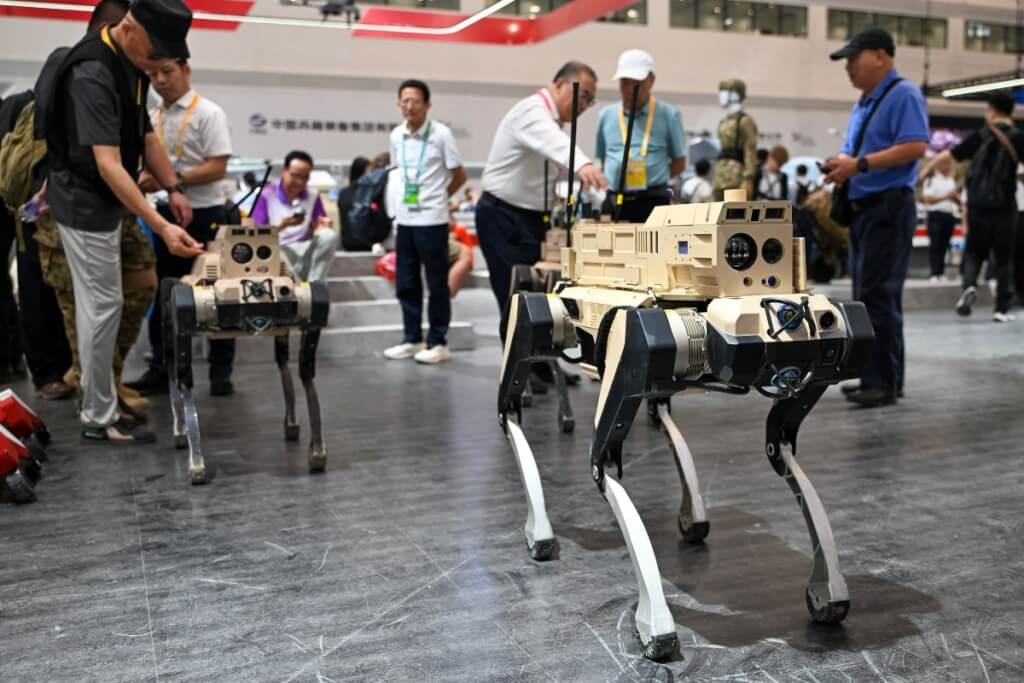
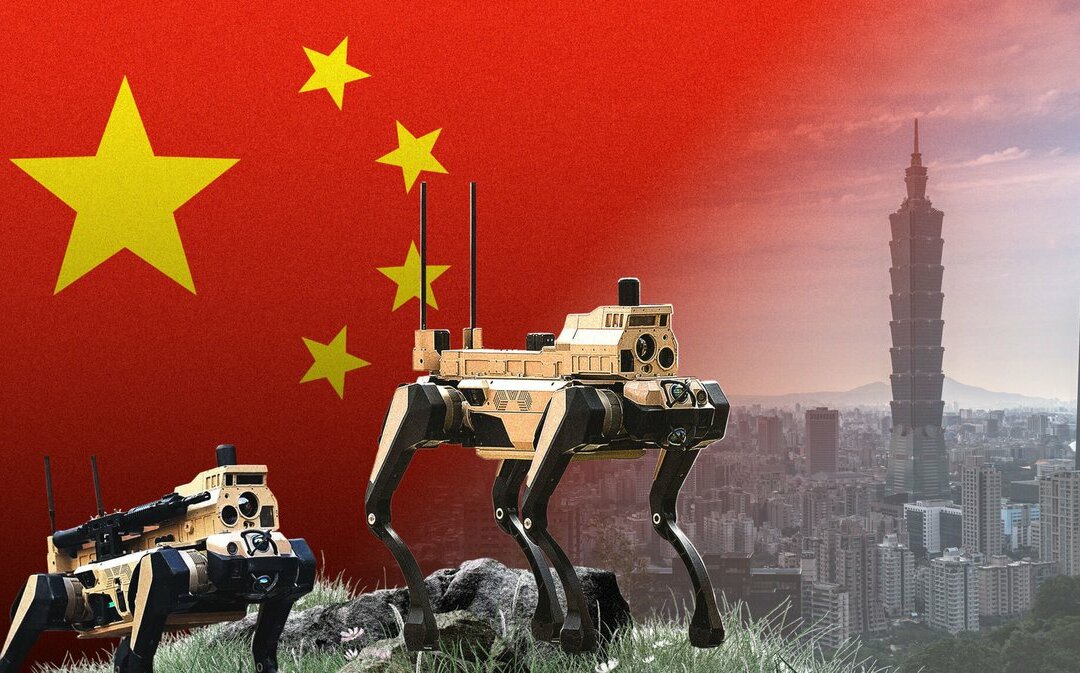
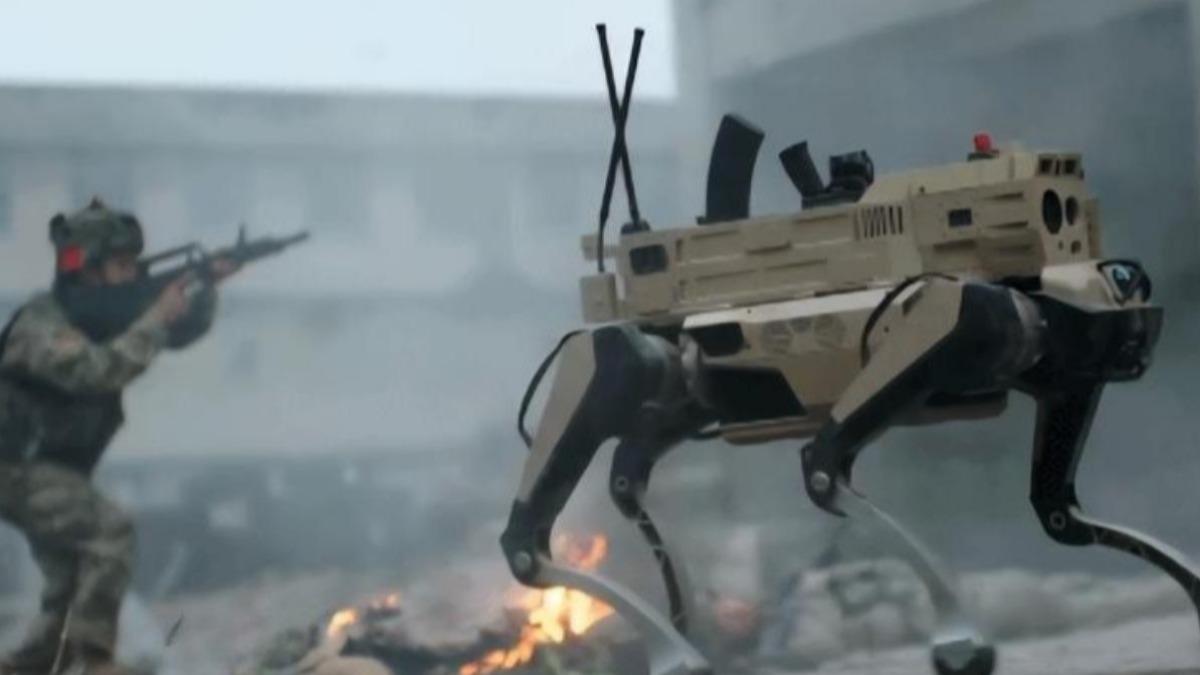
China is developing AI-enabled quadruped robots, dubbed 'machine wolves,' for military use in a potential Taiwan conflict. These robots, equipped with sensors and possible weapons, could be deployed for reconnaissance and logistics, potentially lowering the political cost of early casualties and altering conflict dynamics. Experts urge Taiwan to adopt multi-layered defenses.[AI generated]

Why's our monitor labelling this an incident or hazard?

The article explicitly describes AI systems (robotic 'machine wolves' with sensors, AI computing, and autonomous capabilities) being developed and tested by the Chinese military for use in conflict scenarios. The use of these AI systems could plausibly lead to harm including injury or death in warfare, disruption of regional stability, and escalation of conflict. The article does not report any actual incident of harm caused by these AI systems but discusses their potential deployment and strategic impact. Therefore, it fits the definition of an AI Hazard, as it describes an event/circumstance where AI system development and intended use could plausibly lead to an AI Incident in the future. It is not Complementary Information because it is not an update or response to a past incident, nor is it unrelated as it clearly involves AI systems with military applications and potential harm.[AI generated]
AI principles
SafetyRespect of human rights

Industries
Government, security, and defenceRobots, sensors, and IT hardware

Affected stakeholders
General public

Harm types
Physical (death)Physical (injury)

Severity
AI hazard

AI system task:
Recognition/object detectionGoal-driven organisation


Articles about this incident or hazard

Thumbnail Image

專家:中國研發機器狼用於台海衝突 台應多層次防禦

2026-06-15
Yahoo News (Taiwan)
Why's our monitor labelling this an incident or hazard?
The article explicitly describes AI systems (robotic 'machine wolves' with sensors, AI computing, and autonomous capabilities) being developed and tested by the Chinese military for use in conflict scenarios. The use of these AI systems could plausibly lead to harm including injury or death in warfare, disruption of regional stability, and escalation of conflict. The article does not report any actual incident of harm caused by these AI systems but discusses their potential deployment and strategic impact. Therefore, it fits the definition of an AI Hazard, as it describes an event/circumstance where AI system development and intended use could plausibly lead to an AI Incident in the future. It is not Complementary Information because it is not an update or response to a past incident, nor is it unrelated as it clearly involves AI systems with military applications and potential harm.
Thumbnail Image

專家:中國研發機器狼用於台海衝突 台應多層次防禦

2026-06-15
Liberty Times Net
Why's our monitor labelling this an incident or hazard?
The article explicitly describes AI systems (autonomous or semi-autonomous quadruped robots with sensors, cameras, and potential weapons) being developed and tested by China for military use in a potential conflict with Taiwan. While no actual harm has yet occurred, the intended use in warfare implies a credible risk of injury, disruption, and other harms if deployed. The article focuses on the potential future impact and necessary defensive preparations, not on an incident that has already happened. Thus, it fits the definition of an AI Hazard rather than an AI Incident or Complementary Information.
Thumbnail Image

專家:中國研發機器狼用於台海衝突 台應多層次防禦

2026-06-14
Central News Agency
Why's our monitor labelling this an incident or hazard?
The article describes AI systems (robotic 'machine wolves' with sensors, AI computing, and potential weaponization) being developed and tested for military use by China, specifically for use in a potential Taiwan conflict. While no actual incident or harm has been reported, the article clearly outlines the plausible future harms these AI systems could cause if deployed in conflict, including physical harm and escalation of hostilities. Therefore, this qualifies as an AI Hazard, as it plausibly could lead to an AI Incident in the future. The article also discusses defense and mitigation strategies, but the main focus is on the potential threat and use of AI-enabled military robots, not on an actual incident or complementary information about responses to past incidents.
Thumbnail Image

專家:中國研發機器狼用於台海衝突 台應多層次防禦

2026-06-15
新頭殼 Newtalk
Why's our monitor labelling this an incident or hazard?
The article explicitly mentions AI-enabled robotic systems being developed and tested by China for military use, including reconnaissance and combat support roles. These systems' deployment could plausibly lead to harm such as injury, disruption, or escalation of conflict. No actual harm or incident has occurred yet; the article focuses on the potential impact and recommended defensive measures. Thus, it fits the definition of an AI Hazard, as it plausibly could lead to an AI Incident in the future but has not yet done so.
Thumbnail Image

中共研發「機器狼」瞄準台海打頭陣 華府專家示警:台灣應建立多層次防禦反制

2026-06-15
新頭殼 Newtalk
Why's our monitor labelling this an incident or hazard?
The article explicitly describes AI systems (quadruped robots with sensors, cameras, and onboard computers) being developed and tested by the Chinese military for frontline combat roles, including reconnaissance and potentially armed operations. Their use is intended to replace soldiers in high-risk tasks, which directly relates to potential injury or death in conflict (harm to persons). The deployment of such AI systems in a military conflict setting constitutes an AI Incident because the AI system's use is directly linked to potential harm. Although the harm is prospective in a conflict scenario, the article indicates active testing and near-term deployment, making the risk imminent and concrete rather than speculative. The article also discusses Taiwan's defensive responses, but these are complementary to the main incident of AI-enabled military systems being developed and deployed with direct harm potential.
Thumbnail Image

台海衝突「AI戰爭打響」?專家示警北京戰略 台灣反擊方法曝│TVBS新聞網

2026-06-15
TVBS
Why's our monitor labelling this an incident or hazard?
The article explicitly describes AI systems (robotic "machine wolves" with sensors, AI computing, and potential weapons) being developed and tested for military use by China, with a focus on their deployment in a potential Taiwan conflict. No actual harm or incident has yet occurred, but the use of these AI systems in warfare could plausibly lead to injury, death, and disruption, meeting the criteria for an AI Hazard. The article also discusses defensive measures and strategic implications, but the primary focus is on the potential future harm from these AI-enabled military robots. Hence, it is classified as an AI Hazard rather than an AI Incident or Complementary Information.
Thumbnail Image

人形機器人會奔赴戰場嗎

2026-06-14
新浪香港
Why's our monitor labelling this an incident or hazard?
The article describes AI systems (humanoid robots with AI for autonomous operation) being developed and tested for military use, including potentially weaponized roles. Although no harm has yet occurred, the deployment of such AI systems in combat scenarios could plausibly lead to harms such as injury to people, ethical violations, and other significant harms. Therefore, this event fits the definition of an AI Hazard, as it involves the plausible future risk of AI systems causing harm in military contexts. There is no report of actual harm or incident, so it is not an AI Incident. The article is not merely complementary information or unrelated news, as it focuses on the potential risks and development of AI systems with significant harm potential.
Thumbnail Image

專家:中國研發機器狼用於台海衝突 台應多層次防禦 - 政治新聞 - PChome Online 新聞

2026-06-15
PChome Online 新聞
Why's our monitor labelling this an incident or hazard?
The article explicitly describes AI systems (robotic 'machine wolves' with sensors, AI computing, and autonomous capabilities) being developed and tested by China for military use in a potential Taiwan conflict. The systems' intended use in reconnaissance, logistics, and combat support directly relates to possible harm in a conflict scenario, including injury or harm to persons and disruption of critical infrastructure. Although no actual incident or harm has occurred yet, the credible risk of harm is clearly articulated, making this a plausible AI Hazard. The article also discusses strategic and defense responses, but these are in the context of addressing the hazard rather than reporting an incident or complementary information. Therefore, the event is best classified as an AI Hazard.
Thumbnail Image

专家:中国研发机器狼用于台海冲突 台应多层次防御|光华网

2026-06-15
光华网
Why's our monitor labelling this an incident or hazard?
The article explicitly describes AI systems (robotic quadrupeds with sensors, AI computing, and potential weaponization) being developed and tested by the Chinese military for use in conflict. The potential harms include injury, death, and disruption in a military conflict context, which are serious harms under the AI Incident definition. However, the article discusses the development and potential deployment rather than an actual event causing harm. Thus, it fits the definition of an AI Hazard: an event or circumstance where AI system development and intended use could plausibly lead to harm. The article also discusses defensive measures Taiwan should take, indicating awareness of the plausible future threat. There is no indication of realized harm yet, so it is not an AI Incident. It is not merely complementary information because the main focus is on the risk posed by these AI systems, not on responses or updates to past incidents. Therefore, the correct classification is AI Hazard.
Thumbnail Image

中共研發「機器狼」瞄準台海打頭陣 華府專家示警:台灣應建立多層次防禦反制

2026-06-15
Yahoo News (Taiwan)
Why's our monitor labelling this an incident or hazard?
The event involves AI systems explicitly described as quadruped robots equipped with AI technologies (cameras, sensors, onboard computers, and potential weaponization) being developed and tested by the Chinese military for frontline combat roles. While no actual harm has yet occurred, the article clearly states the plausible future harm these systems could cause in a Taiwan Strait conflict, including altered risk calculations and increased military threat. The article also discusses strategic responses to mitigate these risks. Therefore, this is an AI Hazard, as the AI system's use could plausibly lead to significant harm in the future, but no realized harm is reported yet.