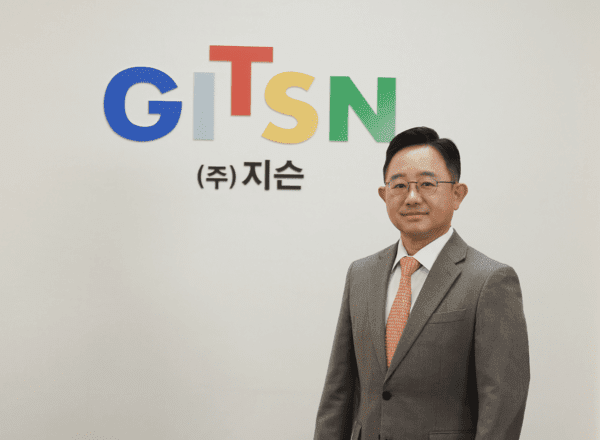
AI-Powered Wireless Backdoor Detection System Deployed in Semiconductor Industry

Thumbnail Image

The information displayed in the AIM should not be reported as representing the official views of the OECD or of its member countries.

Korean security firm Jison has signed contracts to supply AI-based wireless backdoor hacking detection systems to global semiconductor manufacturers. The system monitors server rooms for unauthorized wireless signals, addressing rising AI-driven hacking threats. Deployment aims to protect critical infrastructure and prevent potential data breaches, expanding from banks to manufacturing sectors.[AI generated]

Why's our monitor labelling this an incident or hazard?

The event involves the use of an AI system designed to detect wireless backdoor hacking attempts, which are a serious cybersecurity threat. While the article does not report a specific realized harm or incident, it clearly identifies the increasing AI-driven hacking threat and the deployment of AI-based detection systems as a response. The contracts and deployment of this system aim to prevent potential harms such as data breaches, intellectual property theft, or disruption of critical infrastructure. Since no actual harm has been reported yet but the AI system is used to mitigate a credible and significant cybersecurity risk, this qualifies as an AI Hazard, reflecting a plausible future harm scenario related to AI-powered hacking threats and their detection.[AI generated]

Industries
Digital securityIT infrastructure and hosting

Severity
AI hazard

Business function:
ICT management and information security

AI system task:
Event/anomaly detection


Articles about this incident or hazard

Thumbnail Image

지슨, 글로벌 반도체 기업에 무선 해킹 탐지 시스템 공급

2026-06-15
뉴스핌
Why's our monitor labelling this an incident or hazard?
The article explicitly mentions the use of AI in the hacking detection system, indicating the presence of an AI system. However, there is no indication that the AI system has caused any harm or malfunction. The event is about the adoption of AI technology to prevent potential cyberattacks, which could plausibly lead to harm if unmitigated, but no harm has occurred yet. Thus, it does not qualify as an AI Incident or AI Hazard. It also is not merely general AI news or product launch without context, since it provides information on AI's role in cybersecurity and its deployment in critical infrastructure sectors. Hence, it fits best as Complementary Information, providing context on AI's role in mitigating cybersecurity risks.
Thumbnail Image

지슨 "글로벌 반도체 기업에 '무선 백도어 탐지 시스템' 공급"

2026-06-15
데일리한국
Why's our monitor labelling this an incident or hazard?
The article involves AI systems used for cybersecurity detection, specifically AI analyzing wireless signals to detect unauthorized access attempts. However, it does not report any realized harm or incidents caused by AI or AI-enabled attacks. The focus is on the deployment of AI-based detection systems to address potential AI-driven wireless backdoor hacking threats. This fits the definition of Complementary Information, as it provides updates on AI-related security developments and responses without describing a specific AI Incident or AI Hazard event.
Thumbnail Image

지슨, 반도체 대기업과 무선 백도어 해킹 탐지 시스템 계약

2026-06-15
와이드경제
Why's our monitor labelling this an incident or hazard?
The event involves the use of an AI system designed to detect wireless backdoor hacking attempts, which are a serious cybersecurity threat. While the article does not report a specific realized harm or incident, it clearly identifies the increasing AI-driven hacking threat and the deployment of AI-based detection systems as a response. The contracts and deployment of this system aim to prevent potential harms such as data breaches, intellectual property theft, or disruption of critical infrastructure. Since no actual harm has been reported yet but the AI system is used to mitigate a credible and significant cybersecurity risk, this qualifies as an AI Hazard, reflecting a plausible future harm scenario related to AI-powered hacking threats and their detection.
Thumbnail Image

지슨, 글로벌 반도체 제조사와 '무선 백도어 해킹 탐지 시스템' 공급 계약 - 스마트비즈

2026-06-15
스마트비즈
Why's our monitor labelling this an incident or hazard?
The event involves the use of an AI system (the wireless backdoor hacking detection system) designed to detect and prevent wireless backdoor attacks. While the article discusses the increasing threat of AI-enhanced hacking and the vulnerabilities of current systems, it does not describe any realized harm or incident caused by AI or hacking attacks. Instead, it focuses on the deployment of a system to mitigate potential threats. Therefore, this qualifies as an AI Hazard because the AI system's use could plausibly prevent or respond to AI-related hacking threats, which are potential harms. It is not an AI Incident since no harm has occurred, nor is it Complementary Information or Unrelated.