AI-Powered Brain-Computer Interface Restores Speech for Paralyzed Patient at Home

Thumbnail Image

The information displayed in the AIM should not be reported as representing the official views of the OECD or of its member countries.

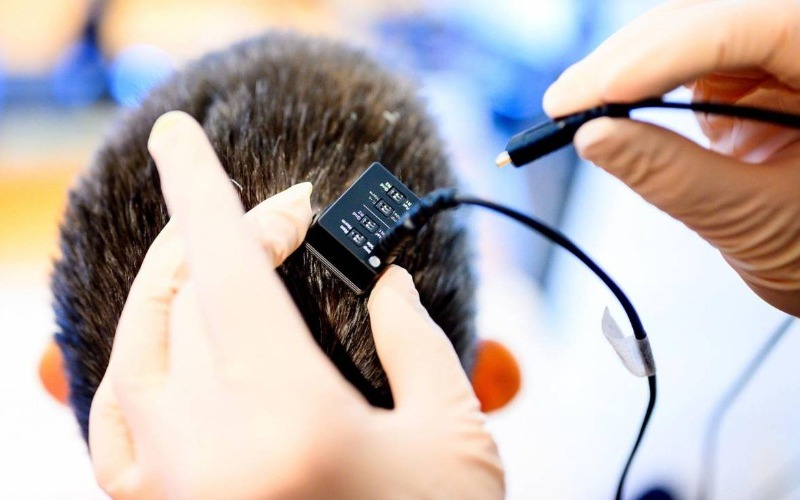
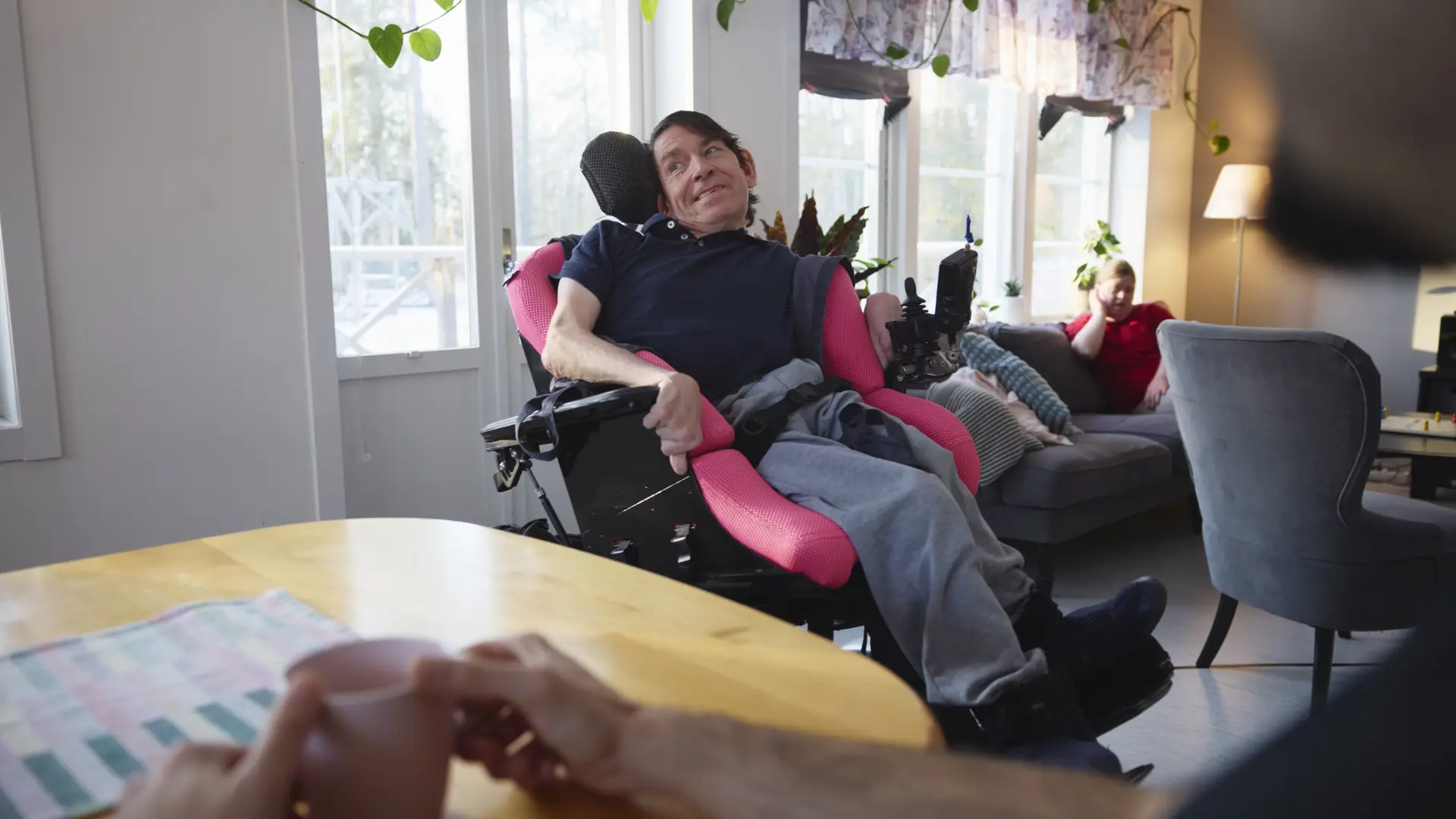
Researchers from the University of California, Davis, and collaborators developed an AI-driven brain-computer interface (BCI) that enabled a patient with severe paralysis to communicate independently from home. The system, using implanted electrodes and intelligent software, translated neural signals into text and cursor control, significantly improving the patient's autonomy and communication speed.[AI generated]

Why's our monitor labelling this an incident or hazard?

The event involves an AI system (the BCI with implanted electrodes and intelligent software that translates neural activity into text and cursor control). The system's use has directly led to a positive health impact by enabling communication for a patient with severe paralysis, which qualifies as injury or harm to health being addressed. Although the article focuses on a positive outcome rather than harm, the framework includes harms to health, and this event is about mitigating such harm through AI. Since the event describes realized effects of the AI system on health and autonomy, it qualifies as an AI Incident (positive health impact through AI use). It is not a hazard (no plausible future harm), nor complementary information or unrelated.[AI generated]
Industries
Healthcare, drugs, and biotechnology

Severity
AI incident

AI system task:
Recognition/object detection


Articles about this incident or hazard

Thumbnail Image

Un histórico avance devuelve el habla a un paciente con parálisis grave desde su casa

2026-06-15
20 minutos
Why's our monitor labelling this an incident or hazard?
The event involves an AI system (the BCI with implanted electrodes and intelligent software that translates neural activity into text and cursor control). The system's use has directly led to a positive health impact by enabling communication for a patient with severe paralysis, which qualifies as injury or harm to health being addressed. Although the article focuses on a positive outcome rather than harm, the framework includes harms to health, and this event is about mitigating such harm through AI. Since the event describes realized effects of the AI system on health and autonomy, it qualifies as an AI Incident (positive health impact through AI use). It is not a hazard (no plausible future harm), nor complementary information or unrelated.
Thumbnail Image

Una interfaz cerebral devuelve el habla a un paciente con parálisis grave desde su casa

2026-06-15
ABC Digital
Why's our monitor labelling this an incident or hazard?
The event involves an AI system (the BCI with implanted electrodes and intelligent software) that interprets brain signals to generate speech text and control a computer cursor. This system was used by a patient with severe paralysis and speech impairment due to ALS, enabling autonomous communication at home. The AI system's use directly led to a positive health outcome (restored communication ability), which is a form of harm mitigation rather than harm. There is no mention or implication of injury, rights violations, disruption, or other harms. Therefore, this is not an AI Incident or AI Hazard. The article reports a significant advancement and successful deployment of AI technology, which is informative and supportive of understanding AI's beneficial impacts. Hence, it is best classified as Complementary Information, as it provides important context and progress in AI applications without describing any harm or plausible harm.
Thumbnail Image

Interfaz cerebral devuelve el habla a paciente con parálisis grave desde su casa

2026-06-15
Metro
Why's our monitor labelling this an incident or hazard?
The event involves an AI system (brain-computer interface with intelligent software) used in a medical assistive context. However, it does not describe any harm or risk of harm caused or plausibly caused by the AI system. Instead, it reports a successful use case improving patient communication and independence. The article also notes challenges and future goals but does not indicate any AI-related incident or hazard. Therefore, this is best classified as Complementary Information, providing context and updates on AI technology development and use without describing an AI Incident or AI Hazard.
Thumbnail Image

Interfaz cerebral devuelve el habla a paciente con parálisis grave desde su casa

2026-06-15
Noticias Venevisión
Why's our monitor labelling this an incident or hazard?
The event involves an AI system (the BCI with intelligent software that calibrates itself and translates brain signals into speech) that has been used by a patient with severe paralysis to communicate independently. This use of AI has directly led to a positive health impact by restoring speech capability, which is a form of injury or harm mitigation (reversing harm caused by paralysis). Therefore, it qualifies as an AI Incident under the definition because the AI system's use has directly led to a significant health-related outcome. Although the outcome is positive, the framework includes injury or harm to health, and here the AI system has directly influenced health-related communication ability. The event does not describe any harm caused by the AI system but rather a beneficial impact, which still fits within the scope of AI Incident as it involves direct health-related effects from AI use. It is not a hazard (no plausible future harm), nor complementary information or unrelated.