Shield AI's Hivemind AI Enables Autonomous Strike Drones Used in Conflict Zones

Thumbnail Image

The information displayed in the AIM should not be reported as representing the official views of the OECD or of its member countries.

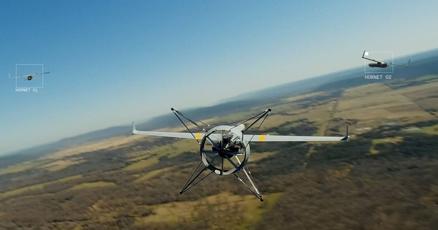
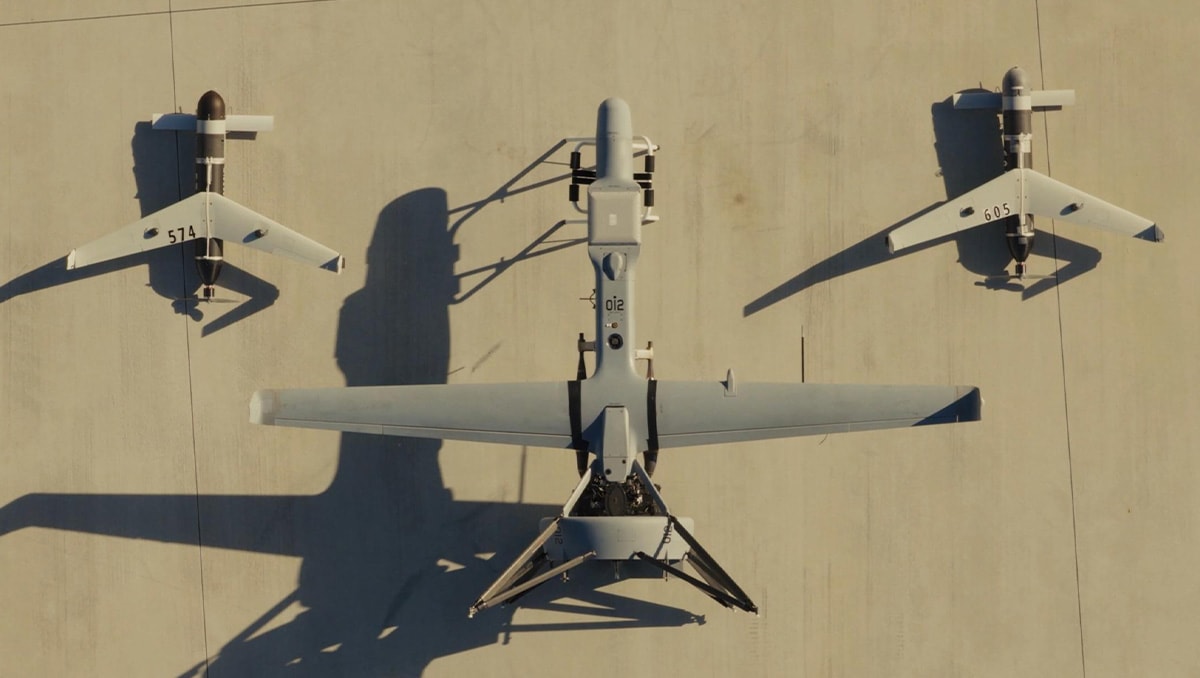
Shield AI and Destinus demonstrated autonomous strike and teaming capabilities using the Hivemind AI system on the Destinus Hornet drone in Spain. Hivemind-enabled munitions have been deployed in real conflicts, including Ukraine, significantly increasing strike effectiveness and raising concerns about AI-driven autonomous weapons causing harm.[AI generated]

Why's our monitor labelling this an incident or hazard?

The article explicitly mentions the use of an AI system (Hivemind) enabling autonomous strike and teaming capabilities on military interceptor drones. Although no harm or incident is reported from the demonstration itself, the AI system's role in autonomous weapons systems designed for strike and counter-UAS missions implies a credible risk of future harm, including injury or death, disruption of critical infrastructure, and potential human rights violations. The event is a demonstration and development milestone, not a report of realized harm, so it does not qualify as an AI Incident. However, the plausible future harm from autonomous weapon systems justifies classification as an AI Hazard.[AI generated]
AI principles
SafetyRespect of human rights

Industries
Government, security, and defence

Affected stakeholders
General publicGovernment

Harm types
Physical (death)Human or fundamental rights

Severity
AI hazard

Business function:
Research and development

AI system task:
Recognition/object detectionGoal-driven organisation


Articles about this incident or hazard

Thumbnail Image

Autonomy Software Key To Restoring Precision To Munitions: Shield AI | Aviation Week

2026-06-15
Aviation Week
Why's our monitor labelling this an incident or hazard?
The article explicitly mentions an AI system (Hivemind software) integrated into autonomous munitions that have been used in real conflicts, resulting in a high probability of kill (Pk) rates. The use of autonomous weapons with AI directly causes harm in conflict zones, fulfilling the criteria for an AI Incident due to injury or harm to people and damage to property. The AI system's role is pivotal in increasing the effectiveness of these weapons, thus directly leading to harm.
Thumbnail Image

Shield AI and Destinus demonstrate autonomous strike and teaming capabilities on an interceptor system in full-mission flight exercise

2026-06-15
Weekly Voice
Why's our monitor labelling this an incident or hazard?
The article explicitly mentions the use of an AI system (Hivemind) enabling autonomous strike and teaming capabilities on military interceptor drones. Although no harm or incident is reported from the demonstration itself, the AI system's role in autonomous weapons systems designed for strike and counter-UAS missions implies a credible risk of future harm, including injury or death, disruption of critical infrastructure, and potential human rights violations. The event is a demonstration and development milestone, not a report of realized harm, so it does not qualify as an AI Incident. However, the plausible future harm from autonomous weapon systems justifies classification as an AI Hazard.
Thumbnail Image

Shield AI, Destinus Demonstrating Collaborative Autonomy Between Drones For Use In Ukraine - Defense Daily

2026-06-15
Defense Daily
Why's our monitor labelling this an incident or hazard?
The article explicitly mentions AI systems (Shield AI's Hivemind autonomy solution) enabling autonomous collaboration between drones for surveillance and targeting, which are functions indicative of AI systems. The intended use includes strike platforms in Ukraine, implying potential lethal applications. Although no harm has yet occurred or been reported, the nature of autonomous weaponized drones with AI autonomy presents a credible risk of causing injury, harm to communities, or violations of human rights. Hence, this event fits the definition of an AI Hazard rather than an Incident or Complementary Information.
Thumbnail Image

Shield AI and Destinus demonstrate autonomous strike and teaming capabilities on an interceptor system in full-mission flight exercise

2026-06-15
CNHI News
Why's our monitor labelling this an incident or hazard?
The article explicitly describes an AI system (Hivemind) integrated into autonomous strike platforms capable of lethal military operations. While no harm is reported as having occurred during the demonstration, the system's capabilities and intended use in contested environments imply a credible risk of future harm, such as injury or disruption, if the AI system malfunctions, is misused, or operates in complex real-world scenarios. The event is not a product launch or general AI news but a demonstration of autonomous weapons capabilities with clear potential for harm. Hence, it fits the definition of an AI Hazard rather than an AI Incident or Complementary Information.
Thumbnail Image

Shield AI and Destinus demonstrate autonomous strike teaming capability

2026-06-16
defenceconnect.com.au
Why's our monitor labelling this an incident or hazard?
The event involves the development and use of AI systems for autonomous strike and combat teaming, which are AI systems by definition. Although no harm has yet occurred, the nature of the AI system's application in autonomous weapons and strike missions plausibly leads to significant harms such as injury, death, and violations of human rights. The article focuses on the demonstration and maturation of these capabilities, indicating a credible risk of future AI incidents if deployed operationally. Hence, this is best classified as an AI Hazard rather than an AI Incident or Complementary Information.