AI-Driven Deep Brain Stimulation Reduces Falls in Parkinson's Patients

Thumbnail Image

The information displayed in the AIM should not be reported as representing the official views of the OECD or of its member countries.

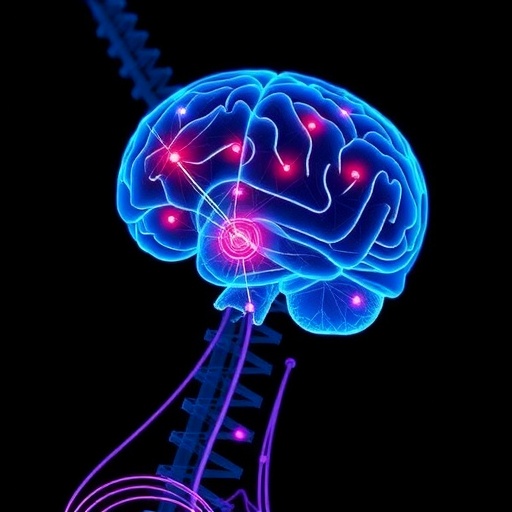
Researchers in Switzerland and the US have developed AI-powered adaptive deep brain stimulation systems that interpret neural activity in real time to adjust stimulation for Parkinson's patients. These systems significantly improve walking ability and reduce falls, demonstrating direct health benefits and harm reduction through AI intervention.[AI generated]

Why's our monitor labelling this an incident or hazard?

The event involves an AI system embedded in an implanted neurostimulator that autonomously interprets neural signals and adjusts stimulation in real time. This AI system's use directly leads to a significant reduction in physical falls and improved gait in Parkinson's patients, which constitutes a direct health benefit and harm reduction. Since the AI system's use has directly led to improved health outcomes and reduced injury risk, this qualifies as an AI Incident under the definition of an event where AI use has directly led to injury or harm reduction (harm to health). The event is not merely a research announcement or product launch but reports realized health impacts from AI use in a clinical setting.[AI generated]

Industries
Healthcare, drugs, and biotechnology

Severity
AI incident

Business function:
Research and development

AI system task:
Event/anomaly detectionGoal-driven organisation


Articles about this incident or hazard

Thumbnail Image

Adaptive Deep Brain Stimulation Fixes Parkinson's Walking Gait

2026-06-15
Neuroscience News
Why's our monitor labelling this an incident or hazard?
The event involves an AI system embedded in an implanted neurostimulator that autonomously interprets neural signals and adjusts stimulation in real time. This AI system's use directly leads to a significant reduction in physical falls and improved gait in Parkinson's patients, which constitutes a direct health benefit and harm reduction. Since the AI system's use has directly led to improved health outcomes and reduced injury risk, this qualifies as an AI Incident under the definition of an event where AI use has directly led to injury or harm reduction (harm to health). The event is not merely a research announcement or product launch but reports realized health impacts from AI use in a clinical setting.
Thumbnail Image

AI-powered deep brain stimulation improves walking in Parkinson's patients

2026-06-15
News-Medical.net
Why's our monitor labelling this an incident or hazard?
The event involves an AI system explicitly used in a medical device (DBS) to treat Parkinson's disease symptoms. The AI system's use directly leads to improved patient health outcomes by reducing walking impairments, which are disabling symptoms of the disease. Since the AI system's use results in a positive health impact rather than harm, this does not qualify as an AI Incident. There is no indication of harm or risk of harm. The article reports a beneficial clinical application and advancement in AI-enabled therapy, so it is best classified as Complementary Information, providing important context and updates on AI's positive impact in healthcare.
Thumbnail Image

A smarter brain implant offers new hope for Parkinson's patients

2026-06-15
NBC Bay Area
Why's our monitor labelling this an incident or hazard?
The article clearly involves an AI system: an adaptive brain implant that uses AI-like real-time signal processing and decision-making to adjust stimulation. However, the event describes a successful clinical study with beneficial outcomes and no reported harm. There is no indication of injury, malfunction causing harm, rights violations, or plausible future harm from the system. The article focuses on the research progress and potential future applications, which fits the definition of Complementary Information rather than an Incident or Hazard.
Thumbnail Image

Adaptive Brain Stimulation for Parkinson's Patients

2026-06-15
Mirage News
Why's our monitor labelling this an incident or hazard?
The event involves an AI system (adaptive DBS with real-time neural signal processing and stimulation adjustment) used in medical treatment. The AI system's use directly affects patient health by improving gait and reducing falls, which are significant health harms in Parkinson's disease. Since the system is deployed and has demonstrated improved health outcomes without reported harm, it constitutes an AI system use with direct health impact but no harm. Hence, it is not an incident or hazard but rather complementary information about a beneficial AI application and its clinical study results.
Thumbnail Image

When brain stimulation learns to walk with you

2026-06-15
Swiss Federal Institute of Technology, Lausanne (EPFL)
Why's our monitor labelling this an incident or hazard?
The event involves an AI system explicitly described as interpreting brain activity in real time to adjust stimulation parameters for patients with Parkinson's disease. The AI system's use directly leads to improved walking ability and reduced motor symptoms, which is a clear health benefit and harm reduction. This fits the definition of an AI Incident because the AI system's use has directly led to injury or harm reduction to persons (harm to health). Although the event is positive, it still qualifies as an AI Incident since it involves the use of AI in a medical intervention affecting health outcomes. There is no indication of plausible future harm or hazards, nor is this merely complementary information or unrelated news.
Thumbnail Image

Adaptive Brain Stimulation Tailored to Every Step of Parkinson's Patients

2026-06-15
Scienmag: Latest Science and Health News
Why's our monitor labelling this an incident or hazard?
The implanted adaptive DBS system uses AI-based signal processing to decode neural activity and modulate stimulation in real time, which is a clear AI system involvement. The system's use has directly led to improved gait stability and fewer falls, which are significant health harms in Parkinson's disease. Since the AI system's use has directly led to a reduction in harm and improved health outcomes, this qualifies as an AI Incident. The article does not describe any malfunction or potential future harm but rather a realized positive health impact through AI use. Hence, the classification is AI Incident.