Rheinmetall Unveils AI-Enabled Kamikaze Drone Swarms

Thumbnail Image

The information displayed in the AIM should not be reported as representing the official views of the OECD or of its member countries.

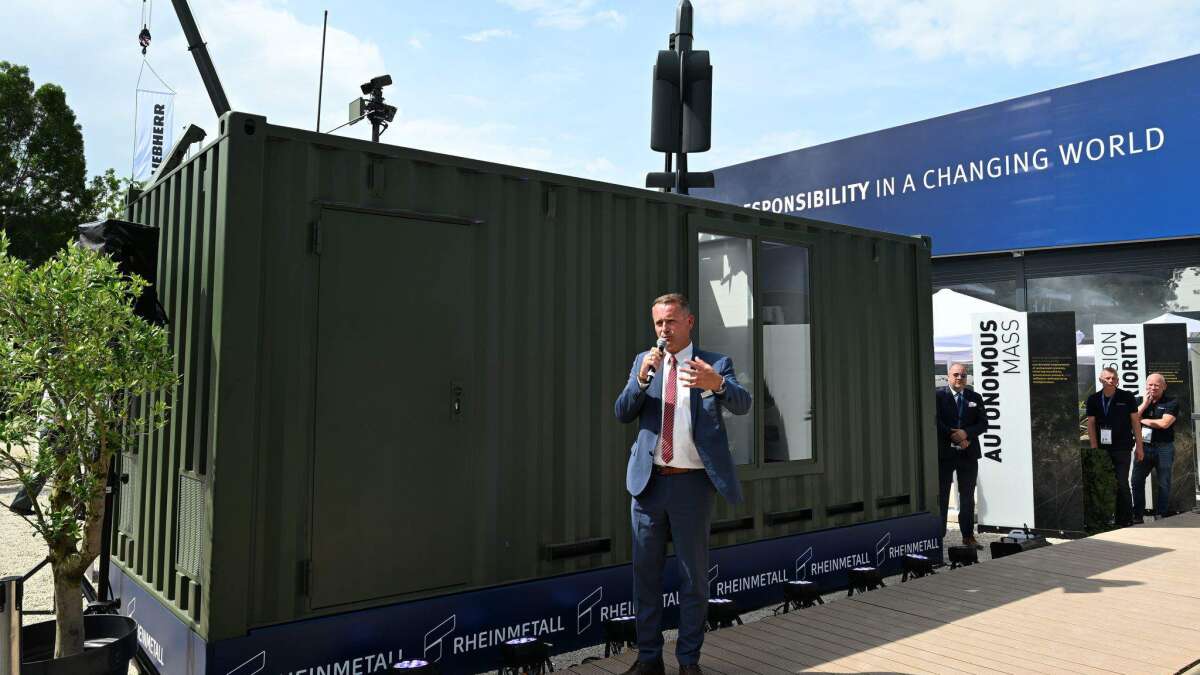
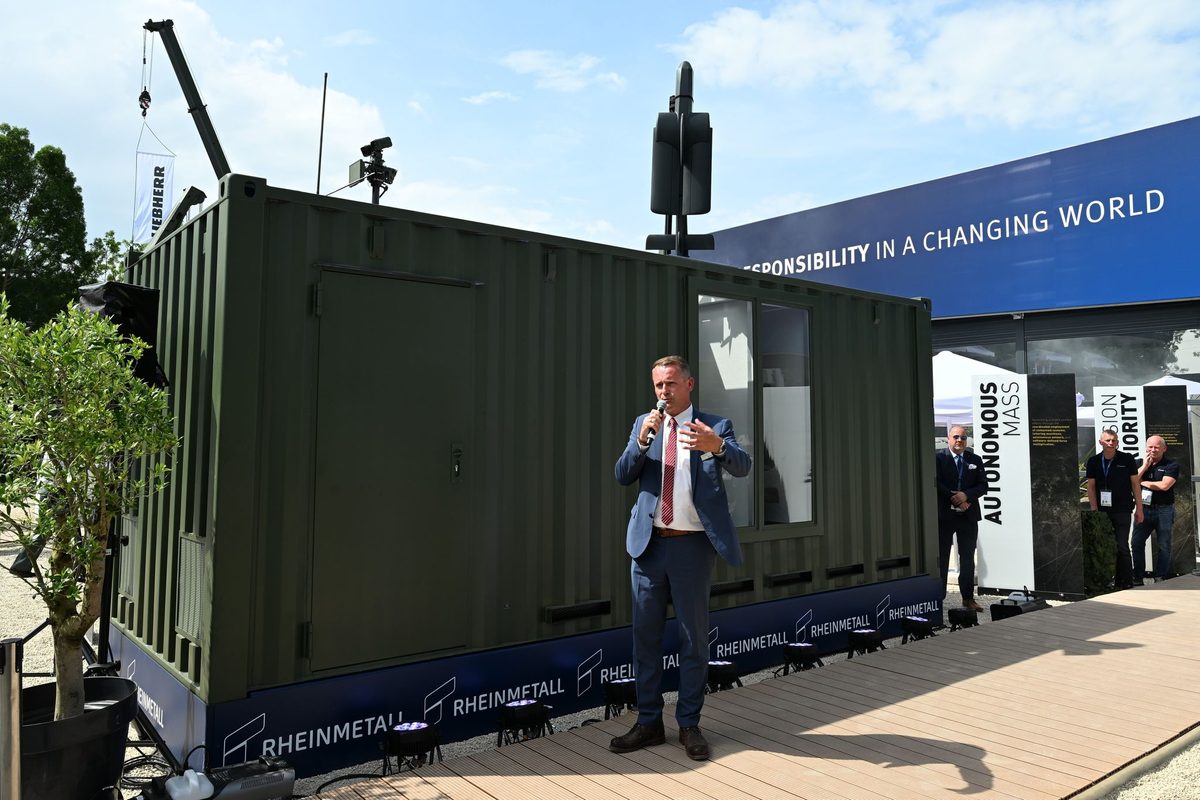
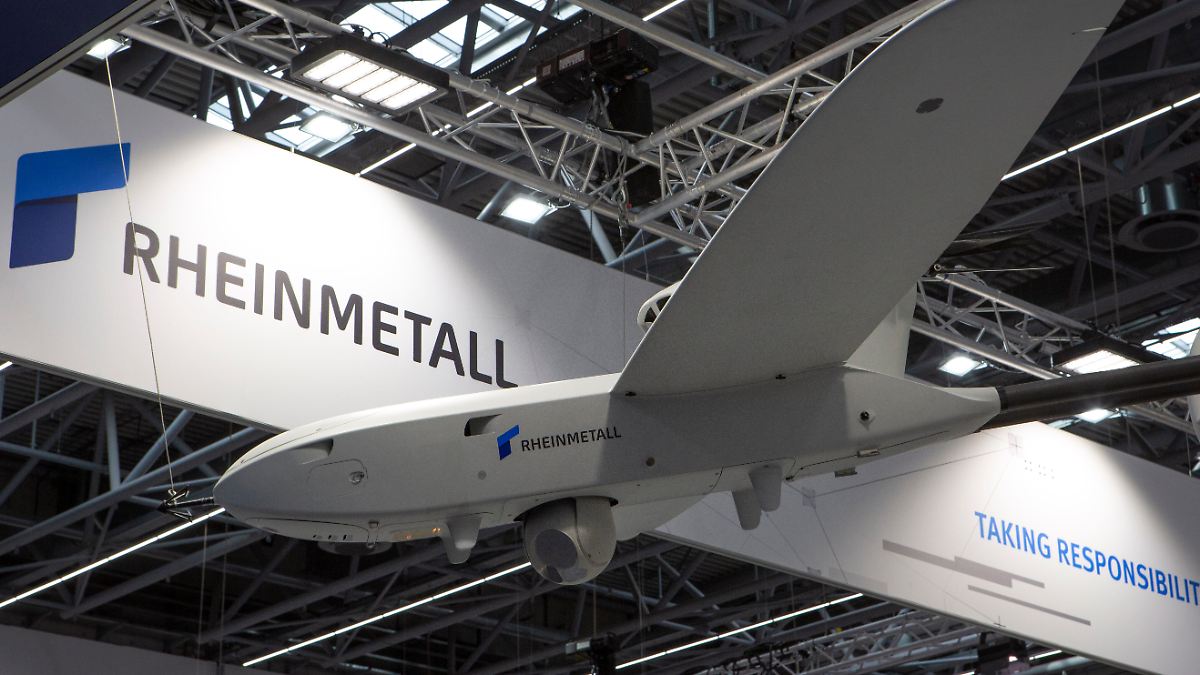
Rheinmetall has announced the production of AI-powered kamikaze drones capable of autonomously or semi-autonomously identifying and attacking targets. Presented at the Eurosatory arms fair in Paris, these drones can be launched in swarms and carry explosives, posing significant future risks of harm due to their autonomous lethal capabilities.[AI generated]

Why's our monitor labelling this an incident or hazard?

The article explicitly mentions the use of AI in kamikaze drones capable of autonomous target searching and attack, which are lethal autonomous weapons. The drones are designed to be used in swarms and can operate with some autonomy, although a human remains in the decision loop. The production and deployment of such AI-enabled weapons systems pose a credible risk of causing injury, death, and other harms. Since the article describes planned production and deployment rather than an actual incident causing harm, it fits the definition of an AI Hazard rather than an AI Incident. The event is not merely general AI news or complementary information, but a clear case of AI system development with plausible future harm.[AI generated]
AI principles
SafetyRespect of human rights

Industries
Government, security, and defenceRobots, sensors, and IT hardware

Affected stakeholders
General public

Harm types
Physical (death)Physical (injury)

Severity
AI hazard

Business function:
Manufacturing

AI system task:
Recognition/object detectionGoal-driven organisation


Articles about this incident or hazard

Thumbnail Image

Rheinmetall setzt bei Kamikaze-Drohnen auf Salven-Schwärme

2026-06-16
T-online.de
Why's our monitor labelling this an incident or hazard?
The article explicitly mentions the use of AI in kamikaze drones capable of autonomous target searching and attack, which are lethal autonomous weapons. The drones are designed to be used in swarms and can operate with some autonomy, although a human remains in the decision loop. The production and deployment of such AI-enabled weapons systems pose a credible risk of causing injury, death, and other harms. Since the article describes planned production and deployment rather than an actual incident causing harm, it fits the definition of an AI Hazard rather than an AI Incident. The event is not merely general AI news or complementary information, but a clear case of AI system development with plausible future harm.
Thumbnail Image

Der Börsen-Tag: Kamikaze-Drohnen: Rheinmetall setzt auf Salven-Schwärme

2026-06-16
N-tv
Why's our monitor labelling this an incident or hazard?
The drones are AI systems as they use artificial intelligence to autonomously search for targets and operate remotely. The event involves the development and use of these AI systems with lethal capabilities. While no harm is reported as having occurred yet, the nature of these AI-enabled autonomous weapons plausibly leads to significant harm, including injury or death and disruption to communities. Therefore, this qualifies as an AI Hazard due to the credible risk of future harm from the AI system's use in autonomous lethal operations.
Thumbnail Image

Rheinmetall startet Produktion von Kamikaze-Drohnen in Neuss: "Loitering Munition" bald einsatzbereit

2026-06-16
Express.de
Why's our monitor labelling this an incident or hazard?
The event involves an AI system explicitly mentioned as part of the kamikaze drones' autonomous target search and control. The article focuses on the development and imminent production of these AI-enabled autonomous weapons, which have a high potential for misuse and harm. Since no actual harm or incident is reported yet, but the system's deployment could plausibly lead to injury, death, or other serious harms, this qualifies as an AI Hazard under the OECD framework. The article does not describe a realized incident or harm, so it is not an AI Incident. It is not merely complementary information or unrelated news, as the focus is on the production of a potentially harmful AI system.
Thumbnail Image

Loitering Munition: Rheinmetall setzt bei Kamikaze-Drohnen auf Salven-Schwärme

2026-06-16
Handelsblatt
Why's our monitor labelling this an incident or hazard?
The article focuses on the development and production of AI-enabled kamikaze drones and their integration into military systems. While no actual harm or incident is described, the nature of these AI systems—autonomous lethal weapons—implies a credible risk of causing injury or death in future use. The article does not report any realized harm or incident but highlights the potential for such harm, fitting the definition of an AI Hazard. There is no indication of a current AI Incident or complementary information about responses or mitigation, nor is the article unrelated to AI systems.
Thumbnail Image

Loitering Munition: Rheinmetall setzt bei Kamikaze-Drohnen auf Salven-Schwärme

2026-06-16
Stuttgarter-Zeitung.de
Why's our monitor labelling this an incident or hazard?
The article explicitly mentions the use of AI in kamikaze drones that autonomously search for targets and carry explosives to destroy them. The drones' lethal function and autonomous capabilities mean their deployment could directly lead to injury, death, or property damage. Since no actual harm or incident is reported yet, but the potential for harm is credible and significant, this fits the definition of an AI Hazard. The event is not a Complementary Information piece because it focuses on the development and production of these AI-enabled weapons, not on responses or updates to past incidents. It is not an AI Incident because no harm has yet occurred, and it is not Unrelated because AI systems are central to the event.
Thumbnail Image

Rheinmetall: Mobiles Startsystem für Kamikaze-Drohnen

2026-06-16
Business Insider
Why's our monitor labelling this an incident or hazard?
The article explicitly mentions the use of AI in controlling and autonomously targeting kamikaze drones, which are lethal weapons designed to cause harm. The system is under development and production is planned, indicating a credible risk of future harm. No actual harm or incident is reported yet, so it does not meet the criteria for an AI Incident. The potential for lethal harm from autonomous weapon systems is well recognized, making this a clear AI Hazard. The article does not focus on responses, mitigation, or legal proceedings, so it is not Complementary Information. It is directly related to AI systems and their potential for harm, so it is not Unrelated.
Thumbnail Image

Rheinmetall setzt bei Kamikaze-Drohnen auf Salven-Schwärme

2026-06-16
wallstreet:online
Why's our monitor labelling this an incident or hazard?
The drones described are AI systems because they autonomously search for targets and decide when to detonate or self-destruct, indicating AI-based decision-making. The article focuses on the production and deployment of these autonomous lethal systems, which inherently carry a plausible risk of harm to people and property due to their autonomous targeting and explosive payloads. Although no specific harm has yet occurred or is reported, the development and deployment of such AI-enabled autonomous weapons constitute a credible and significant risk of causing injury, death, or destruction. Therefore, this event qualifies as an AI Hazard under the framework, as it plausibly could lead to AI Incidents involving harm from autonomous lethal drones.
Thumbnail Image

Loitering Munition: Rheinmetall setzt bei Kamikaze-Drohnen auf Salven-Schwärme

2026-06-16
NWZ Online
Why's our monitor labelling this an incident or hazard?
The event involves the development and planned use of AI systems integrated into autonomous loitering munitions capable of lethal action. The AI system's role in target searching and autonomous attack is explicit. While no actual harm has yet occurred, the nature of these weapons and their autonomous capabilities create a plausible risk of injury, death, and violations of human rights or laws of armed conflict. The article does not report any realized harm or incident but focuses on the production and deployment plans, making it a clear AI Hazard rather than an AI Incident. The involvement of AI in lethal autonomous weapons systems is a recognized source of potential significant harm, fitting the definition of an AI Hazard.
Thumbnail Image

Rheinmetall setzt bei Kamikaze-Drohnen auf Salven-Schwärme

2026-06-16
Freie Presse
Why's our monitor labelling this an incident or hazard?
The event involves AI systems (autonomous drones using AI for target acquisition and engagement) whose development and intended use directly relate to potential harm, including injury or death, as they are armed with explosives and designed to destroy targets. Although no specific incident of harm is reported yet, the production and deployment of such AI-enabled lethal autonomous weapons pose a credible and significant risk of harm. Therefore, this event qualifies as an AI Hazard because it plausibly could lead to AI Incidents involving injury, death, or other harms associated with autonomous weapons.
Thumbnail Image

Rheinmetall: Kamikaze-Drohnen starten in Salven

2026-06-16
Epoch Times www.epochtimes.de
Why's our monitor labelling this an incident or hazard?
The article explicitly mentions the use of AI in kamikaze drones that autonomously or semi-autonomously seek and attack targets, which fits the definition of an AI system. The drones carry explosives and are designed to destroy targets, which clearly involves potential harm to persons and property. Since the production is about to start and the system is intended for lethal military use, this represents a plausible future risk of harm caused by AI systems. Therefore, this event qualifies as an AI Hazard due to the credible potential for AI-enabled autonomous weapons to cause significant harm, even though no incident of harm has yet been reported.
Thumbnail Image

Loitering Munition: Rheinmetall setzt bei Kamikaze-Drohnen auf Salven-Schwärme

2026-06-16
General-Anzeiger Bonn
Why's our monitor labelling this an incident or hazard?
The article explicitly mentions the use of AI in kamikaze drones that autonomously search for targets and operate in swarms, which qualifies as an AI system. The drones carry explosives and are designed to destroy targets, which inherently involves potential harm to people and property. While no actual harm or incident is reported, the development and planned production of these AI-enabled autonomous weapons constitute a credible risk of future harm. Hence, this is an AI Hazard rather than an AI Incident. The article focuses on the development and production plans, not on any realized harm or incident, and it does not primarily discuss responses or governance measures, so it is not Complementary Information. It is clearly related to AI systems and their potential impacts, so it is not Unrelated.
Thumbnail Image

Rheinmetall setzt bei Kamikaze-Drohnen auf Salven-Schwärme

2026-06-16
Heidenheimer Zeitung
Why's our monitor labelling this an incident or hazard?
The article explicitly mentions the use of AI in kamikaze drones that autonomously search for targets and attack by exploding on them. Although a human remains in the decision loop, the AI system's autonomous capabilities and lethal function mean it could plausibly lead to injury or death, qualifying as harm under the framework. Since no actual harm or incident is described, but the system's development and intended use clearly pose a credible risk of harm, this fits the definition of an AI Hazard. The event is not an AI Incident because no realized harm is reported, nor is it Complementary Information or Unrelated, as the focus is on the AI system's development and potential impact.