AI Data Center Energy Demands Spur Rapid, Under-Scrutinized Power Plant Expansion in the US

Thumbnail Image

The information displayed in the AIM should not be reported as representing the official views of the OECD or of its member countries.

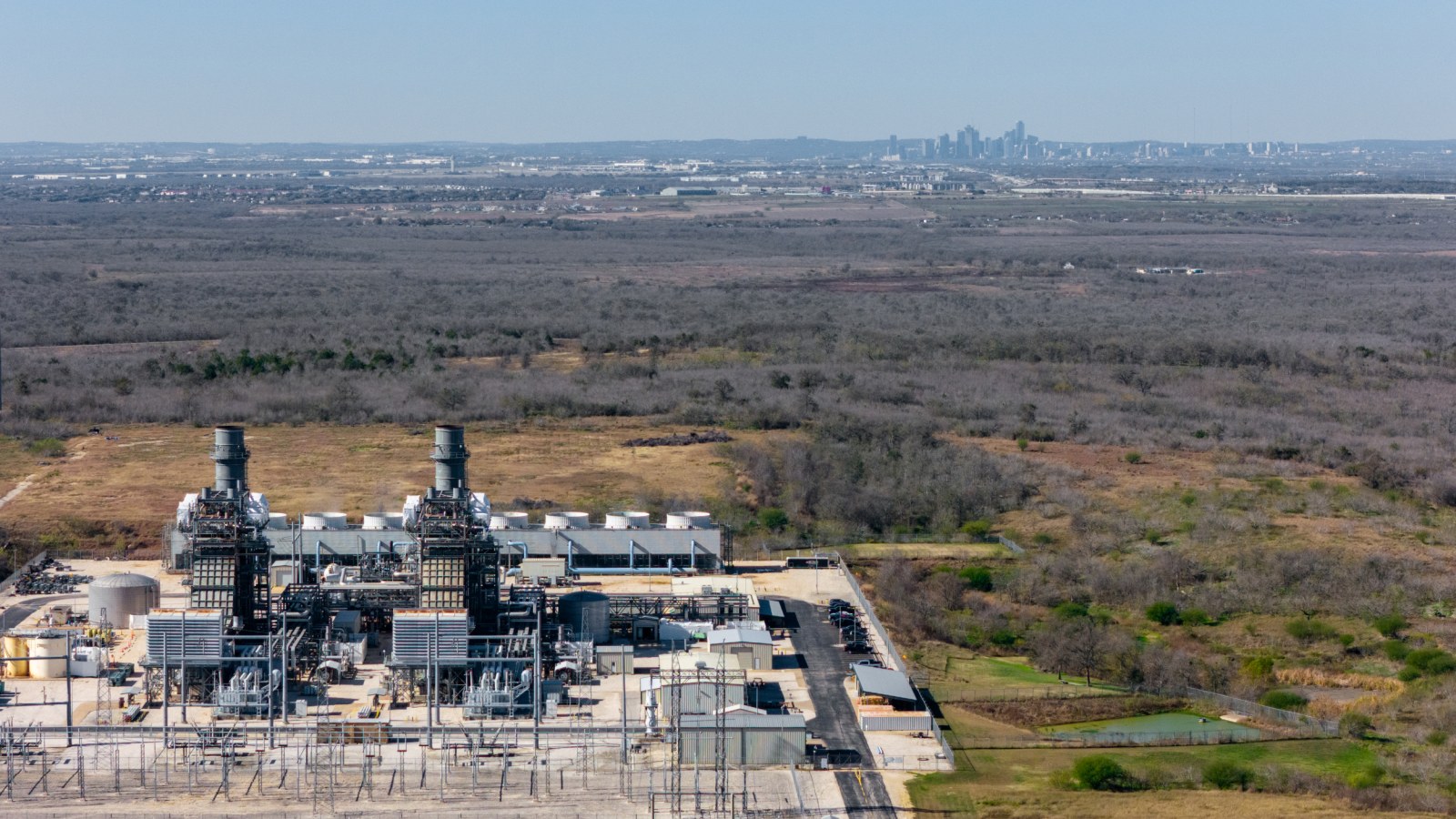
Major tech companies in the US are rapidly building natural gas power plants to meet the soaring energy needs of AI data centers. These projects are often fast-tracked with minimal public oversight or environmental review, raising concerns about potential environmental and public health risks linked to AI infrastructure growth.[AI generated]

Why's our monitor labelling this an incident or hazard?

The event involves AI systems indirectly because the power plants are built specifically to serve AI data centers, whose operation depends on AI systems. The harms described include air pollution causing respiratory illness and environmental damage, which are realized harms to communities. The rapid approval and secrecy limit public oversight, increasing the risk and actual occurrence of harm. Since the AI systems' demand for power is a necessary factor in the chain of events causing harm, this qualifies as an AI Incident due to indirect harm to health and environment caused by AI-related infrastructure development.[AI generated]

AI principles
SustainabilityTransparency & explainability

Industries
Energy, raw materials, and utilitiesIT infrastructure and hosting

Affected stakeholders
General public

Harm types
EnvironmentalPhysical (injury)

Severity
AI incident


Articles about this incident or hazard

Thumbnail Image

Fast-tracked power plants fuel AI boom, with little public scrutiny

2026-06-16
Reuters
Why's our monitor labelling this an incident or hazard?
The event involves AI systems indirectly because the power plants are built specifically to serve AI data centers, whose operation depends on AI systems. The harms described include air pollution causing respiratory illness and environmental damage, which are realized harms to communities. The rapid approval and secrecy limit public oversight, increasing the risk and actual occurrence of harm. Since the AI systems' demand for power is a necessary factor in the chain of events causing harm, this qualifies as an AI Incident due to indirect harm to health and environment caused by AI-related infrastructure development.
Thumbnail Image

Fast-tracked power plants fuel AI boom, with little public scrutiny

2026-06-16
Economic Times
Why's our monitor labelling this an incident or hazard?
The event involves AI systems only indirectly, as the power plants are built to meet the energy demands of AI data centers. The harms described relate to environmental pollution and public health risks from natural gas power plants, not from AI system malfunction, misuse, or development. There is no direct or indirect causal link between AI system operation and the harms; rather, the harms arise from the energy infrastructure expansion. The article also discusses governance, transparency, and regulatory issues related to AI infrastructure, which fits the definition of Complementary Information. It does not describe a new AI Incident or AI Hazard, but rather provides supporting context about AI's broader societal and environmental footprint.
Thumbnail Image

Fast-tracked power plants fuel AI boom, with little public scrutiny

2026-06-17
The Japan Times
Why's our monitor labelling this an incident or hazard?
The article involves AI systems indirectly through the demand for data center power to support AI development. The rapid construction of natural gas power plants to serve these data centers leads to air pollution and potential health harms to nearby residents, fulfilling harm criteria (a) injury or harm to health and (d) harm to communities/environment. The AI system's development/use is a necessary factor driving this infrastructure expansion. The harms are realized or ongoing, not just potential. Hence, this is an AI Incident due to indirect harm caused by AI-related infrastructure development and lack of regulatory transparency.
Thumbnail Image

Fast-tracked power plants fuel AI boom, with little public scrutiny

2026-06-16
Idaho Statesman
Why's our monitor labelling this an incident or hazard?
The event involves AI systems indirectly because the power plants are built to serve AI data centers, fueling AI development. The harms are realized: air pollution from natural gas plants causes respiratory illness and environmental damage, affecting nearby residents' health and communities. The rapid, secretive approval process exacerbates the harm by limiting public input and oversight. Although the AI systems themselves are not malfunctioning or misused, the infrastructure supporting AI causes direct harm to health and communities, fitting the definition of an AI Incident with indirect causation. The article does not describe a potential future harm but an ongoing harm linked to AI infrastructure.
Thumbnail Image

Fast-Tracked Gas Plants Power AI Boom Amid Rising Transparency Concerns

2026-06-16
Modern Diplomacy
Why's our monitor labelling this an incident or hazard?
The article explicitly links the surge in AI infrastructure to increased energy demand met by fast-tracked natural gas power plants. These plants are AI-related infrastructure but the harms discussed (environmental pollution, community concerns) are potential and not yet realized. The AI systems themselves are not malfunctioning or causing harm directly; rather, the energy infrastructure built to support AI could plausibly lead to environmental and community harm. This fits the definition of an AI Hazard, as the event describes circumstances where AI system use could plausibly lead to harm, but no direct or indirect harm has yet occurred.
Thumbnail Image

AI Boom Drives Fast-Tracked Approval of Natural Gas Powerplants With Little Oversight: Report

2026-06-16
International Business Times
Why's our monitor labelling this an incident or hazard?
The article does not report any direct or indirect harm caused by AI systems themselves, but rather by the infrastructure supporting AI (natural gas power plants). The AI systems' role is indirect, as they drive demand for energy, but the harms arise from environmental pollution and regulatory issues related to power plants. There is no indication that AI systems malfunctioned, were misused, or caused harm. The concerns are about environmental health risks and lack of oversight, which are societal and governance issues connected to AI infrastructure growth. This fits the definition of Complementary Information, as it provides context and updates on the broader AI ecosystem's impact without describing a specific AI Incident or AI Hazard.
Thumbnail Image

Fast-tracked power plants drive AI boom with limited scrutiny

2026-06-17
Crypto Briefing
Why's our monitor labelling this an incident or hazard?
The article does not describe an AI system malfunction or misuse causing harm, nor does it describe a direct or indirect harm caused by AI systems themselves. Instead, it discusses how AI's growing energy demands are influencing regulatory and infrastructure decisions, potentially leading to environmental and community harms. These harms are not directly caused by AI systems but are secondary effects of AI infrastructure expansion and policy changes. This fits the definition of Complementary Information, as it provides context and insight into the broader societal and governance implications of AI growth, without reporting a new AI Incident or AI Hazard.
Thumbnail Image

AI Data Centers Drive Rapid Power Plant Boom Beyond Public Scrutiny

2026-06-16
International Business Times, Singapore Edition
Why's our monitor labelling this an incident or hazard?
The article clearly involves AI systems indirectly through the demand for AI data centers driving new power plant construction. While no direct harm from AI system malfunction or misuse is reported, the environmental and public health concerns raised by the rapid buildout of natural gas power plants to support AI workloads represent plausible future harms linked to AI infrastructure expansion. The accelerated permitting and limited oversight increase the risk of harm, fitting the definition of an AI Hazard. It is not an AI Incident because no actual harm caused by AI systems has occurred yet, nor is it Complementary Information since the article focuses on the potential risks and systemic impacts rather than updates or responses to past incidents. It is not Unrelated because AI systems are central to the described energy demand and infrastructure developments.