Kansas City Faces Backlash Over Planned AI Facial Recognition on Public Buses

Thumbnail Image

The information displayed in the AIM should not be reported as representing the official views of the OECD or of its member countries.

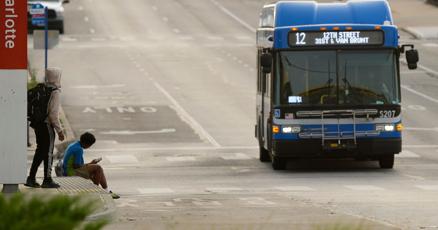
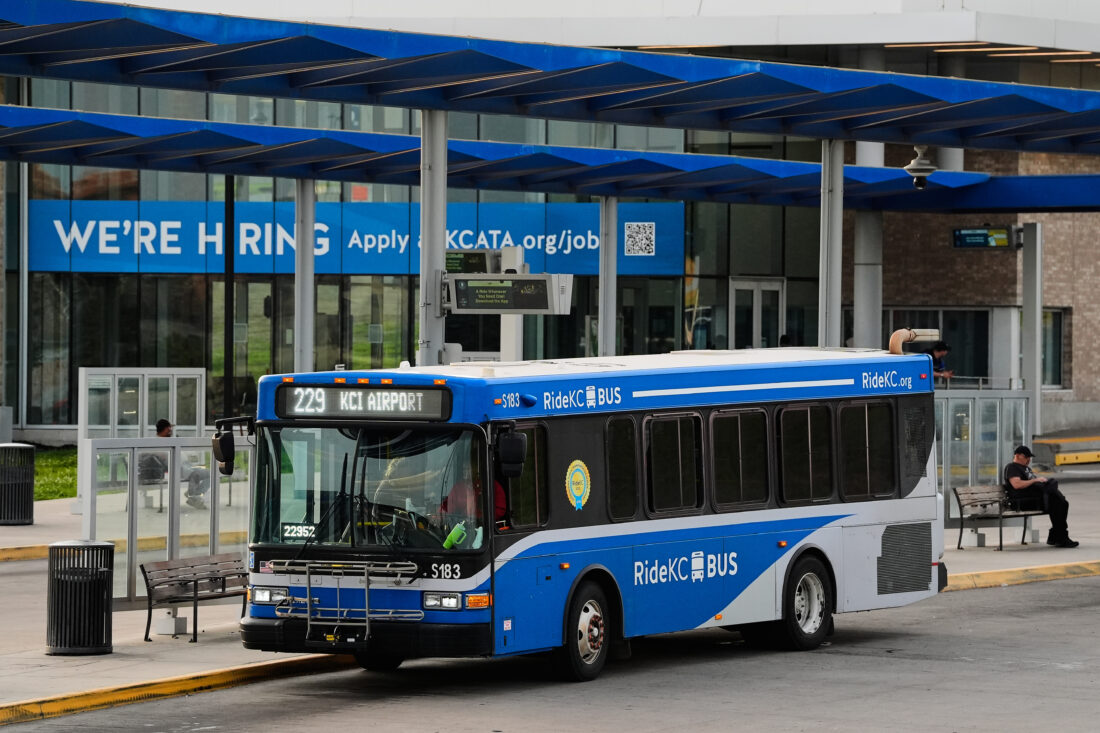
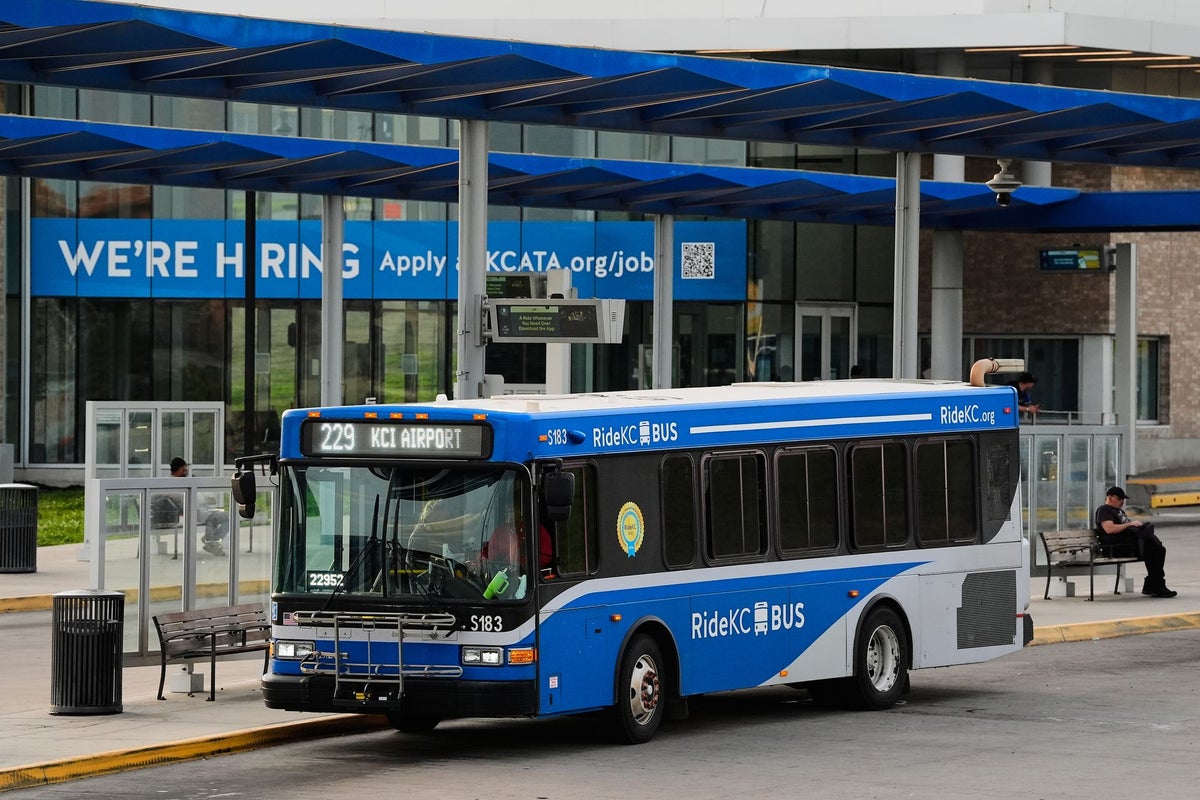
Kansas City, Missouri, plans to deploy AI-powered facial recognition cameras on public buses to identify banned riders and missing persons. The initiative has sparked significant debate over privacy and surveillance risks, with state funding withheld due to concerns, but the city is proceeding with local and federal support.[AI generated]

Why's our monitor labelling this an incident or hazard?

The event involves the use of an AI system (facial recognition software) in a public transportation context. While no direct harm has yet occurred, the article highlights strong concerns about privacy violations and the potential expansion of surveillance scope, which could lead to violations of human rights and privacy. The system's deployment is delayed but still planned, indicating a plausible future risk of harm. Hence, this qualifies as an AI Hazard rather than an AI Incident or Complementary Information, as the harm is potential and not yet realized.[AI generated]
AI principles
Privacy & data governanceRespect of human rights

Industries
Government, security, and defenceMobility and autonomous vehicles

Affected stakeholders
General public

Harm types
Human or fundamental rightsReputational

Severity
AI hazard

AI system task:
Recognition/object detection


Articles about this incident or hazard

Thumbnail Image

Push for facial recognition on public buses ignites fierce debate in Kansas City

2026-06-18
The Independent
Why's our monitor labelling this an incident or hazard?
The event involves the use of an AI system (facial recognition software) in a public transportation context. While no direct harm has yet occurred, the article highlights strong concerns about privacy violations and the potential expansion of surveillance scope, which could lead to violations of human rights and privacy. The system's deployment is delayed but still planned, indicating a plausible future risk of harm. Hence, this qualifies as an AI Hazard rather than an AI Incident or Complementary Information, as the harm is potential and not yet realized.
Thumbnail Image

Facial Recognition On Public Buses? US City Sparks Debate Privacy Debate

2026-06-18
NDTV
Why's our monitor labelling this an incident or hazard?
The event involves the use of an AI system (facial recognition software) in a public transportation context. While no actual harm has yet occurred because the system has not been deployed, the article clearly outlines plausible future harms related to privacy violations, surveillance overreach, and potential misuse of the technology. These concerns align with the definition of an AI Hazard, as the development and intended use of the AI system could plausibly lead to violations of human rights and privacy. Since the harm is potential and not realized, and the article focuses on the debate and planning stages rather than an incident of harm, the classification as an AI Hazard is appropriate.
Thumbnail Image

A city's push for facial recognition on public buses ignites debate over security and privacy

2026-06-18
Yahoo! Finance
Why's our monitor labelling this an incident or hazard?
The event involves the use of an AI system (facial recognition software) in a public transportation context. Although the system is intended to enhance security, the deployment raises credible concerns about privacy and human rights violations. Since no actual harm or rights violations have been reported yet, but the potential for such harm is clearly plausible, this qualifies as an AI Hazard rather than an AI Incident. The article focuses on the potential risks and societal debate rather than a realized incident of harm.
Thumbnail Image

Push for facial recognition on public buses ignites fierce debate in Kansas City

2026-06-18
Yahoo News
Why's our monitor labelling this an incident or hazard?
The event involves the use of an AI system (facial recognition software) in public buses, which is currently not deployed but planned. The article focuses on the debate and concerns about privacy and surveillance, indicating plausible risks of harm such as privacy violations and potential misuse. Since no actual harm or incident has occurred yet, and the rollout is delayed, this qualifies as an AI Hazard rather than an AI Incident. The article does not primarily focus on responses or updates to a past incident, so it is not Complementary Information. It is not unrelated because it clearly involves AI systems and their societal implications.
Thumbnail Image

A City's Push for Facial Recognition on Public Buses Ignites Debate Over Security and Privacy

2026-06-18
U.S. News & World Report
Why's our monitor labelling this an incident or hazard?
The event involves the use of an AI system (facial recognition software) in a public transportation context. Although no direct harm has occurred yet, the deployment of this technology could plausibly lead to violations of privacy rights and other harms related to surveillance and misuse, as highlighted by privacy advocates and historical precedents. Since the system is not yet operational and no incident has materialized, but there is a credible risk of future harm, this qualifies as an AI Hazard rather than an AI Incident. The article focuses on the potential implications and debates surrounding the technology's use, fitting the definition of an AI Hazard.
Thumbnail Image

A city's push for facial recognition on public buses ignites debate over security and privacy

2026-06-18
The Boston Globe
Why's our monitor labelling this an incident or hazard?
The article explicitly mentions the use of facial recognition AI software on public buses, which qualifies as an AI system. The system's intended use involves surveillance and identification of individuals, raising privacy and human rights concerns. Although the rollout was delayed and no direct harm has occurred, the plausible future misuse or expansion of surveillance capabilities could lead to violations of rights and privacy, fitting the definition of an AI Hazard. Since no harm has materialized yet, and the event centers on the potential risks and debate rather than an actual incident, the classification is AI Hazard.
Thumbnail Image

A city's push for facial recognition on public buses ignites debate over security and privacy - MyNorthwest.com

2026-06-18
My Northwest
Why's our monitor labelling this an incident or hazard?
The event involves the use of an AI system (facial recognition software) in a public transportation context. Although no direct harm has occurred yet, the article highlights plausible future harms related to privacy violations and potential misuse of surveillance technology. This fits the definition of an AI Hazard, as the development and intended use of the AI system could plausibly lead to an AI Incident involving violations of human rights and privacy. The article does not report any realized harm or incident, so it cannot be classified as an AI Incident. It is more than general AI news or complementary information because it focuses on the potential risks and societal debate around this specific AI deployment.
Thumbnail Image

A city's push for facial recognition on public buses ignites debate over security and privacy

2026-06-18
Bangor Daily News
Why's our monitor labelling this an incident or hazard?
The event involves an AI system (facial recognition software) intended for use on public buses. Although the system is not yet active and no direct harm has occurred, the article outlines credible concerns about privacy violations and potential misuse, which constitute plausible future harms. The AI system's deployment in public spaces with live facial recognition capabilities could lead to violations of human rights and privacy, fitting the definition of an AI Hazard. Since no realized harm is reported, it does not qualify as an AI Incident. The article is not merely complementary information because it focuses on the planned deployment and associated risks rather than responses or updates to past incidents.
Thumbnail Image

A city's push for facial recognition on public buses ignites debate over security and privacy

2026-06-18
Court House News Service
Why's our monitor labelling this an incident or hazard?
The article explicitly involves an AI system (facial recognition software) intended for use on public buses. The deployment was stopped before launch, so no direct harm has occurred yet. However, the use of facial recognition in public spaces raises plausible risks of human rights violations and privacy breaches, which are recognized harms under the framework. Therefore, this event qualifies as an AI Hazard because it plausibly could lead to an AI Incident if the system were deployed without adequate protections. It is not Complementary Information because the main focus is on the planned deployment and its implications, not on responses or updates to a past incident. It is not an AI Incident because no harm has yet materialized.
Thumbnail Image

A city's push for facial recognition on public buses ignites debate over security and privacy

2026-06-18
The Daily Gazette
Why's our monitor labelling this an incident or hazard?
The facial recognition system is an AI system used for real-time identification. Although no harm has yet occurred, the deployment could plausibly lead to violations of privacy rights and other harms related to surveillance, which fits the definition of an AI Hazard. The article focuses on the potential implications and debate rather than reporting an actual incident of harm, so it is not an AI Incident. It is also not merely complementary information or unrelated, as the AI system's use and its plausible risks are central to the event.
Thumbnail Image

A city's push for facial recognition on public buses ignites debate over security and privacy

2026-06-18
The News-Gazette
Why's our monitor labelling this an incident or hazard?
The event involves the use of an AI system (facial recognition software) in a public transportation context. Although the system is not yet deployed and no direct harm has occurred, the article discusses credible concerns about privacy violations and surveillance expansion, which could plausibly lead to violations of human rights and harm to communities. Therefore, this qualifies as an AI Hazard rather than an AI Incident. The article does not focus on responses or updates to past incidents, so it is not Complementary Information, nor is it unrelated to AI harms.
Thumbnail Image

Kansas City, Missouri, proposal to put facial recognition software on public transit buses draws concern

2026-06-18
LJWorld.com
Why's our monitor labelling this an incident or hazard?
The event involves the planned use of an AI system (facial recognition software) on public buses, which is not yet operational, so no realized harm has occurred. The article focuses on concerns about privacy, surveillance, and potential misuse, which are plausible future harms. This fits the definition of an AI Hazard, as the development and intended use of the AI system could plausibly lead to violations of rights and harm to communities. The article does not describe an actual incident of harm or malfunction, so it is not an AI Incident. It is also not merely complementary information or unrelated news, as the AI system and its potential impacts are central to the report.
Thumbnail Image

A city's push for facial recognition on public buses ignites debate over security and privacy

2026-06-18
Las Vegas Sun
Why's our monitor labelling this an incident or hazard?
The event involves the use of an AI system (facial recognition software) in a public transportation context. Although no direct harm has occurred yet, the article highlights credible concerns about privacy violations and the potential for expanded surveillance, which could lead to violations of human rights and privacy. This fits the definition of an AI Hazard, as the development and intended use of the AI system could plausibly lead to an AI Incident involving harm to rights and communities. The article does not report any realized harm or incident, so it is not an AI Incident. It is also not merely complementary information or unrelated, as the focus is on the potential risks and deployment of the AI system.
Thumbnail Image

AP Business SummaryBrief at 12:07 a.m. EDT

2026-06-18
Eagle-Tribune
Why's our monitor labelling this an incident or hazard?
Facial recognition is an AI system used for identification and surveillance. The article mentions privacy concerns and potential misuse, which are credible risks that could lead to violations of human rights or privacy breaches. Since the deployment is delayed and no actual harm is reported, but the technology's use could plausibly lead to harm, this qualifies as an AI Hazard rather than an Incident. The involvement is in the use phase, with potential future harm from privacy violations or misuse.
Thumbnail Image

Facial recognition plan for Kansas City buses stalls as privacy debate widens

2026-06-18
Biometric Update
Why's our monitor labelling this an incident or hazard?
The event involves the use of an AI system (facial recognition with AI monitoring) in a public transportation context. Although the system is not yet operational and no harm has been reported, the deployment of live biometric surveillance with AI raises credible risks of violations of privacy and human rights, including potential misuse, errors in matching, and expansion of watch lists without adequate oversight. These risks constitute plausible future harms that could lead to an AI Incident if the system is deployed without sufficient safeguards. Therefore, this event qualifies as an AI Hazard because it describes a credible risk of harm stemming from the AI system's intended use, even though no actual harm has yet occurred.
Thumbnail Image

A city's push for facial recognition on public buses ignites debate...

2026-06-18
Mail Online
Why's our monitor labelling this an incident or hazard?
The event involves an AI system (facial recognition software) intended for use on public buses. The system's use has not yet commenced, and no direct harm has been reported. However, the deployment could plausibly lead to harms such as violations of privacy rights and potential misuse or expansion of surveillance beyond initial scope, which are recognized as significant harms under the framework. Since the harm is potential and not realized, this qualifies as an AI Hazard rather than an AI Incident. The article also discusses societal and governance concerns but focuses primarily on the planned AI system and its potential risks rather than responses or updates to past incidents.
Thumbnail Image

Kansas City's push for facial recognition on buses ignites debate

2026-06-19
1News
Why's our monitor labelling this an incident or hazard?
The article explicitly mentions the use of AI-powered facial recognition software on public buses, which qualifies as an AI system. The system's use is intended but has not yet been implemented, so no direct harm has occurred. However, the deployment of such surveillance technology in public spaces with AI raises credible concerns about potential violations of privacy and human rights, which are recognized harms under the framework. The debate and opposition from privacy advocates and civil liberties groups underscore the plausible risk of harm. Therefore, this event fits the definition of an AI Hazard, as the AI system's use could plausibly lead to an AI Incident involving privacy and rights violations if deployed without adequate safeguards.