AI Facial Recognition at ATMs Reduces Fraud in Taiwan

Thumbnail Image

The information displayed in the AIM should not be reported as representing the official views of the OECD or of its member countries.

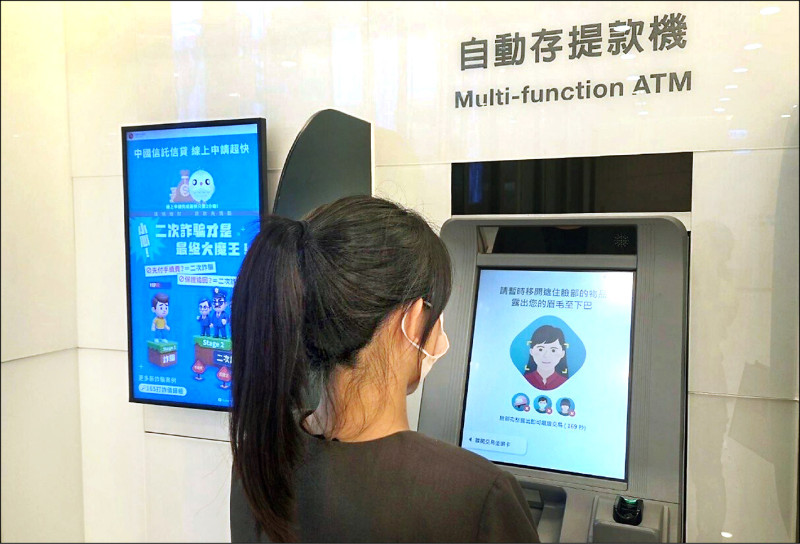
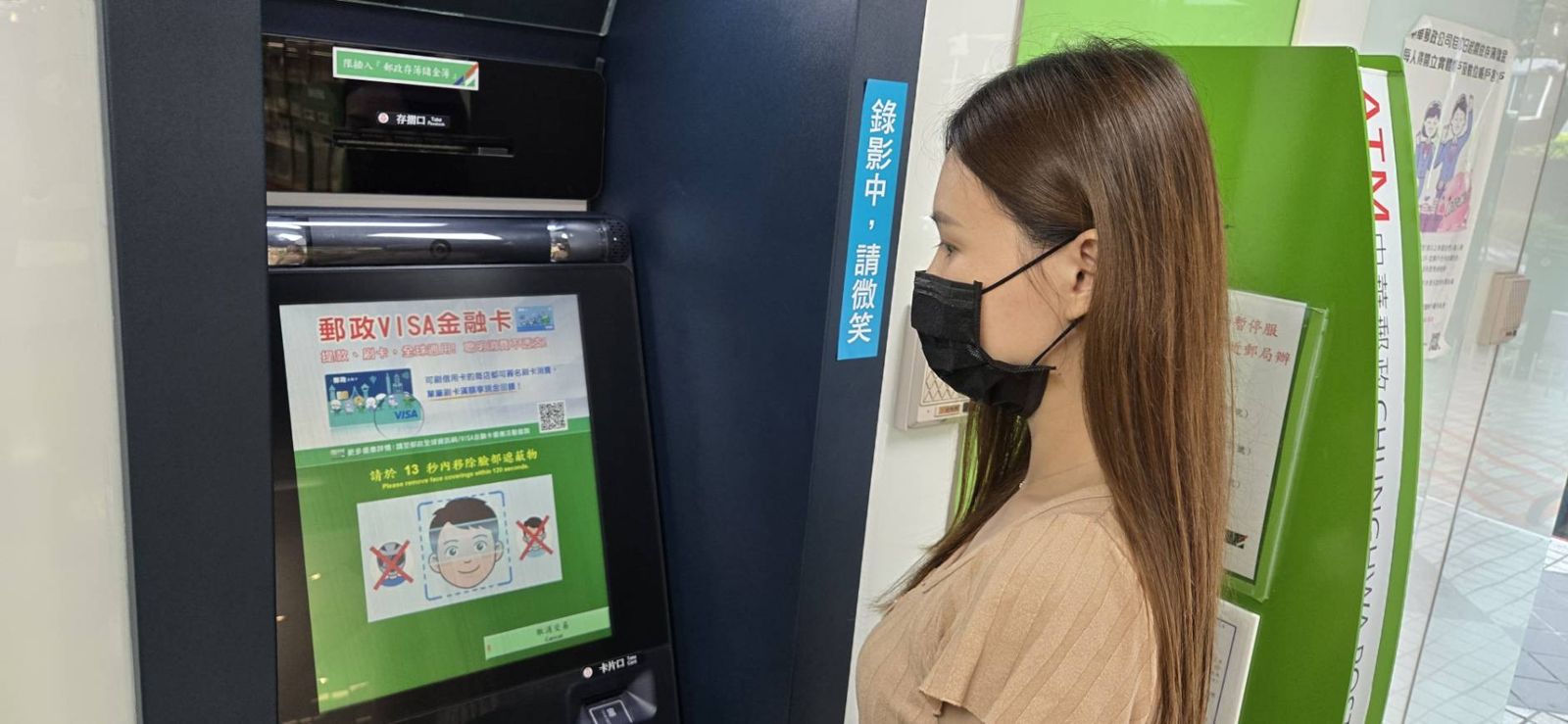
Taiwanese police and financial institutions deployed AI-powered facial recognition and risk detection systems at ATMs to identify users with obscured faces, a common tactic by fraudsters. This initiative led to a significant drop in fraud cases and financial losses, effectively disrupting criminal cash withdrawals and reducing harm to property and communities.[AI generated]

Why's our monitor labelling this an incident or hazard?

The event involves the use of an AI system (facial recognition with AI computer vision) in ATM fraud prevention. The AI system's use has directly led to a significant reduction in financial losses from fraud, which constitutes harm to property and communities. Since the AI system's deployment has already caused a measurable decrease in harm, this qualifies as an AI Incident rather than a hazard or complementary information. The article focuses on the AI system's role in preventing harm, not just potential or future risks, nor is it merely an update or general news.[AI generated]
Industries
Financial and insurance servicesGovernment, security, and defence

Severity
AI incident

Business function:
ICT management and information security

AI system task:
Recognition/object detectionEvent/anomaly detection


Articles about this incident or hazard

Thumbnail Image

打詐成效曝光!詐騙財損年減37% ATM臉部辨識成功阻金流 - OwlNews

2026-06-20
OwlNews
Why's our monitor labelling this an incident or hazard?
The event involves the use of an AI system (facial recognition with AI computer vision) in ATM fraud prevention. The AI system's use has directly led to a significant reduction in financial losses from fraud, which constitutes harm to property and communities. Since the AI system's deployment has already caused a measurable decrease in harm, this qualifies as an AI Incident rather than a hazard or complementary information. The article focuses on the AI system's role in preventing harm, not just potential or future risks, nor is it merely an update or general news.
Thumbnail Image

嚇阻車手!ATM臉部遮蔽示警再擴大 刑事局:阻詐4148萬元、銀行澄清不擾民

2026-06-18
Yahoo News (Taiwan)
Why's our monitor labelling this an incident or hazard?
The article explicitly mentions the use of AI-based facial recognition technology at ATMs to detect face coverings and prevent fraudulent withdrawals, which is an AI system in use. The AI system's deployment has directly led to a reduction in fraud cases and financial losses, which is a form of harm (financial crime) being mitigated. The event involves the use of AI in a real-world application with measurable impact on reducing harm, fitting the definition of an AI Incident. Although the harm prevented is financial fraud rather than physical injury, it falls under harm to property and communities. The article does not describe potential or future harm but actual impact, so it is not an AI Hazard. It is not merely complementary information because the main focus is on the AI system's deployment and its direct effect on reducing harm. Therefore, the classification is AI Incident.
Thumbnail Image

中郵ATM臉部遮蔽示警功能 守護財產安全

2026-06-18
Yahoo News (Taiwan)
Why's our monitor labelling this an incident or hazard?
The facial occlusion recognition module is an AI system used to detect when a user's face is covered at the ATM. Its deployment aims to prevent fraud, which is a harm to property and communities. Since the system is actively used to deter and reduce fraud incidents, this constitutes an AI Incident where the AI system's use directly contributes to preventing harm. The article describes the system's use to protect financial assets, which is a form of harm to property, thus meeting the criteria for an AI Incident.
Thumbnail Image

ATM不再成為詐團提款破口 「臉部遮蔽示警」及「風險偵測機制」試辦有成

2026-06-20
Yahoo News (Taiwan)
Why's our monitor labelling this an incident or hazard?
The article explicitly mentions AI-based visual detection systems at ATMs that identify facial coverings and risk patterns to prevent fraudulent transactions. The deployment of these AI systems has directly contributed to preventing nearly 2000 fraud incidents, reducing financial losses significantly. This is a clear case where AI use has directly led to harm reduction, fitting the definition of an AI Incident involving harm to property and communities.
Thumbnail Image

「臉部遮蔽示警功能」打詐奏效 車手嚇得不敢領錢

2026-06-18
Liberty Times Net
Why's our monitor labelling this an incident or hazard?
An AI system (computer vision-based facial occlusion detection) is explicitly mentioned as being used in ATM machines to detect face coverings that are commonly used by fraudsters to conceal identity. The system's use directly leads to a reduction in fraud-related financial harm, which is a form of harm to property and communities. Since the AI system's use has directly contributed to preventing and reducing harm, this qualifies as an AI Incident under the framework, as the AI system's involvement has led to a positive impact in reducing harm from fraud.
Thumbnail Image

嚇阻車手!ATM臉部遮蔽示警再擴大 刑事局:阻詐4148萬元、銀行澄清不擾民 - 鏡週刊 Mirror Media

2026-06-18
鏡週刊 Mirror Media
Why's our monitor labelling this an incident or hazard?
The event involves the use of an AI system (facial recognition with mask detection and voice alerts) in ATM operations to prevent fraud. The AI system's use has directly led to a reduction in fraudulent activities, which are harms to property and communities. Since the AI system's deployment has caused a positive impact by reducing harm, and the article reports on the actual use and effect of the AI system in preventing harm, this qualifies as an AI Incident. There is no indication of plausible future harm or just potential risk; the harm is ongoing and being mitigated by the AI system's use.
Thumbnail Image

ATM不再成為詐團提款破口 「臉部遮蔽示警」及「風險偵測機制」試辦有成

2026-06-20
新頭殼 Newtalk
Why's our monitor labelling this an incident or hazard?
The event involves AI systems used in ATM fraud prevention, specifically facial recognition and risk detection AI. The AI systems' use has directly led to harm reduction by preventing fraud and protecting property, which qualifies as harm to property and communities. Since the AI systems' deployment has already resulted in preventing actual fraud incidents, this is a realized harm mitigation scenario, thus an AI Incident rather than a hazard or complementary information. The article focuses on the successful use and impact of these AI systems in reducing fraud-related harm.