US Air Force Awards Contracts for Semi-Autonomous Combat Aircraft Fleet

Thumbnail Image

The information displayed in the AIM should not be reported as representing the official views of the OECD or of its member countries.

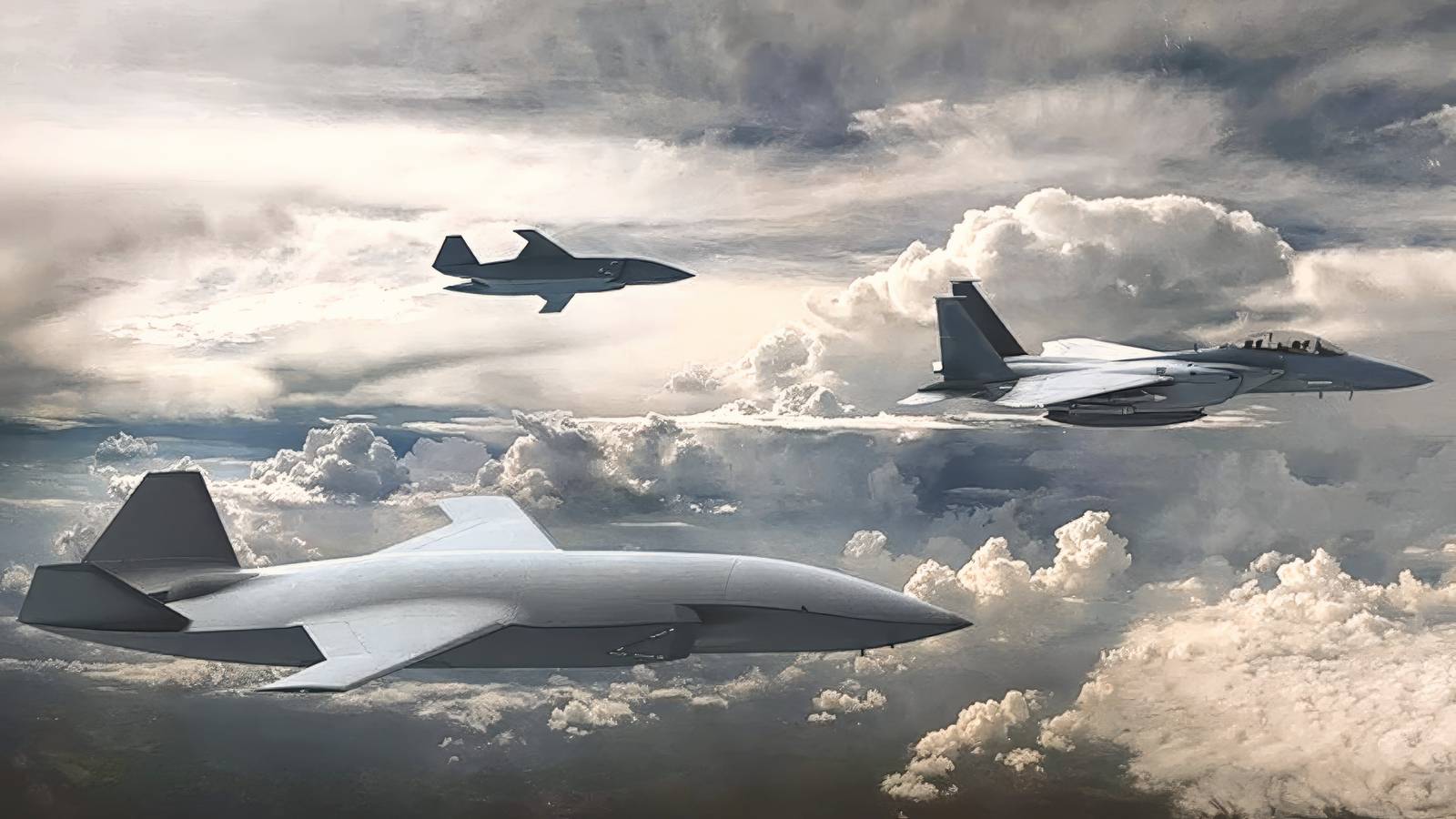
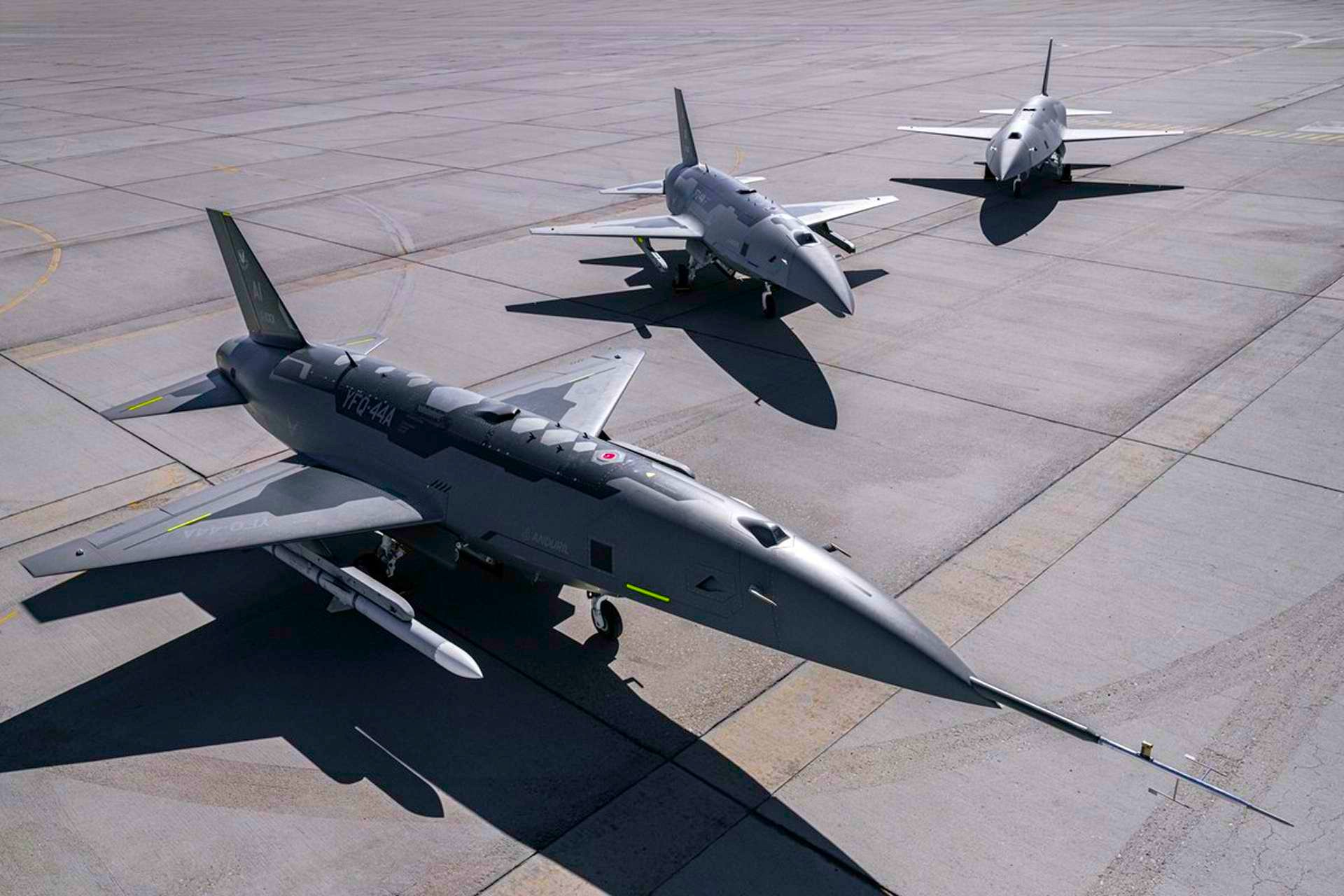
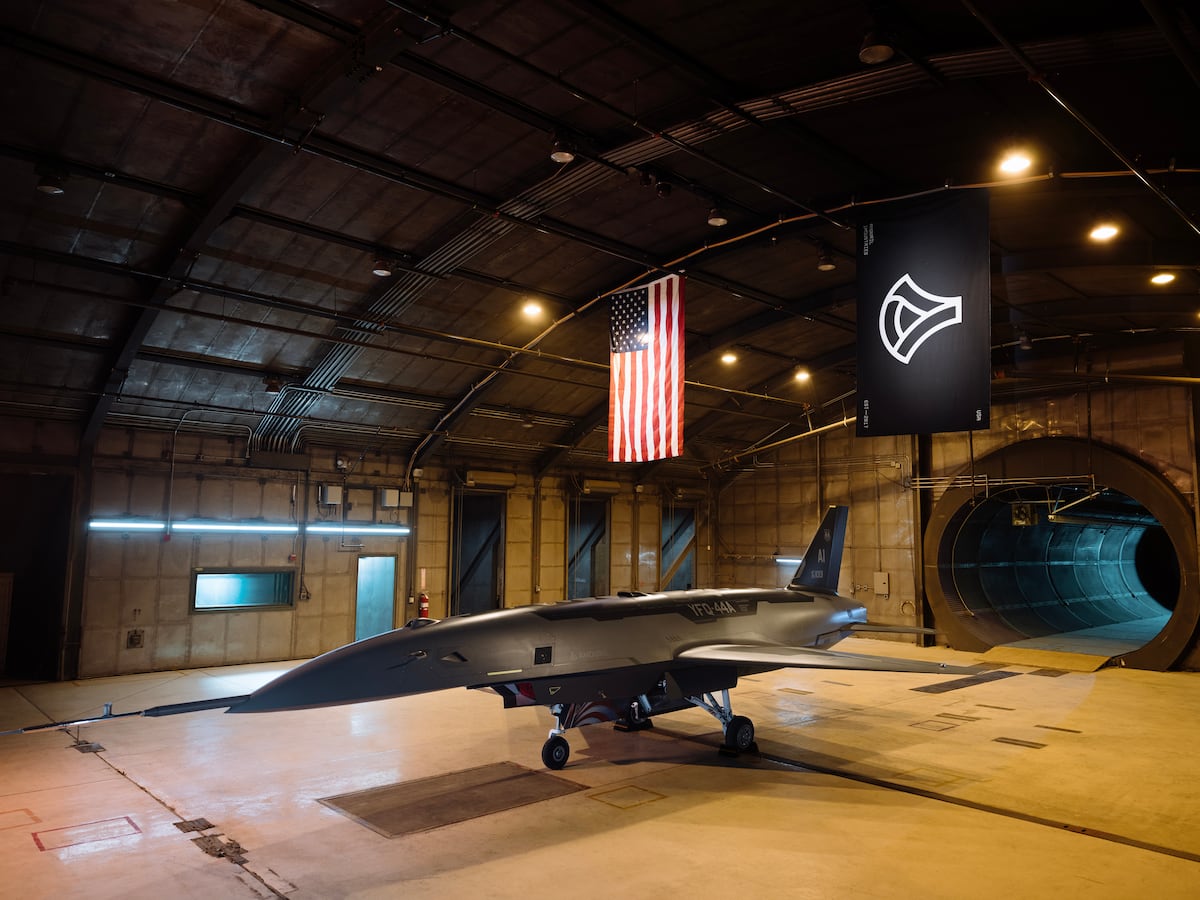
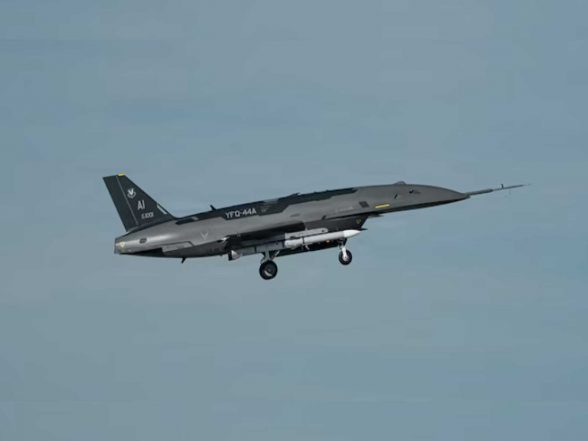
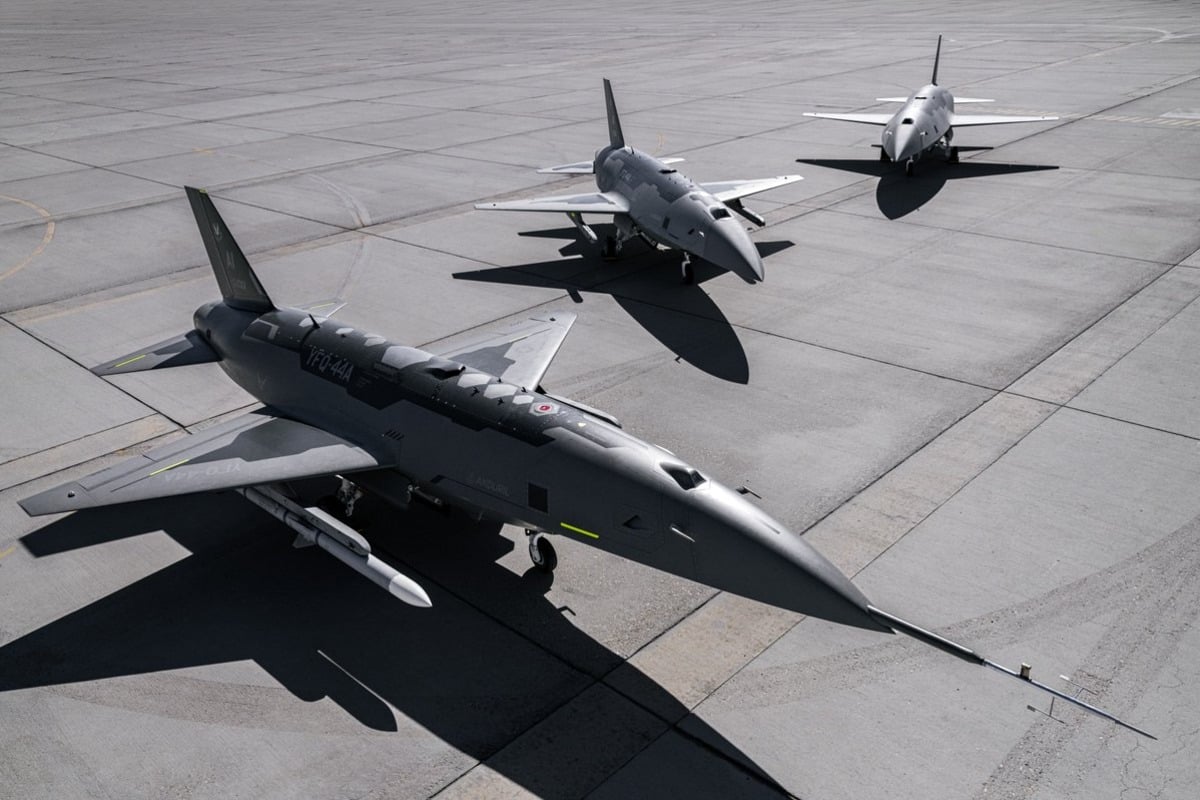
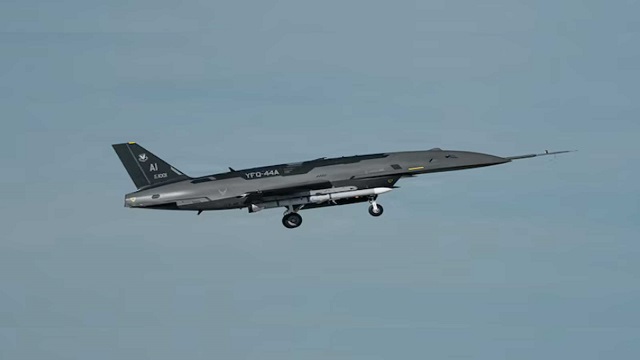
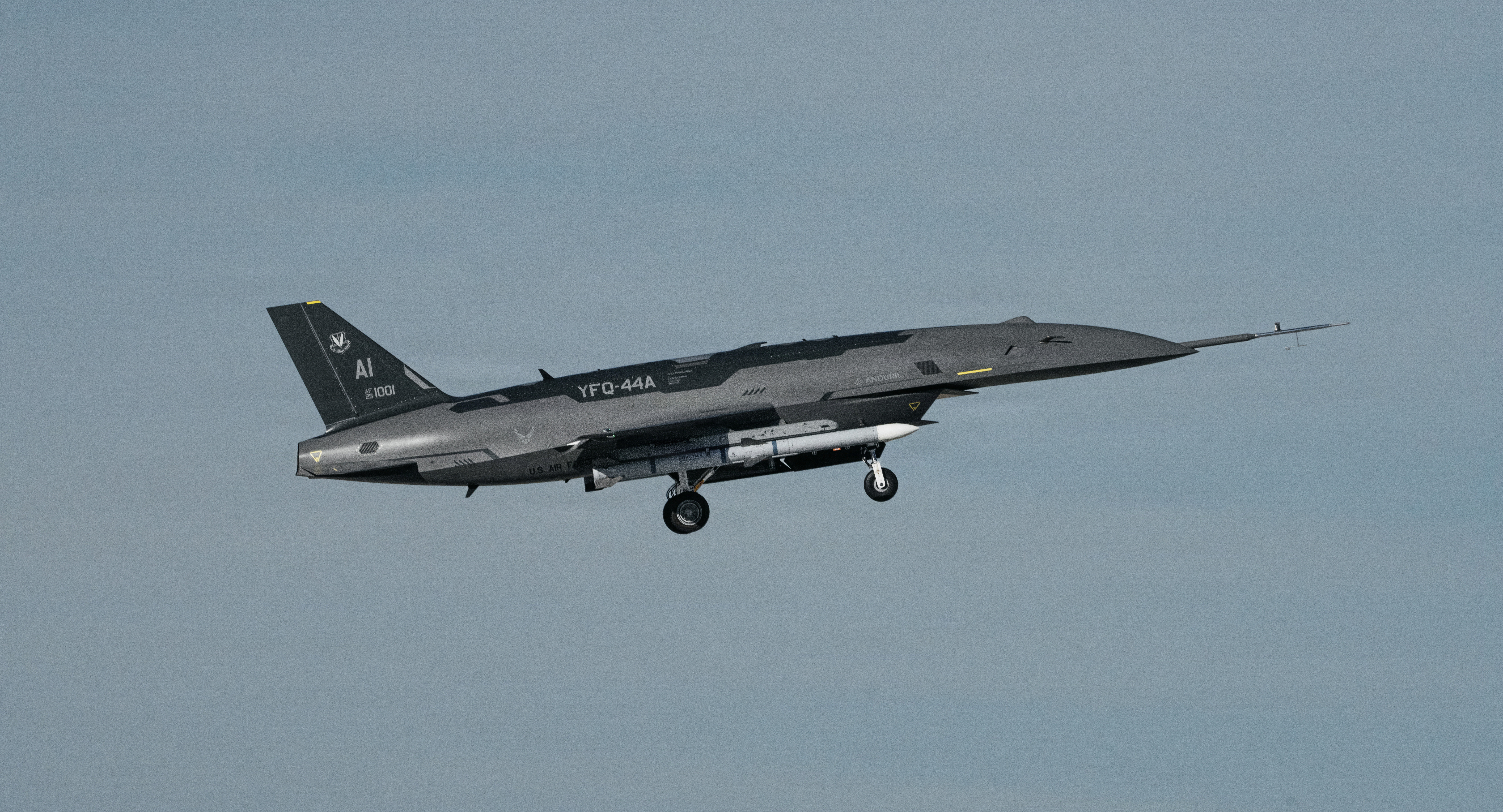
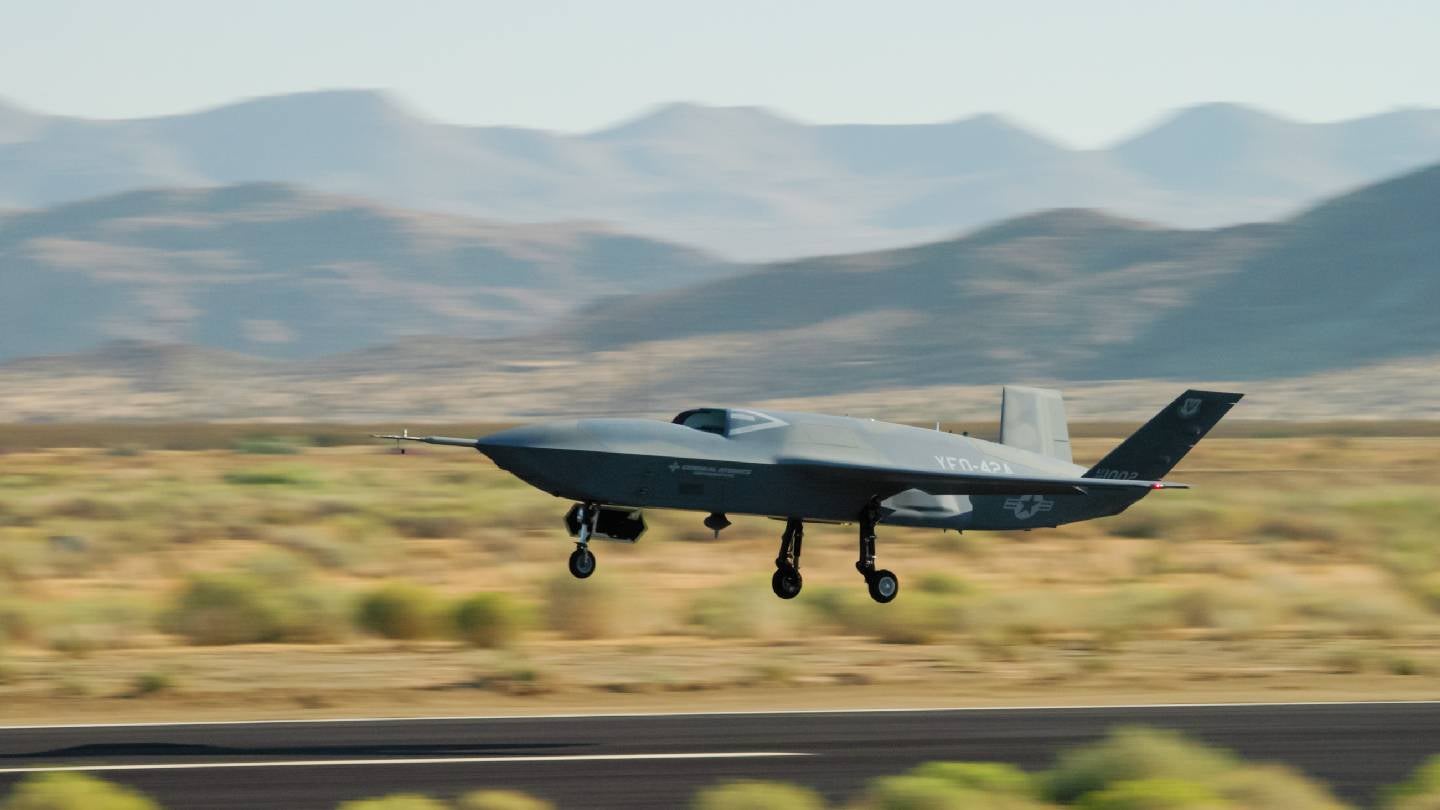
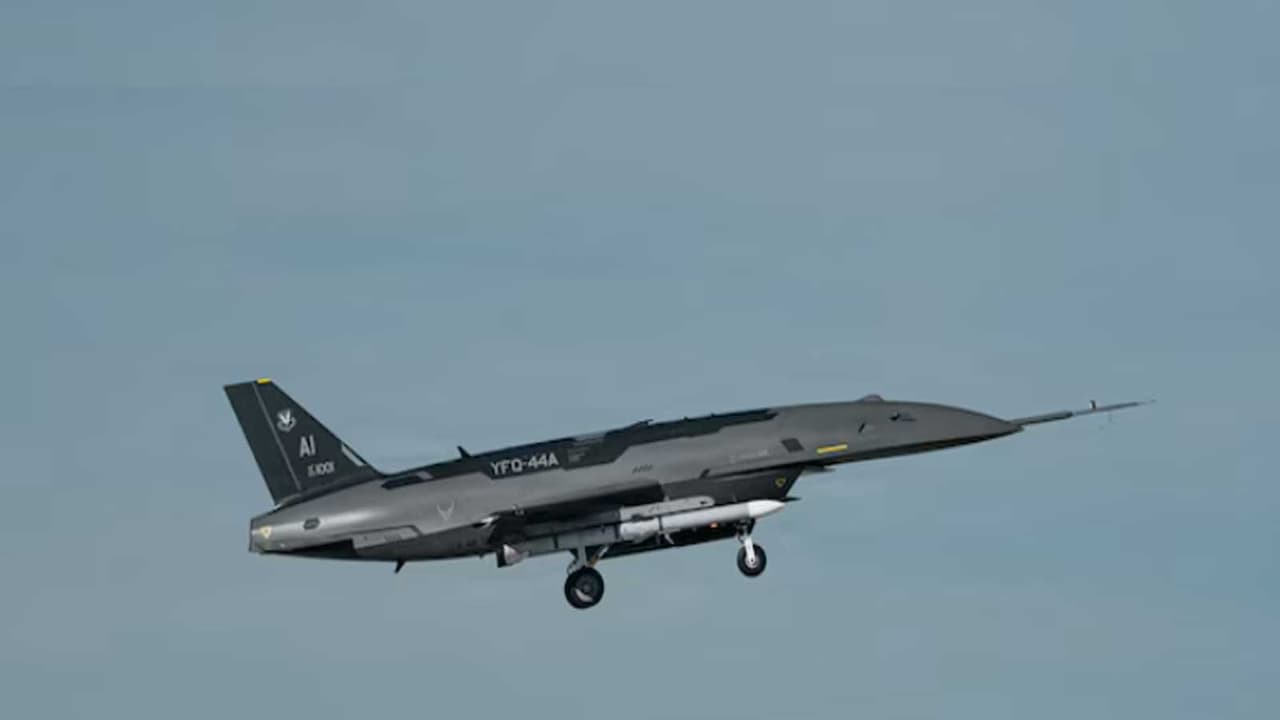
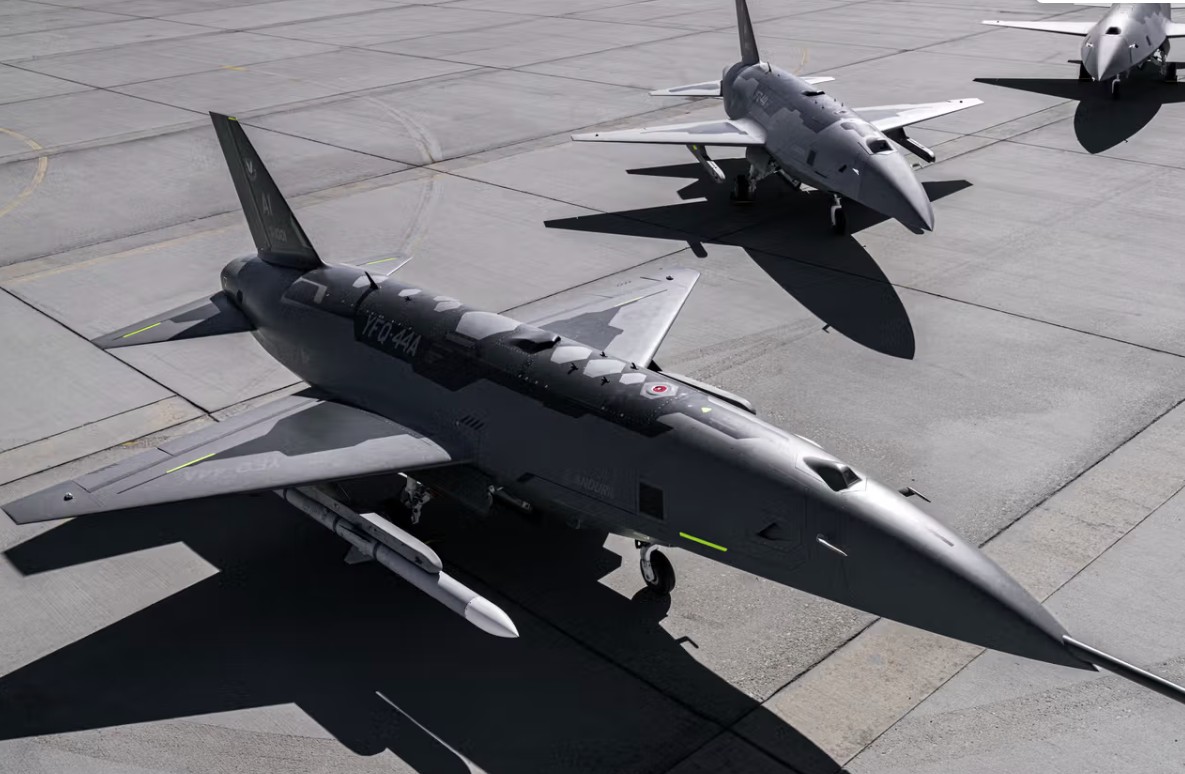
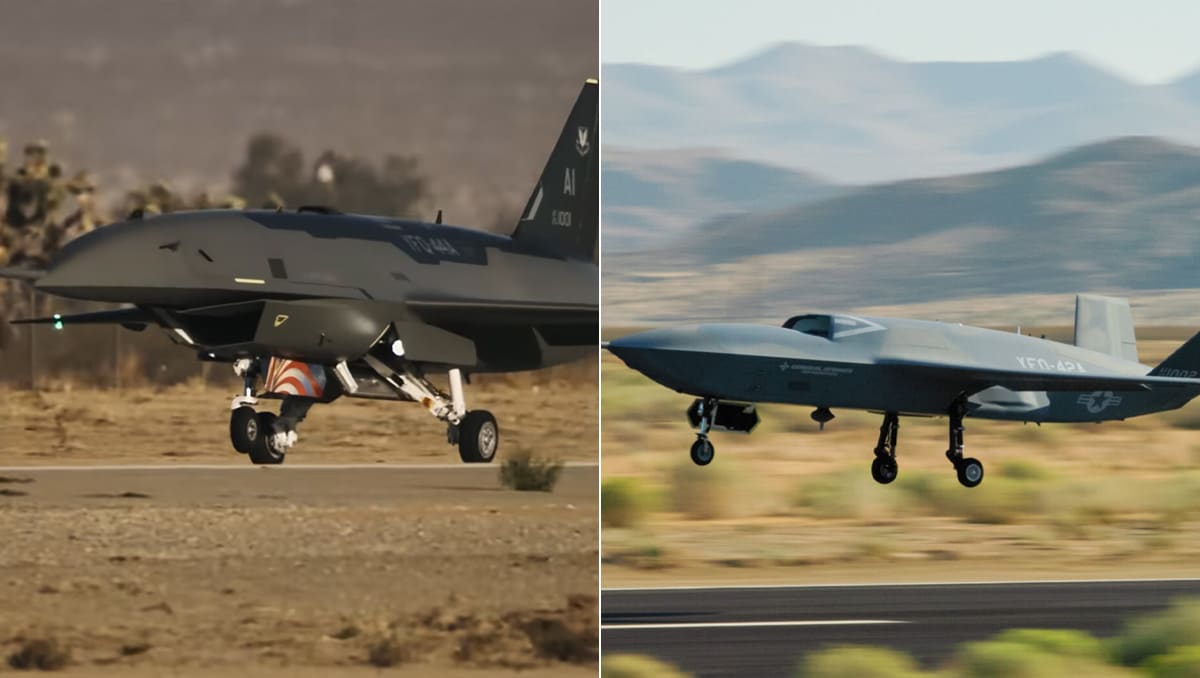
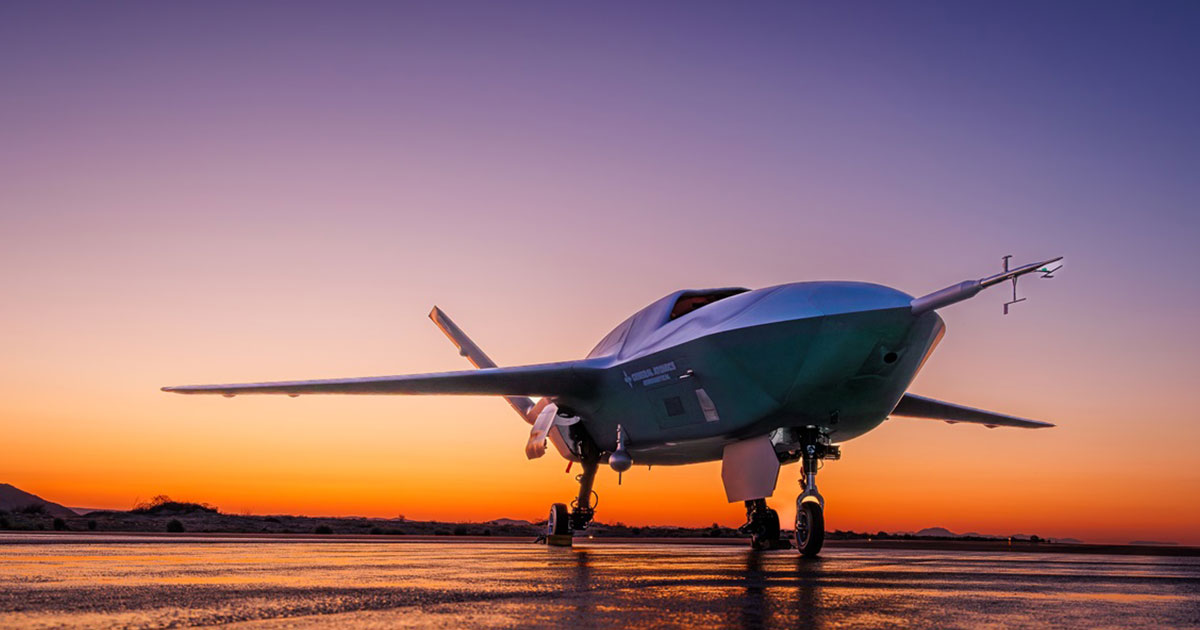
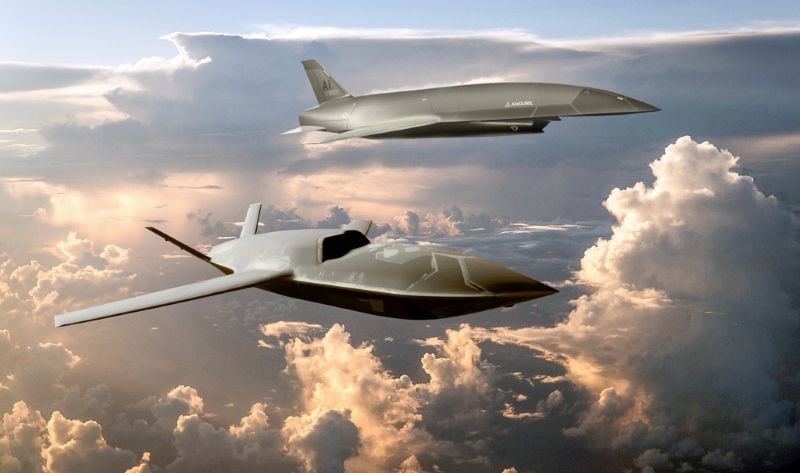
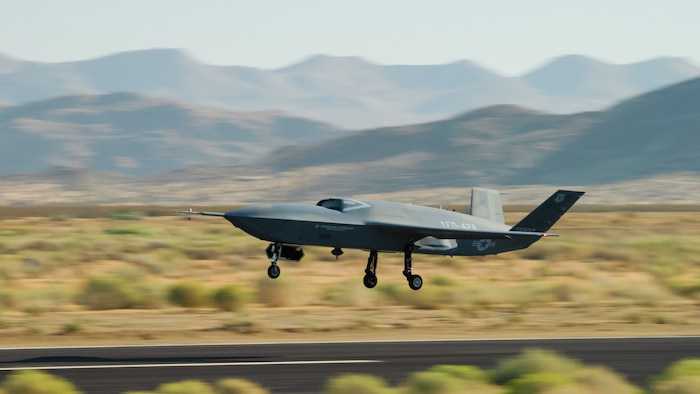
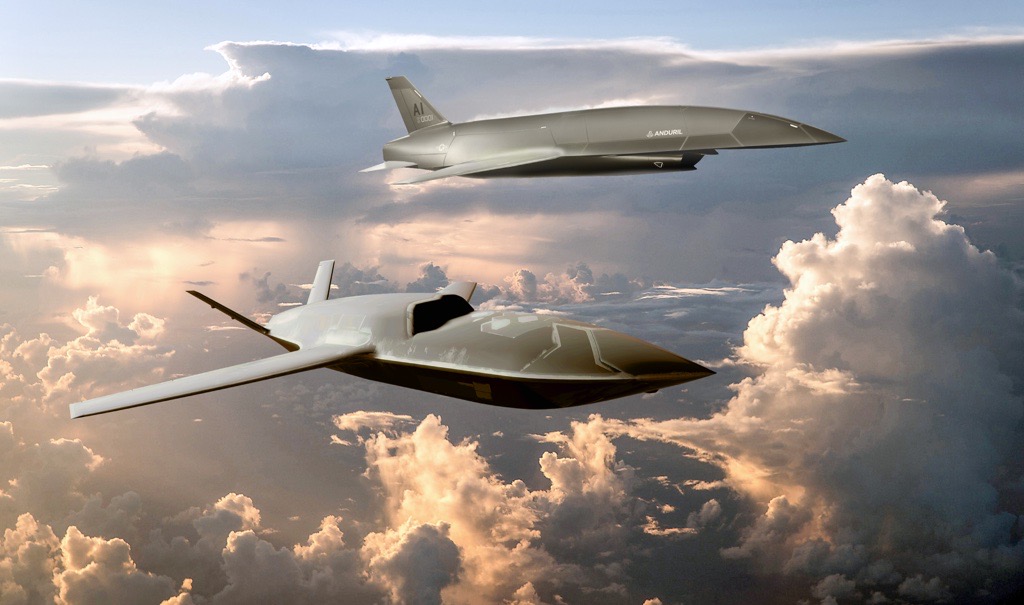
The US Air Force has awarded production contracts to Anduril Industries and General Atomics to build around 1,000 semi-autonomous Collaborative Combat Aircraft, including the FQ-42A and FQ-44A models. These AI-enabled drones are intended to operate alongside crewed fighter jets, raising future risks associated with autonomous military systems.[AI generated]

Why's our monitor labelling this an incident or hazard?

The article explicitly mentions autonomous drones designed for combat roles, indicating the involvement of AI systems. The drones' autonomous operation in contested environments and their weaponization present credible risks of harm, including injury, death, and escalation of conflict, fitting the definition of an AI Hazard. Since no actual harm or incident has occurred or been reported, and the article focuses on the purchase and intended deployment, it does not qualify as an AI Incident. It is not merely complementary information because the focus is on the acquisition of potentially harmful AI-enabled systems, not on responses or updates to past incidents. Therefore, the classification as AI Hazard is appropriate.[AI generated]
AI principles
AccountabilitySafety

Industries
Government, security, and defence

Affected stakeholders
General public

Harm types
Physical (death)Public interest

Severity
AI hazard

AI system task:
Recognition/object detectionGoal-driven organisation


Articles about this incident or hazard

Thumbnail Image

Air Force Buys New Generation of Drones Made to Strike Deep Into Enemy Territory

2026-06-18
The Wall Street Journal
Why's our monitor labelling this an incident or hazard?
The article explicitly mentions autonomous drones designed for combat roles, indicating the involvement of AI systems. The drones' autonomous operation in contested environments and their weaponization present credible risks of harm, including injury, death, and escalation of conflict, fitting the definition of an AI Hazard. Since no actual harm or incident has occurred or been reported, and the article focuses on the purchase and intended deployment, it does not qualify as an AI Incident. It is not merely complementary information because the focus is on the acquisition of potentially harmful AI-enabled systems, not on responses or updates to past incidents. Therefore, the classification as AI Hazard is appropriate.
Thumbnail Image

Anduril and General Atomics win contracts to build drones that fly alongside fighter jets

2026-06-18
Reuters
Why's our monitor labelling this an incident or hazard?
The article explicitly mentions semi-autonomous drones with mission autonomy software, which qualifies as AI systems. The event concerns the awarding of production contracts, indicating the transition from prototype to full-scale manufacturing and deployment. No actual harm or incident is described, so it is not an AI Incident. However, the nature of the AI system (autonomous combat drones) and their intended use in contested environments imply credible potential for harm, including injury or violations of rights, making this an AI Hazard. The article does not focus on responses, updates, or complementary information, nor is it unrelated to AI systems.
Thumbnail Image

US Air Force awards production contracts to Anduril for drone wingmen

2026-06-18
The Jerusalem Post
Why's our monitor labelling this an incident or hazard?
The article explicitly mentions AI-driven autonomy in military drones designed for combat roles, which qualifies as AI systems. The event concerns the awarding of production contracts, moving from prototype to full-scale manufacturing, indicating imminent deployment. While no actual harm is reported, the use of autonomous combat drones inherently carries plausible risks of injury, death, and other harms associated with military conflict. Therefore, this event fits the definition of an AI Hazard, as it plausibly could lead to AI Incidents involving harm to persons and other serious consequences. It is not an AI Incident because no harm has yet occurred, nor is it Complementary Information or Unrelated, as the focus is on the development and production of AI-enabled systems with clear potential for harm.
Thumbnail Image

US implements shift in air power ops - The Tribune

2026-06-18
The Tribune
Why's our monitor labelling this an incident or hazard?
The article explicitly mentions the development and production of unmanned jets with semi-autonomous capabilities, which qualifies as AI systems. The event is about the awarding of contracts and the intended operational use of these systems, with no indication of any harm or malfunction having occurred. Given the military context and the nature of these AI-enabled systems, there is a credible risk that their deployment could lead to harm in the future. Hence, the event fits the definition of an AI Hazard rather than an AI Incident or Complementary Information.
Thumbnail Image

Why Boeing's MQ-28 Ghost Bat Just Gatecrashed The US Air Force's Next Big Drone Decision

2026-06-19
Simple Flying
Why's our monitor labelling this an incident or hazard?
The MQ-28 Ghost Bat is an AI-enabled autonomous combat drone under development and testing, involving AI systems for autonomous flight and combat support. While the article discusses its capabilities, competitive landscape, and strategic implications, it does not describe any direct or indirect harm caused by the AI system, nor does it indicate any plausible future harm arising from its current use or malfunction. The content focuses on development progress, program competition, and potential future roles, which aligns with providing complementary information about AI systems in military contexts rather than reporting an incident or hazard. Hence, the classification as Complementary Information is appropriate.
Thumbnail Image

USAF awards production contracts for semi-autonomous collaborative combat aircraft, plans fleet of 1,000

2026-06-18
Asian News International (ANI)
Why's our monitor labelling this an incident or hazard?
The article explicitly mentions AI systems in the form of mission autonomy software for semi-autonomous combat aircraft. The event concerns the development and production contracts for these systems, with no current harm reported. Given the military context and the autonomous capabilities, there is a credible risk that these AI systems could lead to harm in the future, such as injury or violations of human rights. Since no harm has yet occurred but plausible future harm exists, the event fits the definition of an AI Hazard rather than an AI Incident or Complementary Information.
Thumbnail Image

U.S. Air Force Chooses Anduril FQ-44 to Scale Future Combat Aviation Beyond Crewed Fighters

2026-06-18
Army Recognition
Why's our monitor labelling this an incident or hazard?
The event involves an AI system (the semi-autonomous FQ-44 aircraft with autonomy software) whose development and intended use are described in detail. However, there is no indication that the system has caused any injury, disruption, rights violations, or other harms. The article discusses the potential strategic impact and operational benefits but does not report any actual harm or incidents. Therefore, this event represents a credible advancement and deployment of AI-enabled military technology but does not constitute an AI Incident or AI Hazard. It is best classified as Complementary Information, providing context on AI system development and integration in defense without reporting harm or plausible imminent harm.
Thumbnail Image

Air Force wins go to both Ohio's Anduril and competitor in CCA drone competition

2026-06-18
Dayton Daily News
Why's our monitor labelling this an incident or hazard?
The event explicitly involves AI systems in the form of semi-autonomous combat drones being developed and produced for military use. Although no direct harm is reported at this stage, the nature of the AI system (autonomous combat aircraft) and its intended use in warfare present a credible risk of future harm, including injury or death and other serious consequences. The event is about the awarding of contracts and production initiation, not about an incident or realized harm. Hence, it fits the definition of an AI Hazard rather than an AI Incident or Complementary Information.
Thumbnail Image

US Air Force awards first CCA production contracts to General Atomics, Anduril

2026-06-18
Military Times
Why's our monitor labelling this an incident or hazard?
The event explicitly involves AI systems in the form of autonomous software controlling semi-autonomous combat drones. The contracts mark a transition from prototype to production, indicating imminent deployment. Although no direct harm is reported, the nature of the AI system—autonomous combat aircraft—carries a credible risk of causing injury, disruption, or rights violations in future military operations. The event does not describe any realized harm or incident but highlights a plausible future risk inherent in the AI system's intended use. Hence, it fits the definition of an AI Hazard rather than an AI Incident or Complementary Information.
Thumbnail Image

USAF awards Anduril, General Atomics CCA production contracts

2026-06-18
Flight Global
Why's our monitor labelling this an incident or hazard?
The article describes the development and procurement of AI-enabled uncrewed combat aircraft and their autonomy software, which involves AI systems. However, it does not report any actual harm, malfunction, or misuse resulting from these AI systems. The event is about contracts and plans for future deployment, with no direct or indirect harm reported. Therefore, it does not qualify as an AI Incident or AI Hazard. It is best classified as Complementary Information because it provides context and updates on AI system development and governance in military applications without describing any harm or plausible immediate harm.
Thumbnail Image

World News | USAF Awards Production Contracts for Semi-autonomous Collaborative Combat Aircraft, Plans Fleet of 1,000

2026-06-18
LatestLY
Why's our monitor labelling this an incident or hazard?
The article clearly involves AI systems in the form of semi-autonomous combat aircraft and autonomy software. The development and planned deployment of such systems pose plausible risks of harm, including injury, disruption, or violations of rights, given their military and combat nature. Since no actual harm or incident has occurred or been reported, but the event plausibly could lead to AI-related harm in the future, it qualifies as an AI Hazard rather than an AI Incident. The article is not merely complementary information because it focuses on the awarding of contracts and the planned fielding of these AI systems, which is a credible risk factor for future harm.
Thumbnail Image

U.S. Air Force just greenlit two robot fighter jets

2026-06-18
Defence Blog
Why's our monitor labelling this an incident or hazard?
The article explicitly involves AI systems in the form of semi-autonomous fighter drones with onboard autonomy software. Although no harm or incident has yet occurred, the nature of these AI systems—combat-capable, autonomous or semi-autonomous drones—implies a credible risk of future harm, such as injury, disruption, or violations of human rights, if deployed in conflict. The event is about the procurement and production decision, not about an incident or harm already realized. Hence, it fits the definition of an AI Hazard rather than an AI Incident or Complementary Information.
Thumbnail Image

USAF awards production contracts for semi-autonomous collaborative combat aircraft, plans fleet of 1,000

2026-06-18
KalingaTV
Why's our monitor labelling this an incident or hazard?
The article explicitly mentions semi-autonomous combat aircraft and mission autonomy software, indicating AI system involvement in their operation. The event concerns the awarding of contracts and plans to field around 1,000 such aircraft, which could plausibly lead to AI incidents involving harm to persons, infrastructure, or communities in the future. No actual harm or incident is described, so it is not an AI Incident. The focus is on the development and production of AI-enabled military systems with significant potential for misuse or malfunction, fitting the definition of an AI Hazard. It is not merely complementary information or unrelated news, as the AI system's development and potential for harm are central to the event.
Thumbnail Image

US Air Force advances AI fighter program, attracting Greek interest

2026-06-18
Ekathimerini
Why's our monitor labelling this an incident or hazard?
The event involves AI systems explicitly (autonomous combat drones with AI and collective intelligence). There is no indication of actual harm or incidents caused by these systems yet, so it is not an AI Incident. However, the development and planned deployment of AI-enabled autonomous combat aircraft with lethal capabilities plausibly could lead to harms such as injury, disruption, or violations of rights in the future. This fits the definition of an AI Hazard, as the event describes credible potential future harm from the AI system's use in military combat scenarios. The article does not focus on responses, updates, or governance measures, so it is not Complementary Information. It is clearly related to AI systems, so it is not Unrelated.
Thumbnail Image

US Air Force Accelerates Collaborative Combat Aircraft Program With New Awards

2026-06-18
The Defense Post
Why's our monitor labelling this an incident or hazard?
The event involves AI systems (autonomy software for semi-autonomous combat drones) and their development and deployment plans. While these systems have a high potential for misuse or harm (e.g., in military combat scenarios), the article only reports on contracts and development progress without any actual incident or harm occurring. Therefore, it fits the definition of an AI Hazard, as the development and deployment of such AI-enabled autonomous combat aircraft could plausibly lead to AI Incidents in the future, but no direct or indirect harm has yet materialized.
Thumbnail Image

Air Force Awards Uncrewed Fighter Contracts

2026-06-18
AVweb
Why's our monitor labelling this an incident or hazard?
The article explicitly mentions semi-autonomous uncrewed fighter aircraft equipped with mission autonomy software, which qualifies as AI systems. The event concerns the awarding of production and software contracts, indicating ongoing development and deployment plans. Although no incident or harm has yet occurred, the nature of these AI systems—autonomous combat aircraft—implies a credible risk of future harm, including injury or death, disruption of critical infrastructure, and violations of human rights in conflict scenarios. Hence, this event fits the definition of an AI Hazard, as it plausibly could lead to an AI Incident in the future.
Thumbnail Image

US DAF awards contracts for Collaborative Combat Aircraft and software

2026-06-18
Air Force Technology
Why's our monitor labelling this an incident or hazard?
The article explicitly mentions the development and procurement of semi-autonomous combat aircraft and mission autonomy software, which are AI systems by definition. The event concerns the use and development of AI systems intended for combat, which inherently carry risks of injury, disruption, and other harms. Although no incident or harm has yet occurred, the deployment of such systems plausibly could lead to AI Incidents in the future. Hence, this event is best classified as an AI Hazard rather than an AI Incident or Complementary Information. It is not unrelated because it involves AI systems with clear potential for harm.
Thumbnail Image

US Air Force awards contracts for 1,000 semi-autonomous aircraft

2026-06-18
Asianet News Network Pvt Ltd
Why's our monitor labelling this an incident or hazard?
The article explicitly mentions semi-autonomous aircraft and mission autonomy software, which clearly involve AI systems. The event concerns the development and planned deployment of these AI-enabled systems in a military context, which could plausibly lead to harms such as injury, disruption, or violations of human rights. No actual harm or incident is reported yet, so it does not qualify as an AI Incident. The focus is on the awarding of contracts and future production, not on responses or updates to past incidents, so it is not Complementary Information. Hence, the event is best classified as an AI Hazard.
Thumbnail Image

USAF Contracts for 1,000 Semi-Autonomous Combat Aircraft

2026-06-18
newKerala.com
Why's our monitor labelling this an incident or hazard?
The event involves AI systems (semi-autonomous combat aircraft with mission autonomy software) whose development and intended use could plausibly lead to significant harm, including injury or death in combat scenarios. Since no harm has yet occurred and the article discusses future plans and contracts, this fits the definition of an AI Hazard rather than an AI Incident. The event is not merely complementary information because it highlights the potential for harm inherent in deploying such systems at scale, which is a credible risk. Therefore, the classification is AI Hazard.
Thumbnail Image

Anduril, General Atomics Win Major US Air Force Deal To Build Collaborative Combat Aircraft

2026-06-18
NDTV Profit
Why's our monitor labelling this an incident or hazard?
The FQ-44 is an autonomous fighter aircraft, which by definition involves AI systems for autonomous navigation, decision-making, and combat functions. The event concerns the production and deployment of these AI-enabled drones, which have significant potential for harm given their military application and autonomous weapon capabilities. However, the article does not report any actual harm or incident resulting from the use or malfunction of these AI systems. Instead, it reports a contract award and plans for future deployment, indicating a credible potential for future harm due to the nature of autonomous combat drones. Therefore, this event qualifies as an AI Hazard, as the development and deployment of autonomous combat drones could plausibly lead to harms such as injury, violation of rights, or harm to communities in future military operations.
Thumbnail Image

US Air Force Accelerates Production of Semi-Autonomous Combat Aircraft Fleet

2026-06-18
indiandefensenews.in
Why's our monitor labelling this an incident or hazard?
The event involves AI systems explicitly: semi-autonomous combat aircraft with AI-based mission autonomy software. The article focuses on the accelerated production and deployment of these systems, which are intended for combat roles and human-machine teaming. Although no harm has yet occurred, the nature of these AI systems—military semi-autonomous combat aircraft—implies a credible risk of future harm such as injury, disruption, or violations of rights in conflict situations. The article does not describe any actual incident or harm caused by these systems, so it is not an AI Incident. It also is not complementary information or unrelated, as the focus is on the development and deployment of AI systems with plausible future harm. Hence, the classification is AI Hazard.
Thumbnail Image

Anduril lands first Air Force production contract for Fury fighter drones

2026-06-18
The Columbus Dispatch
Why's our monitor labelling this an incident or hazard?
The article explicitly involves AI systems in the form of semi-autonomous military drones (AI system involvement). The event stems from the development and use of these AI systems (contract award and production). No direct or indirect harm has yet occurred or been reported, so it is not an AI Incident. However, the nature of the AI system (semi-autonomous combat drones) plausibly could lead to harms such as injury, disruption, or violations of rights in future military operations. Thus, it fits the definition of an AI Hazard. The article does not focus on responses, mitigation, or broader governance, so it is not Complementary Information. It is not unrelated as it clearly involves AI systems with potential for harm.
Thumbnail Image

Anduril, General Atomics Win Fighter Drone Contracts - Orange County Business Journal

2026-06-18
Orange County Business Journal
Why's our monitor labelling this an incident or hazard?
The article explicitly mentions semi-autonomous fighter drones, which are AI systems by definition. Although no incident or harm has occurred yet, the production and operational deployment of AI-enabled military drones inherently carry plausible risks of harm, such as injury or violations of human rights in combat. Since the event concerns the awarding of contracts for production and deployment, it is a credible AI Hazard rather than an AI Incident or Complementary Information.
Thumbnail Image

Air Force picks Anduril, General Atomics to build first operational CCA drones

2026-06-18
DefenseScoop
Why's our monitor labelling this an incident or hazard?
The event clearly involves AI systems, specifically autonomous flight and mission autonomy software for military drones. Although no actual harm or incident is reported, the development and planned production of AI-enabled autonomous combat drones with offensive capabilities plausibly could lead to harms such as injury, disruption, or violations of rights in future military operations. The article focuses on the contracts and development progress rather than any realized harm or incident. Hence, it fits the definition of an AI Hazard, as the AI system's use could plausibly lead to an AI Incident in the future. It is not Complementary Information because it is not an update or response to a prior incident, nor is it unrelated as it involves AI systems with potential harm.
Thumbnail Image

US Air Force taps Anduril, General Atomics for future loyal wingman fleet

2026-06-18
defenceconnect.com.au
Why's our monitor labelling this an incident or hazard?
The event involves AI systems (autonomous combat aircraft with AI-based autonomy software) and their development and deployment. However, there is no mention of any harm, malfunction, or misuse that has occurred or is occurring. The article discusses future capabilities and strategic intentions, which could plausibly lead to future harms given the military context, but no specific hazard or incident is reported at this time. Therefore, the event is best classified as Complementary Information, providing context and updates on AI system development and deployment without describing an AI Incident or AI Hazard.
Thumbnail Image

U.S. Air Force Awards GA-ASI Production Contract for FQ-42A CCA

2026-06-17
Barchart.com
Why's our monitor labelling this an incident or hazard?
The article explicitly describes an AI system (semi-autonomous uncrewed combat aircraft) being developed and entering production. While no harm or incident has occurred yet, the nature of the system—autonomous combat aircraft—implies plausible future harm such as injury or violations of rights. Since the article focuses on the contract award and production start without any actual harm or malfunction, it does not qualify as an AI Incident. Instead, it fits the definition of an AI Hazard because the development and deployment of such AI-enabled military systems could plausibly lead to significant harm in the future.
Thumbnail Image

USAF awards GA-ASI production contract for FQ-42A Dark Merlin

2026-06-18
Janes.com
Why's our monitor labelling this an incident or hazard?
The article explicitly mentions the use of AI-based mission autonomy software for collaborative combat autonomy, indicating the presence of an AI system. However, it only reports the contract award and production progress without any indication of harm, malfunction, or misuse. While the system's nature as an autonomous combat aircraft implies potential future risks, the article does not describe any specific event or circumstance where harm has occurred or is imminent. Hence, it does not meet the criteria for AI Incident or AI Hazard. It is best classified as Complementary Information, providing context on AI system development and deployment in the defense sector.
Thumbnail Image

GA-ASI Partners With INTEC Group to Pitch Gambit Drones for Germany

2026-06-15
The Defense Post
Why's our monitor labelling this an incident or hazard?
The Gambit drones are uncrewed combat aircraft that will likely rely on AI systems for autonomous operation, mission system integration, and collaboration with crewed fighter jets. The article discusses the development and integration of these AI-enabled systems but does not report any realized harm or incidents resulting from their use. However, the development and potential deployment of autonomous combat drones with AI capabilities represent a credible risk of future harm, including injury, disruption, or violations of rights, given their military application and autonomous nature. Therefore, this event qualifies as an AI Hazard due to the plausible future harm from the use of AI in lethal autonomous systems.
Thumbnail Image

US Air Force orders uncrewed fighter into production

2026-06-18
UK Defence Journal
Why's our monitor labelling this an incident or hazard?
The FQ-42A is explicitly described as a semi-autonomous combat aircraft with autonomy software enabling human-machine teaming in combat. This clearly involves AI systems. Although no harm or incident is reported, the nature of the system—a weaponized uncrewed fighter—implies plausible future risks of harm (injury, disruption, or rights violations) if the AI system malfunctions or is misused. The event is about the production contract and deployment, not about an incident or harm already occurring, so it does not qualify as an AI Incident. It is not merely complementary information since it highlights a significant development with potential for harm. Hence, the classification as an AI Hazard is appropriate.
Thumbnail Image

US Air Force awards GA-ASI production contract for FQ-42A CCA

2026-06-17
ExBulletin
Why's our monitor labelling this an incident or hazard?
The event involves an AI system (semi-autonomous unmanned combat aircraft) whose development and use are described. While no harm has occurred yet, the nature of the system (unmanned combat aircraft with autonomous capabilities) inherently carries credible risks of harm in the future, such as injury, disruption, or rights violations. The article does not report any realized harm or incident, so it is not an AI Incident. It is not merely complementary information because the focus is on the contract award and production of a potentially hazardous AI system, not on responses or updates to past incidents. Hence, it fits the definition of an AI Hazard due to the plausible future harm from the AI system's deployment in combat scenarios.
Thumbnail Image

U.S. Air Force Awards GA-ASI Production Contract for FQ-42A CCA - ADU - Aviation Defence Universe

2026-06-18
ADU - Aviation Defence Universe
Why's our monitor labelling this an incident or hazard?
The FQ-42A is an AI-enabled uncrewed combat aircraft with autonomous capabilities, clearly involving AI systems in its development and intended use. Although no harm or incident is reported, the production and deployment of such autonomous combat drones inherently carry plausible risks of harm (e.g., injury, disruption, or rights violations) in future military operations. The article focuses on the contract award and production start, not on any incident or harm. Hence, it fits the definition of an AI Hazard, as it plausibly could lead to AI Incidents in the future due to the nature of the system and its intended use.
Thumbnail Image

U.S. AIR FORCE AWARDS PRODUCTION CONTRACT FOR FQ-42A COLLABORATIVE COMBAT AIRCRAFT - World Airnews

2026-06-18
World Airnews
Why's our monitor labelling this an incident or hazard?
The article explicitly mentions AI-related mission autonomy software and human-machine teaming, confirming the involvement of AI systems. However, it only reports the transition from development to production and the capabilities of the aircraft without any indication of harm or malfunction. There is no direct or indirect harm caused or plausible future harm described. The event is informational about AI system deployment progress and does not describe an incident or hazard. Hence, it fits the definition of Complementary Information rather than an AI Incident or AI Hazard.
Thumbnail Image

US Air Force awards production contracts to General Atomics, Anduril for drone wingmen By Reuters

2026-06-17
Investing.com
Why's our monitor labelling this an incident or hazard?
The article explicitly mentions semi-autonomous Collaborative Combat Aircraft, which are AI systems capable of autonomous or semi-autonomous operation in military contexts. Although no harm has yet occurred, the production and deployment of such systems plausibly could lead to AI Incidents involving injury, disruption, or rights violations. Since the event concerns the transition from prototype to production without any realized harm, it fits the definition of an AI Hazard rather than an Incident or Complementary Information.
Thumbnail Image

Which Two 'Collaborative Combat Aircraft' Drones Does America Have?

2026-06-15
The National Interest
Why's our monitor labelling this an incident or hazard?
The article clearly involves AI systems (autonomous combat drones with advanced software autonomy). However, it does not describe any harm, injury, violation of rights, disruption, or damage caused by these systems, nor does it report any near misses or credible risks of harm that have materialized. The focus is on the development, testing, and strategic intent of these AI systems, making it a description of AI system deployment and future capabilities without any incident or hazard occurring or imminent. Therefore, it is best classified as Complementary Information, providing context and understanding of AI developments in military aviation without reporting an AI Incident or AI Hazard.
Thumbnail Image

USAF Awards CCA Production Contracts To Anduril, General Atomics | Aviation Week

2026-06-17
Aviation Week
Why's our monitor labelling this an incident or hazard?
The event involves AI systems explicitly, as the aircraft are semi-autonomous and rely on AI for mission autonomy and control. The article focuses on contract awards and development progress, with no mention of actual harm or malfunction. Given the nature of autonomous combat aircraft, their deployment could plausibly lead to harms such as injury, disruption, or violations of rights. Hence, the event is best classified as an AI Hazard due to the credible potential for future harm from these AI-enabled military systems.
Thumbnail Image

USAF Secures CCA Contracts for Air Superiority

2026-06-17
Mirage News
Why's our monitor labelling this an incident or hazard?
The event involves AI systems explicitly: the mission autonomy software enabling semi-autonomous combat aircraft is an AI system by definition. The article focuses on the development and procurement of these systems, with no indication of any current harm or malfunction. However, the deployment of AI-enabled semi-autonomous combat aircraft inherently carries plausible risks of harm, including injury or disruption in military operations. Since no harm has yet occurred but the potential for harm is credible and foreseeable, the event fits the definition of an AI Hazard rather than an AI Incident. It is not Complementary Information because it is not an update or response to a prior incident, nor is it unrelated as it clearly involves AI systems with potential for harm.
Thumbnail Image

Air Force Selects General Atomics and Anduril for CCA Production

2026-06-17
Air & Space Forces Magazine
Why's our monitor labelling this an incident or hazard?
The event clearly involves AI systems, specifically autonomous drones with mission autonomy software that enables human-machine teaming in combat. The development and deployment of such AI-enabled military systems inherently carry risks of harm, including injury, disruption, or violations of rights, given their combat roles. Although no direct harm is reported yet, the nature of these AI systems and their intended use in warfare plausibly could lead to AI Incidents. However, since the article does not report any realized harm or incident but focuses on contract awards, development progress, and a past crash that was resolved without harm, this event is best classified as an AI Hazard. It highlights the plausible future risk of harm from these AI systems in military use, but no actual harm has occurred as per the article.