Rheinmetall CEO Calls for Ban on Autonomous AI Weapons

Thumbnail Image

The information displayed in the AIM should not be reported as representing the official views of the OECD or of its member countries.

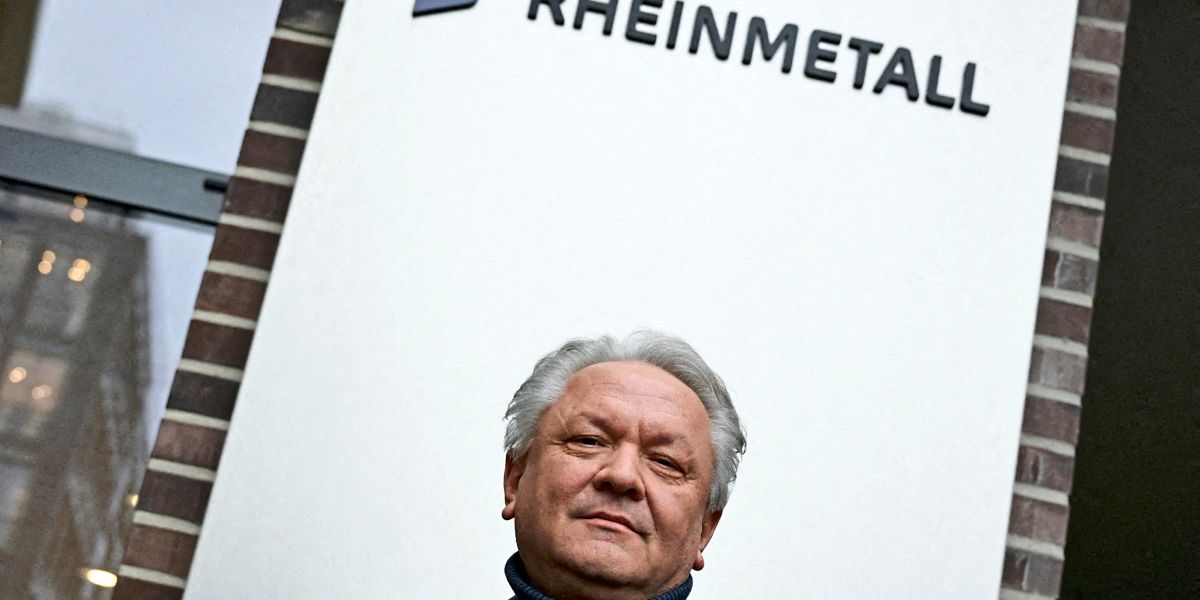
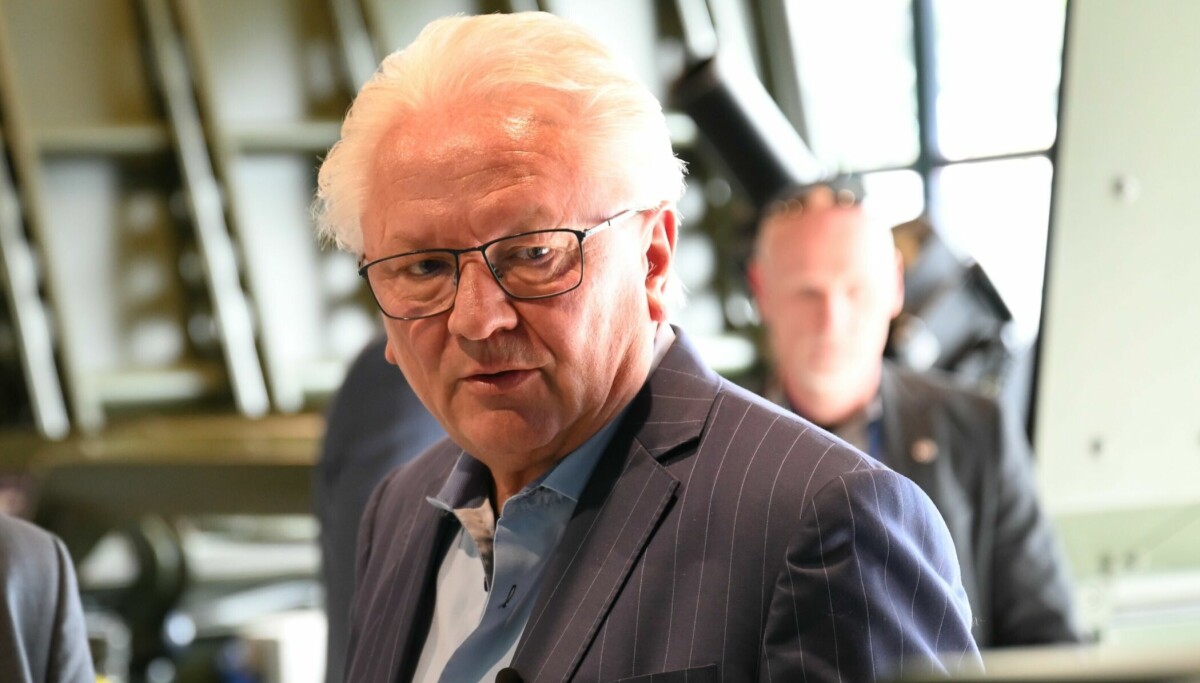
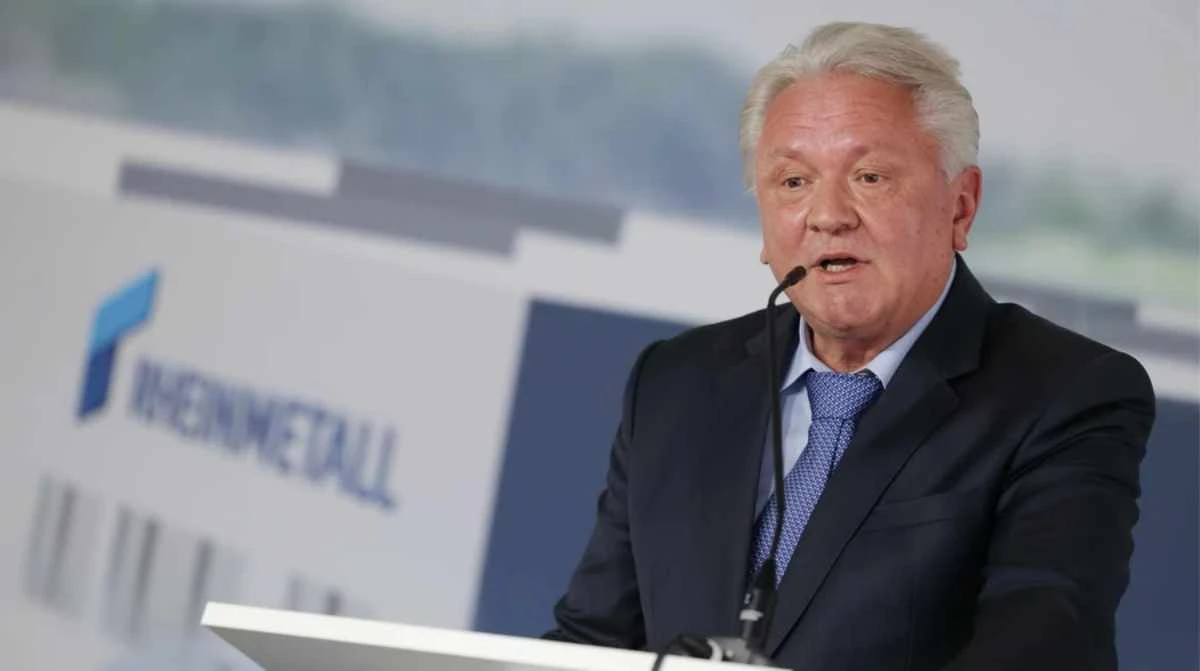
Rheinmetall CEO Armin Papperger, at the Eurosatory arms fair near Paris, urged for global regulations to ensure humans, not AI, make lethal decisions in warfare. He warned of rapid advances in military AI and advocated for international rules, similar to those for nuclear weapons, to prevent autonomous AI weapon use.[AI generated]

Why's our monitor labelling this an incident or hazard?

The article explicitly references AI systems capable of autonomous lethal decision-making in weapons, which are not currently produced by Rheinmetall but could plausibly be developed or used by others. The CEO's call for global regulation acknowledges the risk that such AI weapons could cause harm in the future. Since no actual harm or incident is reported yet, but the potential for harm is credible and significant, this qualifies as an AI Hazard rather than an AI Incident or Complementary Information.[AI generated]
AI principles
AccountabilityDemocracy & human autonomy

Industries
Government, security, and defence

Affected stakeholders
General public

Harm types
Physical (death)Physical (injury)Human or fundamental rights

Severity
AI hazard

AI system task:
Goal-driven organisation


Articles about this incident or hazard

Thumbnail Image

Rheinmetall-Chef plädiert für Verbot von KI-Waffeneinsatz

2026-06-19
WEB.DE
Why's our monitor labelling this an incident or hazard?
The article explicitly mentions AI systems in autonomous weapons and the potential for these systems to make lethal decisions without human oversight, which could plausibly lead to significant harm. However, Rheinmetall currently maintains a 'human in the loop' approach, and no incident or malfunction causing harm is reported. The focus is on the need for regulation to prevent future risks. Therefore, this is best classified as Complementary Information, as it provides governance-related context and ethical considerations about AI weapons without describing a specific AI Incident or AI Hazard.
Thumbnail Image

KI-Waffen: Rheinmetall-Chef fordert globale Regeln für KI-Waffen-Einsatz

2026-06-19
ZEIT ONLINE
Why's our monitor labelling this an incident or hazard?
The article explicitly references AI systems capable of autonomous lethal decision-making in weapons, which are not currently produced by Rheinmetall but could plausibly be developed or used by others. The CEO's call for global regulation acknowledges the risk that such AI weapons could cause harm in the future. Since no actual harm or incident is reported yet, but the potential for harm is credible and significant, this qualifies as an AI Hazard rather than an AI Incident or Complementary Information.
Thumbnail Image

Rheinmetall-Chef ist für Verbot von KI-Waffeneinsatz

2026-06-19
der Standard
Why's our monitor labelling this an incident or hazard?
The article does not report any actual harm or incident caused by AI systems, nor does it describe a specific event where AI weapons have been used or malfunctioned. Instead, it focuses on advocating for rules to prevent future harms related to AI in weapons, which is a governance and policy response to a plausible future risk. Therefore, it qualifies as Complementary Information rather than an AI Incident or AI Hazard.
Thumbnail Image

Rheinmetall-Chef plädiert für Regulierung von KI-Waffeneinsatz

2026-06-19
heise online
Why's our monitor labelling this an incident or hazard?
The event involves AI systems in autonomous weapons and the potential for AI to make lethal decisions, which could plausibly lead to significant harm including injury or death. Although no harm has yet occurred, the discussion centers on the plausible future risk of AI-enabled autonomous weapons making final kill decisions without human oversight. This fits the definition of an AI Hazard, as it concerns the plausible future harm from AI system use in weapons without human control. There is no indication of an actual incident or realized harm, nor is this merely complementary information or unrelated news.
Thumbnail Image

Keine Killer-KI? Rheinmetall-Chef fordert klare Grenzen

2026-06-20
MOPO.de
Why's our monitor labelling this an incident or hazard?
The article does not report any realized harm or incident caused by AI systems but discusses the plausible future risks associated with AI-enabled autonomous weapons. It calls for international rules to ensure humans remain in control, reflecting concerns about potential AI hazards in military applications. Therefore, this is best classified as an AI Hazard because it concerns the plausible future harm that could arise if AI systems were allowed to make lethal decisions autonomously without human oversight.
Thumbnail Image

Rheinmetall-Chef ist für Verbot von KI-Waffeneinsatz

2026-06-19
Kurier
Why's our monitor labelling this an incident or hazard?
The article does not describe any realized harm or incident caused by AI systems but focuses on the potential risks and the need for international rules to prevent autonomous AI weapons from making lethal decisions. This fits the definition of an AI Hazard, as it plausibly could lead to significant harm if unregulated AI weapons systems are deployed. The CEO's statements emphasize the importance of human control to avoid such harms. Therefore, the event is best classified as an AI Hazard due to the credible risk of future harm from AI weapon systems without proper regulation.
Thumbnail Image

Rüstungsbranche: Rheinmetall-Chef ist für Verbot von KI-Waffeneinsatz

2026-06-19
stuttgarter-nachrichten.de
Why's our monitor labelling this an incident or hazard?
The article involves AI systems in autonomous military equipment and addresses the potential for AI to be used in lethal autonomous weapons. While no actual harm or incident is reported, the discussion centers on the plausible future risk of AI systems causing harm if autonomous lethal decision-making is allowed. This constitutes an AI Hazard because the development and potential use of AI-enabled autonomous weapons could plausibly lead to significant harm, including violations of human rights and harm to people in conflict scenarios. The article does not report an actual incident or harm, nor does it focus on responses or updates to past events, so it is not an AI Incident or Complementary Information.
Thumbnail Image

Rüstungsbranche: Rheinmetall-Chef ist für Verbot von KI-Waffeneinsatz

2026-06-19
Wirtschafts Woche
Why's our monitor labelling this an incident or hazard?
The article does not report an actual incident or harm caused by AI systems but rather focuses on the potential future risks and the need for governance to prevent AI-enabled autonomous weapons from causing harm. It describes the plausible future harm that could arise if AI systems were allowed to make lethal decisions without human oversight, which fits the definition of an AI Hazard. There is no indication of realized harm or malfunction, nor is the article primarily about responses or updates to past incidents, so it is not Complementary Information. Therefore, the event is best classified as an AI Hazard.
Thumbnail Image

Rheinmetall-Chef ist für Verbot von KI-Waffeneinsatz

2026-06-19
Freie Presse
Why's our monitor labelling this an incident or hazard?
The event involves AI systems in the context of autonomous weapons, which could plausibly lead to significant harm if AI were allowed to make lethal decisions without human oversight. Since the article focuses on the potential future risk and the need for regulation rather than an actual harmful event, it qualifies as an AI Hazard. There is no direct or indirect harm reported, so it is not an AI Incident. It is not merely complementary information because the main focus is on the plausible future harm and the call for preventive rules, not on updates or responses to past events.
Thumbnail Image

Künstliche Intelligenz: Rheinmetall-Chef fordert Verbot von KI-Waffeneinsatz

2026-06-19
manager magazin
Why's our monitor labelling this an incident or hazard?
The article explicitly mentions AI systems integrated into autonomous military vehicles and drones capable of lethal actions. While currently Rheinmetall maintains a human-in-the-loop approach, the technological capability exists for AI to make lethal decisions autonomously. The concern is about the plausible future use of such AI systems without human oversight, which could lead to significant harm including violations of human rights and harm to communities. Since no actual harm has yet occurred but the risk is credible and clearly articulated, this event fits the definition of an AI Hazard rather than an AI Incident or Complementary Information.
Thumbnail Image

Rheinmetall-Chef ist für Verbot von KI-Waffeneinsatz

2026-06-19
Volksstimme.de
Why's our monitor labelling this an incident or hazard?
The article does not describe any actual harm caused by AI systems nor an incident where AI malfunctioned or was misused. Instead, it focuses on the potential future risks of AI-enabled autonomous weapons and the call for regulatory measures to prevent such harms. Therefore, it describes a plausible future risk (AI Hazard) rather than an AI Incident or Complementary Information. The presence of AI in military autonomous systems is explicitly mentioned, and the concern is about possible future harm if AI is allowed to make lethal decisions without human intervention.
Thumbnail Image

Rüstungsbranche: Rheinmetall-Chef ist für Verbot von KI-Waffeneinsatz

2026-06-19
Trierischer Volksfreund. Die Zeitung für die Region Trier/Mosel
Why's our monitor labelling this an incident or hazard?
The article involves AI systems in the context of autonomous weapons and their potential to cause harm if allowed to make lethal decisions independently. While it acknowledges the technological possibility and the ethical concerns, it does not report any realized harm or malfunction. Therefore, it describes a plausible future risk (AI Hazard) rather than an actual AI Incident. The call for international rules and ethical oversight further supports this classification as a hazard rather than an incident or complementary information.
Thumbnail Image

Rüstungsbranche: Rheinmetall-Chef ist für Verbot von KI-Waffeneinsatz

2026-06-19
Frankenpost
Why's our monitor labelling this an incident or hazard?
The article does not describe any actual harm caused by AI systems, nor does it report on a specific AI system malfunction or misuse. Instead, it focuses on the plausible future risks of AI in weapons systems and the call for regulatory measures to prevent such harms. Therefore, it fits the definition of an AI Hazard, as it concerns circumstances where AI use could plausibly lead to significant harm (e.g., autonomous lethal decisions in warfare).
Thumbnail Image

Rheinmetall-Aktie zieht kräftig an: Vorstands-Chef ist für Verbot von KI-Waffeneinsatz

2026-06-19
finanzen.ch
Why's our monitor labelling this an incident or hazard?
The article involves AI systems in military autonomous vehicles and drones, specifically AI used for autonomous control but with human-in-the-loop for lethal decisions. The CEO warns about the plausible future harm if AI systems were allowed to make autonomous lethal decisions, which could lead to injury, death, or violations of human rights. Since no harm has yet occurred but there is a credible risk of future harm from autonomous AI weapons, this constitutes an AI Hazard. The article is not reporting an incident or harm but a warning and call for regulation to prevent such harm.
Thumbnail Image

Rheinmetall-Aktie mit Plus: Konzerchef plädiert für globale Standards bei militärischer KI

2026-06-19
finanzen.at
Why's our monitor labelling this an incident or hazard?
The article involves AI systems in military autonomous vehicles and drones, which are capable of lethal force decisions. While Rheinmetall currently ensures human-in-the-loop control, the article raises concerns about the plausible future harm if autonomous AI weapons are deployed without human oversight, which could lead to significant harm including injury or death. Since no actual harm has occurred yet but there is a credible risk of future harm from autonomous lethal AI systems, this qualifies as an AI Hazard rather than an AI Incident. The call for global regulation underscores the potential for harm if such AI systems are misused or developed without constraints.
Thumbnail Image

Rheinmetall-Aktie mit Plus: Konzerchef plädiert für globale Standards bei militärischer KI - Analyst sieht Potenzial

2026-06-19
finanzen.at
Why's our monitor labelling this an incident or hazard?
The article involves AI systems in military autonomous vehicles and weapons, which are capable of lethal decisions. However, it does not describe any realized harm or incident resulting from these AI systems. Instead, it focuses on the potential risks and the need for global regulation to prevent misuse or harm in the future. Therefore, it describes a plausible future risk (hazard) related to military AI but no actual incident. The market and stock information is complementary and does not affect the classification. Hence, the event is best classified as an AI Hazard due to the credible risk of harm from autonomous military AI systems if misused or unregulated.
Thumbnail Image

Rheinmetall-Chef ist für Verbot von KI-Waffeneinsatz

2026-06-19
Delmenhorster Kreisblatt
Why's our monitor labelling this an incident or hazard?
The article involves AI systems in the context of autonomous weapons and their potential use in warfare, which is a significant AI-related issue. However, it does not describe any realized harm, malfunction, or misuse of AI systems leading to injury, rights violations, or other harms. Instead, it focuses on the call for regulation and ethical considerations to prevent future harms. Therefore, it represents a plausible future risk scenario rather than an actual incident or harm. This fits the definition of an AI Hazard, as it plausibly could lead to harm if autonomous AI weapons were deployed without human oversight.
Thumbnail Image

Rheinmetall-Chef ist für Verbot von KI-Waffeneinsatz

2026-06-19
Heidenheimer Zeitung
Why's our monitor labelling this an incident or hazard?
The article does not describe any actual harm or incident caused by AI systems. Instead, it focuses on the potential risks of AI-enabled autonomous weapons and the need for international rules to prevent AI from making lethal decisions independently. Since no harm has occurred and the event concerns plausible future risks and governance responses, it fits the definition of an AI Hazard rather than an AI Incident or Complementary Information. It is not unrelated because it clearly involves AI systems in military applications and their potential impact.
Thumbnail Image

Директорът на Rheinmetall: Изкуственият интелект не трябва да решава кой да живее и кой да умре на бойното поле

2026-06-19
Информационна Агенция "Фокус"
Why's our monitor labelling this an incident or hazard?
The article does not describe any realized harm or incident caused by AI systems, but rather addresses the plausible future risks of autonomous AI weapons making lethal decisions without human oversight. It is a warning and call for international regulation to prevent such harms. Therefore, it fits the definition of an AI Hazard, as it concerns circumstances where AI use could plausibly lead to significant harm (loss of life) if left unregulated. It is not an AI Incident because no harm has occurred yet, nor is it Complementary Information or Unrelated.
Thumbnail Image

Шефът на "Райнметал" предупреди: Машините не трябва да решават кога да убиват! - Свят -- Новини Стандарт

2026-06-19
Стандарт - Новини, които си струва да споделим
Why's our monitor labelling this an incident or hazard?
The article clearly involves AI systems in the context of autonomous military technologies capable of lethal force. However, it does not describe any actual harm or incident caused by AI systems; rather, it is a warning and call for regulation to prevent such harms. The focus is on plausible future risks and the need for international governance to avoid AI systems autonomously deciding to kill. Therefore, this qualifies as an AI Hazard, as it concerns credible potential harm from AI systems in military use if unregulated, but no realized harm or incident is reported.
Thumbnail Image

Шефът на "Райнметал": Не може AI да взема решения за употреба на смъртоносна сила

2026-06-19
Медиапул
Why's our monitor labelling this an incident or hazard?
The article does not describe an actual event where an AI system caused harm or malfunctioned, nor does it report a specific incident involving AI misuse or failure. Instead, it focuses on the potential risks and ethical considerations related to AI in autonomous weapons and the need for governance to prevent future harm. Therefore, it describes a plausible future risk scenario (AI systems making lethal decisions without human oversight) but no realized harm or incident. This fits the definition of an AI Hazard, as it plausibly could lead to harm if unregulated AI weapons systems are deployed without human control.
Thumbnail Image

Ръководителят на "Райнметал" призова за глобални правила за използването на оръжия с изкуствен интелект

2026-06-19
Българска Телеграфна Агенция
Why's our monitor labelling this an incident or hazard?
The article involves AI systems in the context of autonomous weapons and their use in military conflicts. While no actual harm or incident has occurred, the CEO highlights the plausible future risk that AI systems could be used to make lethal decisions without human oversight, which could lead to significant harm. This constitutes an AI Hazard because it concerns the potential for AI-enabled autonomous weapons to cause harm if unregulated. The article does not report an AI Incident or realized harm but focuses on the risk and the need for governance, fitting the definition of an AI Hazard.
Thumbnail Image

Rheinmetall: AI не трябва да решава за живот и смърт във война

2026-06-19
Телевизия Евроком
Why's our monitor labelling this an incident or hazard?
The article does not describe any realized harm or incident caused by AI systems; rather, it focuses on the potential risks and the need for governance and ethical standards to prevent misuse of AI in autonomous weapons. Rheinmetall's development of autonomous military technologies is mentioned, but the company asserts human control remains in place. Therefore, this is a discussion of plausible future risks and governance responses, fitting the definition of an AI Hazard due to the credible risk of autonomous weapons causing harm if uncontrolled, but no current incident is reported.