Taiwan Legislates Major AI-Enabled Unmanned Vehicle Procurement for Defense

Thumbnail Image

The information displayed in the AIM should not be reported as representing the official views of the OECD or of its member countries.

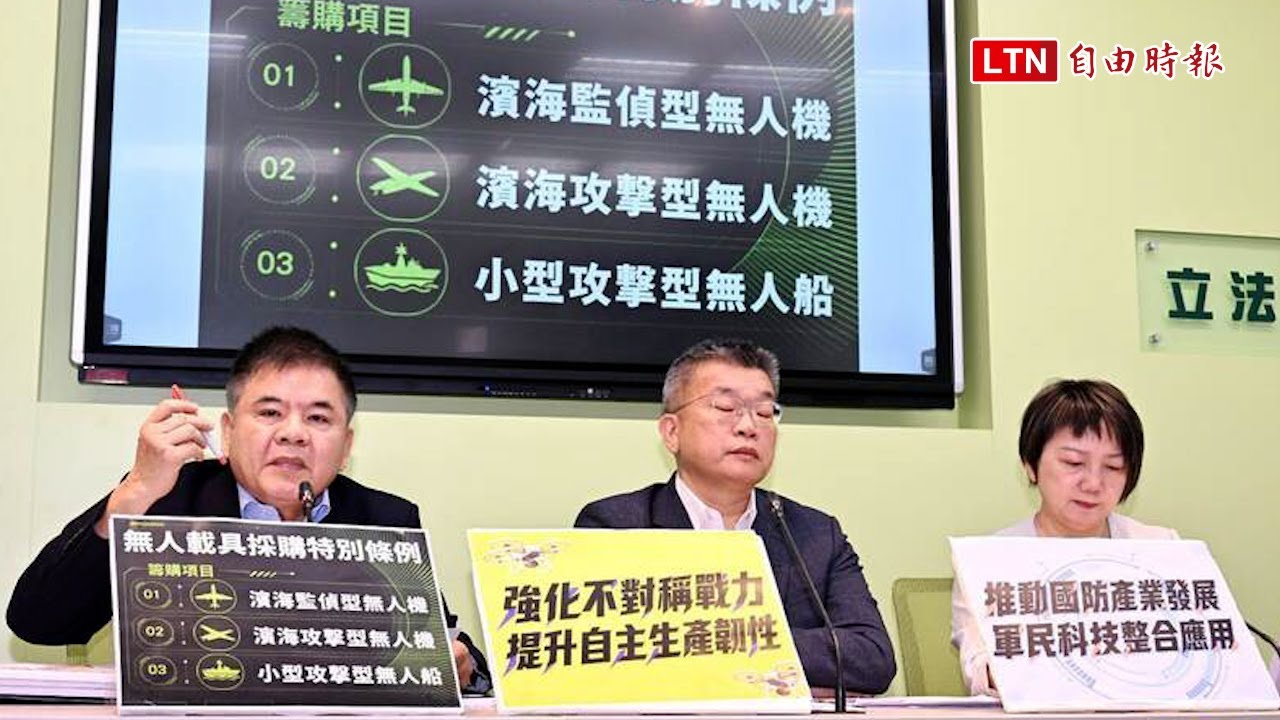
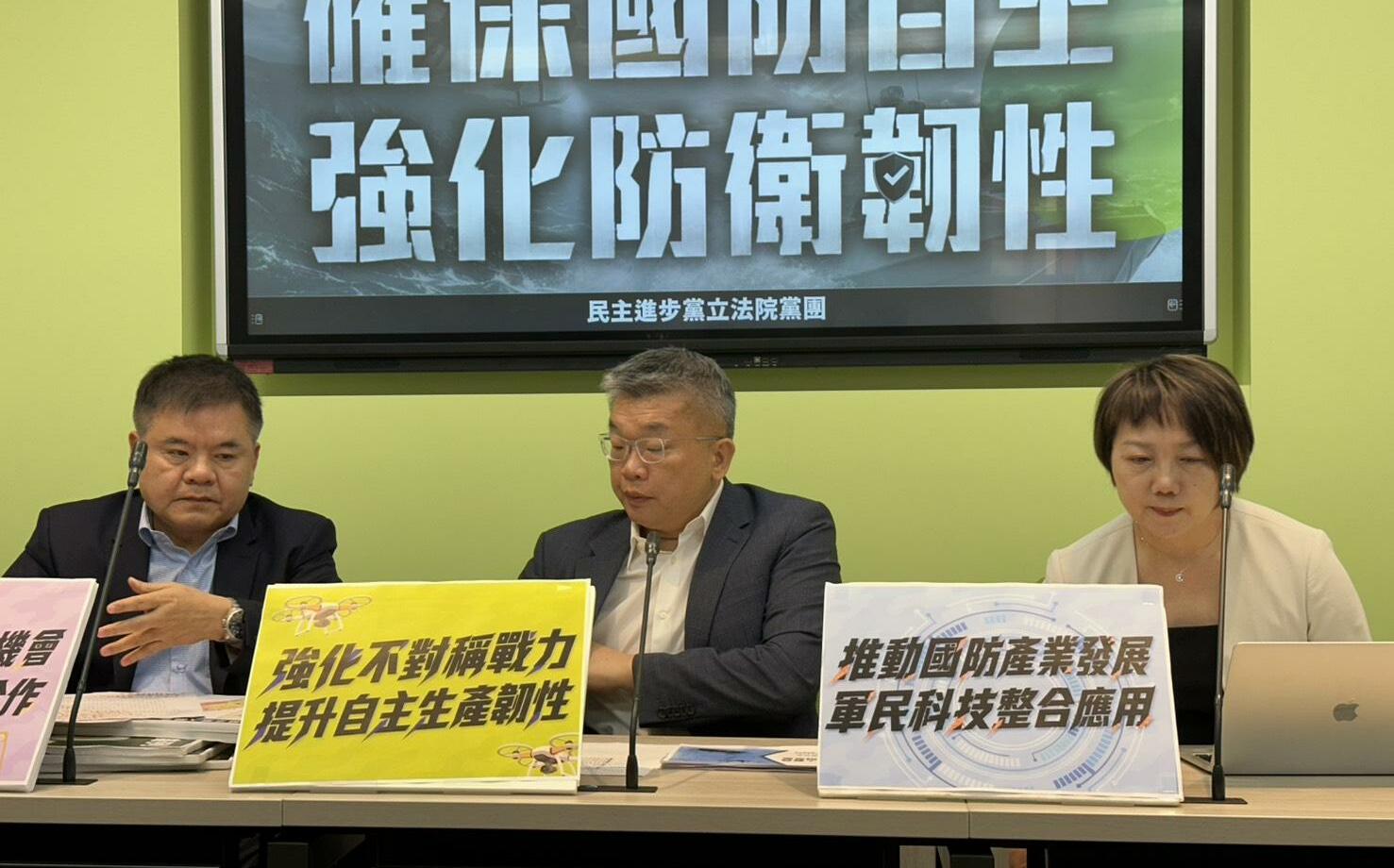
Taiwan's Executive Yuan approved a NT$210 billion budget for autonomous drones and unmanned boats, emphasizing their strategic and economic importance. The legislation, debated in parliament, aims to strengthen national defense and industry, but no AI-related harm has occurred yet. Political parties are discussing oversight and potential alternative proposals.[AI generated]

Why's our monitor labelling this an incident or hazard?

The event involves AI systems in the form of unmanned drones and boats, which are autonomous or semi-autonomous systems likely using AI for navigation and mission execution. The article centers on the legislative process and budget planning to support these systems, emphasizing their strategic importance and potential benefits. There is no indication of realized harm or incidents caused by these AI systems, only the potential for future use and development. Therefore, this qualifies as an AI Hazard because the development and deployment of these AI-enabled unmanned systems could plausibly lead to AI Incidents in the future, especially given their military application. It is not an AI Incident since no harm has occurred yet, nor is it Complementary Information or Unrelated.[AI generated]
AI principles
AccountabilityDemocracy & human autonomy

Industries
Government, security, and defence

Severity
AI hazard

Business function:
Procurement

AI system task:
Goal-driven organisation


Articles about this incident or hazard

Thumbnail Image

指盧秀燕、鄭麗文都支持無人機 民進黨團喊話韓國瑜:回國後加速推動特別條例

2026-06-22
Yahoo News (Taiwan)
Why's our monitor labelling this an incident or hazard?
The event involves AI systems in the form of unmanned drones and boats, which are autonomous or semi-autonomous systems likely using AI for navigation and mission execution. The article centers on the legislative process and budget planning to support these systems, emphasizing their strategic importance and potential benefits. There is no indication of realized harm or incidents caused by these AI systems, only the potential for future use and development. Therefore, this qualifies as an AI Hazard because the development and deployment of these AI-enabled unmanned systems could plausibly lead to AI Incidents in the future, especially given their military application. It is not an AI Incident since no harm has occurred yet, nor is it Complementary Information or Unrelated.
Thumbnail Image

民進黨團:無人載具條例有利民生國安 盼朝野合力推動

2026-06-22
Yahoo News (Taiwan)
Why's our monitor labelling this an incident or hazard?
The event involves AI systems in the form of unmanned vehicles intended for defense and security, which implies AI system development and use. However, no harm has occurred yet, nor is there an incident described. The article is about a legislative proposal that could lead to future deployment of AI-enabled unmanned vehicles, which could plausibly lead to harm if misused or malfunctioning, but this is prospective and not realized. Therefore, this qualifies as an AI Hazard because it concerns the plausible future risk associated with the development and deployment of AI systems in unmanned vehicles for defense purposes. It is not Complementary Information because it is not an update or response to a past incident, nor is it unrelated since AI systems are clearly involved.
Thumbnail Image

綠黨團批藍白勿再說一套做一套 促韓國瑜返台後速審無人機條例

2026-06-22
Yahoo News (Taiwan)
Why's our monitor labelling this an incident or hazard?
The article centers on the proposed legislation and political discourse regarding the procurement and development of unmanned vehicles, which are AI systems with potential military and economic impact. However, it does not describe any actual harm, malfunction, or misuse of these AI systems. Instead, it discusses the potential benefits and the need for legislative support. Therefore, it fits the category of Complementary Information as it provides context and updates on governance and policy related to AI systems without reporting an incident or hazard.
Thumbnail Image

政院通過無人載具特別條例 藍:審慎審查且研擬自提版本

2026-06-22
Yahoo News (Taiwan)
Why's our monitor labelling this an incident or hazard?
The article centers on the approval and discussion of a special procurement law for unmanned vehicles, which likely involve AI systems for autonomous operation. However, it only covers the legislative and budgetary process and political responses, without any mention of harm, malfunction, or misuse of AI systems. There is no indication of realized harm or a specific event that could plausibly lead to harm. Therefore, this is best classified as Complementary Information, as it provides context on governance and policy development related to AI-enabled unmanned vehicles but does not report an AI Incident or AI Hazard.
Thumbnail Image

行政院提2100億無人機條例!民進黨團喊話藍白別再擋:加強台灣國防韌性

2026-06-22
Yahoo News (Taiwan)
Why's our monitor labelling this an incident or hazard?
The event involves AI systems reasonably inferred as the unmanned vehicles (drones and unmanned boats) would require AI for autonomous operation and decision-making. The article centers on the legislative proposal and budget allocation for these AI-enabled defense systems, emphasizing their strategic importance and potential to enhance national defense resilience. No actual harm, malfunction, or misuse has occurred yet, so it does not qualify as an AI Incident. However, the development and procurement of such AI-enabled unmanned systems with military applications plausibly could lead to AI-related harms in the future, such as escalation of conflict or unintended consequences. Thus, the event fits the definition of an AI Hazard rather than an Incident or Complementary Information.
Thumbnail Image

民進黨團呼籲在野 速通過無人機預算

2026-06-22
UDN
Why's our monitor labelling this an incident or hazard?
While unmanned vehicles (drones) typically involve AI systems for autonomous or semi-autonomous operation, this article primarily concerns the political and budgetary process to fund their development and deployment. There is no mention of any realized harm, malfunction, or misuse of AI systems or drones. The discussion is about potential future capabilities and strategic needs, which could imply future risks but does not describe any current or past AI-related harm or incident. Therefore, this is best classified as an AI Hazard because the development and deployment of AI-enabled unmanned vehicles could plausibly lead to AI incidents in the future, especially in a military context, but no harm has yet occurred or been reported here.
Thumbnail Image

綠黨團批藍白勿再說一套做一套 促韓國瑜返台後速審無人機條例

2026-06-22
自由時報
Why's our monitor labelling this an incident or hazard?
The article centers on the proposed legislation for procurement of autonomous unmanned vehicles (drones) with AI capabilities for defense purposes. While no harm has yet occurred, the development and deployment of such AI-enabled systems with military applications inherently carry plausible risks of harm to people, infrastructure, or communities in the future. Therefore, this event fits the definition of an AI Hazard, as it involves the development and potential use of AI systems that could plausibly lead to incidents involving harm, but no incident has yet materialized.
Thumbnail Image

民進黨團:無人載具條例有利民生國安 盼朝野合力推動

2026-06-22
Central News Agency
Why's our monitor labelling this an incident or hazard?
The article centers on the proposed legislation to procure and develop autonomous unmanned vehicles (drones, unmanned boats) for defense, which are AI systems by definition due to their autonomous capabilities. No actual harm or incident is reported; rather, the article discusses the potential implications and the need for legislative support. Therefore, this event represents an AI Hazard, as the development and deployment of such AI-enabled unmanned systems could plausibly lead to harms such as threats to national security or unintended consequences from autonomous weapons. It is not an AI Incident because no harm has occurred yet, nor is it Complementary Information or Unrelated since it directly concerns AI systems with potential risks.
Thumbnail Image

藍營推無人機條例卻喊要等習近平 律師質疑:國防要看北京臉色?

2026-06-22
新頭殼 Newtalk
Why's our monitor labelling this an incident or hazard?
While the article involves AI systems in the form of unmanned drones and boats, it primarily covers political and legislative discussions without any indication of realized harm or incidents caused by these AI systems. There is no direct or indirect harm reported, nor is there a specific event indicating plausible future harm from AI system malfunction or misuse. The article is about policy and political debate, which is complementary information about the AI ecosystem but does not itself constitute an AI Incident or AI Hazard.
Thumbnail Image

國民黨擬推無人機法案 民進黨團籲表態:別對美一套、對中一套

2026-06-22
新頭殼 Newtalk
Why's our monitor labelling this an incident or hazard?
While unmanned vehicles typically incorporate AI systems for autonomous operation, the article primarily covers political and legislative discussions about funding and policy for such systems. There is no mention of any realized harm, malfunction, or misuse of AI systems, nor any direct or indirect harm caused by AI. The discussion is about potential future development and support for the unmanned vehicle industry, which could plausibly lead to AI-related hazards in the future, but no specific hazard or incident is described. Therefore, this article is best classified as Complementary Information, providing context on governance and strategic planning related to AI-enabled unmanned systems without reporting an incident or hazard.
Thumbnail Image

政院拋2100億無人機預算 藍批:花錢讓「綠友友」發國難財│TVBS新聞網

2026-06-22
TVBS
Why's our monitor labelling this an incident or hazard?
The article involves AI systems (unmanned drones) and discusses a large government budget for their procurement, which is relevant to AI ecosystem governance and policy. However, it does not describe any actual incident of harm or malfunction caused by AI systems, nor does it present a credible, specific risk of imminent harm from the AI systems themselves. The political criticism focuses on potential corruption and misuse of funds, which is a governance and oversight issue rather than a direct AI hazard or incident. Thus, the article provides complementary information about AI-related policy and governance developments, not a new AI Incident or AI Hazard.
Thumbnail Image

行政院提2100億無人機條例!民進黨團喊話藍白別再擋:加強台灣國防韌性

2026-06-22
三立新聞
Why's our monitor labelling this an incident or hazard?
The article explicitly discusses the procurement and development of unmanned vehicles (drones and unmanned boats) for defense, which almost certainly involve AI systems for autonomous or semi-autonomous operation. While no actual harm or incident is reported, the large-scale investment and legislative push indicate a credible potential for future AI-related harms, such as misuse, accidents, or escalation in conflict. Since the article does not describe any realized harm or incident but focuses on the potential and planned use of AI-enabled unmanned systems, it fits the definition of an AI Hazard rather than an AI Incident or Complementary Information. It is not unrelated because AI systems are central to the unmanned vehicles discussed.
Thumbnail Image

民進黨團:無人載具條例有利民生國安 盼朝野合力推動 - 政治新聞 - PChome Online 新聞

2026-06-22
PChome Online 新聞
Why's our monitor labelling this an incident or hazard?
The event involves AI systems in the form of unmanned vehicles (drones and unmanned boats) which inherently use AI for autonomous operation, but the article only describes a legislative proposal to fund and promote their development and procurement. There is no indication of any realized harm or incident caused by these AI systems, nor any immediate risk or hazard described. The focus is on policy and industry development, which fits the definition of Complementary Information as it provides context and governance-related updates about AI systems without reporting an incident or hazard.
Thumbnail Image

政院通過無人載具特別條例 藍:審慎審查且研擬自提版本

2026-06-22
Radio Taiwan International
Why's our monitor labelling this an incident or hazard?
While the article involves unmanned vehicles that presumably use AI for autonomous functions, it primarily reports on the approval and political discussion of a procurement law and budget for these systems. There is no description of any realized harm, malfunction, or misuse of AI systems, nor any direct or indirect harm caused or imminent. The event is about the potential future deployment and development of AI-enabled unmanned vehicles, which could plausibly lead to harm in the future, but no such harm or incident is described. Therefore, this is best classified as an AI Hazard, reflecting the plausible future risk associated with the development and procurement of autonomous unmanned vehicles with military applications.