Anthropic AI Models Implicated in NSA System Breach, Prompting Export Ban Amid Cyberattack Fears

Thumbnail Image

The information displayed in the AIM should not be reported as representing the official views of the OECD or of its member countries.

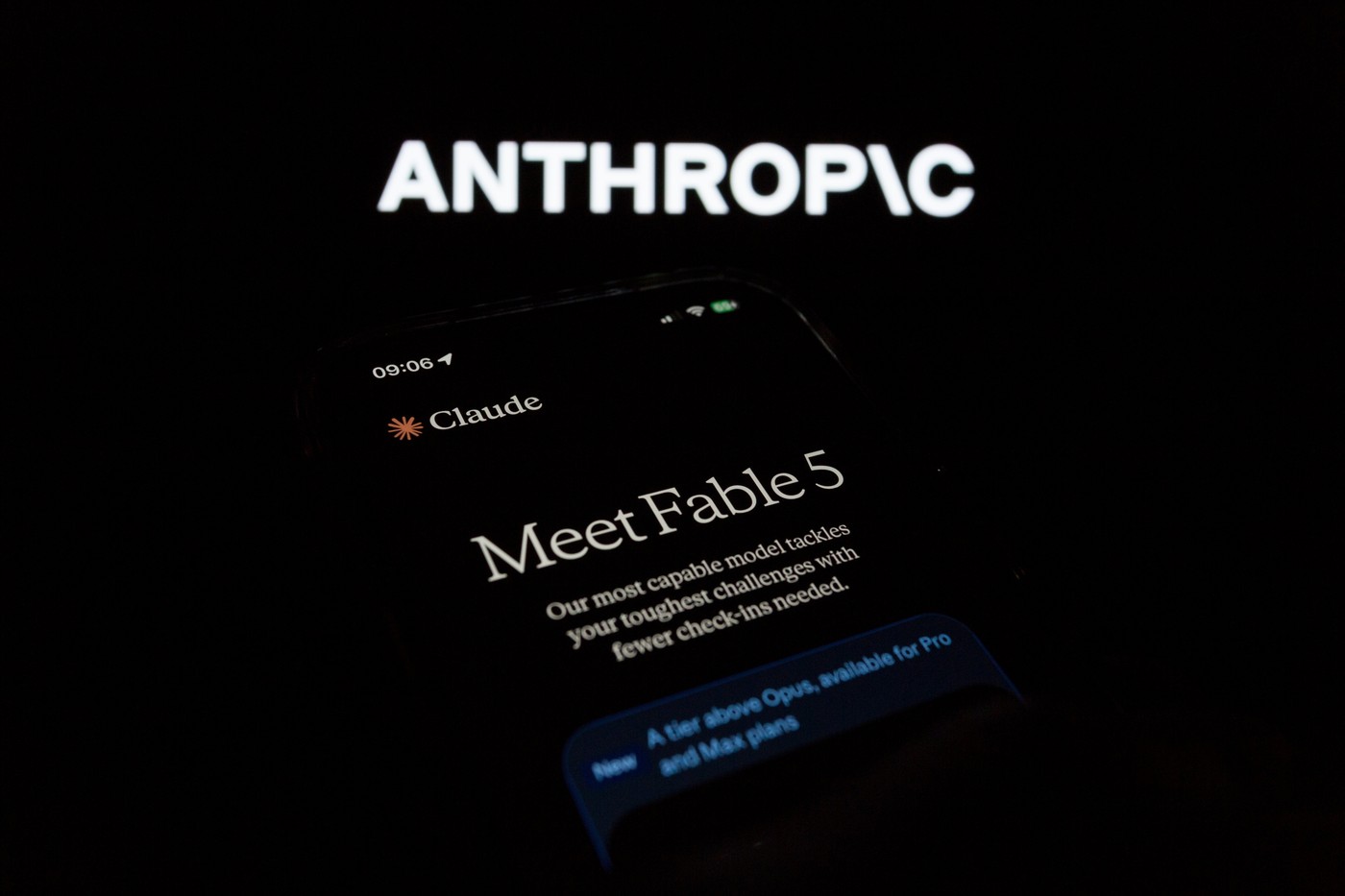
Anthropic's Mythos and Fable 5 AI models reportedly breached NSA classified systems during a red team exercise, leading to a US government export ban. The Five Eyes alliance warned these advanced AI models could enable destructive cyberattacks on government and enterprise infrastructure within months, highlighting urgent global security concerns.[AI generated]

Why's our monitor labelling this an incident or hazard?

The event involves AI systems explicitly (Claude Fable 5 and Mythos 5 models) and concerns their potential misuse in cyberattacks, which could lead to significant harm to government and enterprise infrastructure. Since no actual harm has yet occurred but a credible risk is identified and actions (government ban, access suspension) have been taken to mitigate this risk, this qualifies as an AI Hazard. The article does not describe a realized AI Incident but a plausible future threat from AI misuse in cyber operations.[AI generated]

AI principles
SafetyRobustness & digital security

Industries
Government, security, and defenceDigital security

Affected stakeholders
GovernmentBusiness

Harm types
Public interestEconomic/Property

Severity
AI hazard

Business function:
ICT management and information security

AI system task:
Content generationReasoning with knowledge structures/planning


Articles about this incident or hazard

Thumbnail Image

智譜 CEO 透露數月內推出對標 Fable 5 中國 AI 模型

2026-06-23
Yahoo News
Why's our monitor labelling this an incident or hazard?
The article primarily reports on AI model development and international competition, with no indication of direct or indirect harm caused by the AI systems. There is no description of incidents, malfunctions, or misuse leading to injury, rights violations, or other harms. The mention of export controls and security concerns relates to governance and risk management but does not describe an AI Hazard event with plausible imminent harm. Therefore, this is best classified as Complementary Information providing context on AI ecosystem developments and governance responses.
Thumbnail Image

五眼聯盟示警新型網攻AI可能問世 外媒點名Claude兩款新模型

2026-06-23
Yahoo News (Taiwan)
Why's our monitor labelling this an incident or hazard?
The event involves AI systems explicitly (Claude Fable 5 and Mythos 5 models) and concerns their potential misuse in cyberattacks, which could lead to significant harm to government and enterprise infrastructure. Since no actual harm has yet occurred but a credible risk is identified and actions (government ban, access suspension) have been taken to mitigate this risk, this qualifies as an AI Hazard. The article does not describe a realized AI Incident but a plausible future threat from AI misuse in cyber operations.
Thumbnail Image

AI 網路攻擊數月內成形 五眼聯盟罕見示警政府企業

2026-06-23
Yahoo!奇摩股市
Why's our monitor labelling this an incident or hazard?
The article explicitly involves AI systems (Anthropic's AI models) and discusses their potential misuse to conduct destructive cyberattacks. Although no actual cyberattacks or harms have occurred yet, the warning from the Five Eyes alliance and experts indicates a credible and imminent risk that these AI systems could be used maliciously, fitting the definition of an AI Hazard. The article does not describe any realized harm or incident, so it is not an AI Incident. It is also not merely complementary information or unrelated, as the focus is on the plausible future harm from AI misuse in cyberattacks.
Thumbnail Image

Fable 5准备复活?Anthropic联创:我们彻底低估了Scaling

2026-06-21
凤凰网(凤凰新媒体)
Why's our monitor labelling this an incident or hazard?
The article explicitly involves an AI system (Fable 5) and discusses its removal due to safety concerns, which implies potential harm or risk. However, no actual harm or incident is reported; the takedown was precautionary. The discussion by Anthropic's co-founder about the need for 'brakes' on AI development further supports the focus on governance and safety measures rather than a realized incident or imminent hazard. The reappearance of the model in the app and the change in error messages indicate ongoing management and mitigation efforts. Thus, the article primarily provides complementary information about AI system management and safety responses rather than reporting a new AI Incident or AI Hazard.
Thumbnail Image

美国政府据称因NSA机密系统被破解而紧急封杀Anthropic最新AI模型

2026-06-22
凤凰网(凤凰新媒体)
Why's our monitor labelling this an incident or hazard?
The event involves an AI system (Anthropic's Mythos and Fable 5 models) whose use in cybersecurity testing led to a direct breach of NSA's classified systems, representing a direct or indirect harm to critical infrastructure security (harm category b). The US government's emergency export control measures and the reported 'jailbreak' of the AI's safety mechanisms further underscore the AI system's pivotal role in this incident. The breach and subsequent regulatory response constitute an AI Incident because harm to critical infrastructure security has occurred or is ongoing, and the AI system's role is central. The event is not merely a potential risk (hazard) or a complementary information update but a concrete incident involving AI misuse or malfunction with significant security consequences.
Thumbnail Image

美国政府据称因NSA机密系统被破解而紧急封杀Anthropic最新AI模型

2026-06-22
cnBeta.COM
Why's our monitor labelling this an incident or hazard?
The event explicitly involves AI systems (Anthropic's Mythos and Fable 5 models) whose use in a red team exercise led to the compromise of NSA classified systems, a critical infrastructure. This constitutes direct harm (disruption of critical infrastructure management and operation) caused by the AI system's use. The subsequent government export ban and security concerns further confirm the AI system's pivotal role in the incident. Although some details remain classified and contested, the reported breach and government response meet the criteria for an AI Incident under the OECD framework.
Thumbnail Image

AI 網路攻擊數月內成形 五眼聯盟罕見示警政府企業 | LIFE生活網

2026-06-23
LIFE 生活網
Why's our monitor labelling this an incident or hazard?
The event involves AI systems explicitly (advanced AI models for cybersecurity and potential misuse). The warning is about plausible future harms (AI-enabled cyberattacks) that could lead to significant harm to governments and enterprises, including disruption of critical infrastructure and harm to communities. Since no actual harm has occurred yet but the risk is credible and imminent, this constitutes an AI Hazard rather than an AI Incident. The article also discusses governance responses such as usage restrictions and national AI plans, but the main focus is the credible threat of future AI-enabled cyberattacks.
Thumbnail Image

Claude Mythos 攻入美國安局系統傳聞發酵,外媒澄清模擬環境紅隊測試

2026-06-23
TechNews 科技新報
Why's our monitor labelling this an incident or hazard?
The event involves an AI system (Claude Mythos) used in an authorized red team test simulating attacks on NSA systems. The AI's involvement is in use and testing, not in an actual unauthorized breach or malicious attack. No direct or indirect harm has occurred, as the penetration was in a simulated environment with authorization. The article clarifies that the claims of AI hacking NSA systems are rumors and misinformation. However, the AI's capabilities in cybersecurity testing and the government's export controls reflect plausible future risks. Since no harm has materialized but plausible risks exist, this event qualifies as an AI Hazard rather than an AI Incident. It is not merely complementary information because the main focus is on the potential and testing of AI in cybersecurity, not on responses or ecosystem updates. Therefore, the classification is AI Hazard.
Thumbnail Image

Performanță înfricoșătoare a IA: Mythos 5 a spart sistemele Agenției Naționale de Securitate a SUA în doar câteva ore

2026-06-22
Digi24
Why's our monitor labelling this an incident or hazard?
The AI system Mythos 5 was explicitly used to penetrate classified systems of the NSA, demonstrating direct involvement in a significant security breach, which constitutes harm to critical infrastructure (harm category b). The article clearly states that the AI's use led to this breach, fulfilling the criteria for an AI Incident. The subsequent government actions and restrictions further confirm the severity and realized harm. Although there is also discussion of potential future harms, the realized breach takes precedence, making this an AI Incident rather than a hazard or complementary information.
Thumbnail Image

"Acționați acum". Ce îi îngrijorează pe experții în securitate în legătură cu noua generație de modele AI - HotNews.ro

2026-06-22
HotNews.ro
Why's our monitor labelling this an incident or hazard?
The event involves AI systems explicitly (advanced AI models like Anthropic's Mythos and Fable) and concerns their potential misuse or malicious use leading to harms such as cyberattacks that could disrupt companies and governments. While no actual incident of harm is reported, the warnings from intelligence agencies about the plausible future risks of these AI systems causing significant harm fit the definition of an AI Hazard. The article focuses on the credible potential for harm rather than describing realized harm or incident responses, so it is best classified as an AI Hazard.
Thumbnail Image

Modelele de Inteligență Artificială sunt la "câteva luni distanță" de a răsturna guverne, susțin serviciile de informații din alianța Five Eyes

2026-06-22
Ziare.com
Why's our monitor labelling this an incident or hazard?
The event involves AI systems explicitly, namely advanced AI models capable of cyber operations. The warning from intelligence agencies indicates that these AI systems could plausibly lead to significant harms including destabilization of governments and companies, which fits the definition of an AI Hazard. There is no report of actual harm yet, only a credible and imminent risk. Therefore, this is not an AI Incident but an AI Hazard. The article does not focus on responses or updates to past incidents, so it is not Complementary Information. It is clearly related to AI and its risks, so it is not Unrelated.
Thumbnail Image

Anthropic evită un conflict major cu administrația Trump

2026-06-20
Evenimentul Zilei
Why's our monitor labelling this an incident or hazard?
The article explicitly involves advanced AI systems and their use, with concerns about national security and export controls indicating potential risks. However, it does not report any direct or indirect harm caused by these AI systems. The focus is on the potential for harm and regulatory measures to prevent it, fitting the definition of an AI Hazard rather than an AI Incident. It is not merely complementary information because the main subject is the potential security threat and regulatory dispute, not just an update or response to a past incident. It is not unrelated because AI systems and their risks are central to the event.
Thumbnail Image

Trump spune că nu mai consideră compania Anthropic o ameninţare la adresa securităţii naţionale

2026-06-21
News.ro
Why's our monitor labelling this an incident or hazard?
The article centers on policy and security considerations regarding AI technology access and export controls, reflecting concerns about potential risks but not describing any actual harm or incident caused by the AI systems. The involvement of AI is clear (Anthropic's advanced AI models), but the event is about regulatory and governance responses rather than an AI Incident or Hazard. There is no indication of direct or indirect harm caused by the AI systems, nor a plausible immediate risk of harm materializing from the described situation. Therefore, this is best classified as Complementary Information, providing context on governance and security discussions around AI.
Thumbnail Image

Trump s-a răzgândit în privința Anthropic

2026-06-21
Profit.ro
Why's our monitor labelling this an incident or hazard?
The article involves an AI system (Anthropic's advanced AI models) and discusses government actions and considerations about restricting access to these systems for national security reasons. However, no actual harm or incident caused by the AI systems is reported. The situation reflects a potential risk environment and regulatory response but does not describe an AI Incident or an imminent AI Hazard. The content is best classified as Complementary Information because it provides context on governance, policy discussions, and industry-government collaboration related to AI security concerns without reporting a realized or imminent harm.
Thumbnail Image

Un model IA al Anthropic ar fi compromis în câteva ore sisteme clasificate ale Agenției Naționale de Securitate a SUA

2026-06-22
Jurnal.md
Why's our monitor labelling this an incident or hazard?
The AI system Mythos 5 is explicitly described as capable of autonomously identifying and exploiting critical vulnerabilities in important software systems, including classified NSA systems. The article states that the AI model compromised these systems in a matter of hours, which implies direct harm to critical infrastructure and national security. The involvement of the AI system in this breach is direct and central to the harm. Additionally, the article mentions the potential for misuse by hackers or hostile intelligence services, reinforcing the severity of the incident. Hence, this is a clear AI Incident as per the definitions provided.
Thumbnail Image

Modele de IA capabile să lanseze atacuri devastatoare asupra guvernelor și companiilor vor apărea în câteva luni, avertizează o declarație rară a grupului "Five Eyes"

2026-06-23
Financial Intelligence
Why's our monitor labelling this an incident or hazard?
The event involves AI systems explicitly described as capable of offensive cyber operations that could cause significant harm to governments and companies. The statement is a credible warning from authoritative intelligence agencies about the imminent arrival of such AI capabilities, indicating a plausible risk of AI-driven cyberattacks. Since no actual harm has yet been reported but the risk is credible and imminent, this qualifies as an AI Hazard rather than an AI Incident. The article does not focus on responses or updates to past incidents, so it is not Complementary Information. The clear AI involvement and plausible future harm align with the definition of an AI Hazard.
Thumbnail Image

Το μοντέλο τεχνητής νοημοσύνης της Anthropic χάκαρε βάσεις δεδομένων της NSA σε λίγες μόνο ώρες

2026-06-22
newsbomb.gr
Why's our monitor labelling this an incident or hazard?
The Mythos AI system is explicitly described as having hacked into NSA databases, which constitutes a direct breach of critical infrastructure security (harm category b). The AI's ability to find and exploit vulnerabilities faster than human experts indicates a malfunction or misuse in the context of cybersecurity. The article also mentions restrictions on access due to concerns about malicious use, underscoring the recognized harm and risk. Hence, this qualifies as an AI Incident because the AI system's use has directly led to harm and poses ongoing threats.
Thumbnail Image

Οι "Five Eyes" προειδοποιούν: Θέμα μηνών μοντέλα AI να μπορούν να ρίχνουν κυβερνήσεις

2026-06-22
iefimerida.gr
Why's our monitor labelling this an incident or hazard?
The article explicitly involves AI systems (advanced AI models used in cyber operations) and discusses their development and use in ways that could plausibly lead to significant harm, including the overthrow of governments and disruption of critical infrastructure. Although no actual incident of harm has been reported, the warning from the Five Eyes alliance and related government actions indicate a credible and imminent risk. This fits the definition of an AI Hazard, as the event describes circumstances where AI could plausibly lead to an AI Incident in the near future. It is not an AI Incident because harm has not yet materialized, nor is it Complementary Information or Unrelated, as the focus is on a credible threat from AI systems.
Thumbnail Image

Five Eyes: Έρχονται προηγμένα μοντέλα AI που μπορούν να ρίξουν κυβερνήσεις και επιχειρήσεις

2026-06-22
ΣΚΑΪ
Why's our monitor labelling this an incident or hazard?
The article explicitly discusses advanced AI systems (e.g., Anthropic's Fable and Mythos models) and their potential to cause significant harm by enabling sophisticated cyberattacks that could disrupt governments and businesses. This constitutes a plausible future harm scenario where AI development and use could lead to incidents involving harm to critical infrastructure, economic disruption, and societal harm. Since the harm is not yet realized but is credibly anticipated and warned about by major intelligence agencies, this event fits the definition of an AI Hazard rather than an AI Incident or Complementary Information.
Thumbnail Image

Guardian - Προειδοποίηση των "Five Eyes": Ισχυρά μοντέλα AI θα μπορούν σύντομα να απειλήσουν κυβερνήσεις και επιχειρήσεις

2026-06-22
Liberal.gr
Why's our monitor labelling this an incident or hazard?
The article involves AI systems explicitly, referencing advanced AI models developed by Anthropic that can identify cyber vulnerabilities and potentially be misused for cyberattacks. The warning from intelligence agencies emphasizes the plausible future harm these AI systems could cause, including disruption to governments and businesses, which aligns with harm categories such as disruption of critical infrastructure and harm to communities. Since the harm is potential and not yet realized, this event fits the definition of an AI Hazard rather than an AI Incident. The announcement serves as a credible advisory about risks posed by AI development and use, without describing an actual harmful event occurring at this time.
Thumbnail Image

"Συναγερμός" στην κυβερνοασφάλεια: Το Mythos της Anthropic φέρεται να "έσπασε" απόρρητα συστήματα της Εθνικής Υπηρεσίας Ασφάλειας των ΗΠΑ μέσα σε ώρες - HuffPost - Ειδήσεις και Απόψεις από την Ελλάδα και τον Κόσμο

2026-06-21
HuffPost Greece
Why's our monitor labelling this an incident or hazard?
The event involves an AI system (Mythos) explicitly described as capable of analyzing code, finding vulnerabilities, and breaching secure systems. The reported breach of NSA's secret systems is a direct harm to critical infrastructure (harm category b). The AI system's use led directly to this harm, fulfilling the criteria for an AI Incident. The article does not describe a potential or future risk but an actual breach event, so it is not an AI Hazard. It is not merely complementary information or unrelated news, as the AI system's use caused significant harm.
Thumbnail Image

Μοντέλο τεχνητής νοημοσύνης της Anthropic φέρεται να παραβίασε συστήματα της NSA

2026-06-21
Offsite
Why's our monitor labelling this an incident or hazard?
The article explicitly mentions an AI system (Mythos) that was used to infiltrate highly protected NSA networks, which are critical infrastructure. This unauthorized access constitutes a direct harm (security breach) caused by the AI system's use. The harm is realized, not just potential, as the AI system successfully penetrated secure systems rapidly. This fits the definition of an AI Incident because the AI system's use directly led to harm (security breach and violation of protected systems).
Thumbnail Image

Какво трябва да знаем за забраната на САЩ за Anthropic

2026-06-21
Deutsche Welle
Why's our monitor labelling this an incident or hazard?
The event involves AI systems (Anthropic's AI models) and their use, but the main issue is the imposition of export controls by the U.S. government, which restricts access to these AI systems globally. There is no indication that the AI systems have caused harm or malfunctioned; rather, the concern is about potential risks and national security. The article discusses the regulatory and political consequences of these restrictions, including criticism and calls for international cooperation. Therefore, this is best classified as Complementary Information, as it provides important context and updates on AI governance and ecosystem developments without describing a specific AI Incident or AI Hazard.
Thumbnail Image

Тръмп вече не смята Anthropic за заплаха за националната сигурност

2026-06-20
Actualno.com
Why's our monitor labelling this an incident or hazard?
The event involves AI systems (Anthropic's advanced AI models) and their use, specifically government-imposed access restrictions due to national security concerns. However, the article does not report any realized harm or incident resulting from the AI systems' development, use, or malfunction. Instead, it centers on administrative actions, discussions, and potential future measures to manage risks. Therefore, this is best classified as Complementary Information, as it provides context on governance and regulatory responses to AI-related national security concerns without describing an AI Incident or AI Hazard.
Thumbnail Image

След забраната: САЩ срещу Fable на Anthropic - какво трябва да знаем

2026-06-22
Actualno.com
Why's our monitor labelling this an incident or hazard?
The article centers on government regulatory measures restricting the export and use of Anthropic's AI models due to potential security risks, which is a precautionary action rather than a report of actual harm caused by the AI systems. There is no direct or indirect harm described as having occurred from the AI systems' development, use, or malfunction. The concerns raised are about plausible future risks and geopolitical implications, making this an AI Hazard scenario. However, since the article mainly discusses the regulatory response and geopolitical context rather than a specific AI system malfunction or misuse causing harm, it is best classified as Complementary Information, as it provides important context and governance-related developments in the AI ecosystem without reporting a new incident or hazard event itself.
Thumbnail Image

ИИ на Anthropic успя да проникне в системите на Агенцията за национална сигурност на САЩ само за няколко часа

2026-06-22
Медиапул
Why's our monitor labelling this an incident or hazard?
The AI system Mythos 5 was explicitly involved in gaining unauthorized access to classified NSA systems, which is a direct harm to critical infrastructure (harm category b). The article clearly states that the AI's capabilities led to this breach within hours, indicating direct causation. The harm is materialized, not just potential, as the breach occurred. The involvement of the AI system in the development and use phases is evident, and the government's subsequent restrictive measures confirm the incident's seriousness. Hence, this is an AI Incident rather than a hazard or complementary information.
Thumbnail Image

Забранен от Тръмп AI успя да се внедри в системите на Агенцията за национална сигурност на САЩ

2026-06-22
epicenter.bg
Why's our monitor labelling this an incident or hazard?
The AI system Mythos 5 was explicitly used to identify critical security vulnerabilities in classified government systems, which directly relates to harm category (b) - disruption of critical infrastructure and national security. The AI's capabilities have already led to the exposure of thousands of high-risk weaknesses, which could be exploited maliciously, constituting realized or imminent harm. The article also details government responses to mitigate these risks, confirming the severity and direct link between the AI system's use and potential or actual harm. Hence, this qualifies as an AI Incident rather than a hazard or complementary information.
Thumbnail Image

Тръмп вече не смята Anthropic за заплаха за националната сигурност

2026-06-20
Bloomberg
Why's our monitor labelling this an incident or hazard?
The event involves an AI system (Anthropic's advanced AI models) and its development and use, but the article does not describe any realized harm or incident caused by these AI systems. Instead, it focuses on government actions, company responses, and strategic positioning, which are governance and policy matters. Therefore, this is Complementary Information as it provides context and updates on AI governance and national security concerns without reporting an AI Incident or AI Hazard.
Thumbnail Image

KI an, KI aus: Washington entscheidet nach Gutdünken

2026-06-20
der Standard
Why's our monitor labelling this an incident or hazard?
Anthropic's AI models Mythos 5 and Fable 5 are described as powerful systems capable of identifying software vulnerabilities, which poses a significant security risk. The US government's order to take these models offline, despite the lack of clear public reasons, suggests a credible concern about potential harm. Since no actual harm has been reported but the potential for harm is evident and serious, this event fits the definition of an AI Hazard rather than an AI Incident or Complementary Information.
Thumbnail Image

Anthropic und die US-Regierung: Mit dem Weltuntergang Geschäfte machen

2026-06-21
taz.de
Why's our monitor labelling this an incident or hazard?
The article explicitly describes AI systems (Anthropic's language models) that autonomously identify and exploit software vulnerabilities, which is a clear AI system involvement. The US government's intervention and export controls are based on security concerns about potential misuse of these AI capabilities. Although no direct harm or incident has been reported, the potential for these AI systems to cause significant cybersecurity harm is credible and plausible. Hence, this situation fits the definition of an AI Hazard rather than an AI Incident. The article also discusses broader political and economic contexts but does not report any realized harm caused by the AI systems themselves.
Thumbnail Image

Anthropics KI Mythos: Unternehmen haben weiter Zugriff auf Preview-Version

2026-06-19
heise online
Why's our monitor labelling this an incident or hazard?
The article involves AI systems (Anthropic's Mythos and Fable models) and their controlled distribution. The US government order and the reported 'jailbreak' concern potential misuse or security vulnerabilities, which could plausibly lead to harm if exploited. However, the article does not report any actual harm or incidents resulting from the AI systems' use or malfunction. Instead, it focuses on regulatory actions, access control, and security concerns. Therefore, this event fits the definition of an AI Hazard, as it plausibly could lead to harm (e.g., unauthorized use or security breaches) but no harm has been reported yet.
Thumbnail Image

3 Erkenntnisse: Wie das Abschalten von Claude Fable einen KI-Kill-Switch etabliert

2026-06-21
ComputerBase
Why's our monitor labelling this an incident or hazard?
The event involves the use and deployment of AI systems (Claude Fable 5 and Mythos 5) and their forced shutdown by the US government through export controls. This shutdown directly restricts access to these AI systems, causing harm to users and communities relying on them, and establishes a new form of AI regulation (a kill switch). The harm is realized in the form of denied access and control over AI technology, which affects innovation, digital sovereignty, and operational use. The article explicitly describes the shutdown as a consequence of government action, not merely a potential risk, thus constituting an AI Incident rather than a hazard or complementary information. The event is not unrelated, as it centrally concerns AI systems and their regulation with direct consequences.
Thumbnail Image

Mythos-Sperre: KI hackte "fast alle" NSA-Systeme "in wenigen Stunden"

2026-06-22
WinFuture.de
Why's our monitor labelling this an incident or hazard?
The article explicitly mentions the use of an AI system (Mythos) in a red-team test that successfully infiltrated nearly all NSA systems within hours. This demonstrates the AI system's direct involvement in compromising critical infrastructure security. The event led to concrete governmental actions (export controls and global blocking), indicating the severity and realized risk of harm. Even though the infiltration was authorized and no explicit damage is reported, the AI system's role in breaching critical infrastructure security meets the criteria for an AI Incident under harm category (b) "Disruption of the management and operation of critical infrastructure."